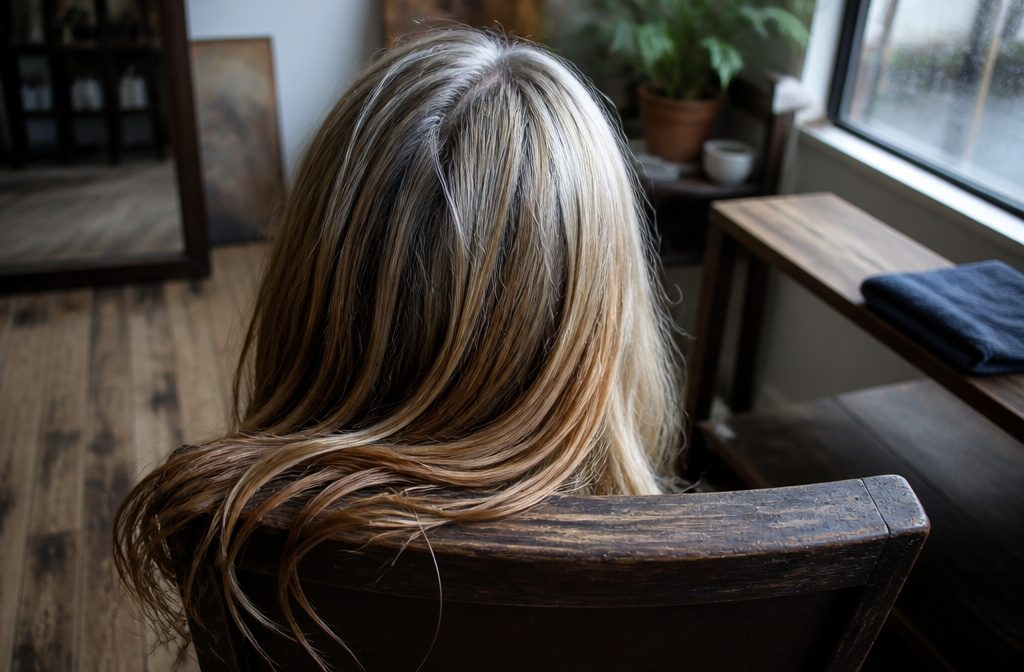
Blonde runs from ice-pale platinum to chocolate with golden threads, and your starting hair color decides where you can land.
Most shades sit 2 or 3 levels lighter than your natural color, but a gap of more than 4 levels usually means bleach first. White blonde demands the most toning of any shade.
1. Platinum, White and Ice Blonde
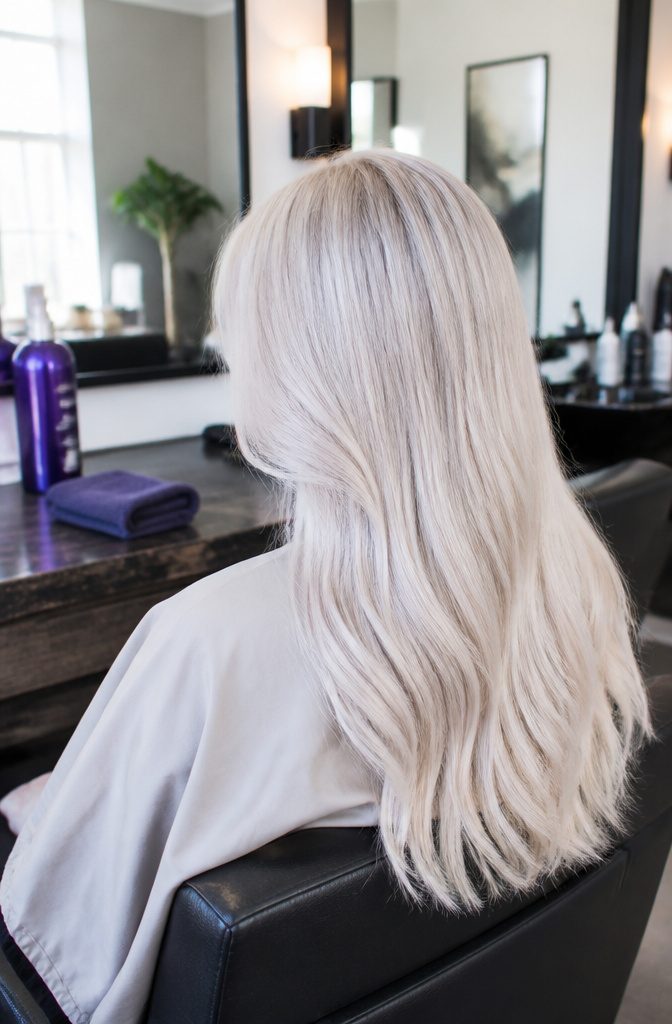
Ice blonde is the palest, coolest corner of the chart: pale platinum with a silver, blue or white edge, so strands look veiled in frost.
Getting there usually means bleach, lifting the hair to a pale yellow, then toning with something like Wella Ilumina Color 10/69 or Koleston Perfect 10/96.
Fair skin and cool undertones suit it best, though medium skin with a yellowish tint works too. White blonde is the most demanding version, since it needs more frequent touch-ups and toning than any other blonde, so bleach with caution.
Keep purple shampoo in the shower between salon visits to cancel yellow tones, because hair this pale is prone to brassiness.
2. Ash Blonde
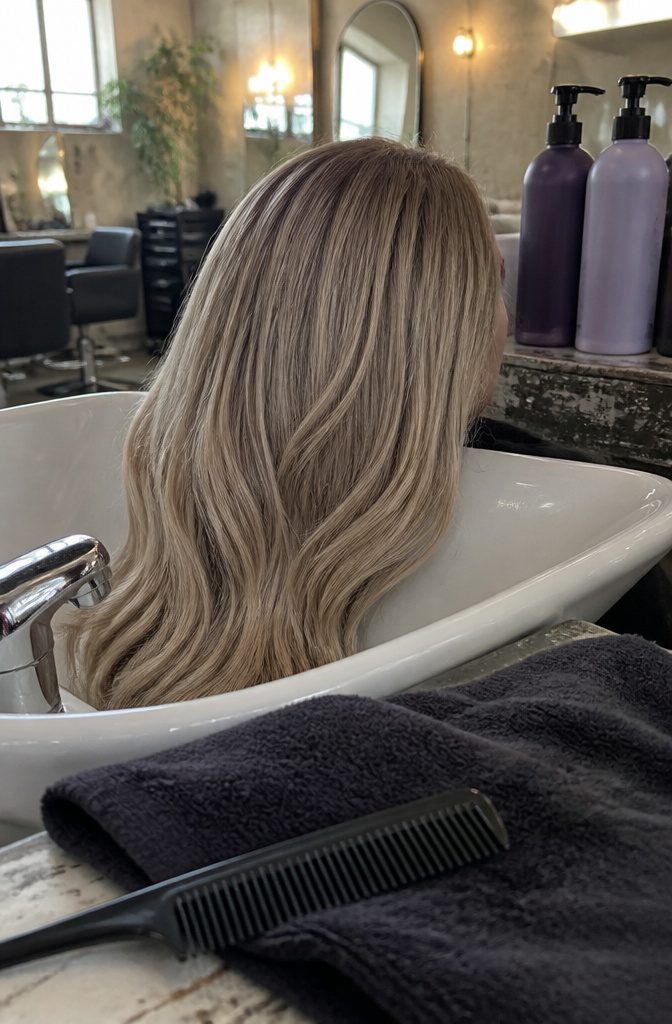
Ash blonde gets its smoky finish from cool pigment: gray and beige at the base, with hints of blue, green or violet.
It suits cool or fair complexions, and light eyes, blue especially, stand out against it. Warm undertones pair better with golden and honey, so I’d point those skin tones elsewhere.
At home, Clairol’s Nice’n Easy line has 8A Medium Ash Blonde, described as crisp as a cool winter day, and 9A Light Ash Blonde, the paler of the two. Ash only stays cool with upkeep.
Plan on a purple shampoo and conditioner, plus a toner once warmth creeps back in. Ash is also one of the better shades for fighting brassiness, as long as you keep toning.
3. Silver Blonde
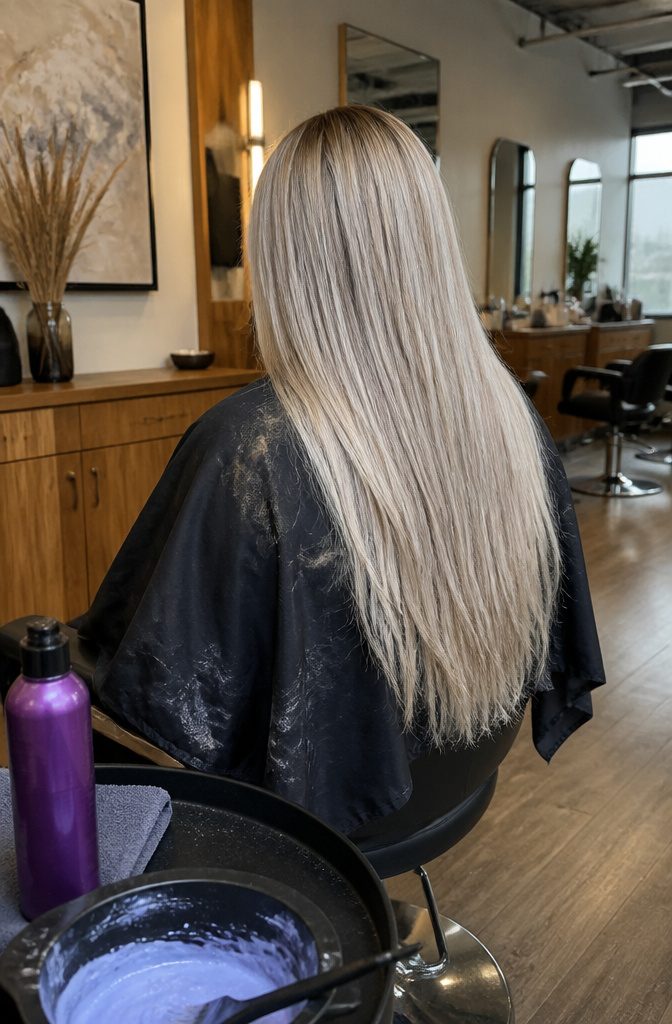
Silver blonde is a metallic, cool shade that runs darker than platinum, and the best versions mix platinum with gunmetal gray for a multi-tonal finish.
It sits on the same cool spectrum as ash and platinum, but it’s the one with the steel sheen.
It suits cool skin and lighter complexions, especially with blue or green eyes.
On deeper skin, I’d ask for a few warm honey tones so the color doesn’t wash you out. It also works well on naturally graying hair.
For a salon ask, request full balayage, a root melt and silvery babylights, all before toning. The cost is fading: once regular shampoo strips the cool tone, brass shows through, so start purple shampoo with the first wash at home.
4. Light, Baby and Natural Blonde
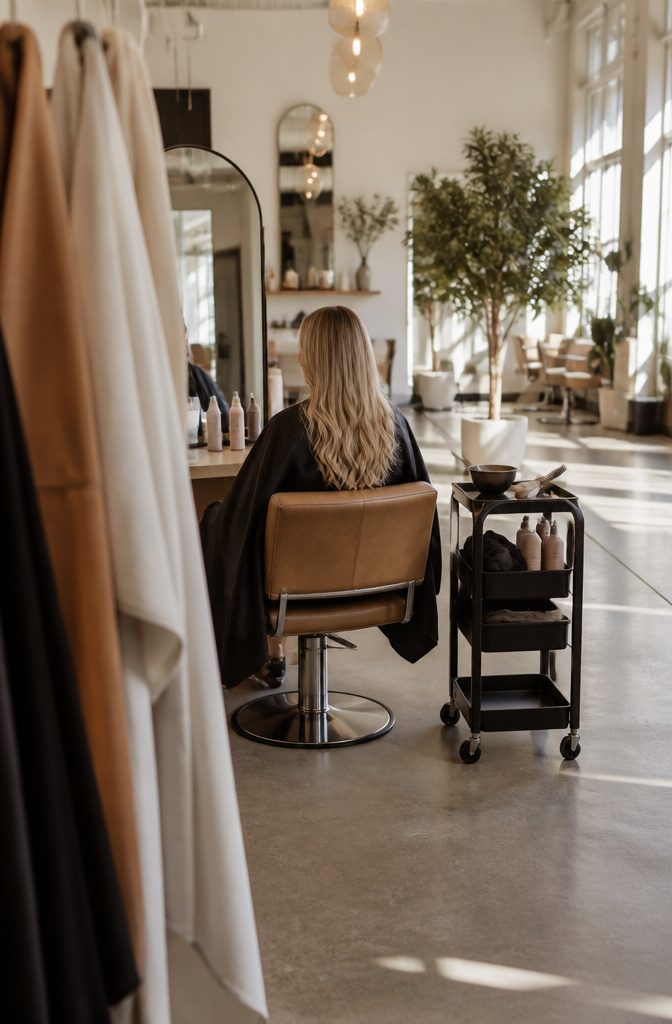
Natural blonde works by stacking several close shades from one color family, so it reads as light hair you were born with rather than a single flat coat.
It sits around levels 9–10, where Garnier’s Nutrisse 100 and Olia 10.0 land. Skin tone sets the depth: keep the shades lighter on fair skin and deepen them on darker skin.
Placement does the rest. A darker root with brighter pieces framing the face looks soft, and balayage blends root into ends without a hard line.
For most people I’d choose this over platinum, because a tint rinse or toner between color appointments is the main upkeep, not constant correction.
5. Cream and Creamy Blonde
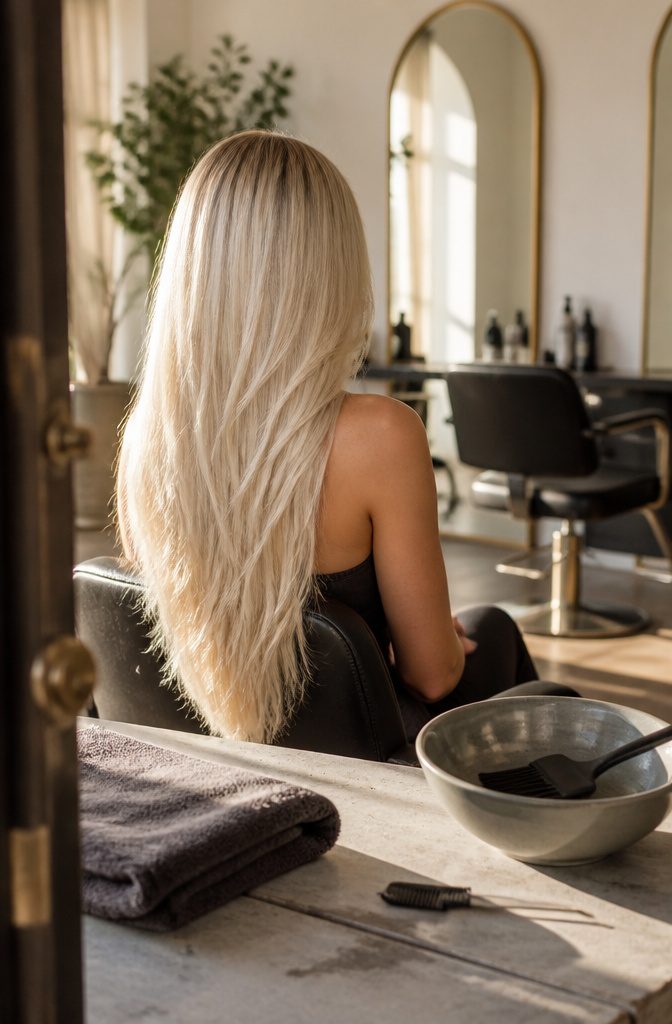
Cream blonde sits just shy of platinum: bright and light, with a buttery, warm undertone where platinum goes stark white. The finish reads smooth and silky, closer to Scandi than icy.
Tom Badger’s version makes a good recipe to hand a stylist. He pre-lightened with Blondor Soft Blonde Cream + 4%, then toned for 15 minutes with Koleston Perfect 10/16.
I’d pick cream over ice blonde for anyone who loves the brightness but not the starkness.
The warmth looks softer against the face, and it flatters light and dark complexions alike, because the buttery undertone adds dimension without looking like highlights.
6. Beige, Neutral and Greige Blonde
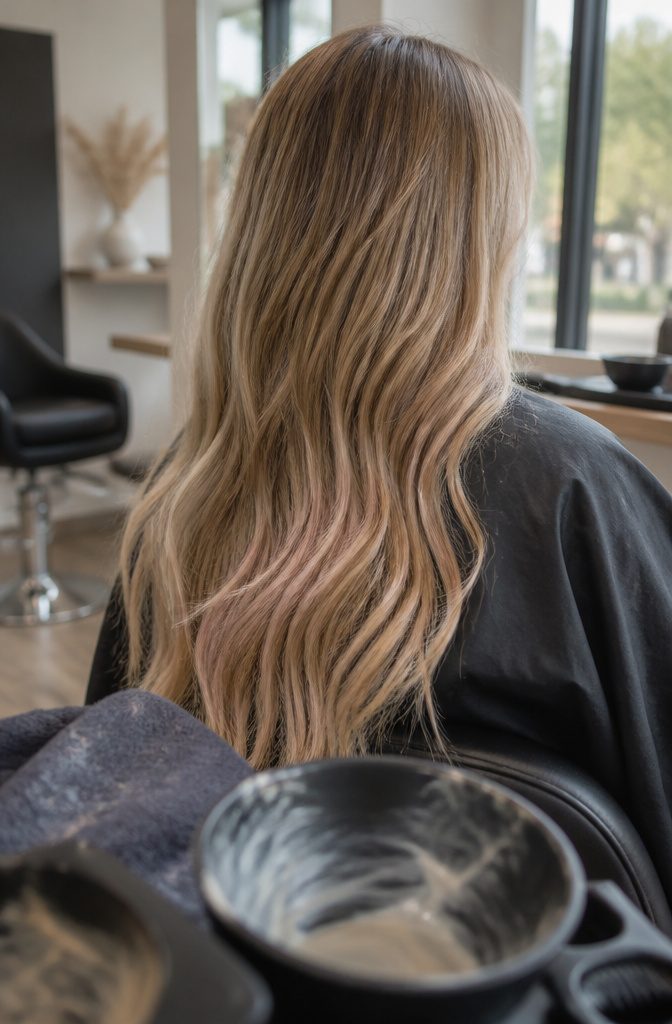
Beige blonde sits halfway between warm and cool, so it reads as wheat or sand rather than gold or ice.
That balance makes it the safest pick if you can’t settle on a tone, and it flatters nearly every skin tone and hair type.
Greige leans the same way but cooler, blending beige with cool tones under a glossy finish that reflects light.
Wella’s beige formula starts with chunky Blondorplex highlights, pre-toned with 10/6 + 1.9%.
The gloss that follows is 9/97 + 9/16 + 8/03 + 1.9%. Beige asks for less upkeep than platinum, which is why I’d steer anyone who wants blonde without a tight salon schedule toward it.
7. Golden Blonde
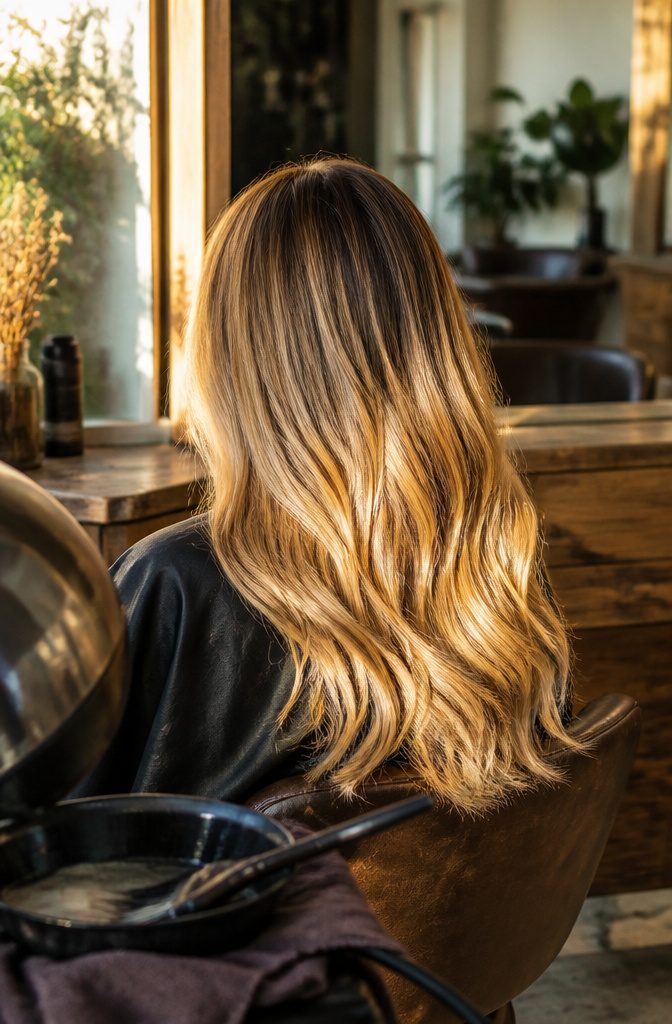
Golden blonde is gleaming and glowy, with enough yellow to read as sunlit but not so much that it turns dull or brassy.
Wella’s 8/38, 9/03 and 10/36 are three shimmering golden shades on three different levels of lift, so a stylist can pick the one that suits your starting depth.
The golden-toffee version over a brunette base uses Color Touch 6/47 as a root shadow and 7/73 through the mid-lengths and ends. That gets processed under heat for 15 minutes, then emulsified for 5.
Golden works best on warm or medium skin and can look off against pink or cool undertones. Warm tones fade quickly, so I’d use a color-safe shampoo and book a golden tint rinse between appointments.
8. Honey Blonde
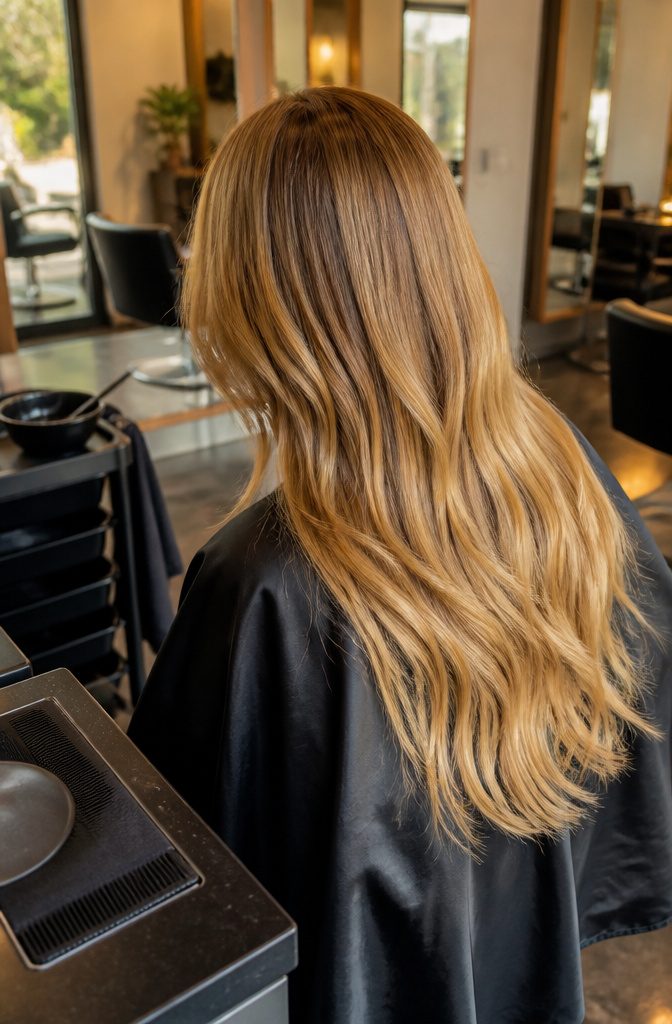
Honey blonde is a warm, golden blonde with real depth, and it looks best when it isn’t one flat color.
Darker roots with honey-hued highlights give it that multidimensional glow, so I’d ask for balayage or soft, woven placement over solid all-over color.
Wella’s version pre-lightens with Blondor + 6%, then runs demi-permanent Color Touch 8/81 + 4% through the mid-lengths and ends. That’s a formula you can hand your colorist.
The shade suits warm, golden, or medium-to-dark complexions, especially with brown or black eyes. If your skin is pale or cool-toned, honey can wash you out, so pick a lighter, cooler blonde instead.
9. Buttery, Butter and Butterscotch Blonde
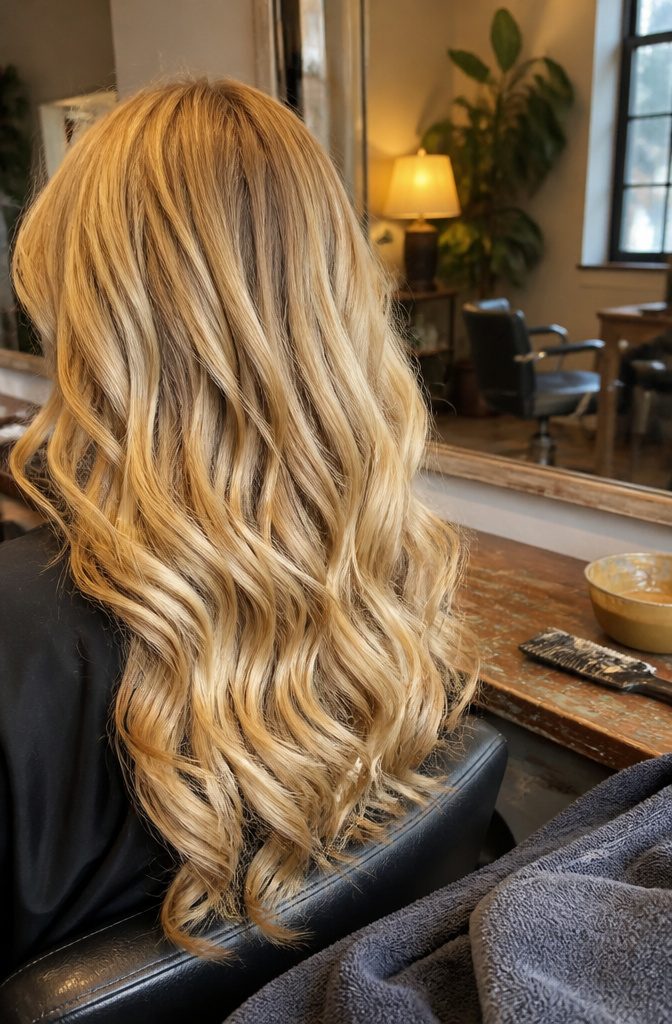
Buttery blonde is a creamy, glossy warm blonde with splashes of honey-yellow. It sits between golden and cream: richer than cream, softer than a full golden.
Butterscotch pushes the same idea deeper and glowier, the classic Hollywood warm blonde. Milky versions keep the honey tone but blend in lighter highlights, which gives curls dimension without any dark roots or weight.
Warm skin and pearly, light-to-medium complexions wear it best, and it flatters any eye color. I’d hesitate on pink, cool undertones, where the yellow can fight your skin.
The lighter the butter, the faster it drifts brassy, so budget for a toning step. A warm-blonde color-depositing conditioner or a honey toner keeps it creamy instead of canary.
10. Caramel Blonde
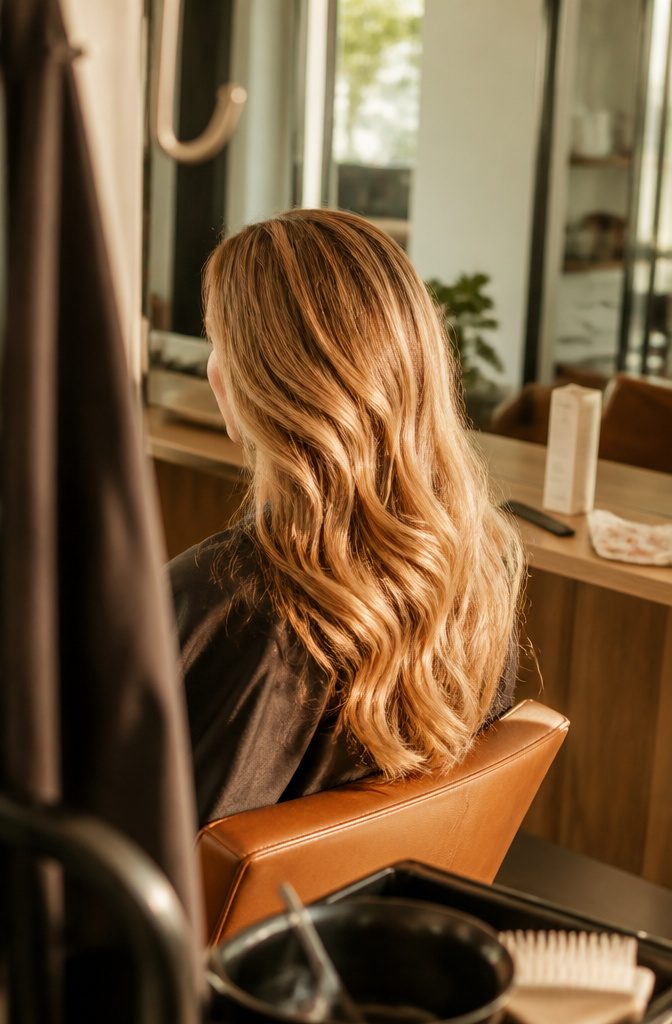
Caramel blonde mixes golden blonde with light brown and honey tones, the blonde answer to chocolate brown: rich, glossy, warm.
It flatters nearly every complexion, but it looks most natural on medium to dark skin tones, and warm undertones get the most glow from it.
Brunettes use it as a stepping stone toward lighter hair, and blondes use it to go darker. I’d pick it over platinum for anyone who wants the glamour without the constant toning.
Balayage suits it well: a dark golden base through the mid-lengths and ends, with paler pieces around the face. For a box version, Clairol Bold & Bright 71 Caramel Bronde swirls blonde and brown together.
11. Dirty and Dark Blonde
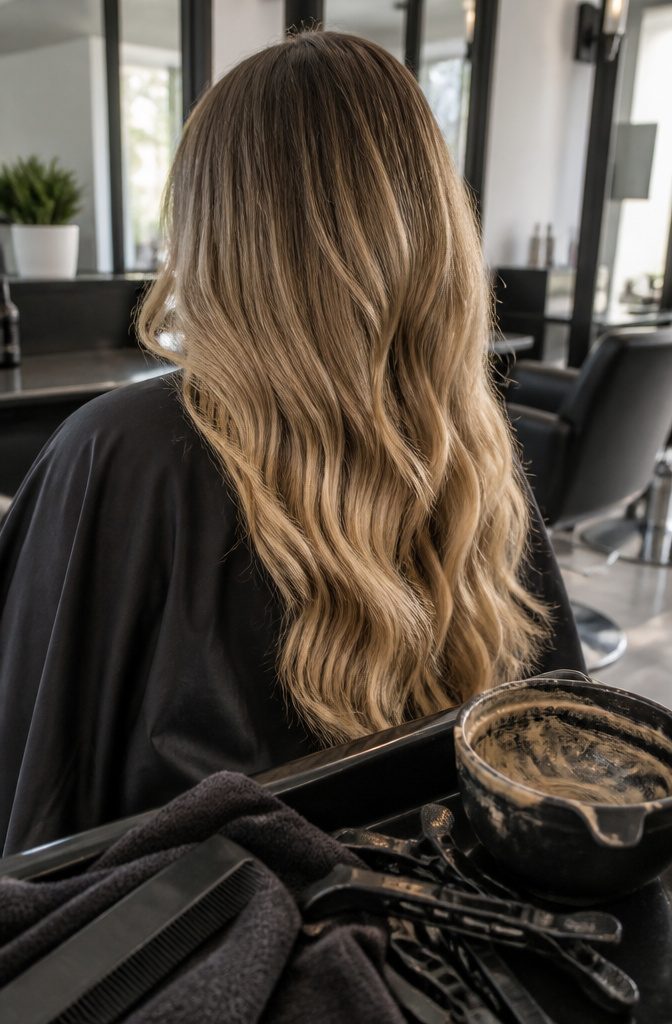
Dirty blonde sits around levels 6–7, the range where Garnier Nutrisse 70 (Dark Natural Blonde) and Olia 7.0 (Dark Blonde) land.
It pairs a deeper base or lowlights with wheat, beige, golden or honey highlights, so the color reads as blonde without a hard, high-contrast line. Placement does most of the work.
A rooted, lived-in application keeps your natural depth at the crown and starts the lighter pieces lower down. I think that makes it the easiest blonde to live with, because regrowth barely shows and salon visits can stretch out.
Ask for balayage or ombré-style highlights. If you start on a medium brown base, level 7 highlights are the usual formula.
12. Medium Blonde
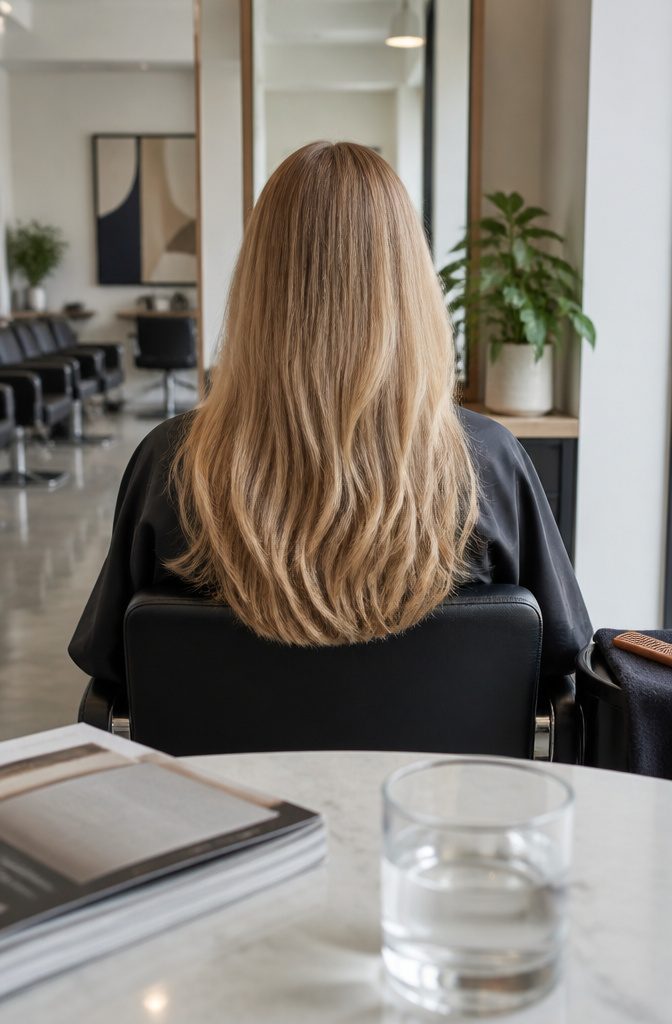
Medium blonde sits at level 8, the middle of the blonde range, and box dyes label it plainly: Garnier Nutrisse 80, Olia 8.0 and Clairol ColorStrong 8.0 Medium Blonde all land here. It works as a transition shade in both directions.
Blondes going darker can settle here, and brunettes going lighter can stop here without committing to platinum. It also bends easily toward caramel, golden and bronde.
Because it isn’t extreme, I’d call it the easiest blonde to wear on nearly any complexion.
Match the warmth to your skin: gold or rose reflections for warm complexions, blue or lilac undertones for fair, cool ones. Reese Witherspoon’s shade shows the appeal, since it reads neither too dark nor too light.
13. Bronde and Brown Blonde
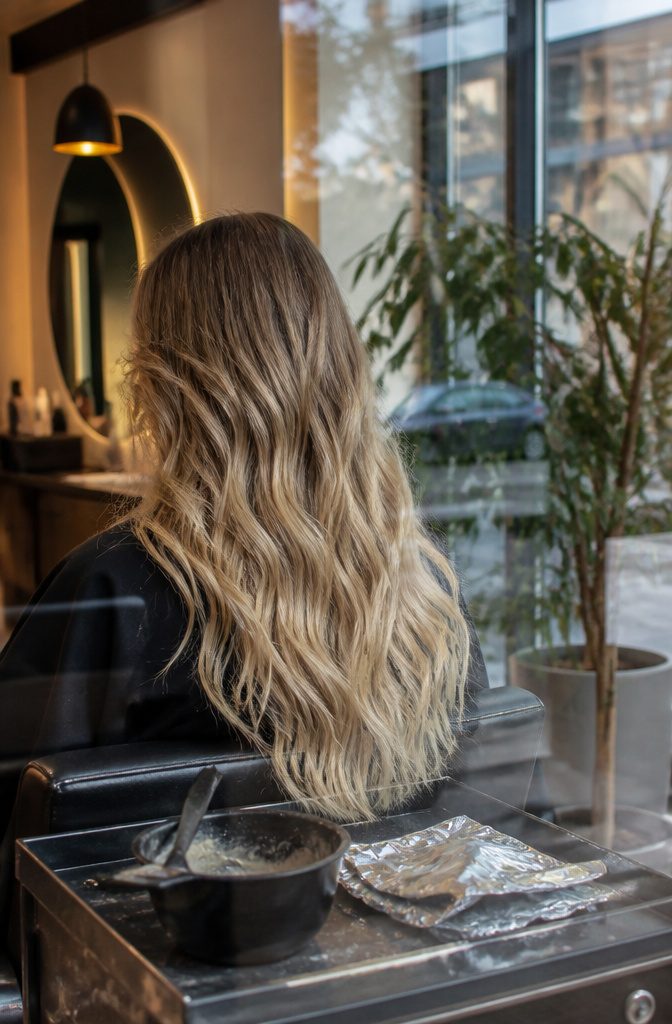
Bronde weaves blonde and brown together, usually through highlights, babylights or balayage over a darker base.
It suits anyone who wants warmth and depth without going fully blonde: brunettes get a lighter look, blondes get a deeper one, and neither makes a dramatic switch.
On dark hair, I’d ask for a dark blonde base with cool-toned, buttery balayage on the mid-lengths and ends. Bronde ombré is the lowest-commitment route, since the roots stay put and the blend starts below them.
Dark blonde is the neighbor with more blonde: dark caramel highlights balanced by a few brown lowlights. Pick bronde if you want the brown to show.
14. Strawberry Blonde
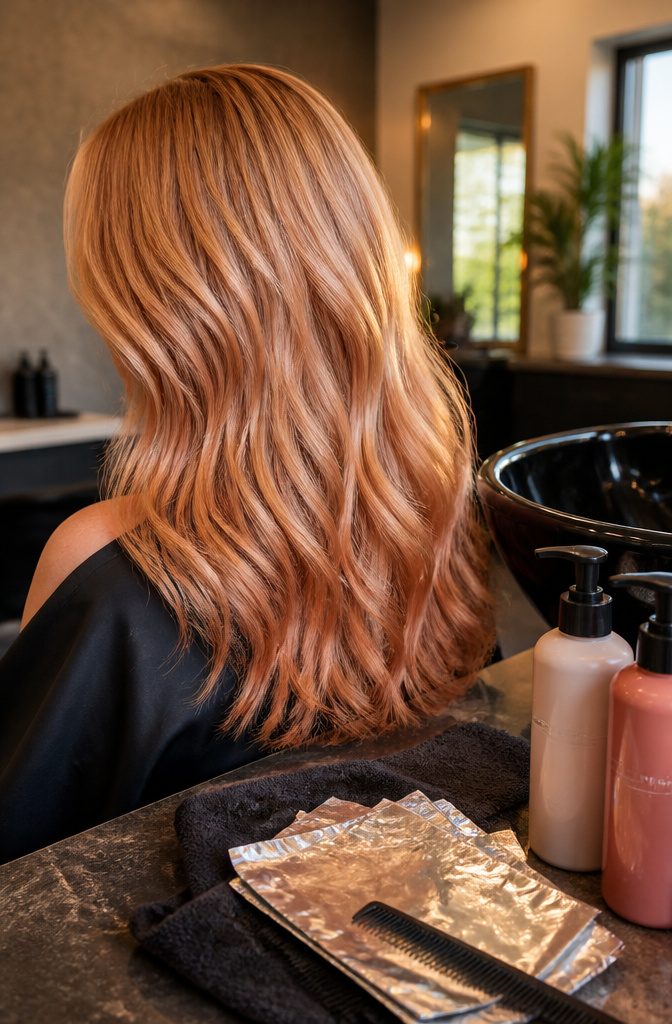
Strawberry blonde sits on the border between the blonde and red families: a warm, reddish blonde that leans copper, peach or pink depending on the mix. It looks best on warm or fair skin and lighter eyes.
The easiest starting point is hair that’s already light, and balayage over a lighter base gives the sunset effect, with soft, multi-tonal movement. A semi-permanent color is the lowest-commitment way to test it before you ask for highlights.
Red tones fade faster than most blondes, so color-safe shampoo and conditioner are not optional here.
Without them the copper slips back toward plain blonde. I’d start with highlights rather than all-over color, since they’re easier to adjust.
15. Copper, Auburn and Cinnamon Blonde
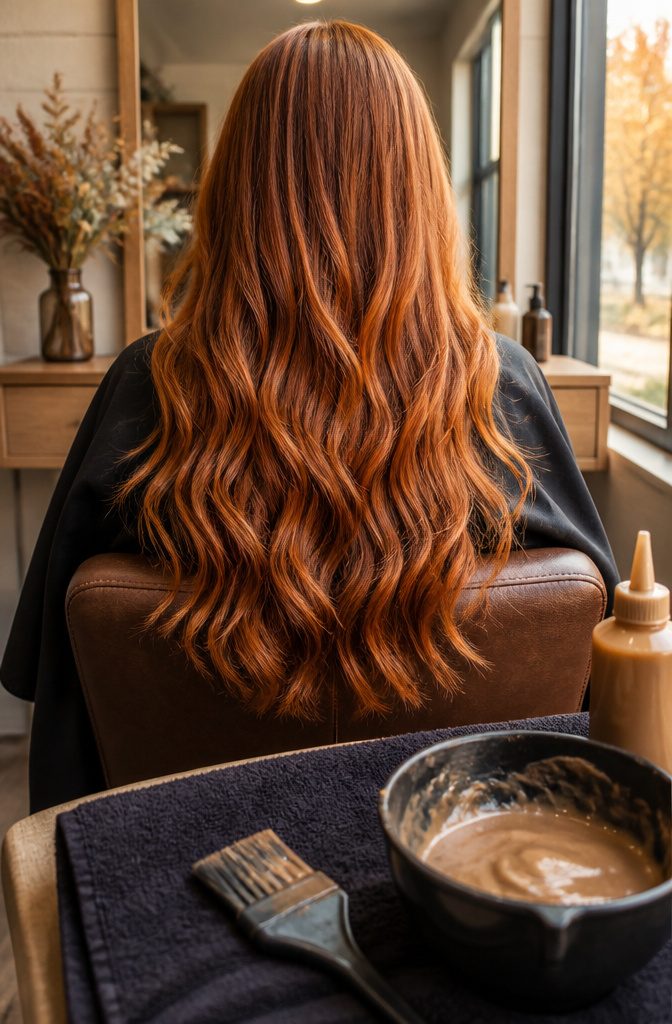
Copper blonde is a darker golden with amber undertones, and it reads brighter than auburn.
Deeper complexions and brown eyes carry it best. On naturally dark hair, it’s a way to reach blonde without the brassy look.
Auburn blonde is strawberry blonde with a tangerine twist.
It flatters any skin tone, but paler complexions with green, hazel or blue eyes get the most from it. Cinnamon goes rustier still, a warm copper that suits fall.
Warm shades fade quickly, and that’s the cost of the family.
Use a golden or warm beige tint rinse, or a color-depositing conditioner, between appointments. I’d budget that into the color from day one, because without it the red-orange dulls long before your next visit.
16. Chocolate Blonde
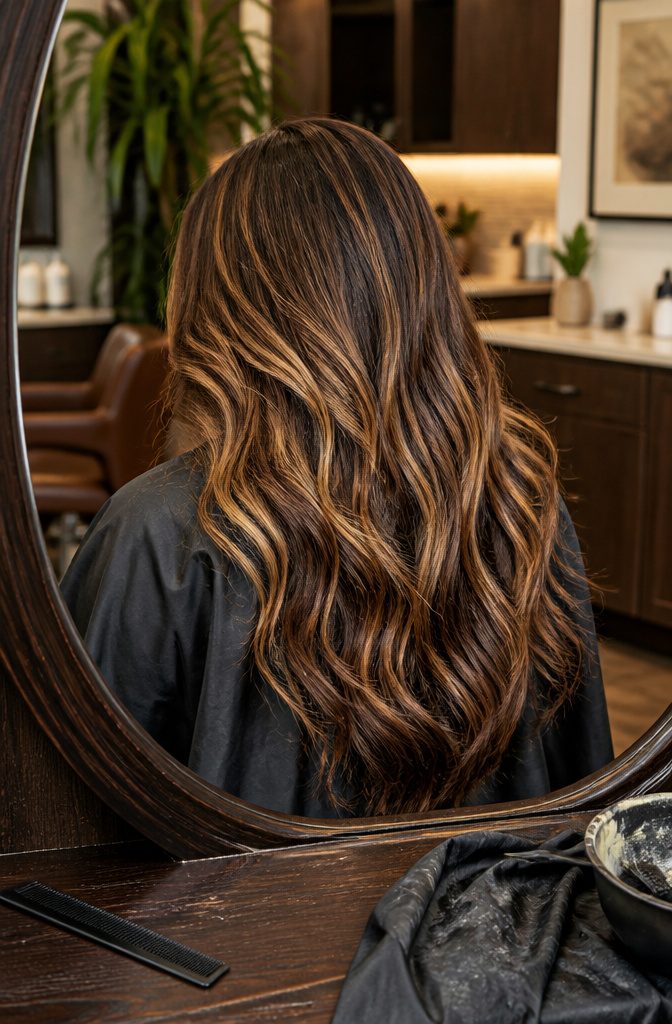
Chocolate blonde is caramel blonde taken darker: a brown base with fine golden or blonde highlights woven through for movement, depth and gloss.
It sits close to the expensive brunette trend, so it works for a darker blonde edging toward brunette, or a brunette who wants light without a full lift.
Beyoncé’s creamy length over a dark base is the picture I’d bring to a stylist.
Deeper complexions and darker eyes wear it best, though it can be adjusted for lighter skin. On deeper skin, steer clear of highlights that run white, platinum or orange, because they look unnatural against the brown.
Since so much of your own base stays, you get less bleaching and fewer toning appointments than any lighter blonde demands.
17. Sandy, Beachy and Summer Blonde
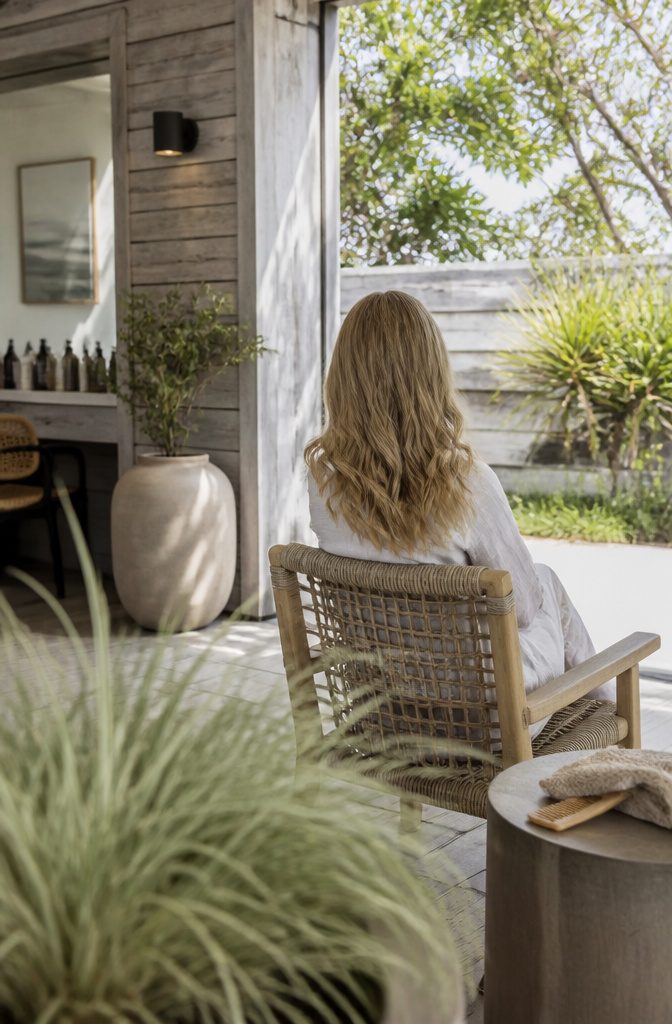
Sandy blonde is the shade I’d steer anyone toward who wants color that looks like they never tried.
It sits on a dark blonde base, with cool, beige-toned balayage through the mid-lengths and ends, and the result is rich, warm and subtle. Fair skin and light eyes (blue, hazel or violet) suit it best.
The beachy version adds piecey, sun-kissed ribbons, which give it a relaxed, surf-day feel. Balayage is the right technique here because the roots grow in without a harsh line, so you skip the frequent touch-ups that all-over lightening demands.
For summer, go lighter: a flaxen blonde over a sandy base with sunny highlights, lifted for paler complexions or deepened for medium ones.
18. Pink, Peach, Rose, Sunset and Blorange Blonde
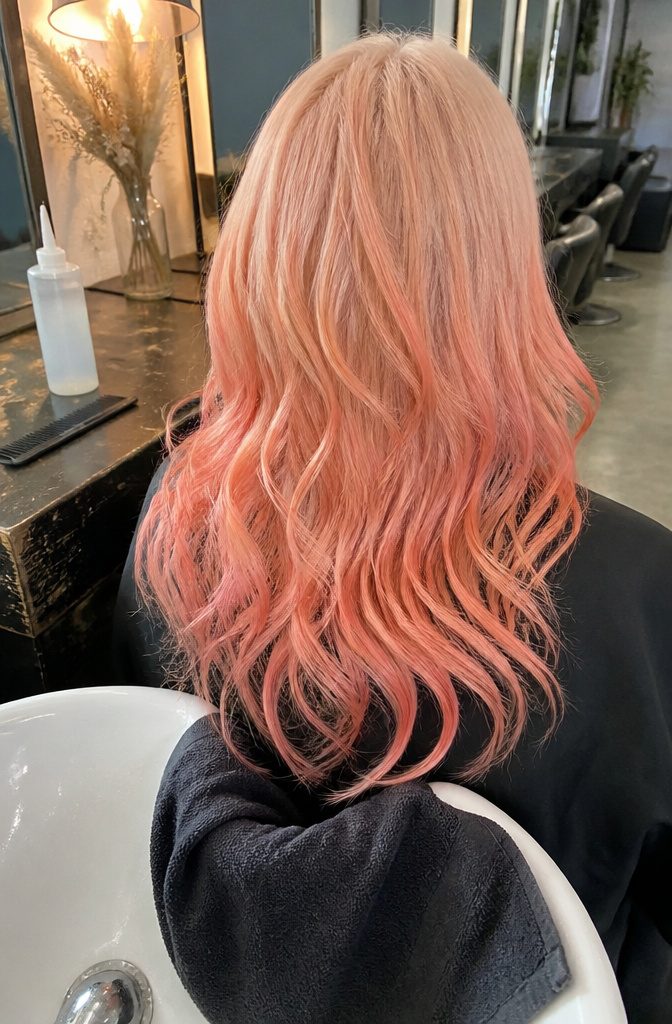
Blorange, the blend of blonde and orange, starts with a Wella Color Fresh Create mix of 20g Infinite Orange, 10g Nudist Pink and 60g Tomorrow Clear.
Paint it root to tip and leave it for 20 minutes. The formula only works on hair that has been lifted all over first, so pre-lightened hair is required for any pink, peach, coral, rose or sunset tint.
Of the pastel group, peach is the one I’d choose: an orange-meets-pink tone that sits softer than full blorange.
All of these are fashion shades, and they fade quickly. That suits you if you want temporary color without a long commitment, but plan on topping up the tint rather than waiting for it to dull on its own.
19. Black, Cherry and Chestnut Blonde
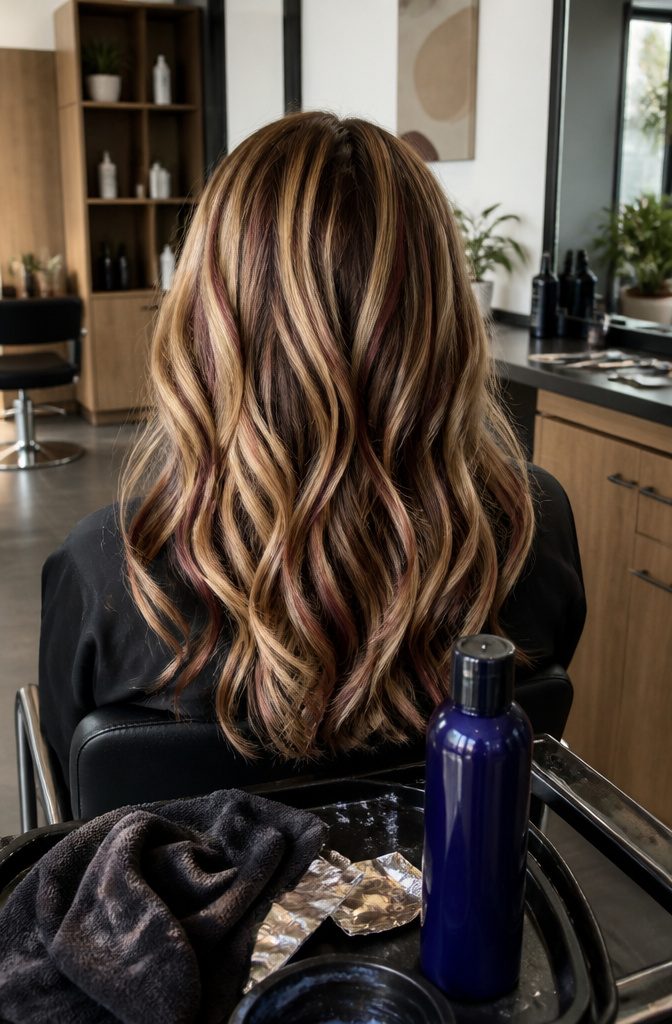
These are the rarer blondes, built for people who want contrast.
Cherry blonde is a fuchsia-toned berry over a darker base. It only works if the hair is lightened to blonde first and the cherry goes on afterward, and I’d save it for darker skin and dark eyes.
Chestnut blonde is easier to wear: golden highlights through darker hair, or caramel highlights on golden blonde. It can look striking on medium skin with blue eyes.
For black-to-blonde contrast, chunky highlights give you generous ribbons through a dark base, a nineties throwback that’s back, while ombré placement means fewer salon visits. Lightened dark hair pulls orange, so keep a blue-pigmented shampoo in rotation between appointments.
20. Dimensional and Lived-In Blonde
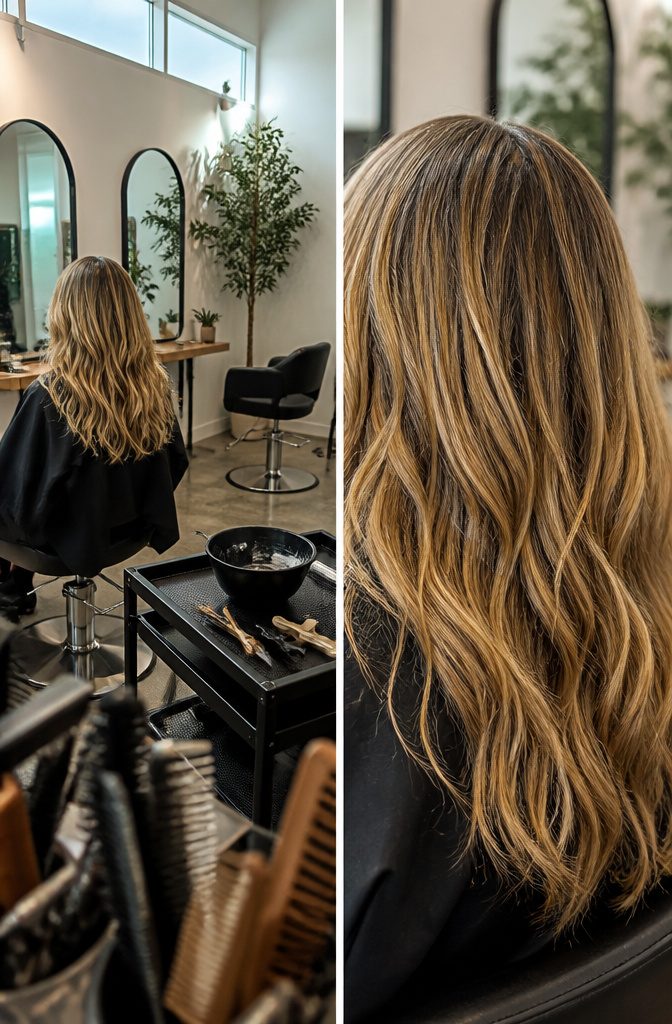
Lived-in blonde keeps the root deeper and scatters lighter and richer tones through the length, so regrowth looks planned.
Honey highlights with darker lowlights give a golden-wheat effect, while neutral highlights melted into a natural brown base give a quieter one.
If your calendar is packed, I’d choose either over all-over blonde, because there is no hard line to touch up.
Wella’s rooted baby blonde shows how it’s built.
The balayage uses 40g Multi Blonde + 45g 6%. Then come two Color Touch formulas: 30g of 7/71 + 60g 1.9% on the roots, and 30g of 10/81 + 60g 1.9% on the ends.
21. Balayage, Ombré, Foilyage and Other Blonde Techniques
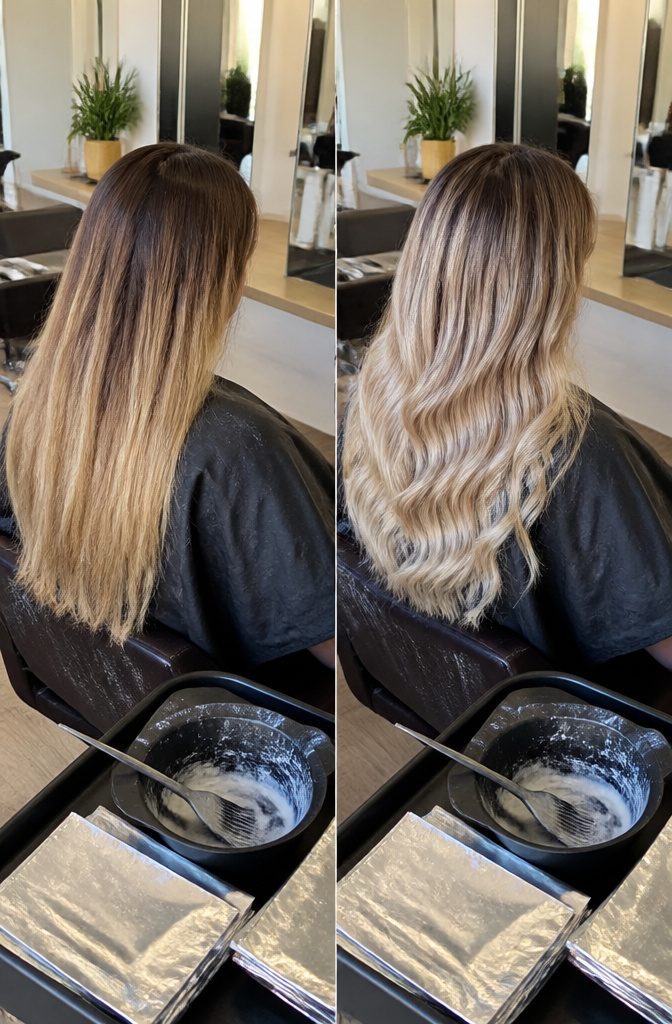
Foilyage gives the most lift. It pairs the hand-painted look of balayage with foils, which intensify the lightener, and it reaches up to five levels of lightening.
Ombré, French for "shaded," leaves your roots alone and blends gradually into blonde, so brunettes can try blonde without an all-over commitment.
Rooted blonde is the low-upkeep route.
Balayage, ombré or a root shadow can all build it, and the dark-to-gold melt means regrowth never draws a harsh line. On a dark base I’d choose foilyage for it.
Whatever the technique, a gap of more than 4 levels between your natural color and your target usually means bleach first. For a sun-kissed look that stays on the darker side, dark golden face-framing highlights are a smart place to start.
Match Blonde Tone to Your Skin Undertone
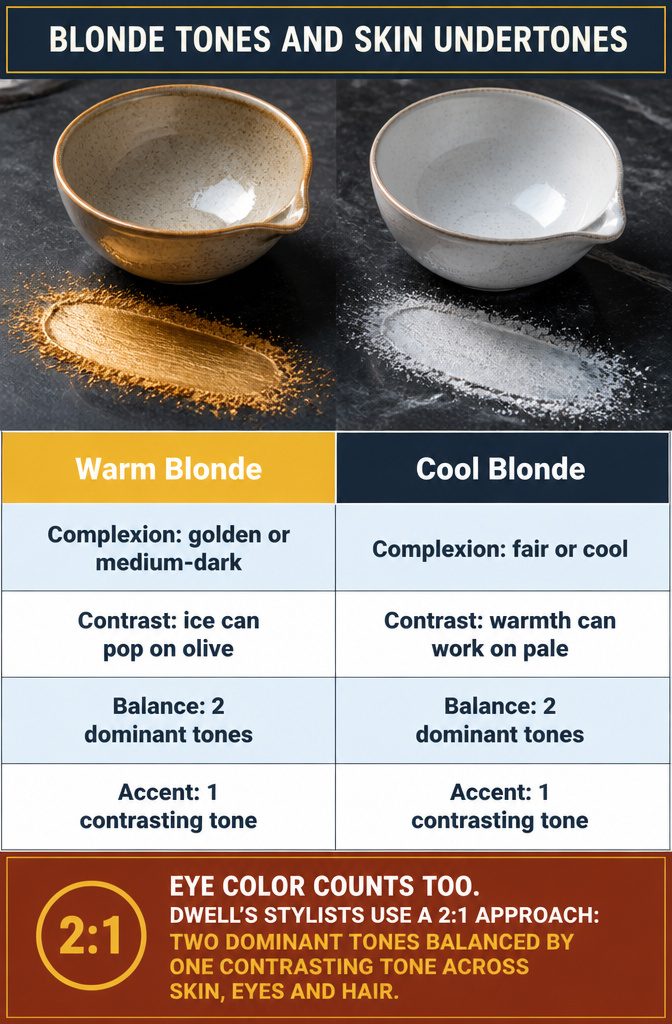
Warm blondes such as golden, honey and caramel tend to suit golden or medium-to-dark complexions, while cool blondes like platinum and ash flatter fairer, cooler skin.
Treat that as a starting point. Ice-cold shades can look striking on darker, olive skin because the contrast makes them pop, and a warm blonde can work on pale, cool-toned skin.
Eye color counts too. Dwell’s stylists use a 2:1 approach: two dominant tones balanced by one contrasting tone across skin, eyes and hair.
Warm skin and eyes can take a cooler blonde, and cool skin and eyes can handle a little warmth. I trust that over the flat warm-with-warm rule, since it explains why contrast sometimes wins.
How Your Starting Hair Color Affects the Process
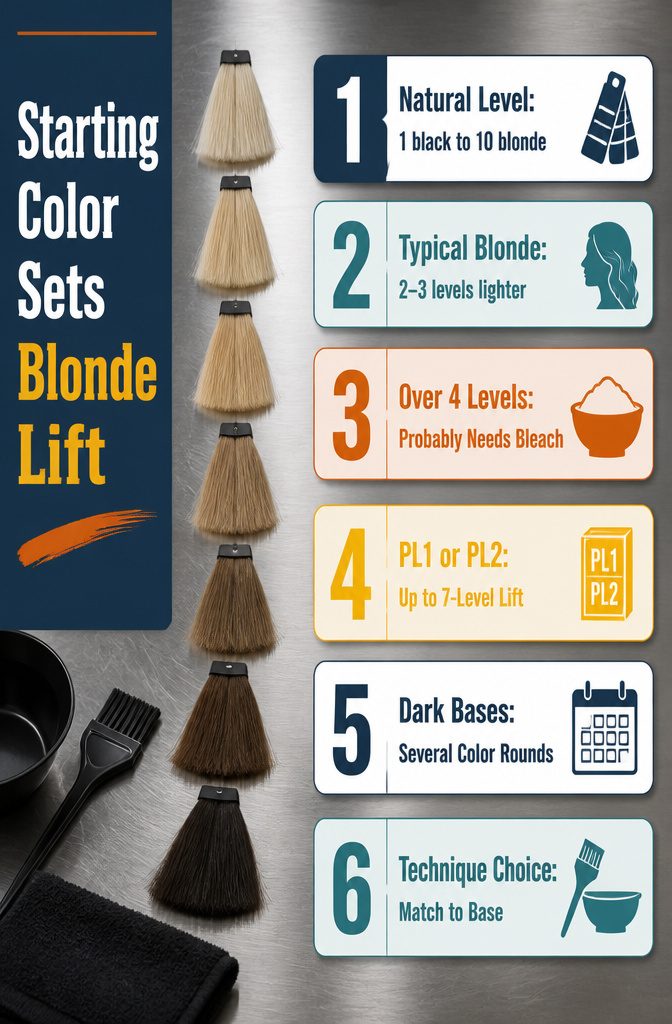
Count levels before you pick a shade. On the 1–10 scale, where black is 1 and very light blonde is 10, most blonde shades land 2 or 3 levels lighter than your natural color.
Matrix advises staying within two levels, and Garnier says a gap of more than 4 levels probably means bleach first.
Box dye can stretch further. Nutrisse Ultra Color Platinum PL1 or PL2 lifts medium brown up to 7 levels, while Olia lifts up to 3.
Darker hair may need several rounds of color to reach blonde, so tell your colorist that goal at the first appointment. Balayage works best on lighter bases, and I’d point darker hair toward all-over color or a root melt.
Keep Blonde From Turning Brassy
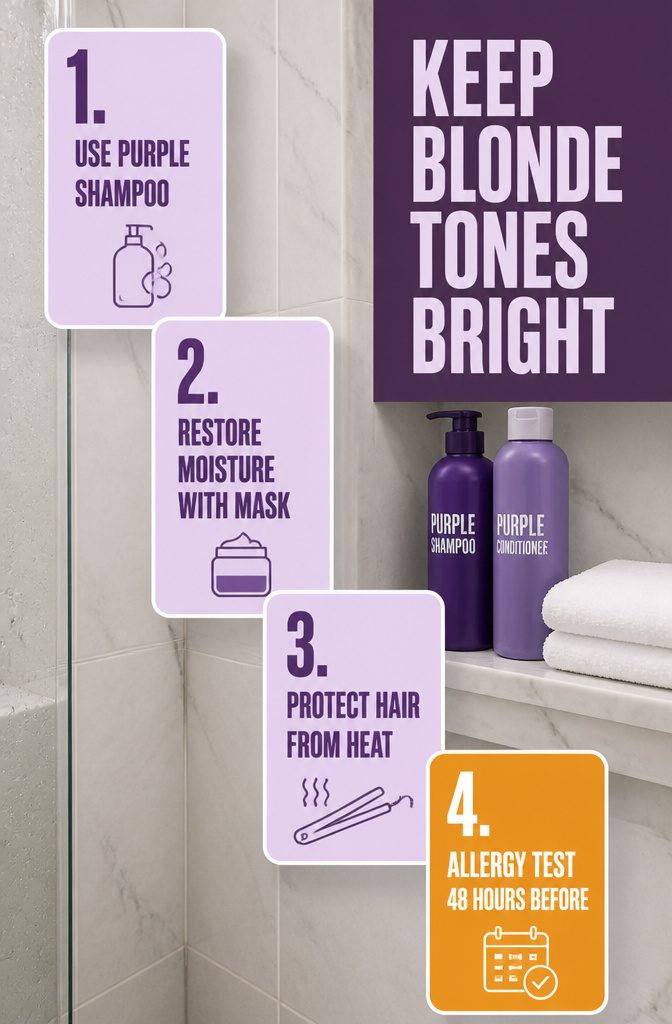
Platinum, silver and ash blondes turn brassy once regular shampoo washes the cool tones away, and bleached hair in general is prone to it. Purple shampoo neutralizes the brass, and a purple conditioner or mask puts moisture back.
White blonde asks for the most, with more frequent toning and root touch-ups than any other shade. Hot water, direct sun and styling wands dull it further, so I’d reach for a heat protector every time a wand comes out.
Warm shades fade quickly instead. A golden or warm beige tint rinse between appointments keeps them fresh.
Before any box color, do the 48-hour allergy test, and judge the shade only once your hair is dry.
Take a Photo to Your Stylist
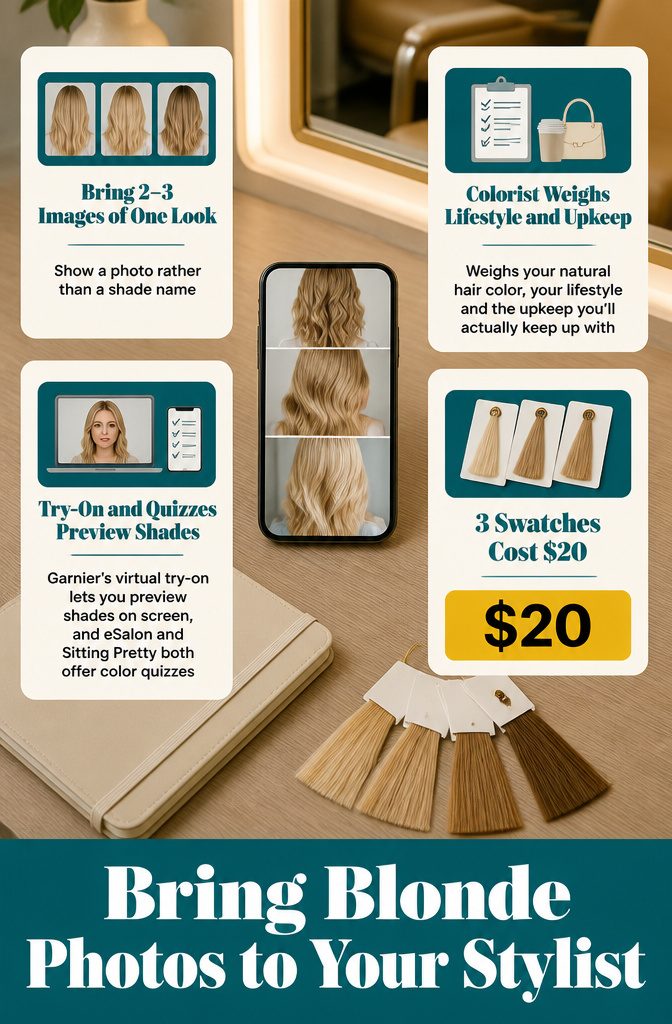
Show a stylist a photo rather than a shade name, because "honey" and "butterscotch" mean different things from one chart to the next.
Bring two or three images of the same look and say which one you’d settle for. This matters most when you’re going several shades lighter, or when you’re stuck between close variants.
A darker starting point may take a few colors to reach blonde, and a colorist can map that plan. Dwell says a colorist should weigh your natural hair color, your lifestyle and the upkeep you’ll actually keep up with.
Before the appointment, Garnier’s virtual try-on lets you preview shades on screen, and eSalon and Sitting Pretty both offer color quizzes. Sitting Pretty also sells 3 swatches for $20, which is a low-cost way to compare close tones side by side.
Frequently Asked Questions
What blonde shade is most flattering for my skin tone?
Match the undertone to start: golden, honey and caramel tend to suit warm or medium-to-dark skin, while platinum and ash flatter fairer, cooler skin. Treat that as a starting point, not a rule.
Ice-cold shades can look striking on darker, olive skin because of the contrast, and Dwell’s stylists balance two dominant tones with one contrasting tone across skin, eyes and hair. Garnier’s own advice is that any blonde is fair game.
What is the best blonde shade, and how do I choose one?
The best shade is the one you feel best in, but your starting color decides how hard it is to reach.
Most blondes land 2 or 3 levels lighter than natural hair, and a gap of more than 4 levels usually means bleach first.
Weigh your natural color, your lifestyle and how much upkeep you’ll actually do, then bring 2 or 3 photos to a colorist, since names like honey and butterscotch vary from one chart to the next.
What is the most popular blonde hair color?
Garnier lists these as the classic favorites, from light to dark: Extra Light Natural Blonde (Nutrisse 100), Very Light Blonde (Olia 10.0), Medium Natural Blonde (Nutrisse 80), Medium Blonde (Olia 8.0), Dark Natural Blonde (Nutrisse 70) and Dark Blonde (Olia 7.0).
Medium blonde at level 8 is the easiest to wear on nearly any complexion, and it works as a stopping point for brunettes going lighter and blondes going darker.
What is the difference between dark blonde, light brown and bronde hair?
Dark blonde sits in the middle on lightness and has more blonde than bronde, with dark caramel highlights balanced by a few brown lowlights.
Bronde weaves blonde and brown together over a darker base, so the brown shows more. Pick bronde if you want the brown to stay visible, and dark blonde if you want to read as blonde.
How do you maintain blonde hair?
Use purple shampoo and conditioner on cool blondes like platinum, silver and ash, and add a toner once warmth creeps back in.
Warm shades such as golden, honey and copper fade fast, so a color-safe shampoo and a matching tint rinse between appointments keep them fresh.
Hot water, direct sun and styling wands all dull blonde, so use a heat protector. White blonde needs the most upkeep, with more frequent toning and root touch-ups than any other shade.