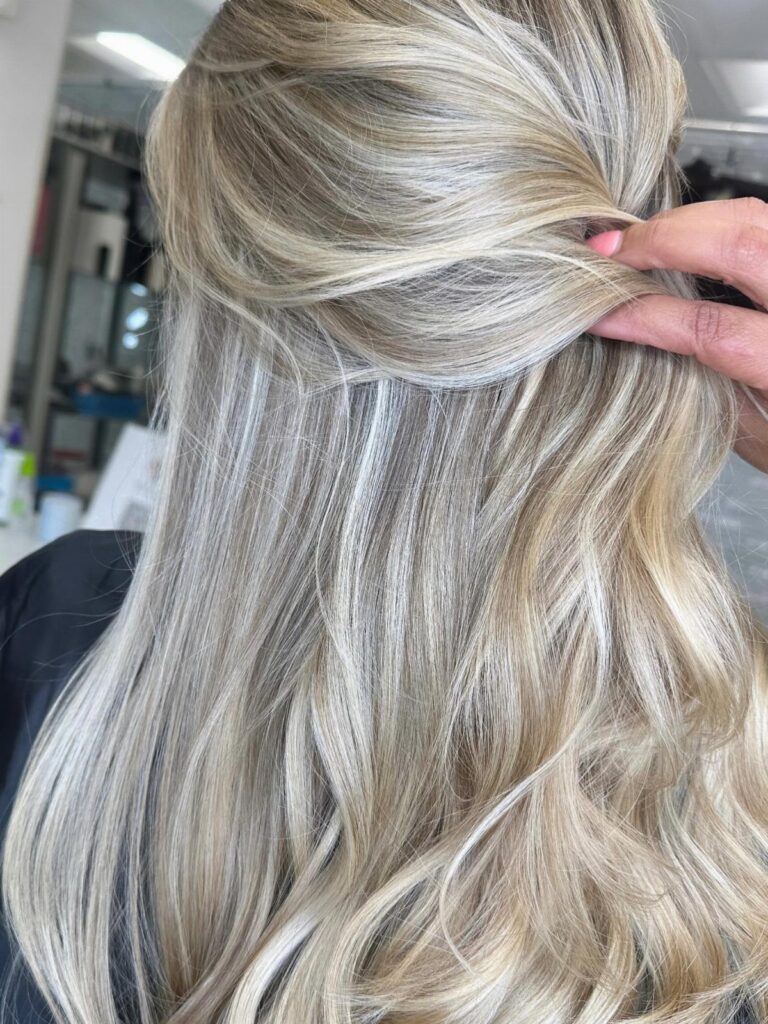
Choices below range from light brown hair with a handful of fine blonde pieces to warm honey and cool ash, and your best pick comes down to how many salon visits you will actually keep.
An all-over blonde needs a root touch-up every 4–6 weeks; a lived-in version spaces the big appointment out to every 10–16. I’d settle that rhythm before choosing a shade, because it decides how far the lightness can start from your natural root.
1. Root Melting
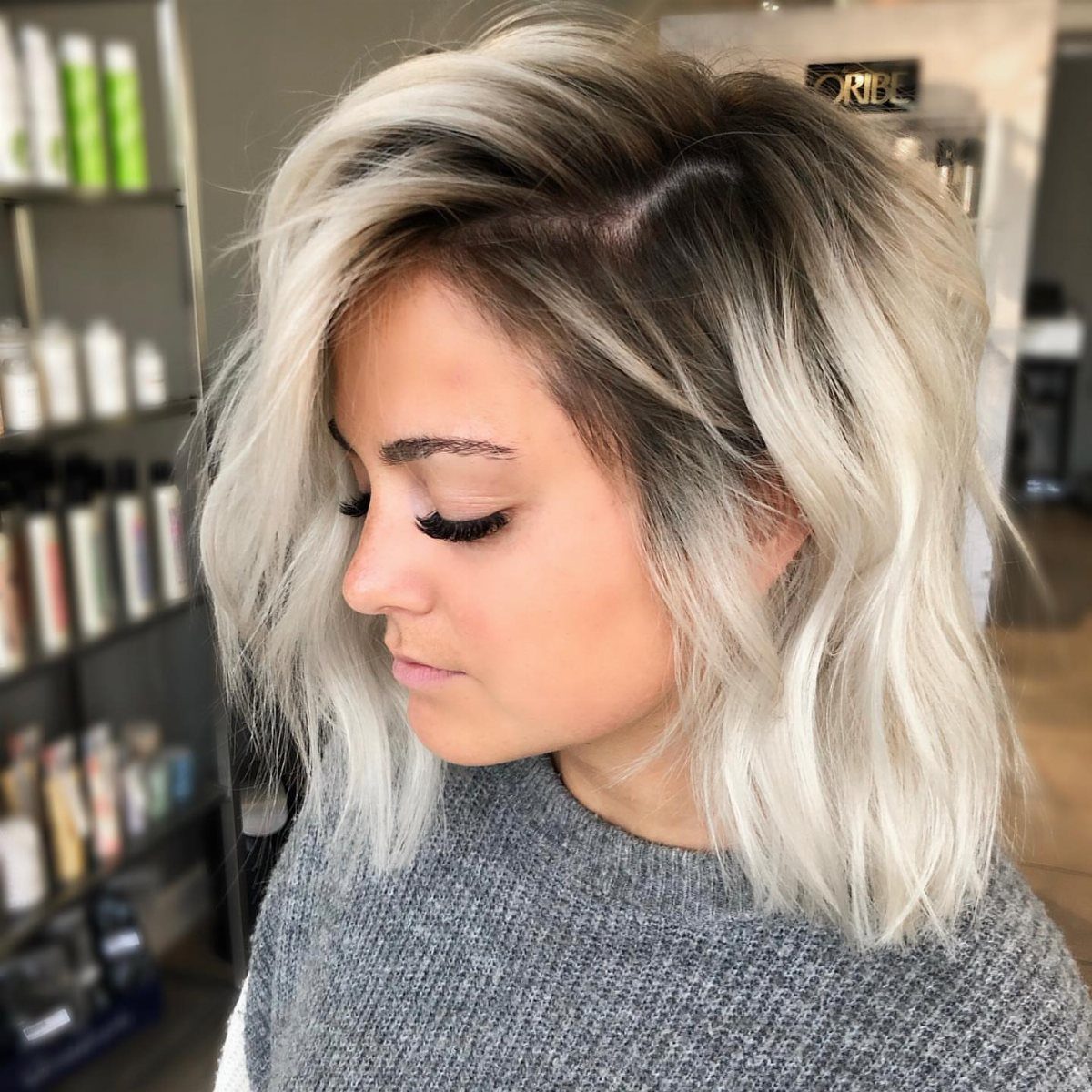
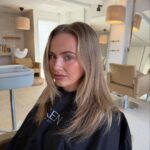
Soft regrowth is the whole appeal here: the root color is blended down into the lighter lengths, so no hard line shows when your natural base comes in.
On a pale blonde lob like this, the dark-to-light shift stays gentle and lets the loose waves do the rest.
I’d choose it if you hate watching the calendar for a touch-up. Ask your stylist to melt the root rather than leave a sharp line, and bring a photo so you both agree on how dark the base should sit.
2. Lived-In Color
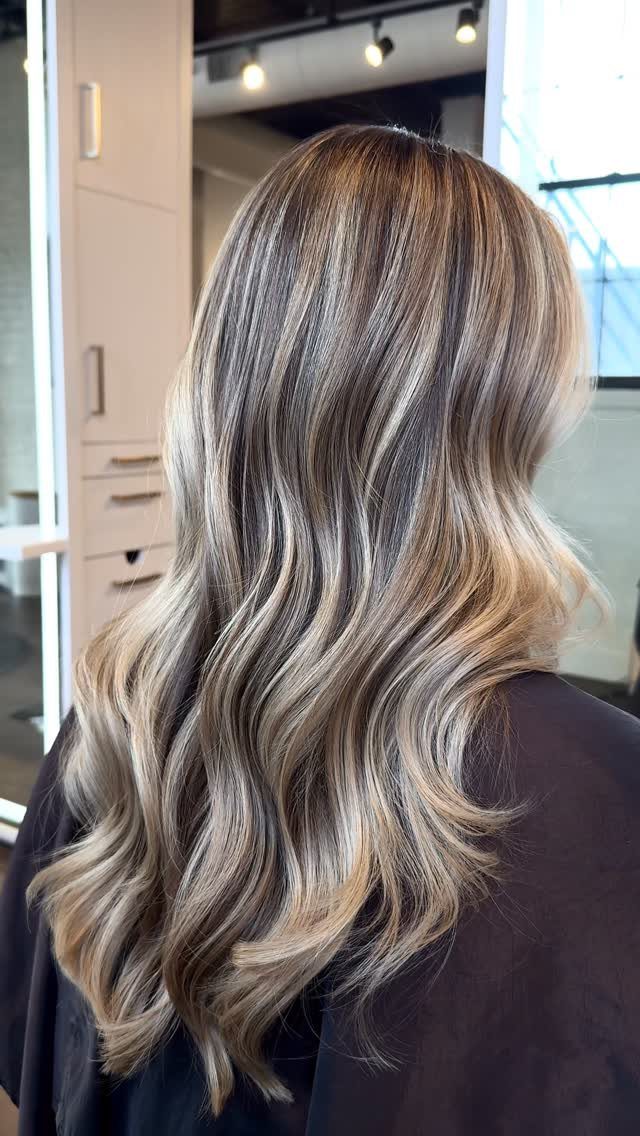
Lived-in is a result, and balayage is the service that gets you there. Color is painted by hand, so the darker roots flow into lighter, blended pieces with no stripe of regrowth to chase.
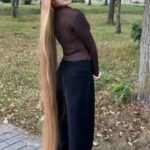
On long, wavy hair like this, I like how the dimension shows in the movement.
Ask for "lived-in blonde balayage" by name, and tell your stylist how much upkeep you will realistically sign up for. That one answer shapes where the lightness starts.
3. Babylights
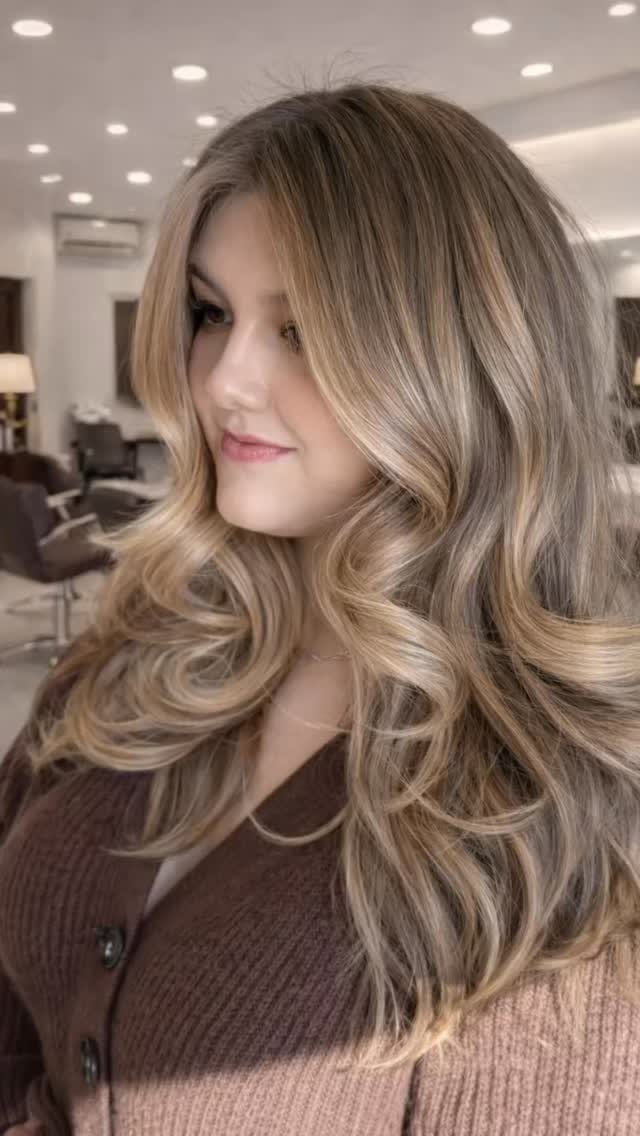
Fine, subtle highlights spread soft dimension through the whole head instead of adding a few bold stripes. On long curls, that means the blonde catches the light in many small places, and nothing looks chunky.
I’d borrow that mix of tones if you want blonde that reads natural. Ask for babylights by name and mention your preferred warmth.
4. Ash Blonde
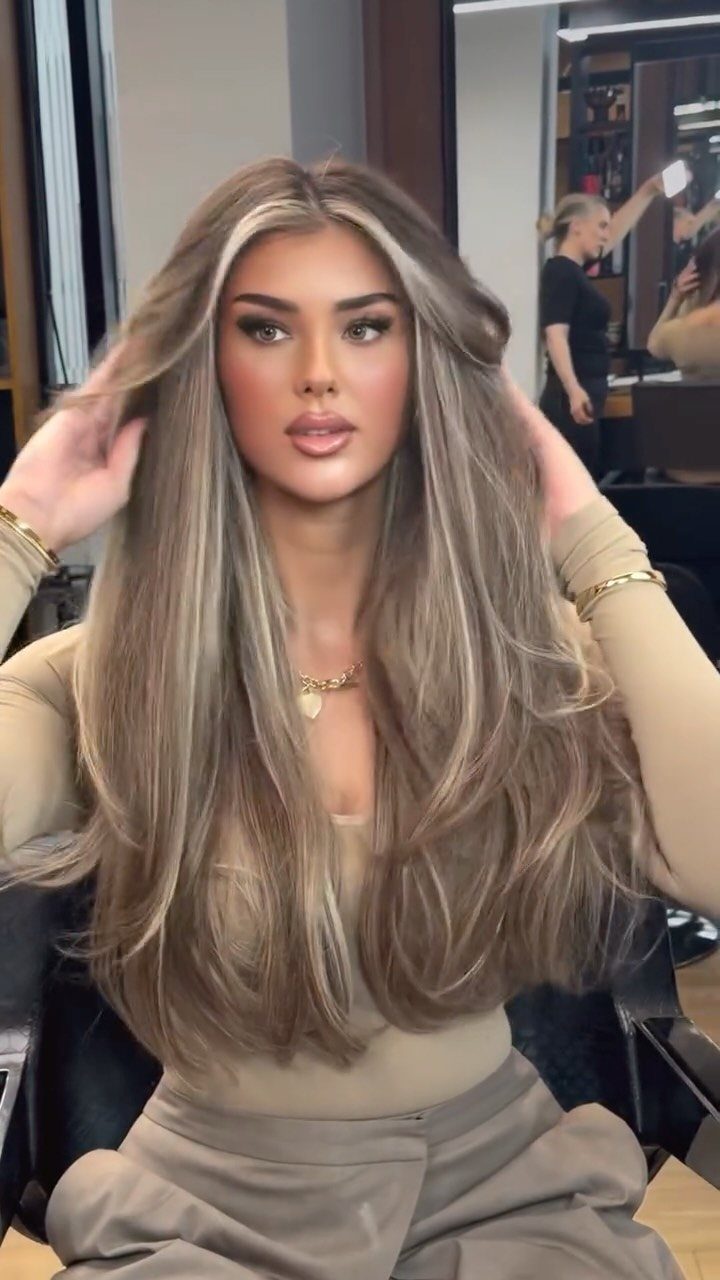
Cool undertones are what ash blonde is built for. The shade leans smoky rather than golden, and keeping the roots a little darker, as in this long cut, makes the cool tone look deliberate and not flat.
My pick for anyone who looks best in silver jewelry. Ash shows its best in good light, so ask your stylist to check the shade near a window before you leave the chair.
5. Sandy Blonde
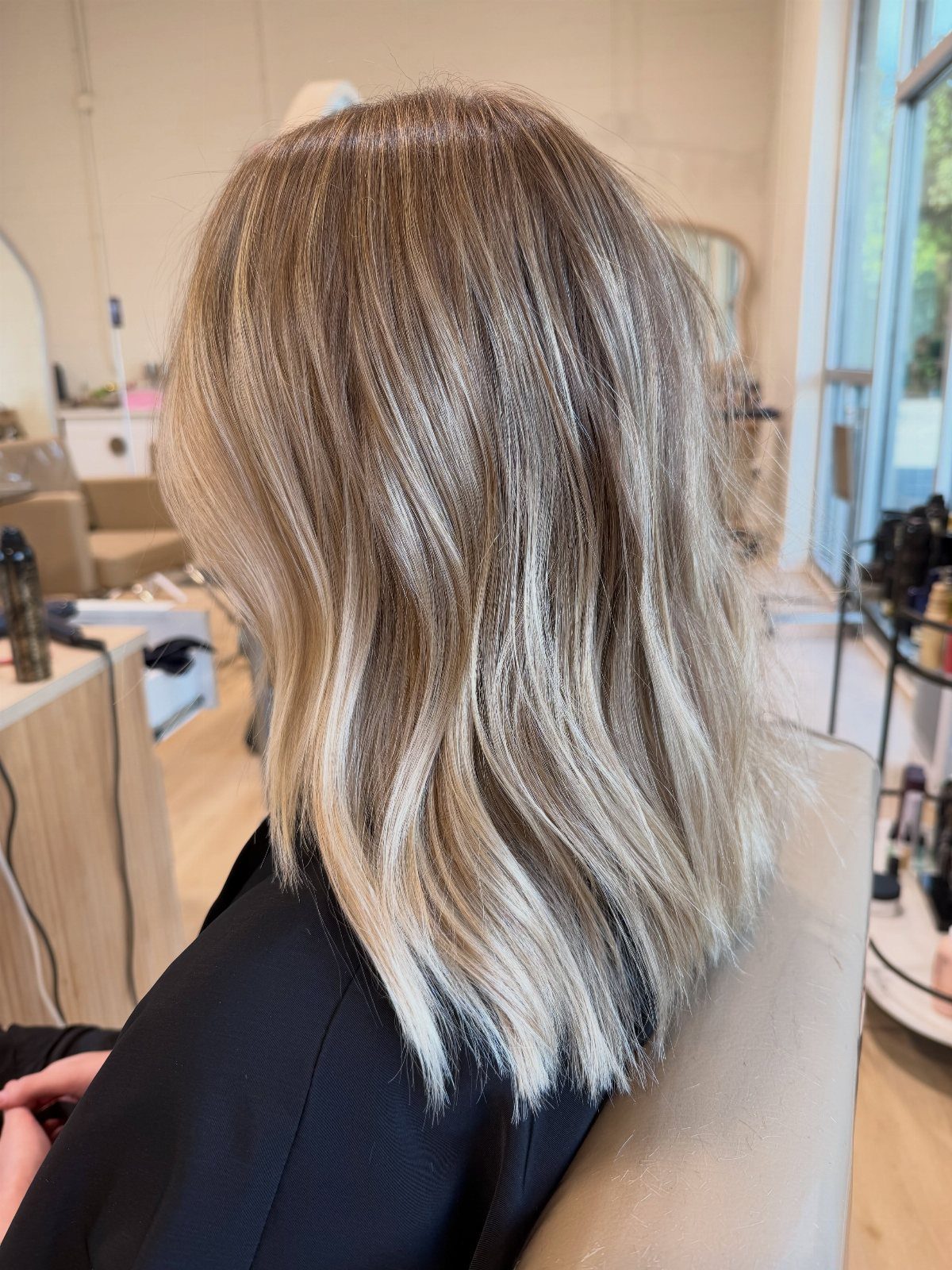
Sandy blonde sits in the middle: a muted, cool-leaning color that avoids both brassy gold and stark ice.
I’d steer cool-toned readers here when platinum feels too severe. Say "sandy" and bring a photo, because that word means different things to different stylists.
6. Beige Blonde
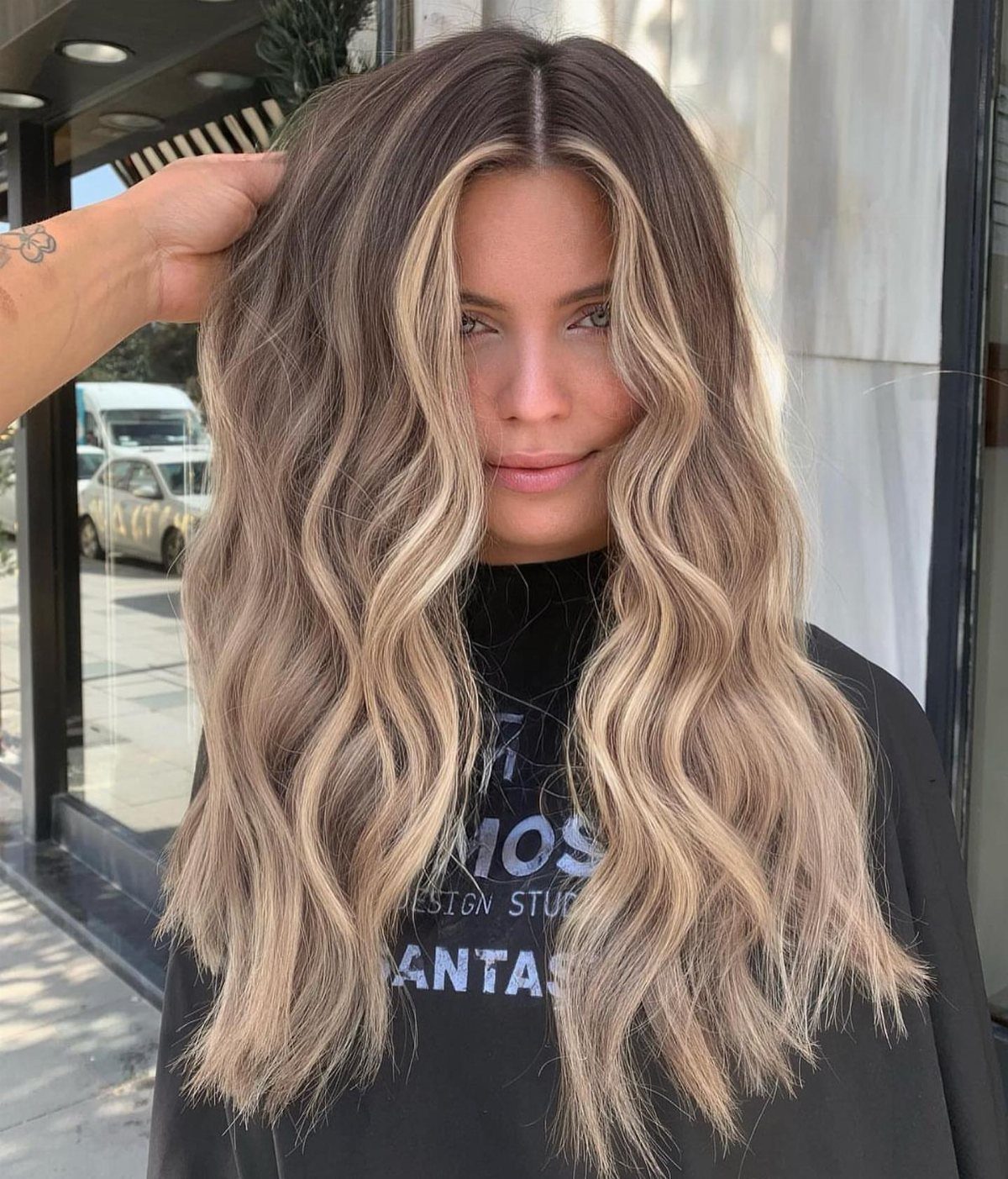
Beige blonde reads cool to neutral, creamy rather than golden, and a darker root keeps it grounded and wearable, especially on long, wavy hair.
It’s listed for cool undertones, and I’d test it against your skin first if you run neutral.
Photos can swing warm or cool with lighting, so show your stylist two or three beige references and ask which one fits your base.
7. Soft and Subtle Blonde
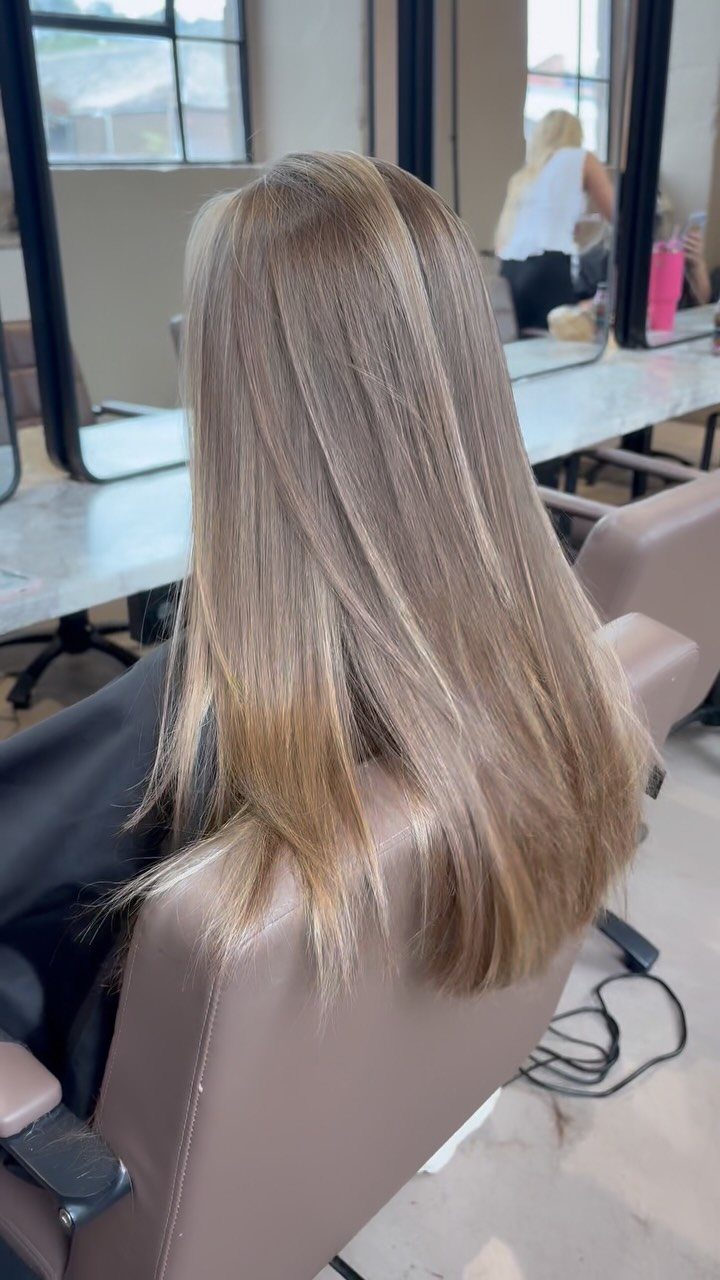
Light brown hair with a few fine blonde pieces is the gentlest way into blonde, and it suits brunettes who want brightness without a big change.
The base stays your own color, so nothing about it demands a calendar of touch-ups.
I’d pick this over a full blonde if your hair is long and straight, since the highlights read clearly without much styling. Ask for "soft, subtle blonde" and tell your stylist how many shades lighter you’re willing to go.
8. Balayage
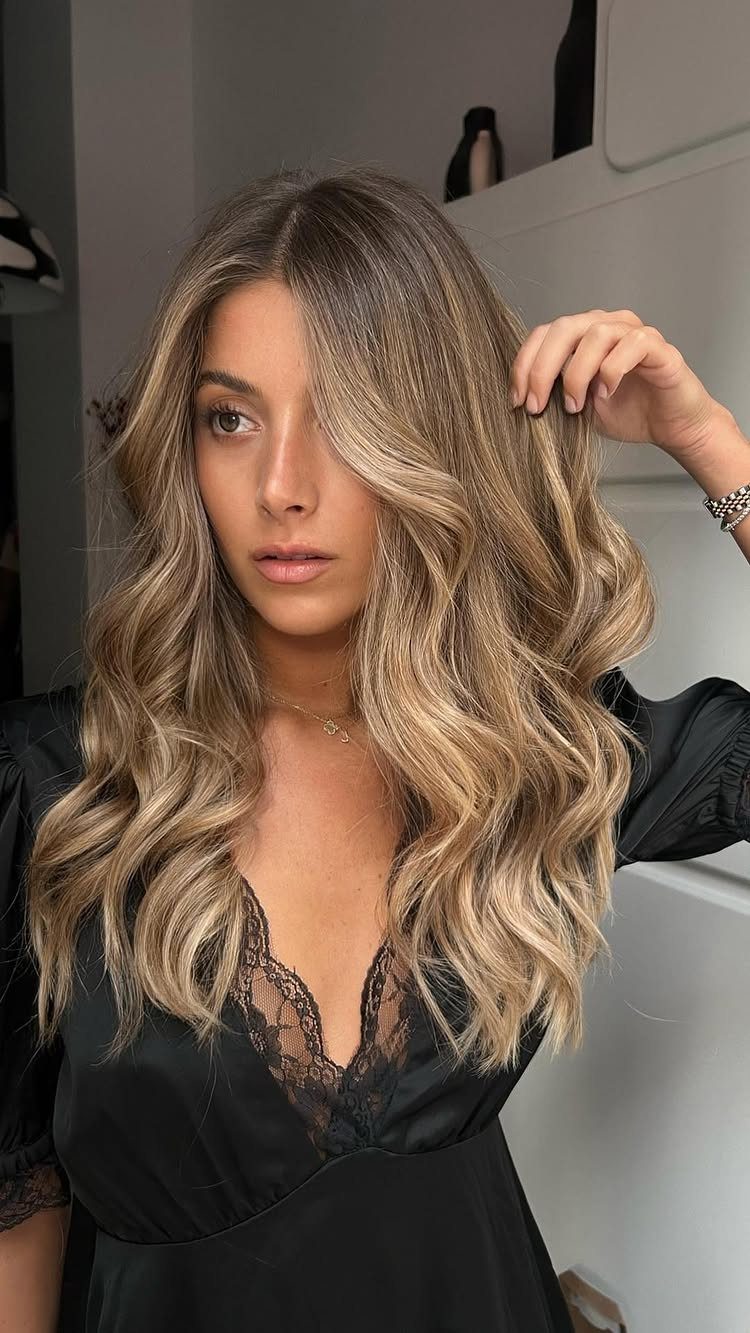
Hand-painted lightener is what gives balayage its sun-kissed look. Your stylist sweeps it on freehand, often leaving the natural root untouched, so dark roots melt into long, softly blended waves.
Painting by hand means placement is custom, which is why I’d trust it over a rigid foil pattern for an easy grow-out.
Bring a photo and point to where the lightness should begin. Wavy hair shows the blend best.
9. Honey Blonde
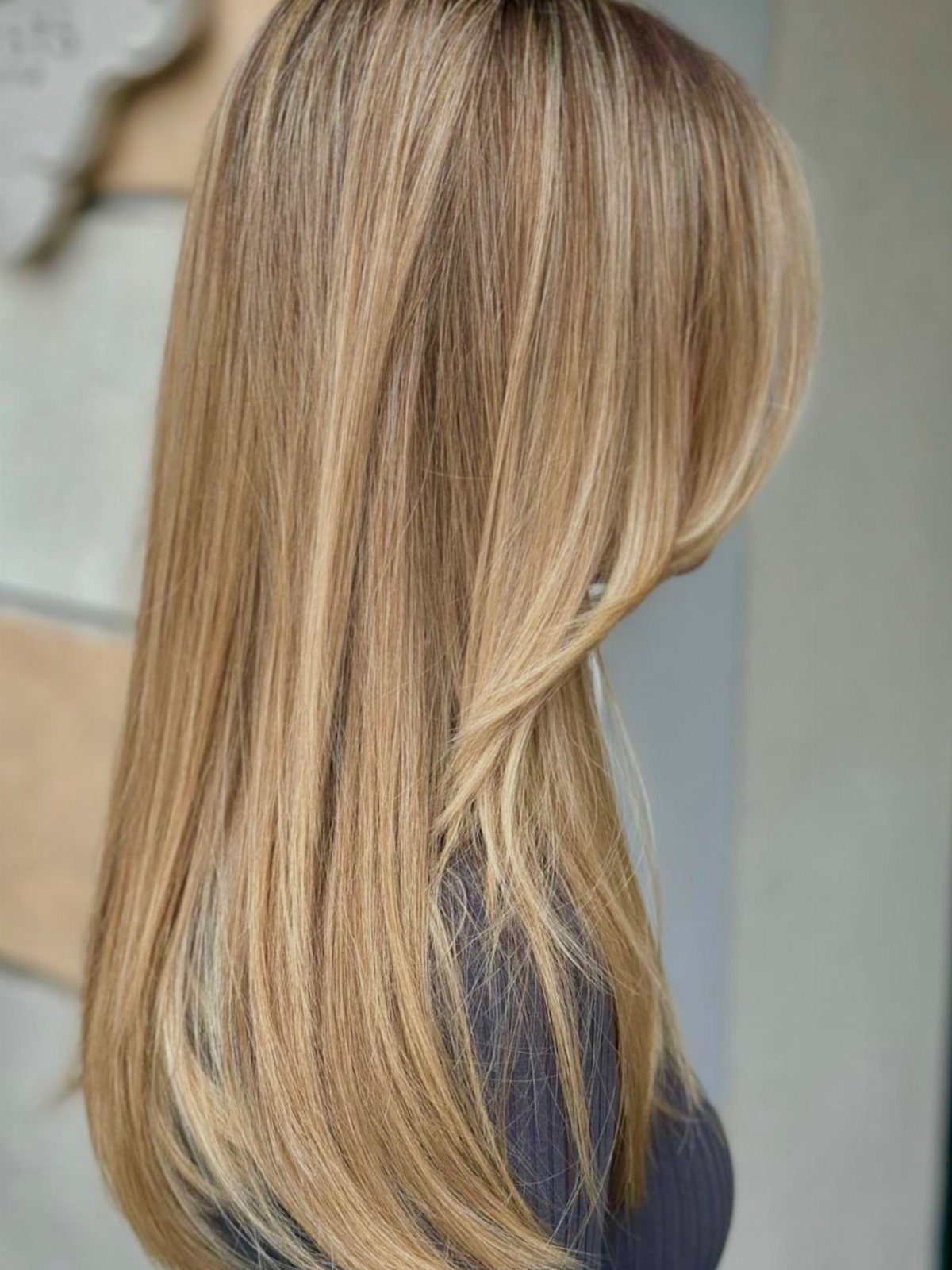
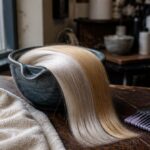
Warmth is the entire point of honey blonde: golden strands that look sun-warmed even in flat indoor light. On long, straight hair, the shade reads smooth and glossy because nothing breaks up the color.
I’d choose it if icy tones wash you out. Say "honey" and show a photo, since gold can drift toward yellow, and you’ll want your stylist to agree on how warm is too warm.
10. Beachy Waves
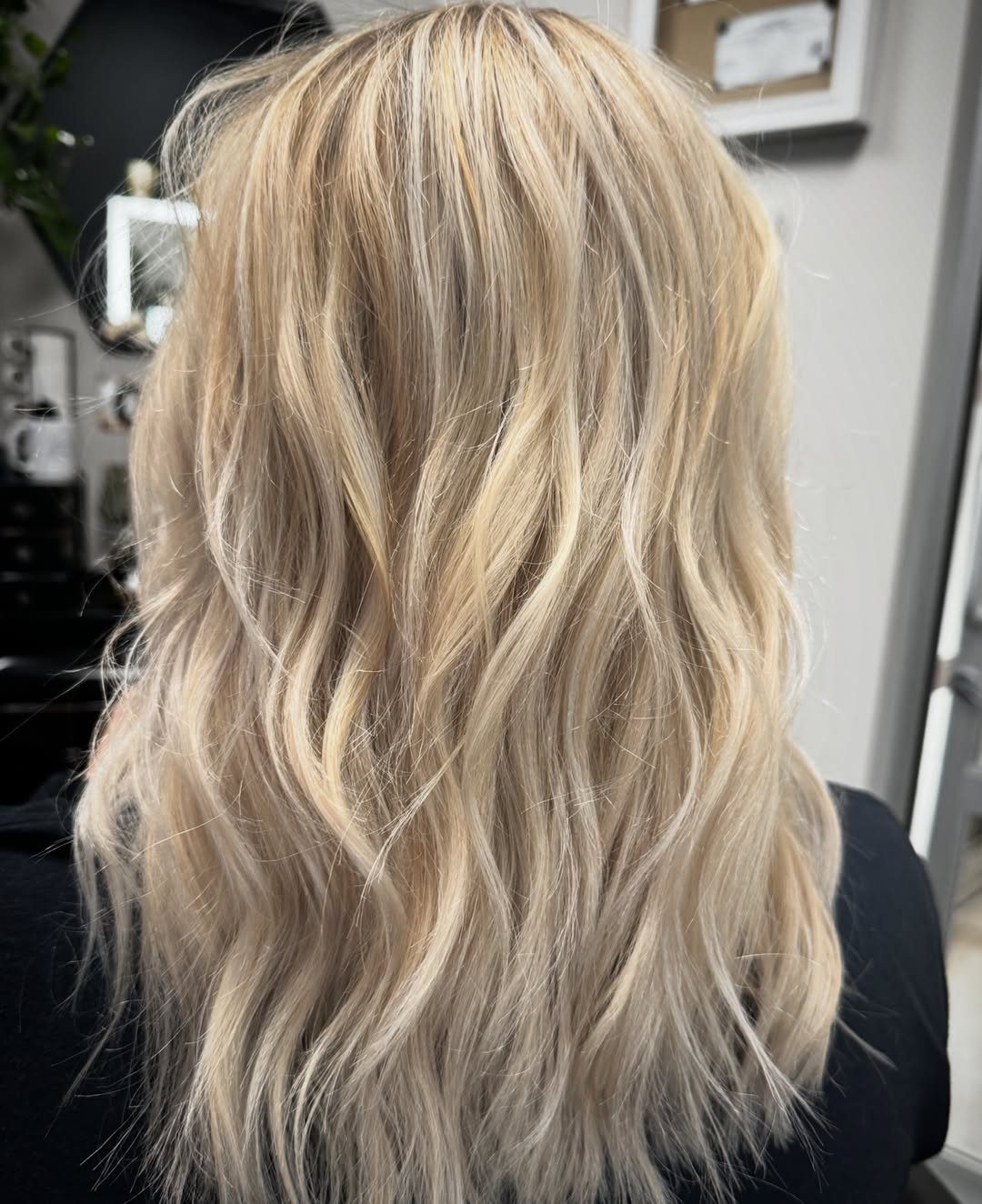
Tousled waves give lived-in blonde the texture it needs, especially when your hair is naturally straight. Loose bends scatter the darker roots and lighter lengths, so the color looks blended in motion.
I like this best as a low-effort finish: keep the waves loose and uneven rather than uniform.
Perfect curls fight the lived-in feel. Show your stylist the wave pattern you want so the color is placed to match it.
11. Illuminage
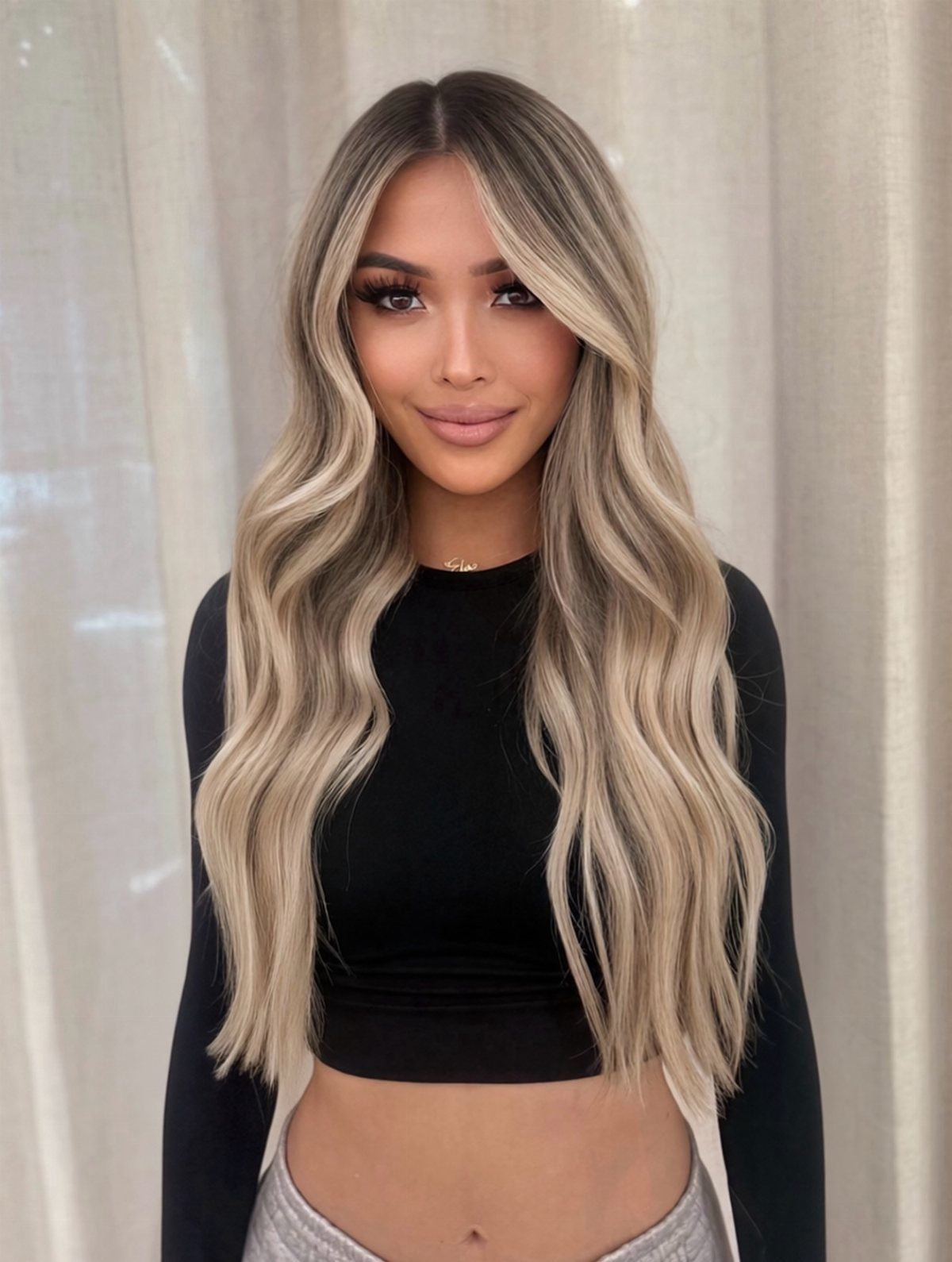
Illuminage keeps the root softly shadowed and weaves in sunlit ribbons through the lengths, with the brightest pieces placed at the face frame and the ends.
The result is blonde that frames you first and fades back toward a natural base.
I’d ask for it if you want your face lit up without lightening everything.
Use the word "illuminage" and bring a photo, because many stylists will call the same idea by another name. Wavy lengths show off the ribbons well.
Appointment Timing and Upkeep
Book your larger color appointment every 10–16 weeks, with the shorter end for brighter blondes. Some colorists quote 3–6 months, and a few stretch to 6–12 months for softer, lower-contrast color, so decide which rhythm you will really keep.
A gloss or toner refresh lands around 6–8 weeks and keeps the tone from drifting. Traditional all-over blonde often needs touch-ups every 4–6 weeks, which is the schedule lived-in color lets you leave behind.
Between visits, a few habits carry the color:
- Gloss appointments
- Deep conditioning treatments
- Professional shampoo and conditioner
- Regular trims
Consultation and Personalization
Walk into the consultation ready to talk about your current color, everything you have put on your hair before, and how bright you want to go.
Add how healthy your hair feels and how often you are willing to come back.
Skin tone and daily routine belong in that conversation too, since a colorist uses them to pick shades and a care plan.
The plan can combine highlighting, root blending, glossing, toning and bond-building treatments, so ask which pieces yours includes and why.
Expect your colorist to adapt a reference photo to your hair, not copy it.
Hair Health and Blonde Preparation
Before you lighten anything, have a professional check your hair’s condition. Start deep conditioning and using a bond-strengthening treatment about 2–4 weeks before your appointment, since lightened strands handle the process better when they go in healthy.
Ask about bond-repair treatments, and be wary of over-bleaching or a toner that is wrong for your base.
Once the color is in, this routine keeps it healthy:
- Color-safe, sulfate-free shampoo and conditioner to slow fading
- A weekly deep-conditioning mask, since lightened hair runs drier
- Spray a heat protectant on damp or dry hair before every flat iron, curling iron or blow dryer session.
- Regular trims so split ends don’t travel up the strand
- An occasional glaze to refresh the color
Frequently Asked Questions
What does the term “lived in blonde” mean?
It means a blonde that looks like it grew in naturally instead of looking freshly done.
Your natural base or a deeper shade sits at the root and fades gradually into brighter lengths, so regrowth never draws a line across your head. It describes a result and an approach, not one single technique.
How to ask for a lived in blonde?
Say the name, lived-in blonde balayage, and have a reference photo saved on your phone.
Be honest with your stylist about how many appointments you will actually book each year, since that number sets how close to the root the brightness can begin.
Your colorist will likely tweak the photo to fit your base color, texture and length instead of matching it strand for strand.
Is lived in blonde the same as balayage?
No. Balayage is a hand-painting technique for lightening hair, while lived-in blonde is the finished look, which can combine balayage with highlights, root smudging or foils.
They overlap, and balayage is the method I’d expect most colorists to reach for first, because hand painting builds the soft gradient right in.
What Is Balayage?
With balayage, a colorist brushes lightener or color across sections of hair freehand, in sweeping strokes, rather than packing the strands into foils.
The word comes from French, where it means sweeping, which matches the brush motion. The natural root is often left untouched, which is why it grows out softly.
Is lived-in blonde lower maintenance than traditional highlights?
Yes.
Traditional all-over blonde often needs touch-ups every 4–6 weeks, while lived-in color typically goes 10–16 weeks between larger appointments. The blended roots keep regrowth from looking obvious in the meantime.
How often should I refresh my blonde?
A gloss or toner fits about every 6–8 weeks, with a full color session every 10–16; brighter blondes belong on the shorter end of both.
Quotes vary: some colorists say 3–6 months, and a soft, low-contrast blend may last 6–12 months. Budget 30–45 minutes for a toner visit; it brightens the ends and evens out the tone.
Which blonde is right for you?
Start with your undertone. Cool undertones (silver jewelry looks best) suit ash, sandy and beige blondes; warm undertones suit honey and golden shades; neutral undertones can carry bronde or caramel.
Then weigh brightness against upkeep: balayage gives subtle, warm, sun-kissed dimension, and a lived-in blonde gives more brightness and customization with a soft grow-out.