Your starting color decides which of these honey brunettes is yours: very dark hair may need bleach before honey tones show, while hair already closer to honey asks for far less change.
The ideas run from a Honey Brown Money Piece or a few face-framing highlights to a full Honey Brown Balayage or Honey Brown with Champagne, so effort climbs with how far you move from your own shade.
Any of them can drift brassy over time, and a blue shampoo such as Matrix Brass Off Shampoo is what pulls the warmth back.
1. Honey Brown Highlights
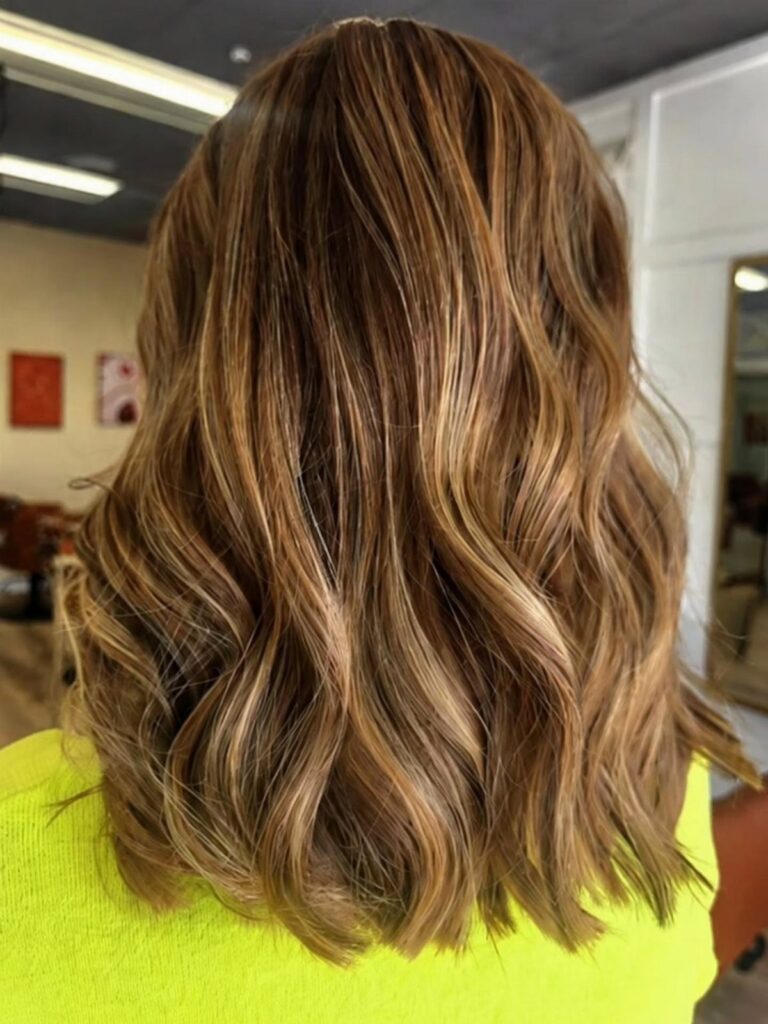
Honey strands woven through brunette hair add warmth without a full color commitment. The brown stays in charge, and the honey ribbons catch light as the waves move.
Waves suit this better than flat styling, since the curve shows off where the lighter and darker strands overlap. For a first appointment, ask for honey rather than gold, so the glow stays soft against the brown.
2. Light Honey Brown
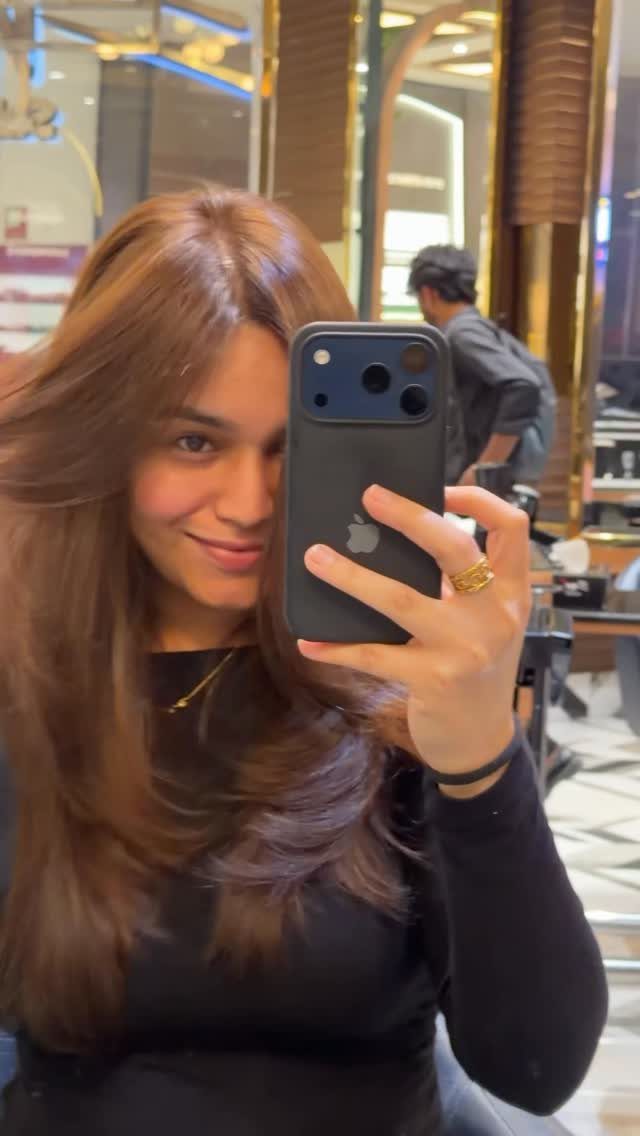
Sun-kissed without being blonde: that’s what draws people to a lighter, even honey brunette. Because the color runs fairly uniform, it reads as one soft shade rather than a pattern of highlights.
Layers keep long hair like this from looking heavy.
Dreading frequent salon visits? An all-over tone is easier to live with than lots of contrast, though I would still book a gloss when the shine fades.
3. Golden Honey Brown
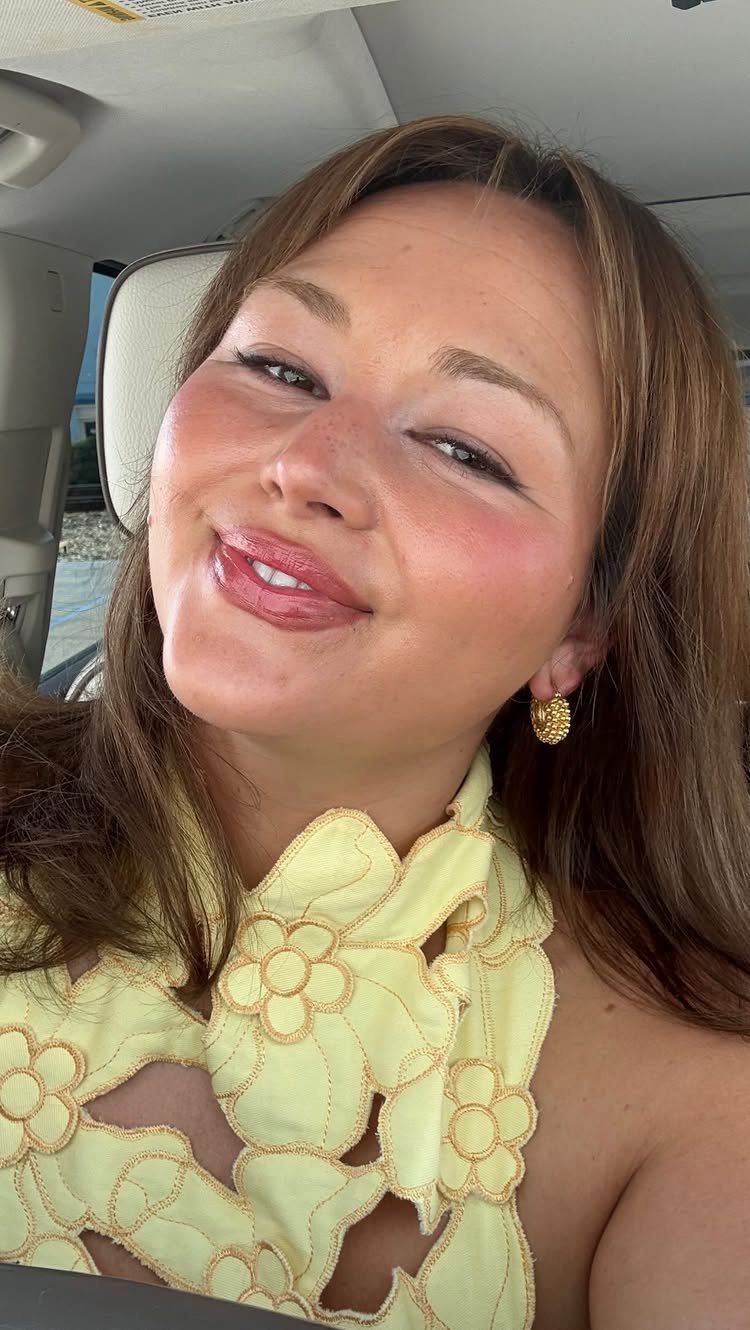
Gold gives this brunette its glow. Where a plain brown absorbs light, golden honey tones throw it back, so the hair looks brighter even in a car or a dim room.
It suits someone who wants a lift without leaving brunette behind, and that’s where I’d send them. Ask for golden rather than ashy, and say so by name, since the 2 directions pull the color opposite ways.
4. Honey Brown Ombré
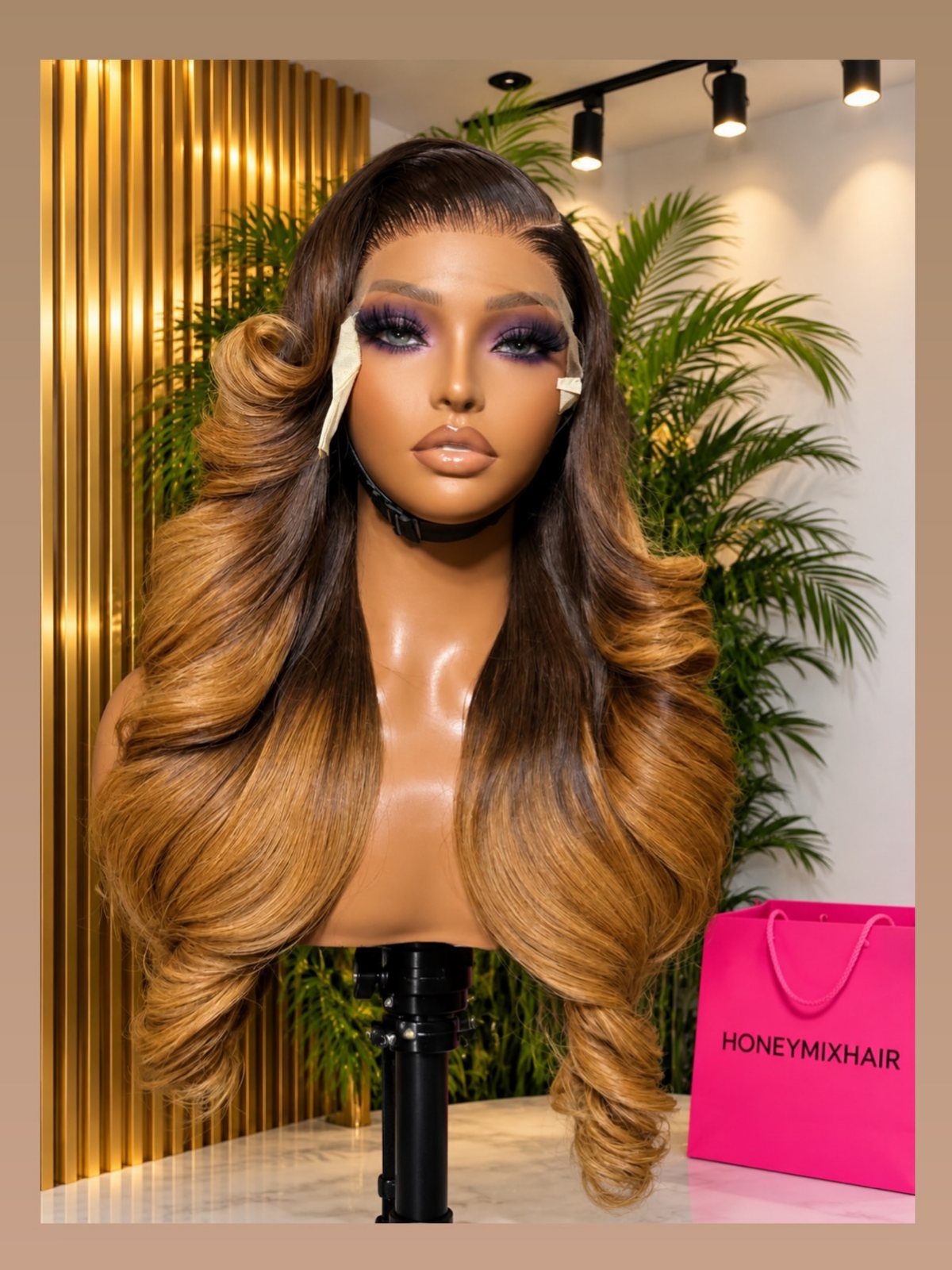
Darker roots melting into lighter lengths give ombré its easy grow-out: the part never shows a harsh line. Honey brown works well here because the ends brighten into gold while the top stays rich.
Curling the ends, as on this wig, sharpens the shift from dark to light. Ombré is the style I would pick for anyone who hates root touch-ups.
5. Bronze Honey Balayage
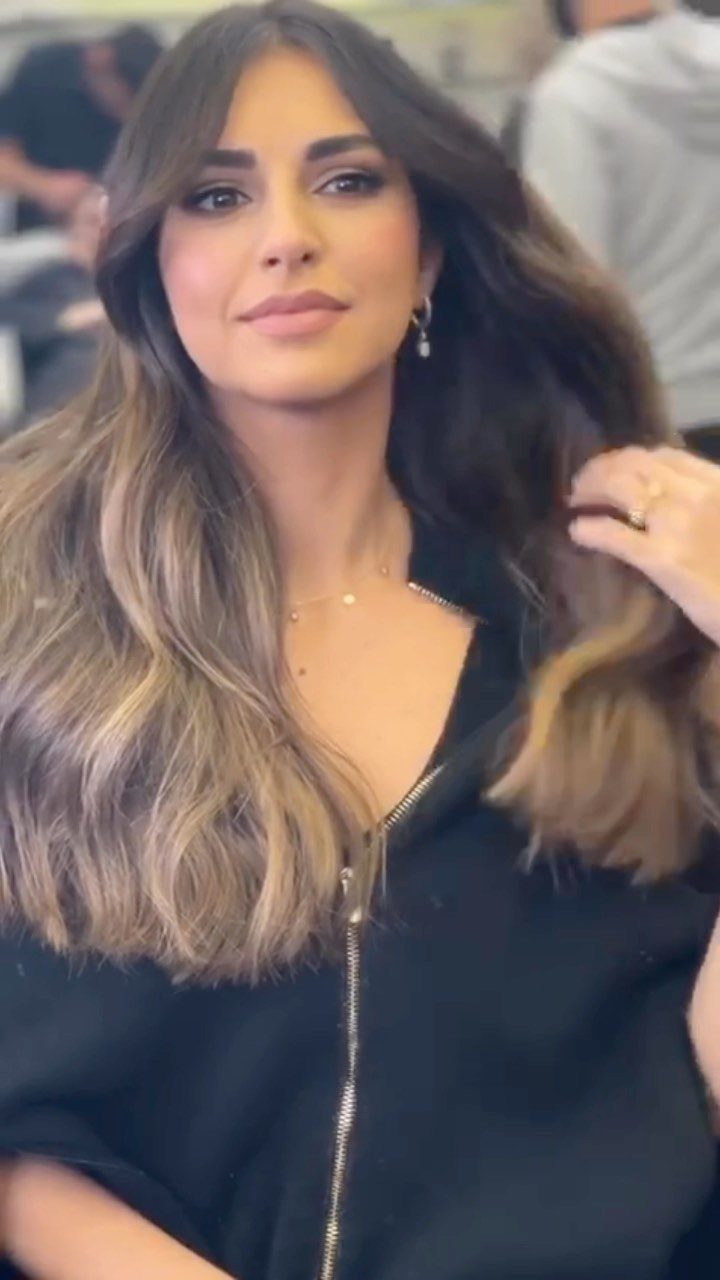
Bronze-honey ribbons on a dark base are the version for anyone who wants brunette to look expensive. The contrast is gentle, with warmth showing mostly where waves bend.
Ask for balayage, which is painted by hand, so the honey strands sit where the hair naturally falls. Keep the bronze leaning warm; pushing it paler turns it toward honey blonde and loses the depth that makes this one work.
6. Caramel Honey Brown
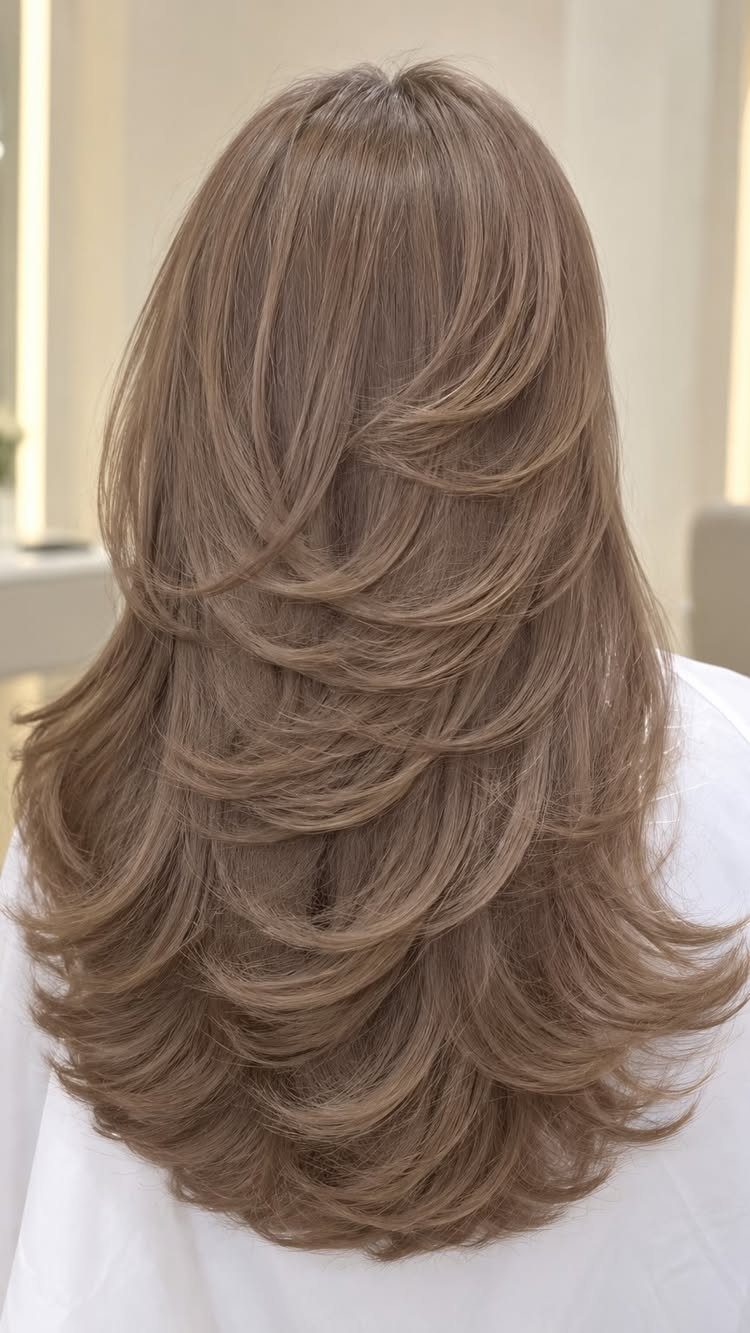
Caramel and honey sit close together on the color wheel, so blending them gives a brunette with plenty of dimension but no stripes. The result is warm, a little toasty, and forgiving on most skin tones.
Layers matter as much as color here.
Feathered, voluminous waves let the caramel and honey shift as the hair moves, which a blunt cut would hide. I would choose this over a single flat shade every time.
7. Face-Framing Honey Highlights
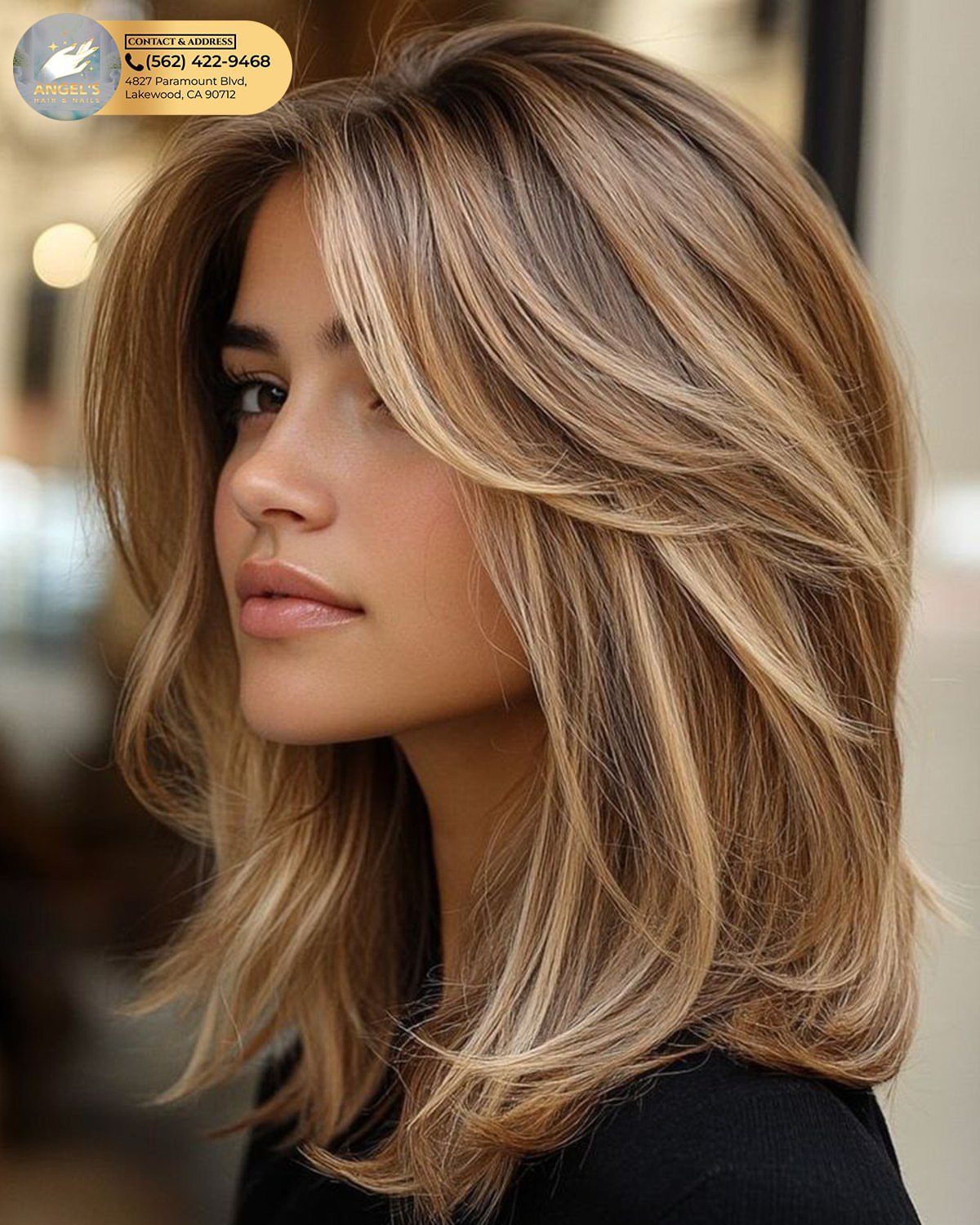
Lighter pieces around the face do most of the work here, brightening the complexion while the rest of the base stays as it is. That makes it the smallest step into honey I can think of.
Layers help the effect, since they let the brighter strands swing forward instead of lying flat. Ask for the honey to sit at the front only, and expect an easy grow-out because the roots elsewhere never change.
8. Dark Honey Brown
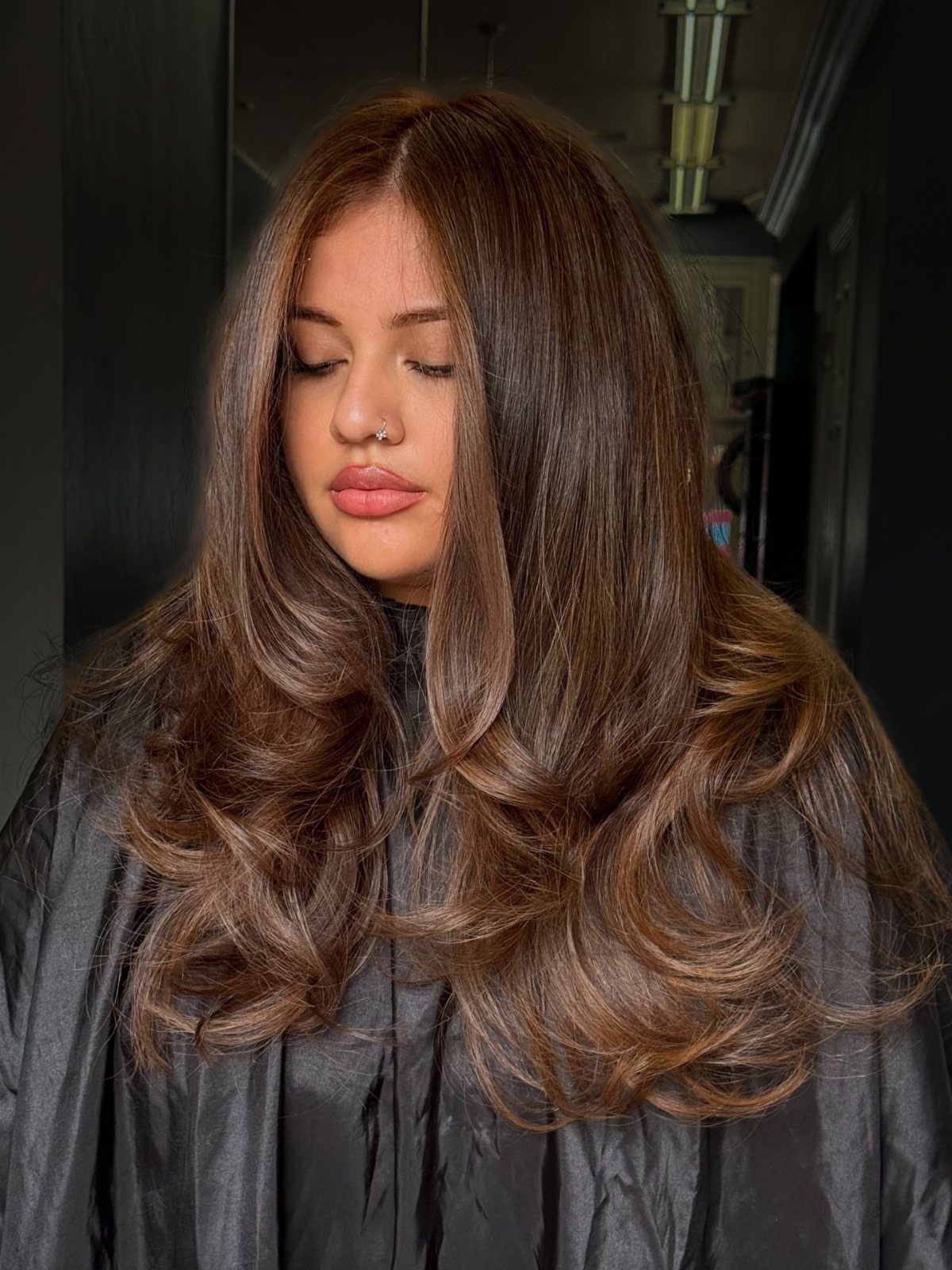
Deep brunette with honey kept low and quiet: that’s the appeal of going dark. The gold only shows when light hits the waves, so the color reads rich rather than bright.
If you want warmth but dread looking highlighted, this is where I’d start. Name the depth you want, "dark honey brown," and say you want the gold subtle, so a stylist doesn’t push it lighter than you planned.
9. Medium Honey Brown
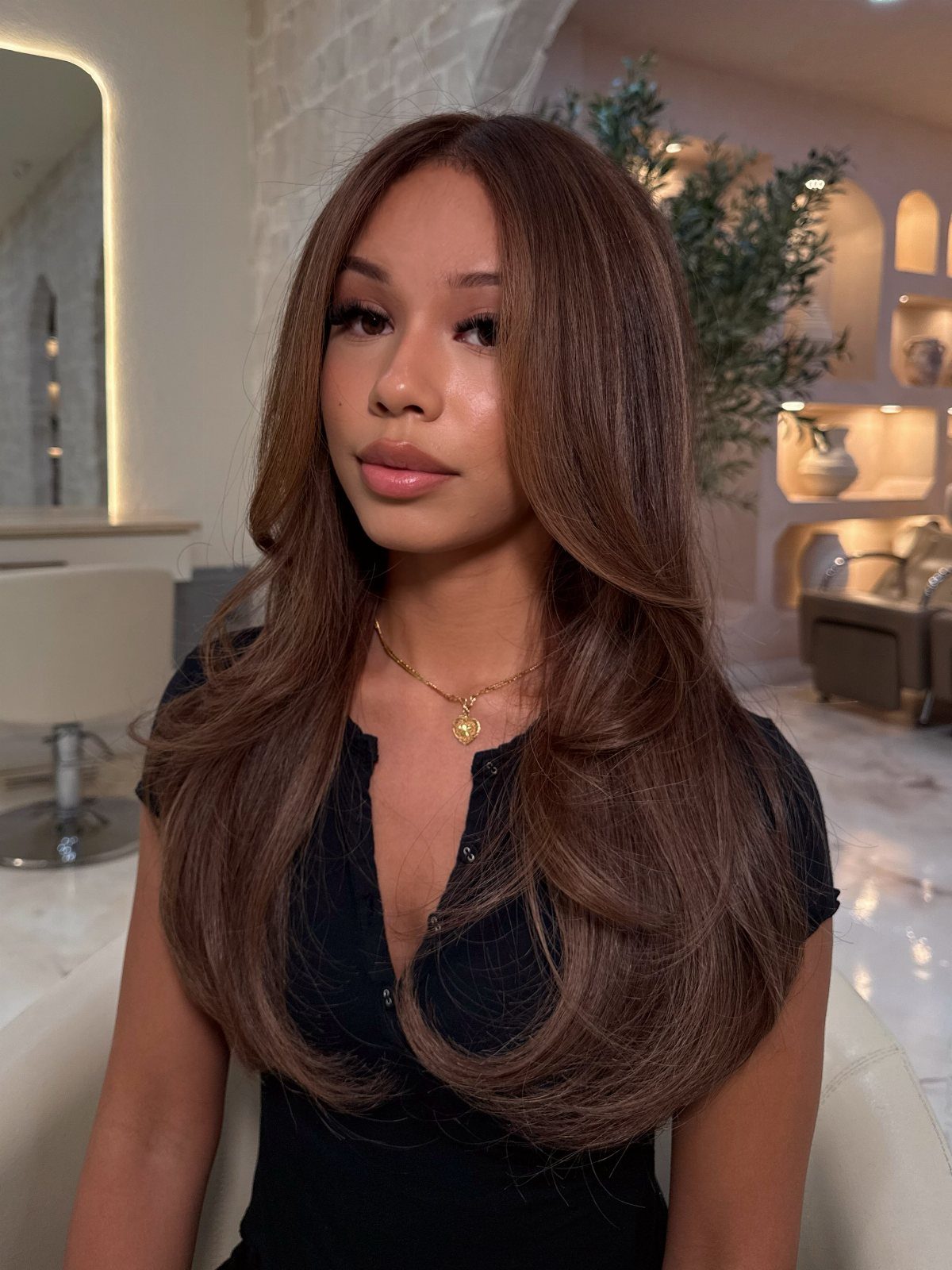
Right in the middle of the scale, this shade holds golden warmth and brunette richness in balance. Neither one wins, which makes it an easy color to wear day to day.
Smooth, layered length shows it off well, because the shine lets the honey read without any contrast.
I would pick it over the lighter and darker versions for anyone unsure how far to go, since it can shift either way at the next appointment.
10. Honey Brown Money Piece
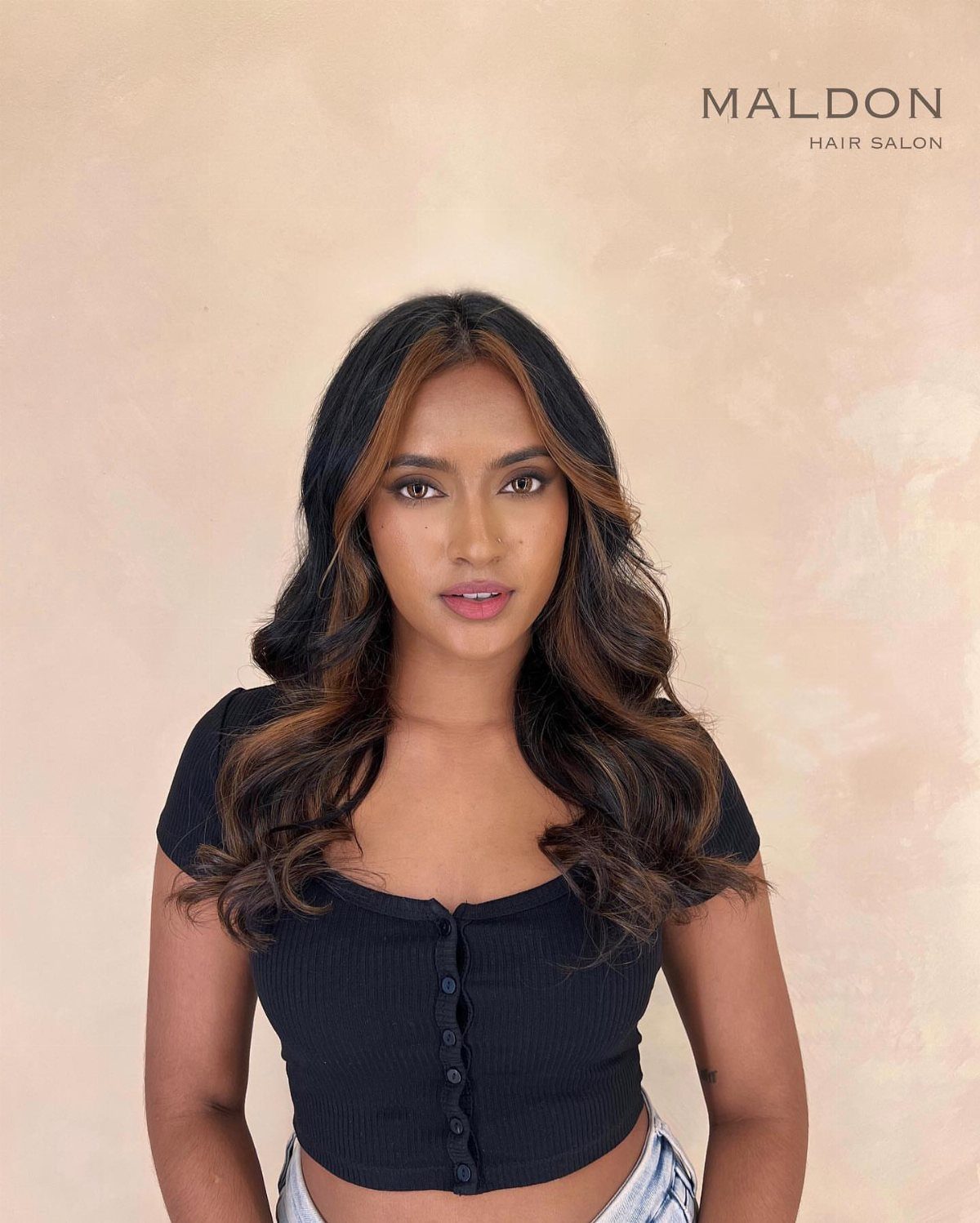
Two bright honey panels at the front, against a darker base, give the face its own spotlight. The rest of the hair stays dark, so the color feels like an accent instead of a full change.
Wavy styling softens the line where the bright pieces meet the base. Because the color sits only at the front, upkeep stays light, though the pieces will need a refresh before the rest of the hair does.
11. Ashy Honey Brown
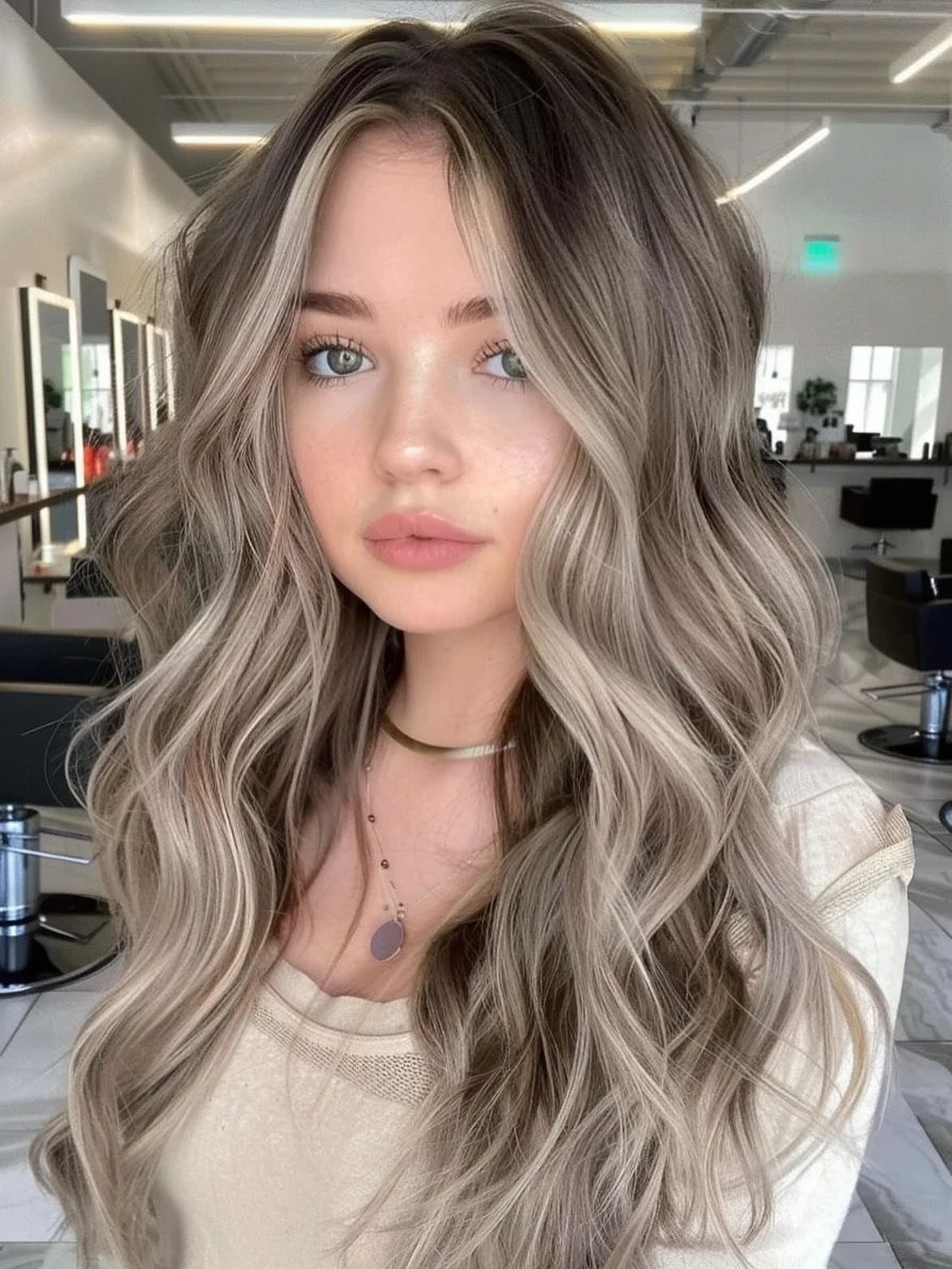
Cool, sandy brunette is what honey becomes once the gold is muted. The result is smoky and soft, closer to mushroom than to caramel.
Choose this if golden tones look too yellow on you.
Say "ashy" and "muted" when you ask, and bring a photo, since the word honey alone will pull a stylist warm. Ashy shades also take more care over time, so I’d budget for a gloss to hold the tone.
12. Honey Brown Ribbons
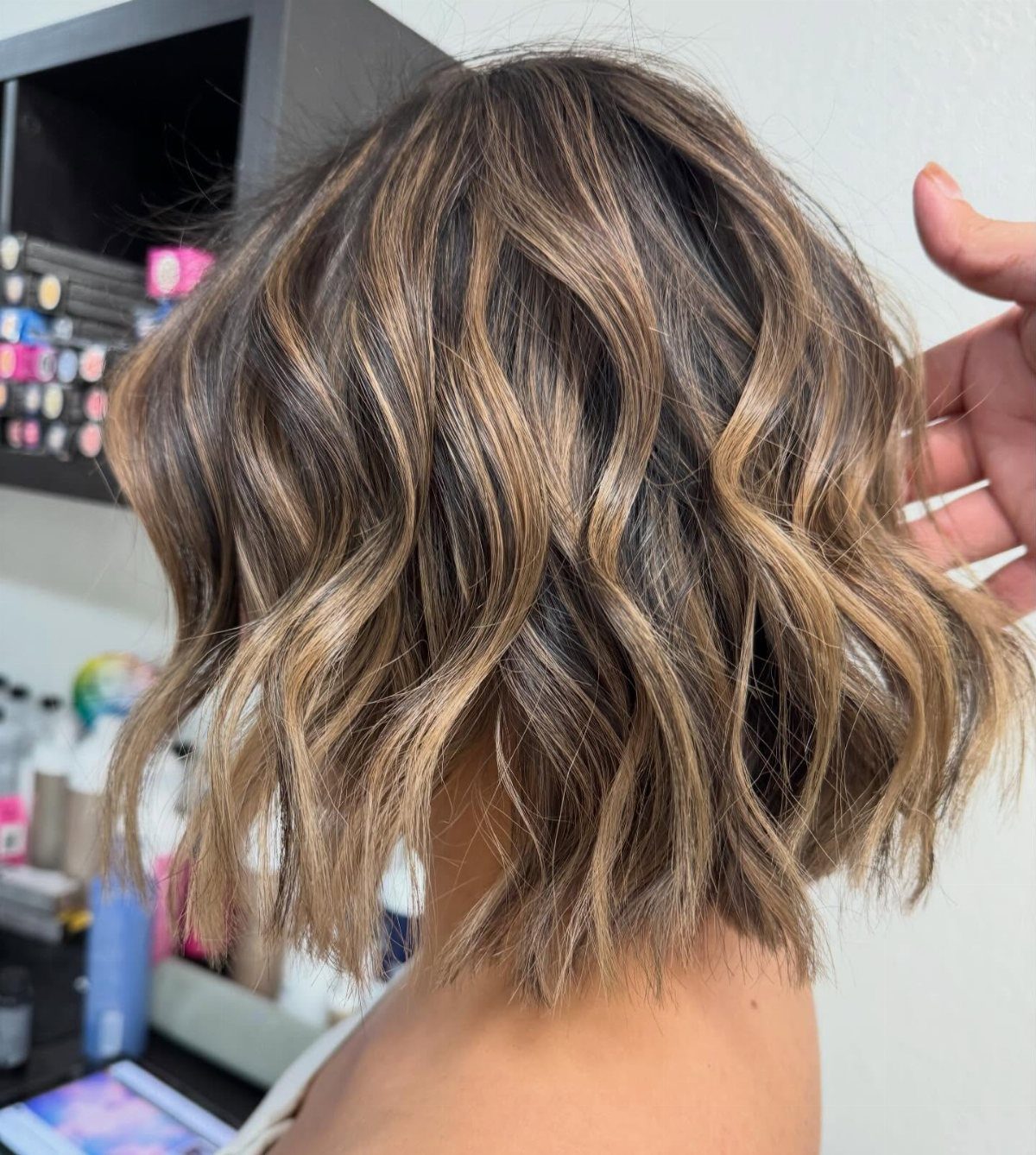
Ribbons of caramel and honey placed with intention add dimension to a bob without lightening the whole head. Each ribbon catches light on its own, which is why waves make such a good partner for them.
On shorter hair, placement matters more than amount. Ask for ribbons spread through the lengths rather than clustered, so the cut keeps movement from every angle, including the back.
13. Honey Brown Babylights
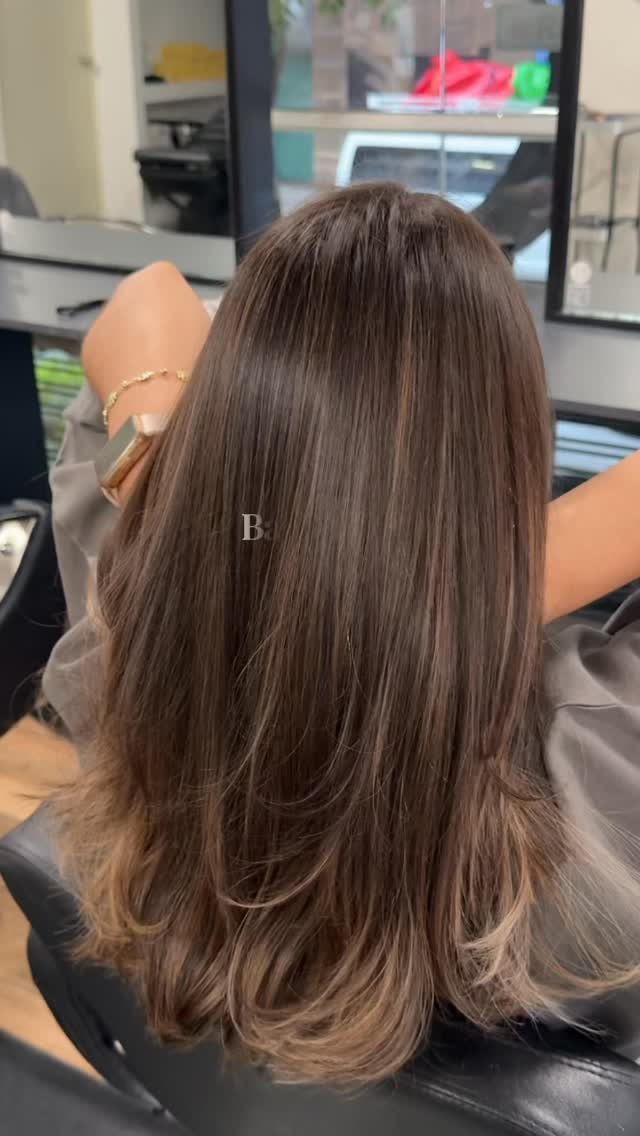
Fine ribbons of honey placed through brunette hair, babylights sit so close to the natural color that it’s hard to say where one stops and the other starts. The effect is softer than standard highlights.
Because the pieces are thin, they blend almost invisibly when hair is straight and wake up when it waves.
Ask for babylights rather than highlights if you want warmth that doesn’t announce itself, and expect the appointment to take longer since each strand is painted separately.
14. Chocolate Honey Brown
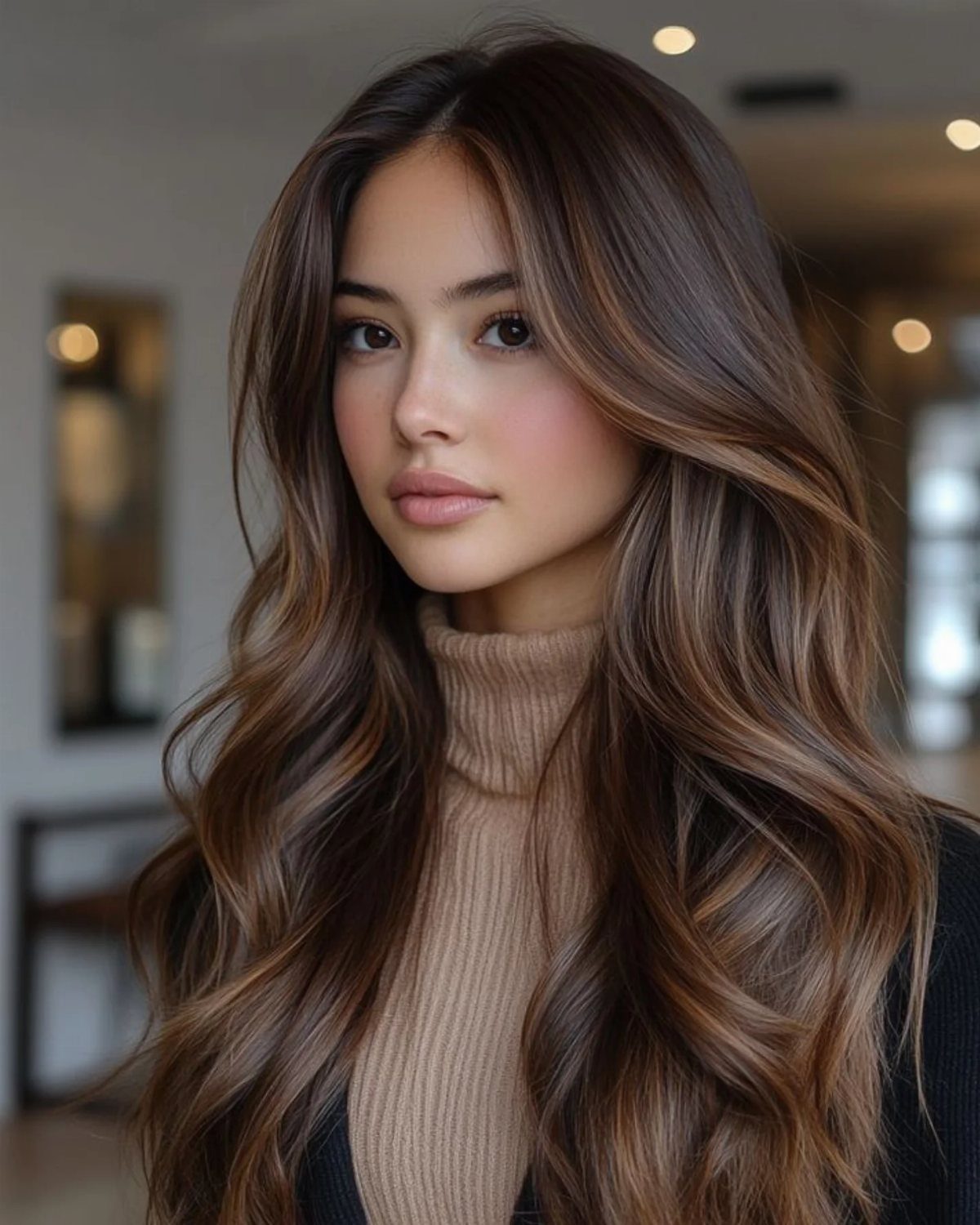
Rich chocolate pulls this brunette deep, and the honey lifts it just enough to keep it from looking flat. The 2 tones balance each other, so the color reads warm without turning brassy.
Waves show the shift between chocolate and honey better than a smooth blowout, which is why texture matters here.
I would ask for the honey to stay sparse, since too much lightens the whole head and loses the chocolate that gives this depth.
15. Rooted Honey Brown with Auburn
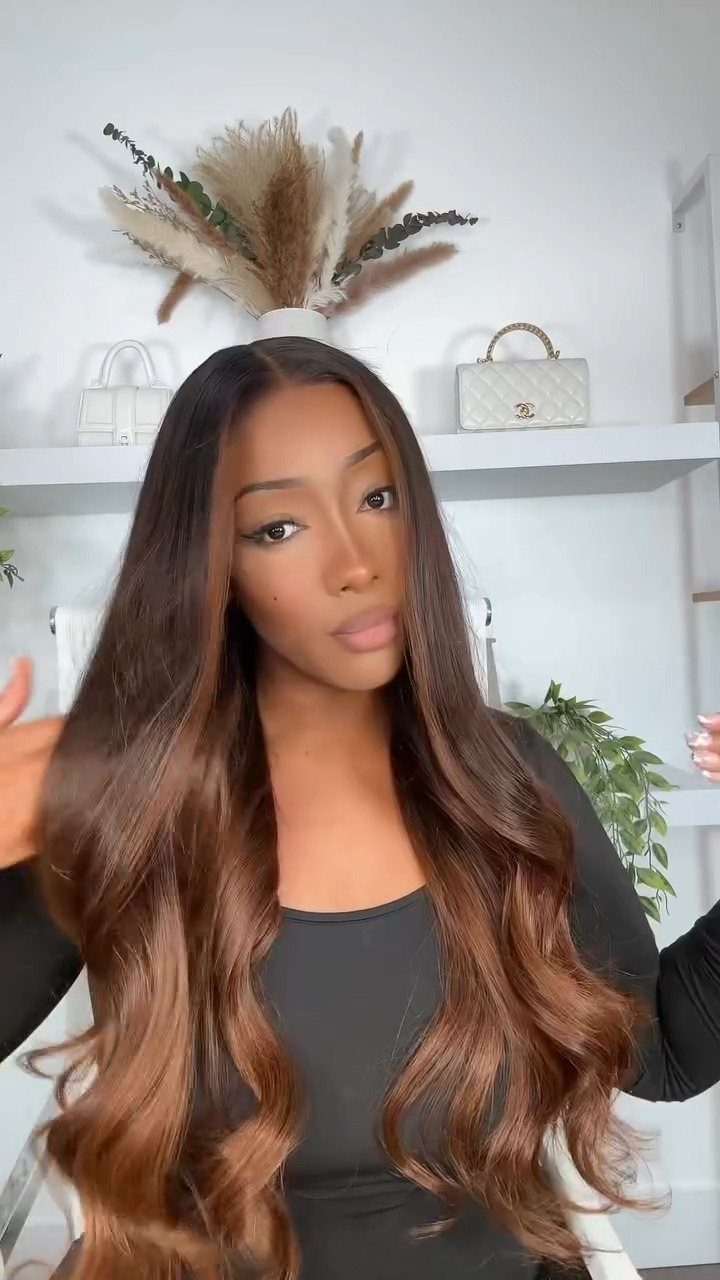
Auburn warms the honey lengths, while the darker root keeps the color grounded. The melt between the three tones gives this its softness, so there’s no line where one shade stops.
If you want honey but find it too gold on its own, auburn brings in copper that suits more skin tones.
Ask for a rooted melt with auburn through the mid-lengths, and let the stylist know you want warmth, not contrast.
16. Honey Brown Balayage
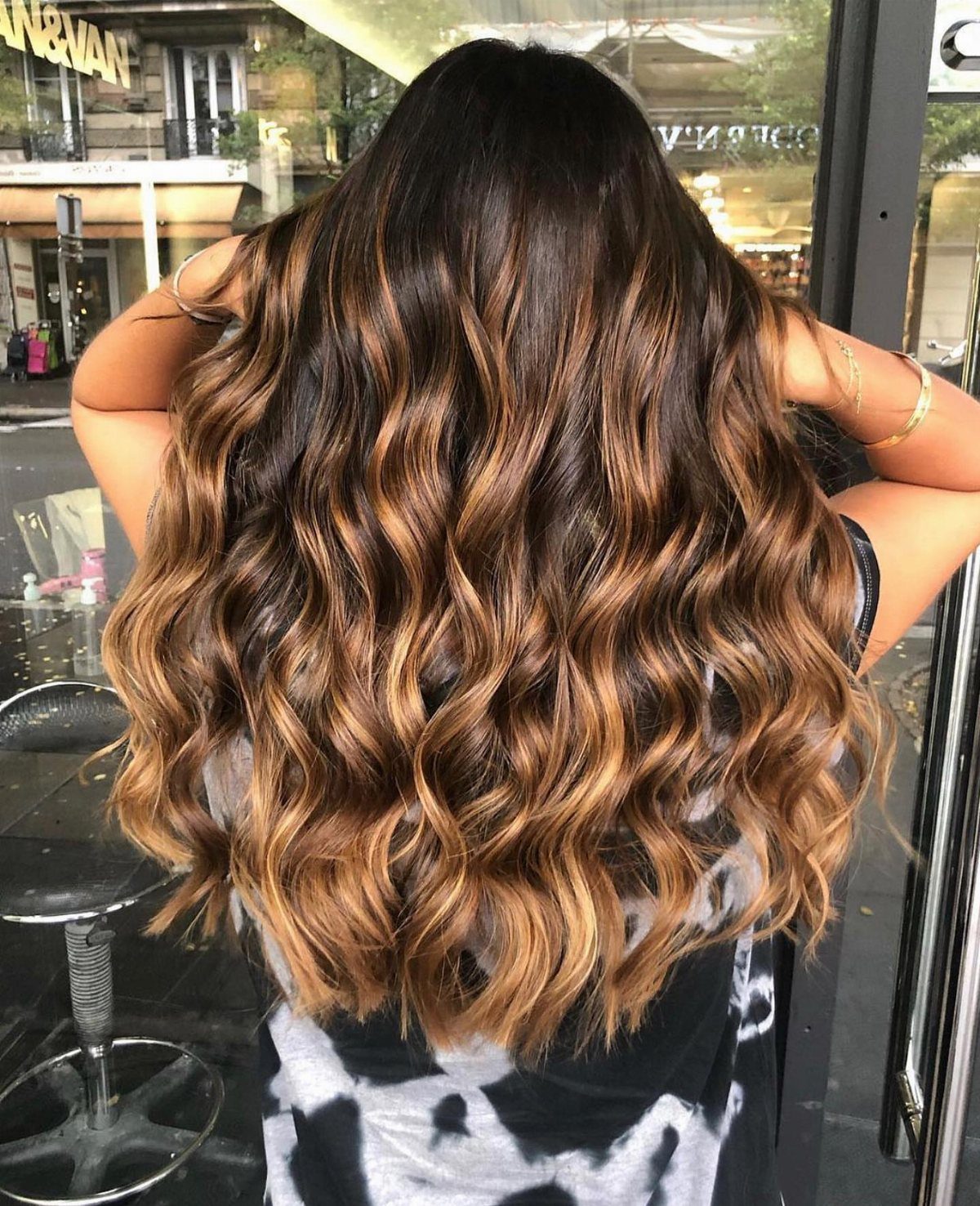
Because the lightener is swept on freehand instead of packed into foils, the honey lands around the face and through the ends, the spots where a summer of sun would actually brighten brown hair.
The color builds gradually from roots to ends, so the grow-out stays soft.
Long waves like these let the honey ribbons show from every angle. I would choose balayage over highlights for anyone who wants dimension without a rigid pattern, since the placement shifts with how the hair falls.
17. Honey Bronde
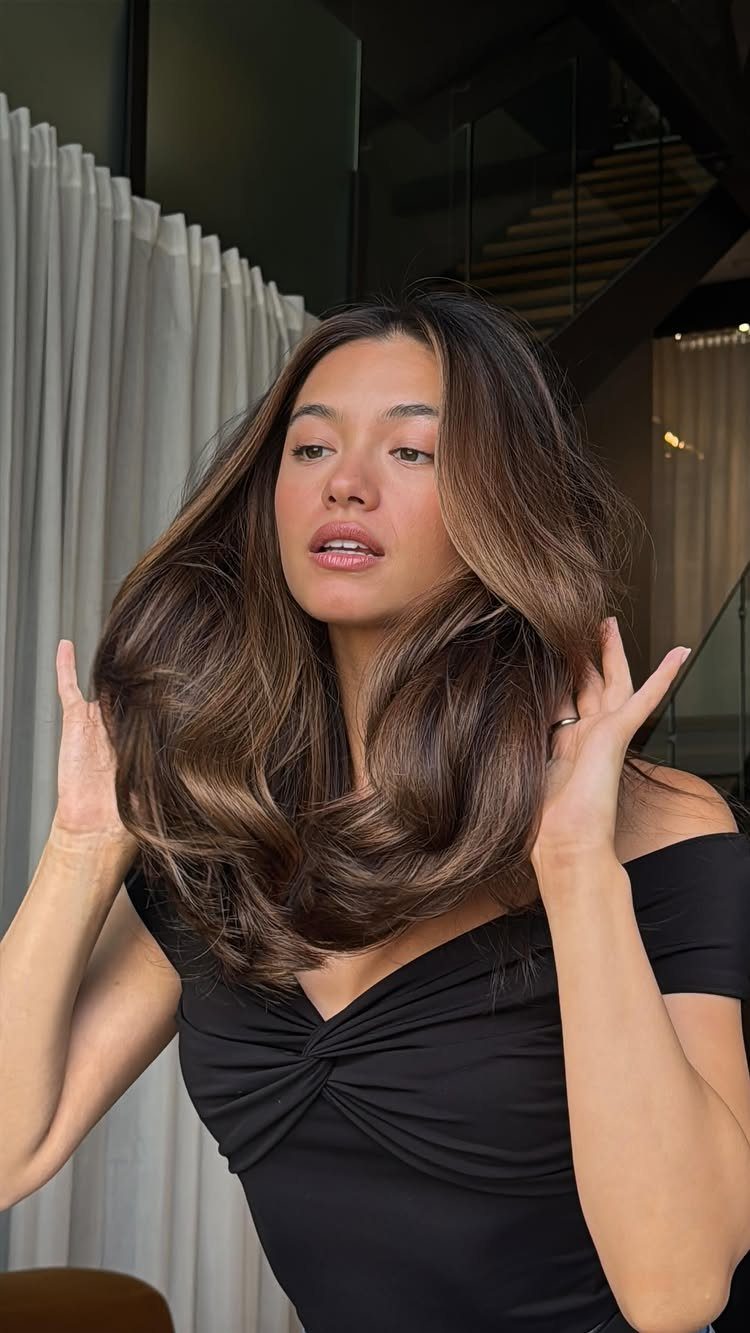
Brown and blonde woven together give bronde its name and its appeal. Honey bronde leans warmer than the cooler versions, with gold running through the blonde pieces.
The dimension comes from layering several shades rather than one flat color, which is why it photographs well in natural light.
Ask for honey bronde rather than just bronde if you want the warmth to stay, and expect to book a gloss when the blonde pieces start looking brassy.
18. Honey Brown Curls
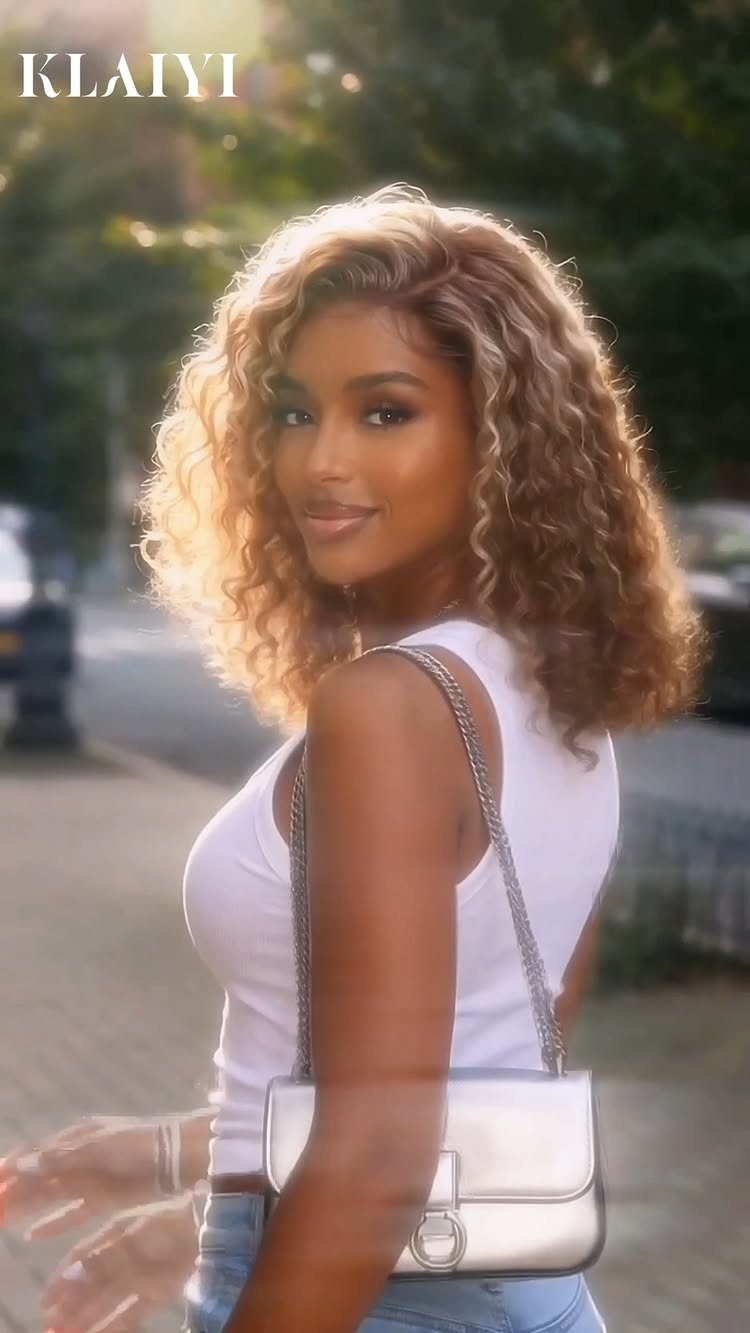
Honey tones on curls catch light on every bend, which is why the color reads richer on textured hair than it does on straight. The warmth sits in the spirals and shows differently depending on how the curls fall.
I would ask for honey rather than gold or caramel if you want glow without orange, and keep a leave-in conditioner in rotation since color-treated curls dry out faster.
19. Honey Brown with Champagne
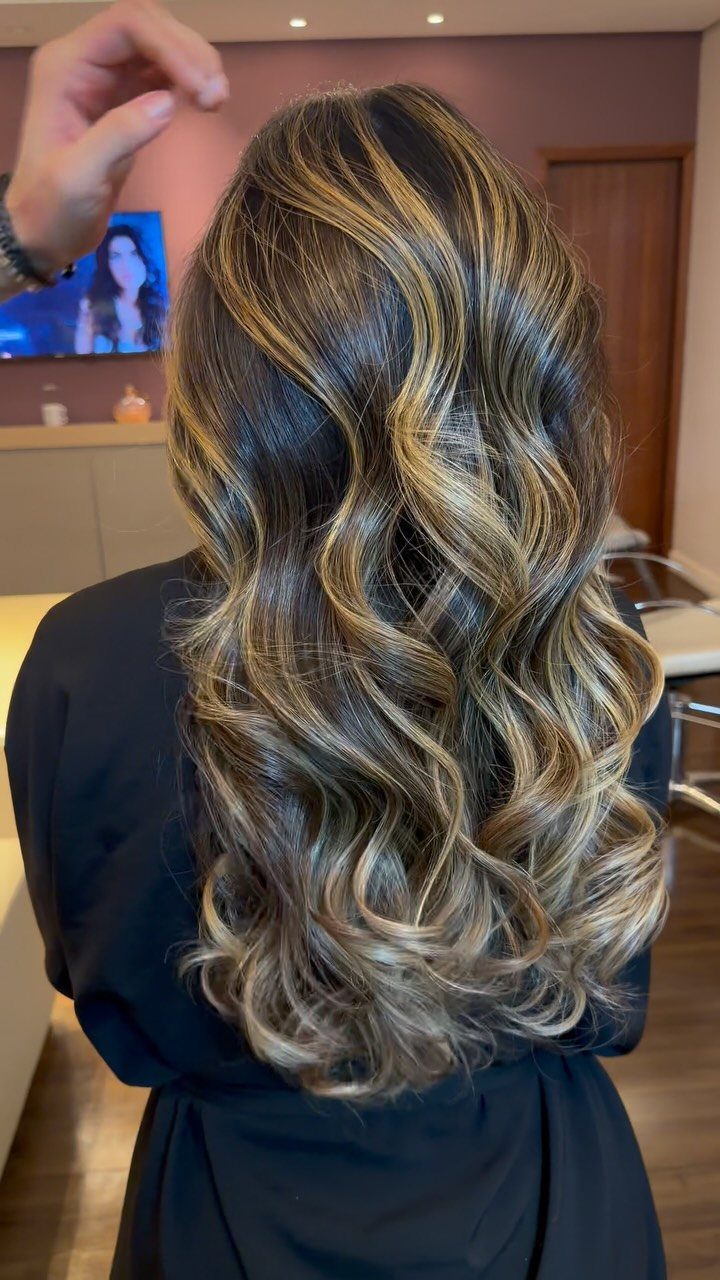
Champagne balayage lays pale, creamy blonde over honey brunette, and the lift is bigger than honey alone gives. Against the brown base, the lighter pieces read as a clear second shade.
Ask for champagne by name, and say you want it soft and warm rather than icy, or the pieces can turn stark against the brown.
Long curls give the contrast room to show. Lighter pieces tend to fade toward brassy first, so I’d plan on a gloss to keep them creamy.
20. Honey Brown Bob
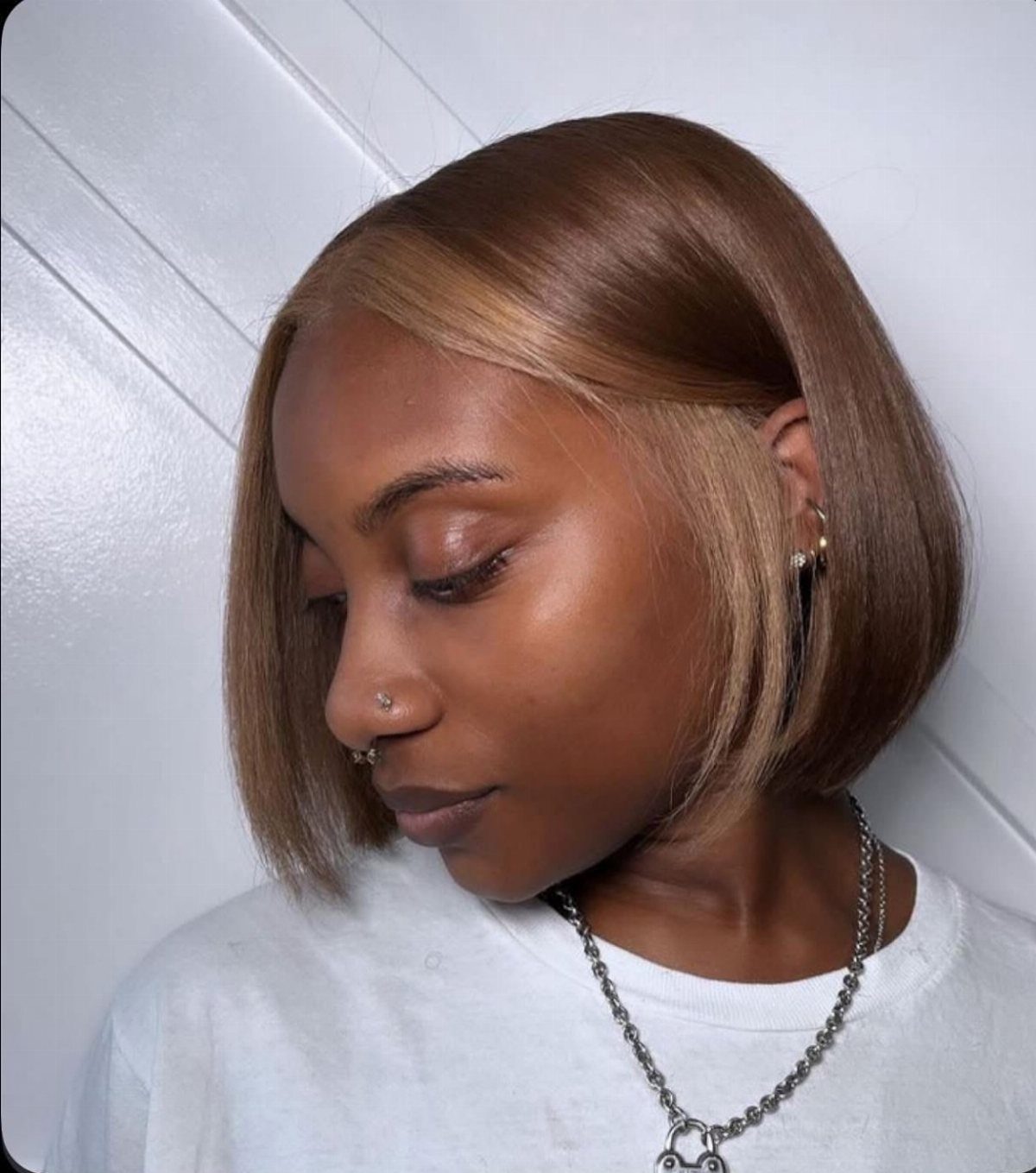
A bob is the shortest way to wear honey brown, and the cut itself does half the work. With so little length, the color shows as one sleek, glossy sheet.
Keeping the ends blunt and smooth lets the shine carry the shade, so I would skip heavy layering here.
Short hair also means less color to maintain, though a bob needs regular trims to hold its line. Pick this if you want honey that looks polished with almost no styling.
21. Honey Brown with Beige
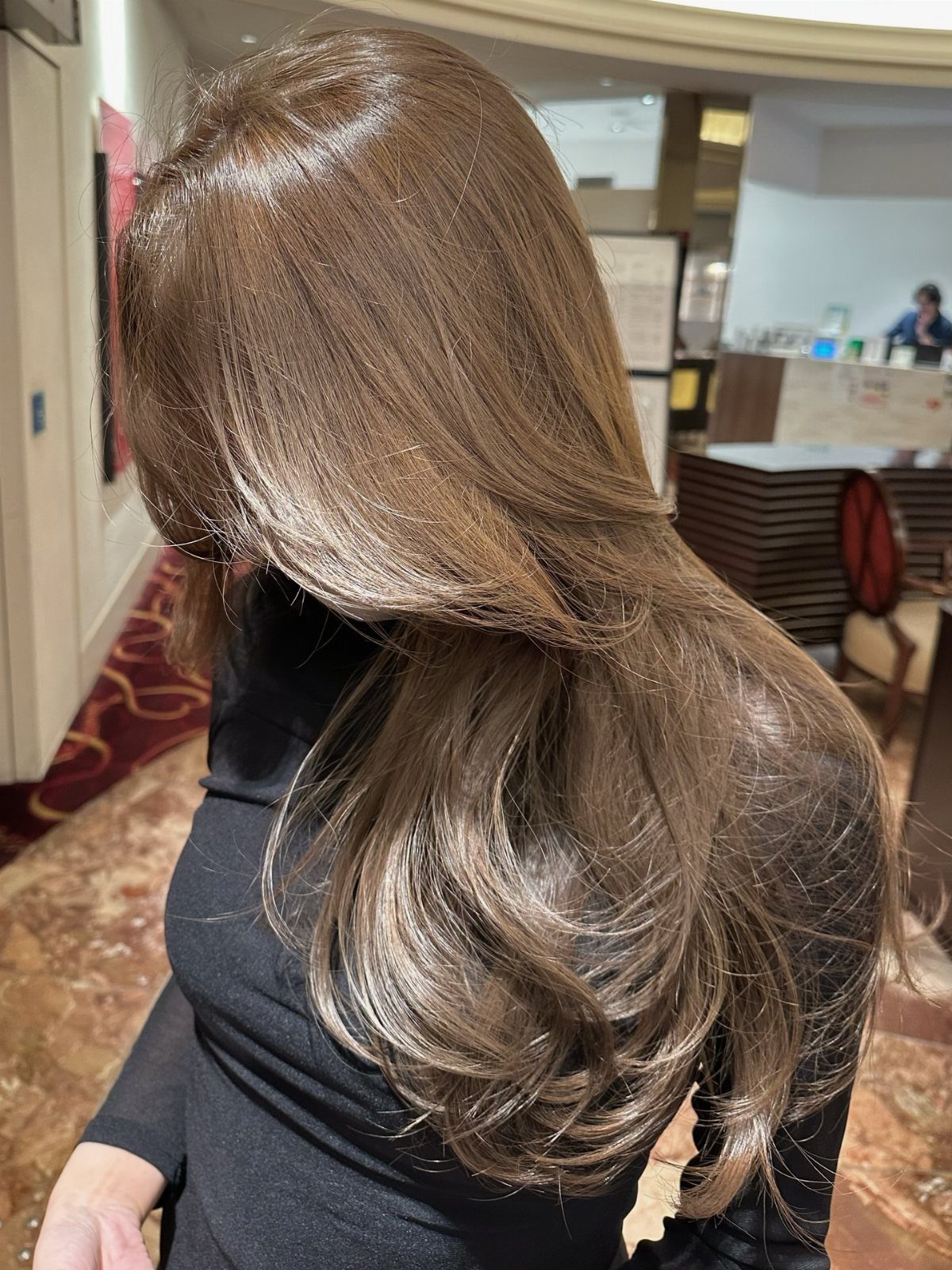
Beige turns honey brown creamy, with a hazelnut softness in place of straight gold. The highlights sit close to the base color, so the whole head looks blended and quiet.
Choose this if golden honey feels too sweet on you but ashy feels too flat.
Ask for beige or hazelnut highlights, and bring a photo, since beige means different things to different stylists. Long layers with curled ends let the soft pieces show without any hard contrast.
22. Soft Strawberry Honey
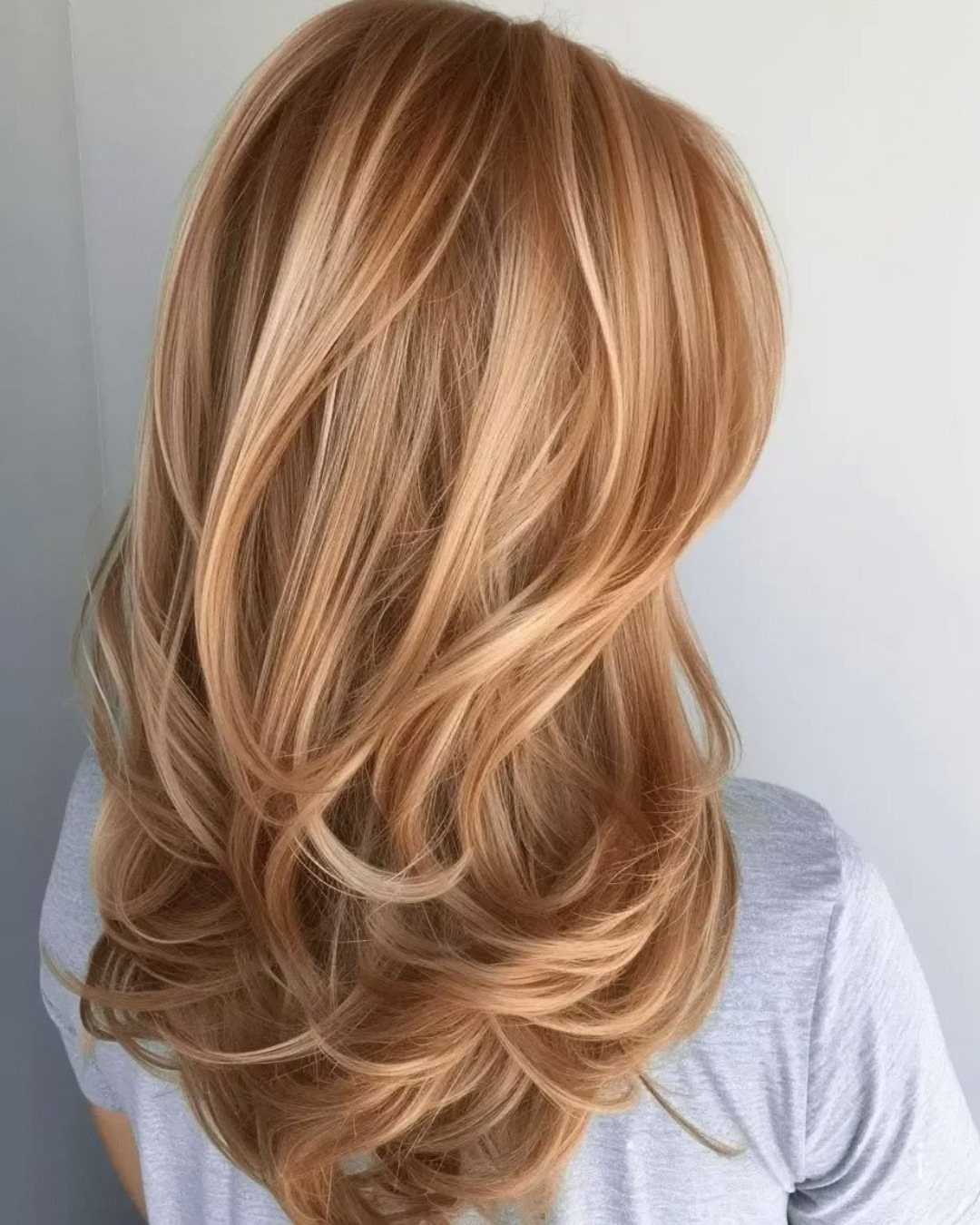
Strawberry-gold laid over light honey brown adds a faint rosy warmth, and fair complexions are where it works best. The color stays gentle: gold first, with just a hint of pink in the curls.
Ask for strawberry-gold rather than strawberry blonde, and say you want it subtle, or the shade can drift redder than planned.
Layers and big curls let the tones shift as the hair moves. I’d pick this over plain light honey for anyone who wants a little more personality.
23. Cinnamon Honey Balayage
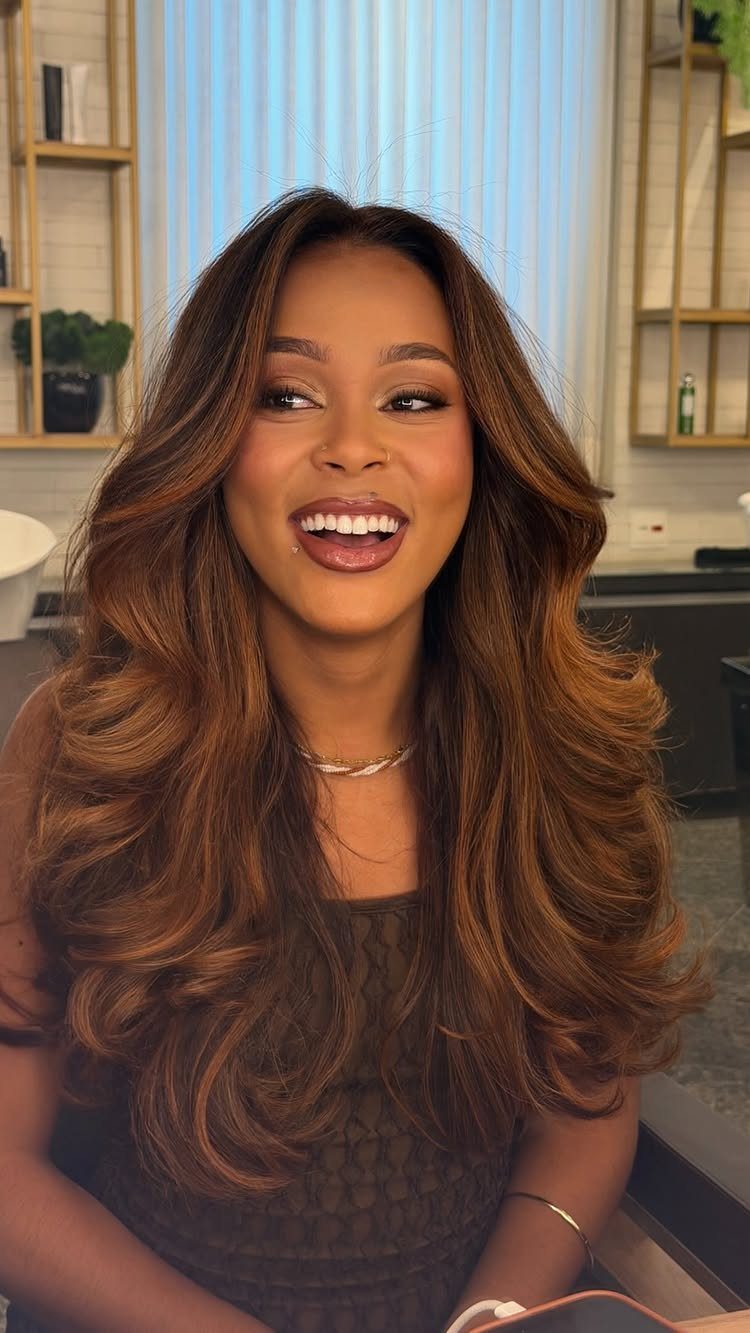
Cinnamon brings a spiced, reddish warmth to honey, and together they give medium brunette a sunlit glow. Because the painting is done freehand, the lighter pieces end up on the curves of each wave and not in even stripes.
Ask for cinnamon and honey together, since honey alone will read more golden.
Soft waves show off the blend best. I like this for anyone who finds pure gold too bright, because the cinnamon keeps the color grounded and rich.
24. Honey Brown Shoulder-Length Hair
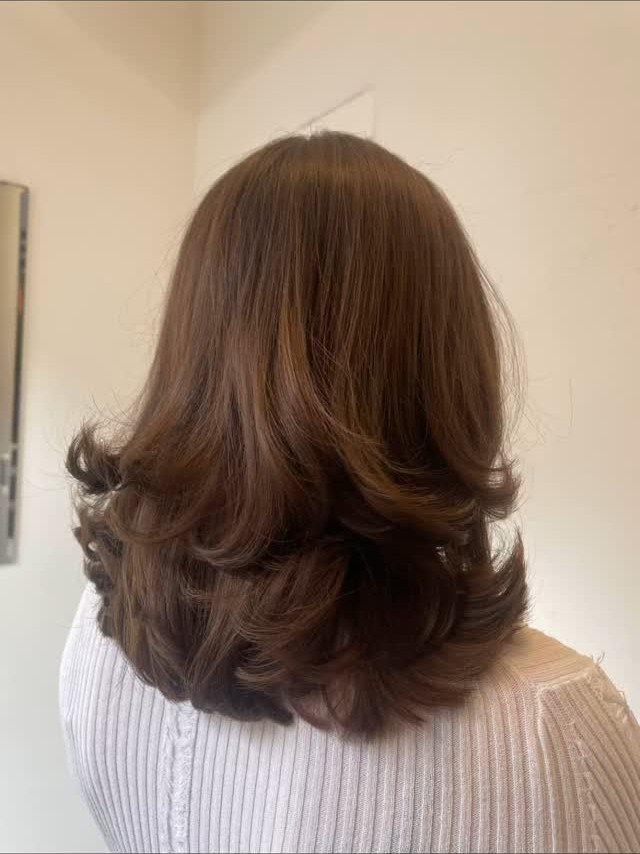
Copper threaded through shoulder-length honey brown makes the color richer than plain honey, with a warm glint at the ends. At this length, curled layered ends put the copper where the eye lands.
Ask for copper kept soft, so it supports the honey instead of taking over.
Shoulder length is easy to style and needs trims to keep the layers shaped. A single flat shade loses to this one for me, because the copper threads in depth and warmth while the morning routine stays exactly the same.
25. Honey Brunette with Bangs
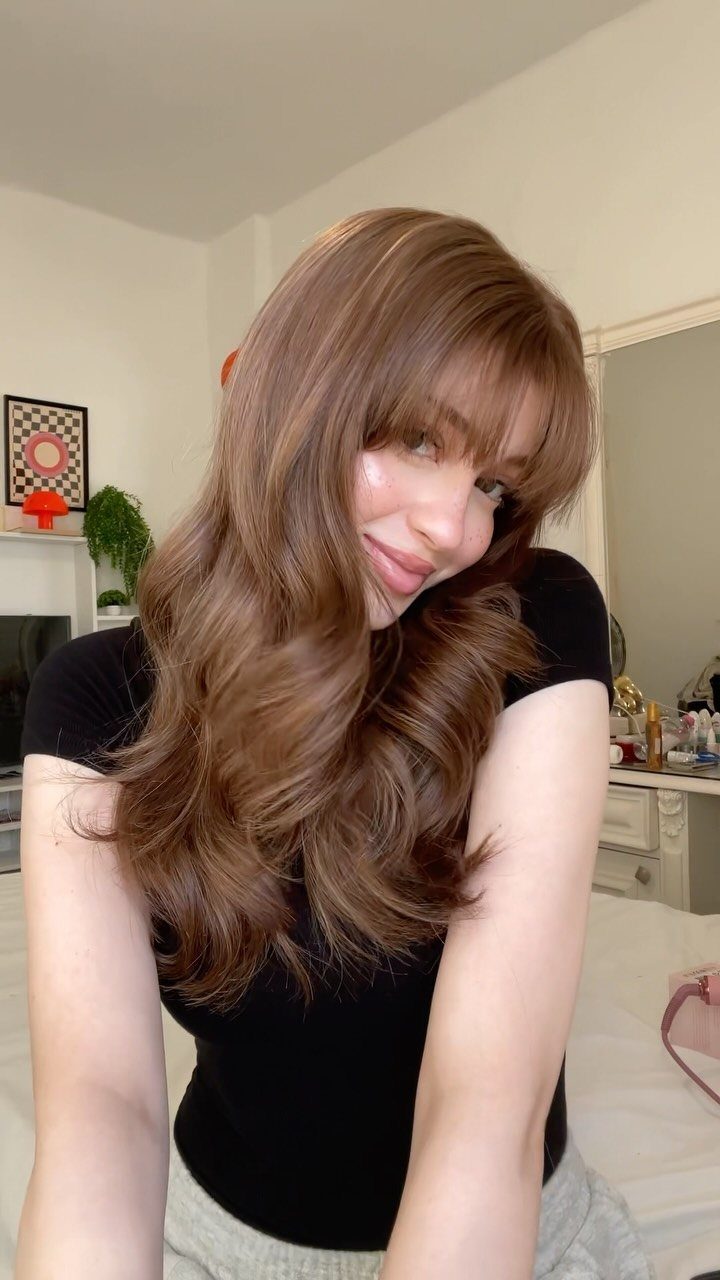
Full bangs change how honey reads on long hair, because the fringe frames the eyes and the warm pieces fall right beside it. Soft layers keep the length from looking heavy under all that front weight.
Ask for the bangs to be cut into the layers so they blend instead of sitting as a separate block.
Bangs need regular trims to stay at the right length, and I would plan for that before committing. Honey highlights do the rest of the work, so the base can stay as it is.
26. Honey Brunette Ponytail
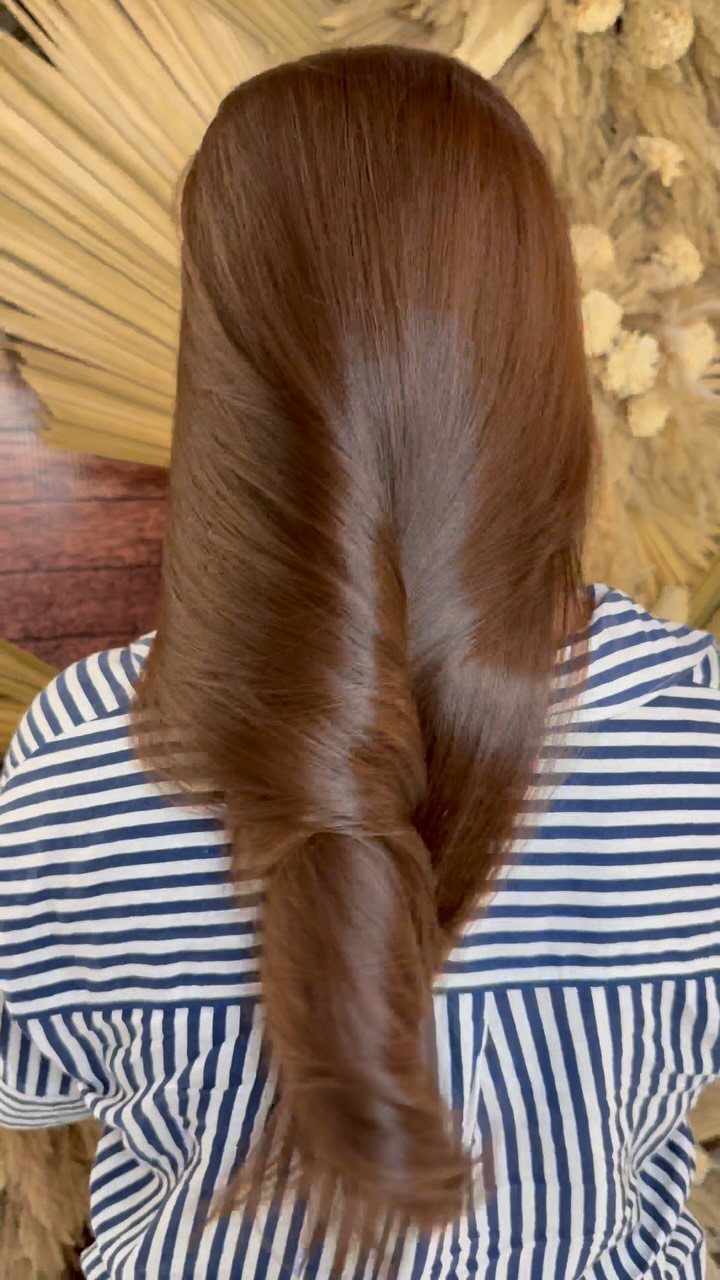
Gloss is what makes a ponytail like this work: when long honey brunette hair is gathered low and twisted, the shine carries the whole look. A twist adds shape without any teasing or tools.
Pull the hair back at the nape and twist the tail once or twice before securing it.
Smooth hair shows the color best, so I would finish with a little shine product along the lengths. Pick this for mornings when you want honey to look polished without much fuss.
27. Long Honey Brunette Waves
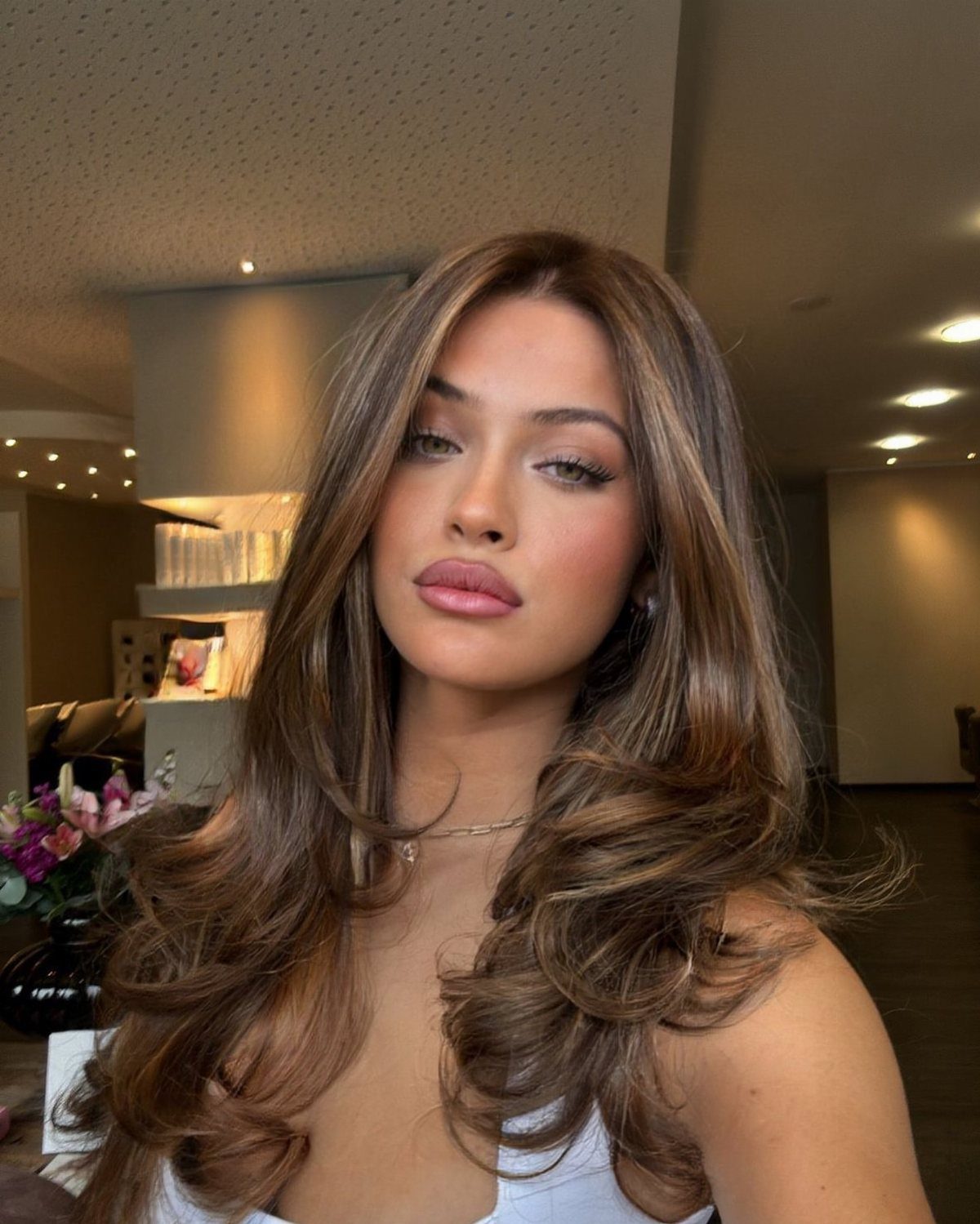
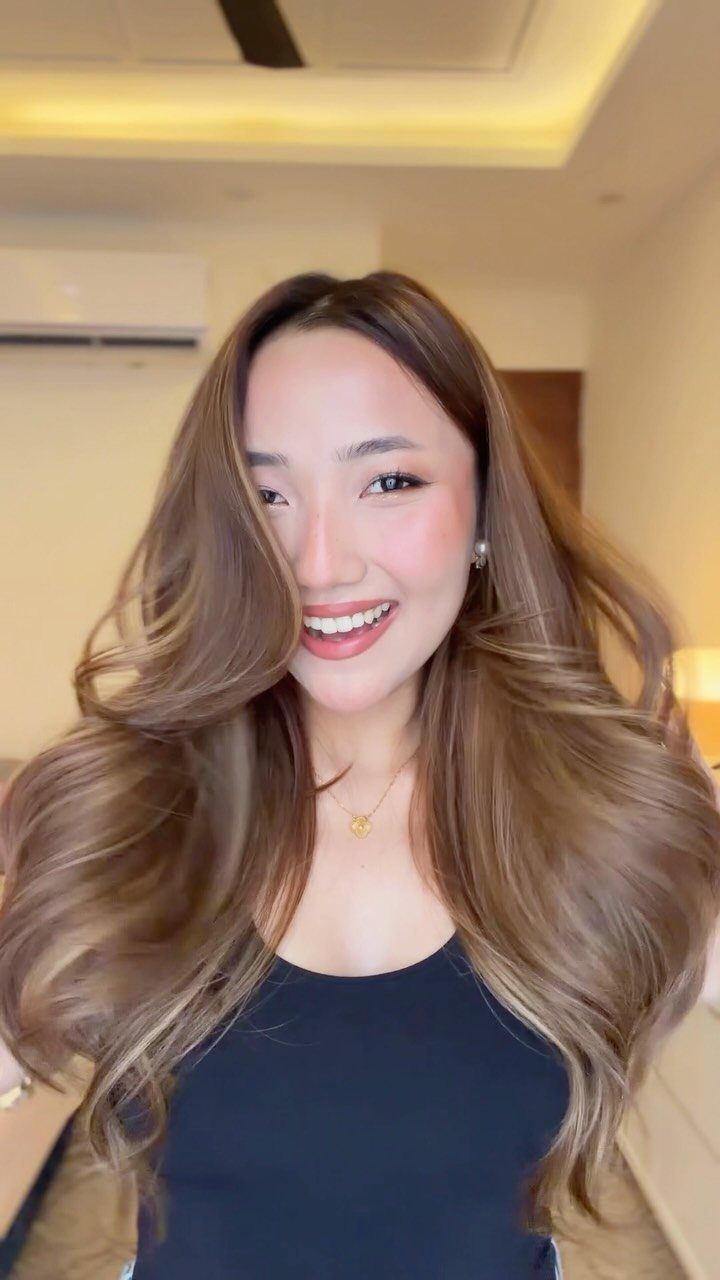
Loose, glossy waves are my favorite way to wear long honey brunette, since the curl lets warm highlights flash against the brown with each turn. Smooth hair hides that shift, and waves bring it out.
Curl in sections and brush the waves out so they blend into one soft mass.
Ask for the honey-brown pieces to run through the mid-lengths and ends rather than sit in a clump at the bottom, so the color reads from the front, the side and the back.
Length gives the waves room to fall, so this suits hair that is already long.
28. Layered Honey Brunette
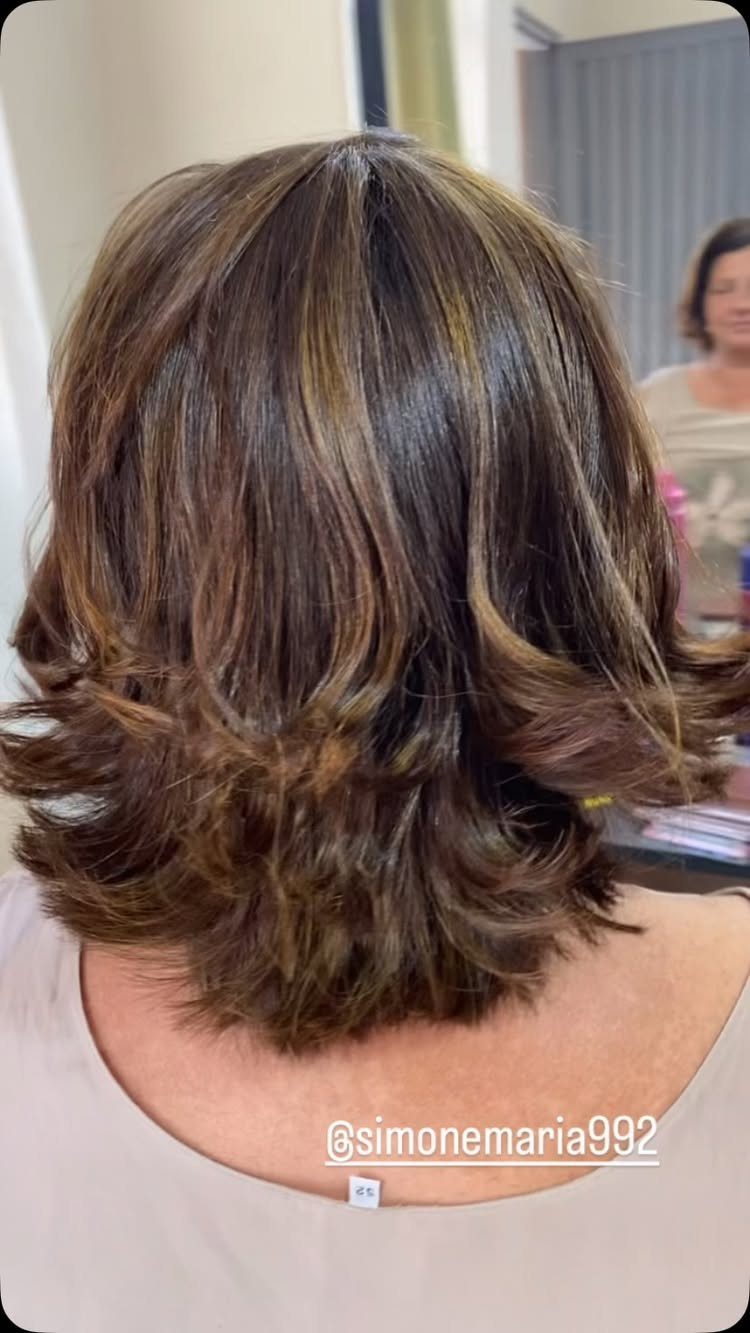
Soft layers cut around the shape of the head give honey highlights places to land, and curled ends push those lighter pieces forward. Seen from the back, the layers read as movement instead of a single hem.
Ask for layers that start below the shoulders, with honey highlights placed through them, so the brighter strands fall at different levels.
Curl only the ends to keep the finish relaxed. I would choose this over a blunt cut for anyone who wants the color to look dimensional.
Color Care and Brassiness
Once it tips brassier than you want, a blue shampoo pulls it back; Matrix Brass Off Shampoo uses blue-violet pigments aimed at dark blonde and light brunette hair.
For everyday washing, a sulfate-free, color-safe shampoo is the base, and rinsing with cooler water slows fading.
A weekly Wella Color Fresh Mask gives the pigment a boost between appointments. Hot tools wear honey tones down quickly, so cut back where you can and spray a heat protectant before every pass with the iron or dryer.
Stick with those habits and the shade keeps its glow instead of going flat or orange before your next salon visit.
Choosing a Coloring Method
All-over color is the pick for one uniform shade from roots to ends, and it’s among the easiest options to do at home, even as a beginner.
Highlights are the softer route. Full highlights spread brightness and warmth through the whole head, while partial ones sit around the face for a softer, sunlit look.
For the least upkeep, I’d go with balayage. Hand-painted color begins lower on the strand, so roots grow out without a hard line and you go back far less often.
Leave corrective color and precise placement to a salon.
Starting Color and Bleach
Very dark hair may need bleach before honey tones can show. It isn’t always required, so ask your colorist about alternatives before agreeing to it.
Taking hair several shades lighter is hard to do safely at home, and the risks are damage and uneven color. A professional can look at your starting color and hair texture, then tailor the process to keep damage low.
If you’re unsure which camp your hair falls into, book a consultation first and bring a photo of the shade you want.
Frequently Asked Questions
What is the best honey brown hair color?
It depends on how far you want to go from your natural brown. Medium honey brown is my pick if you’re unsure, because it balances golden warmth with brunette richness and can drift lighter or darker at your next appointment.
Dark honey brown suits you if you want warmth without looking highlighted, and an ashy honey brown works better if gold looks yellow on you.
How do you get honey brunette hair?
Book a colorist and pick a method based on your current color and texture: all-over color for one uniform shade, highlights for added brightness, or balayage for the least upkeep.
Hand-painted balayage begins farther down the strand, so regrowth never shows a harsh stripe at the part. Say honey, not gold, when you book or show a photo, and the warmth stays gentle against the brown.
Is honey brown warm or cool-toned?
Honey brown leans warm, because it’s built from golden, bronze and amber tones.
Cooler versions exist: an ashy, muted honey brown mutes the gold into a smoky, sandy brunette. Caramel honey brown sits in between, with a more balanced mix of warm and cool pigment.
What is the difference between honey brown and honey blonde?
Both carry the same golden warmth, but honey brown is the deeper, darker brunette shade and honey blonde is lighter and brighter.
Honey bronde falls in between, with brown and blonde pieces woven together and gold running through the lighter ones. If you want to stay clearly brunette, ask for honey brown.
Does honey brown hair need bleach?
Only sometimes. Very dark hair, including dark brown and black, usually needs its base lightened so the golden tones show up, while lighter brown hair may not need it at all.
Is honey brown hair high maintenance?
Expect fewer salon visits than with lighter shades, though you’ll still need some upkeep.
Expect regular salon visits, a color-safe routine and a conditioning mask. Balayage stretches the time between appointments the longest; ashy versions want a gloss to hold their tone, and any blonde pieces are the first to go brassy.
How do you care for honey brown hair?
Switch to a sulfate-free shampoo made for color-treated hair, then finish with a cool rinse to slow fading. When the gold drifts toward orange or brass, a blue shampoo like Matrix Brass Off counters it with blue-violet pigment.
Once a week, a Wella Color Fresh Mask refreshes the tone between visits, and a heat protectant before the blow dryer or flat iron keeps the gold from wearing away.