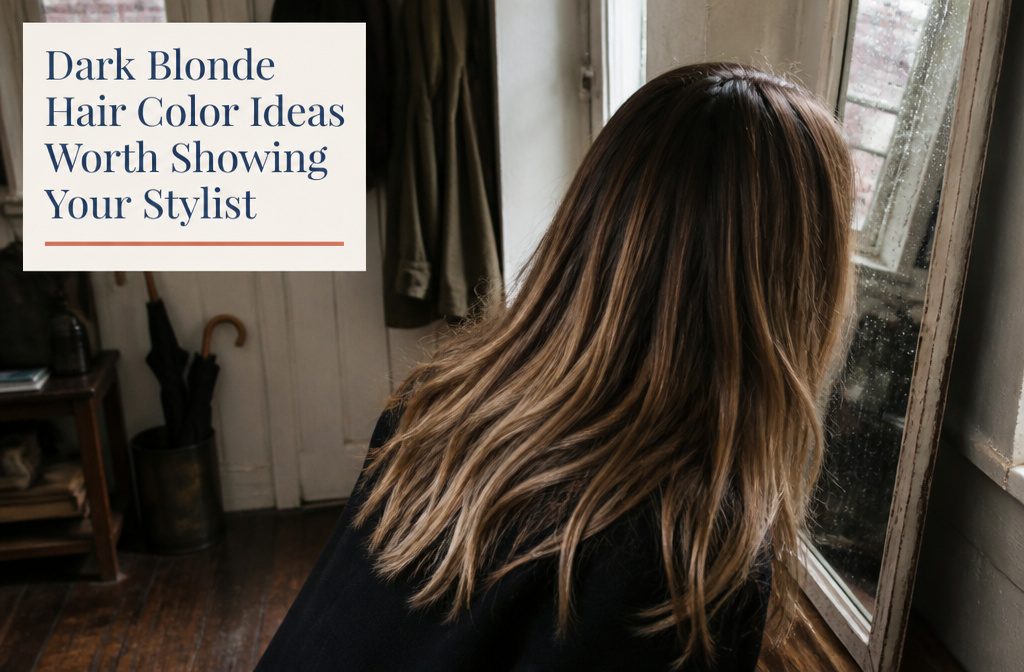
Dark blonde is a medium-light shade between blonde and light brown, usually light brown roots with caramel-leaning streaks through the lengths.
Tone decides how it wears: golden or honey versions warm the face, while ashy ones flatter cool skin. Permanent versions start fading after 6–8 weeks, so a gloss or toner between visits keeps it from drifting brassy.
What Dark Blonde Hair Color Means
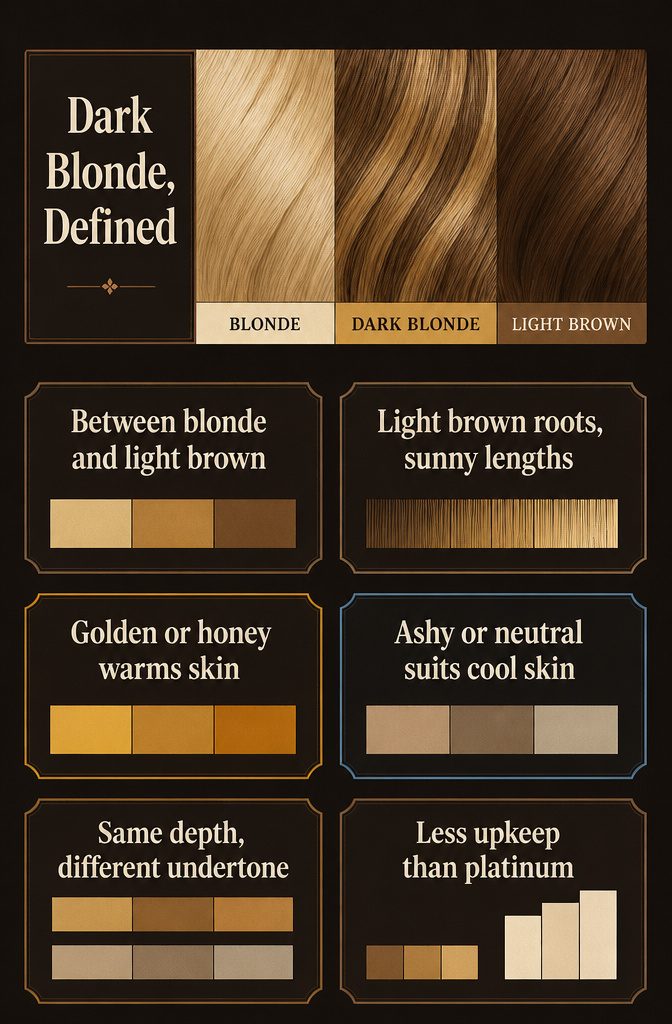
Dark blonde sits between blonde and light brown: too rich to read as true blonde, not deep enough to pass for brunette.
It is rarely flat. Light brown roots with sunny streaks through the lengths give it a caramel, sun-kissed dimension.
Tone decides the rest. Golden or honey versions warm the face and suit warm skin, while ashy or neutral ones flatter cool skin.
I sort every saved photo by that first, because the same depth can read warm or cool depending on the undertone. It also skips the constant upkeep that platinum demands, which is a big part of its appeal.
1. Classic All-Over Dark Blonde
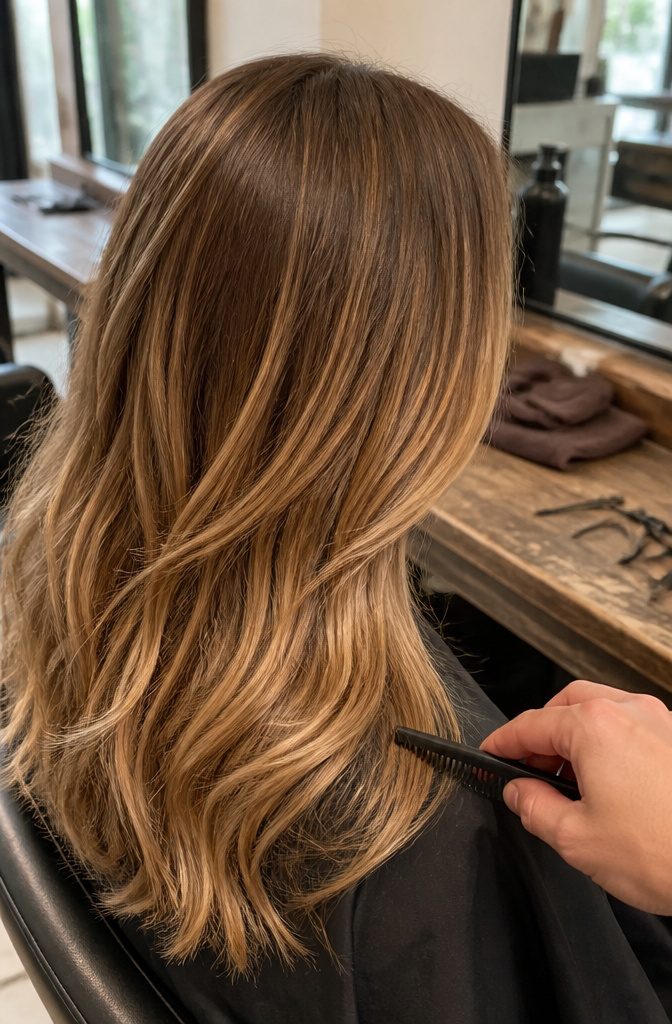
Dark blonde sits in the gap between blonde and light brown: too rich to read as true blonde, not deep enough to count as brunette.
Golden and light brown tones blend into one medium-light shade that is neither bright nor heavy. The finish carries plenty of dimension, usually light brown at the roots with sunny, caramel-leaning streaks throughout.
I’d treat this as the starting point for anyone nervous about going blonde.
It can lean warm or cool, so it fits most skin tones, and it skips the upkeep platinum demands. Ask for a medium-light blonde that mixes golden and light brown, then settle the tone with your stylist.
2. Honey and Golden Blonde
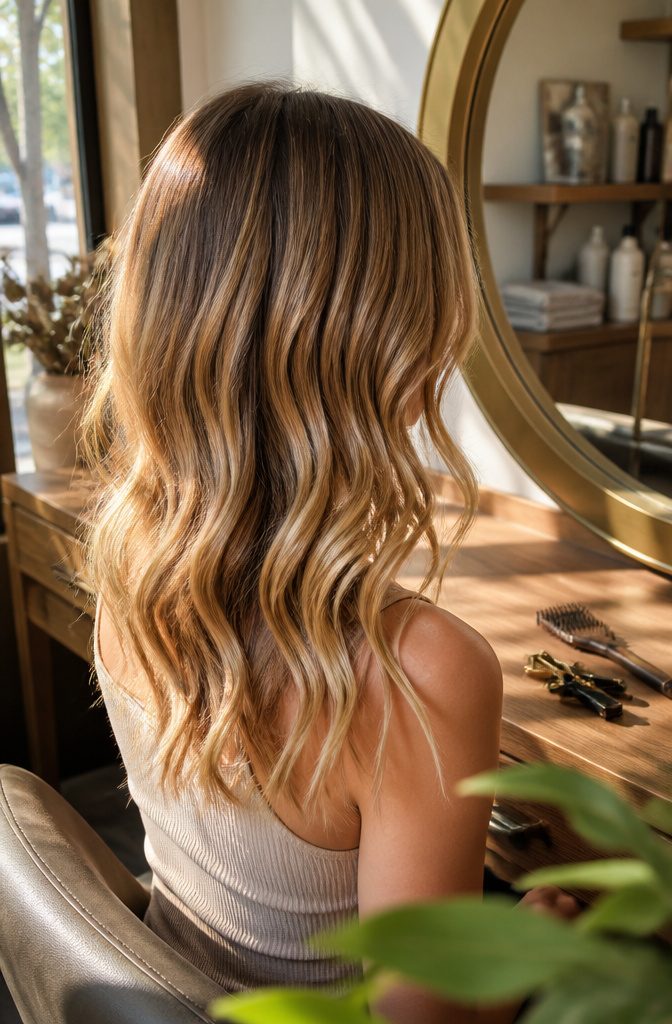
Honey is the dark blonde I’d steer most warm-toned people toward. It suits golden, peachy, and olive skin because it echoes the warmth already there, adding depth and richness instead of washing the face out.
On medium skin with brown or black eyes, ask your colorist to leave your darker roots intact and add honey-hued highlights. Taylor Swift’s honey is the usual reference photo.
Fair skin with pale blue or hazel eyes does better with golden blonde, a mix of butter, gold, and honey that balayage handles best.
Sunflower blonde comes two ways: solid gold throughout, or a darker, bronzy gold with more contrast. On a dark blonde base I’d pick the bronzy one, because gold tones make hair look glossy and expensive.
3. Bronde
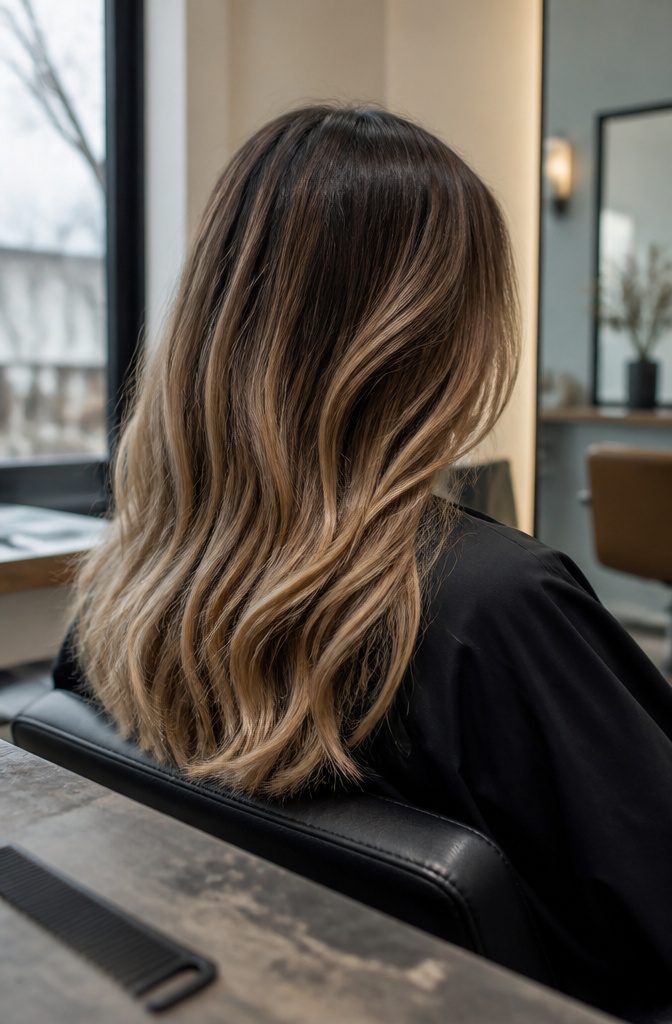
Bronde sits halfway between brunette and blonde, and celebrity colorist Dimitris Giannetos positions it as the choice for people who want to be blonde but need something lower maintenance and less damaging.
The name gives away the formula: a blend that keeps enough brunette depth to avoid constant root touch-ups while still reading light enough to count as blonde.
I see it used most often as a transition shade for anyone testing blonde without committing fully.
If you’ve spent years as a brunette and can’t picture yourself platinum, bronde lets you inch toward lighter territory without the shock or the upkeep.
The rich, chocolatey notes work especially well on olive or darker skin tones, where a cooler ash blonde might wash you out.
On fair to medium complexions, a dark blonde base with buttery balayage highlights on the mid-lengths and ends gives you contrast without a hard line.
4. Balayage Dark Blonde
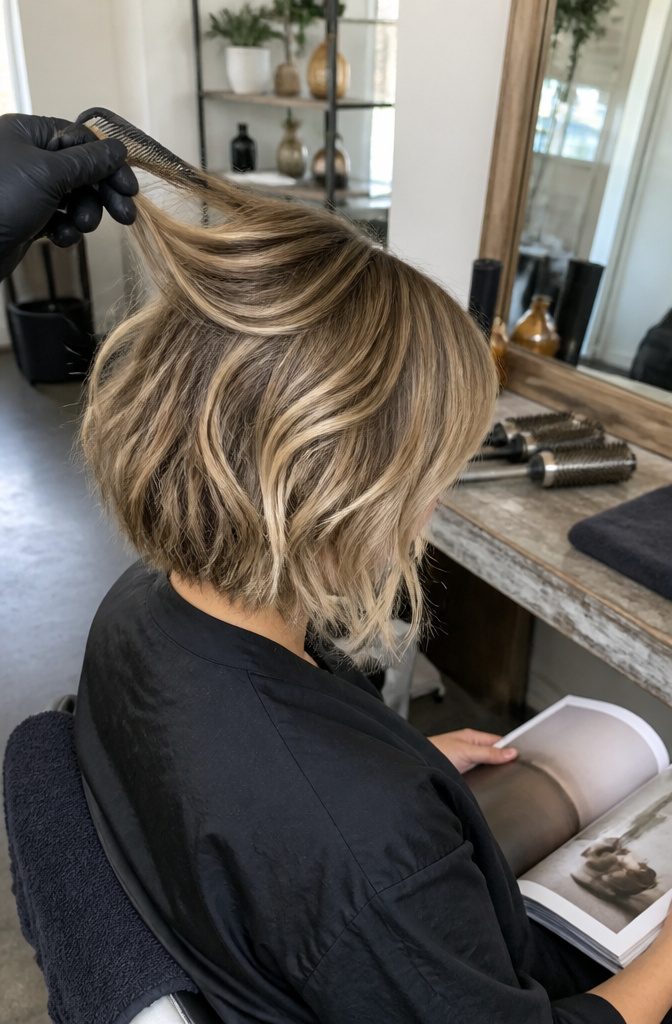
Balayage is the dark blonde technique I’d pick first for anyone who dreads a visible regrowth line. The colorist hand-paints lighter pieces instead of lifting every strand, so the result lands in a velvety space between brown and blonde.
Ask for the brightness around the face and through the mid-lengths and ends. That placement keeps the darker base intact and gives a soft, blended finish rather than a stark transition between shades.
Grow-out stays gentle because there are no hard roots to hide. It also works on a short, tousled bob, where the colorist mixes lighter and darker blonde, and on coily texture, where platinum or honey pieces show off the coils.
5. Dark Blonde Highlights and Lowlights
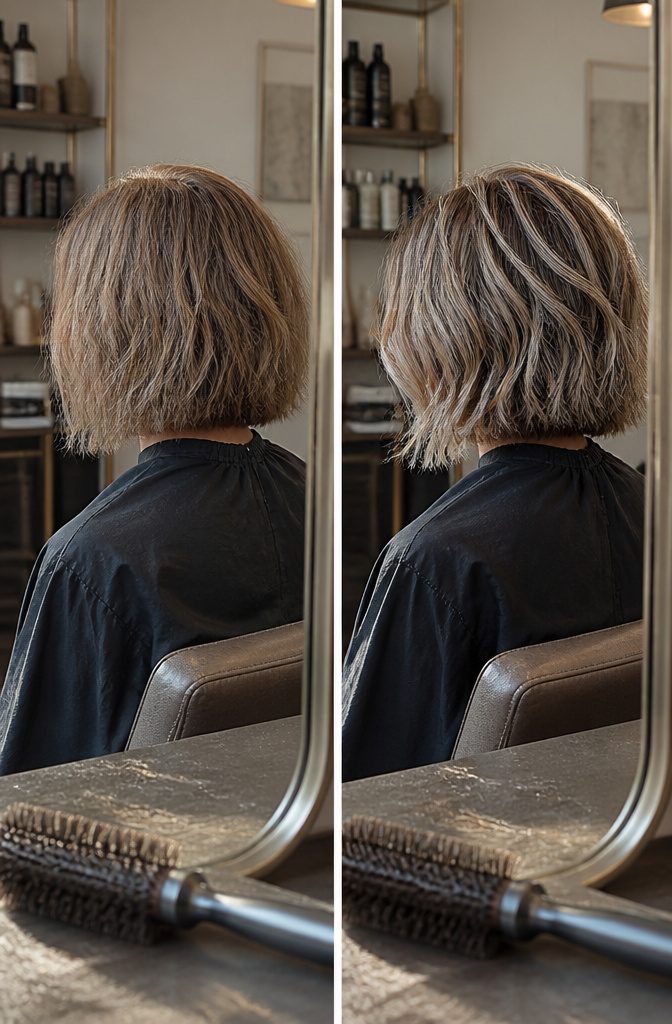
A single flat shade of dark blonde can read as a box dye job, while a few lighter and darker pieces make it look like real hair.
Hand-painted ashy platinum highlights, placed heaviest around the face and through the mid-lengths and ends, add contrast and let the darker base keep its depth. I’d pick that soft, blended finish over a stark jump between shades.
Starting from light brown, ash blonde highlights woven through a cool base brighten the color without bleaching every strand.
On Black hair, a few platinum and honey pieces emphasize the coils and make an afro look fuller. For a dark blonde bob, ask your colorist to combine lighter and darker blondes, then tousle the style so the pieces show.
6. Dark Roots, Shadow Roots, and Rooted Blonde
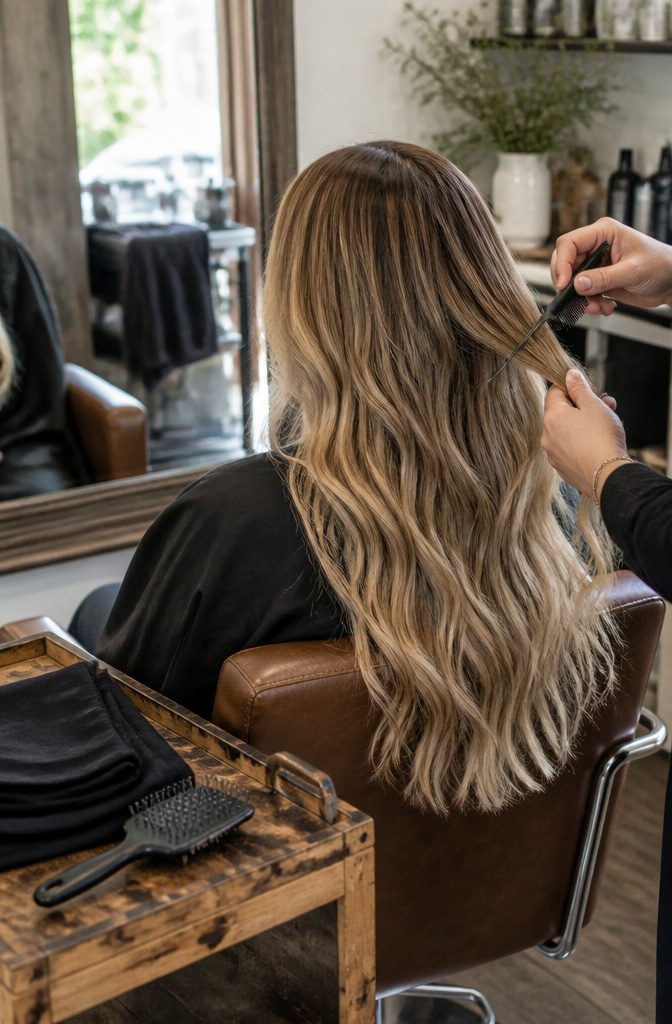
All-over color and highlights usually need a refresh every 6–8 weeks, but rooted color can go longer, because a darker root leaves no harsh line as it grows out.
Your stylist blends your natural base into the lighter length, so new growth looks planned. For anyone who wants brighter hair without a standing calendar, I’d pick this over a full head of highlights.
Ask for the version by name.
Honey highlights over intact roots run warm and glossy, while cream and butter balayage over darker roots runs cooler and whiter. Grunge blonde lightens only the mid-lengths and ends, and it looks better the longer you skip the appointment.
7. Dark Blonde Ombré
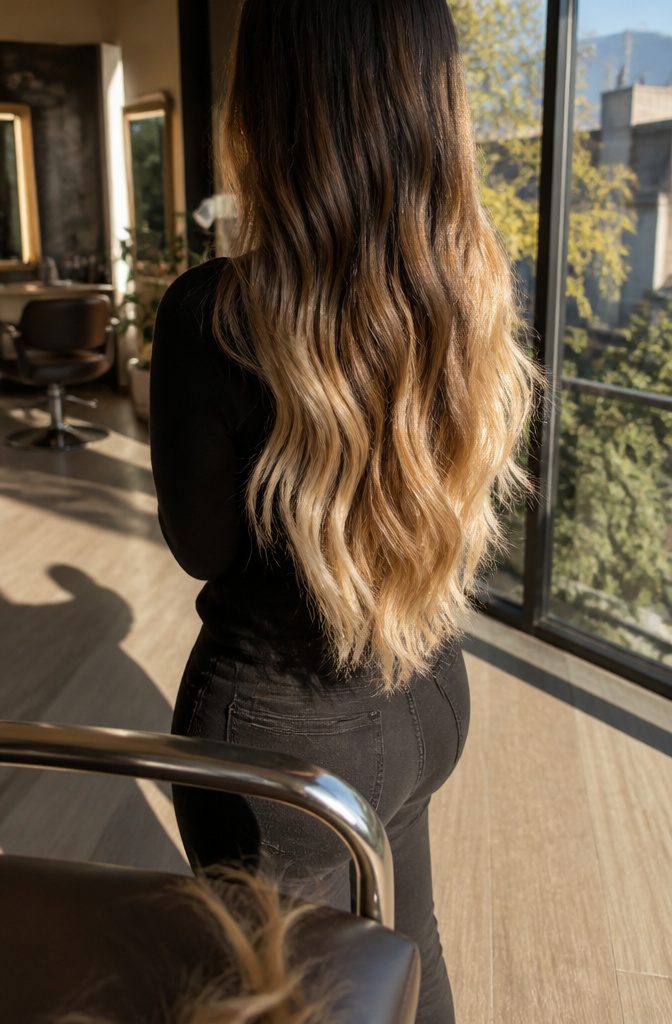
Ombré is the louder cousin of balayage. Balayage places highlights strategically for a soft, blended finish, while ombré keeps the roots and mid-lengths dark and moves to lighter ends in a clearly visible transition.
That higher contrast is the point, so ask for a defined gradient, not a melt, or you may walk out with balayage.
I lean toward ombré over balayage for anyone who skips root touch-ups. Dark roots mean the look improves with less upkeep, which is the logic behind the grunge version, where only the mid-lengths and ends are lightened.
Bright ends read as a statement, which suits a bolder dresser better than someone after a quiet change.
8. Dirty Blonde
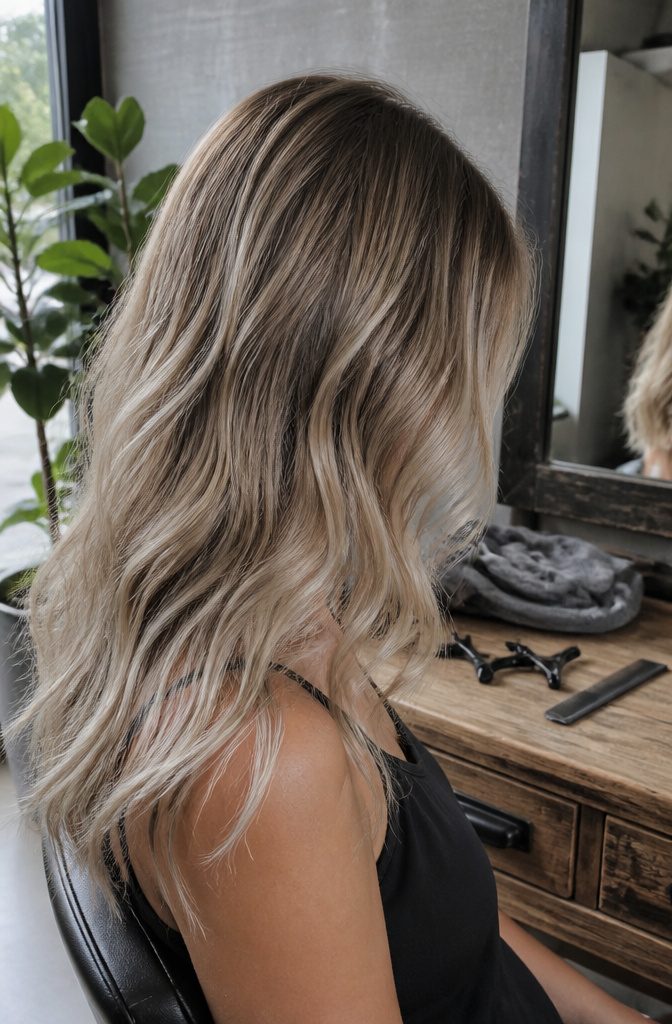
Dirty blonde is a medium-hued blonde with wheat tones running through it, and the "dirt" in the name is the point: it reads lived-in rather than polished.
It runs cooler and ashier than dark blonde, which leans richer and more golden.
Green or brown eyes and a medium skin tone are the pairing I’d steer toward it. Balayage or ombré-style highlighting is how it gets built.
Cooler dark blondes do exist, so the two names often swap in casual talk with a colorist.
I’d still bring a photo and point at the undertone you want, because "dirty" and "golden" can end up far apart on the same head.
9. Dark Ash Blonde
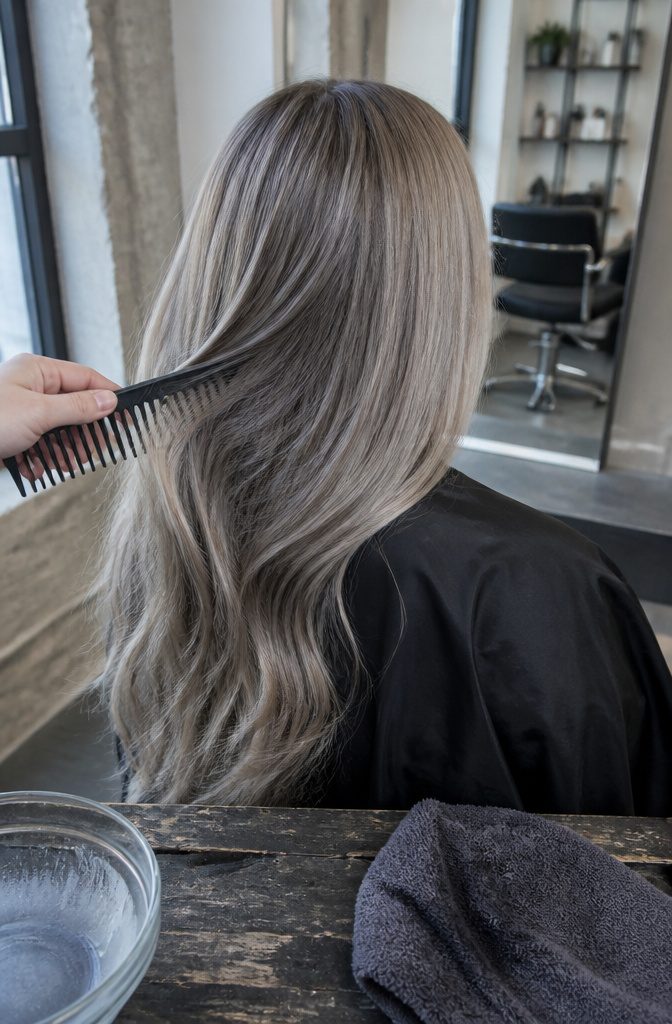
Dark ash blonde is a "dark blonde base with a silvery overtone; lacks noticeable brunette pigments," and that missing brown is what separates it from light ash brown, which is a brown base with a smoky gray cast and no obvious blonde.
The finish reads muted and smoky rather than gray, with silver, blue, or violet leanings.
I’d pick it for anyone whose hair pulls orange after lightening, because the cool pigments cancel that warmth. It also flatters cool skin undertones especially well.
Permanent color starts fading after six to eight weeks, and a gloss or toner between visits refreshes it. Washing less often and limiting heat help it hold.
10. Mushroom and Sandy Blonde
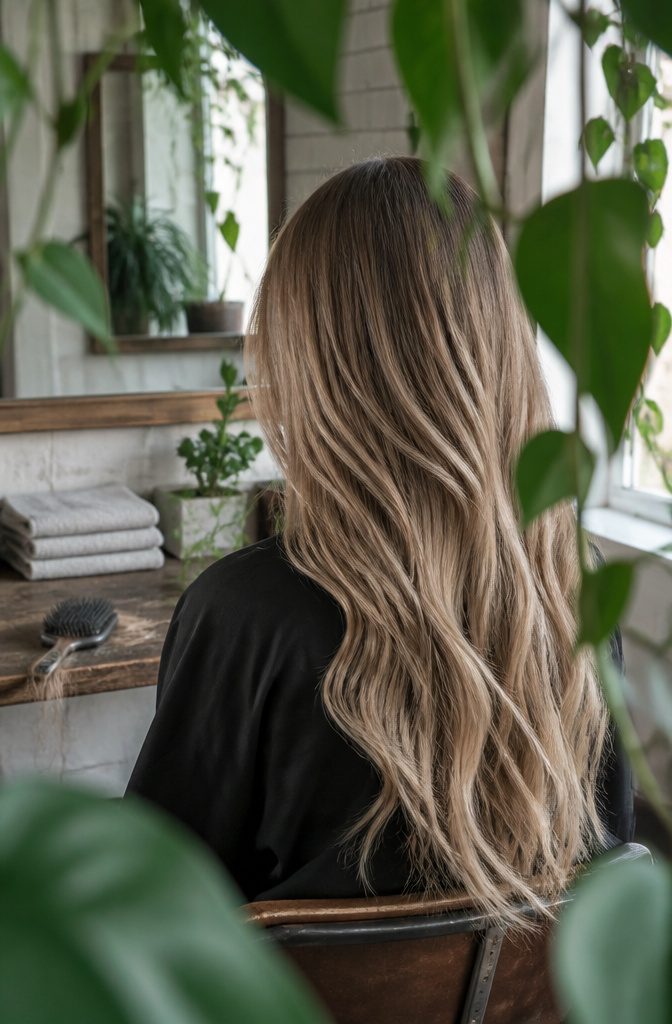
Mushroom blonde is a light-to-medium blonde base with a sandy or taupe overtone, which gives it an earthy, ashy finish. It runs lighter than most dark blondes.
Sandy blonde is richer and subtler, and it suits fair skin with blue, hazel, or violet eyes. For that look, ask your colorist for a dark blonde base with cool, beige-toned balayage on the mid-lengths and ends.
I’d pick balayage over full highlights, since it grows out gently and stretches the time between visits. Pink, red, or blue skin undertones suit both shades; gold or olive skin usually looks better in something warmer.
11. Caramel Blonde
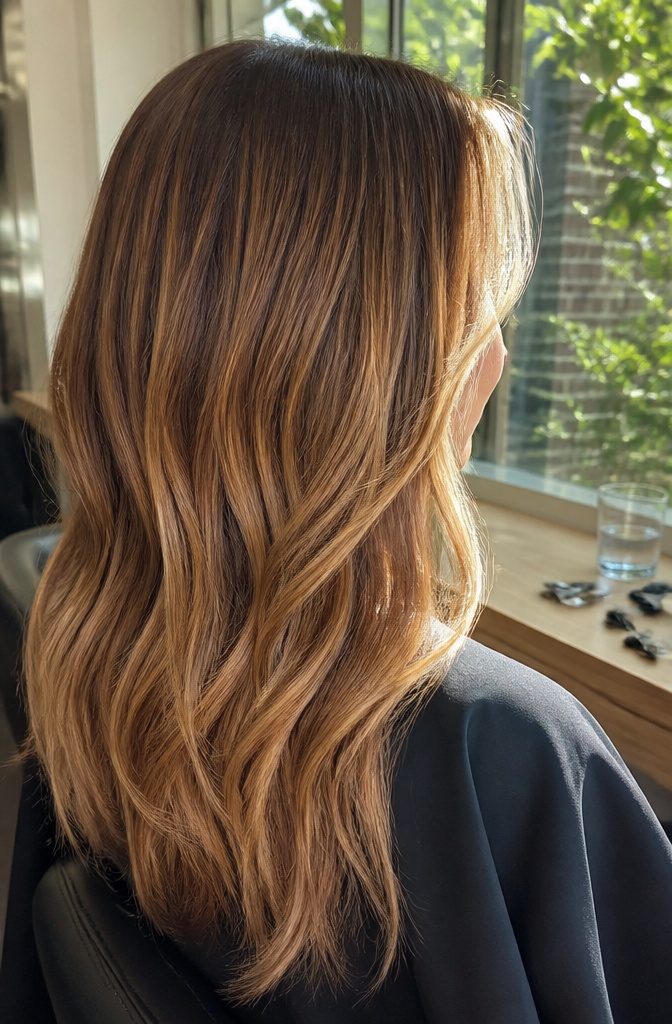
Caramel is a light golden brown, or a dark iridescent blonde, with reddish notes layered over a dark base. That warmth pairs with warm undertones, and the shade looks most natural on medium to dark skin tones.
Reddish undertones are what keep a dark blonde from going flat:
Her colorist makes this hue look more dynamic by adding reddish undertones.
For caramel, I’d ask for dark golden blonde through the mid-lengths and ends, then pale highlights around the face so the brightness sits where light hits your skin.
In summer the result reads like a glow, so you can skip the spray tan.
12. Chocolate Blonde
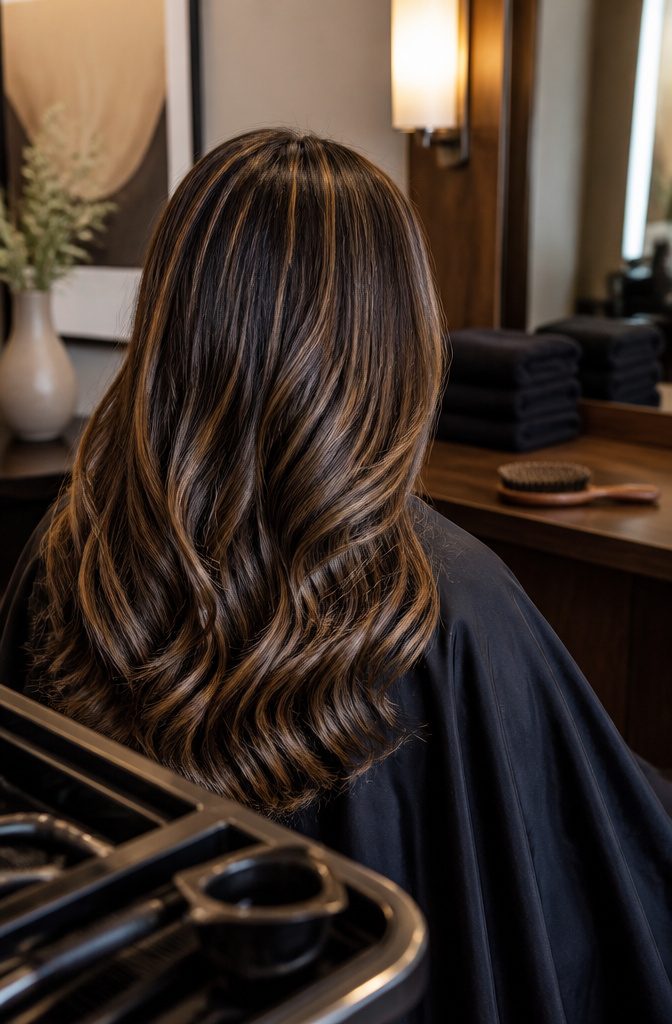
Chocolate blonde is caramel blonde taken a step darker, with golden highlights laid over a deep brown base.
It’s far less common than honey or ash, and contrast is what makes it work: very light pieces against very dark ones give the hair depth you can see from across a room.
Ask for fine, evenly spread light pieces, not chunky ones, because the smoother the shift from dark to light, the richer the color reads.
It flatters darker skin tones and darker eyes most, though a stylist can adjust it for lighter complexions. I’d steer clear of heavy white, platinum or orange tones, which look unnatural against deeper skin.
13. Chestnut and Reddish Blonde
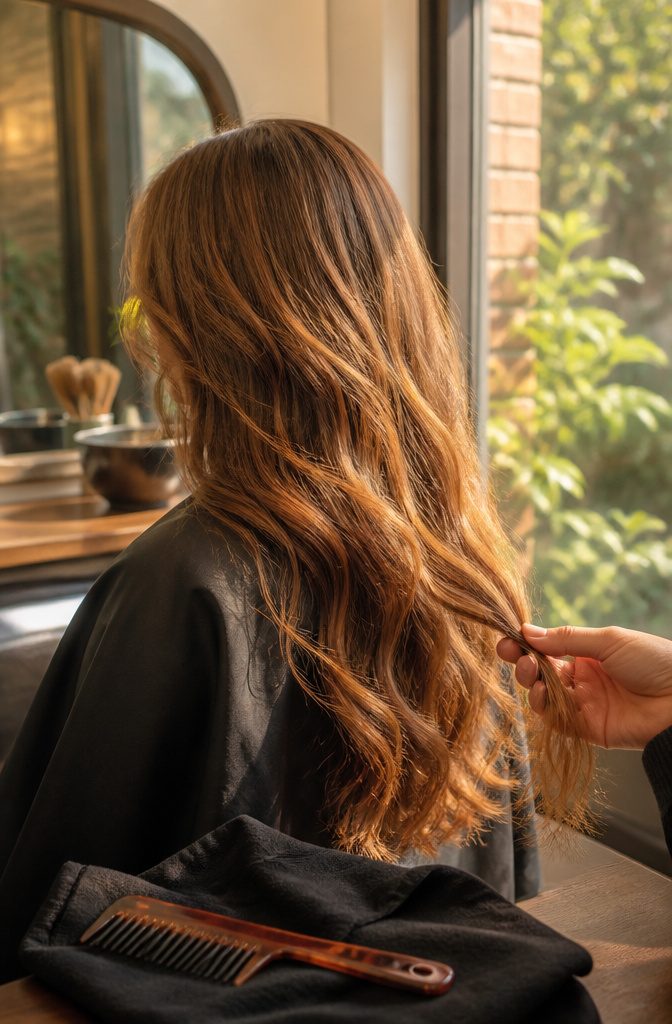
Chestnut blonde is the gentlest way to add red: a few hints of strawberry, with the dark blonde you know still recognizable.
Cara Delevingne’s dark blonde looks more dynamic because her colorist adds reddish undertones, and I’d screenshot that for a first visit.
Strawberry blonde carries sunset colors and suits fair skin and lighter eyes best.
It’s simplest from a lighter base, with balayage over it. Sienna Miller’s version keeps dark roots that lighten toward the tips, a good bridge when you’re growing out a darker dye job.
On a dark base, reddish-brown blonde blends blondes, browns and reds, and it can be customized to any skin tone or eye color.
14. Bronze Blonde
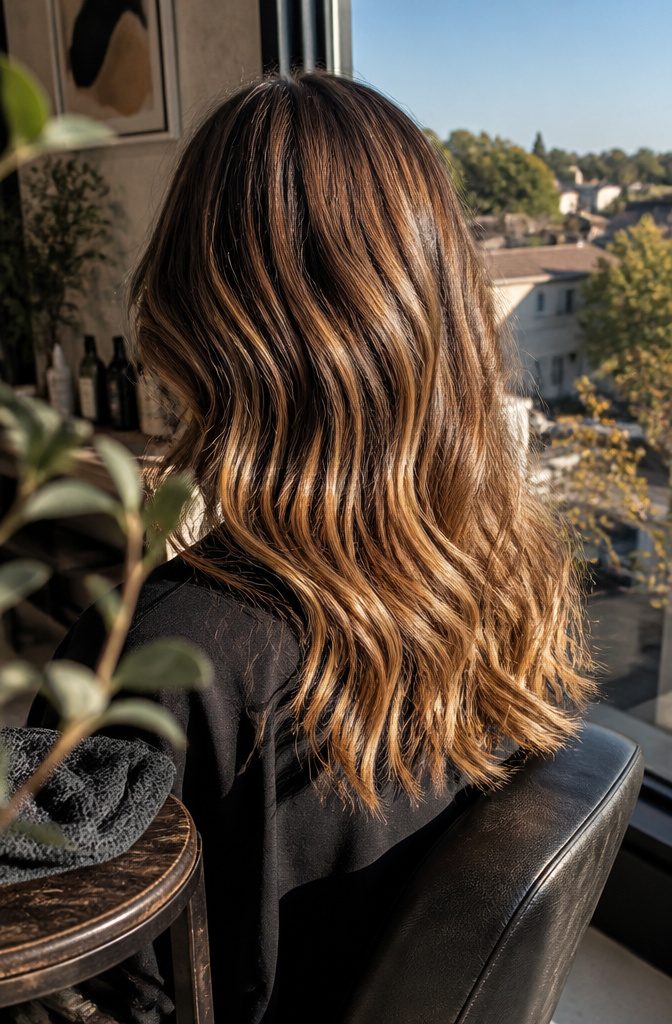
Bronze blonde mixes chocolate and bright blonde tones, and on medium and medium-dark skin the result looks almost iridescent.
For the softer, beachy version, ask your colorist for varying tones of honey highlights through the mid-length, set over a light brown base, with the ends just slightly lighter.
Blake Lively’s wavy hair is the reference photo to bring. This version is especially flattering on medium, tawny complexions with blue, gray or light brown eyes.
I’d pick it over a high-contrast blonde if you want warmth that looks sun-washed. Because the base stays light brown, the color gives you something to build on rather than a shade to hold up.
15. Buttery and Creamy Blonde
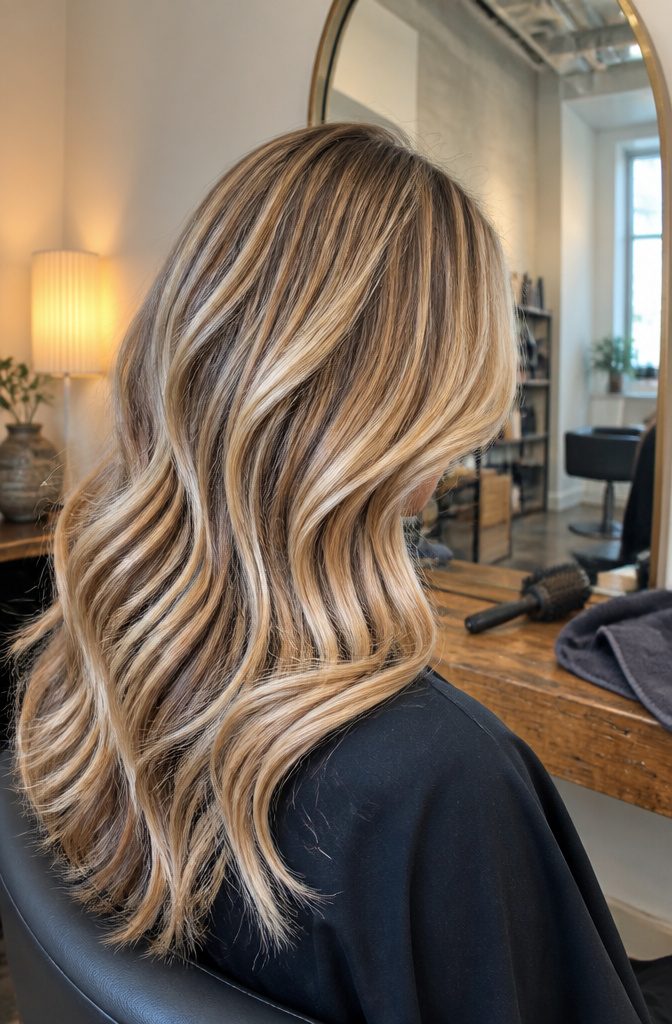
Butter is the warm one: a sunny blonde with splashes of honey-yellow that suits pearly, light to medium complexions and works with any eye color.
Cream goes the other way, cooler and whiter, and it looks best on medium to dark skin tones with brown or black eyes.
For dark blonde hair color, I’d use cream as the highlight rather than the whole head.
Ask for cream and butter balayage highlights over your darker roots, which keeps the depth at the top and lets the light tones sit softly through the lengths.
Weave in a few cinnamon and caramel strands and the color reads as dimensional, and voluminous waves show it off best.
16. Face-Framing Highlights and Money Pieces
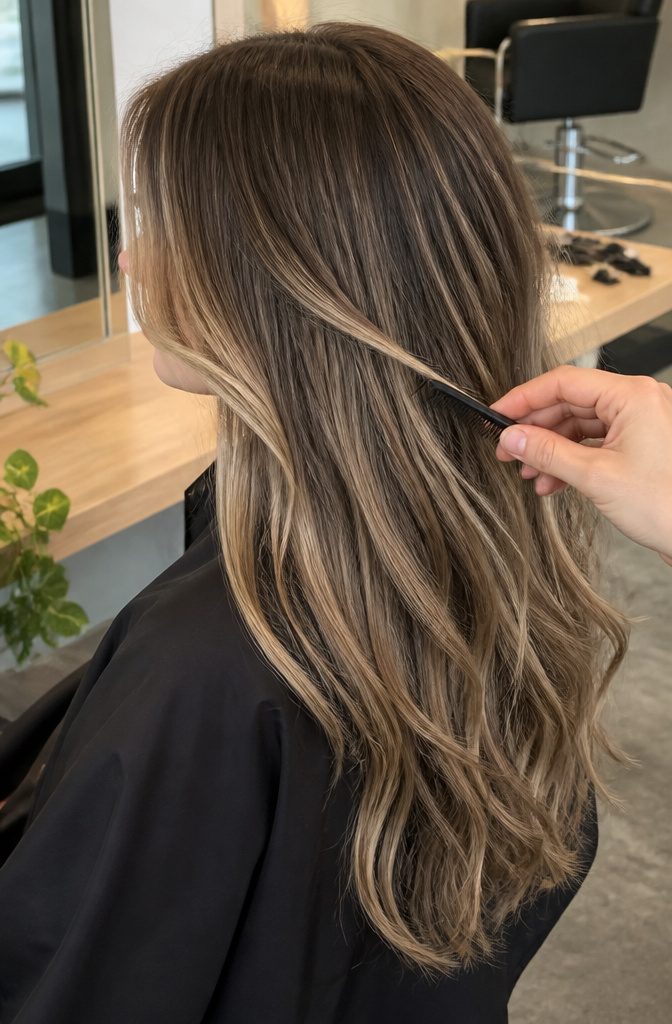
Lighter pieces around the face do the most work for the least bleach. Dark blonde can look muddy as one flat color, especially on deeper skin tones, and a few pale strands near the cheekbones pull attention to the eyes.
I’d choose this over all-over lightening if you don’t want to bleach every strand.
Two ways to play it. The soft version is hand-painted ash or pale highlights, brightest at the front and blended through the mid-lengths and ends.
The edgy version is chunky money pieces bleached several shades lighter than the rest, with the rest staying dark blonde and brown for contrast. The soft route should grow out more gently, since the chunky one leaves a visible line.
17. Dark Blonde on Curly Hair
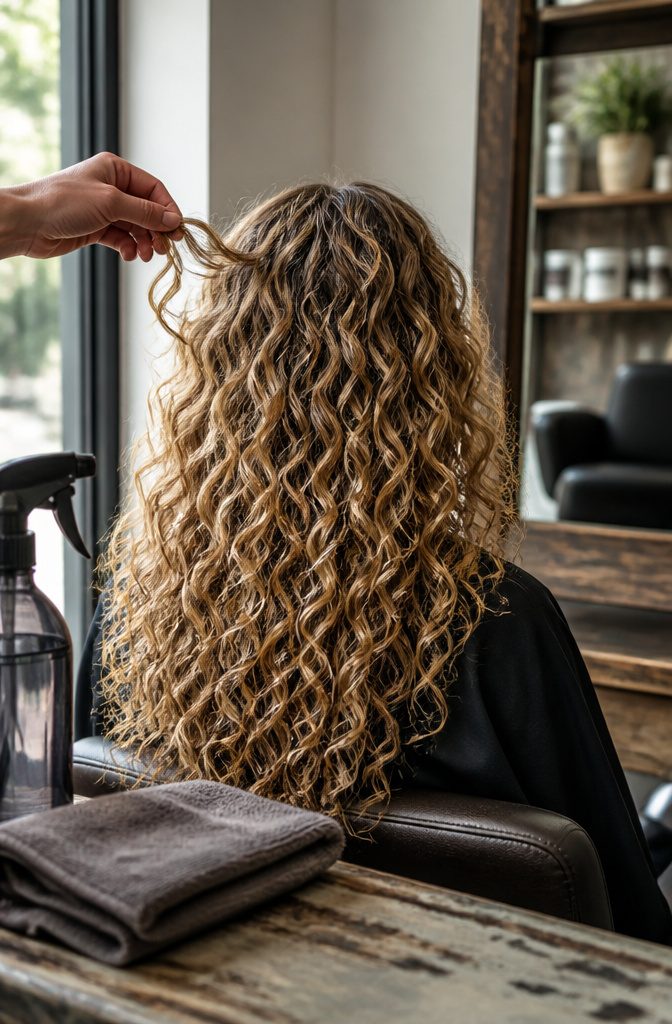
Curly hair handles bleach badly, which is why dark blonde is the smarter starting point: it needs far less lightening than white or platinum.
For definition, I’d ask for butter blonde highlights over golden blonde and dark blonde roots. The darker base gives depth, the light pieces add brightness, and together they make curls look thick and full instead of flat.
On long natural curls, a soft buttery blonde looks feminine and keeps the focus on your curl pattern.
Dark blonde is still color, though. Condition regularly, and skip hot tools in favor of heatless curling methods when you restyle.
18. Milk Tea, Pecan, and Neutral Dark Blonde
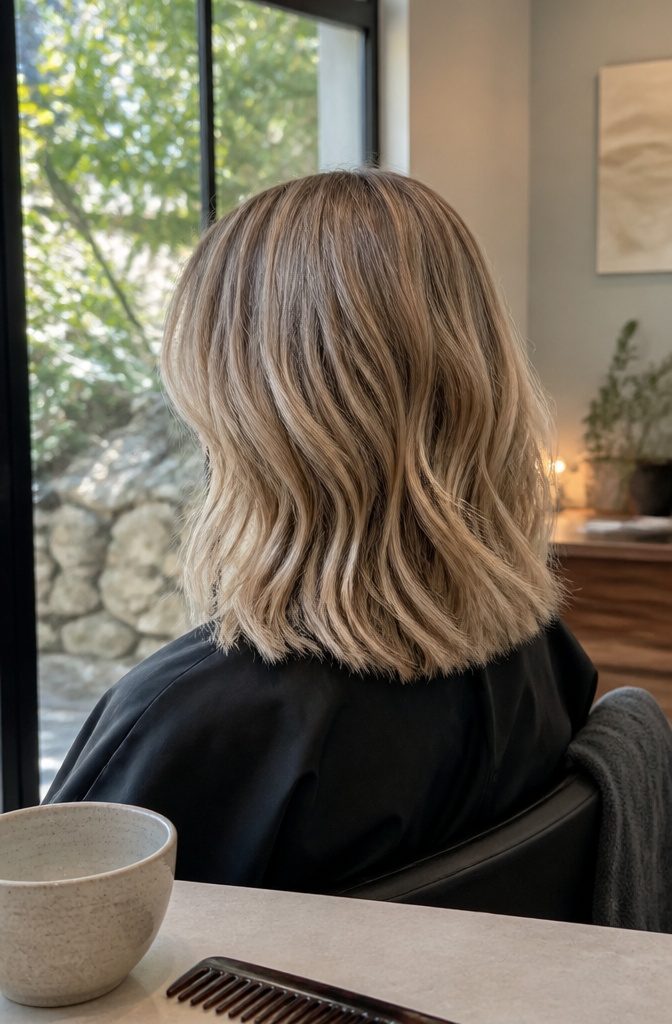
Milk tea blonde is a sandy, taupe-leaning shade with slightly warmer undertones than a typical ash.
That bit of warmth keeps it from looking overly gray or stark, and it flatters neutral skin best. Pecan leans cooler than caramel, with ashy undertones, so it suits anyone who loves honey blonde but wants it toned down.
If your skin has pink or blue undertones, ask for a neutral or slightly ashy dark blonde, which won’t clash with your natural coolness.
Golden and honey tones belong to warm skin. For anyone stuck between the two, I’d pick dark caramel blonde: it sits close to brown and works on both warm and cool skin.
19. Fashion-Forward Dark Blonde
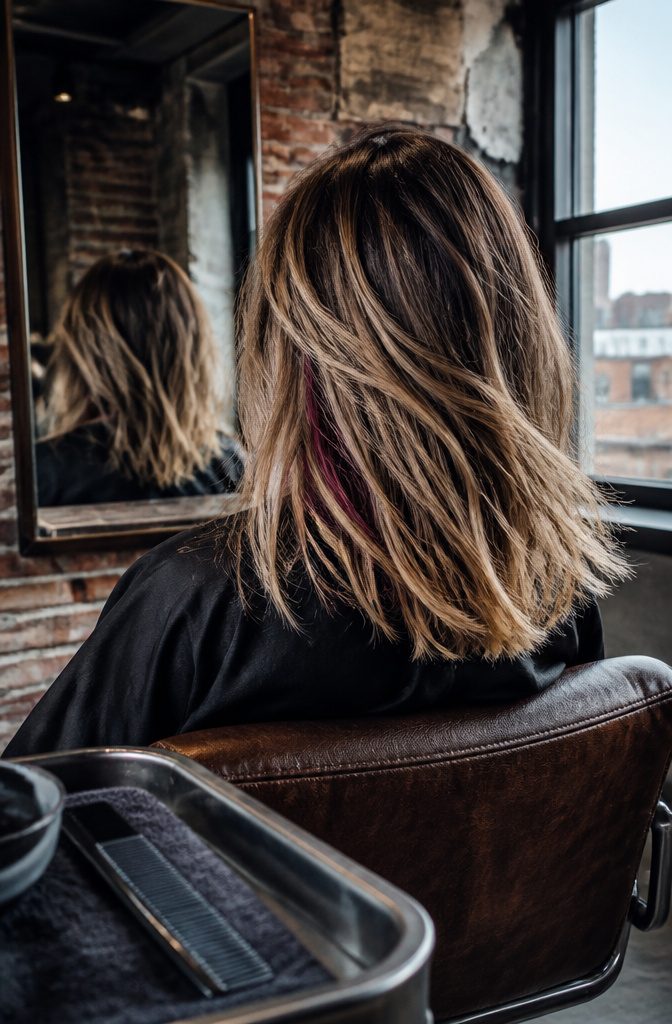
Cherry blonde is the boldest move here: a fuchsia-toned berry laid over a darker base.
I’d pick it for darker skin tones and darker eyes. Your stylist lightens the hair to blonde first, then adds the cherry color over it, so expect two steps rather than one.
Black blonde puts very dark and very light on one head, and the contrast is strong enough that any complexion or eye color can carry it.
An ombré gets you there, as does a black base with blonde highlights over it.
For anyone who forgets touch-ups, grunge blonde is the one to ask for. The stylist keeps the roots dark and lightens only the mid-lengths and ends, and the less you fuss with it, the better it looks.
Warm Versus Cool Tones
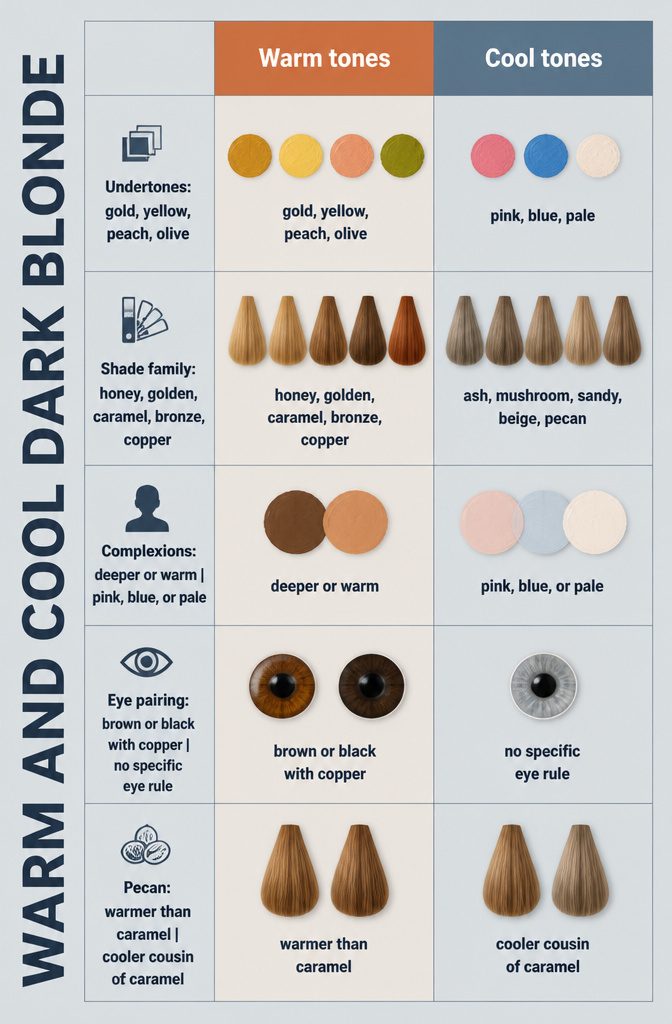
Skin undertone decides the shade before anything else does. Honey, golden, caramel, bronze and copper all pull warm, and they flatter gold, yellow, peachy or olive undertones and deeper complexions.
Copper is the boldest of the group: its amber glow suits brown or black eyes and lets darker natural hair go blonde without turning brassy.
Ash, mushroom, sandy, beige and pecan pull cool, and pink, blue or pale undertones look best against them.
Pecan is the cooler cousin of caramel, a good pick if you love honey but want it quieter. Sandy sits in between, reading warm on fair skin with light eyes and cooler once beige balayage runs through it.
Choosing a Shade With Your Stylist
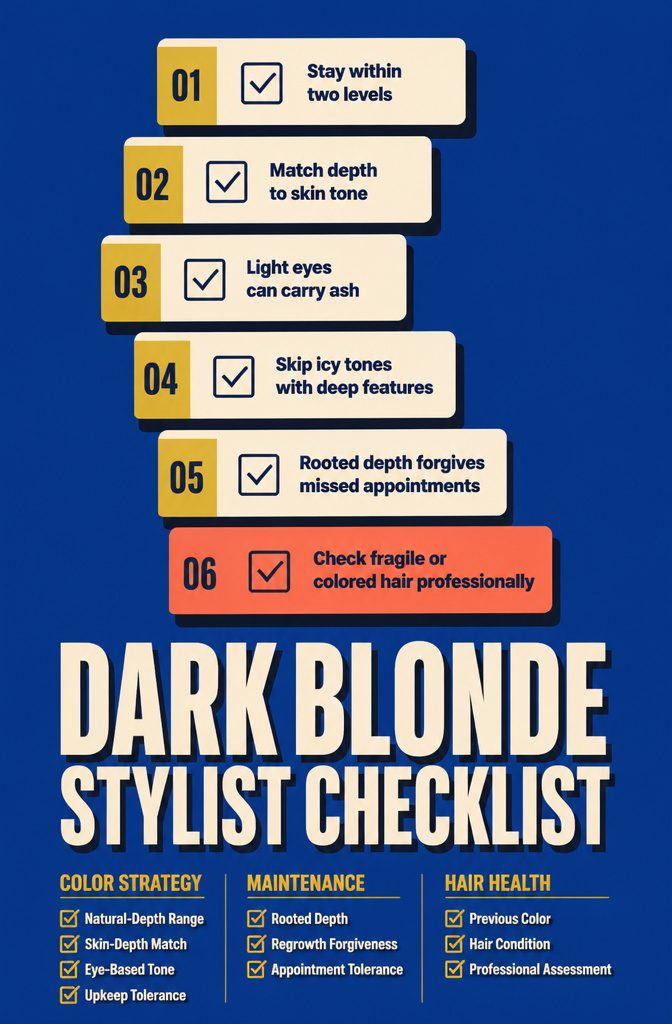
Matrix recommends staying within two levels of your natural color, which keeps the result believable and the regrowth line soft.
Skin tone comes next: lighter skin looks best in lighter dark-blondes and deeper skin in deeper ones, so the color reads as yours.
Light eyes can carry the cooler, ashier versions. With deeper eyes and skin, I’d skip icy tones.
Then decide how much upkeep you’ll tolerate. Shades with rooted depth forgive missed appointments, while an even all-over color shows regrowth quickly.
Hair that is dark, previously colored, brittle, curly or headed for custom highlights belongs in a stylist’s chair, where its condition gets checked before any color goes on.
How Long Dark Blonde Lasts Between Appointments
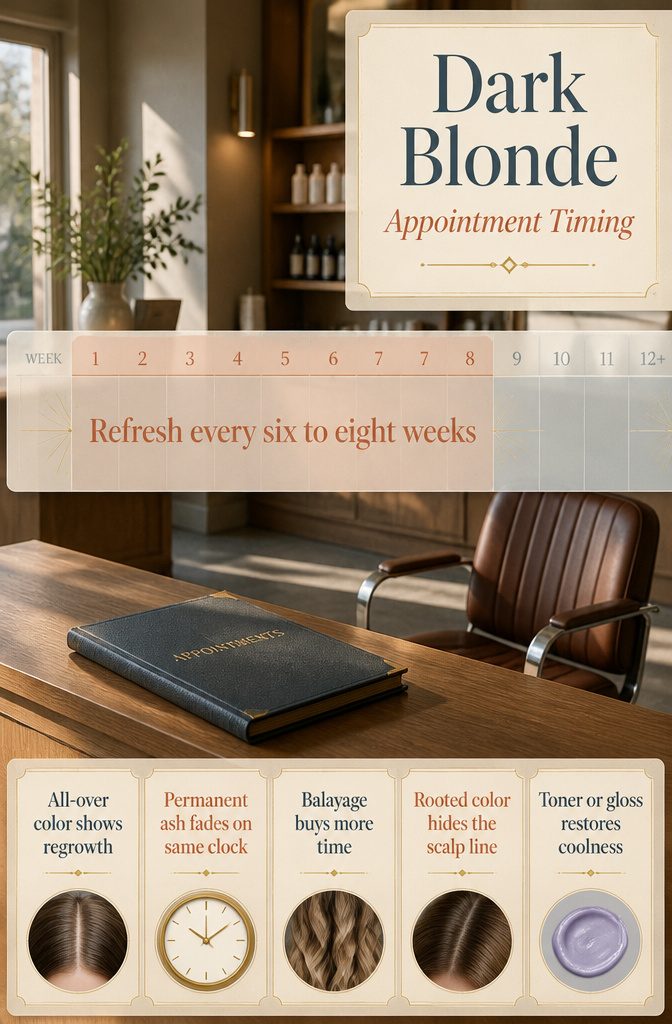
All-over dark blonde and highlights need a refresh every six to eight weeks. That’s when the regrowth line starts to show and the tone begins to slip.
Permanent dark ash blonde runs on the same clock: it holds for six to eight weeks before fading begins, though your hair type and routine can shift that in either direction.
Balayage and rooted color buy you more time, because there’s no hard line at the scalp to give you away.
If you hate booking appointments, I’d pick one of those two. Between visits, a toner or gloss restores the cool tone and neutralizes warmth, and washing less often and cutting back on heat styling slows the fade.
Keeping Dark Blonde From Turning Brassy
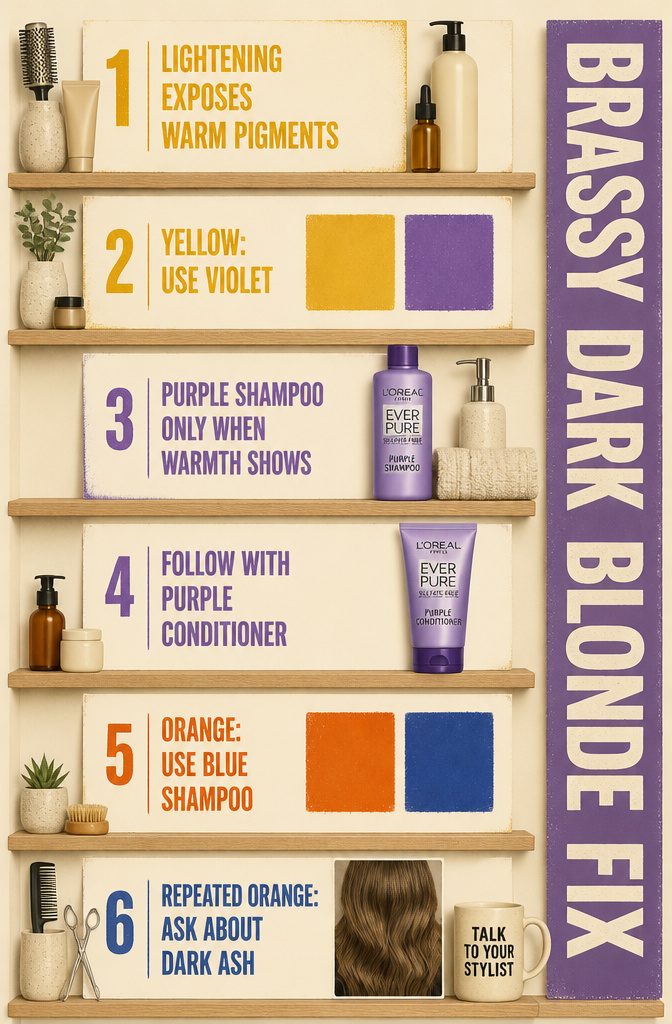
Lightening exposes the warm pigments underneath, so dark blonde tends to drift yellow or orange over time.
Yellow calls for violet, which visually cancels it. I’d use L’Oréal Paris EverPure Sulfate-Free Purple Shampoo in place of your regular shampoo only when warmth shows up, then follow with the matching Purple Conditioner to keep the hair soft.
Orange needs blue rather than purple. Reach for a blue-pigmented shampoo between salon visits if your color goes coppery.
If your hair pulls orange every time it’s lightened, ask your stylist about dark ash blonde. Its cool pigments counteract that warmth from the start.
When to Color at Home and When to Use a Salon
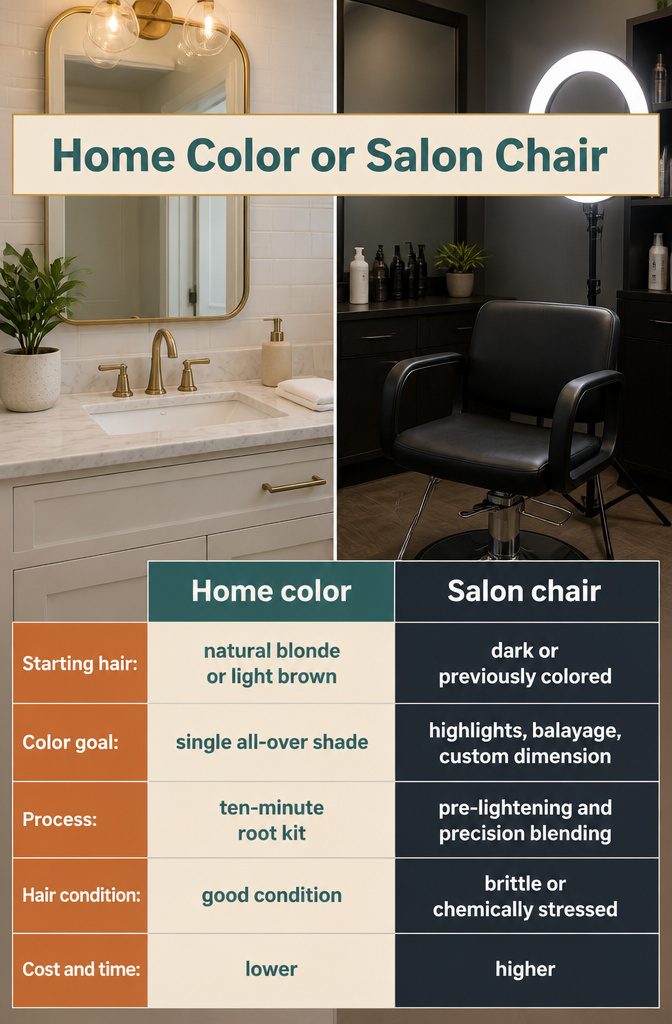
Natural blonde or light brown hair in good condition can take home color well, especially when you’re after a single all-over shade.
The process is straightforward, no experience needed, and you’re done for less money and time than a salon visit would ask.
The L’Oréal Paris Magic Root Permanent 10-Minute Root Coloring Kit processes in ten minutes, which matters when you’re touching up roots between full coloring sessions.
Dark hair, previously colored hair, anything with red tones, or hair that’s already brittle sends the decision the other way.
Lifting dark blonde out of black or correcting an old box color takes significant pre-lightening, and damaged hair needs a professional to assess what it can handle before you add more chemical stress.
Highlights, balayage, and custom dimensional color are manageable at home only if you’ve done it before, but precision application and blending are easier to get right in a chair.
Frequently Asked Questions
What is dark blonde hair?
Dark blonde is a medium-light shade that sits between blonde and light brown, blending golden and light brown tones.
It is too rich to read as true blonde and not deep enough to count as brunette. It usually has light brown roots with sunny streaks for dimension, and it can lean warm or cool.
Is dirty blonde the same as dark blonde?
Not exactly. Dirty blonde runs cooler and ashier with a lived-in look, while dark blonde leans richer and more golden.
Cooler dark blondes do exist, so colorists hear the two names swapped, but bringing a photo of the undertone you want avoids confusion.
How do I choose the best dark blonde for my skin tone?
Start with undertone: golden or honey shades suit warm skin, and ashy or neutral shades suit cool skin.
If you land in between, dark caramel blonde sits close to brown and works on both. Then decide how much upkeep you will tolerate, and stay within 2 levels of your natural color so the result looks believable.
What skin tone looks best with dark ash blonde hair?
Cool undertones, because the cool tones in dark ash blonde harmonize with the skin’s natural coloring. There are no hard rules, though, so a shade you love can still work on other undertones.
Can dark ash blonde cancel out brassy orange tones?
Yes. Ashy shades contain cool pigments that counteract unwanted warmth, so dark ash blonde is a good option if your hair pulls orange or brassy after lightening.
Does dark ash blonde look gray?
Not necessarily. Its cool, silvery undertones give it a muted, smoky finish, which looks more subdued than golden or honey blonde.
How long does dark blonde hair color last?
Permanent dark ash blonde holds for 6–8 weeks before it starts to fade, and all-over dark blonde and highlights need a refresh on about the same schedule.
Your hair type and routine can shift that either way. A toner or gloss between visits refreshes the tone, and washing less often and limiting heat styling slow the fade.
How do I maintain the color of dark blonde hair?
Use a color-safe shampoo and conditioner, add a nourishing hair mask regularly, and cut back on heat styling and harsh chemicals. If the color drifts yellow, a purple shampoo cancels it; if it turns orange, reach for a blue-pigmented one.
Can I use blonde box dye on brown hair?
It depends on how dark the brown is.
Light brown hair in good condition can take an all-over home color well. Dark, previously colored, red-toned, or brittle hair needs significant pre-lightening and a professional check of its condition, so a salon is the safer call.