Your starting color decides which warm blonde is yours: brown hair can carry caramel highlights, a money piece or a shadow root without a big lift, while dark hair headed for pale blonde needs a few appointments instead of one.
The list runs from a gentle caramel on a brown base to bright golden and beige blondes that take real lightening.
Say the shade by its full name, like Honey Blonde or Warm Beige Blonde, so the color doesn’t slide toward ash in the chair.
1. Blonde Balayage
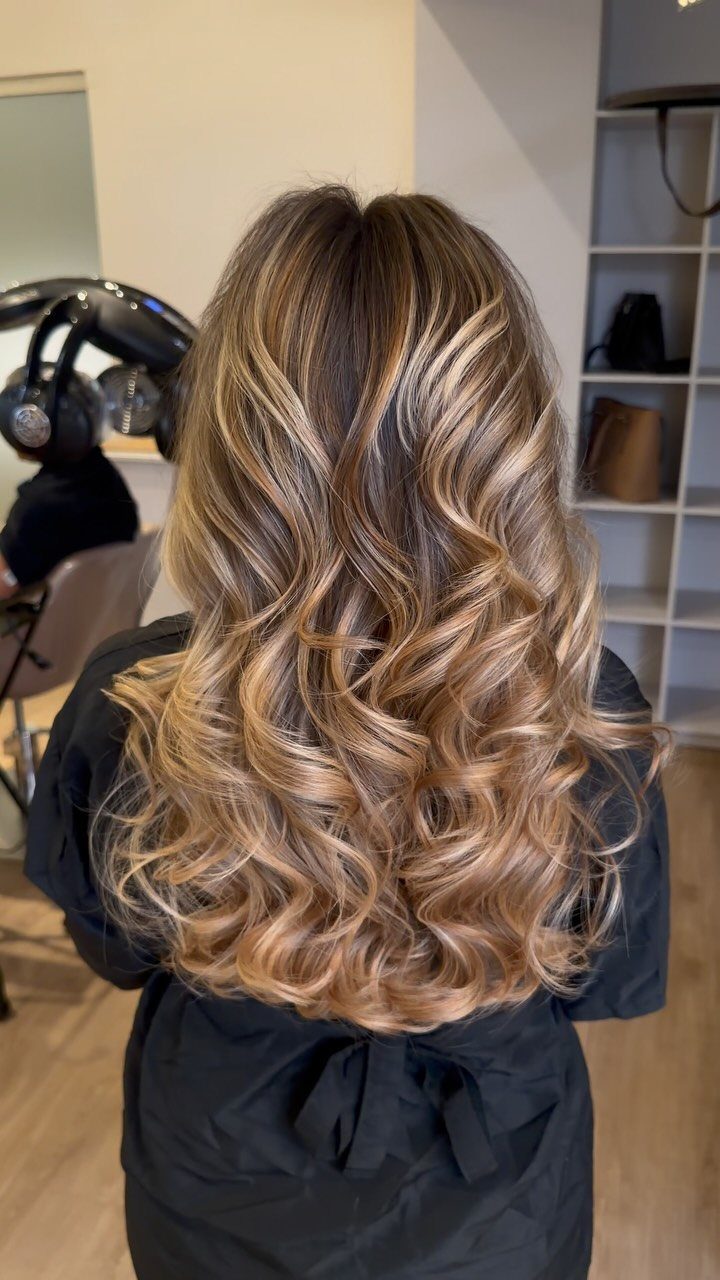
Hand-painted pieces give balayage its sunlit look instead of a banded one, and the darker roots in this long, curly version do half the work.
With color that feathers out from your natural root, new growth blends in and no obvious band appears as it grows.
For curls, I’d ask for the lightest pieces to sit around the middle of the hair and the ends, where the curl pattern catches them.
Warm golden tones suit this reader best if you’re starting from brown or dark blonde, and the low-contrast root keeps salon visits less frequent than with all-over color.
2. Caramel Blonde
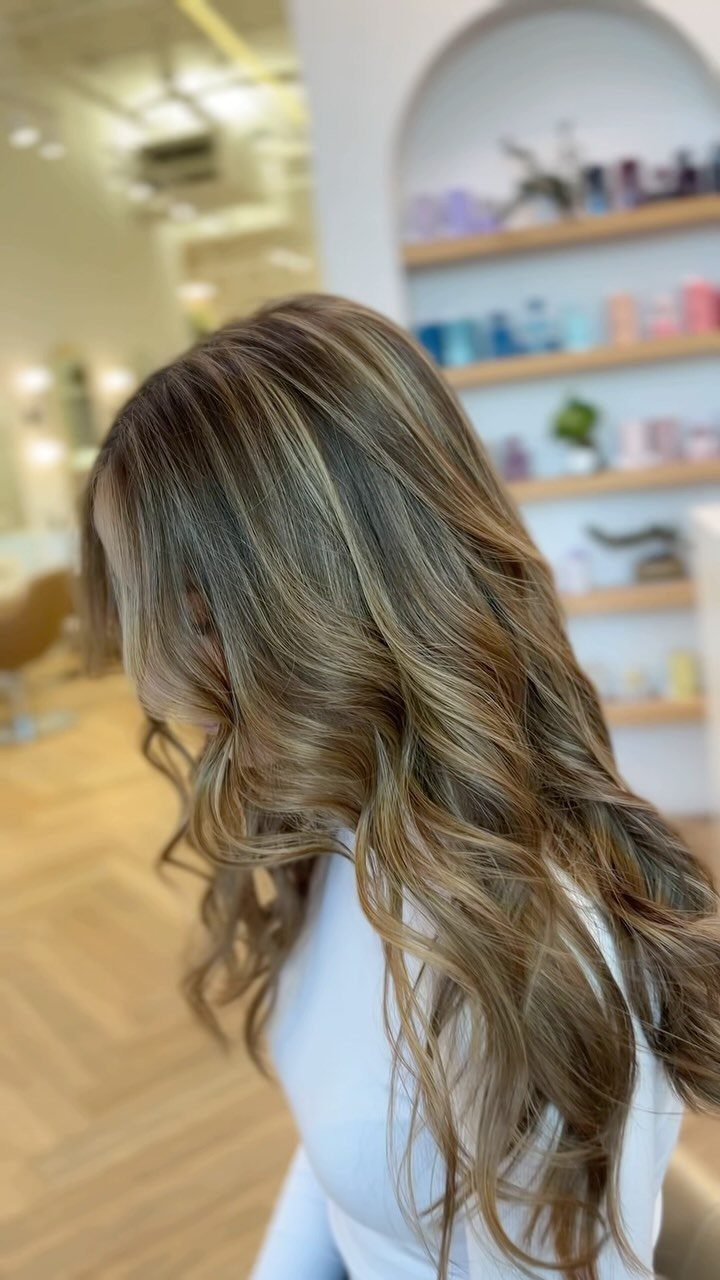
Caramel blonde is the deeper end of the blonde range, with brown and amber tones that keep it from ever looking stark. Soft waves with a few lighter highlights add movement and keep the color from going pale all over.
I like it for anyone nervous about going light.
Brunettes and redheads can reach it with less of a leap than a true golden blonde, and it tends to flatter warm and neutral skin. Bring a photo and use the word "caramel" so your stylist doesn’t drift toward ash.
3. Warm Blonde Highlights
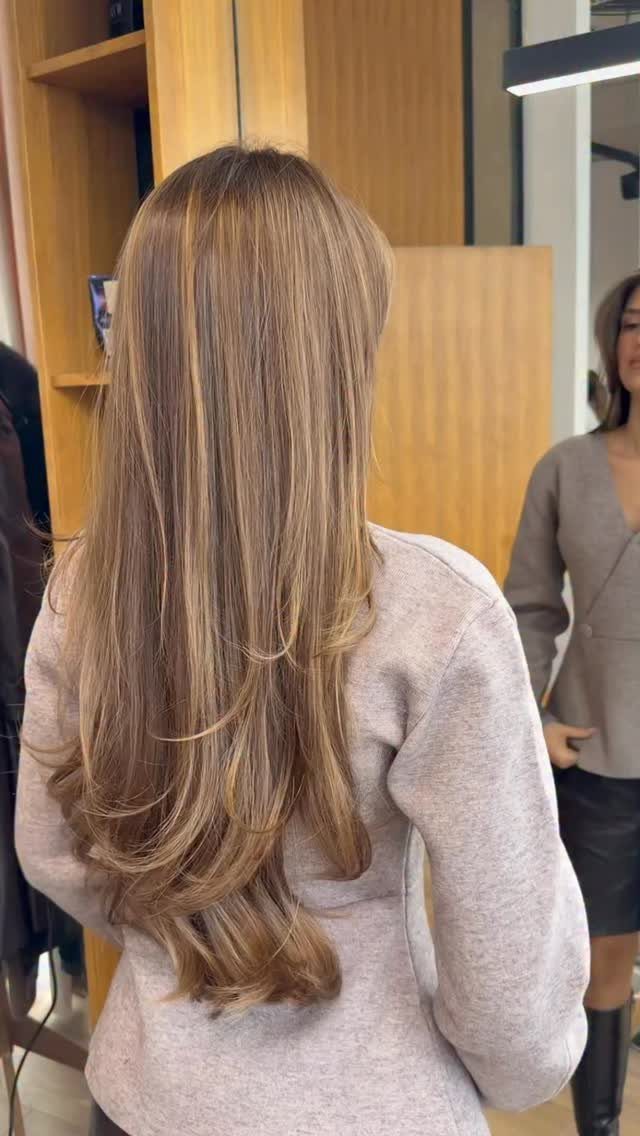
A root smudge is the detail that makes these highlights practical. Warm blonde ribbons brighten light brown hair, while the softened root blends the line where new growth appears.
Ask for the smudge by name, since it changes how the color looks as it grows in.
Long layers, as in this cut, give the highlights places to show. I’d choose this over an all-over lift if you want brighter hair but would rather not book a touch-up every few weeks.
4. Golden Caramel Balayage
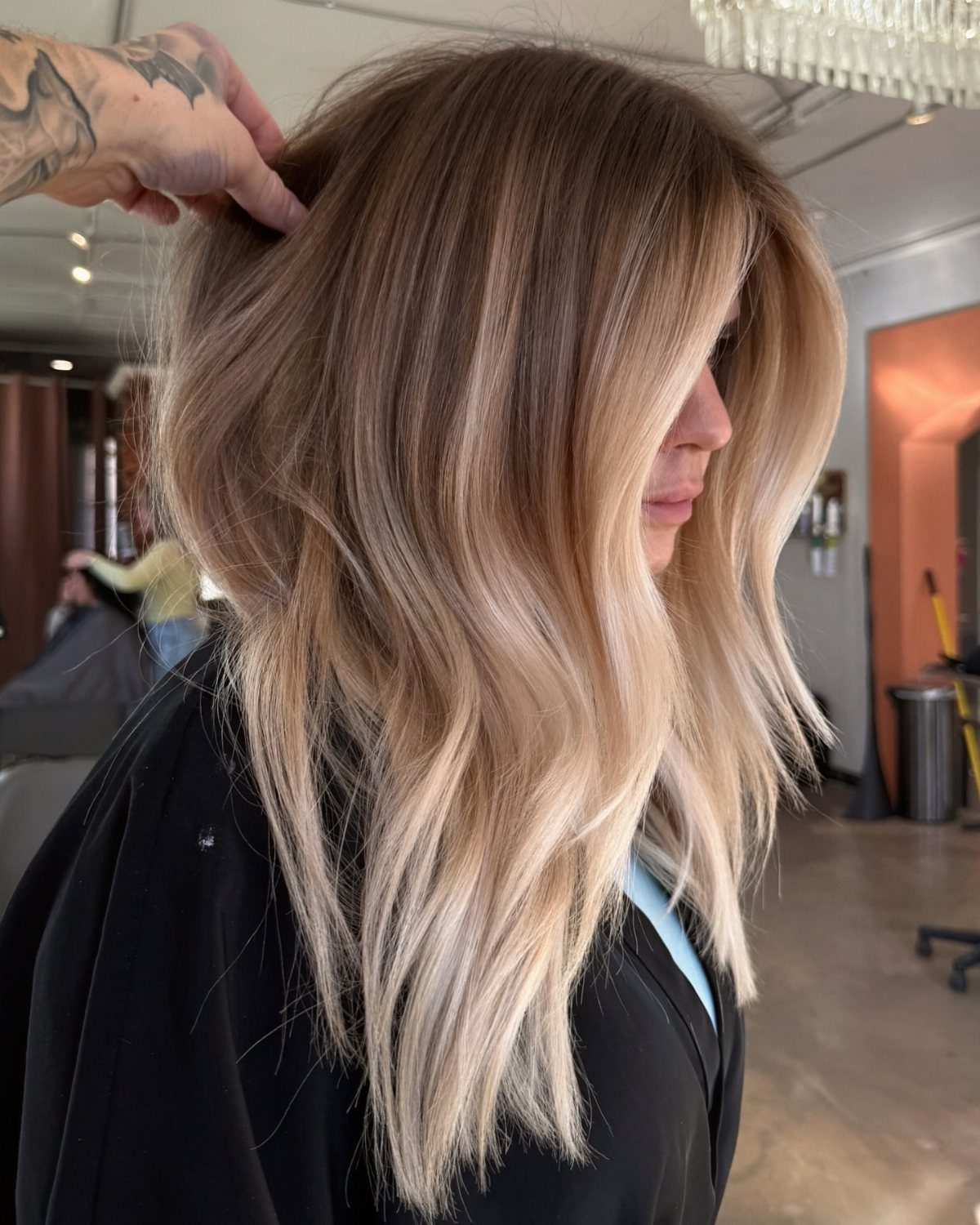
Golden caramel balayage gives a radiant finish because the highlights melt into the hair instead of sitting on top of it. Darker roots anchor the look, and the long blonde lengths read rich rather than flat.
This is a salon service.
The painting is freehand, so placement matters, and I wouldn’t trust a box kit to blend it. For the request, say "golden caramel" and "melted," and show where you want the brightest pieces to fall around your face.
5. Caramel Blonde Highlights
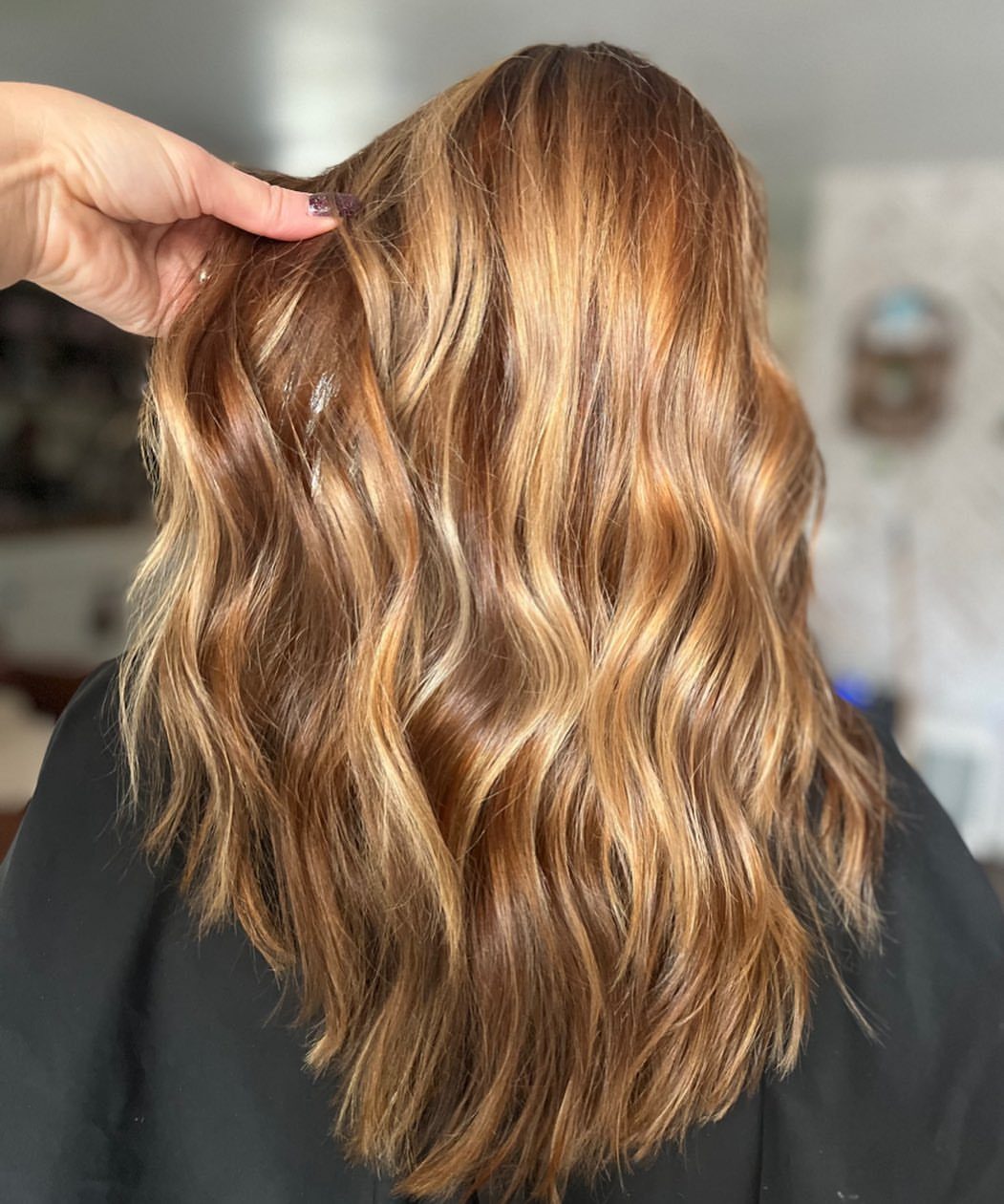
Brown hair stays brown here. Caramel and golden blonde highlights are woven through wavy, medium-length hair to add contrast, so the color looks lit from within rather than lightened.
If you don’t want to commit to blonde, this is the version I’d pick.
Deep gold against a brown base has plenty of warmth, and the lived-in contrast means no one will ask whether you went blonde. Waves help, since they scatter the highlights across the whole head.
6. Warm Buttery Blonde Loose Waves
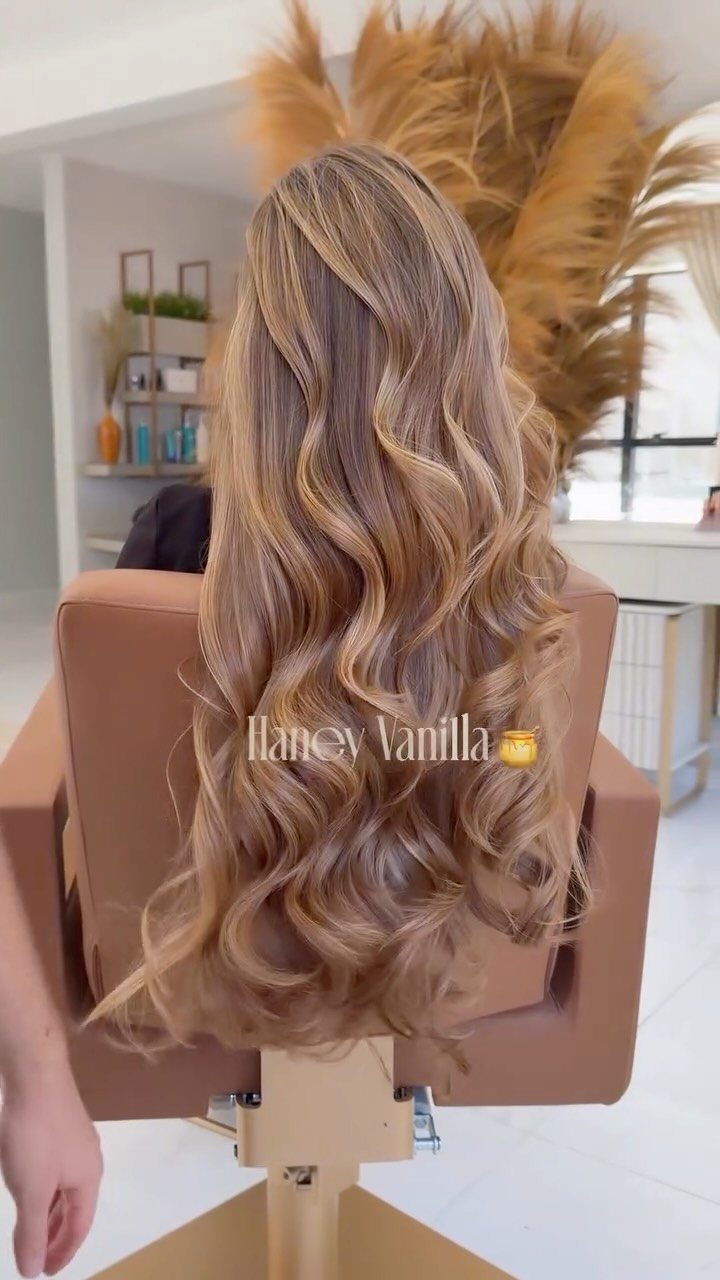
Buttery warmth and loose waves work together: curls break up the color so the honey-blonde tones look soft and layered instead of solid. Darker roots keep the color looking natural and make growing it out easy.
For styling, loose, brushed-out waves suit this shade better than tight ringlets. If you request it at the salon, use "warm buttery blonde" rather than just "blonde," and ask to keep some root depth.
7. Honey Blonde
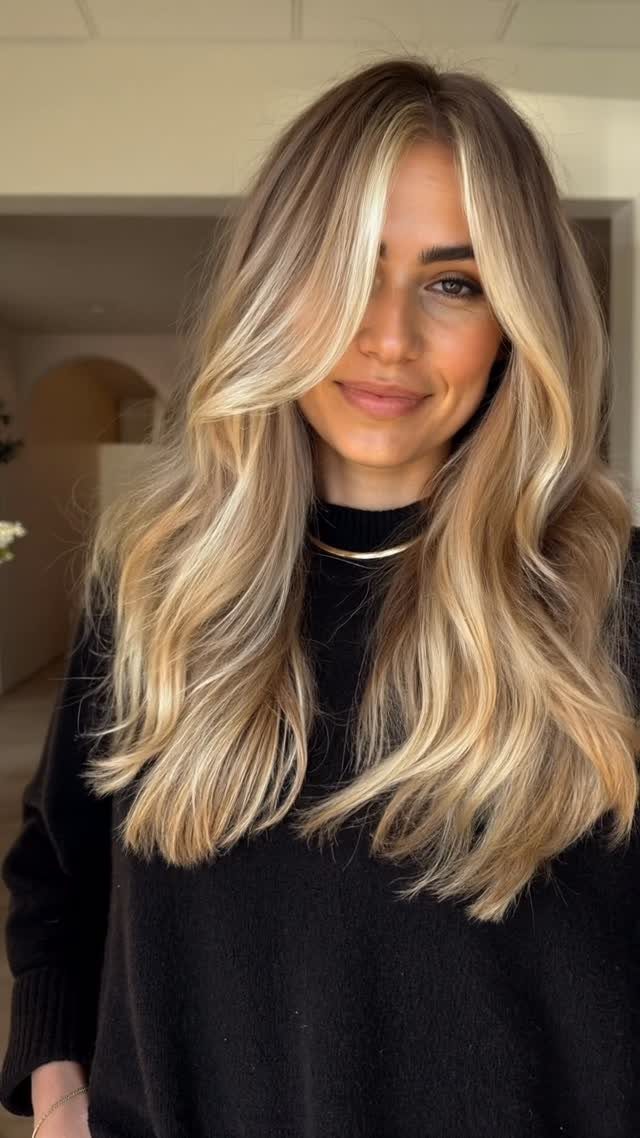
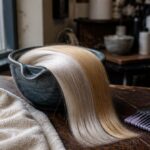
Honey blonde runs from light wheat to rich amber, so the word alone leaves a lot of room for a stylist to guess.
Pointing to the depth you want, wheat on the lighter side or amber on the deeper side, saves a second appointment.
Lighter strands around the face brighten the whole shade without extra lifting through the back, which keeps the process gentler on your ends and the upkeep lower. On long layers, that detail does the most for me.
8. Strawberry Blonde
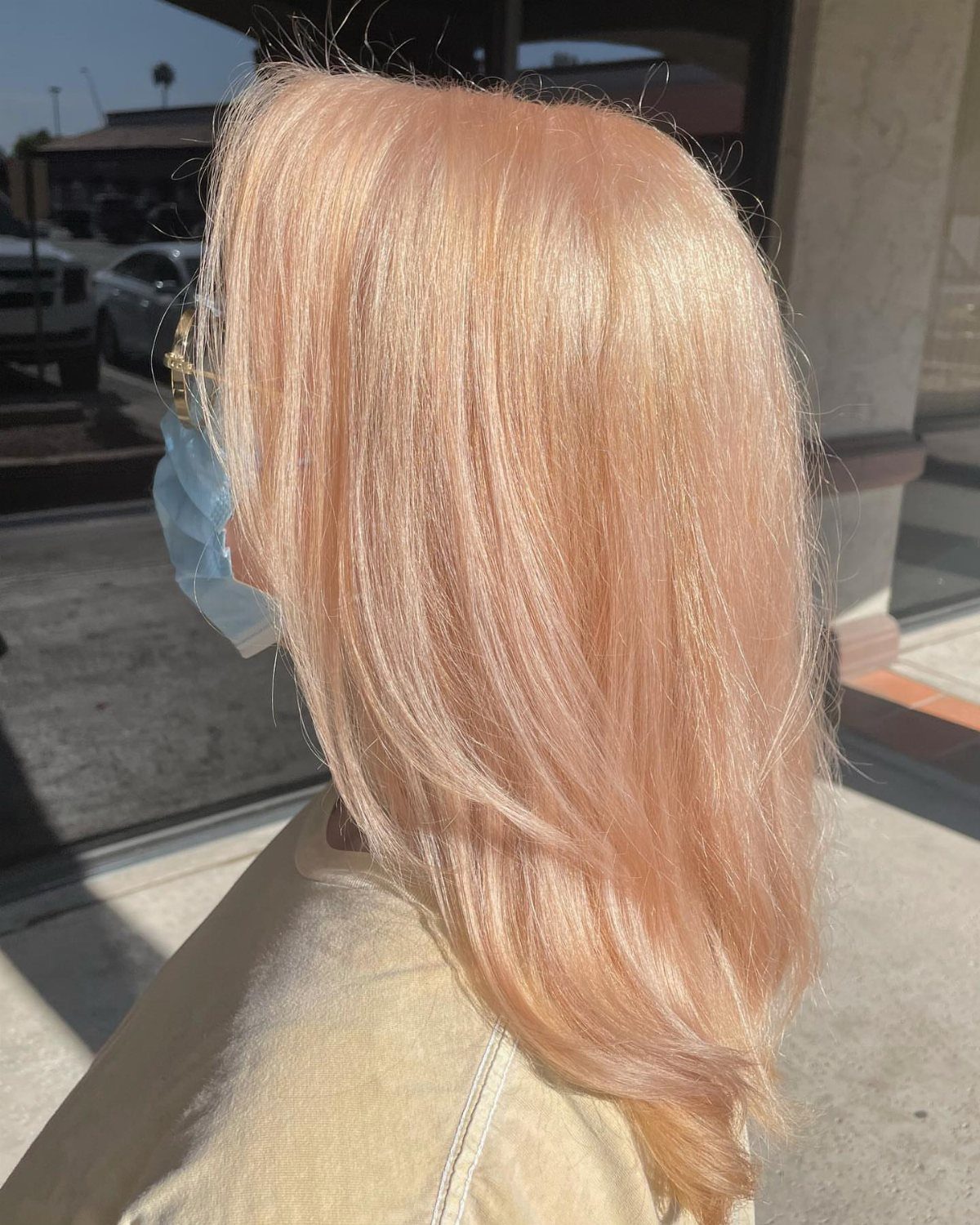
Soft red tones are what separate strawberry blonde from plain golden, with peach and gold sitting between the blonde and the red.
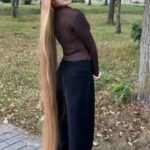
Hair this long and smooth shows the rosy cast best, since there are no heavy waves to break it up.
I’d ask for "peachy strawberry blonde" by name. A stylist who hears only "blonde" may skip the red, and a stylist who hears only "red" may go too copper.
9. Warm Dimensional Blonde
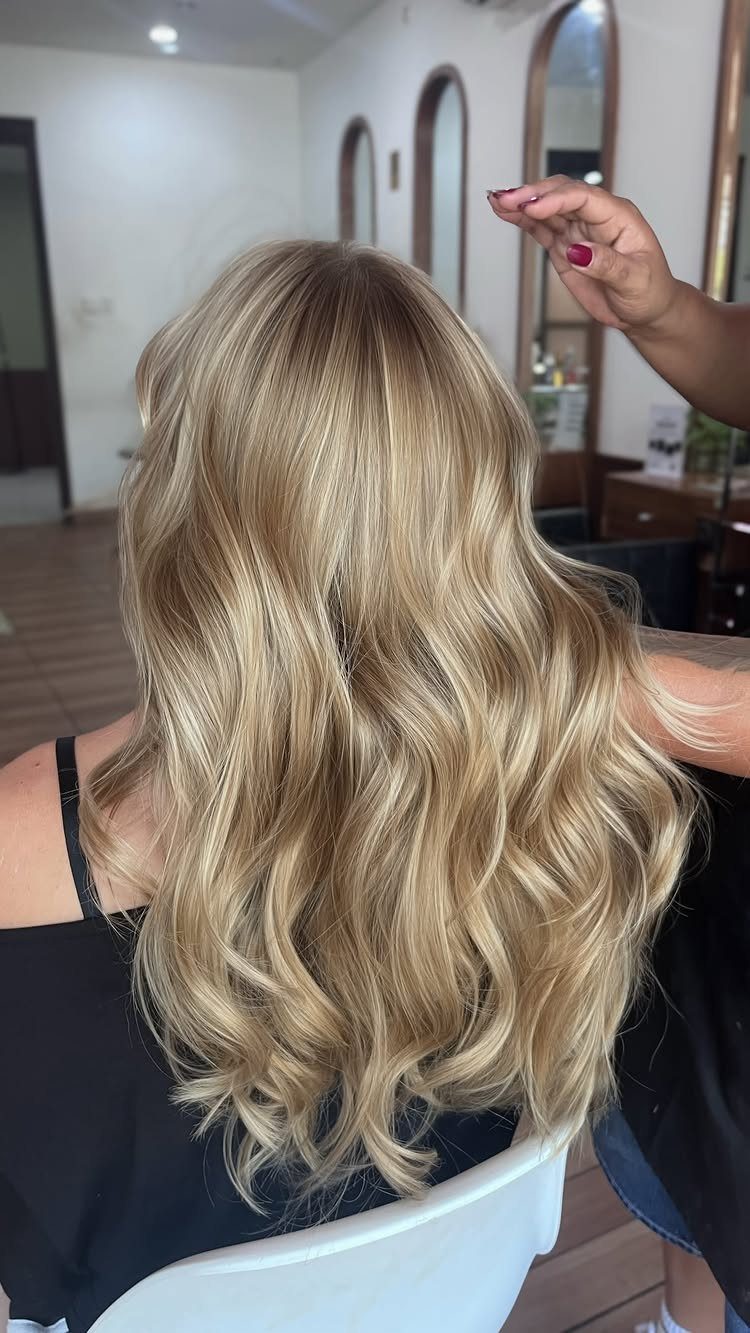
Several warm tones layered through the same hair is what makes a blonde read as dimensional rather than flat. Long, loose waves help, because every bend catches a different shade.
Ask for more than one warm blonde, not a single color, and say you want the tones to sit near each other so nothing looks striped.
I’d pick this over solid color if you like a bit of depth when you look in the mirror.
10. Warm Blonde on Brown Hair
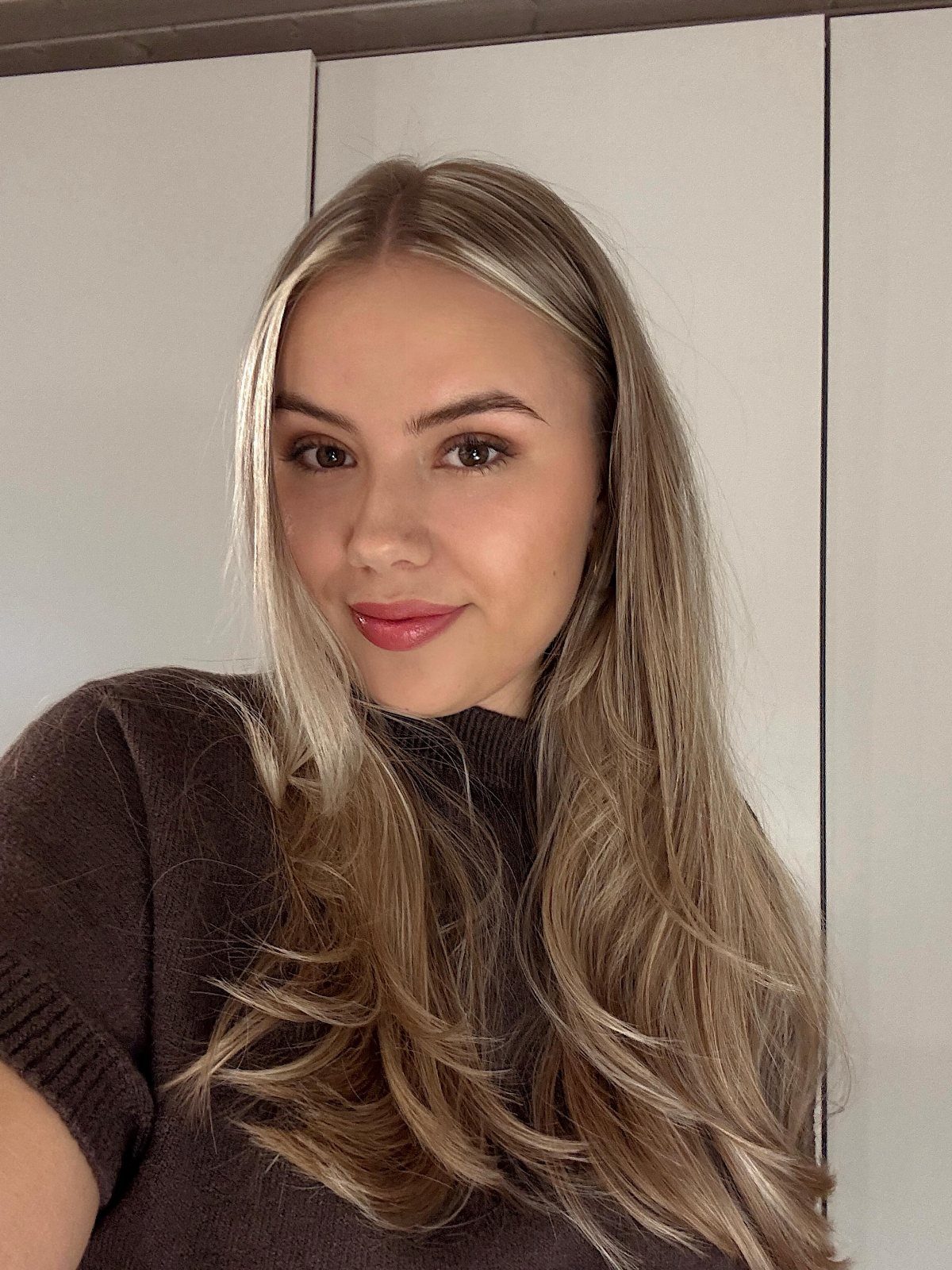
Brown hair keeps its richness here, and warm blonde pieces sit on top of it for brightness. Waves spread those pieces through the length instead of stacking them in one spot.
Ask your stylist to leave the base brown and add the blonde as pieces, not an all-over lift.
That keeps the color from turning one flat shade, and it’s the version I’d choose for anyone who wants brighter hair without losing the brown.
11. Bright Warm Blonde
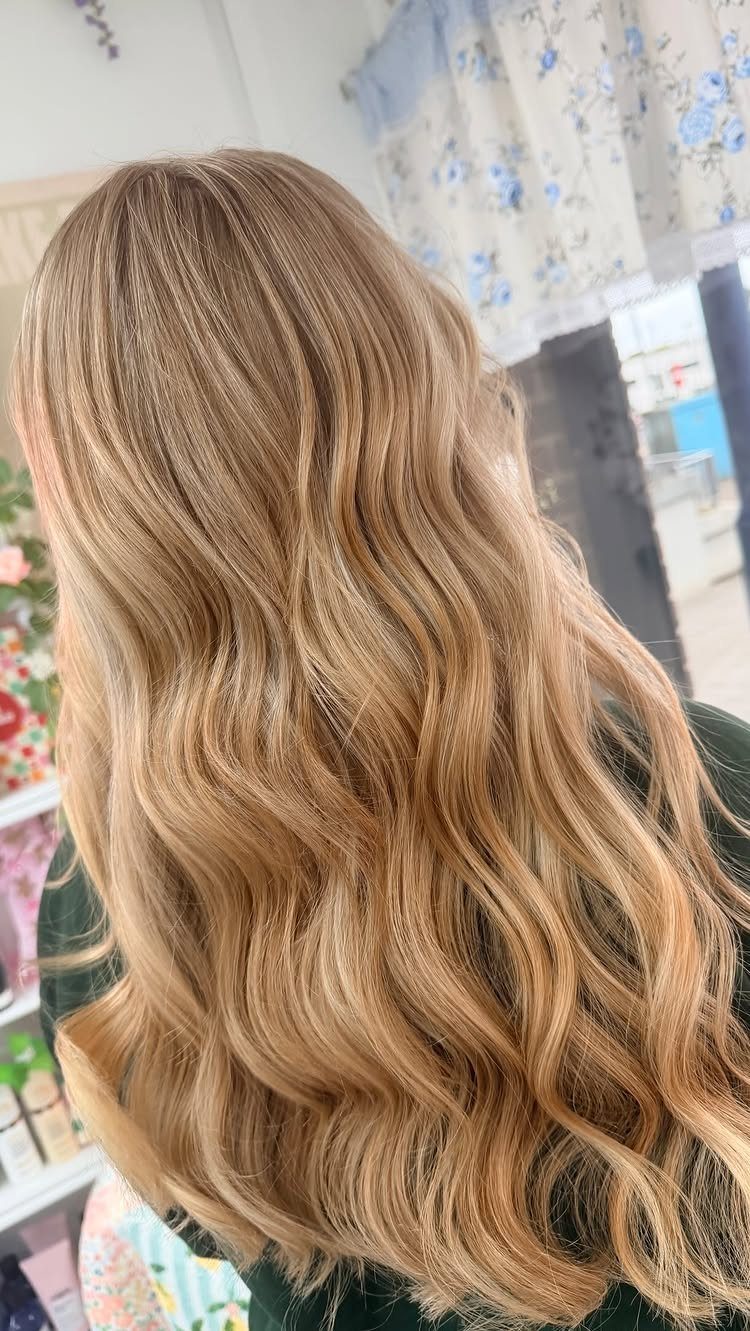
Brightness is the goal in this shade, and the challenge is keeping that vibrant golden from tipping brassy. Soft waves help by letting warm highlights catch light from different angles instead of reading as one yellow block.
When you ask for it, say "bright warm blonde" and tell your stylist you want gold, not yellow. That one word does a lot of steering.
12. Warm Blonde Shadow Root
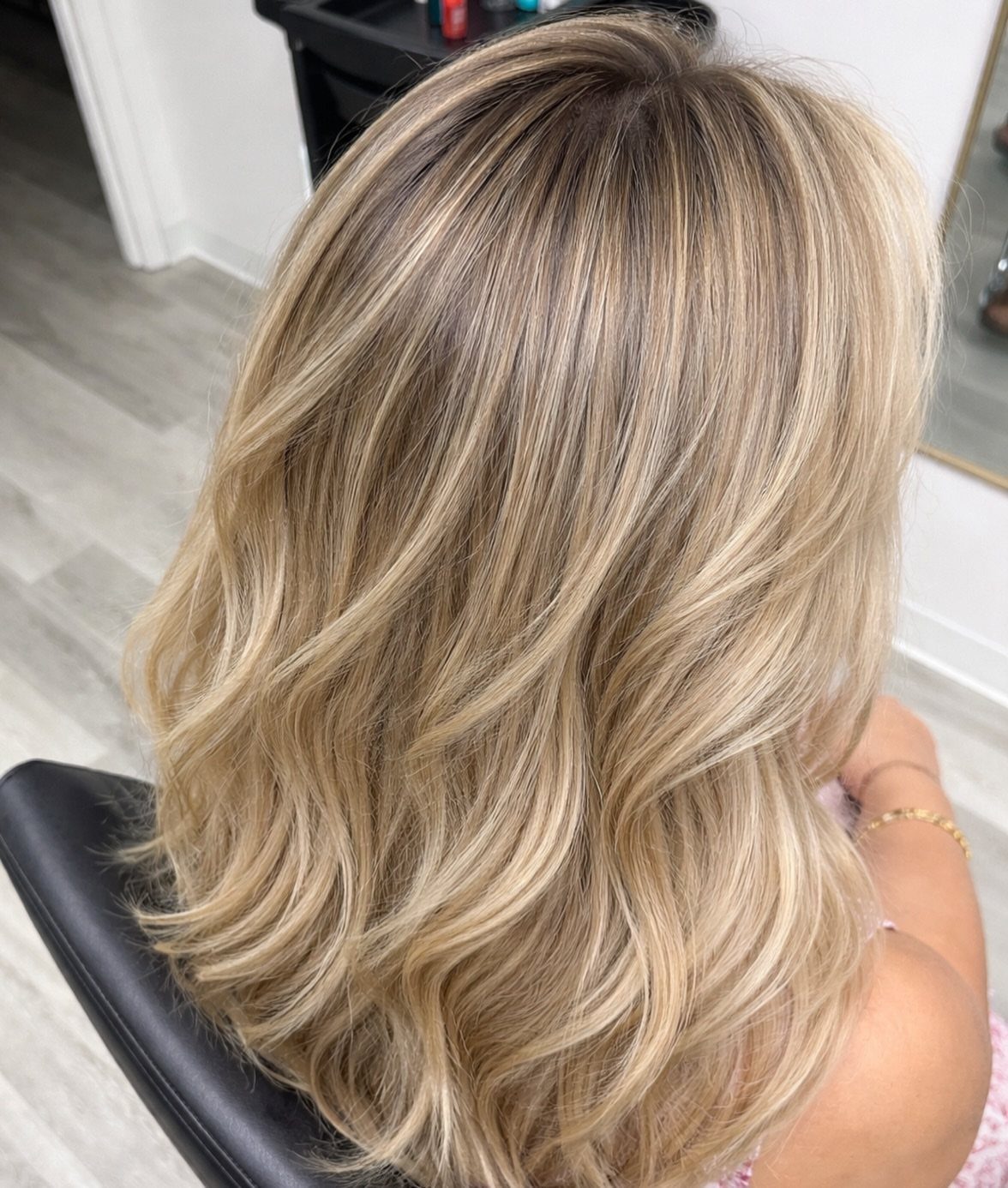
A shadow root means the roots sit slightly darker than the lighter blonde lengths, with the two blended softly instead of cut off. Regrowth then looks like part of the design, not a line.
I like this on shoulder-length waves, where the blend shows without much effort.
Ask for the root to be "softly blended" so the transition doesn’t look sharp. Since the roots are already a little darker, the color tends to look more natural as it grows out.
13. Warm Blonde Money Piece
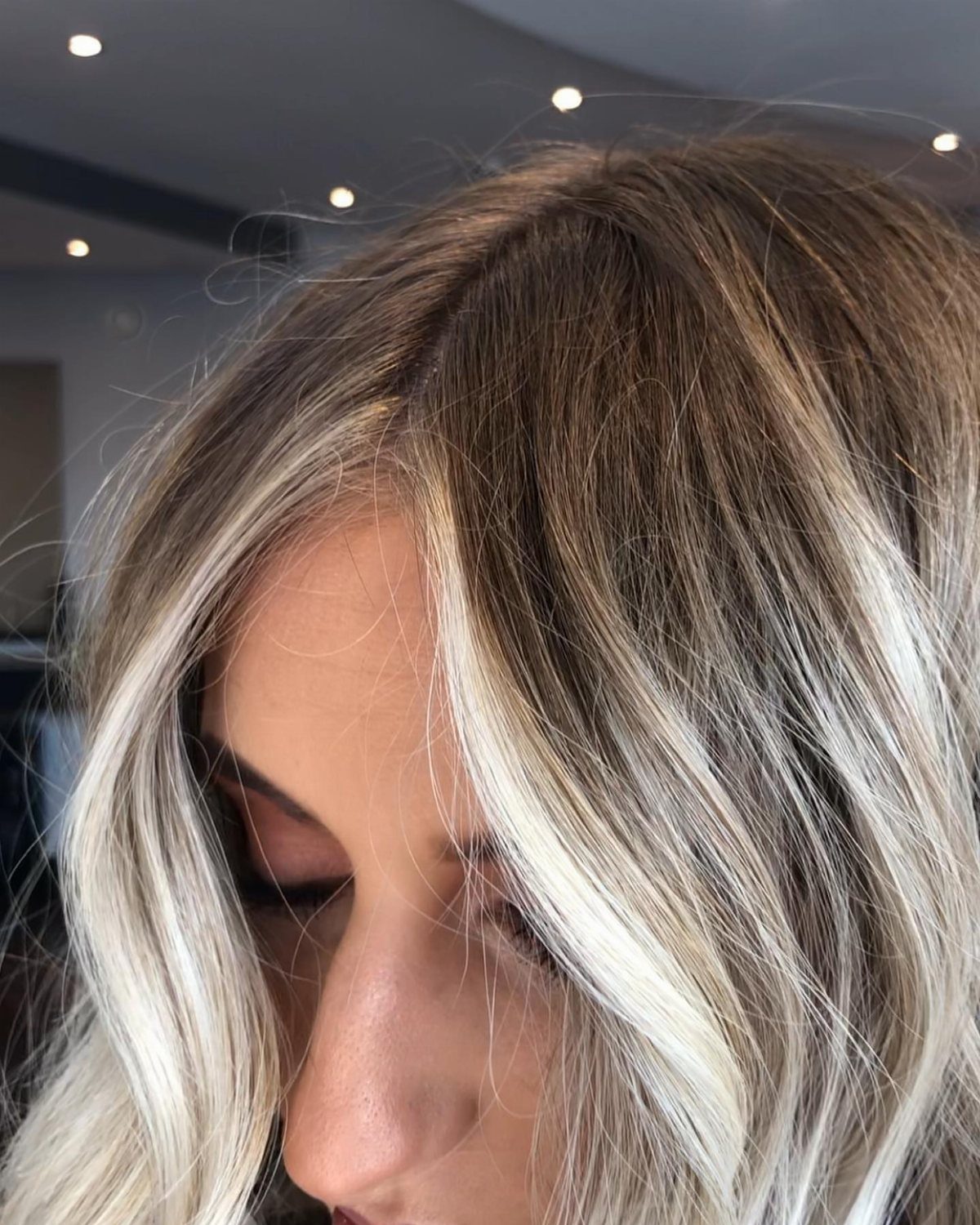
Bright blonde sections right at the face, with the rest of the hair left dark, is all a money piece asks for. Because the color sits where light hits first, a small amount of lightener changes the whole look.
I’d choose this over a full highlight if you have brown hair and want to keep most of it untouched. Ask for "warm blonde money piece" and tell your stylist to keep the back and underlayers in your natural brown.
14. Warm Beige Blonde
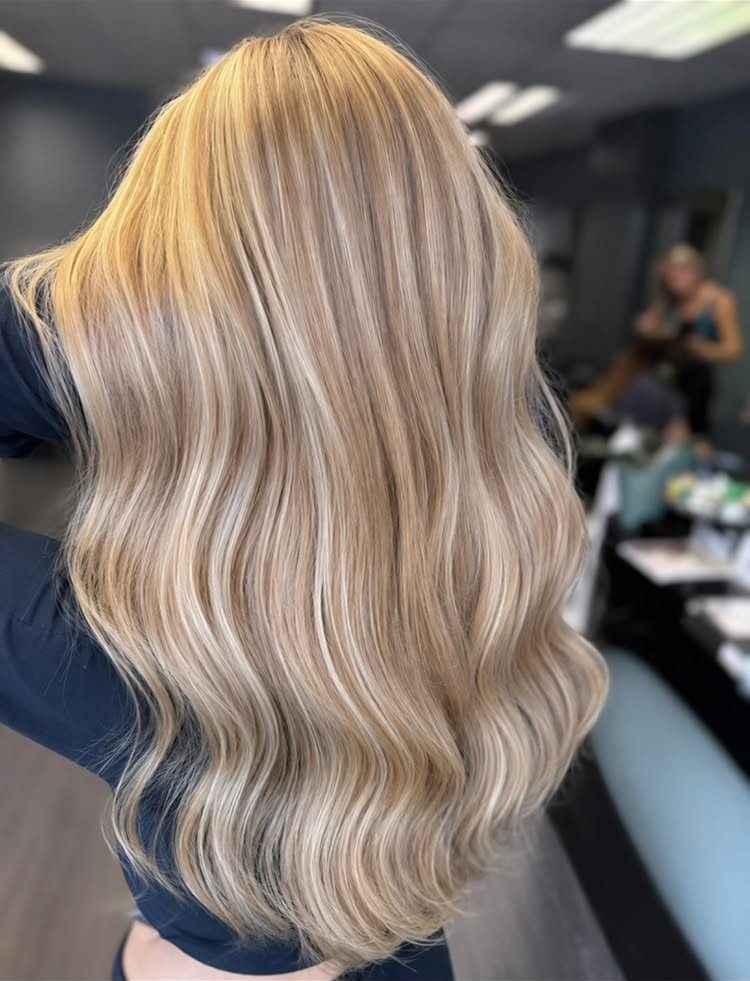
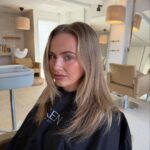
A beige blonde with just a touch of gold lands between ashy and honey: you get a soft glow in the hair without it ever tipping into yellow. That is what makes it easy to wear on long, wavy lengths.
Use the word "beige" in your request, then add "a touch of gold" so the stylist doesn’t push toward cool.
Without that second phrase, the color can slide gray. If you’re coming from brown or dark blonde, I’d expect more than one visit to get here.
15. Beige Honey Blonde Highlights
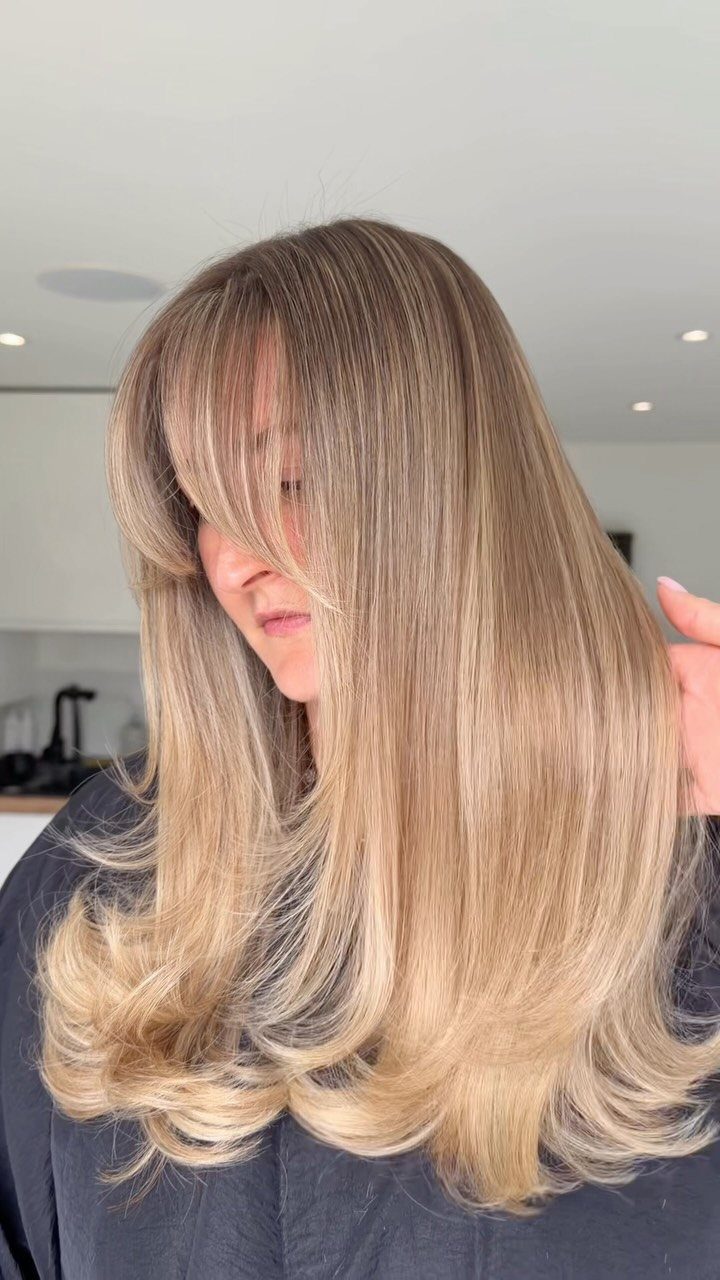
Honey highlights over a neutral blonde base keep the warmth balanced, so the hair looks golden without going orange or flat. Curtain bangs and long layers give those thin honey pieces places to show.
For the salon, ask for a "beige blonde base with subtle honey highlights."
Blending decides how natural honey pieces look against a beige base, so ask your stylist how they plan to melt the highlights into the roots before any color goes on.
I like it for anyone who finds full golden blonde too sweet.
16. Warm Honey Blonde Long Layers
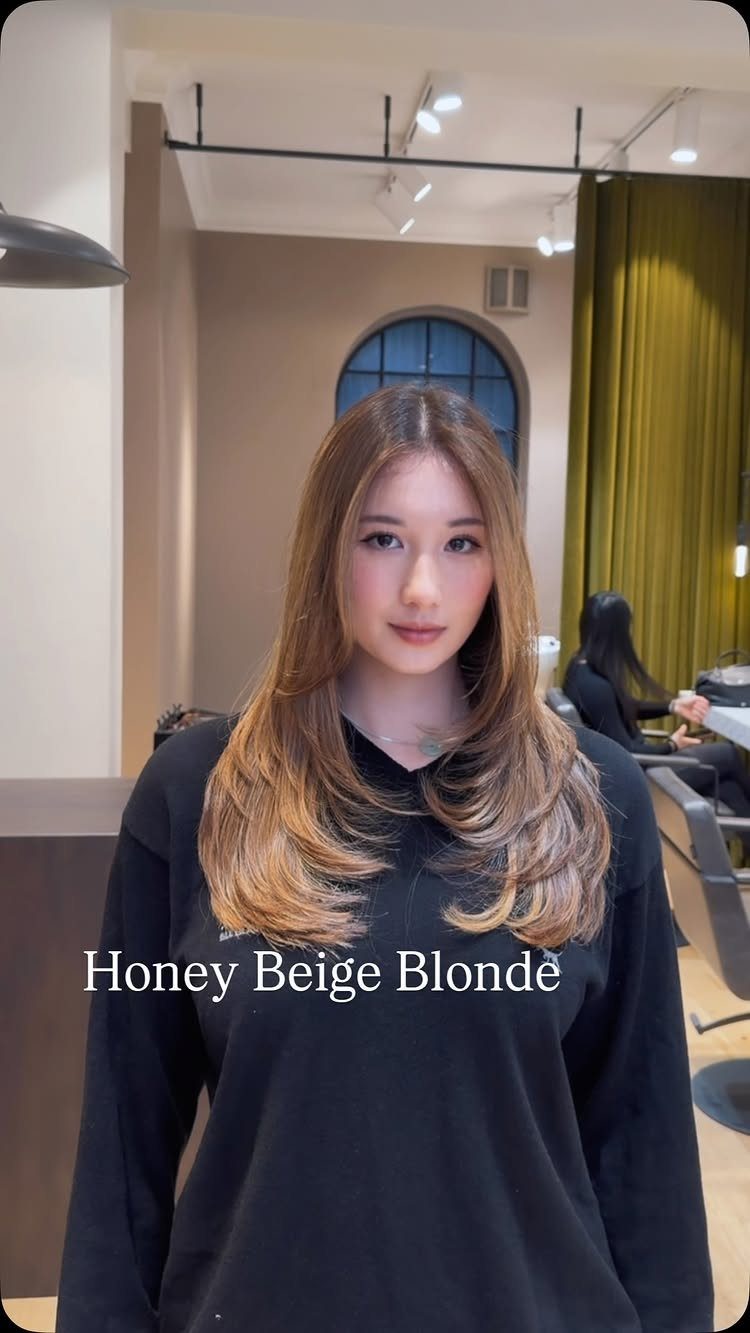
Layers do the work in this honey beige blonde: cut well, they give long hair movement and bounce without losing length. A curled finish shows them off best.
The stylist behind this look called it a precision layer cut, and that is the part worth asking for.
Bring a photo of the layering as well as the color, since the cut and the shade need to agree. I’d choose this if your hair feels heavy and the color is already one you like.
17. Warm Beach Blonde
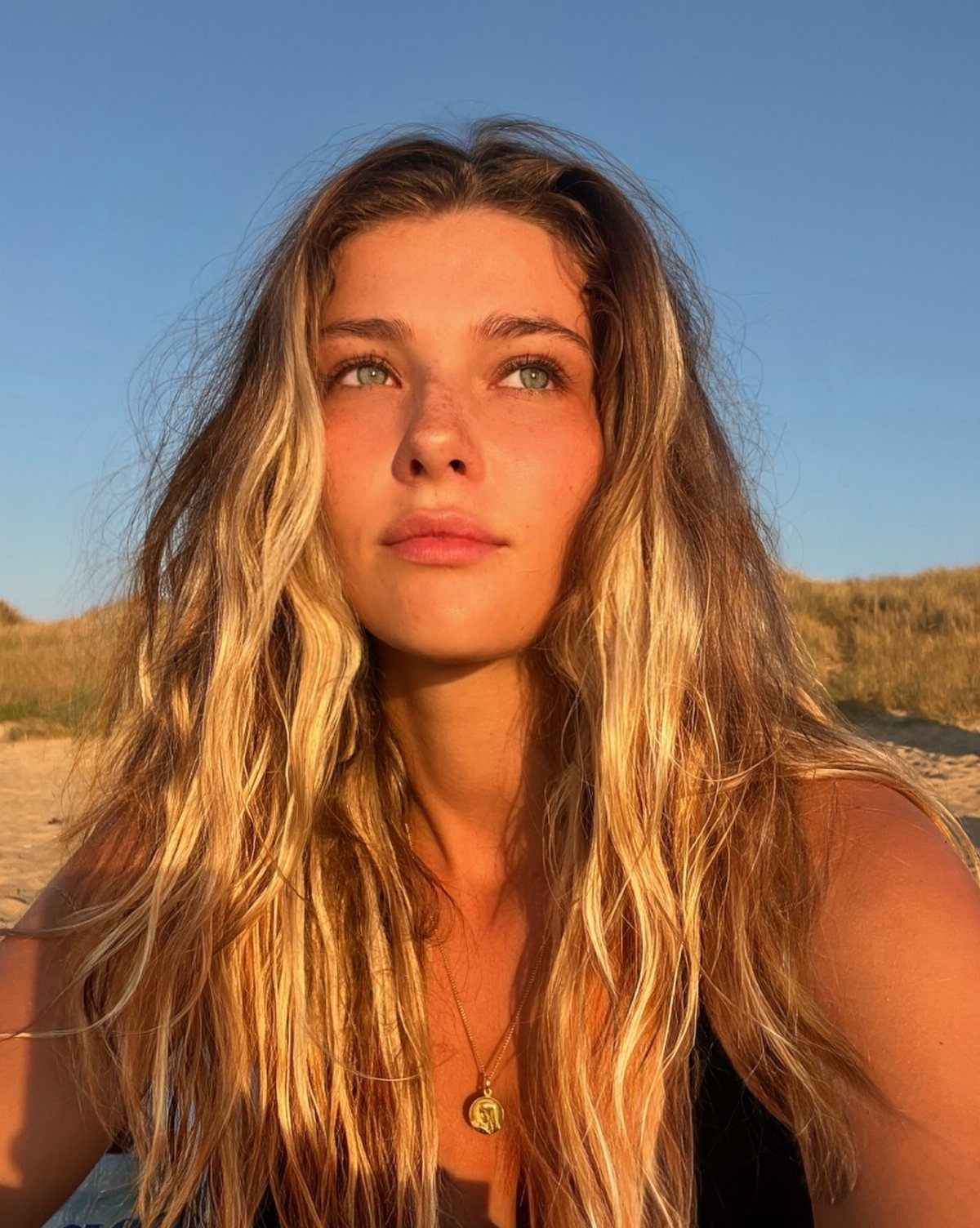
Sunlit tips are what make a warm blonde read as beachy: the lighter ends look as if a summer outdoors did the lifting. Long, loose waves add to the effect, since the bends scatter the brightness through the length.
When you ask, say "warm beach blonde" and point to the ends as the lightest part. I’d keep the roots a little deeper so the color feels relaxed rather than bleached all over.
Choosing Warmth for Skin Tone
Gold or peach in your skin usually points toward warm undertones, and that’s where honey and caramel blondes tend to sit most comfortably. Pink or blue hints suggest cool, and neutral sits somewhere between the two.
If you’re fair, lighter warm blondes like vanilla or champagne add brightness without the stark edge of a cool platinum. Medium skin can carry butterscotch and caramel without the color disappearing into your complexion.
If your undertone runs cool, warm blonde is still on the table; ask for a muted shade like warm beige or champagne, because a deep yellow-gold will fight your skin.
The jewelry test helps when you’re stuck. If gold looks better on you than silver, warm blonde is worth trying.
Color Upkeep and Protection
Purple shampoo can pull out brass, but use it lightly if your blonde is meant to stay warm.
Once a week is enough to stop yellow from tipping orange without stripping the honey tones you paid for. A sulfate-free formula keeps color from washing out as fast.
Deep-condition weekly, since lifting color dries hair out and dry hair looks dull even when the tone is right. Heat styling fades color faster, so a protectant spray before the flat iron or curling wand is worth keeping on hand.
Trim every 6 to 8 weeks to cut off damaged ends before they split upward.
Chlorine and sun both shift blonde color, so a swim cap or a UV spray helps if you’re outside often. A gloss at the salon every few months adds shine and refreshes tone between full color appointments.
Choosing Salon or Home Color
If you’re starting from light blonde or light brown and want an all-over color with no custom placement, a box dye can get you there. Anything more complicated, balayage, highlights, or significant lightening, belongs in a salon chair.
Starting from dark hair, I’d plan on a few appointments spread out over time, since lifting straight to pale blonde in one sitting is how hair ends up fried.
Trying to jump from dark brown to platinum in one session puts too much strain on the strand. Darker honey and caramel blondes need less lifting, so the process is gentler and you can often get there faster.
Root maintenance depends on how much contrast you choose.
Frequently Asked Questions
What blonde shades complement a warm skin tone?
Honey and caramel blondes sit most comfortably on warm undertones, which usually show gold or peach in the skin.
Vanilla and champagne sit prettiest on fair skin, while butterscotch and caramel give medium tones enough contrast to register. Deep skin tones suit dark honey, bronze blonde, or caramel highlights, ideally with some depth kept at the roots.
Cool undertones can borrow from the warm side if the blonde stays soft, think warm beige or champagne, because strong yellow-gold clashes.
What are some shades of golden hair color?
Honey spans light wheat to deep amber, caramel leans browner and richer, and strawberry blonde brings in peach or red. Golden blonde sits between pale blonde and rich honey.
Softer takes include buttery blonde, champagne, and a beige blonde with a touch of gold. For anything bright, say gold instead of yellow when you’re at the colorist, it reads warm without turning brassy.
What is honey blonde hair, and what shades make it up?
Honey blonde is a medium-toned blonde with a warm golden overtone, and it can range from light wheat to rich amber. Most formulas layer gold, amber and light brown, sometimes with a hint of copper to keep it dimensional.
More gold and pale tones make it lighter and brighter, while more brown and amber make it deeper. Because the range is so wide, tell your stylist whether you want the wheat end or the amber end.
Should I go warm blonde at home or at a salon?
A box dye can work for an all-over color if you’re starting from light blonde or light brown and don’t need custom placement.
Dark starting hair takes multiple sessions stretched over weeks, one-day bleach jobs are how you end up with straw. The deeper end of honey and caramel needs less bleach, so the hair stays softer and you get there faster.
How do I keep warm blonde hair from turning brassy?
Purple shampoo once a week pulls brass without washing out the gold you paid for.
Swap to sulfate-free so the color holds longer, and condition deeply once a week since dry hair reads flat no matter how good the tone is.
Apply a heat protectant before a flat iron or curling wand, and wear a hat or use a UV spray in chlorine or strong sun.
Cut every 6 to 8 weeks and get a salon gloss every few months to bring back the shine and correct any drift.