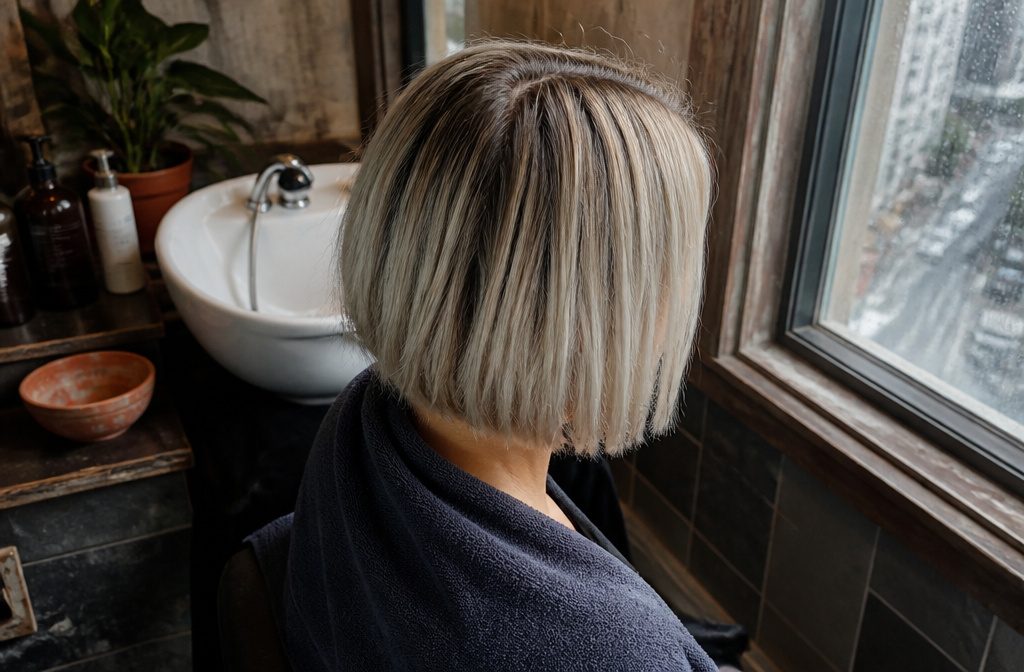
Start with the Dimensional Bob: cool platinum over your natural brunette, cut at bob length, so the root is never lifted and grow-out stays easy.
Brunette will always show at the part, though, so anyone who wants solid white-blonde from scalp to ends should pick another style.
1. Dimensional Bob
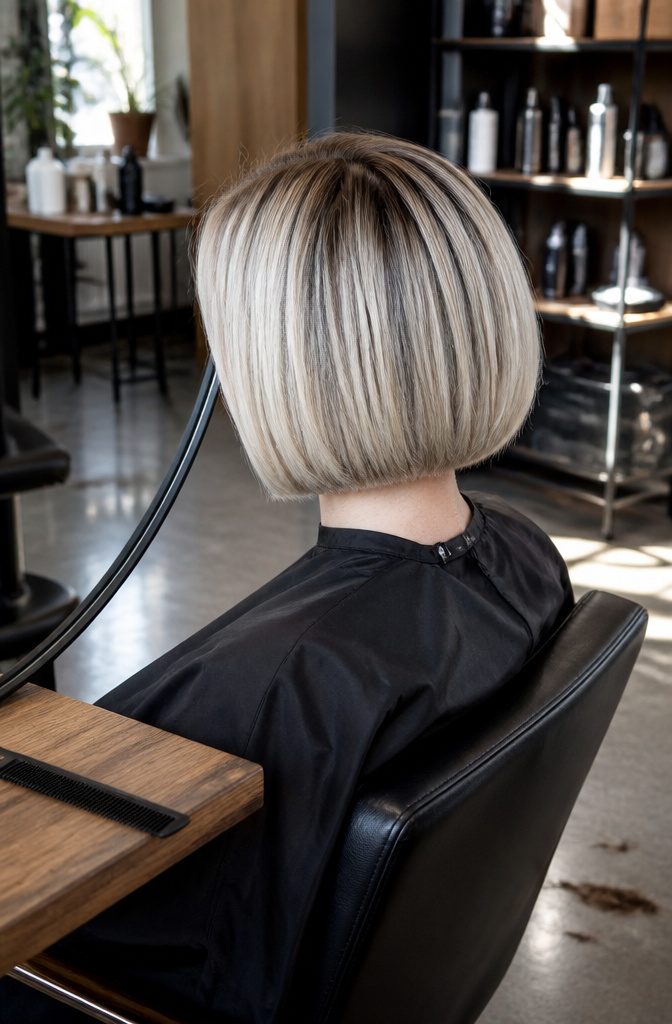
Platinum blonde with dark roots is easiest to ask for in this form: cool platinum over a natural brunette base, cut as a bob.
The brunette stays at the root instead of being lifted, so the color reads sophisticated yet trendy, and it’s also low maintenance, which is why I put it first on this list.
I’d skip it if you want clean, bright platinum from scalp to ends.
The brunette base is part of the design, and it will always show at the part. If a solid white-blonde finish is the goal, pick a different look.
2. Platinum Bob with Black Base
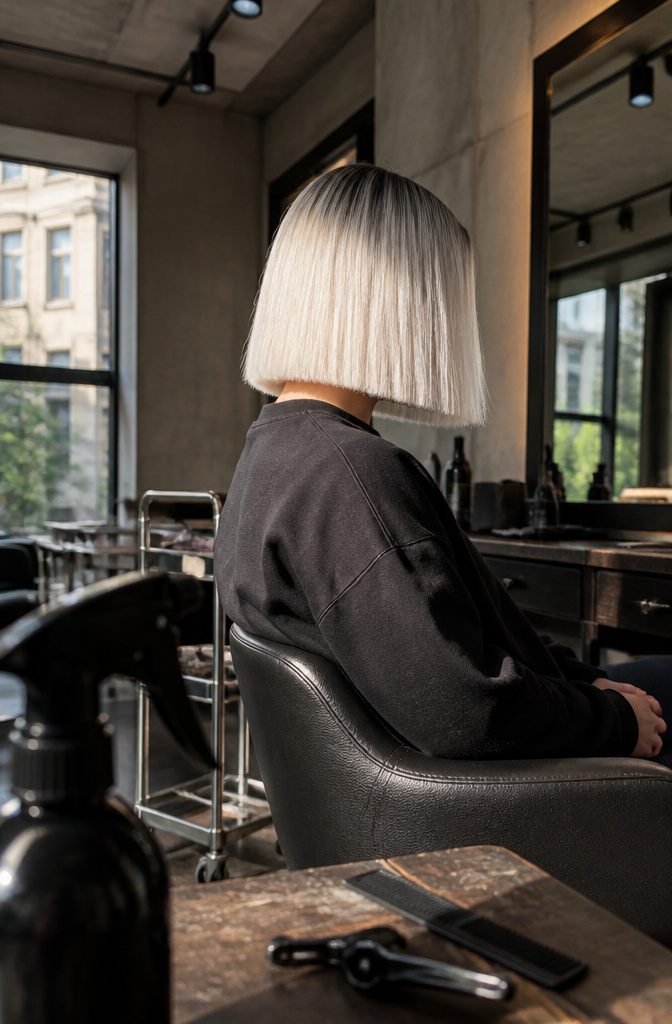
A platinum bob over brown or black hair is one of the most adaptable looks in this roundup.
The cut and the level of contrast can be fitted to nearly any face shape and complexion. Light tones laid against a dark base read as chic yet effortless, more like highlights than a full color change.
I’d hand this to anyone with deep brown or black hair who wants a bold change that still looks lived-in. Skip it if you want a soft, gradual blend.
The contrast is the whole look, and a bob has little length to hide it, so every line between light and dark shows. If that sounds like too much, choose one of the softer, melted looks later in this list.
3. Silver Bronde Style
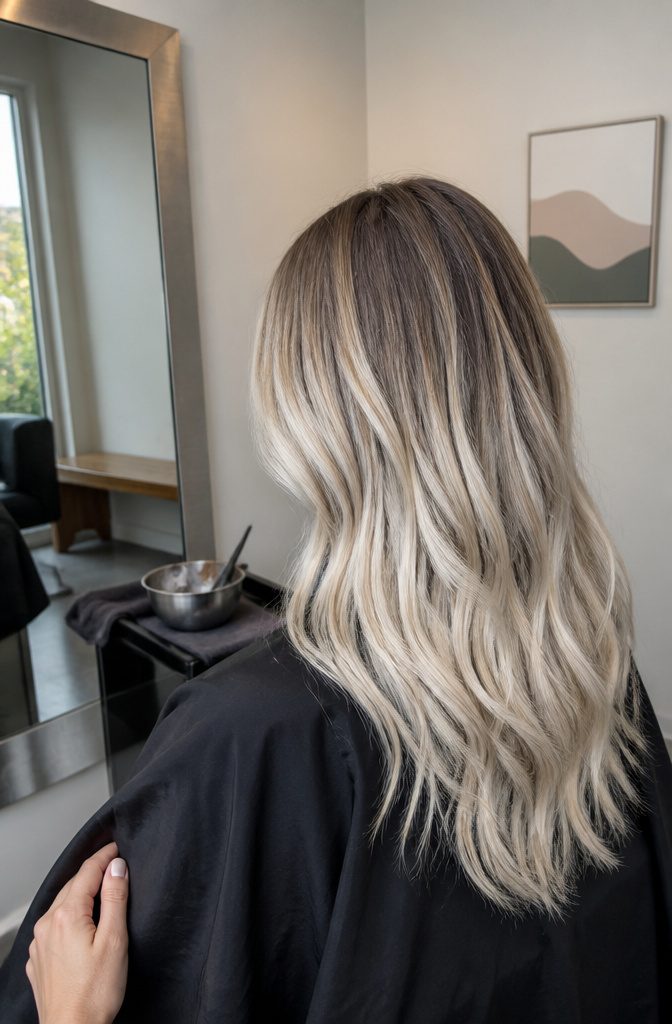
This look takes the platinum-and-roots contrast further than most: a drastic white-blonde shade paired with the natural dark base.
It reads high-contrast and intentional, but that same drama means it isn’t for everyone. If you have brown brows and brown eyes, stick with a slightly warmer or less icy platinum so the whole picture holds together.
The silver-white tone has to work with your skin, not fight it. Skip this one if you have very warm or golden undertones; the cool white will pull ashy or sallow against skin that needs warmth.
It wins for anyone who already wears cool tones well and wants a look that feels more fashion-forward than lived-in.
4. Silver Pixie Bob
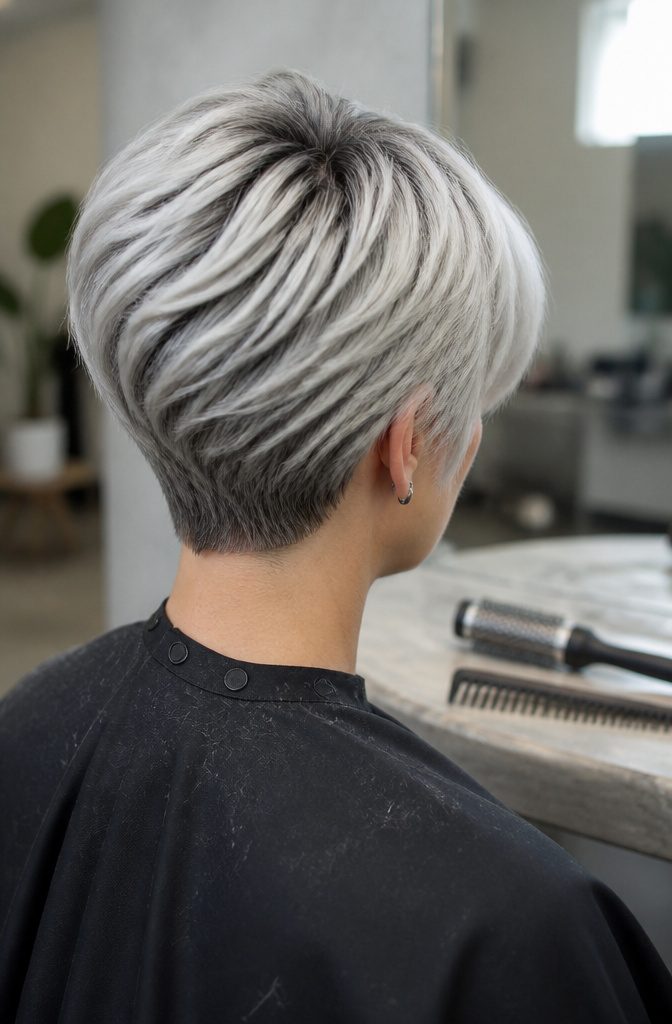
A stacked crop brings body exactly where thin hair needs it.
Silvery and platinum shades layered together give the color dimension that a single flat tone can’t, and the stacked back holds volume without needing product or a curling iron every morning.
Blow dry the top to one side and you have movement that lasts.
The short length keeps the platinum from overwhelming your features, and the dark root line reads as intentional shadow rather than regrowth.
Women with very round faces may find the width at the crown adds bulk they don’t want; the stacked silhouette emphasizes width over length.
If your face is already wide through the cheekbones, I would look at one of the longer platinum styles with more vertical line.
5. Long Creamy Style
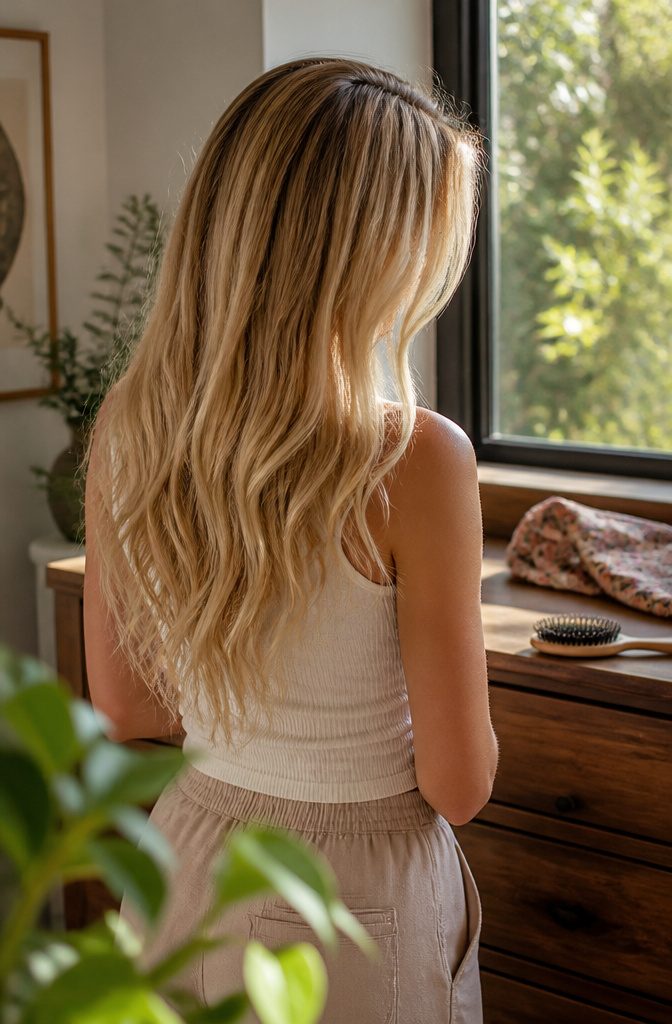
This look pulls long hair into earthy blonde territory rather than bright platinum, blending creamy honey and butter tones with your natural root shadow.
The face-framing layers add movement without shortening the overall length, and the volume reads soft rather than structured.
It suits anyone who wants the contrast of dark roots without committing to icy color maintenance.
The warmth makes it flattering on medium to olive skin tones, and the longer length gives you styling options that a bob or pixie can’t.
That said, if you came here looking for true platinum, this misses the mark.
The creamy blonde sits several shades warmer, closer to a natural bronde than the silver-toned looks further down the list. It also skews romantic in a way that won’t work if your wardrobe or personal style leans minimal or sharp.
6. Balayage with Touch-Ups
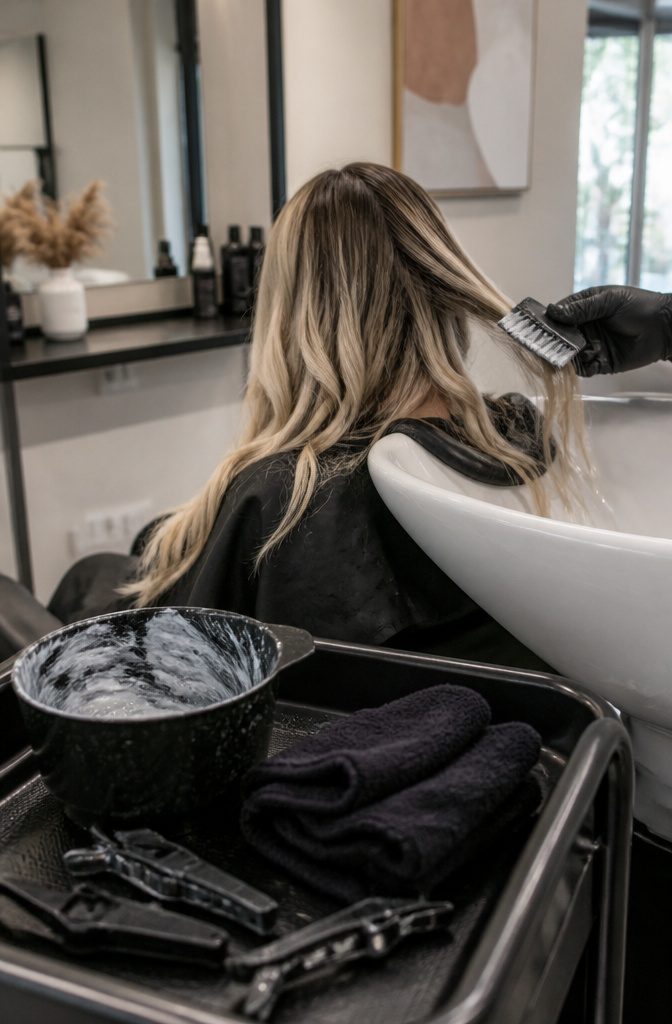
Champagne is the shade here, and it comes from highlights blended into your natural brown rather than bleached through it.
Use that wording when you ask. The brown-to-blonde transition is the whole look, and it takes a skilled colorist, so I wouldn’t attempt it with a box kit.
The title says touch-ups, and it’s fair warning. Plan on return salon visits to keep the highlights looking fresh.
Skip this one if icy platinum is the goal. Champagne over a brown base reads softer and warmer than true platinum, and no amount of blending will turn it icy.
7. Brightened Beige Smudge
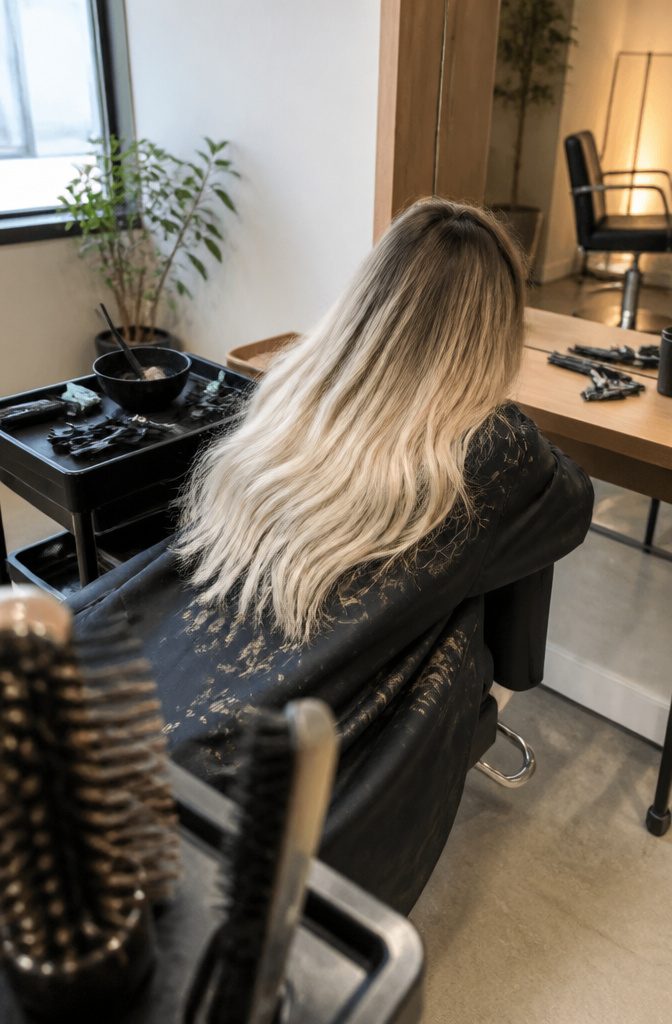
A root smudge means the colorist applies a shade closer to your natural color at the roots before blending outward, so regrowth looks intentional rather than like a missed appointment.
The technique buys you time between sessions because the line where dark meets light is already soft. Mid-shaft highlights pick up the brightening work further down the strand, so the transition from root to platinum reads gradual rather than geometric.
Beige keeps the palette neutral without skewing cool or warm, which makes it easier to match to most skin tones.
The smudge itself typically sits an inch to two inches from the scalp, though that depends on how fast your hair grows and how often you want to be back in the chair.
Skip this if you want stark contrast between root and ends. Blending is the priority, so anyone chasing a sharp divide between dark and platinum should pick a different look.
8. Buttery-Toned Style for Brown Hair
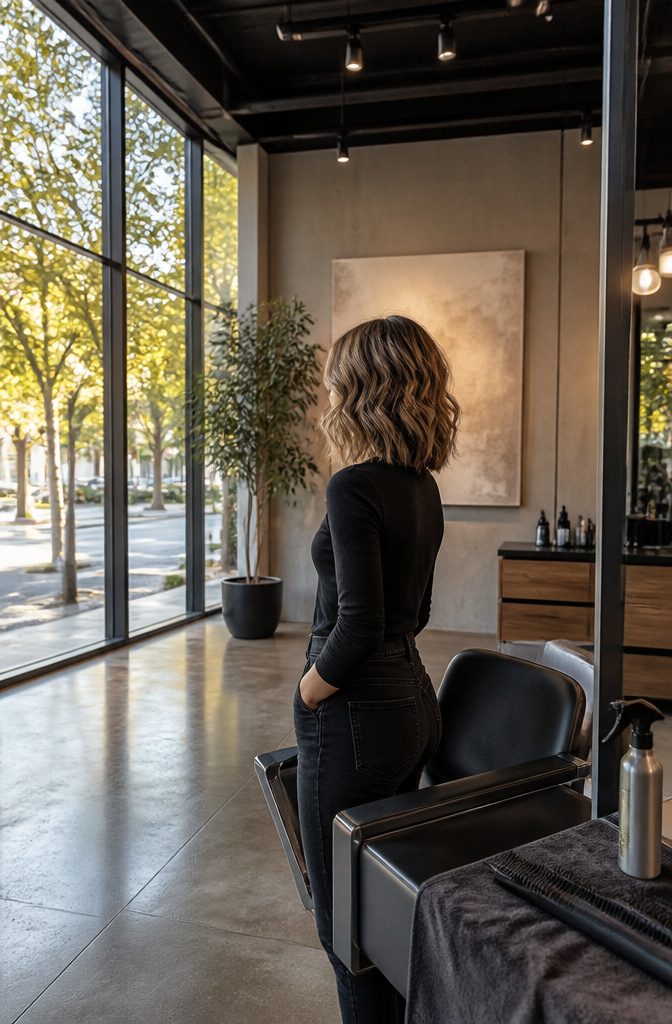
Wavy layers pick up buttery highlights beautifully, and the tousled bob version gives you that lived-in texture without looking like you forgot to brush.
Fix the messy result with a texturizing spray after scrunching, which holds the piece-y movement without weighing down the wave pattern.
The buttery tone reads warmer than platinum, so it suits medium to olive skin better than very cool or pink-toned complexions.
If your natural undertone skews ash or you prefer silver jewelry over gold, skip the butter and go for an iced beige or true platinum instead.
The dark root works particularly well here because the warmth gradient feels intentional rather than grown out, and you can stretch touch-ups to ten or twelve weeks if the base stays close to your natural brown.
9. Vanilla Balayage
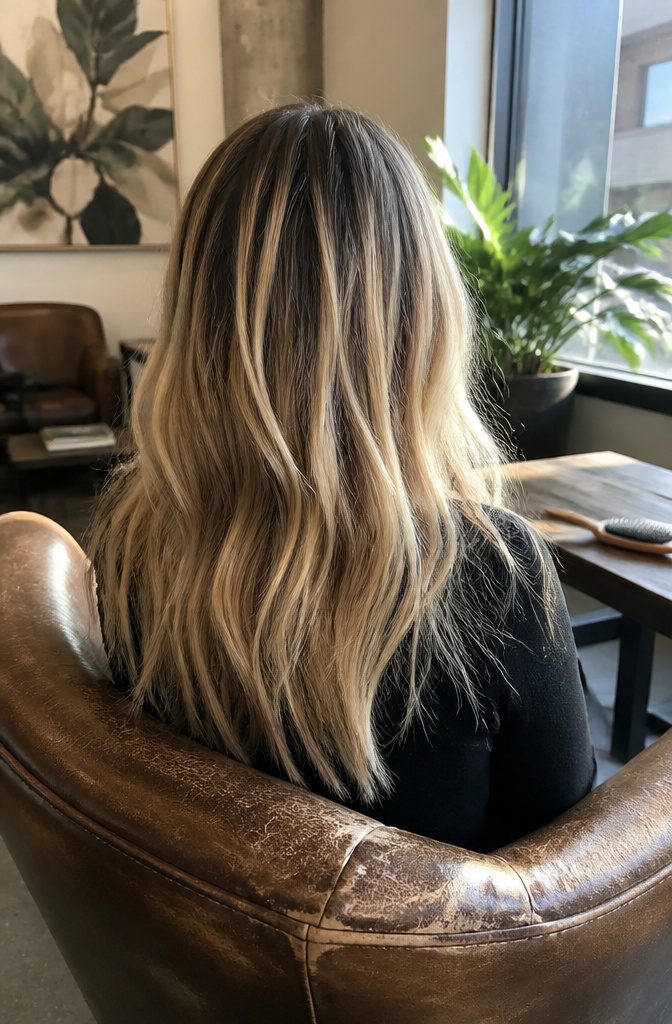
This approach sits warmer than platinum, with chunky highlights set against whatever base you grew in.
The light cuts through in distinct ribbons rather than a blended fade, and that contrast gives medium-length hair plenty of dimension without needing the cooler silver end of the spectrum.
A light brown tone threaded into the highlight mix softens the whole thing and nudges it toward caramel territory, which suits warmer skin better than icy white ever will.
If you want actual platinum, this misses the mark. The vanilla pull keeps it cozy, and the chunky placement means you’ll see roots as they come in rather than getting that smudged buffer a fine balayage gives.
But for anyone who finds bright white too stark or aging, this delivers plenty of brightness without the chill.
10. Golden Curls with Shadow
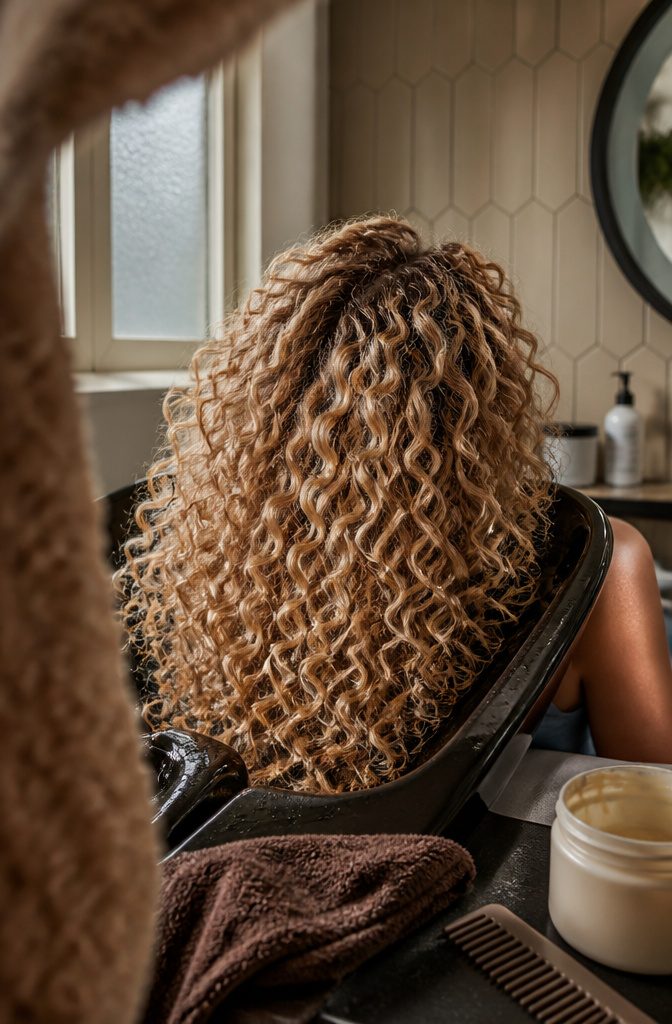
Golden curls pick up shadow smudge in a way pin-straight hair cannot.
Each bend catches light differently, so the dark root melts through honey tone instead of sitting as a hard line across the scalp. The dimension reads as natural regrowth, the kind you see after a few weeks of sun.
The honey base here keeps the palette warm. If you wanted cool ash or icy platinum, this pairing pulls the wrong way.
The golden curl softens everything it touches, including the contrast you might want between root and length. Skip this look if your goal is steel or silver.
The smudge technique itself is gentler on texture than foiling all the way to the scalp.
Mixing honey with a brown base protects the curl pattern while still giving you visible lift. You get movement, you get color, and the root does not announce itself the moment you miss an appointment.
11. Bixie with Brown Undercut
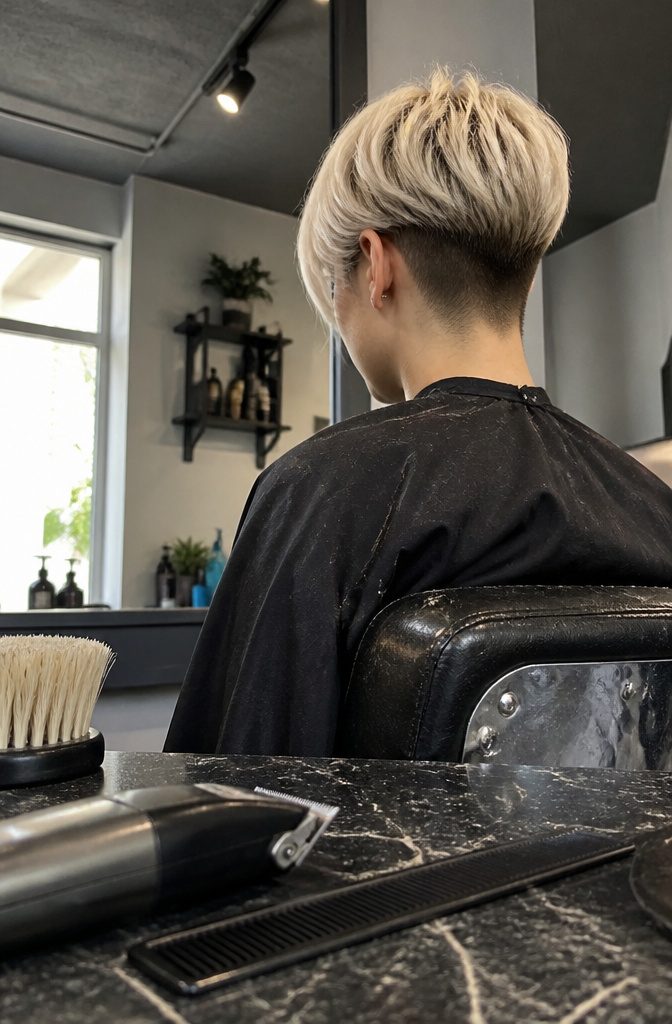
A nape undercut brings sharp contrast to this pixie bob hybrid, stacking volume on top while the shaved back lays bare the darker root color.
The long side fringe skims over to balance the proportions and make a rounder face look longer.
This asks for a bolder haircut than most of the list. You lose the option to grow it out evenly, and the undercut needs clipping every few weeks or it fills in and softens the whole idea.
Skip it if you prefer low-maintenance or if you are still testing whether short hair suits you at all.
12. Sun-Kissed Sombre Style
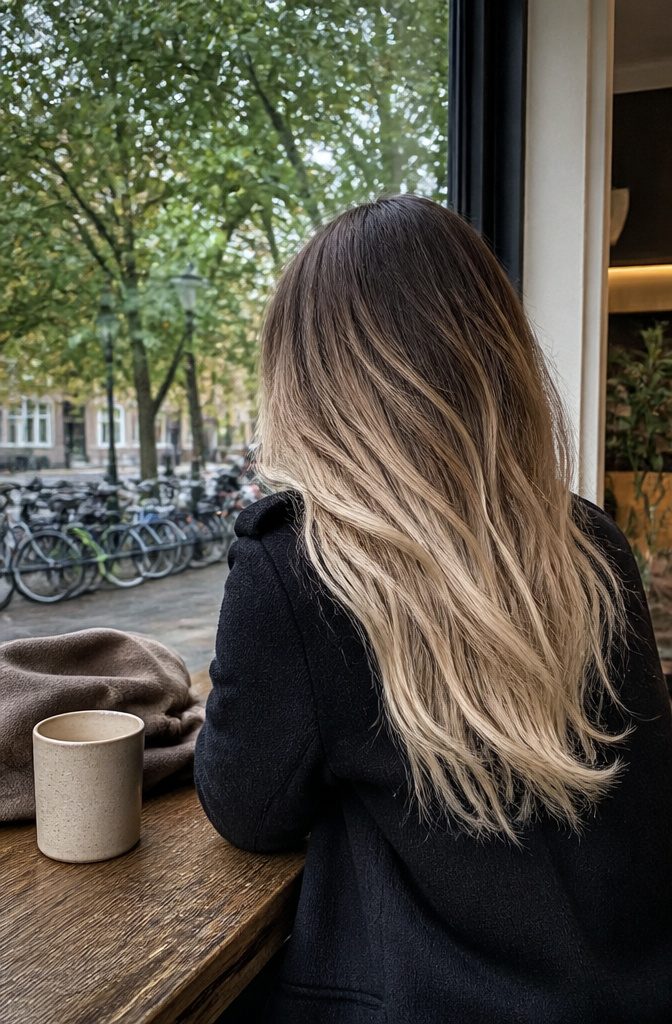
Sun-Kissed Sombre Style
Sombre gives you the platinum-against-brown idea without a line where one ends and the other starts.
The color melts from your natural base up through beige and butter tones before it hits bright white at the ends, and the blend is soft enough that regrowth just looks like more dimension.
It reads lived-in rather than freshly done, which makes it lower maintenance than a sharper root line but also means you lose the graphic pop of dark meeting light.
If you want that clear platinum-against-dark contrast, sombre is not the look. Subtlety is the priority: your base stays close to natural brown, and the lightest pieces are scattered through rather than stacked at the surface.
It works best if you like the idea of blonde but don’t want to commit to full platinum upkeep or a color that announces itself the second you walk in.
13. Lived-In Shag
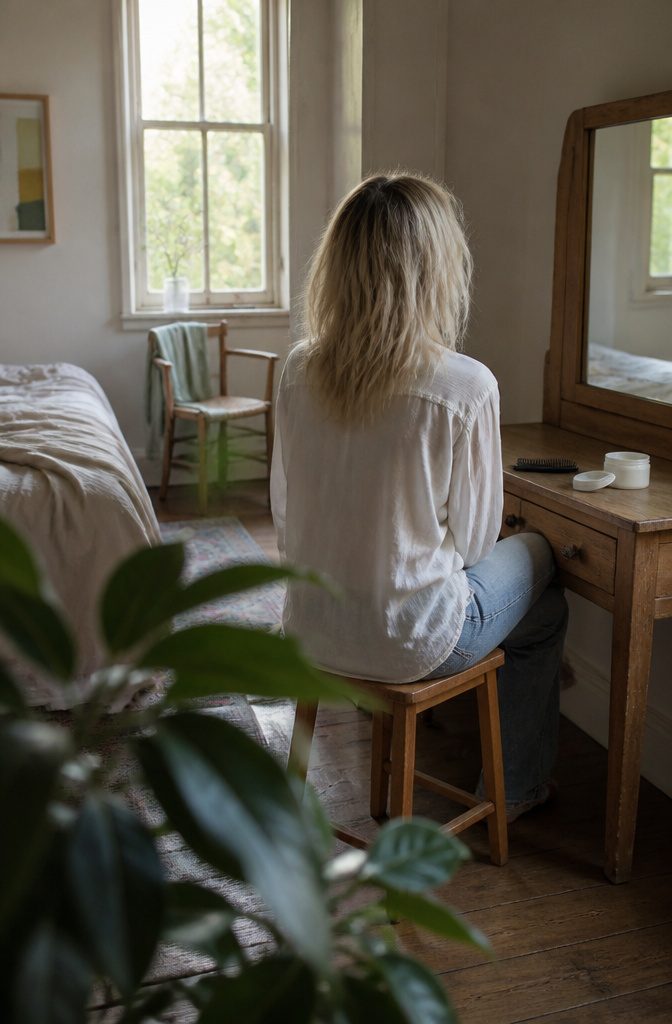
Shaggy layers frame the face, and the dark root gives that shape a soft shadow to sit against, so the blonde looks lived-in rather than flat. The styling is light but not zero.
Work an appropriate styling product through the hair, then slightly backcomb the top layer for a lightweight effect. Keep the backcombing gentle, because you want lift at the crown, not a teased helmet.
This is the cut I’d skip if your mornings are strictly wash and go. The shape depends on that product and backcombing step, and without it, platinum blonde with dark roots in layers can fall limp instead of shaggy.
14. Strawberry Melt
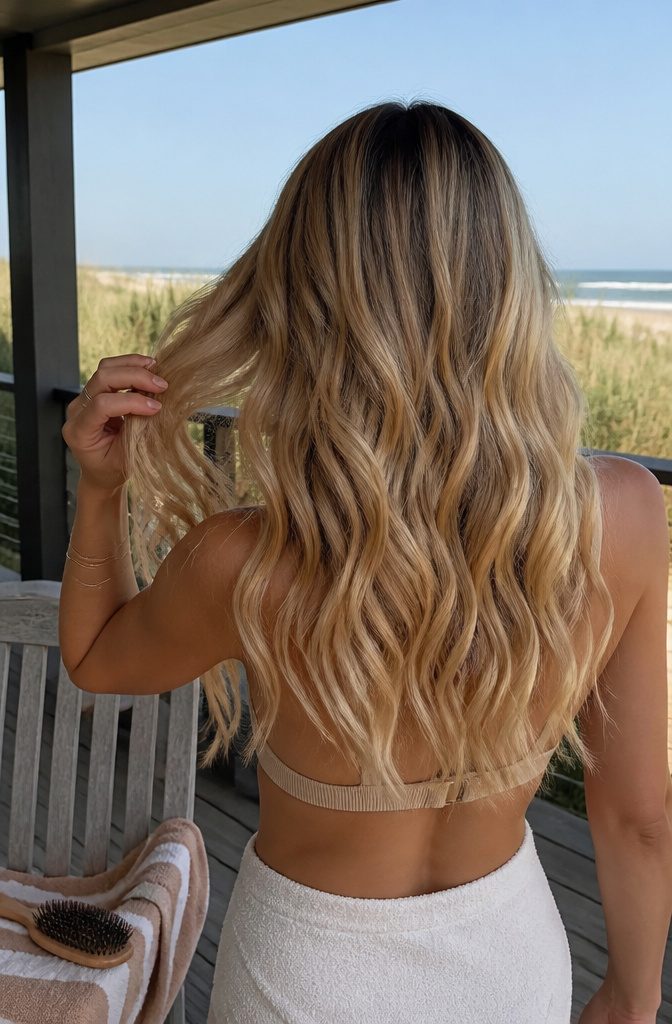
This one leans warm rather than cool, and if you came for true platinum you can skip it. The strawberry melt uses lowlights and a root shadow to add depth and dimension, but the tone stays golden rather than icy.
A color melt means the darker root blends gradually into the lighter lengths without a hard line, and lowlights woven through the mid-lengths keep the color from looking flat or one-note.
The result reads more honey and peach than silver, which gives it softness but pulls it out of platinum territory.
I like it for anyone chasing a sun-kissed look with texture, especially if cool ash tones wash you out. Pair it with beach waves to let the dimension show.
15. Beach Waves with Highlights
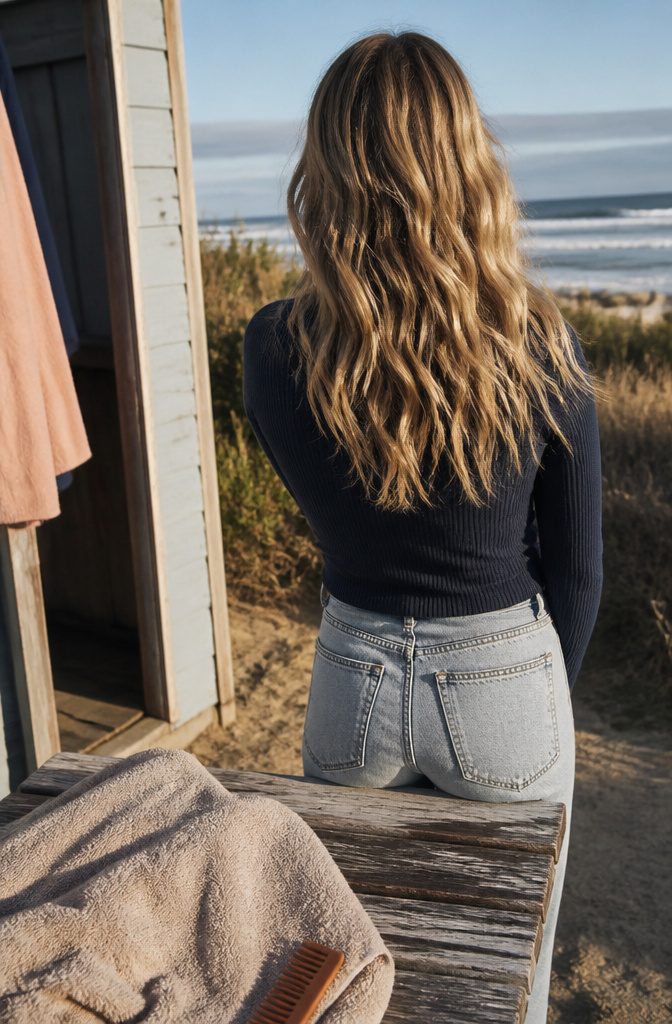
Beach waves pick up light differently than straight hair, so the highlight strategy shifts. If you are working from a light brown base, stick with light warm tones rather than cool ash or pure platinum.
The warmth keeps the color from reading muddy when the waves cast shadows, and it blends more forgivingly as the root grows out. Think honey rather than ice.
This pairing suits anyone whose natural base sits in the light to medium brown range and whose skin reads warm or neutral.
The waves themselves do some of the blending work, so you will not see a hard line two weeks in.
Skip this if your starting point is very dark.
The lift required to reach light warm blonde from black or deep brown often leaves the hair too fragile to hold a curl, and the contrast will look striped rather than sun-touched once the wave pattern breaks it up.
16. Iced Beige Smudge
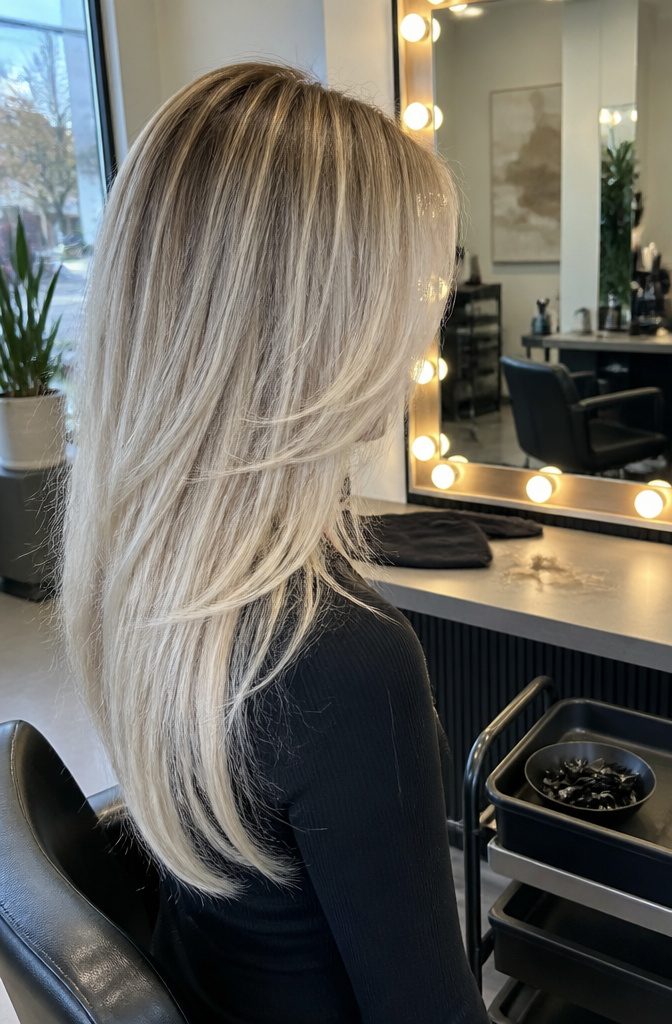
Face-framing layers do the heavy lifting here. They pull the eye down the sides of the face and elongate a round or short face shape.
A deep base under the highlights gives those layers something to show against, so the hair looks fuller and more textured than the same cut in one flat shade.
For platinum blonde with dark roots, this is the version I’d pick when the haircut matters as much as the color. Next to the Brightened Beige Smudge, this look puts the cut first and the color second.
Skip it if your face is already long or narrow. Layers that lengthen will only exaggerate that, and a blunter, fuller outline will flatter you more.
17. Sophisticated Silver Style
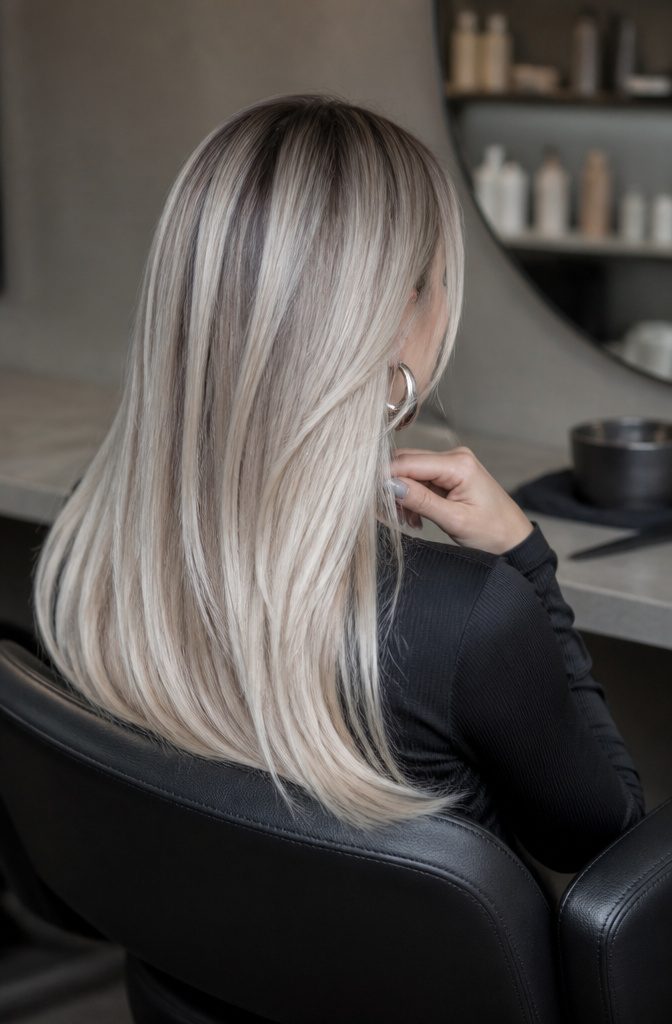
Silver and milky blondes are among the least forgiving shades in this roundup, because the color has to sit well against your skin. Look #15 works by mixing highlights over a taupe base.
The taupe gives the silver a softer, slightly muted contrast, so the finish doesn’t read as flat white. It also makes the move from dark root to light length look deliberate, which matters with any platinum blonde with dark roots.
I’d skip this one if your skin runs warm and golden, since cold silver tends to wash that complexion out. A quick jewelry test settles it: if gold flatters you more than silver, choose a warmer blonde instead.
18. Long Smokey Waves
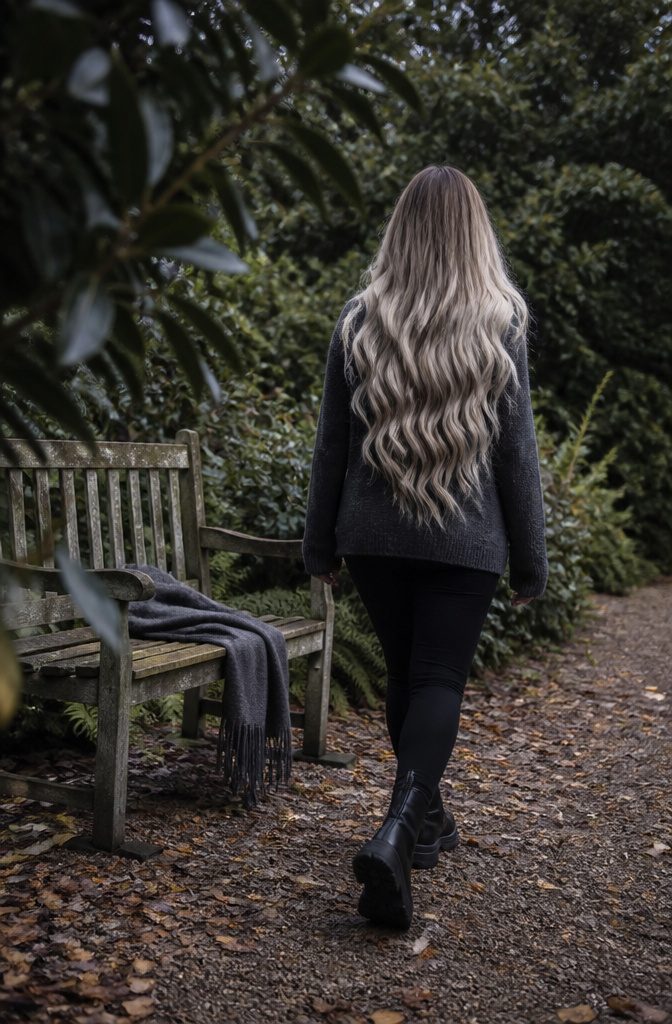
Look #16 pairs extra-long ashy strands with a brunette base, and the contrast does the work. The smoky blonde sits against the darker color, so the waves look layered instead of flat.
That adds texture and dimension, and the hair reads as shinier. Of all the platinum blonde with dark roots styles here, this one leans hardest on length, because the ash needs room to drift through the brunette.
I’d skip it if you won’t grow your hair out.
Extra-long is the priority, and a cut that stops at the shoulders loses most of the effect. If you aren’t willing to wait through the growing stage, one of the bob looks will serve you better.
19. White Marble Style
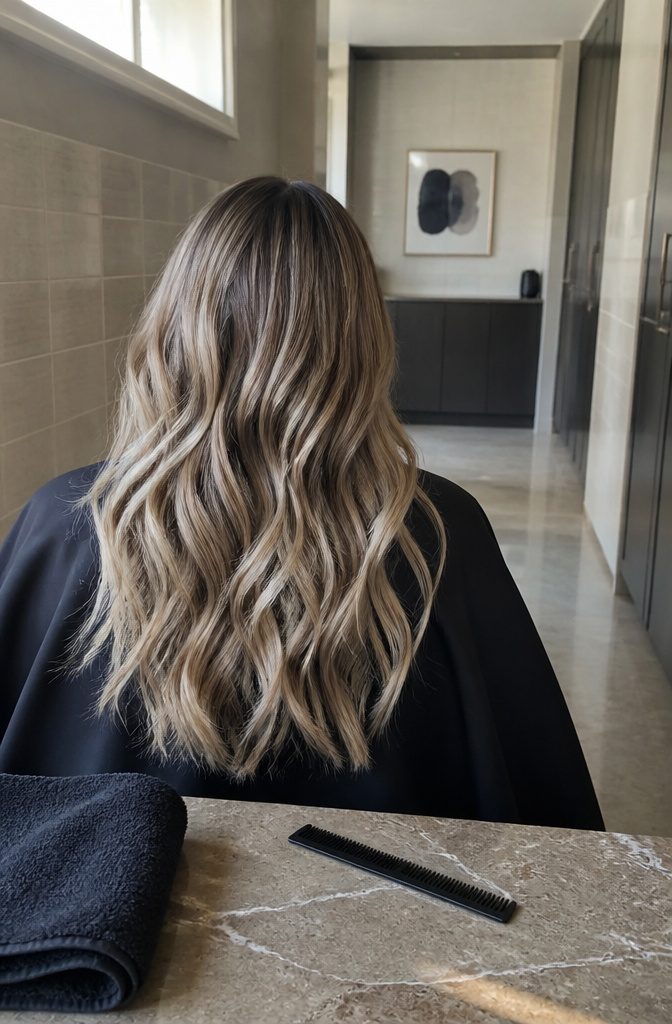
A dirty base is a root that sits muddy and neutral instead of clean, jet dark, so the jump to the lighter strands reads as a soft shadow rather than a line.
That is the appeal of this long, wavy, cool-tone bronde: the shades slide into each other, and the waves break up any spot where one color would otherwise stop and the next begin.
I’d pick it over a crisp shadow root if you want dark roots with very little drama. Skip it if you want stark contrast, or if icy platinum is the goal.
This is bronde, so the light pieces stay close to the base instead of going bright white, and a warm, golden finish works against the cool tone that defines the look.
20. Sandy Style for Black Women
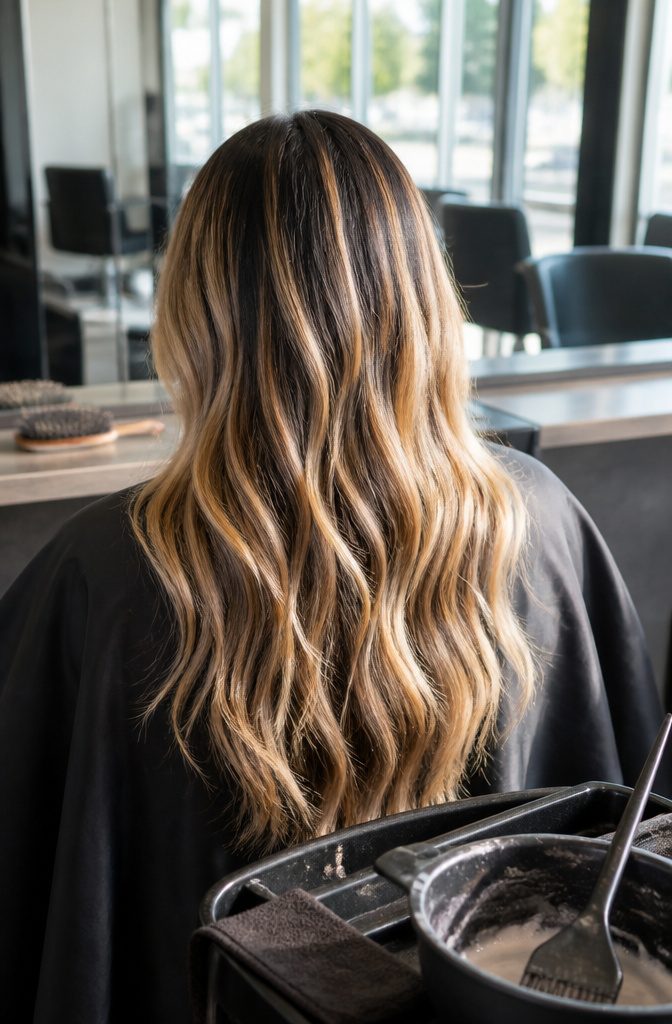
Sandy highlights warm up natural black hair without committing to full platinum. The tone reads more golden-caramel than icy, so if you came for stark white-blonde contrast, this is not the look.
The sandy shade sits softer against the black base than silver or ash would, which makes it easier to grow out but also means less drama at the root line.
Black women get the most lift from this pairing because the sandy tone catches light differently on darker hair. Balayage placement keeps the colour from looking blocky, and the grown-out effect reads intentional rather than neglected.
It refreshes the overall look without the upkeep that comes with cooler platinum shades, though you will still need regular toning to keep the sandy highlights from sliding too brassy.
21. Shadowed Chamomile Bob
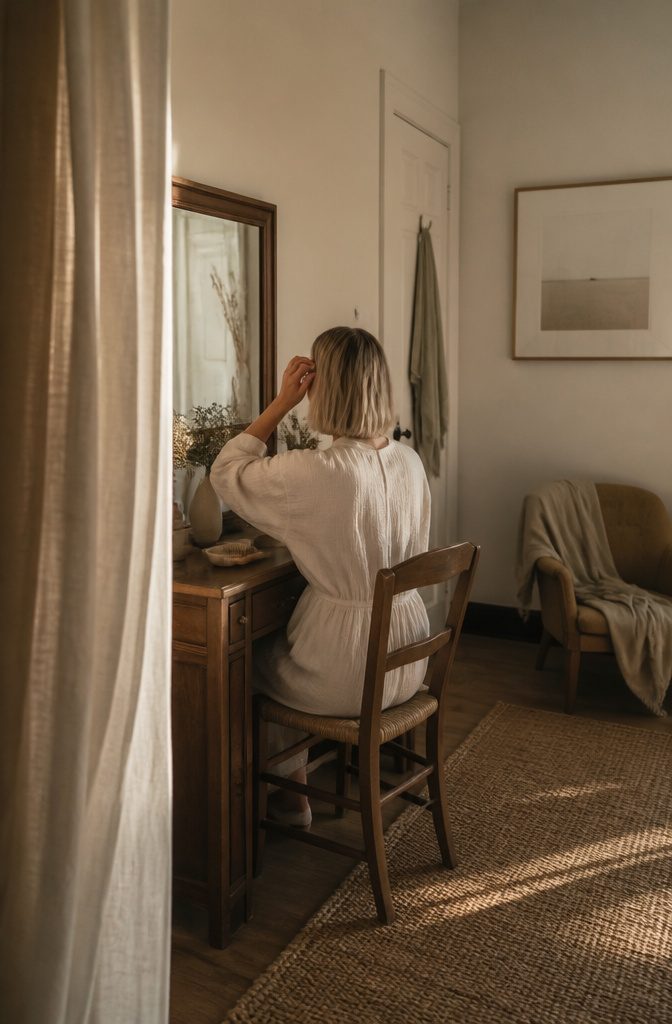
Shoulder length with choppy ends gives this bob its youthful, slightly girly feel, and the deeper roots do real work on top of the color.
They add volume at the crown of fine hair, and they make upkeep easier because regrowth melts into the shadow instead of showing as a stripe.
For fine hair, I’d call deeper roots under choppy ends a smart pairing, since you get lift without teasing.
Skip the choppy ends if you want a sleek, blunt line.
Bleached platinum can leave ends dry, and a textured cut shows every frayed tip. In that case I’d go with a one-length bob and keep the shadowed roots.
22. Face-Framing Style on Brown Base
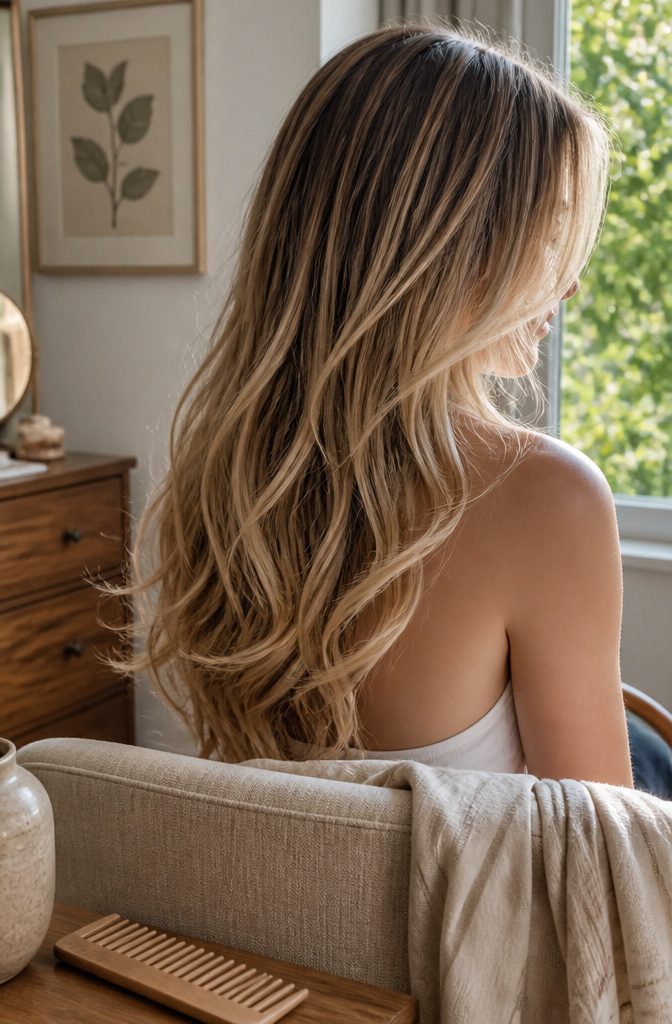
Light beige or caramel over a light brown base is the pairing to ask for if your skin runs warm.
Warm skin tones suit warm blondes, and either shade adds dimension and movement through the length without a hard line at the root.
Of the two, I’d pick caramel if you want the softest, most golden result, and beige if you want it a touch lighter.
Face-framing layers finish the look. They help elongate your face shape, so they earn their place if you want a longer line around the cheeks and jaw.
Skip this one if your skin is cool-toned.
A warm shade will fight your complexion, and an icier blonde will flatter you more. It’s also a gentle contrast, so anyone chasing a dramatic dark root should look elsewhere.
23. Bronde with Ribbon Highlights
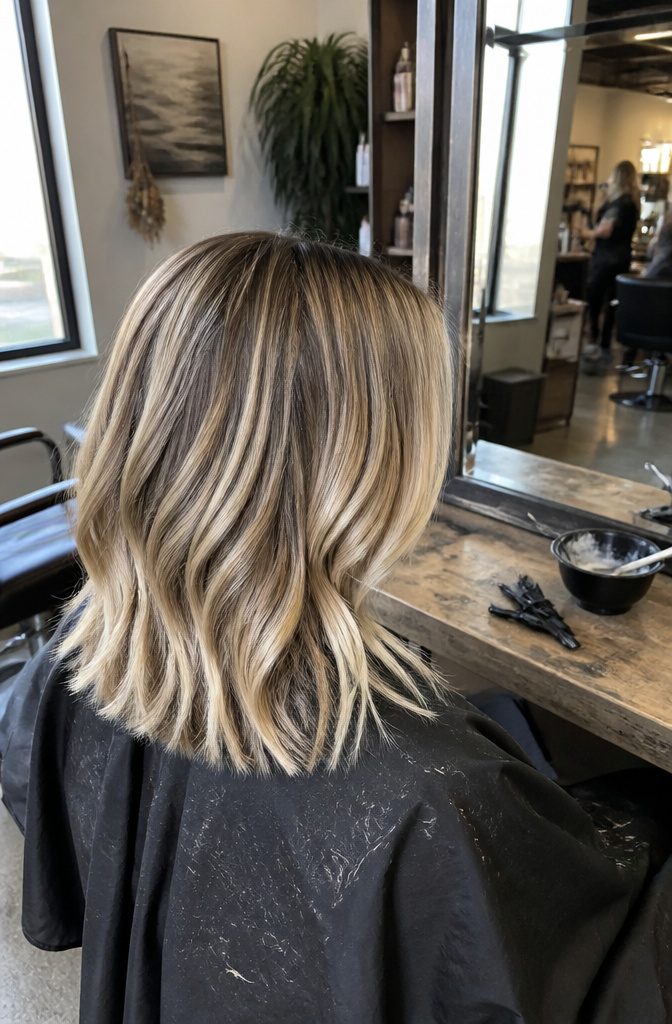
Look #22 is a medium-length bronde where ribbons of highlight run between deeper lowlights, so the color reads as layers instead of one flat blonde.
The root stays shadowed, which makes the grow-out look planned rather than like a gap. That’s why it’s one of the low-maintenance picks in this lineup: there’s no hard line to chase.
Lowlights do the work of depth.
Without them, ribbons just look like stripes; with them, the lighter pieces have shade to catch light against. Save the photo and ask your stylist for dimensional balayage with a root shadow.
Skip it if you want a bright, icy finish. The lowlights keep the tone soft and brown-leaning, so it won’t read as platinum.
24. Melted Toffee Color Fade
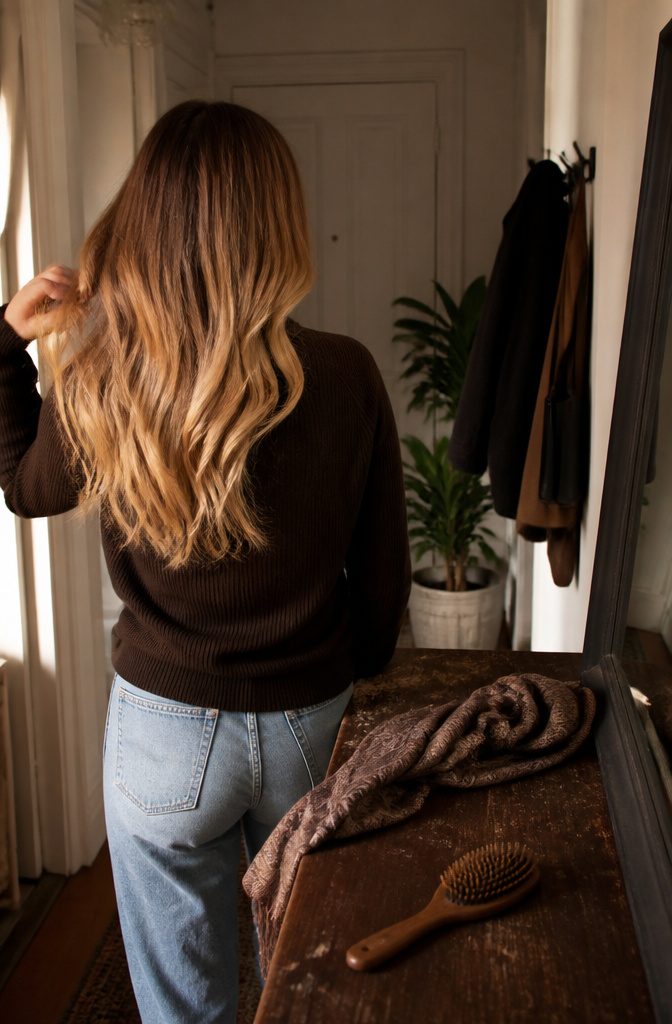
This look runs warm caramel and toffee tones through mid-lengths and ends, melting up from darker roots in a way that skips the usual platinum entirely.
The fade reads golden rather than ashy, and longer front pieces drop past the chin to frame and visually lengthen the face.
If you wanted cool silver or icy white, this is the wrong direction. The color lives in honey and butter territory, and the front length gives you something to tuck, sweep or leave loose depending on the day.
It grows out forgivingly because the root is already dark, but keeping the caramel bright means regular toning to stop it sliding toward brassy orange.
25. Bright Dishwater Fade
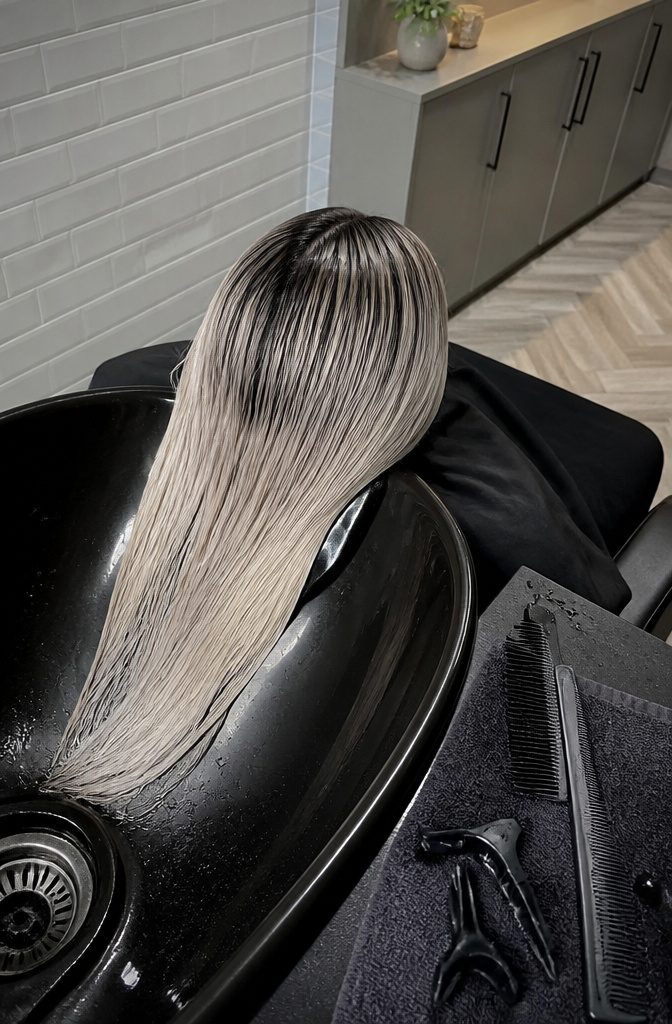
Look #24 starts the lightener lower than a standard balayage, so a longer stretch of your natural color stays dark below the part. That wider dark section is where the added depth and volume come from.
It also means regrowth barely shows, which keeps salon visits to a minimum. The shade sits well on wavy or straight hair, so you can style it either way.
I’d skip it if you want platinum blonde with dark roots that reads bright right up near the face.
Starting lower pushes the lightest pieces away from your skin, and the dark band is noticeably wider. If a broad band of natural color bothers you, ask for a shallower blend instead.
26. Peach Bronde Style
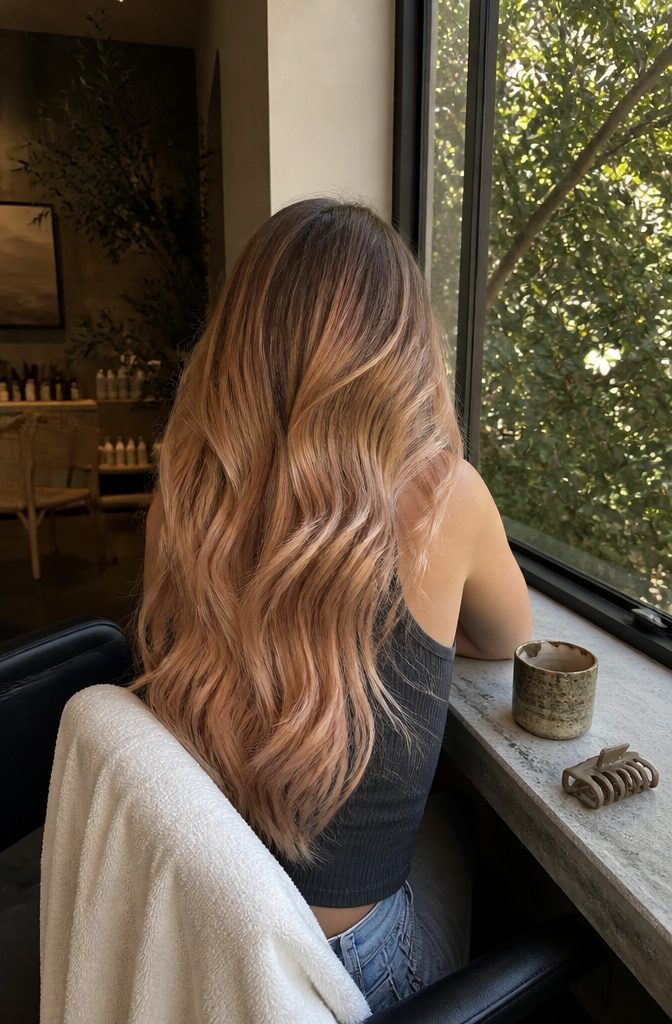
Look 25 is a blended balayage built from several shades: a darker root, a soft brown-gold through the midlengths, and a peach glow that warms toward the ends.
The peach sits inside the bronde rather than on top of it, so the color reads as rosy gold instead of a flat pink.
Each tone melts into the next, so there’s no hard line at the root, and regrowth looks intentional for a long time.
I’d skip this one if you want a single clean shade from root to tip.
The blend is made of several tones on purpose, and the peach shifts between sun and shade. For one even, icy color, a solid platinum with a shadowed root is the better ask.
27. Toasted Coconut Waves
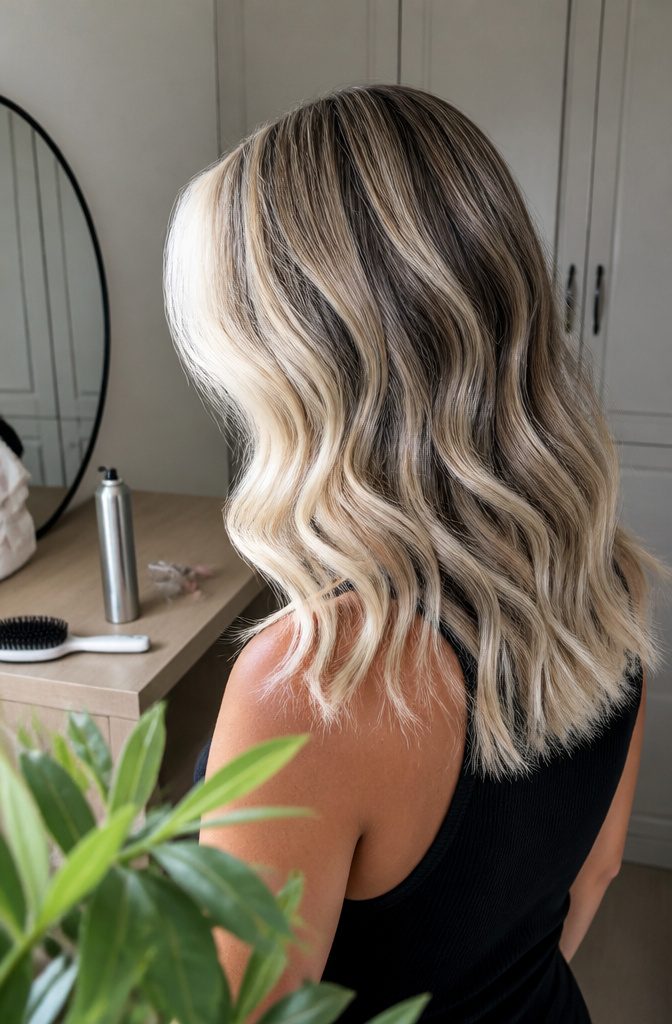
Bright highlights and money pieces (those face-framing ribbons of ultra-light color starting right at the hairline) give flat, lifeless hair instant dimension and texture.
The contrast between the toasted-coconut base and the icy framing pieces catches light every time you move, so even second-day waves look deliberate instead of dull.
Money pieces also pull attention right to your cheekbones and eyes, which is why they work so well on shoulder-length and longer cuts where the rest of the color can fade into the background.
Skip this look if your hair is naturally very fine or thin on top.
The stark contrast between dark roots and platinum framing can make sparse areas more visible, especially under overhead lighting. Better to stick with an all-over balayage or a shadow root that melts more gradually.
28. Long Hair with Contouring
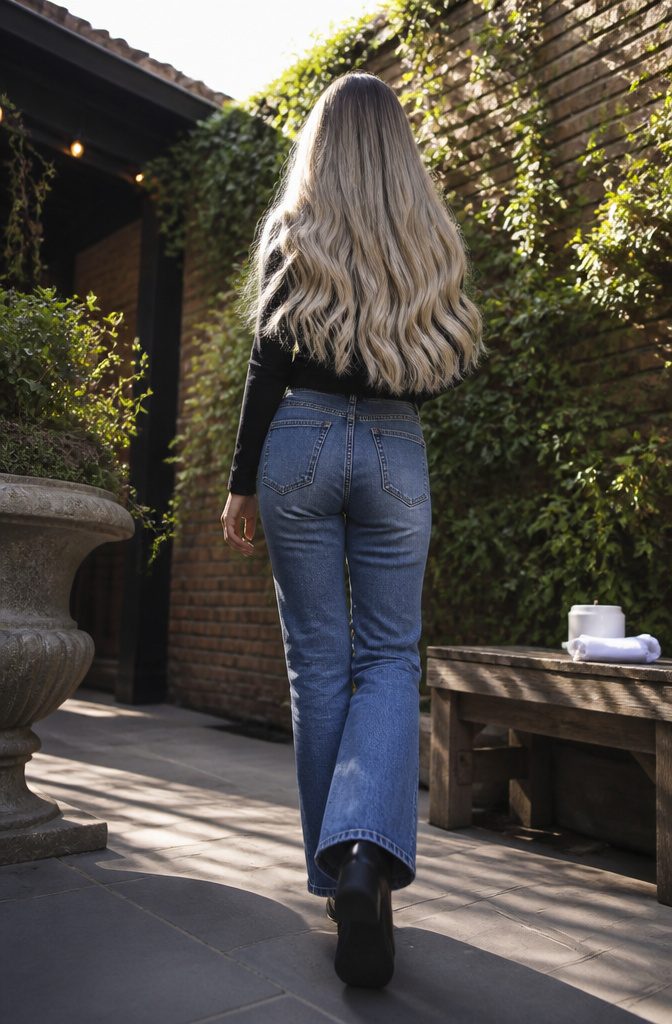
Balayage and shadow root on long hair give you the blended lift without a hard line at the scalp, and if you’ve seen length that looks platinum but still healthy instead of straw, this is usually the technique behind it.
The hand-painted sweeps mean colour sits where light would naturally hit, so regrowth reads as dimension rather than neglect.
I think this wins for anyone who wants the cool drama of platinum but can’t (or won’t) sit for root touch-ups every four weeks.
The bleach load is real, though, so a quality conditioner matters more here than it does on darker blondes.
Moisturize and protect the lengths between salon visits, or the ends will snap before you get the chance to show the colour off.
Skip this if your hair is already compromised or if you’re not prepared to add a weekly mask to the routine.
29. Blooming Bronde Style
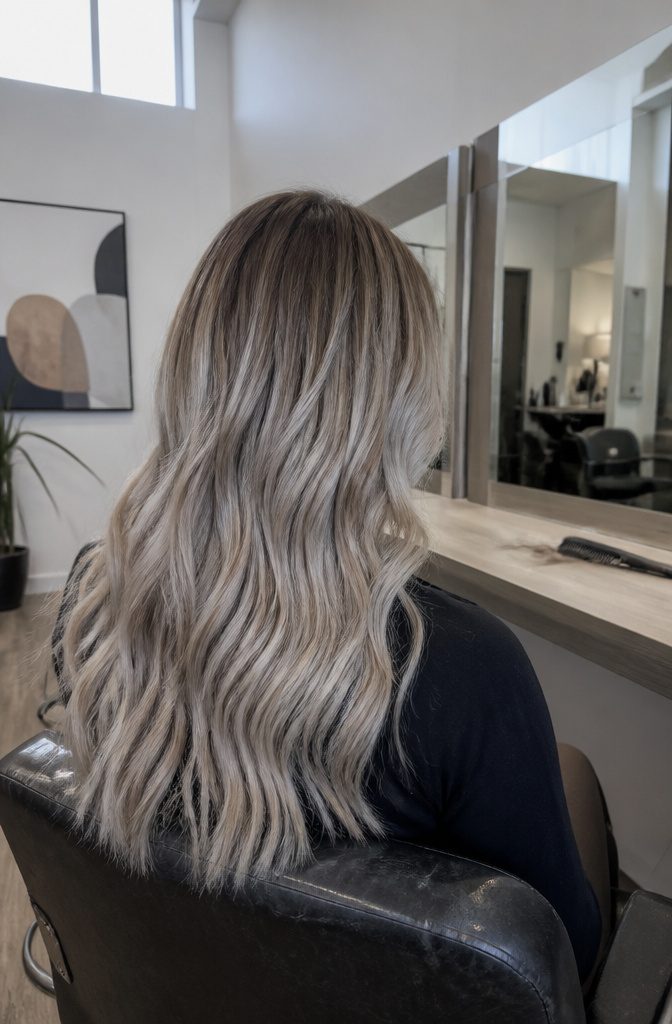
Ash blonde over brown base gives you contrast without the shock of platinum, and it reads soft even when freshly done.
The tone cools down warm brown without erasing it, so the effect stays dimensional rather than flat. Soft waves layer on texture, which helps if your hair sits thin or fine and needs visual weight.
This look lands somewhere between bronde and silver, leaning grey rather than beige.
If you want crisp white-blonde contrast or a clear root line, skip it. Diffusion is the priority, not definition, and the ash tone works because it complements brown rather than fighting it.
30. Honey Curls for Brunettes
Honey Curls for Brunettes
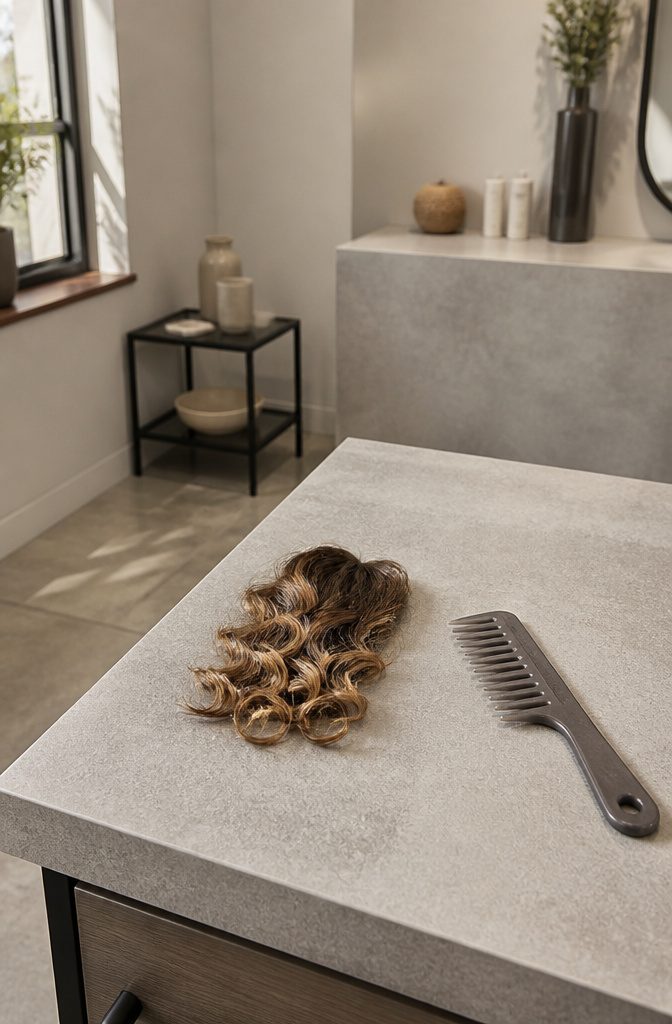
Honey curls blended into a brown base using the smudge technique sit far warmer than platinum, but the combination makes sense for brunettes who want lift without stripping everything out.
The smudge softens the transition where honey meets brown, and the warm tone reads as sun rather than bleach.
Skip this one if you came here looking for platinum.
The honey is golden, not cool, and the brown base keeps the overall effect firmly in the warm family. If silver or ash is what you had in mind, this won’t deliver.
Root Blending and Toner Basics
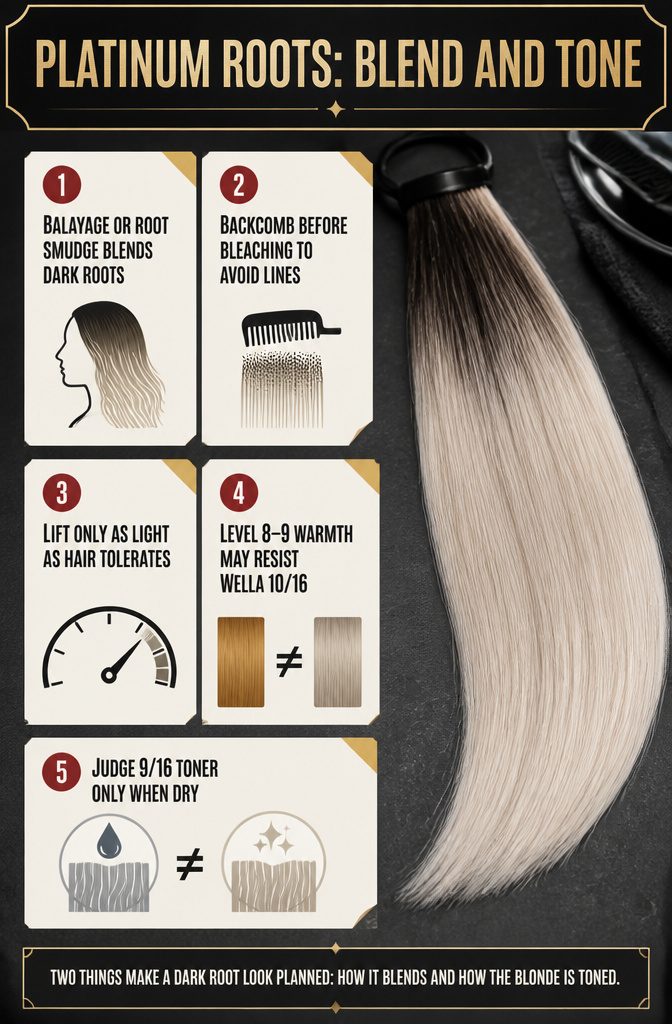
Two things make a dark root look planned: how it blends and how the blonde is toned.
- Balayage or root smudge melts natural brown or black into the bleached strands, so the root reads as a choice and the color stays easy to manage.
- If the ends need to be fully blonde, skip weaving. I’d backcomb each section before bleaching to stop a line from forming.
- Lift only as light as the hair can take. Platinum is a process, not a one-appointment result.
- On a 6/7/8 base, sections still at level 8 or 9 can hold warmth that a Wella 10/16 toner won’t cancel. Color Touch 10/6 is kinder if condition matters.
- One stylist thread landed on 9/16. It can look alarming wet, so judge the toner only once the hair is dry.
Frequently Asked Questions
How do you wear rooted blonde hair?
Ask your colorist for balayage or a root smudge, both of which blend your natural brown or black roots into bleached lengths.
The transition stays soft, so regrowth looks planned instead of overdue. A smudge typically sits 1–2 inches from the scalp, which lets you stretch the time between appointments.
What are good hair color ideas for dark roots?
For platinum blonde with dark roots, the platinum bob over a black base gives the sharpest contrast, and the dimensional bob is the easiest version to ask for.
Sombre and the beige smudge looks blend more softly if you want less of a line. If you prefer warmth over ice, vanilla balayage, bronde with ribbon highlights and the toffee fade keep the color golden.
How do you go from yellow to platinum blonde?
Lift the hair as light as it can safely go, then tone out the yellow. It takes more than one appointment, and a colorist will stop short of the lightest level if it risks damage.
If sections are still at level 8 or 9, a 10/16 toner may not cancel the warmth, so a slightly deeper toner can be needed. Color Touch 10/6 is a gentler choice when hair condition is the concern.
What happens if you put blonde dye over brown hair?
The brown has to be lifted before blonde can show, and the lighter you go, the more strain the hair takes. From black or deep brown, that lift can leave strands too fragile to hold a curl.
Leftover warmth then needs toning, and a pale result won’t happen in one sitting. Leaving brown at the root, as in the looks above, means you skip the lifting there.