The ideas range from babylights so fine they blend into the base to one wide color block panel at the face, and where you land depends on how much contrast you want to see against your brown.
Soft, close-to-base blends grow out gently, while bold pieces are meant to be noticed. Settle that first, then pick a tone from the list below: ash, champagne, golden, caramel, honey or mushroom bronde.
1. Babylights on Brown
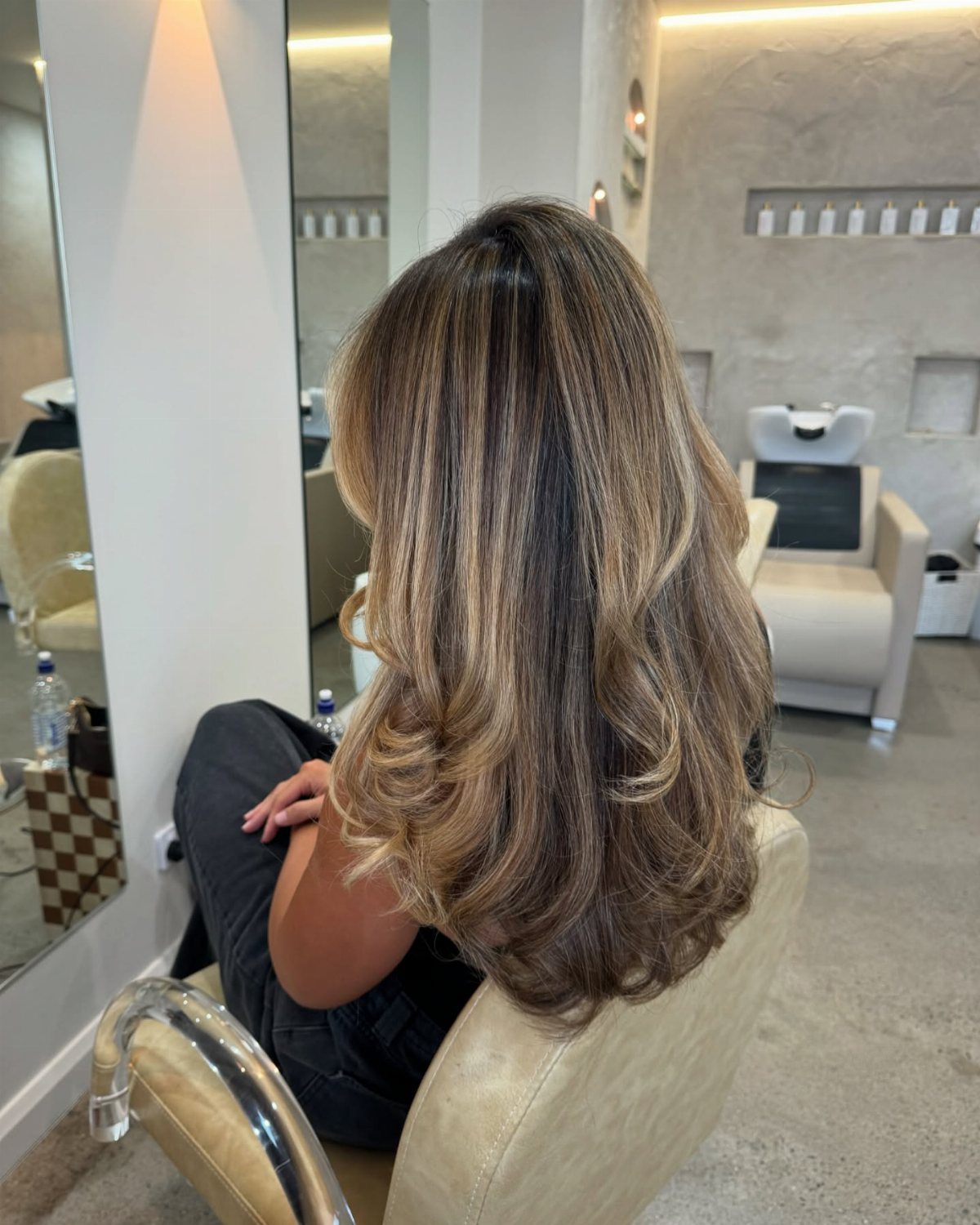
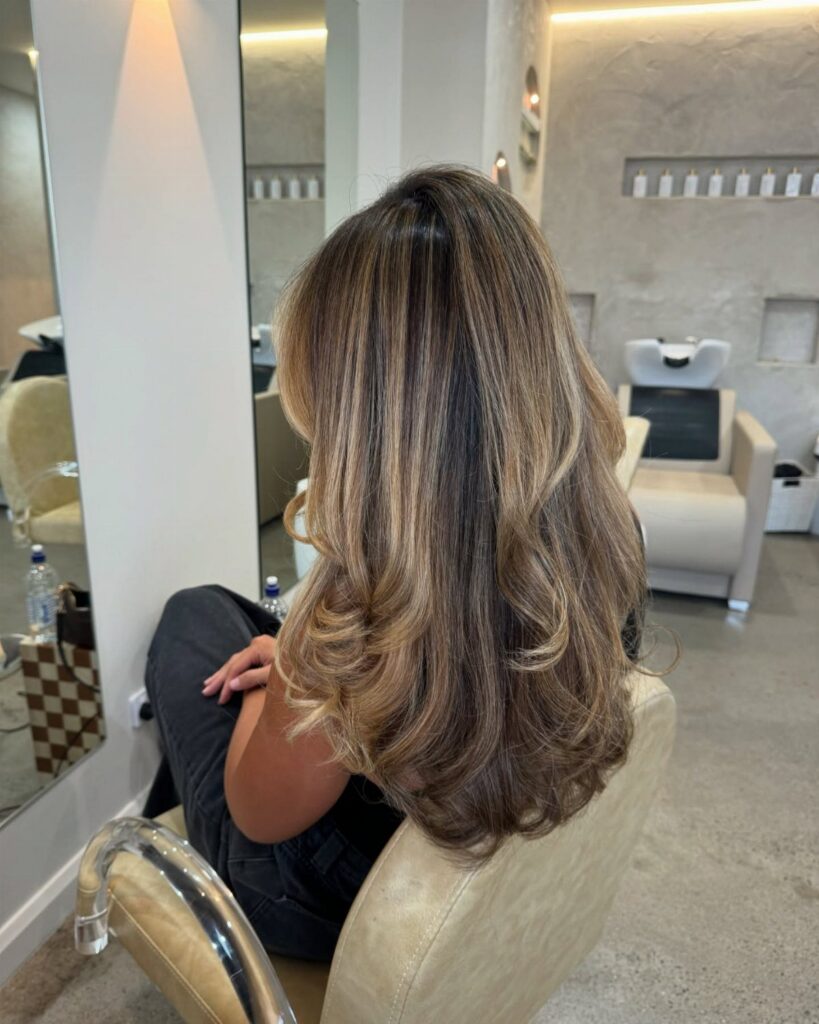
Fine, hair-thin slices of blonde woven through brown give a shimmer that moves with the light instead of reading as stripes. That makes babylights the gentlest way into blonde if you’re nervous about commitment.
Ask your stylist for the finest sections they’re willing to take. Because the pieces are so delicate, they blend into the base, and I’d choose this over bolder highlights for wavy hair, where the texture already adds dimension.
2. High Contrast Balayage
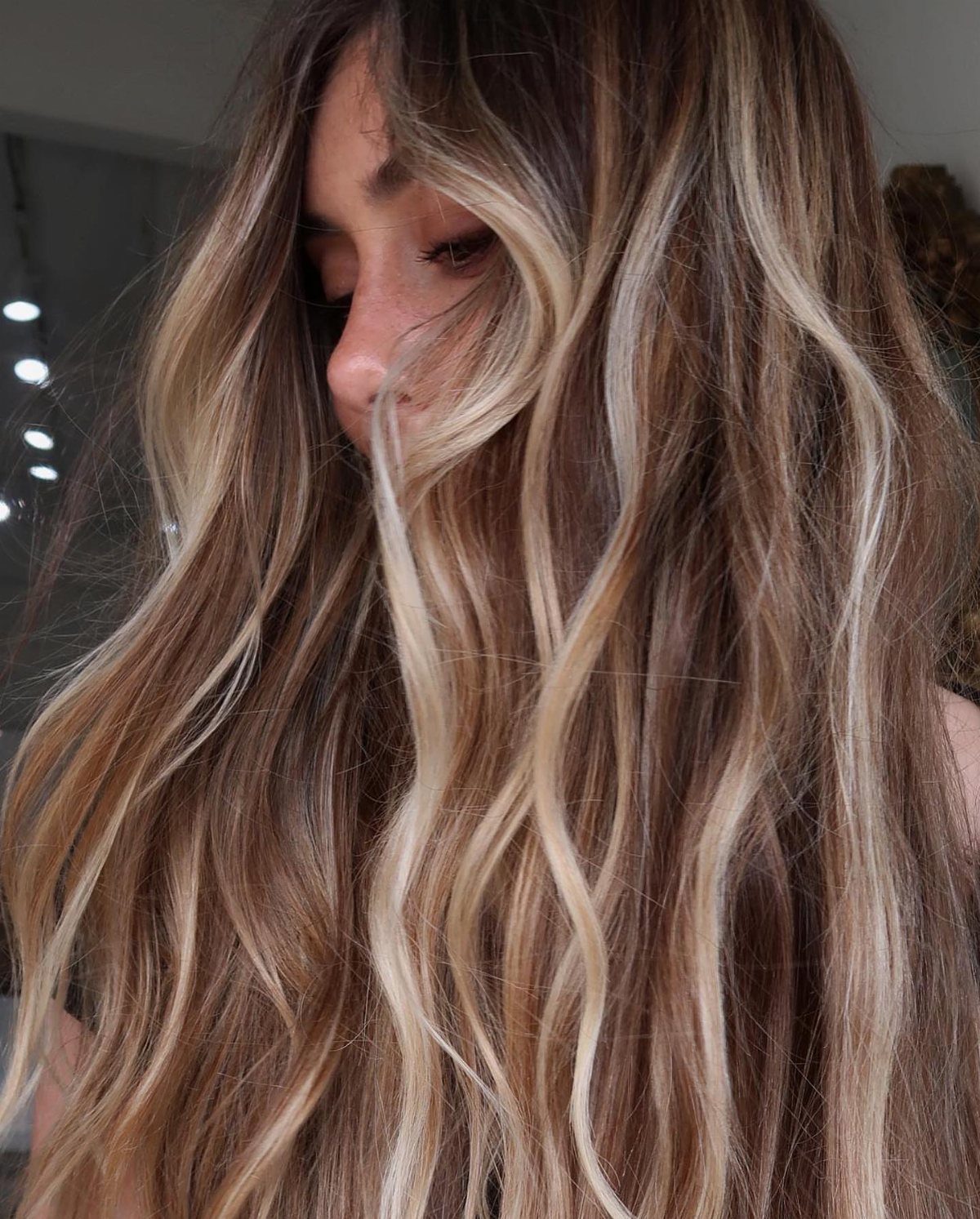
Dark roots that climb into near-platinum ends are the whole drama here, and the gap between the 2 is what makes it work. Wavy texture helps, because the curls throw the light and dark against each other.
Bring a photo to your stylist and say "high contrast" along with "near-platinum," since a soft blend is the default for most balayage requests.
The brightest strands near the face are the part I’d keep if you want the look in a smaller dose.
3. Face-framing Highlights
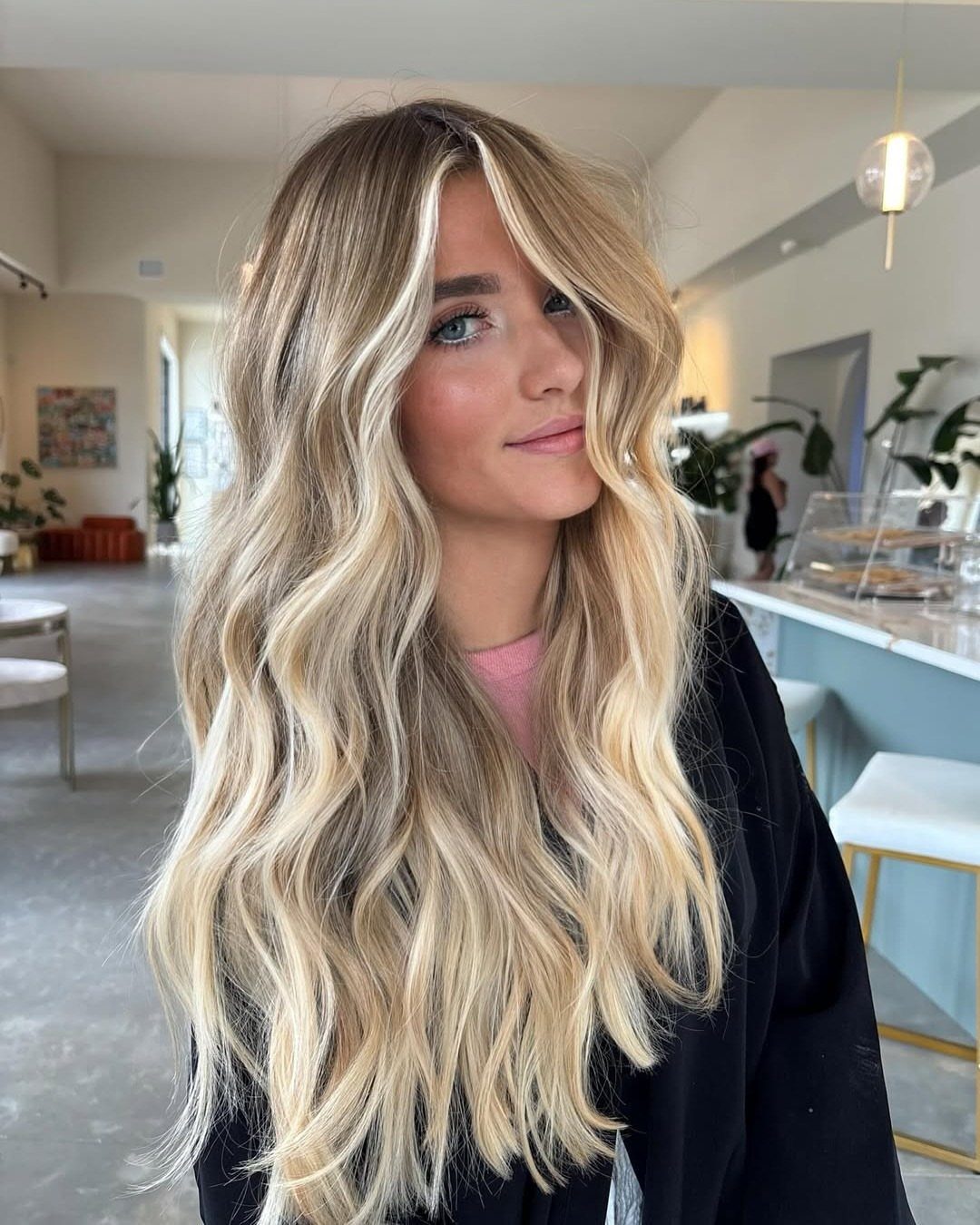
A few lighter pieces right at the front do more for a brown base than most full-head color. Placed around the face, they catch the light where people look first.
Ask for sandy tones if you want the effect to look natural against brown. I like this as a first step into blonde: the rest of your hair stays untouched, and the brightness sits exactly where you want attention.
4. Ash Blonde Highlights
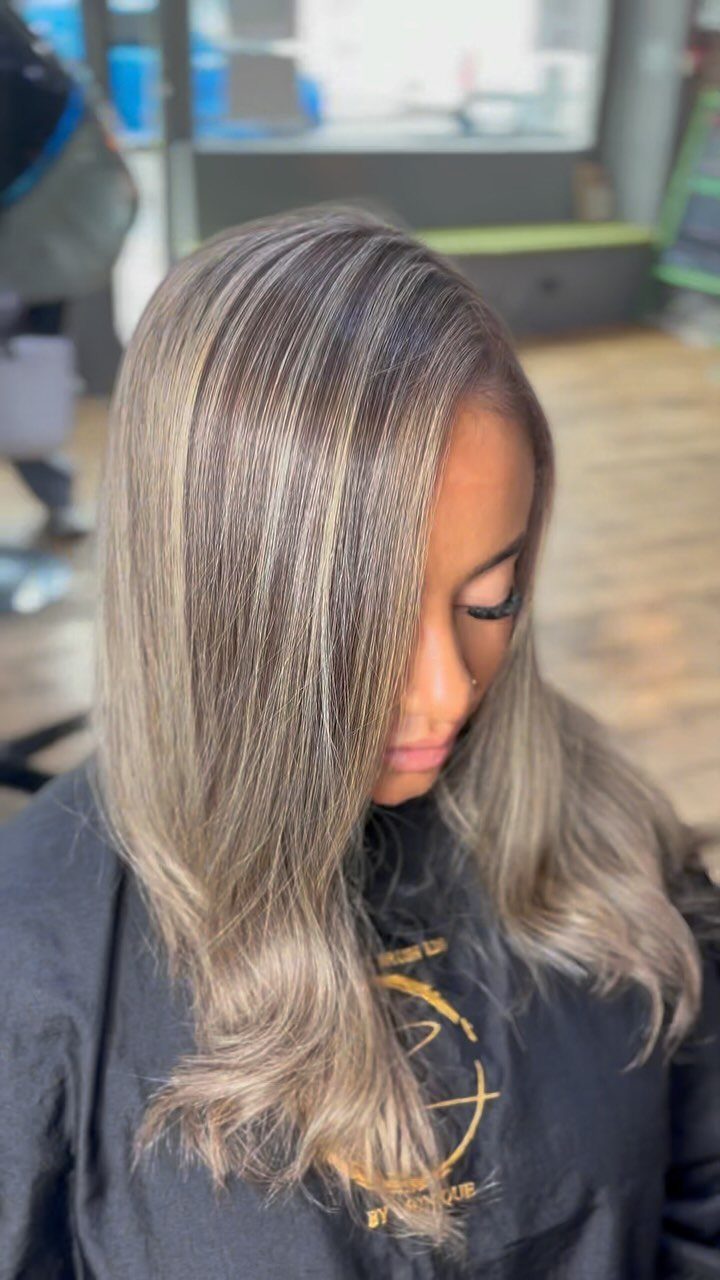
Cool, ashy blonde against brown reads crisp and a little smoky, with none of the golden warmth most people expect from highlights. Name the tone directly when you book: "ash blonde," not just "blonde."
Brown hair has to be lifted before it can hold a cool shade, and that’s the step where it can drift warm. Expect to talk toner with your stylist, since that is what keeps the ash looking ash.
5. Ash Blonde Balayage
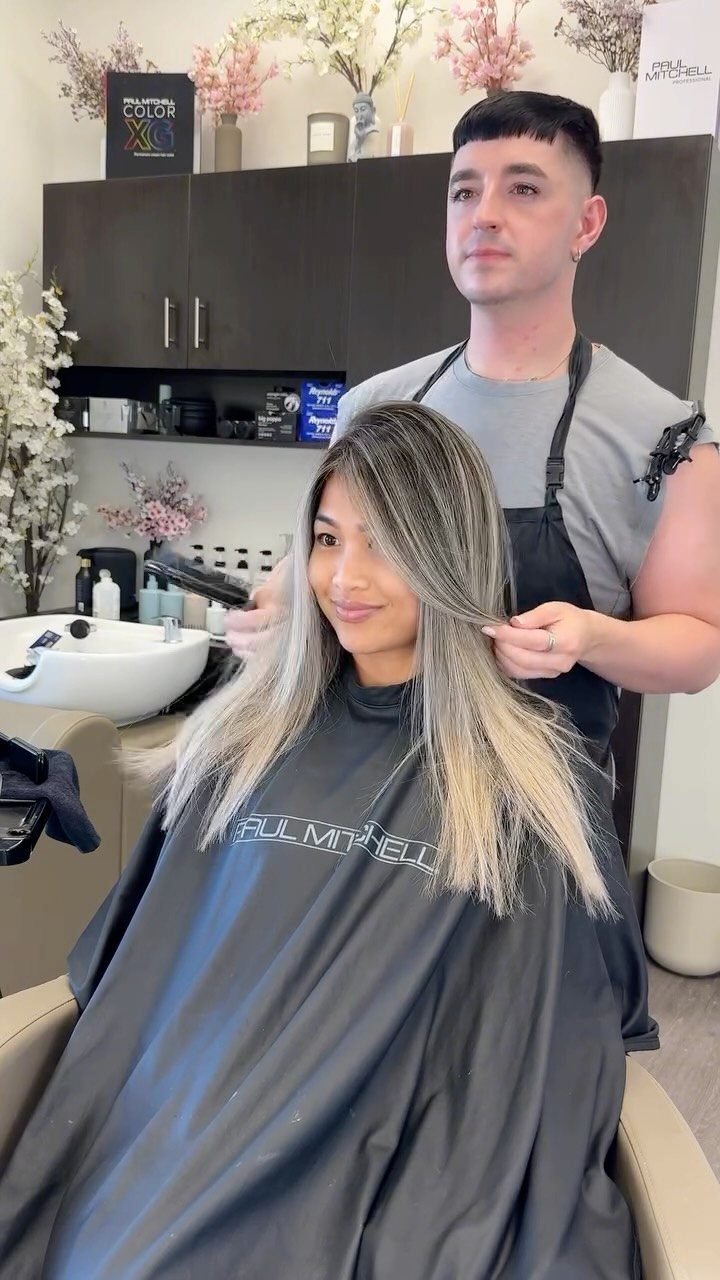
Icy, frosty blonde painted over brown roots gives balayage a cool finish that feels sharper than the usual sun-kissed version. The brown at the top keeps it from looking flat.
Use the words "frosty" or "icy" when you ask, and bring a reference photo so your stylist knows how cool you mean.
I’d pick this over warm balayage if you like a modern, polished look, though cool shades are the ones that tend to need the most toning to hold.
6. Blonde Sombre
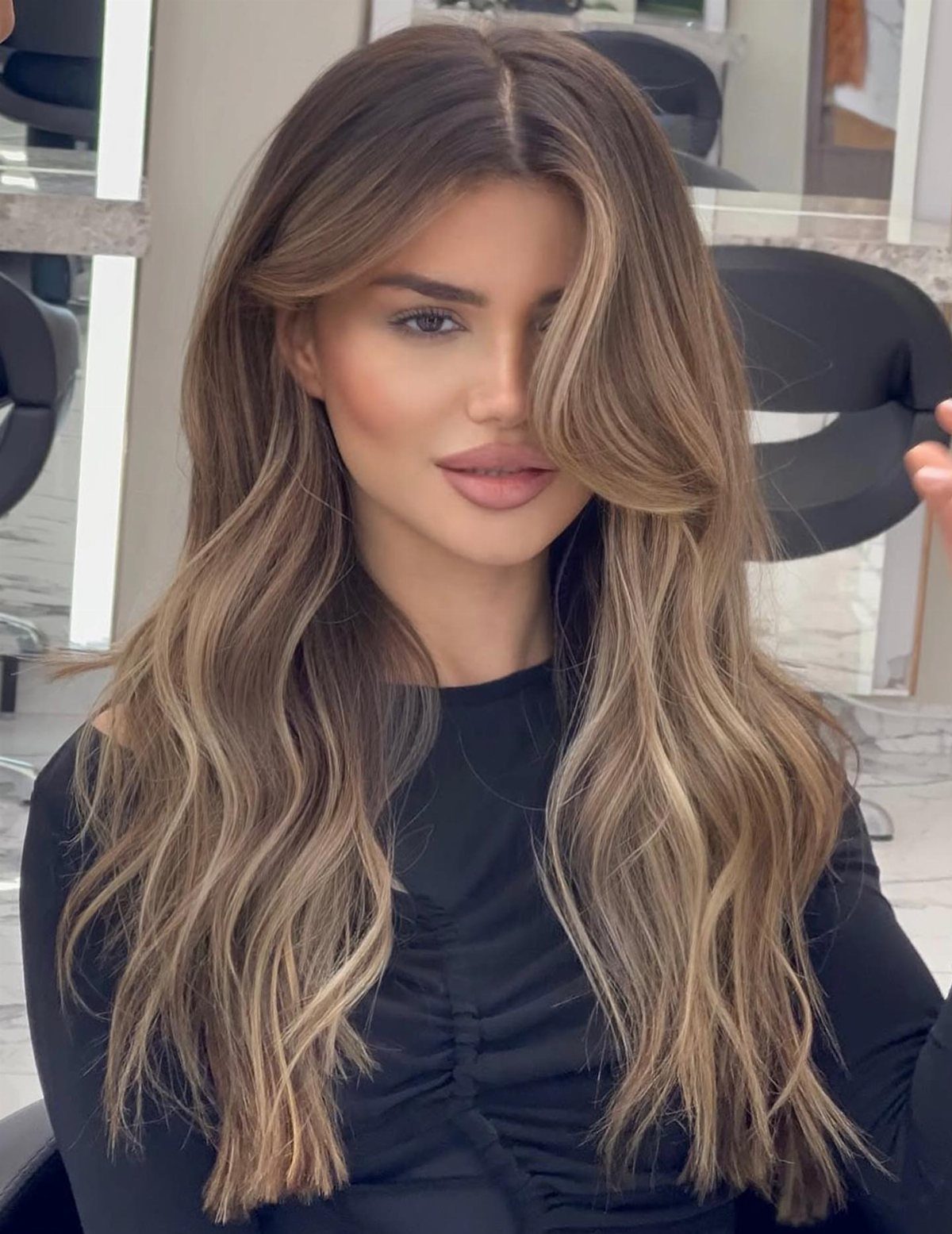
A sombre is ombré’s softer cousin, and this version pulls its caramel-blonde melt toward the front instead of spreading it evenly. The result is a glow around the face on long brown hair.
Ask for a soft transition with caramel-blonde color concentrated up front. Because the blend is gentle, I find it easier to live with than a hard ombré line, and it leaves the back of your hair mostly brown.
7. Brown to Ash Blonde
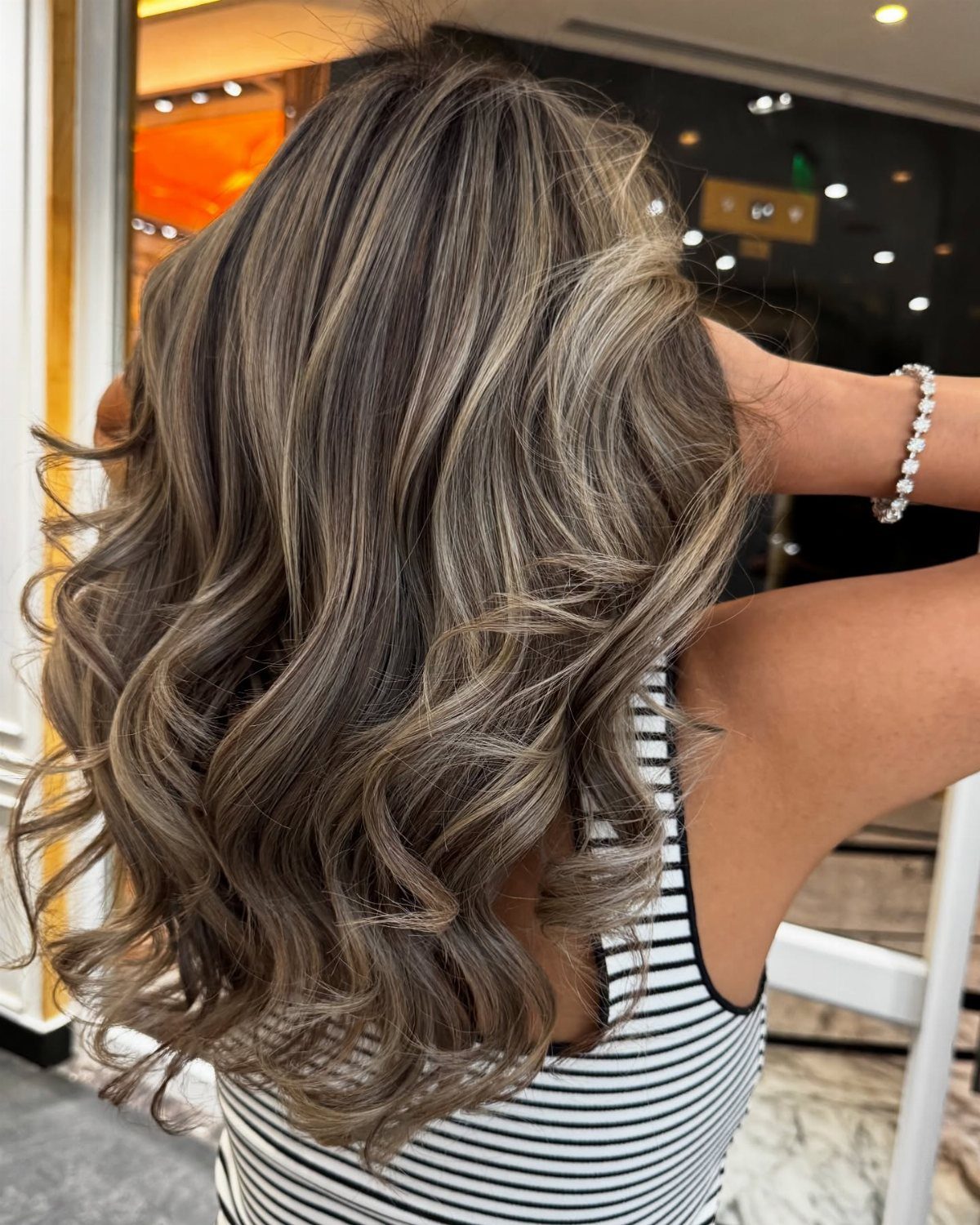
Cool ash tones laid over wavy brown hair give it a smoky, slightly silvery finish that reads quite different from golden highlights. Wave helps here, since the bends in the hair show off the light and dark ribbons.
Book it as "ash blonde" and bring a reference photo, since the same name can mean anything from a soft mushroom beige to a steely gray-silver.
I’d pick this over a warm blonde if you like a muted, modern color, though it asks for more toner talk than most shades.
8. Brown and Blonde Ombré
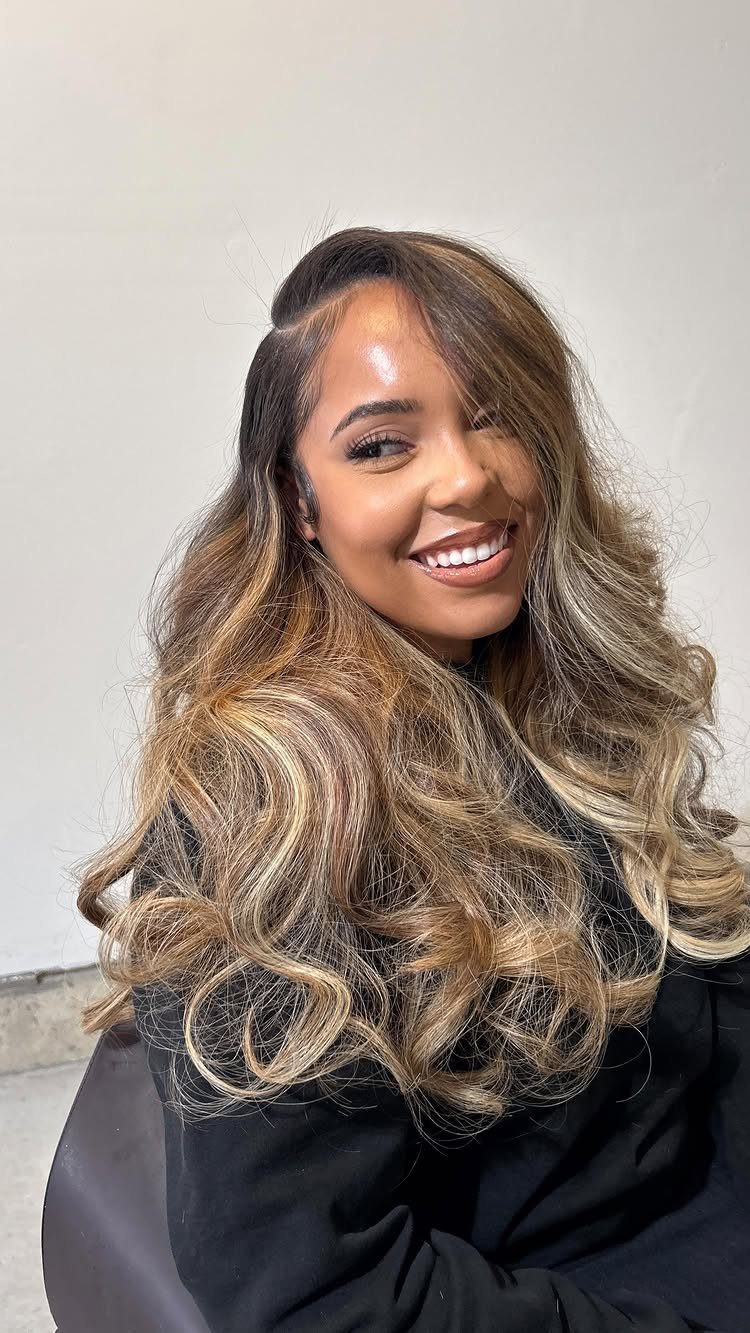
Long hair gets the most from ombré, because the length gives the color room to travel from brown roots to blonde ends. The shift is gradual, so there’s no line where one shade stops and the next starts.
Ask for the roots to stay your natural-looking brown and for the lightening to build toward the ends.
For anyone who wants blonde without a visible regrowth line, I think this is the easiest version to wear, and it works well with loose waves.
9. Caramel Highlights
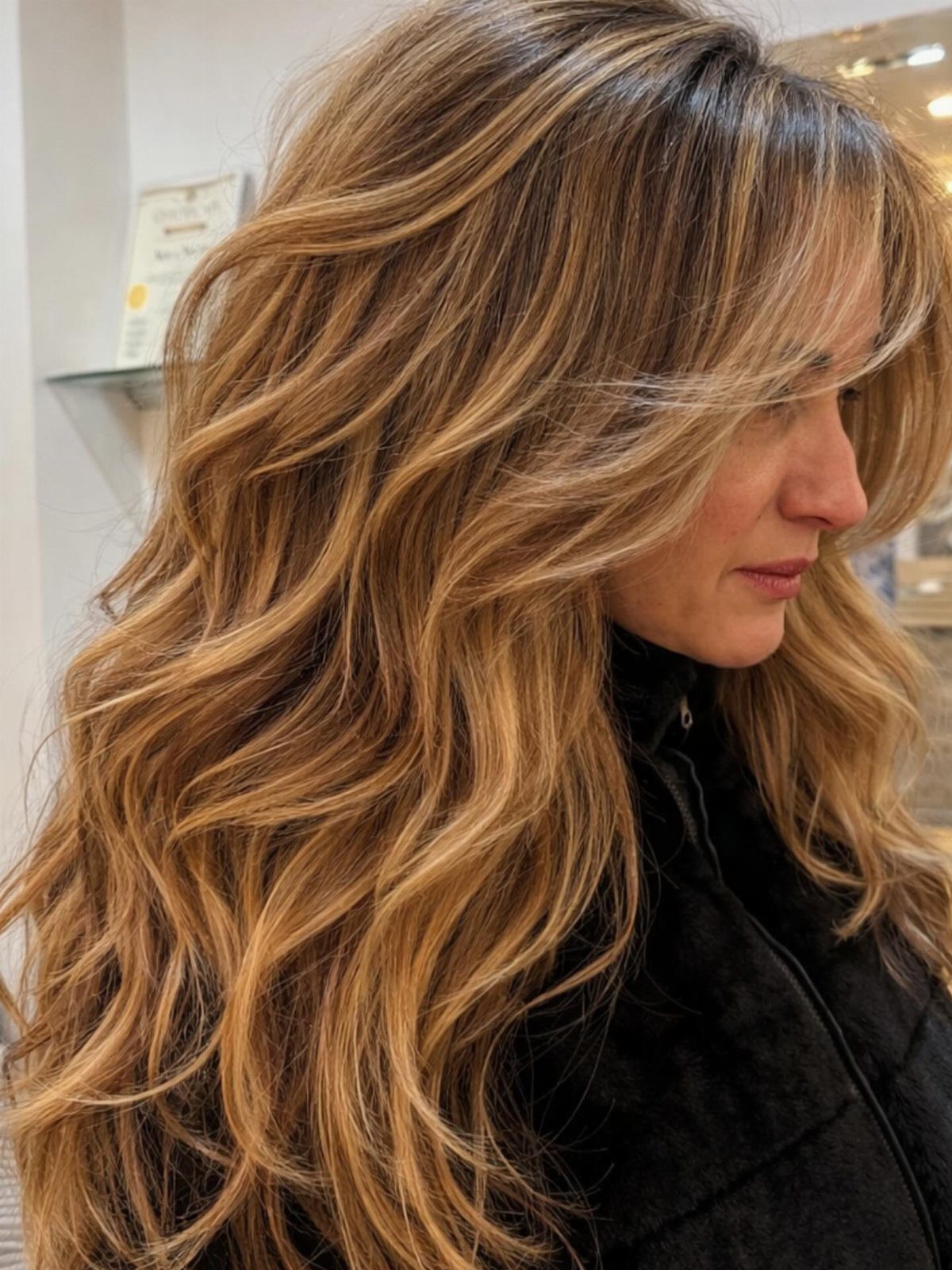
Warm caramel threaded through brown adds brightness without pushing you all the way to blonde. It sits in the middle: lighter than your base, still rich enough to look like your own color on a good day.
Ask for "caramel" by name, since "blonde" could land you somewhere cooler or paler. Loose waves scatter caramel highlights across the whole head, so you get warmth and dimension in one step, and that is the version I’d pick.
10. Bronde Color Melt
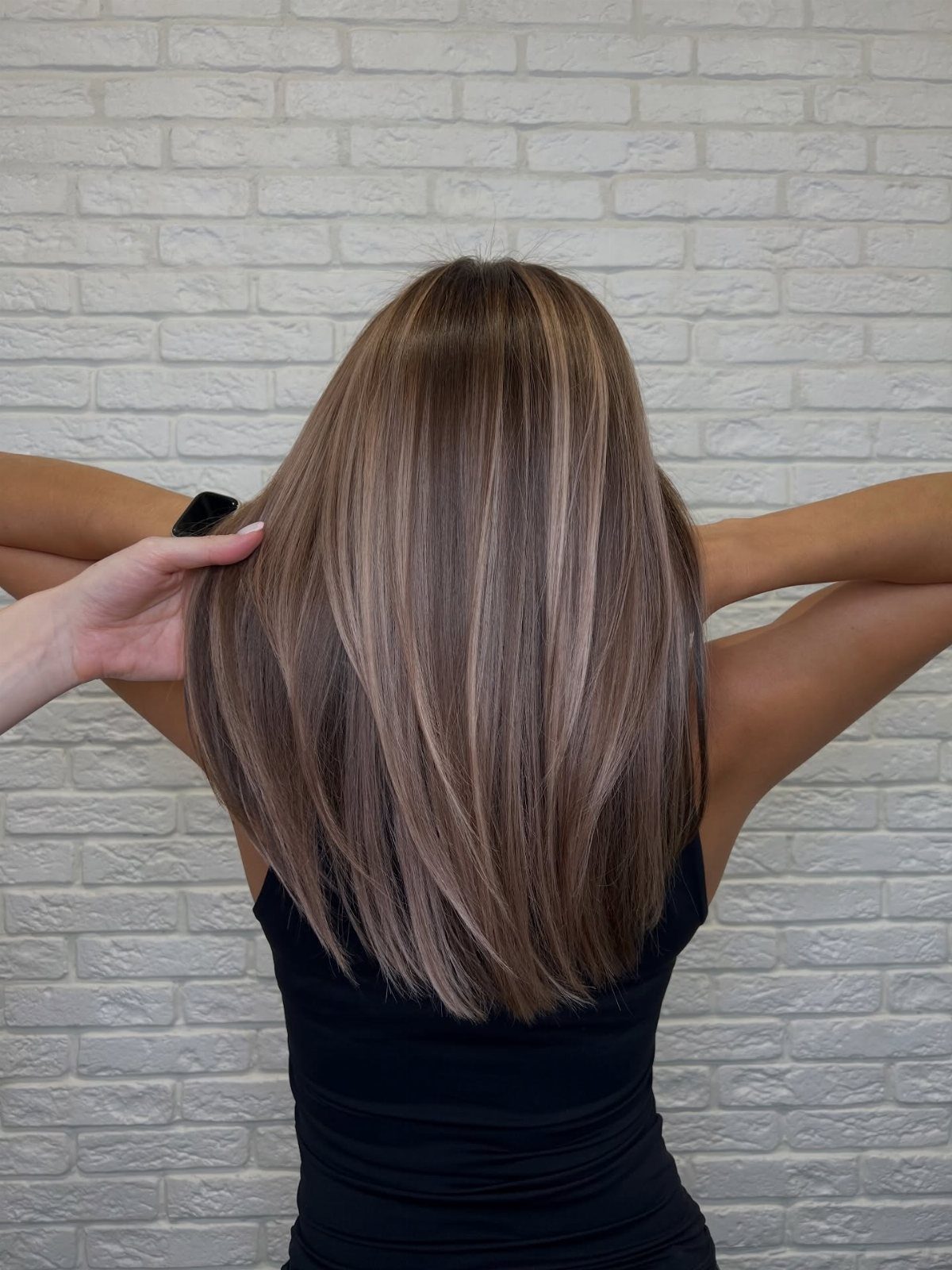
Bronde is the shade between brown and blonde, and a color melt blends the two so smoothly that you can’t point to where one ends. Long, straight hair shows that blend off best, because nothing breaks up the gradient.
Use the word "melt" with your stylist and bring a photo, since "bronde" can mean anything from light brown to dark blonde.
I like it for people who want a change that looks like a better version of their own hair.
11. Honey Blonde Balayage
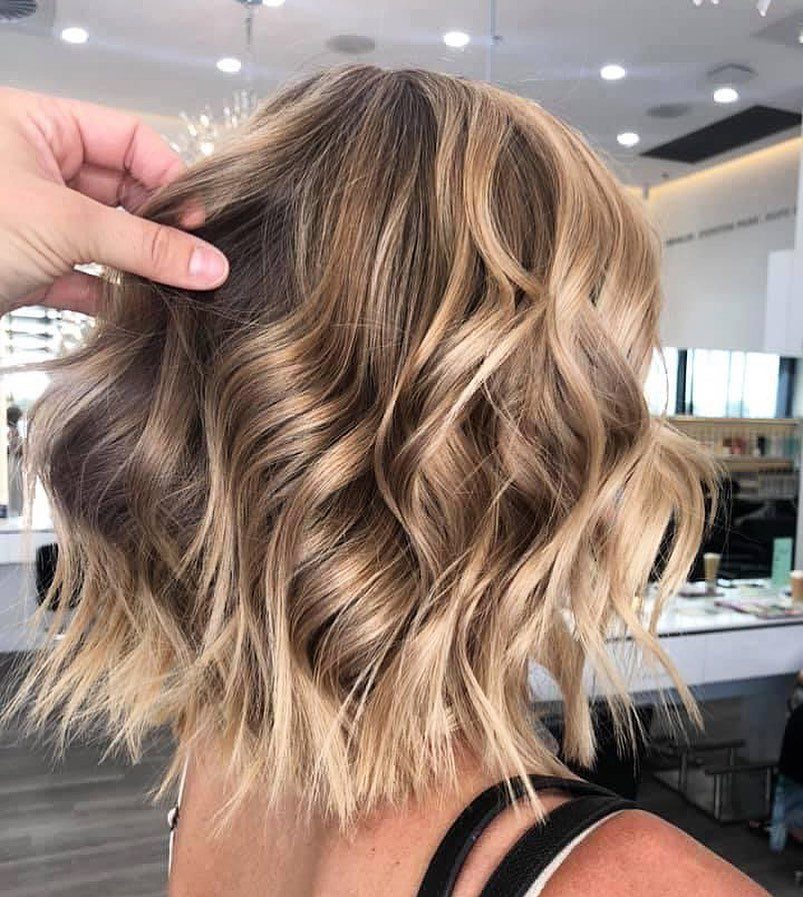
Honey blonde balayage on a deep brown base gives you a golden glow that’s hard to miss.
Strong contrast between the 2 is what makes the honey look so bright, and a shoulder-length cut keeps the color close to the face.
Ask for hand-painted, blended pieces in a honey tone rather than a flat all-over shade. I’d choose this over cooler balayage if your skin leans warm, since gold tends to flatter that undertone.
12. Chunky Blonde Highlights
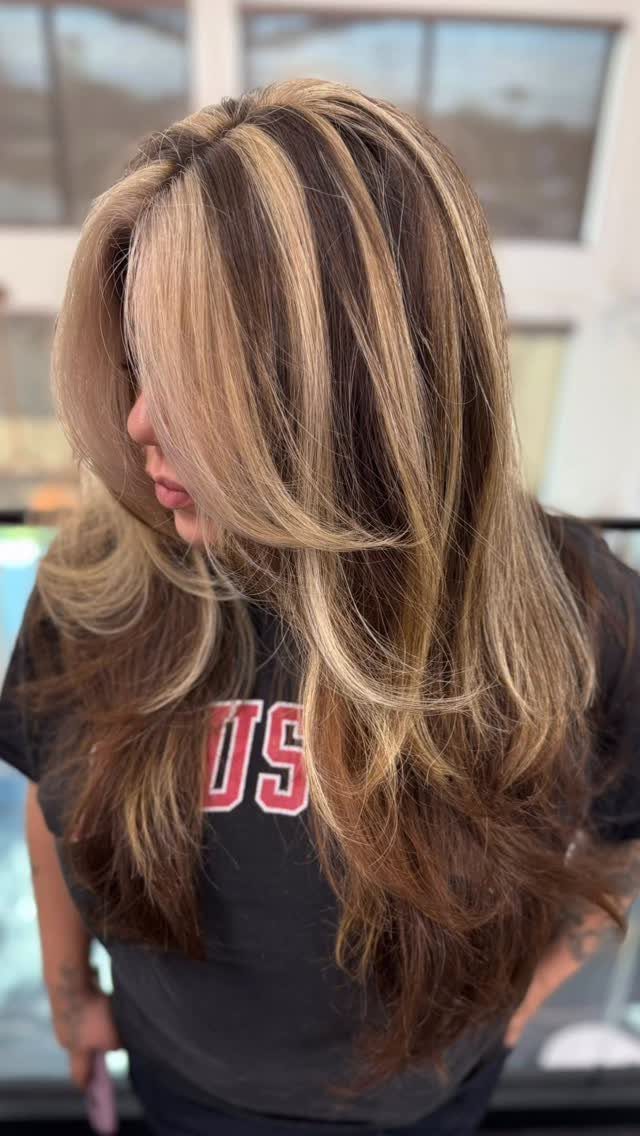
Broad, bold blonde sections on brown hair read as a statement: you see the stripes on purpose, and the contrast is the point. Layered curls break them up so they look dimensional rather than flat.
If you want this effect, ask for "chunky" and "thick," because stylists default to finer, softer placement.
Concentrating the widest pieces around the face gives the most impact. This is the loudest look in the list, so I’d skip it if you want something subtle.
13. Melted Mocha
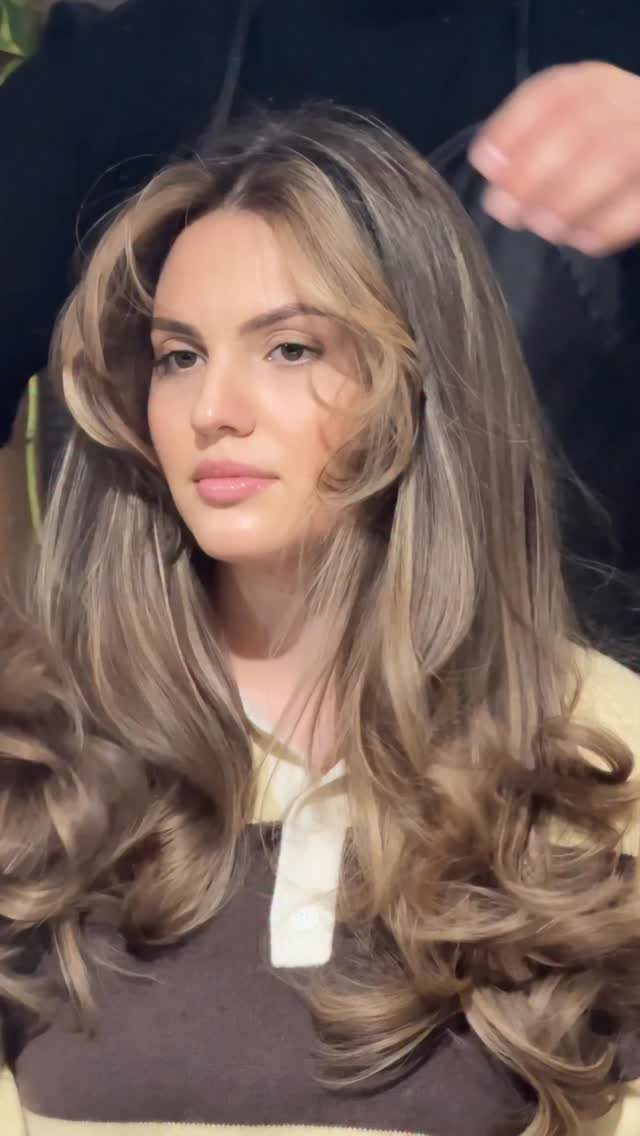
Chocolate and coffee browns blended into soft blonde give you a mocha shade that reads rich rather than bright. Loose curls help the blend look dimensional, since the blonde shows up in pieces instead of one flat block.
Ask for "mocha" and say you want blonde blended into it, because "brown with highlights" can come back much lighter or more striped. I’d choose this if you want blonde without giving up a deep, warm base.
14. Dimensional Blonde
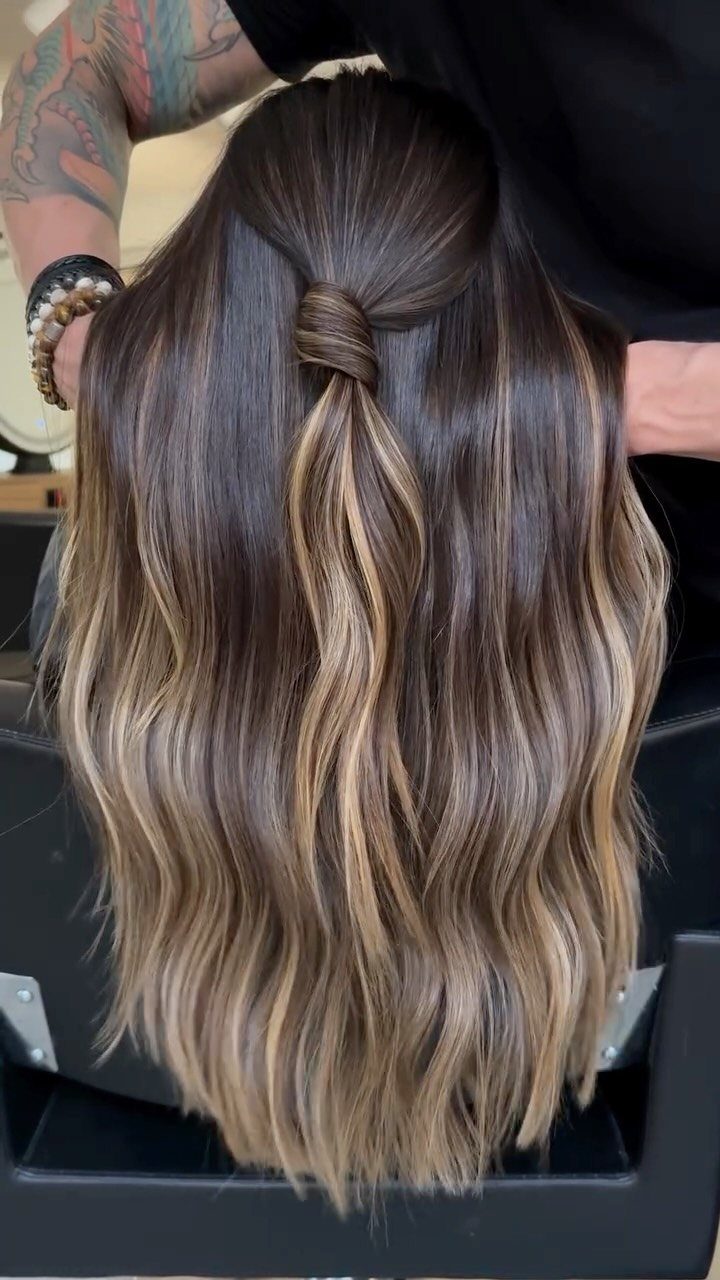
Natural brown lowlights sit underneath a two-toned blonde here, so the color has three levels instead of two.
Ask for "dimensional blonde" and mention both blonde tones plus the brown lowlights, so your stylist doesn’t flatten it into one shade. I like it for anyone who wears their hair up often.
15. Golden Bronde Lowlights
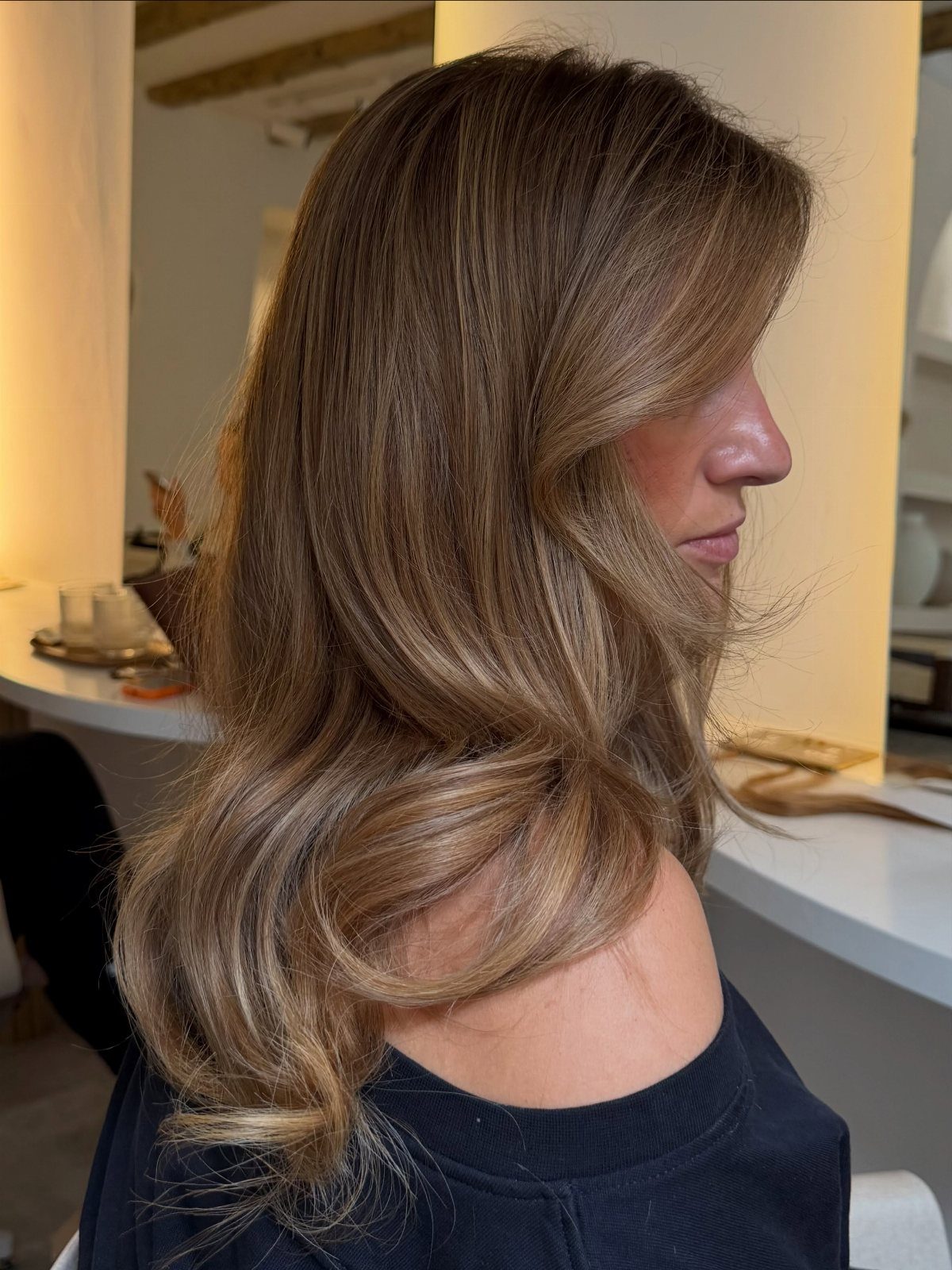
Golden blonde and a pale, neutral blonde fade into deeper brown, and lowlights are what keep that brown from looking like plain regrowth. The result is bronde with a warm, sunlit top and a darker underlayer.
Say "golden bronde" and ask for lowlights, since the word is easy to leave out. I’d pick the pale neutral pieces over extra gold if you want it to look less orange in bright light.
16. Brown and Blonde Balayage
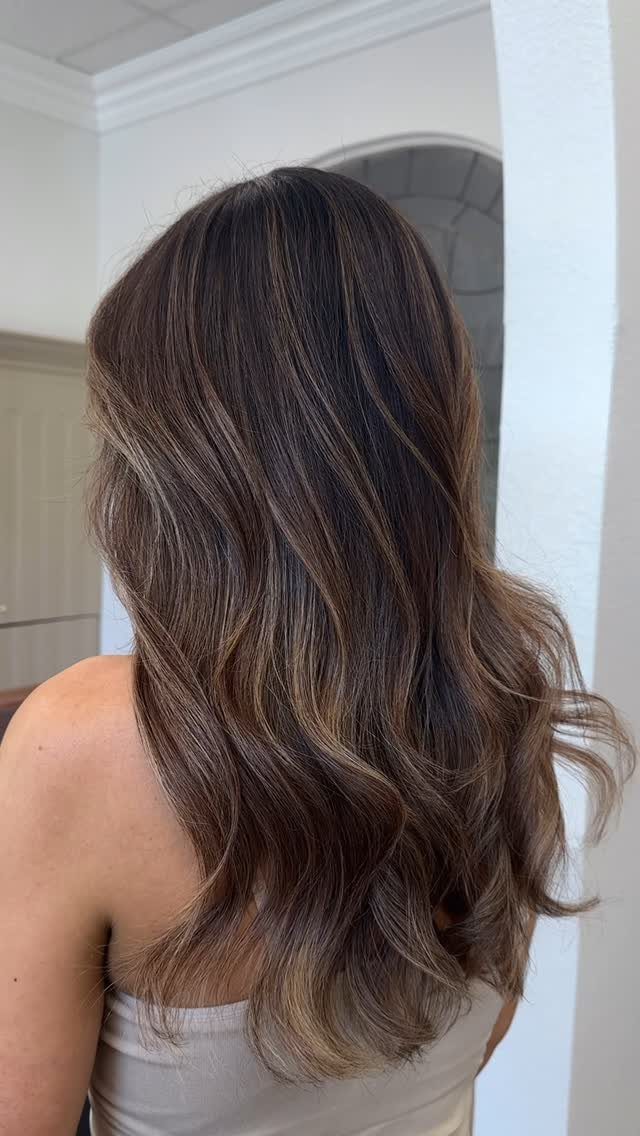
Hand-painted blonde laid over brown gives balayage its blended, grown-in look. Because the color is brushed on freehand, no 2 pieces land in quite the same spot, and that’s what makes it dimensional.
Ask for "hand-painted" and show a photo of the blend you want.
Wavy hair makes the most of it, but you can style it straight or curled, and I’d say that flexibility is a big part of why this one is so popular.
17. Strawberry Blonde Balayage
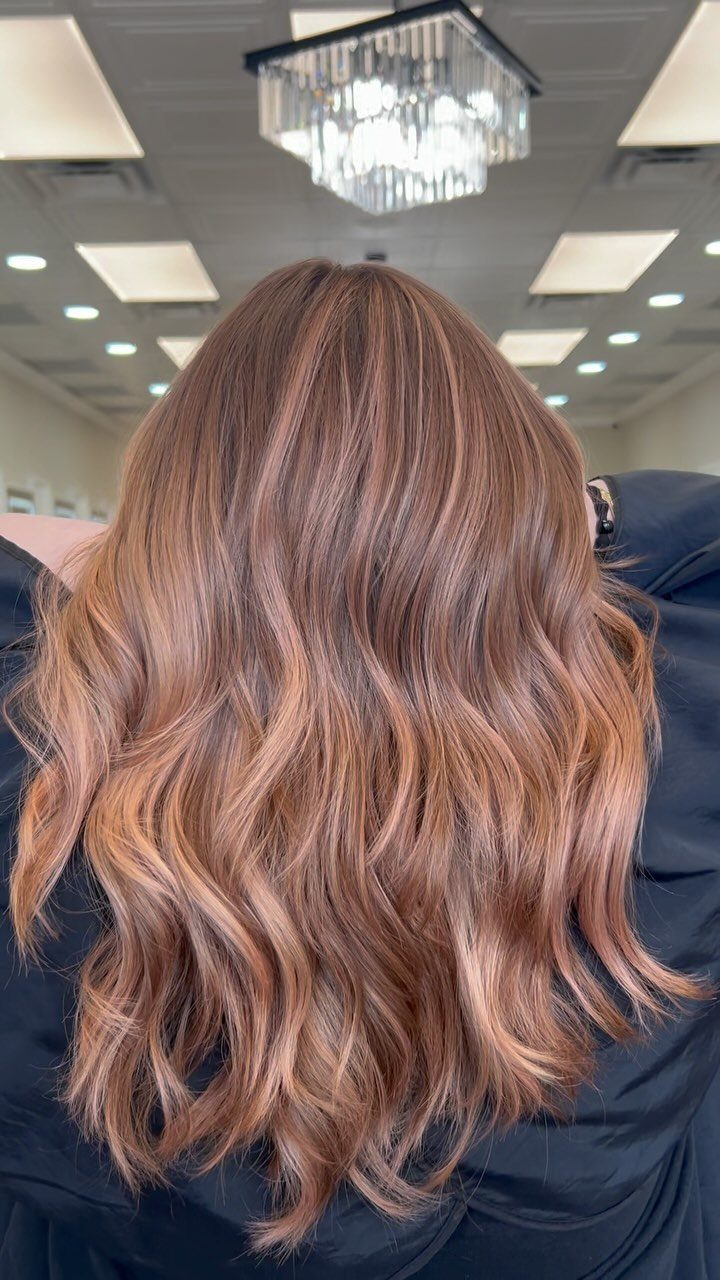
Strawberry blonde balayage warms brown hair with a reddish glow, somewhere between copper and golden blonde. Strawberry blonde is the least expected shade for a brown blonde search, and the red undertone is what sets it apart.
I’d go for it on warm skin; cool undertones may find it a little loud.
18. Caramel Color Melt
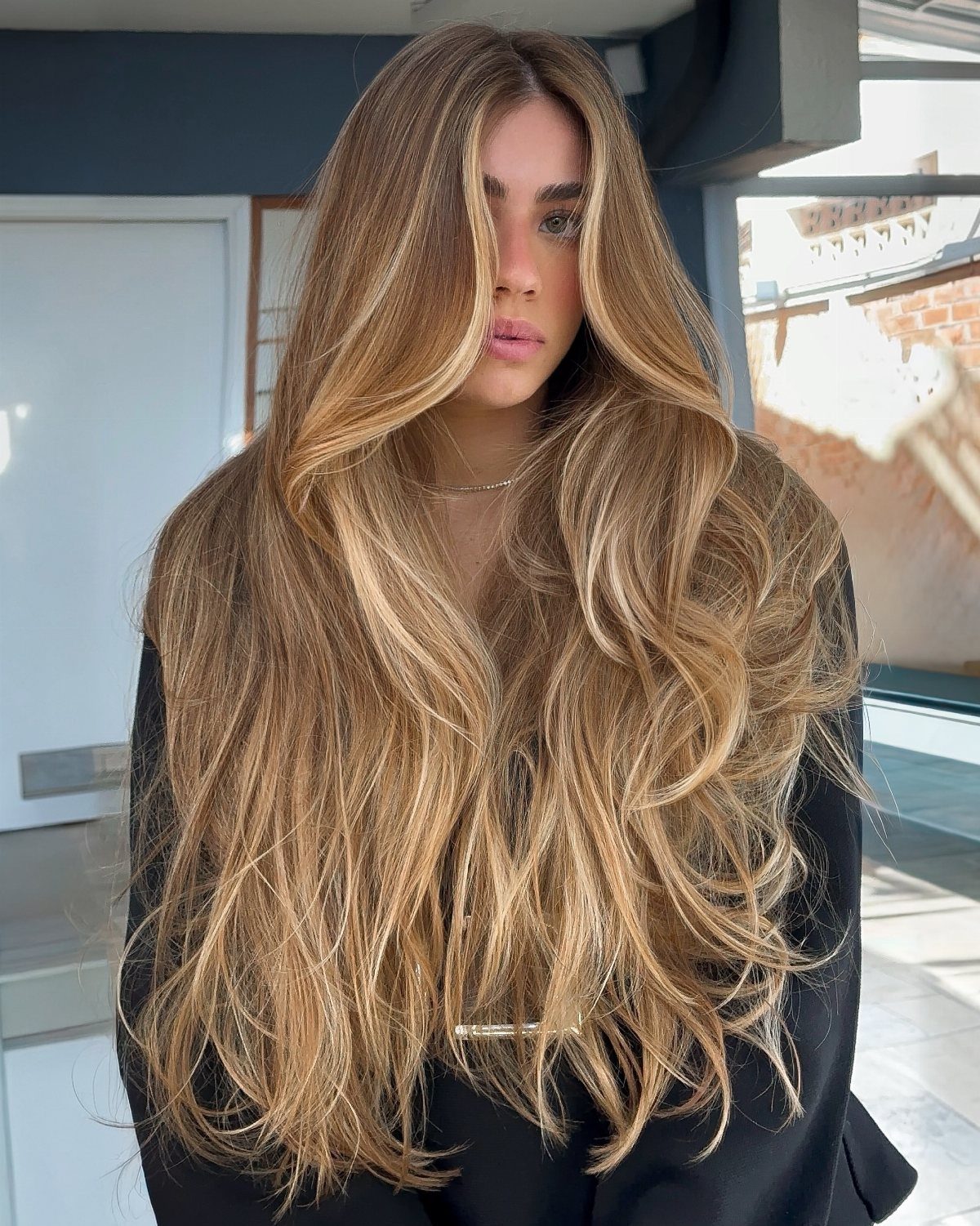
Brown roots slide through warm caramel before they reach blonde, and the caramel is the step that keeps the blend from looking abrupt. Long waves stretch the gradient out so each tone gets room to show.
Ask for a "caramel melt" and say you want brown at the root, since a melt shouldn’t leave a hard line. I find it more forgiving than high-contrast blonde, because the color grows out gently.
19. Sandy Blonde Accents
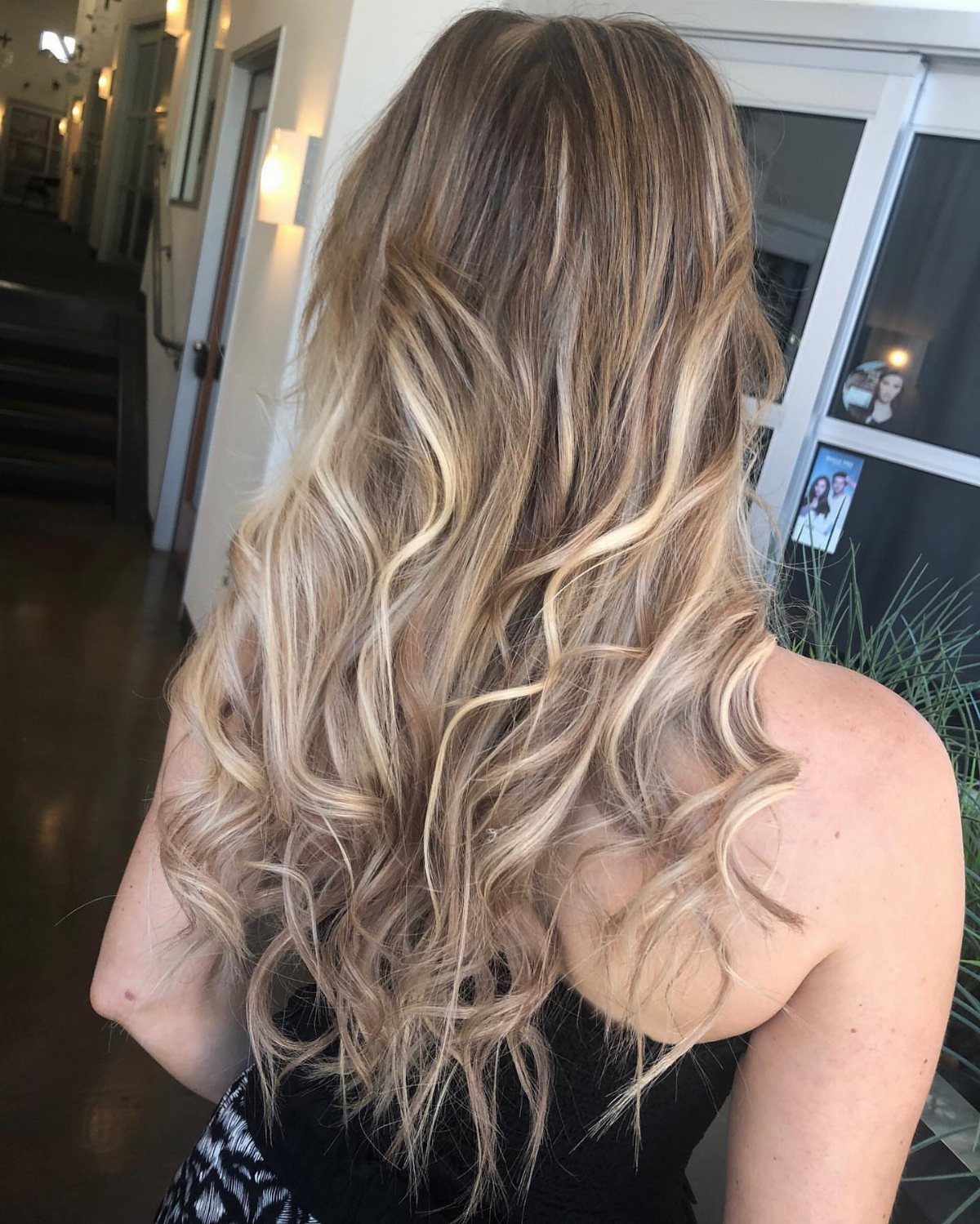
Scattered through long brown waves, warm sandy blonde works as an accent instead of a full change. The brown stays the main color, and the blonde adds a few bright pieces.
Name the shade as "warm sandy blonde" and specify accents, because a stylist who hears "highlights" may weave in heavier, more even coverage than you wanted.
I’d keep the pieces sparse if you wear your hair down, because loose waves already move the color around.
20. Champagne Blonde Highlights
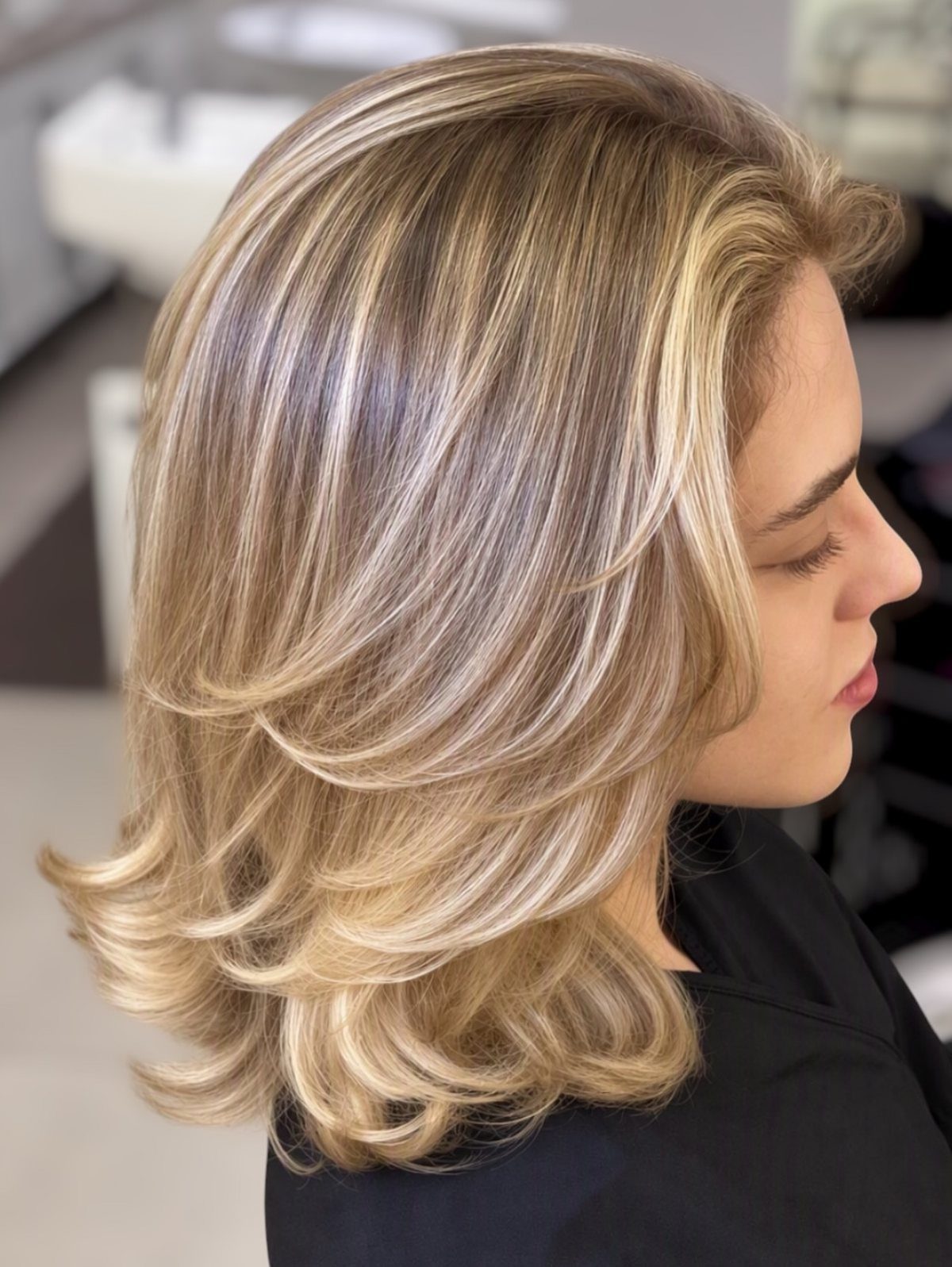
Champagne sits between golden and beige, a neutral-gold blonde that brightens light brown without turning yellow or ashy. Layers and curled ends help, since each curl turns a different pale piece toward the light.
Say "champagne" and mention neutral gold when you book, so the tone doesn’t slide into straight honey. I’d pick it over a cooler blonde if you want brightness that still looks warm.
21. Mushroom Bronde
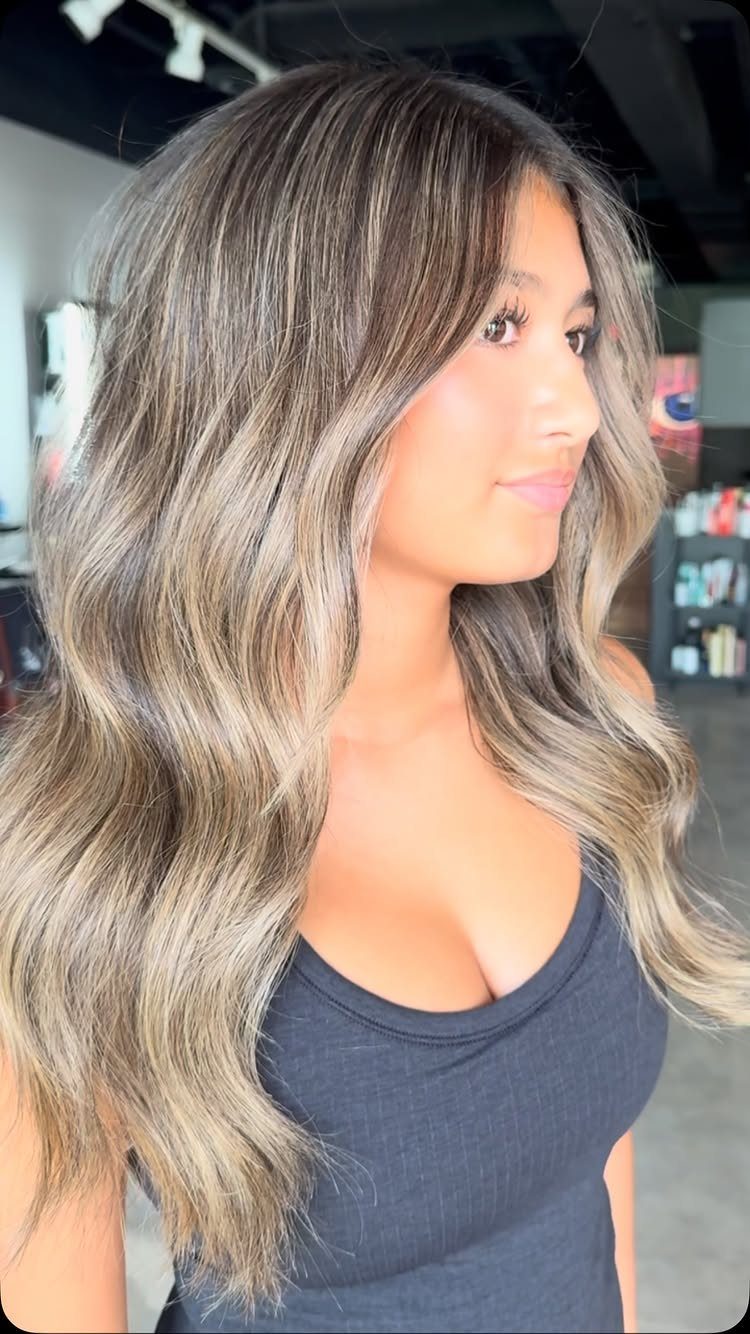
Gray-toned brown with blonde melted in is what "mushroom" means here: a muted, cool bronde with the gold taken out. Long waves give the soft tones room to blend.
Use the word "mushroom" and ask for no golden warmth, then bring a photo, since people hear "bronde" as warmer than this.
Anyone tired of honey and caramel will like mushroom bronde, though I’ll admit it’s a quieter color than most blondes.
22. Brown and Blonde Color Block
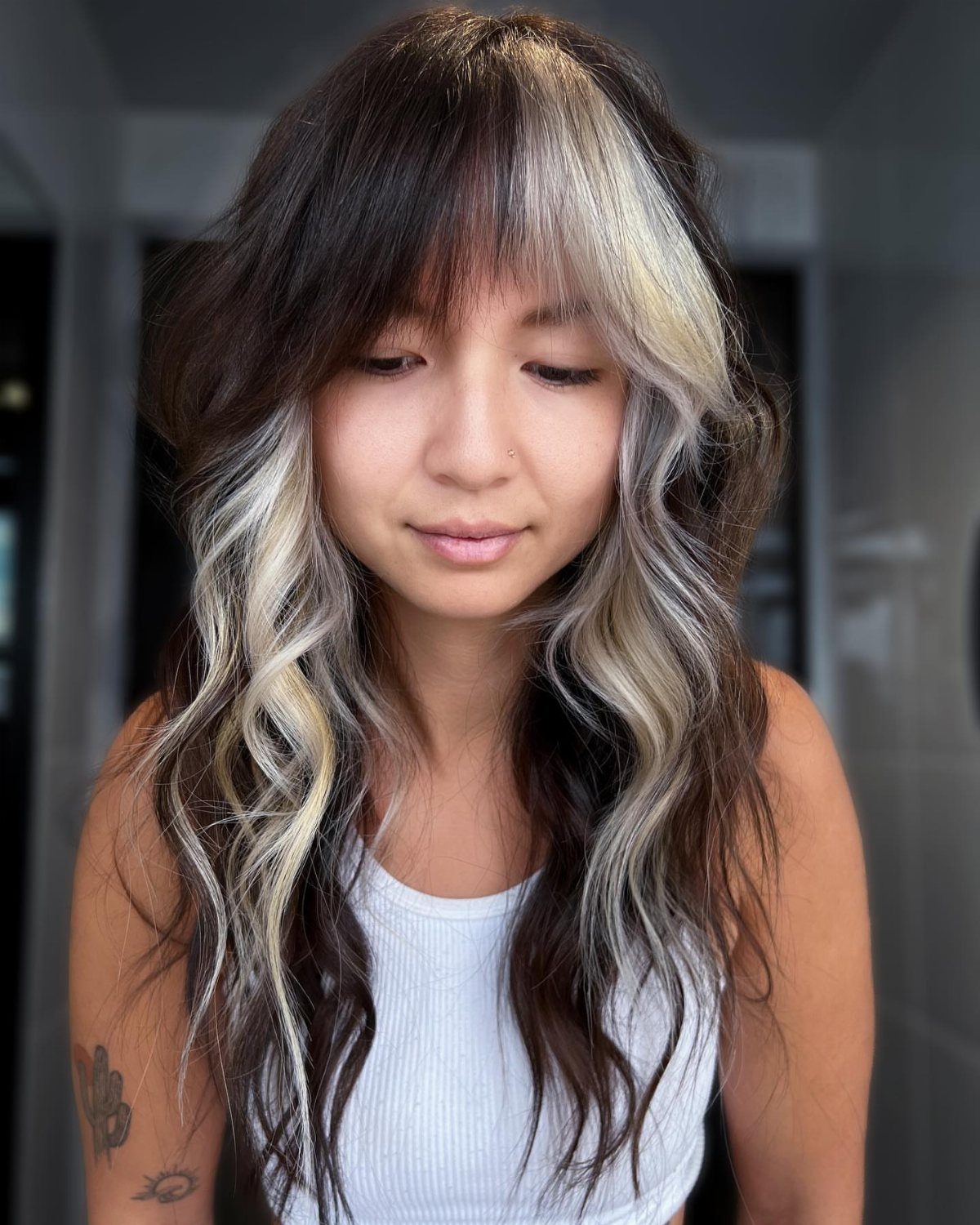
One wide blonde panel against a brown base is the whole idea: it’s a block of color, not a scatter of stripes. The section is thick and sits at the face.
Ask for a "color block" and point to where the section should start and which side it falls on, because placement matters more than the shade.
Part your hair the way you usually do before you book. I’d keep it to one panel, since a second would turn it back into chunky highlights.
23. Light Brunette Highlights
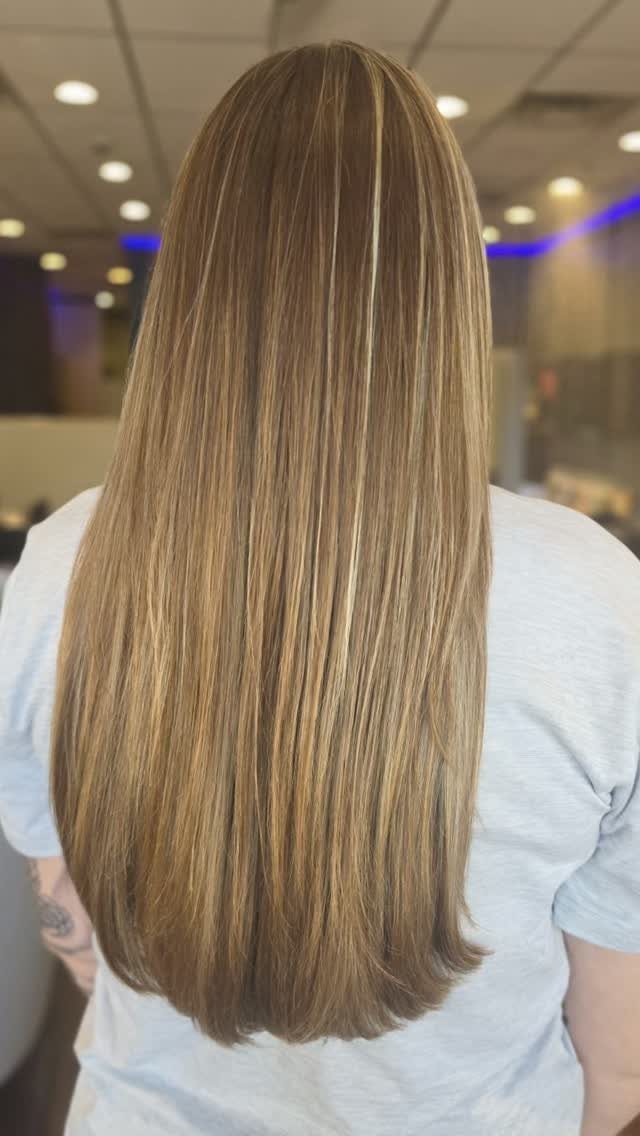
Fine blonde lines through a light brown base brighten the color without changing what you see in the mirror. Long, straight hair shows each thin strand clearly.
The person who made this look says it lets you go 3–4 months between visits and still look intentional.
That low-effort rhythm is why I’d choose it over bolder blonde. Ask for thin, subtle highlights and a light brunette base so your stylist doesn’t go heavier.
24. Pearly Champagne Balayage
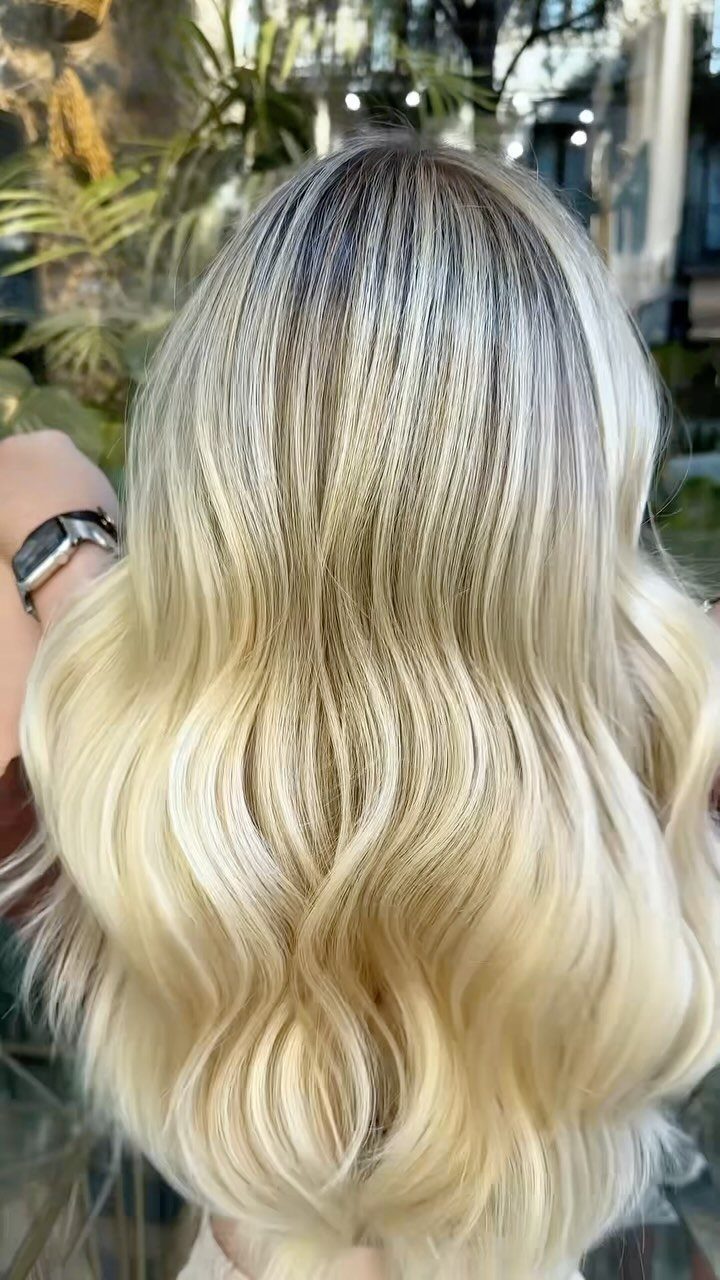
Soft and pale, pearly champagne balayage melts into wavy light brown with a gentle sheen instead of a hard contrast. Waves keep the lighter ends from sitting in one flat band.
Use "pearly champagne" for the shade and "balayage" for the technique, then show a photo, since a picture tells your stylist how pale to go better than a word can.
I’d choose this over a golden balayage if you want the lightness to look refined rather than sun-bleached.
25. Chunky Golden Blonde Streaks
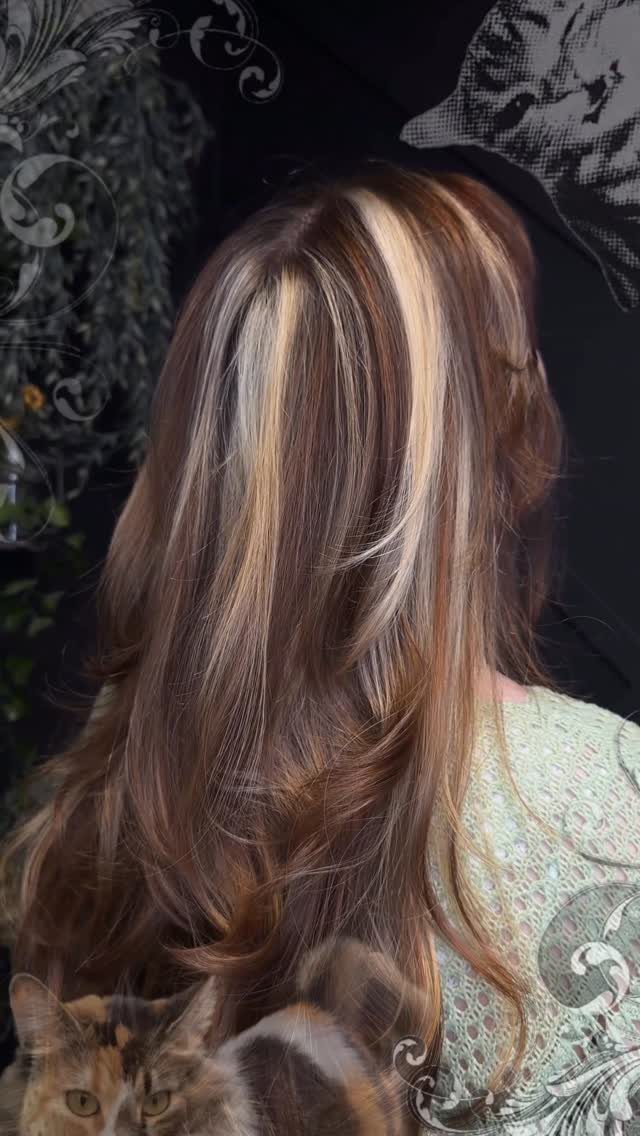
Gold is what separates these streaks from plain blonde stripes: thick, warm pieces running through long brown waves. The waves break the stripes up, so they read as sunlit rather than painted on.
Ask for "golden" streaks at a thick width, and say you want them spread through the length, not just at the ends.
On a warm brown base, I’d pick this golden version over an ash or platinum one, because the streaks sit in the same family as your natural color and the grow-out stays soft.
26. Multi-Tone Blonde Highlights
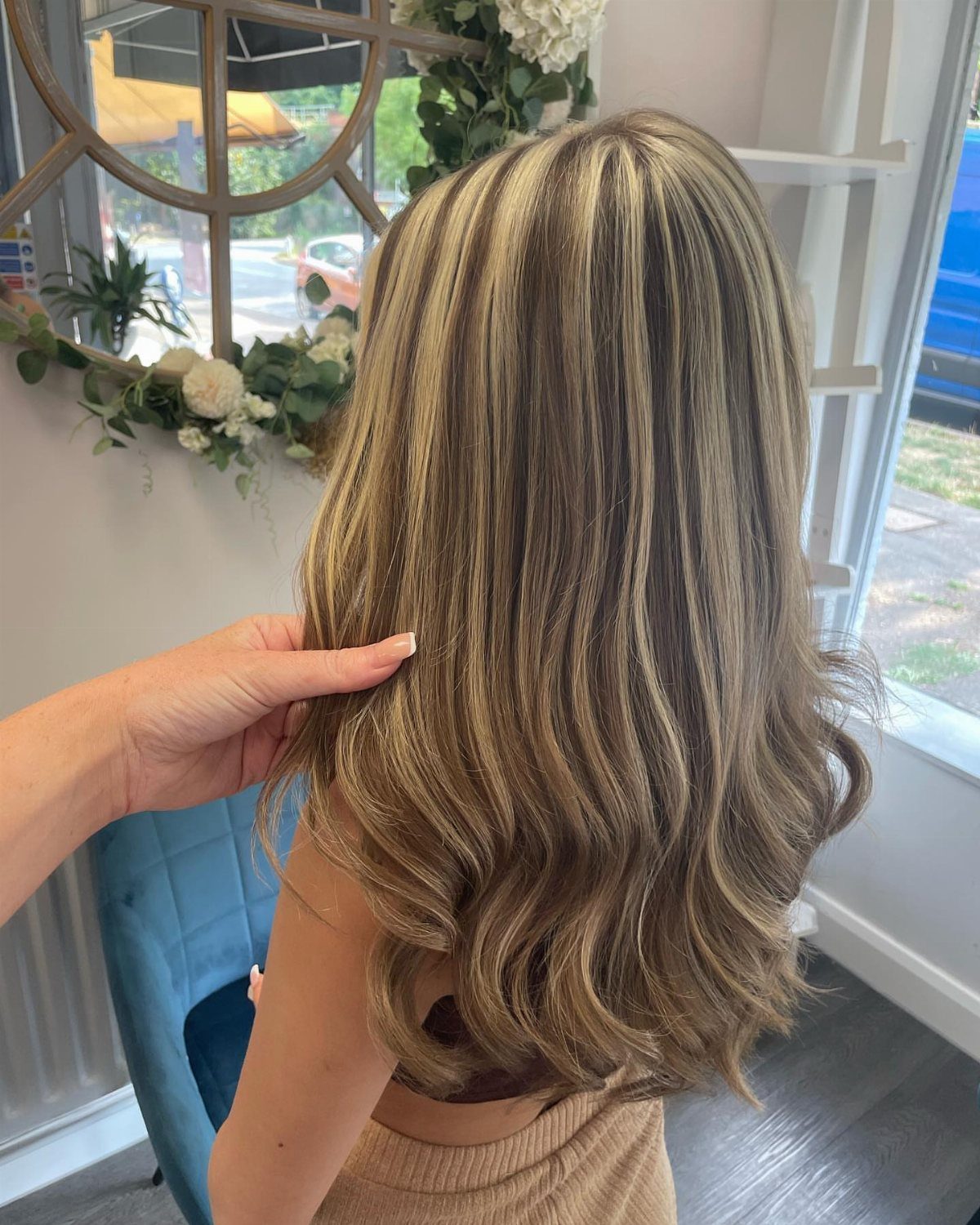
More than one blonde shade, set in fine lines through brown hair, gives the color a layered look instead of a single flat tone.
A loose curl on the ends puts this color to work, since each twist catches the light at a different angle and shows a different tone.
Name each blonde you want, or bring a photo, so your stylist doesn’t pick one tone for all of it. I’d keep the lines fine, since thin pieces blend into the brown and let the shades show up gradually.
27. Warm Chestnut Balayage
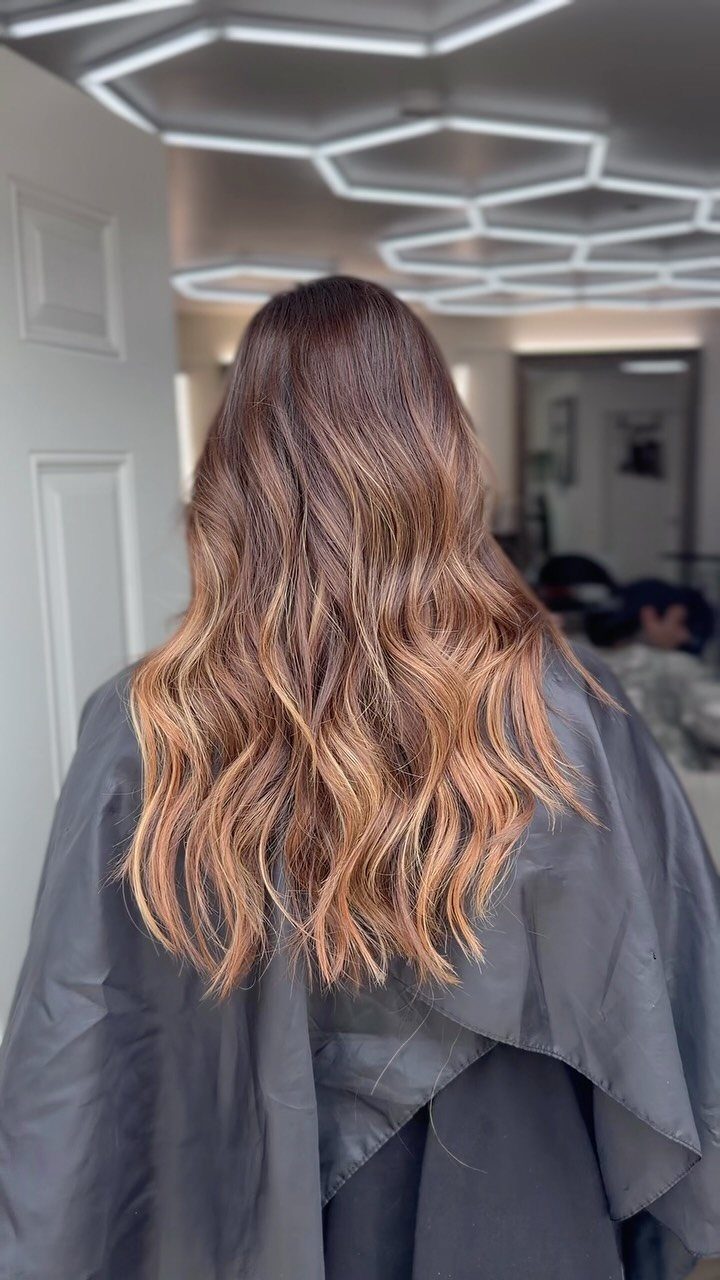
A chestnut base keeps this balayage warm from root to tip, and the caramel-blonde pieces brighten it without a jump in tone. Wavy hair spreads the lighter ribbons so they catch the eye on the way down.
Ask for "warm chestnut" with caramel-blonde balayage, and say you don’t want ash. I’d pick it over a cooler bronde if brown is your favorite part of your hair and you only want it glowing a little more.
28. Golden Blonde Highlights
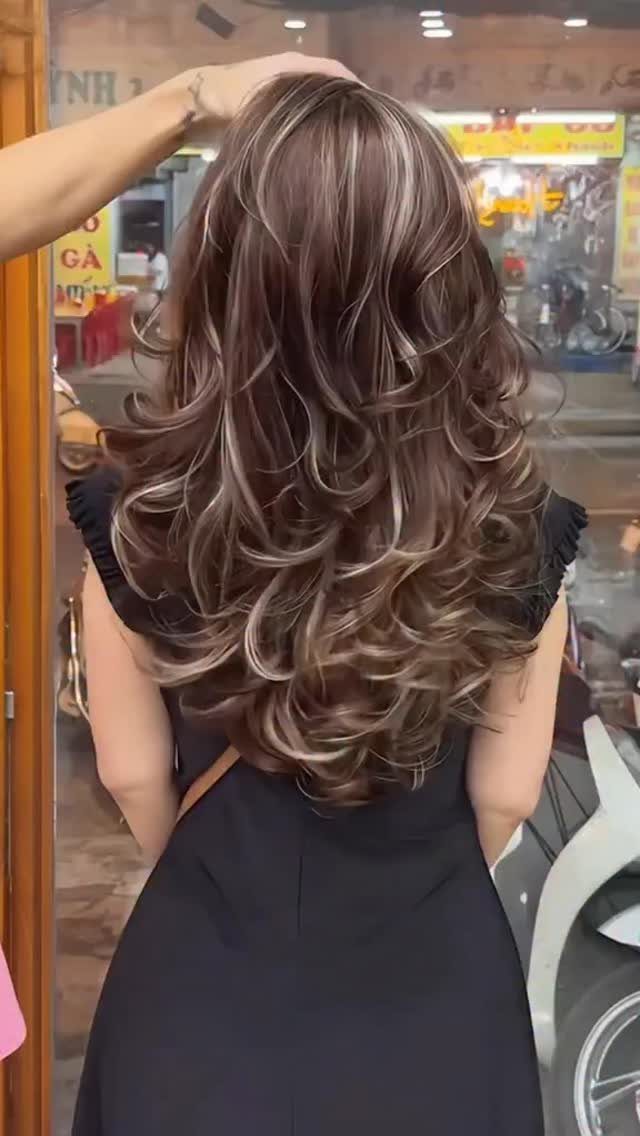
Layers do most of the work in this look. Cut into long, wavy brunette hair, they move the golden highlights around so the color shows in ribbons instead of one band.
Ask for "golden blonde highlights" and tell your stylist you plan to wear layers, so the placement follows the cut.
Golden against brunette is a warm, high-glow contrast, and I’d choose it for curls or waves over straight hair, which would show every ribbon in a line.
29. Brown and Blonde Lowlights
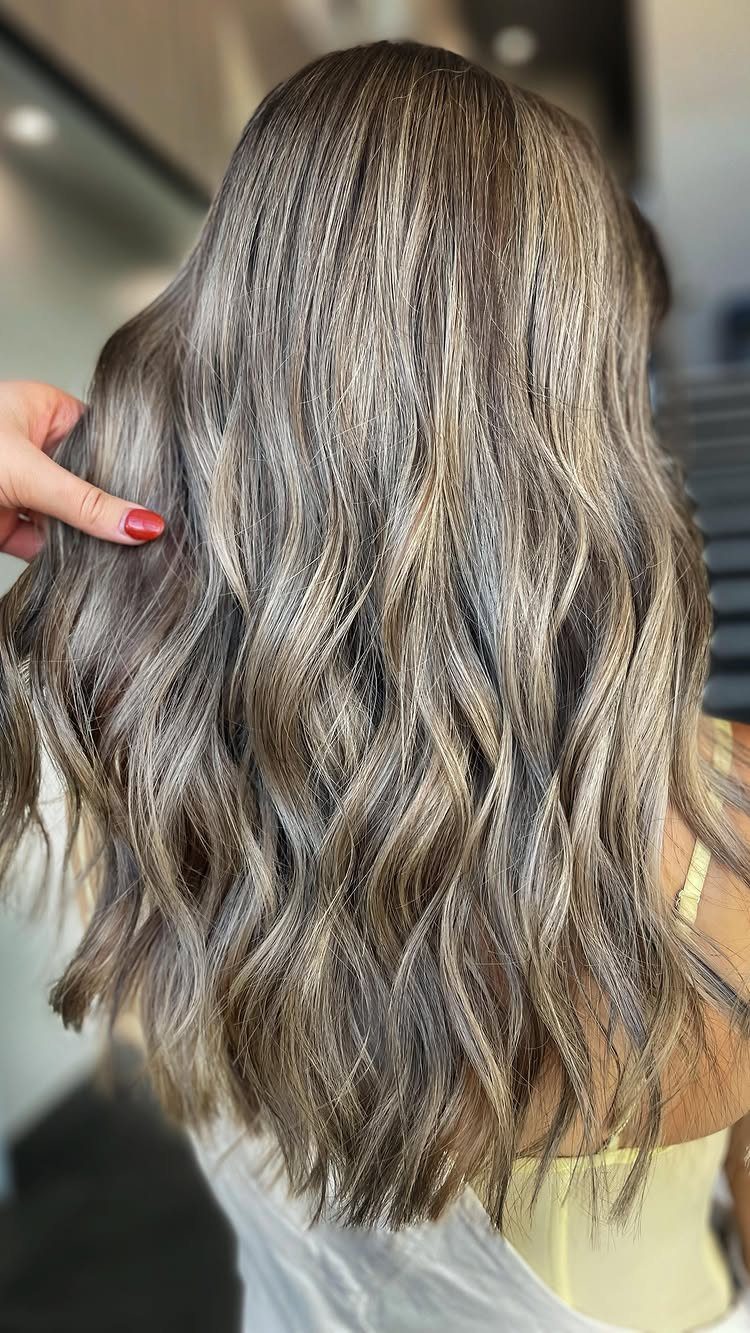
Darker brown pieces woven back into blonde highlights add depth, so the lighter strands stand out against something instead of floating on their own. Wavy hair shows that interplay best, since the tones shift with every bend.
Ask for blonde highlights with brown lowlights, and say how much brown you want kept, because the ratio sets how light the whole head looks. I’d pick this if all-over blonde tends to look flat on you.
Color Upkeep and Hair Care
Purple shampoo cancels yellow tones in blonde, but it works as a spot treatment, not a routine.
Work it through damp hair from roots to ends, let it sit for 3–5 minutes, then rinse until the water runs clear. Use it only when the lighter pieces look too warm, not every wash.
On the other wash days, a sulfate-free shampoo helps color last longer and fade less. Products labeled color-safe are built for lightened strands, so keep your styling products in that category too.
Sun is the quiet culprit behind balayage that goes brassy. A hat or a UV-protectant product on the lighter pieces slows that down.
Trims matter as well, because lightened ends look dry and dull before the rest of the hair does.
Choosing Tones and Salon Planning
Pick the blonde by your skin undertone before you pick it by the photo. As a rule of thumb, gold jewelry flattering you points to warm tones, and silver points to cool ones.
Hair health comes before lightening. If your strands feel dry or snap easily, ask your stylist about conditioning treatments first, and choose a stylist who has lightened brown hair many times.
Previously colored hair is the riskier case, since old dye can lift unevenly.
A strand test shows how it reacts before the whole head is committed. If the test looks rough, lightening in stages over several visits is gentler than one big jump.
For a cool, pale blonde at home, a toning mask in a shade such as Pearl Blonde goes through clean, damp blonde sections and stays on for 10 minutes.
Balayage Maintenance Intervals
How often you return depends on how you want the blonde to look. Balayage can wait 8–12 weeks between salon touch-ups, and the color itself can last 3–4 months depending on how fast your hair grows, your root color and your care.
Traditional highlights run on a different schedule: 2–3 appointments a year is typical, with a gloss and a trim about every 10 weeks to keep tone and ends fresh.
If you want the least time in the chair, choose balayage and stretch toward the longer end of that range. If you want the brightest, most even color, plan on the gloss and trim visits and accept a tighter calendar.
Frequently Asked Questions
What type of hair is blonde and brown?
Brown and blonde together is called bronde, a shade that sits somewhere between light brown and dark blonde. Dirty blonde sits right next to it on the spectrum, tilting a shade darker with more wheat and less gold.
Is balayage low-maintenance?
Yes, for the most part. The blonde is painted on freehand and the brown stays at the root, so it grows out without a harsh line, and touch-ups usually fall every 8–12 weeks.
How do you go from dark brown to blonde balayage?
Go gradually, and start with healthy hair: if your strands feel dry or snap easily, ask your stylist about conditioning treatments first.
Match the blonde to your skin’s undertone: if gold jewelry looks better on you, go warm; if silver does, go cool.
After that, protect the color with a sulfate-free shampoo, a hat or UV protectant in the sun, regular trims and purple shampoo only when the lighter pieces turn brassy.