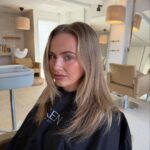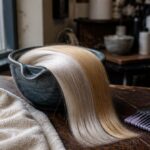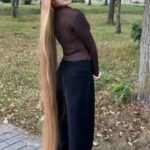
The shades here run from quiet sandy and mushroom blondes that sit close to natural hair to icy silver and a cherry blonde with berry red running through it.
Undertone sorts most people into a blonde family before any other factor does: golden, peachy or yellow-leaning skin pairs with honey and golden shades, and pink or blue-leaning skin pairs with platinum and ash.
A quick test for a mystery undertone: hold a blue-toned lipstick near your bare face, then an orange-yellow one, and whichever makes your skin look sallow or washed out is the wrong side for you.
1. Honey Blonde
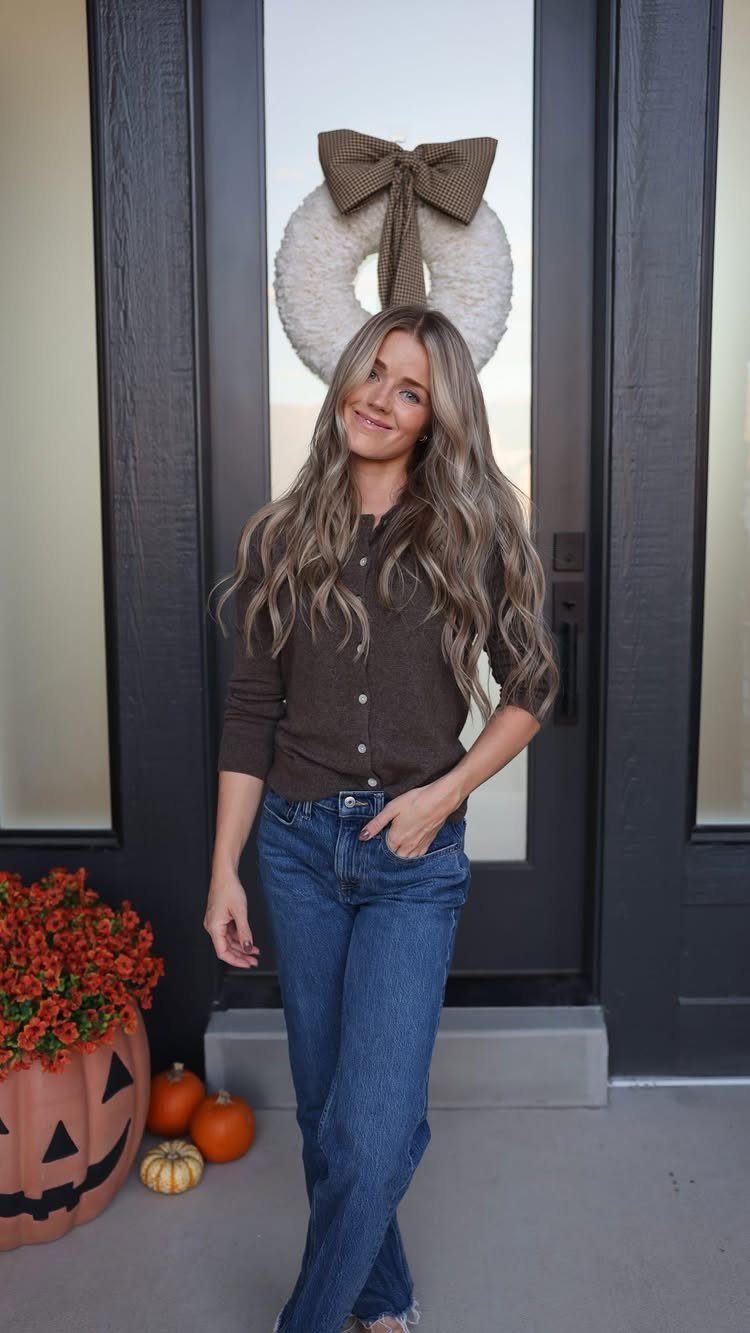
Honey blonde is warm gold with a little amber in it, and it’s the shade I’d point to first for anyone who wants blonde that looks sunlit instead of pale.
Loose waves suit it, since movement lets the gold shift from strand to strand.
Bring a photo and use the words "honey" and "golden" together so your stylist knows to keep it warm.
2. Strawberry Blonde
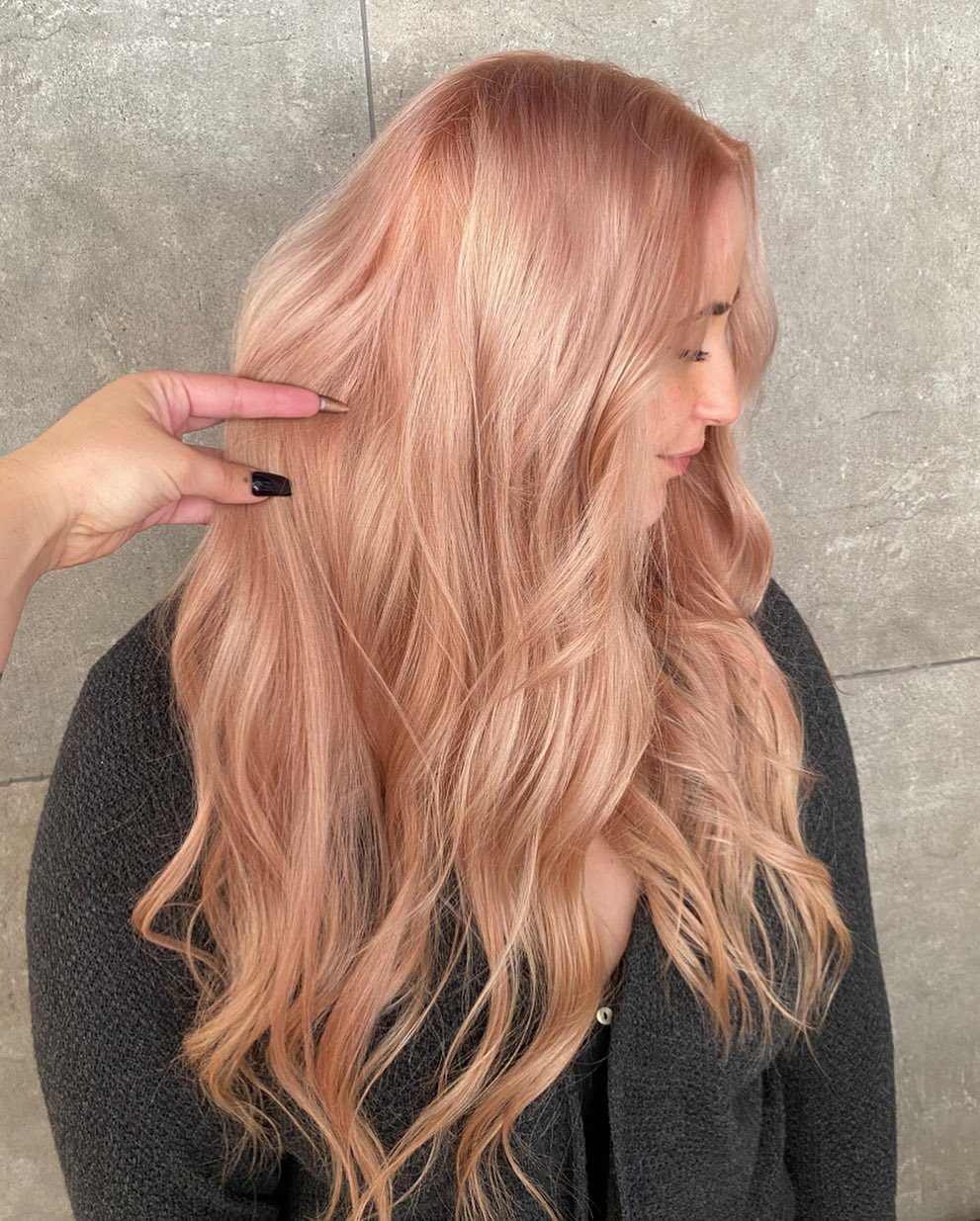
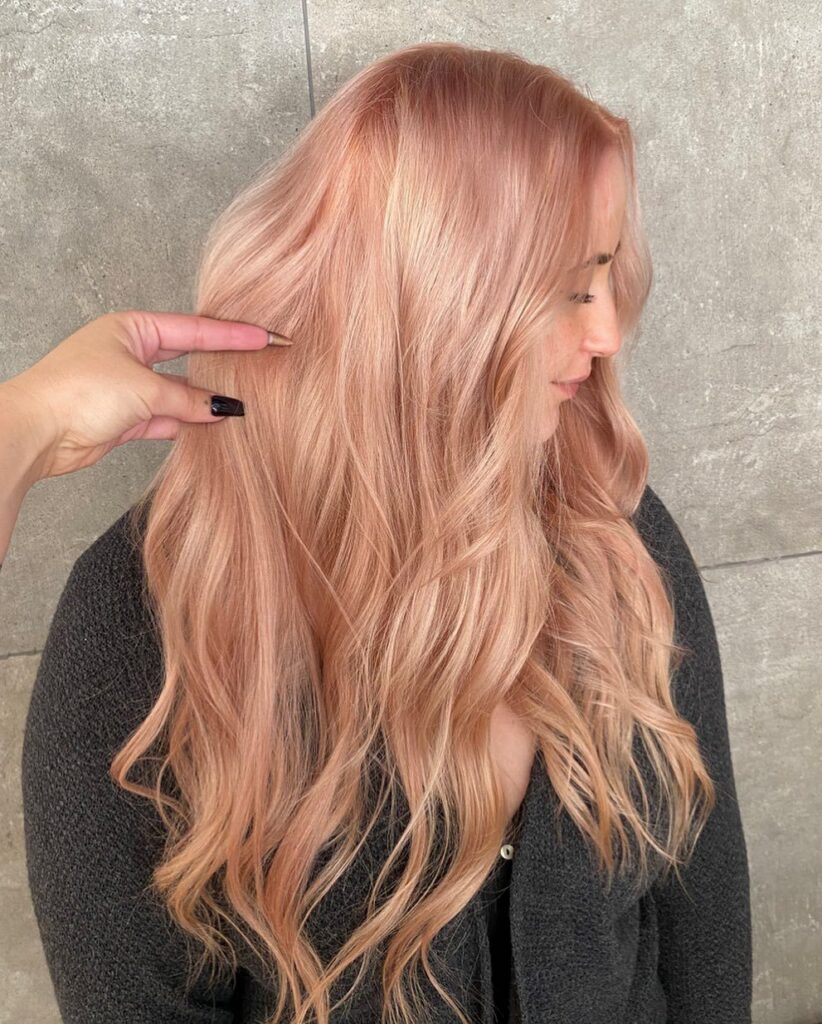
A blush of red running through blonde is what sets strawberry blonde apart from every golden shade, and it reads as a soft copper-pink rather than orange.
I like it best with some movement, loose waves or soft curls, because a color this warm looks richer when it isn’t pin straight.
Ask for it by name and say "reddish" out loud, so the stylist leans warm and doesn’t land on plain gold.
3. Dirty Blonde
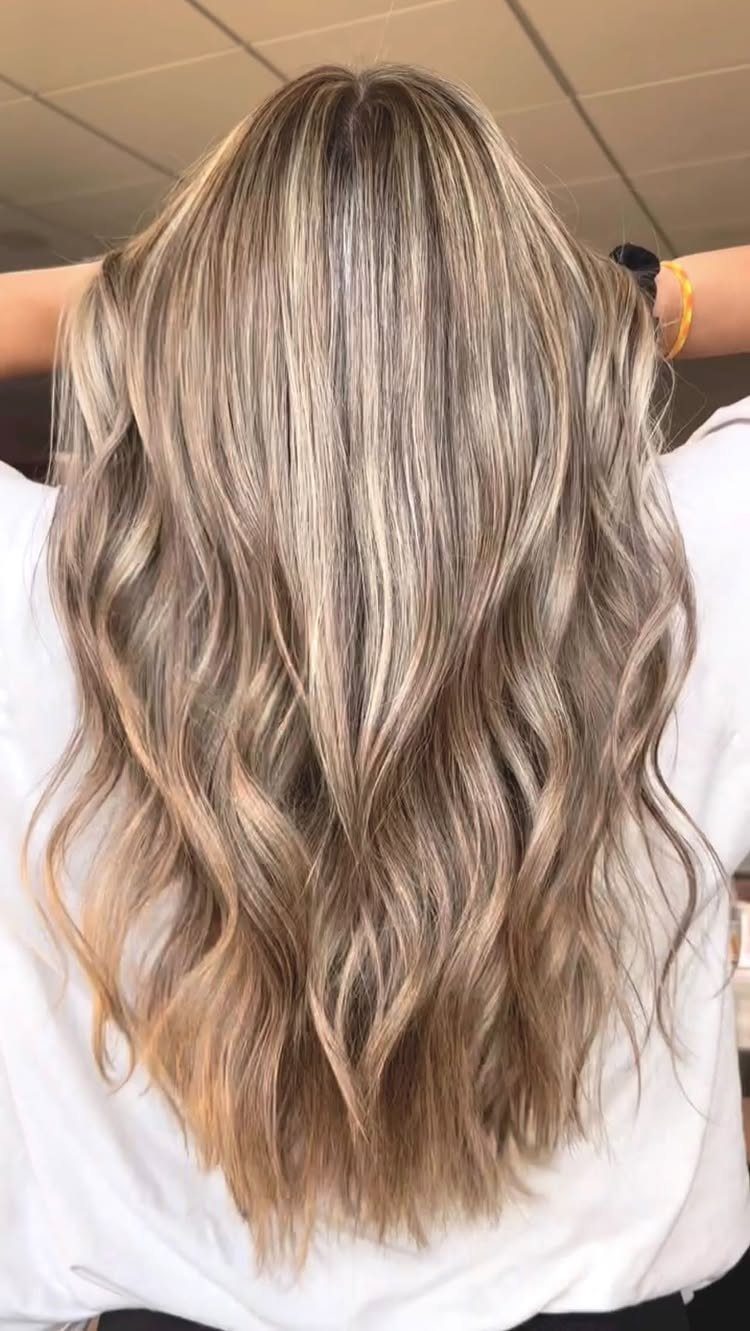
Nothing about dirty blonde is loud, and that’s the appeal. It sits in the medium to dark range with muted tones, so it reads as natural hair that happens to have some light in it.
I prefer it with highlights and darker roots, since the contrast adds dimension without turning the color bright. Ask for "dirty blonde" and "muted," and skip any request for golden or icy.
4. Creamy Blonde
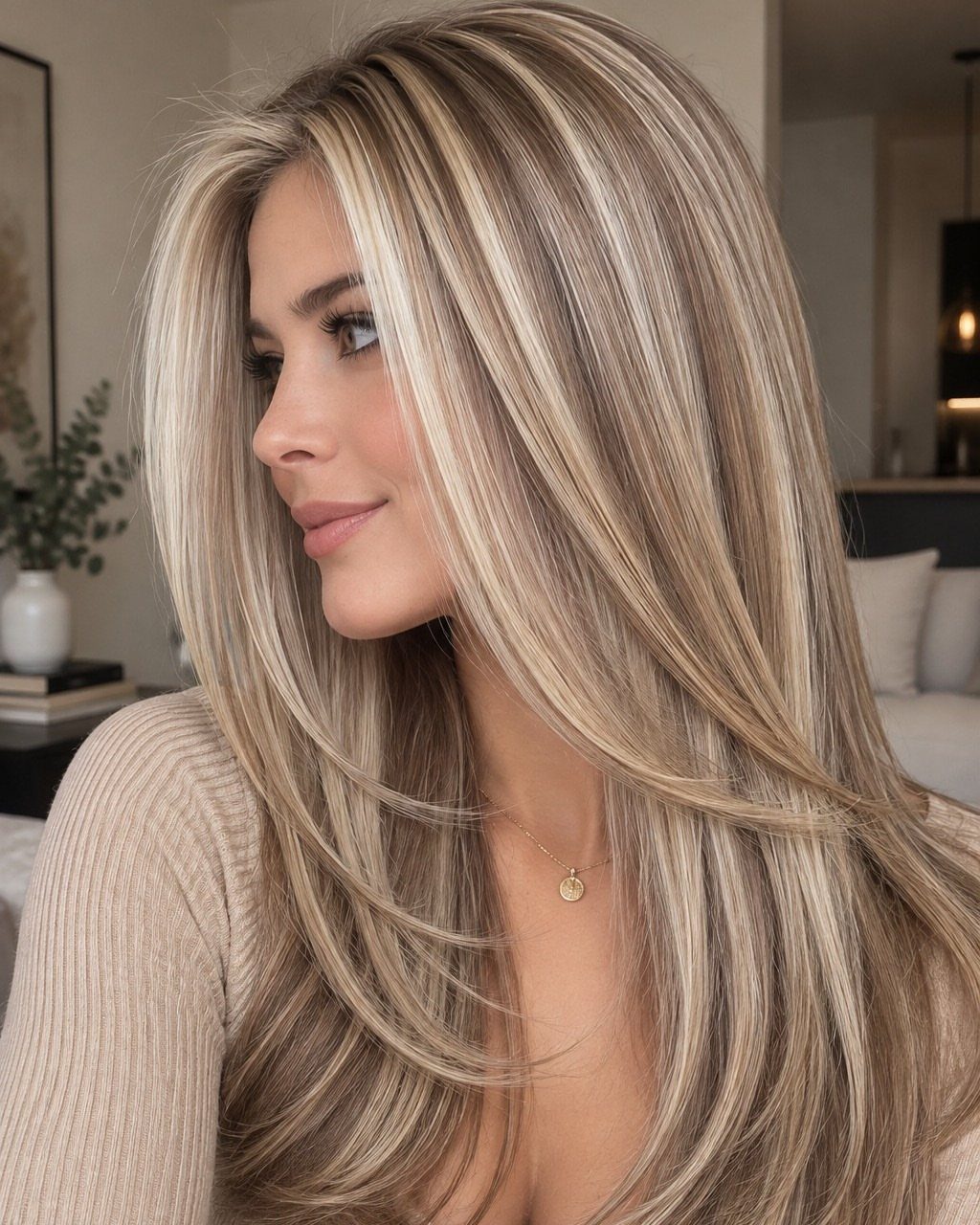
Vanilla frosting, not lemon: that’s the tone to ask for with creamy blonde. It’s a bright blonde softened with creamy or buttery warmth, which makes it gentler than stark white-blonde.
If platinum feels like too much, this is the one I’d choose instead. Use the words "creamy" or "buttery" with your stylist, and ask for pale highlights against a deeper root for a lived-in finish.
5. Almond Latte Bronde
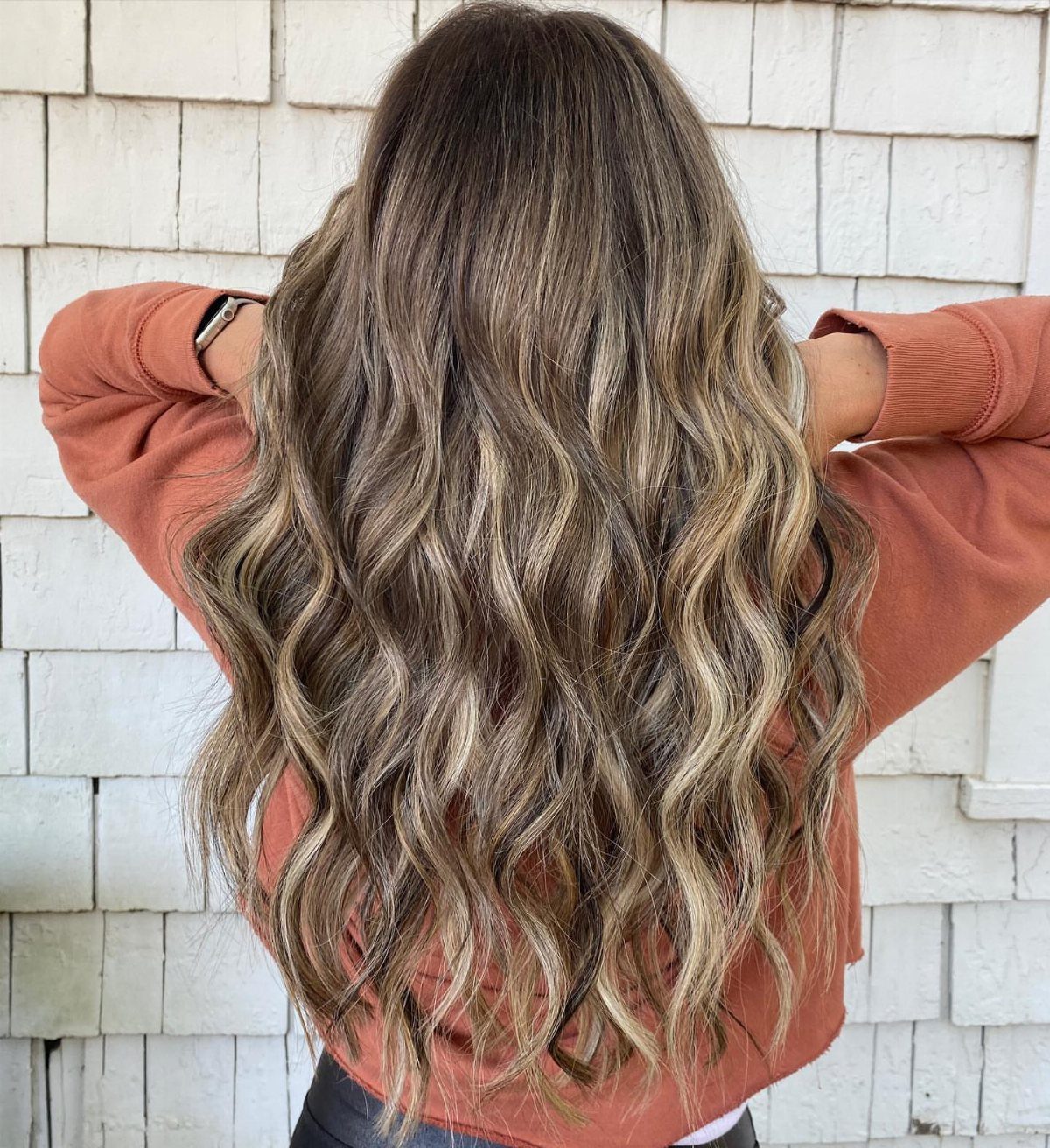
Brown stays in charge here, with golden caramel ribbons and lowlights running through it. That mix is what "bronde" means, and the almond latte version keeps the lighter pieces warm.
For a first step toward blonde, I’d start with this. Ask for caramel ribbons plus lowlights so the brown shows between the lighter pieces and the color looks dimensional, not striped.
6. Ash Blonde
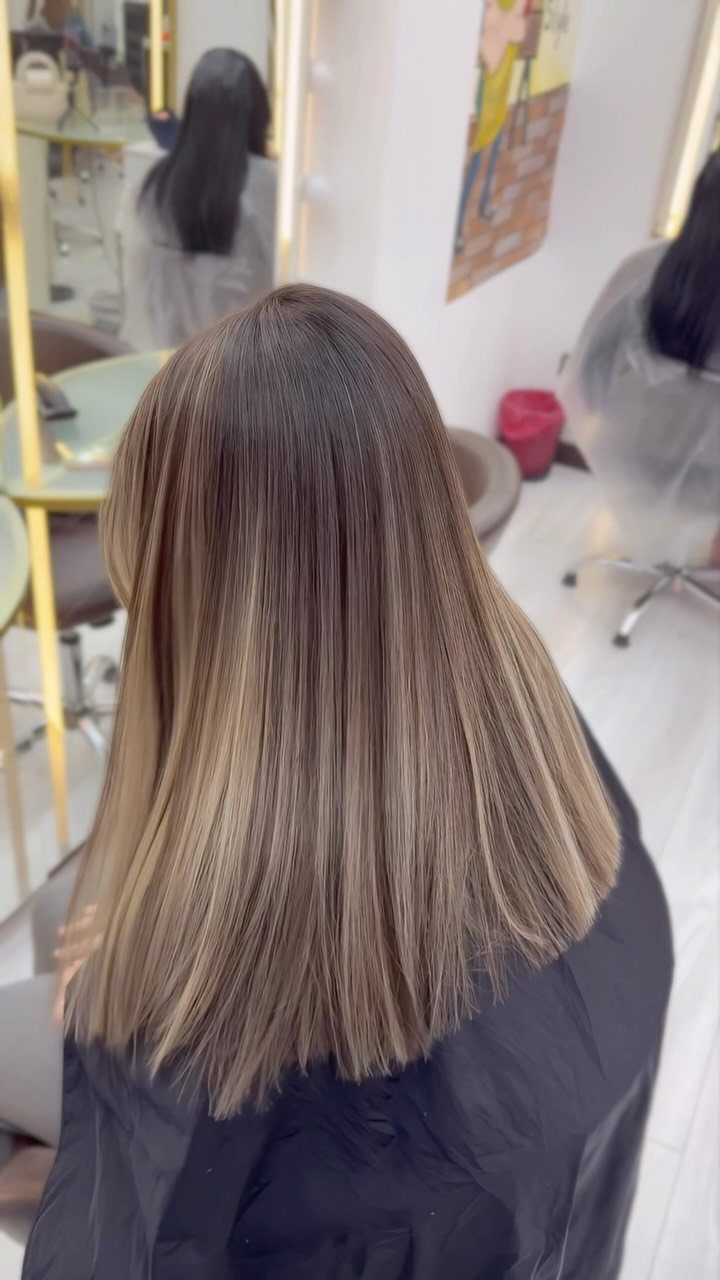
Ash blonde is built on cool, ashy or gray undertones with no gold showing anywhere. Straight hair shows that flat, smoky finish better than waves do.
When you book, say "ash" and "cool" and tell the stylist to avoid golden tones. If you want a cool blonde, I’d choose this over any warm shade.
7. Sandy Blonde
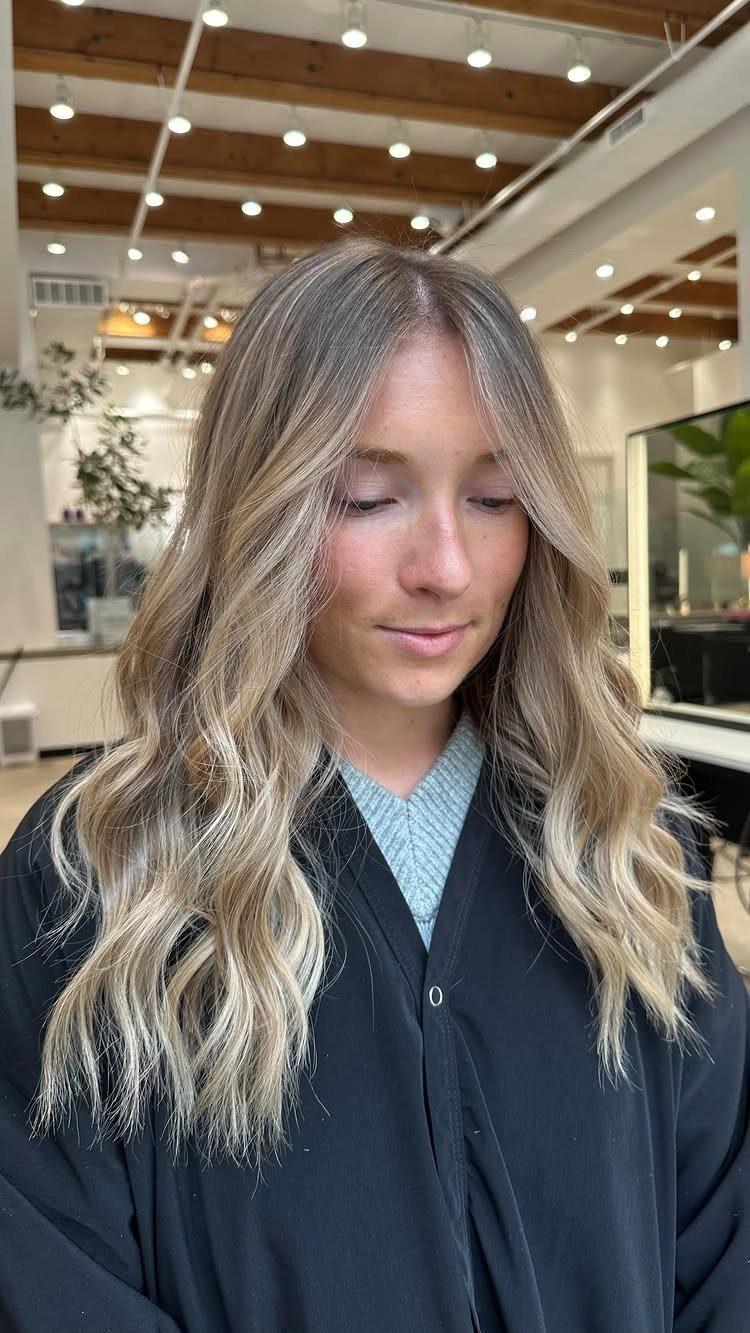
Sandy blonde keeps the color quiet: a soft beige-leaning blonde that sits close to natural hair. Darker roots make sandy blonde easier to live with, since the line between root and length stays soft instead of sharp.
Ask for "sandy" and "beige" together, and say you want no gold pushed into it.
8. Platinum Blonde
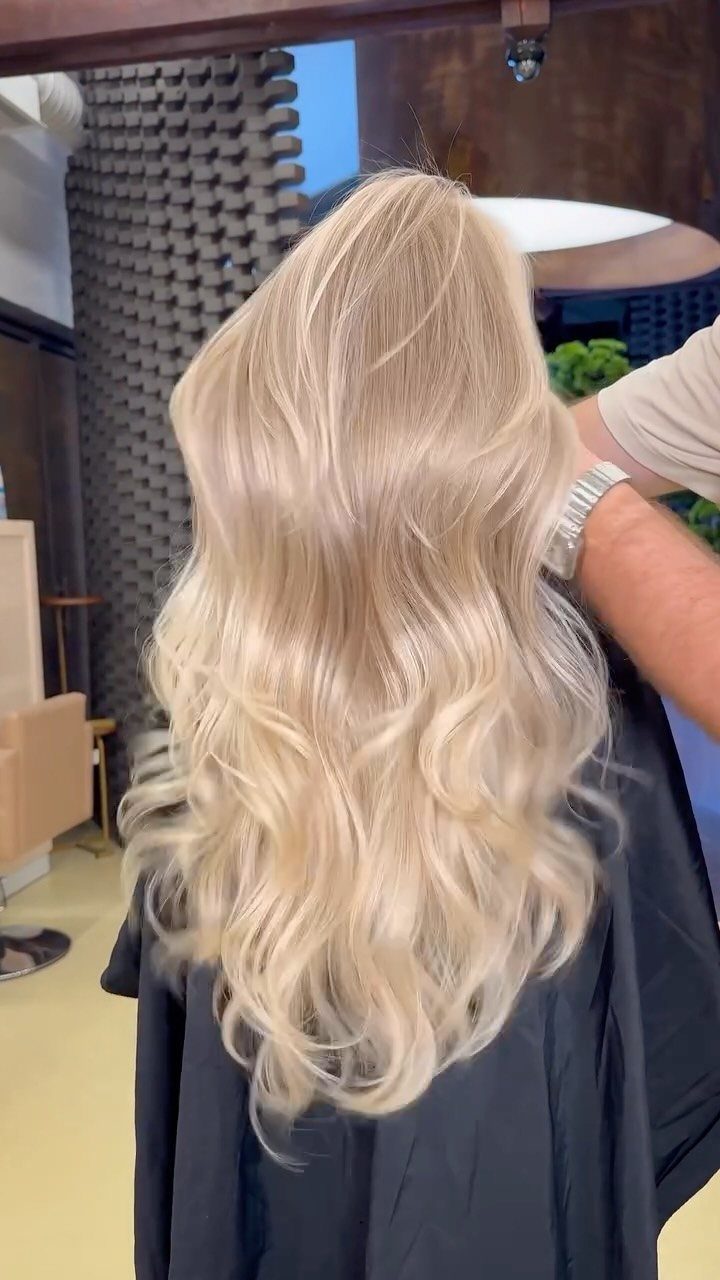
If you want it icy, say so plainly, because "platinum" alone can land on either side.
Bring a picture and tell your stylist whether you want cool or buttery. I’d pick the buttery version for a first try, since it reads softer.
9. Caramel Blonde
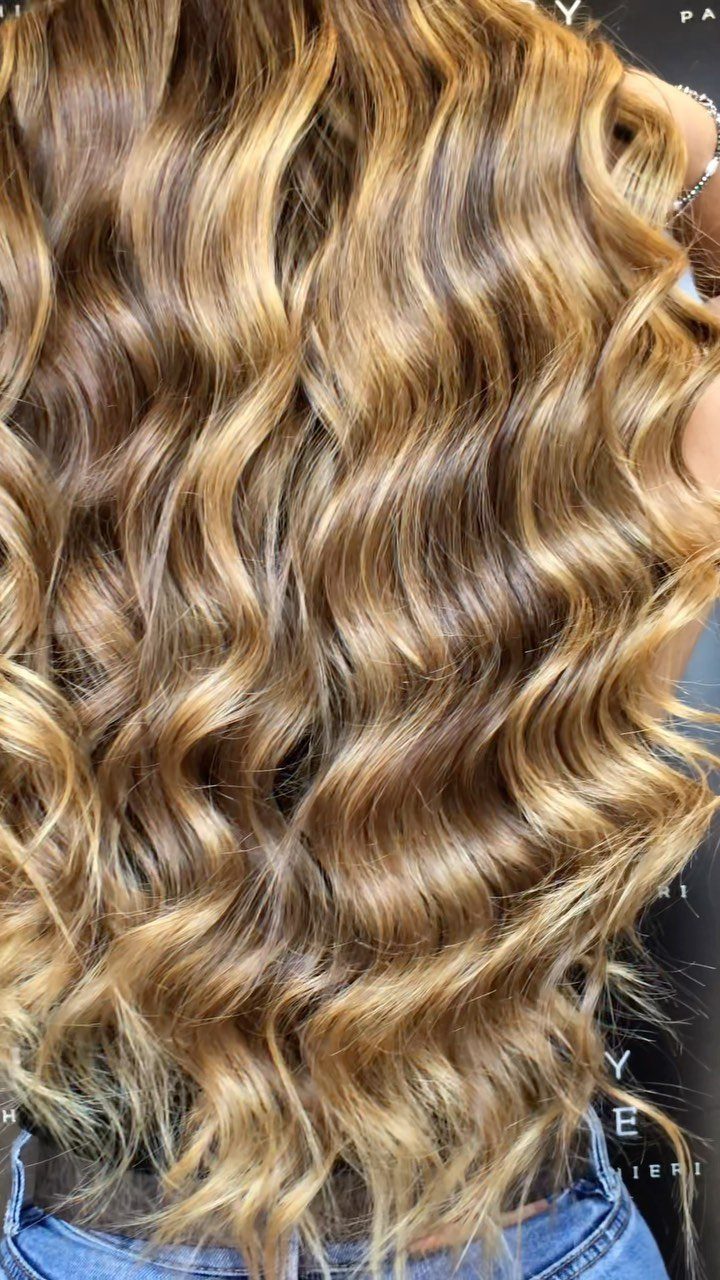
Golden brown and light blonde woven together give caramel blonde its warmth, and the mix is why it reads richer than a single flat shade. Highlights do the work here, so wavy styling shows them off well.
I’d choose this over honey when I wanted more depth. Ask for "caramel" with golden-brown and light blonde pieces.
10. Buttery Dark Blonde
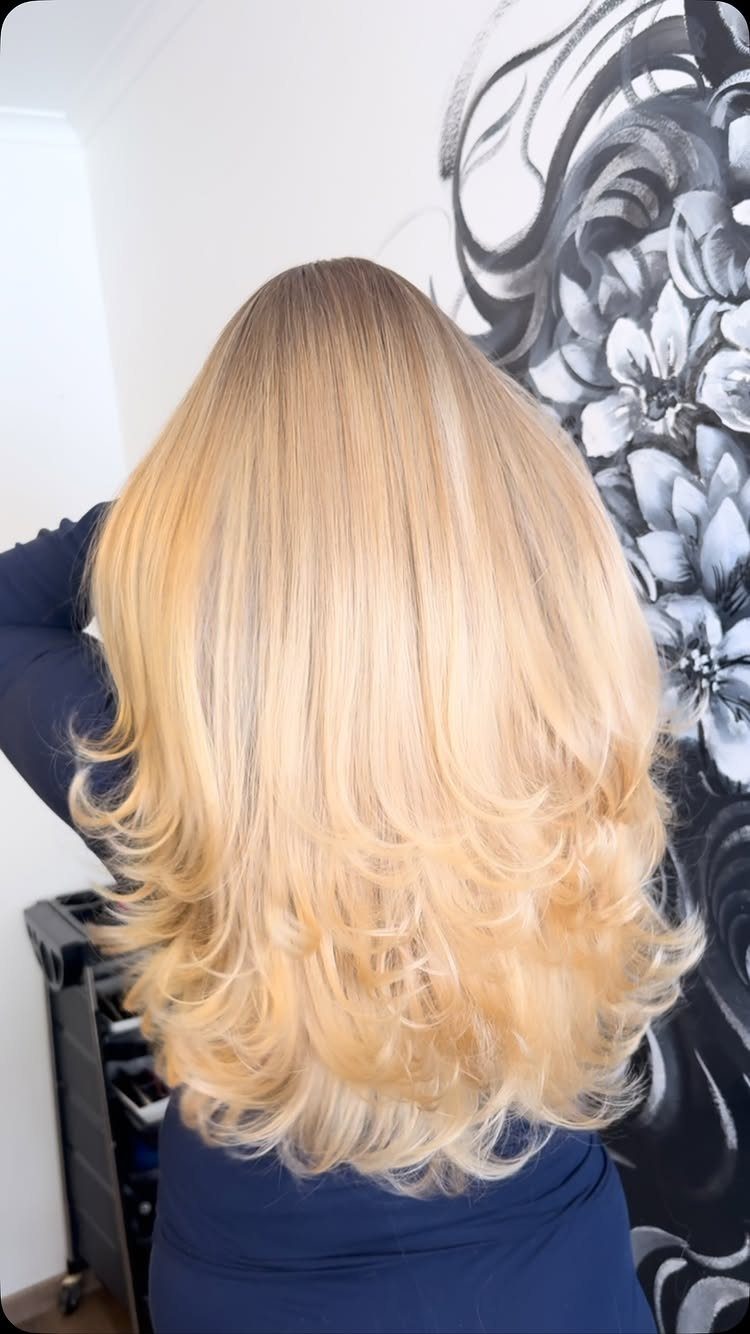
Buttery dark blonde lives in the darker part of the blonde range, with warm golden layers running through it. Curling the ends helps layers catch the light and show off the dimension in the color.
For a color that looks expensive without looking bleached, this is my pick. Use the words "buttery" and "dark blonde" at the consultation, and ask for warm gold, not ash.
11. Golden Platinum
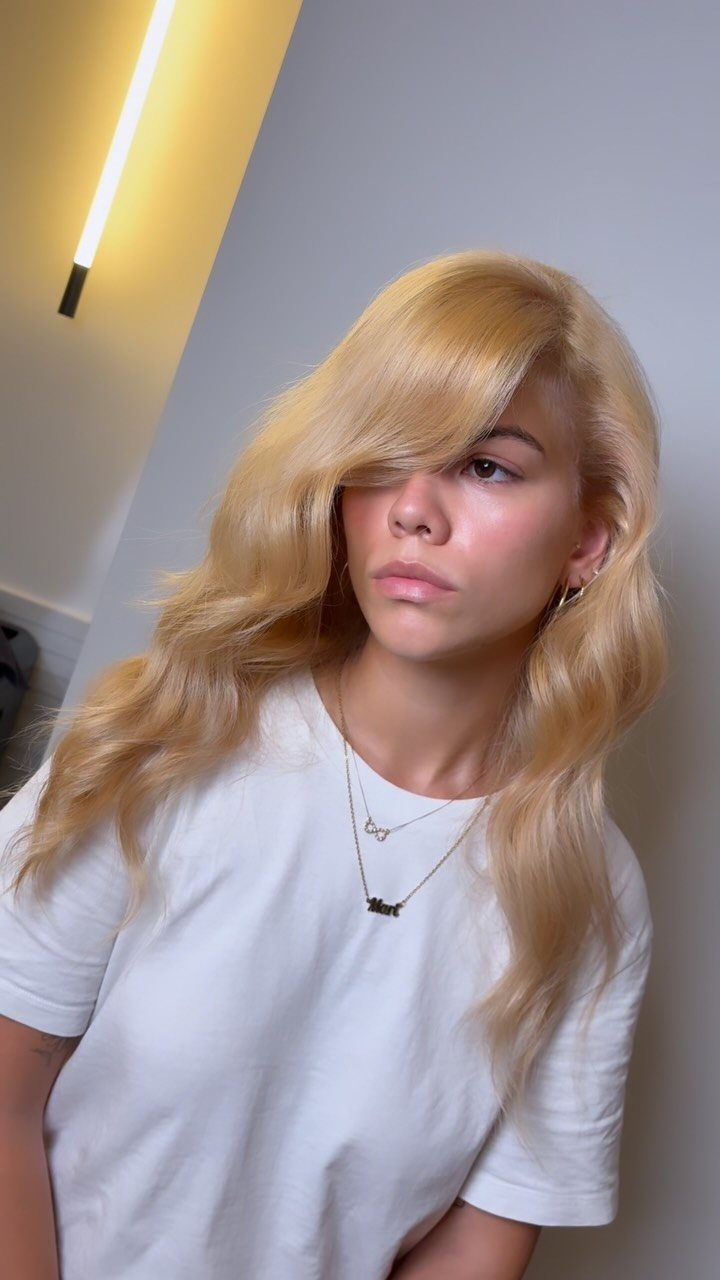
Golden platinum starts with platinum and warms it, so you get the pale lift of a very light blonde with a golden glow instead of a cold edge.
Long layers and side-swept bangs frame golden platinum well, since the soft lines keep the bright color from looking flat.
Ask for "golden platinum" and mention you want warmth, or the stylist may tone it cool. I like it on anyone who finds icy blonde too severe.
12. Cherry Blonde
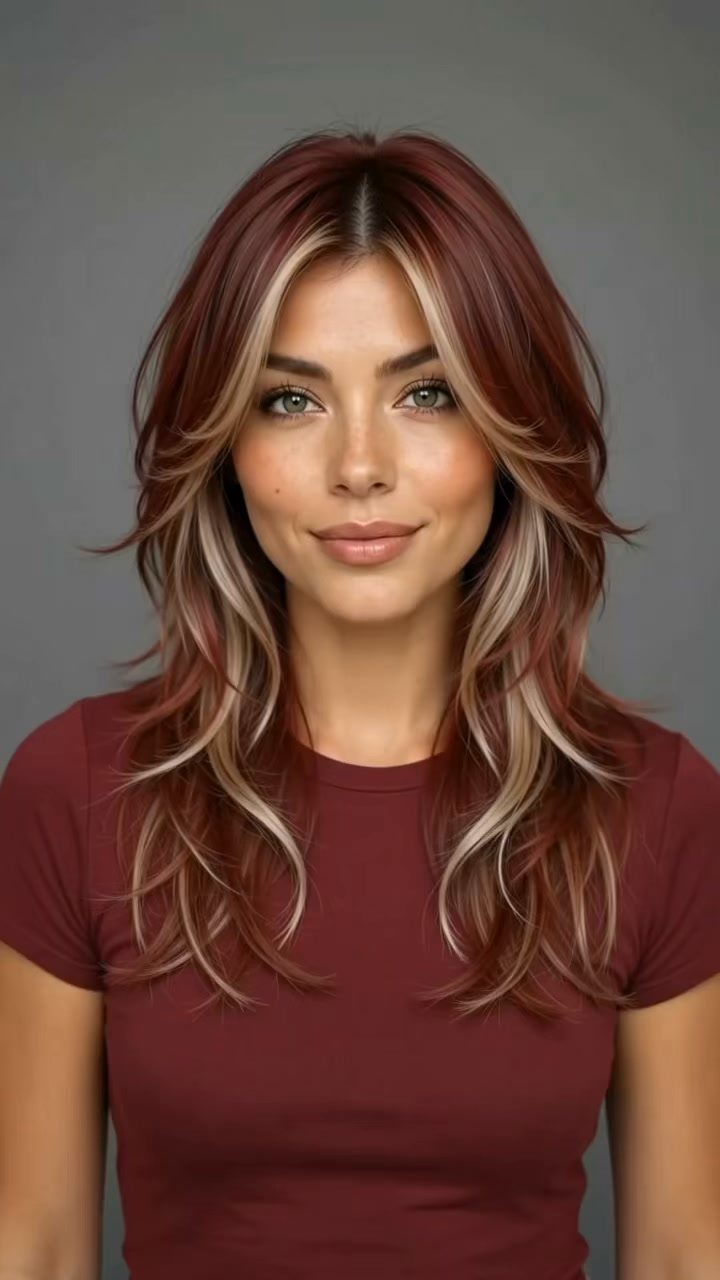
Cherry blonde layers a bold berry red over a deeper base and lets lighter blonde streaks run through it. Layers help, because the streaks show more when the hair has movement.
This one is bolder than anything above it, so I’d bring a photo and say "cherry" and "berry" out loud. Ask the stylist to keep the blonde pieces visible against the red.
13. Beige Blonde
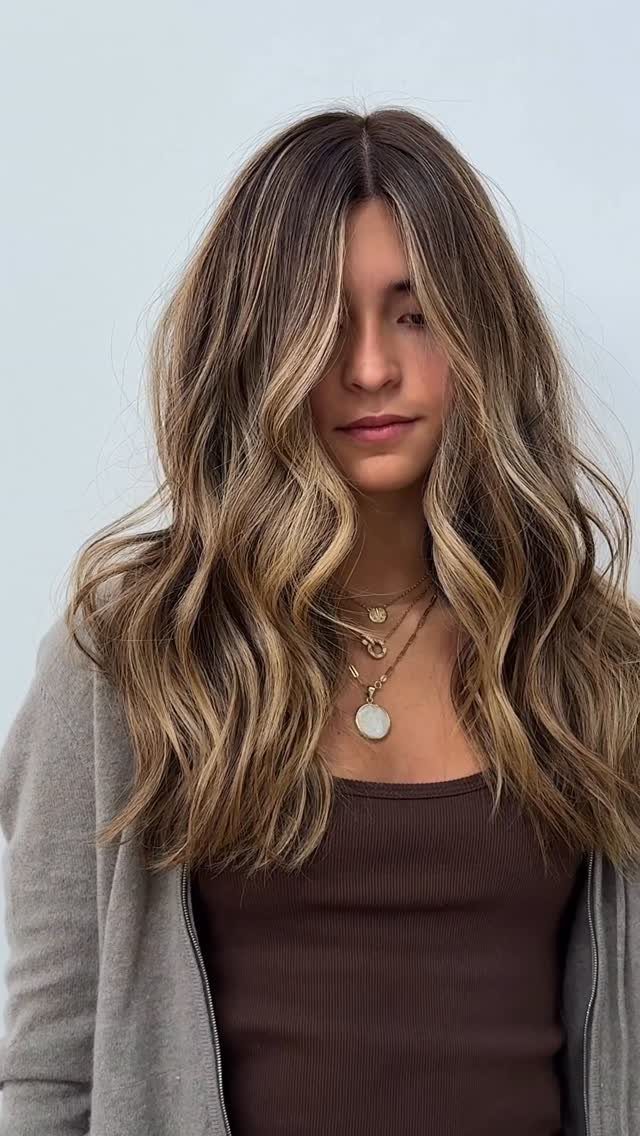
Lighter beige highlights over a darker base give this shade its cooler, softer read. Loose waves show off the 2 levels well.
Bring a photo and ask for "beige" and "cool" so the highlights don’t drift warm. For dimension without extra brightness, I’d pick this over honey.
14. Black Blonde
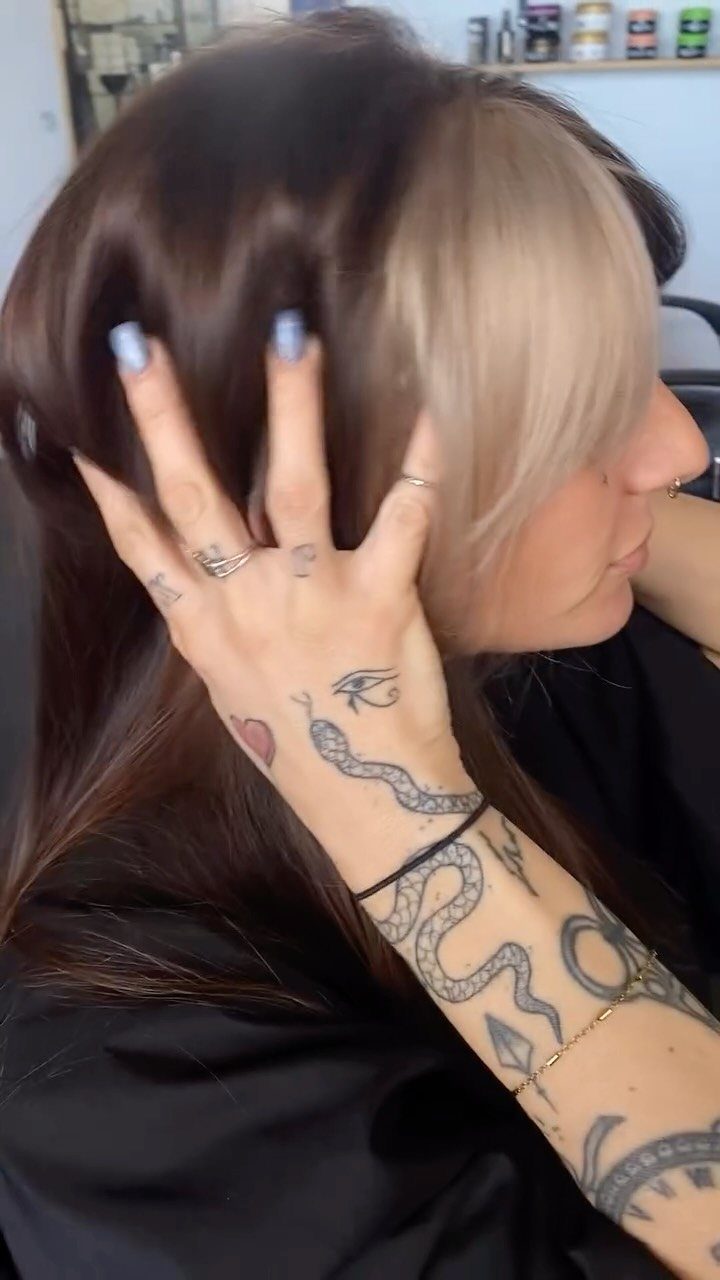
Half the head in blonde and half in black, split down the middle, is the entire look, and it reads louder than almost any other blonde you can ask for.
I like it for anyone who wants blonde without committing the full head to it.
Show the stylist a photo and say where the split should fall, since the placement of the line sets the look. Ask for it face-framing.
15. Chestnut Blonde
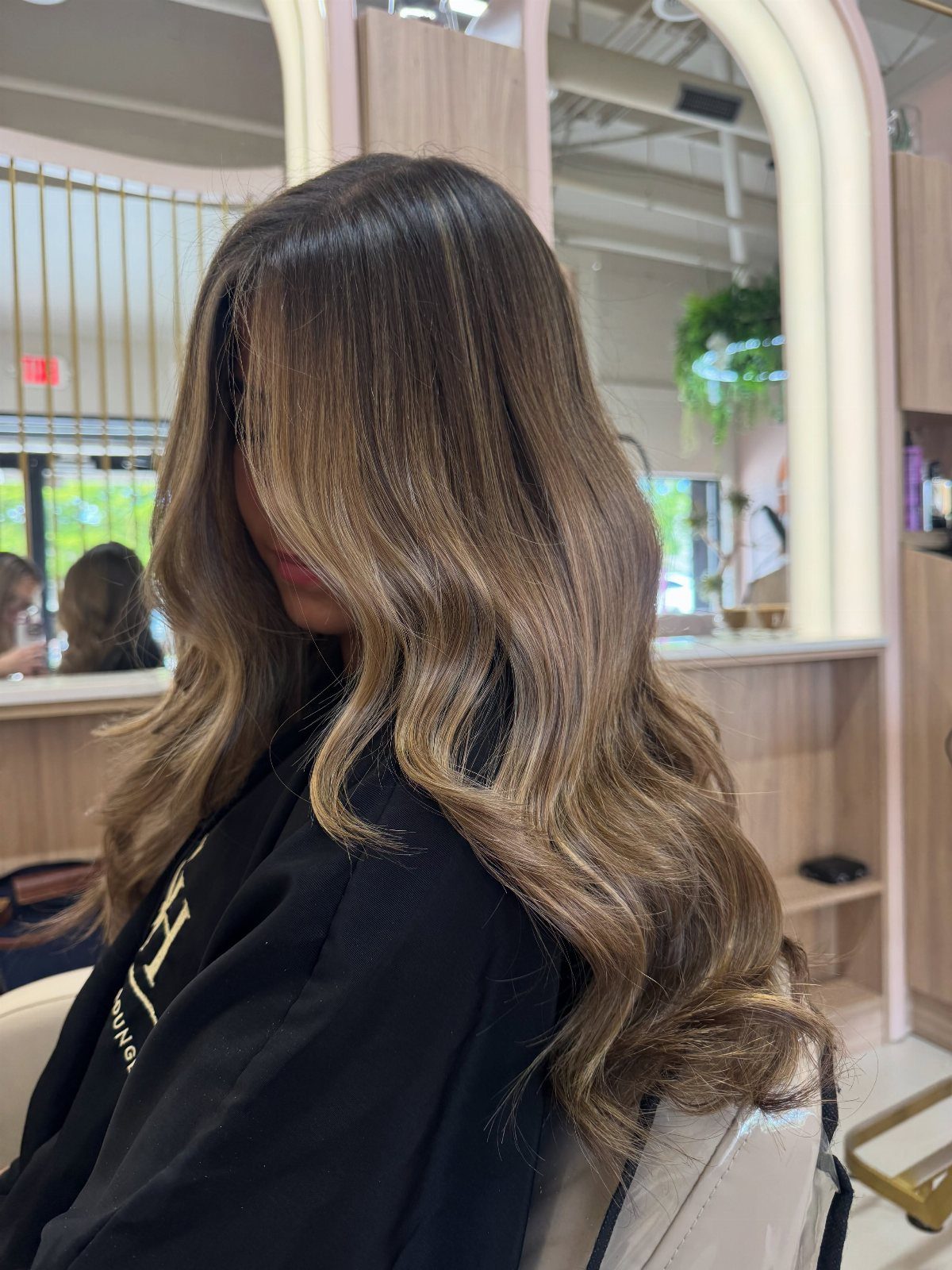
Chestnut brown carries this shade, with warm blonde highlights laid through it. Loose waves let the lighter pieces show between the brown.
Say "chestnut" first and "warm blonde highlights" second, so the stylist keeps brown as the base. I’d choose it if you want warmth more than lightness.
16. Mushroom Blonde
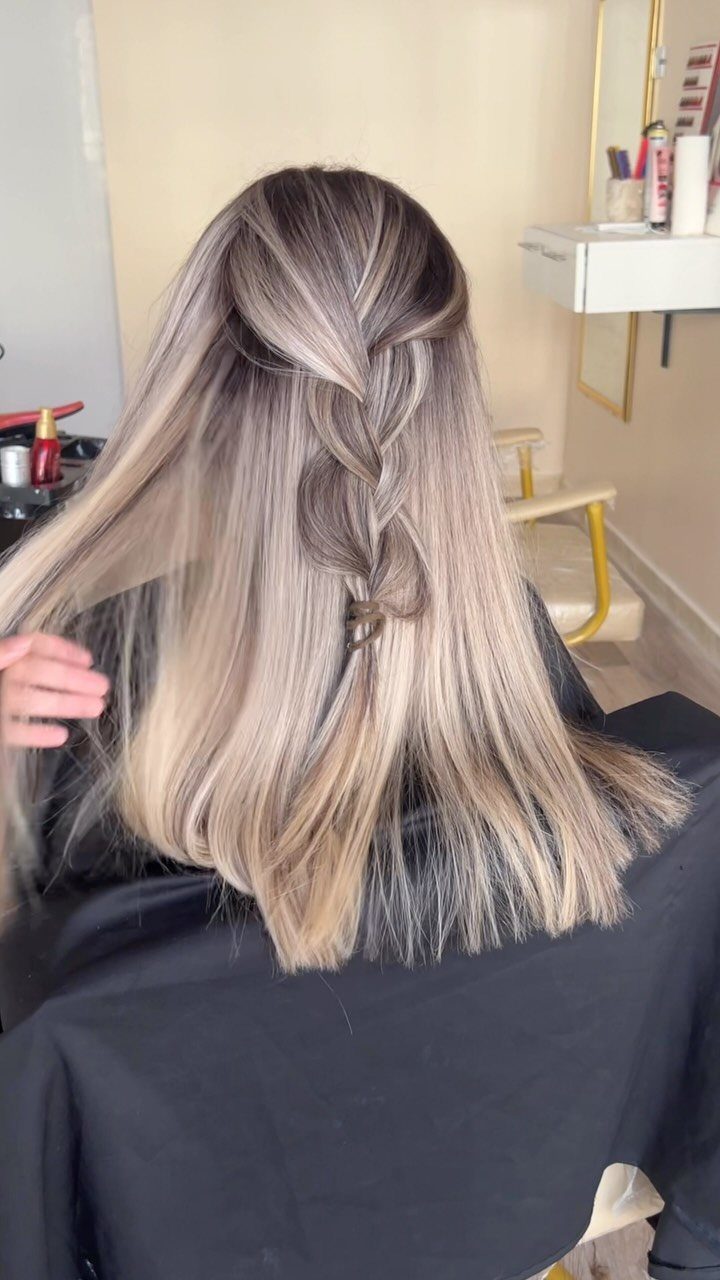
Brunette tones stay mixed into a muted ash blonde here, which keeps the cool shade from reading stark. A partial braid suits it.
Ask for "mushroom" and "muted," and tell the stylist you want the brunette tones kept in the blend. If you like cool blonde with some brown left in it, this is my pick over a cleaner ash.
17. Rooted Dark Blonde
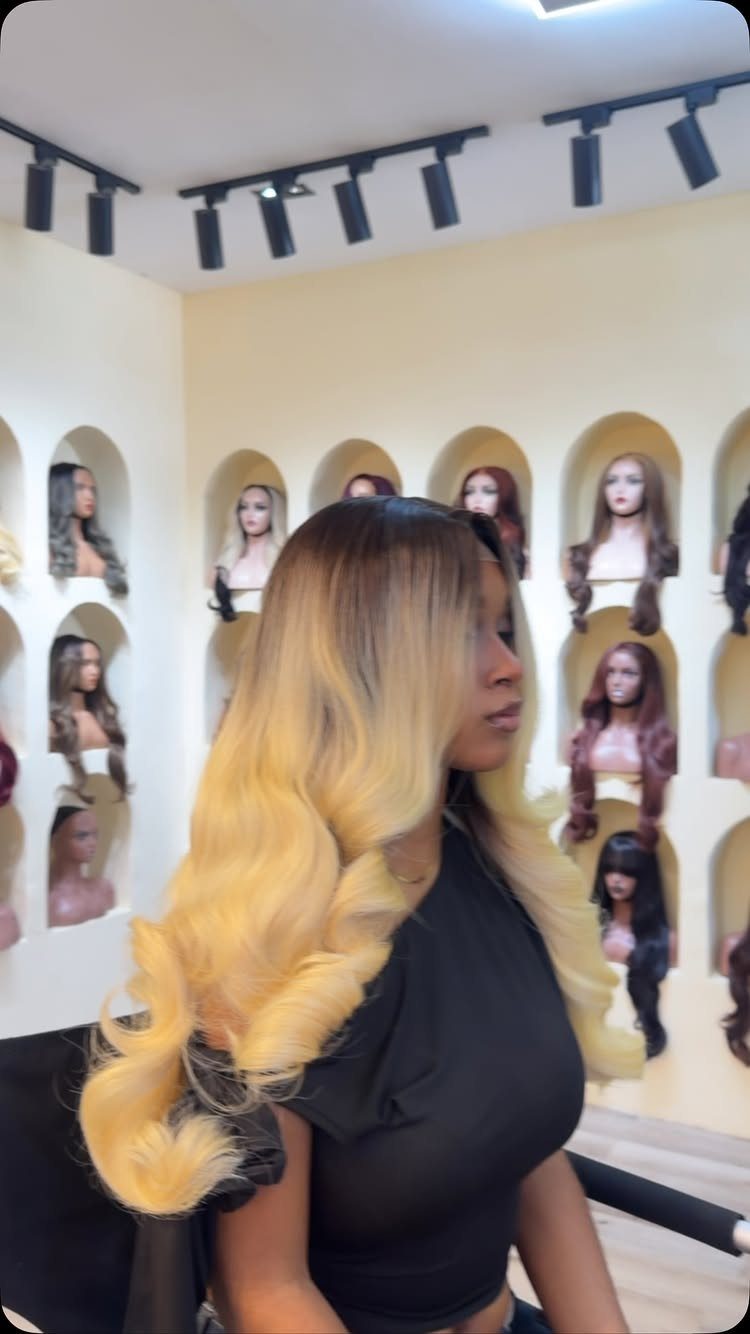
Dark roots stay where they are, and a lighter, brighter blonde blends into them, so there’s no hard line at the part. Long waves make that gradient easy to see.
Ask for "rooted" and say you want the blonde blended into your natural roots. Golden blonde on top is my favorite way to wear it.
18. Silver Blonde
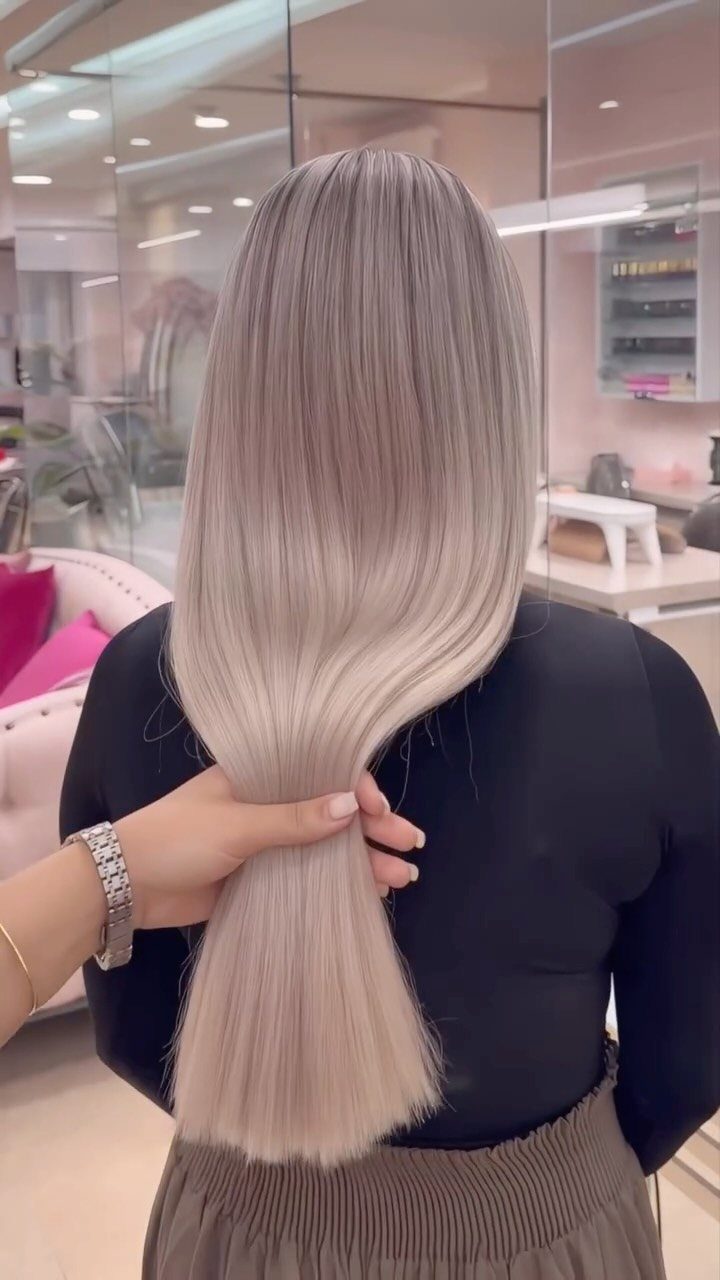
Sterling is the cast to ask for: a cool, ashy blonde with a silver finish. Worn long and straight, it reads like polished metal.
Ask for silver or sterling by name, and have your stylist keep every trace of butter out of the mix. Bring a photo, because "silver" alone can be read several ways.
19. Summer Blonde
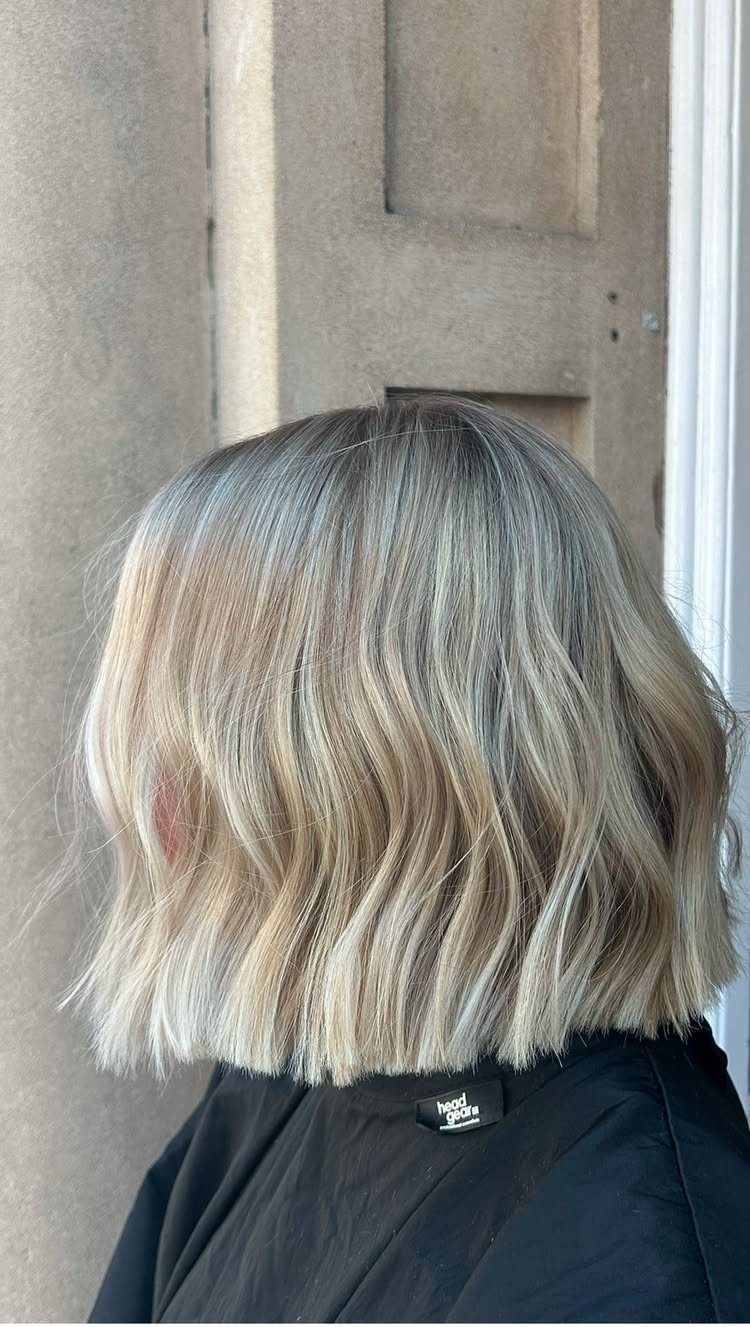
Flaxen is the word for summer blonde: a sandy base with pale, sunny highlights laid over it, so the color looks like hair that spent a season outside.
Shoulder-length waves keep the highlights moving and stop the base from reading flat.
Ask for "flaxen" and "sandy base" with "sunny highlights," and bring a photo so the stylist knows how pale the pieces should go.
I’d pick this over a single-process blonde for anyone who wants light hair without a stark line at the root.
20. Auburn Blonde
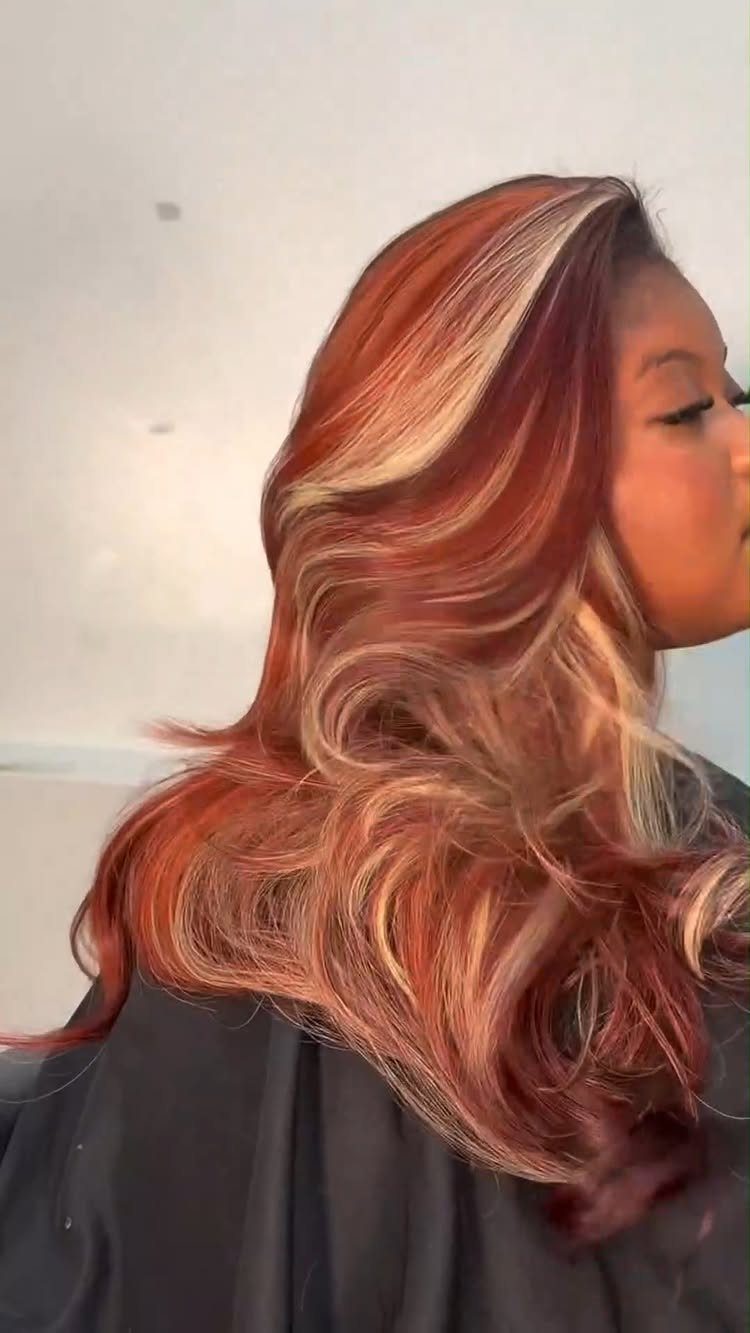
Tangerine is what separates auburn blonde from a standard strawberry blonde: the red leans orange-copper instead of pink. Long, wavy lengths let the sweeping copper pieces and the blonde highlights trade places as the hair moves.
Say "strawberry blonde with a tangerine tone" and "copper" when you book, since "auburn" alone can slide toward brown. Auburn blonde gives the warmest, brightest result of any red-leaning blonde, and it is the one I’d pick for that glow.
21. Chocolate Blonde
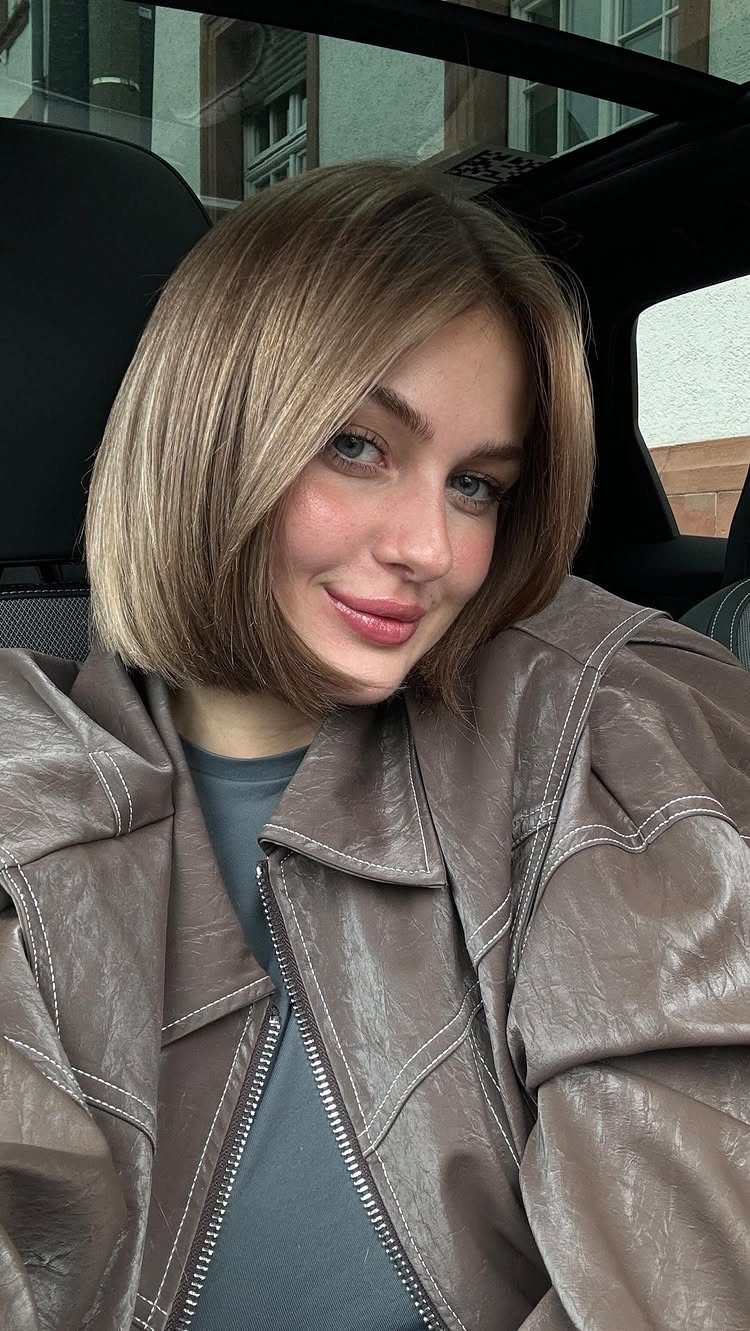
Chocolate blonde mixes deep brown with blonde, which gives a glossy, rich look instead of a bright one. A chin-length bob shows it well, because the blunt edge makes the color read as one smooth, shiny sheet.
I’d bring a photo and say "chocolate" and "blonde" together, so the stylist keeps brown in the mix and doesn’t go to full highlights.
Starting with chocolate tones keeps the jump from your natural shade small, so the change reads soft rather than sudden.
22. Teddy Graham Blonde
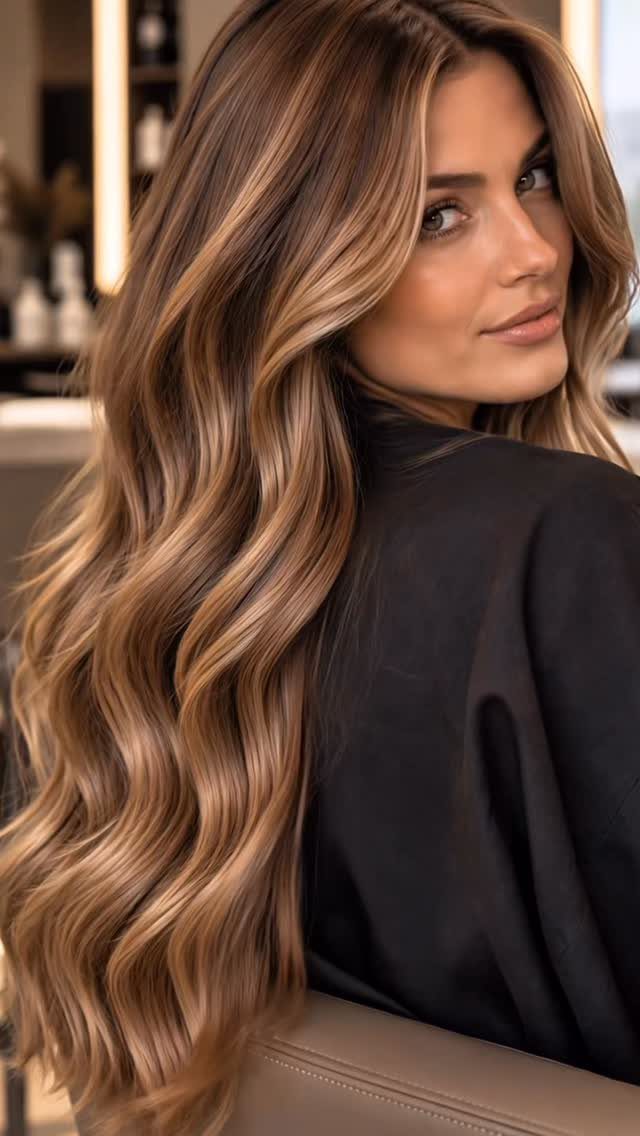
Teddy graham blonde is a honey-toned blonde with warm highlights, the color of a golden cracker, and it looks best on long, wavy hair where the lighter pieces can catch the light. It sits close to honey blonde, only toastier.
Ask for "teddy graham blonde" by name and bring a photo, since the name is newer than most and a stylist may not know it. Warm highlights are the part to stress.
Choosing a Shade for Undertones
Start with your skin, not the hair swatch.
Warm undertones run yellow, peachy or golden, and cool ones run pink or blue. Warm skin generally looks best in honey or golden blonde, and cool skin in platinum or ash.
If you can’t tell which you are, try the lipstick test.
Hold a bluish lipstick against your face, then a yellowish one. The wrong undertone makes lipstick look off on you, and that tells you which side you’re on.
Eye color and natural hair color count too, so weigh them before you settle on a shade. Dark blonde comes in both warm and cool versions, so the same undertone rule applies even to deeper shades.
If the lipstick test leaves you split, I’d book a consultation. A stylist can judge your skin tone in person, and that is more reliable than a photo.
Blonde Care and Maintenance
Cool water keeps the cuticle closed, so rinse with it instead of hot and your blonde holds its tone longer between salon visits.
A weekly hair mask keeps blonde soft, and on the weeks between appointments a purple shampoo or conditioner neutralizes the yellow that creeps in.
Heat damage can cause brassiness too, so apply a heat protectant before any hot tool. Sun lifts blonde toward brass fast, so cover up with a hat or finish your routine with a leave-in conditioner that has SPF.
Chlorine and salt water can discolor blonde, so keep your hair away from both when you can. Regular trims and toners keep it from looking dull, and a salon gloss or touch-up is the fix when brass returns anyway.
If you want product names, I’d look at Bumble and Bumble Illuminated Blonde as a leave-in and heat protectant, R+Co Sunset Blvd shampoo and conditioner for brass, and IGK Offline as the weekly mask.
Going Blonde and Upkeep
Your natural color sets the size of the change before any shade does. Staying within 2 levels of it gives the most natural-looking result, while naturally dark hair may need several sessions, which adds both damage and cost.
Add up the full bill before you commit: multiple appointments, shampoo and conditioner made for blonde, regular touch-ups and trims. Then check your lifestyle, because blonde that needs frequent salon visits only works if your schedule has room for them.
With darker roots, I’d go dimensional. Balayage and highlights are the lowest-effort blondes to live with, because the roots blend into the lighter pieces and the grow-out never shows the harsh line that all-over color leaves.
Not ready to bleach? Extensions let you wear blonde without lightening your own hair, which makes them a low-risk way to test a shade.
Frequently Asked Questions
What are the different shades of blonde hair?
Blonde runs from warm to cool and from light to deep. Honey leans golden with a touch of amber, caramel sits where golden brown meets light blonde, and ash is the cool one, with no gold showing at all.
Platinum is the palest and can go icy or buttery, while creamy blonde is bright but softened with buttery warmth.
Deeper options include dirty blonde, buttery dark blonde and chestnut blonde, and strawberry and cherry blonde add a blush of red or berry.
What is the difference between dark blonde and light brown hair?
Dark blonde falls between brown and blonde with golden or yellow undertones, and sun exposure tends to bring out lighter strands.
Light brown is a brown first, and its undertones run deeper and warmer, often reddish or bronze rather than golden. Undertone is the quickest way to tell them apart.
Is dark blonde warm or cool, and what skin tone does it suit?
Both warm and cool versions exist, so choose the one that echoes your undertone.
Honey or caramel suits warm complexions, while dark ash or mushroom blonde suits cool ones. It works on fair, medium and deep skin alike, and if your undertone is neutral, most shades will look good on you.
What is the most popular blonde hair color?
Ash and other cool blondes get asked for more than any other shade.
Lightened hair fades warm over time, and cool or ash tones counter the gold, orange and red that show through. For a cool result, ash gets my vote over any warm tone.
What is the easiest blonde hair color to maintain?
Darker roots paired with balayage or highlights make the lowest-maintenance blonde. Because new growth melts into the lighter pieces, no hard line shows as it grows out, which is what all-over color gives you.
If you have a high percentage of gray, an all-over single-process permanent blonde (not bleach) covers it, and the regrowth looks less stark than dark roots would.