Hair that starts darker than a medium blonde has to be lightened first, since sandy tones only read clearly on a base around levels 7–9.
The list runs from soft sandy beige and fine babylights to a light sandy blonde that I’d leave to a salon, with balayage and a shadow root keeping regrowth gentle in between.
1. Sandy Blonde Balayage
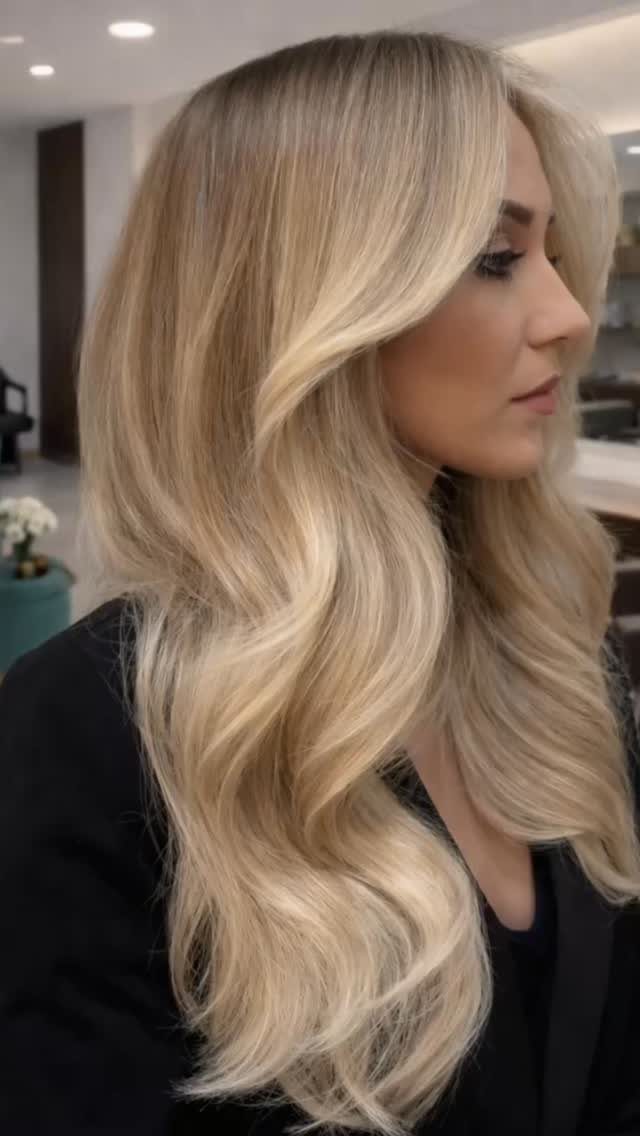
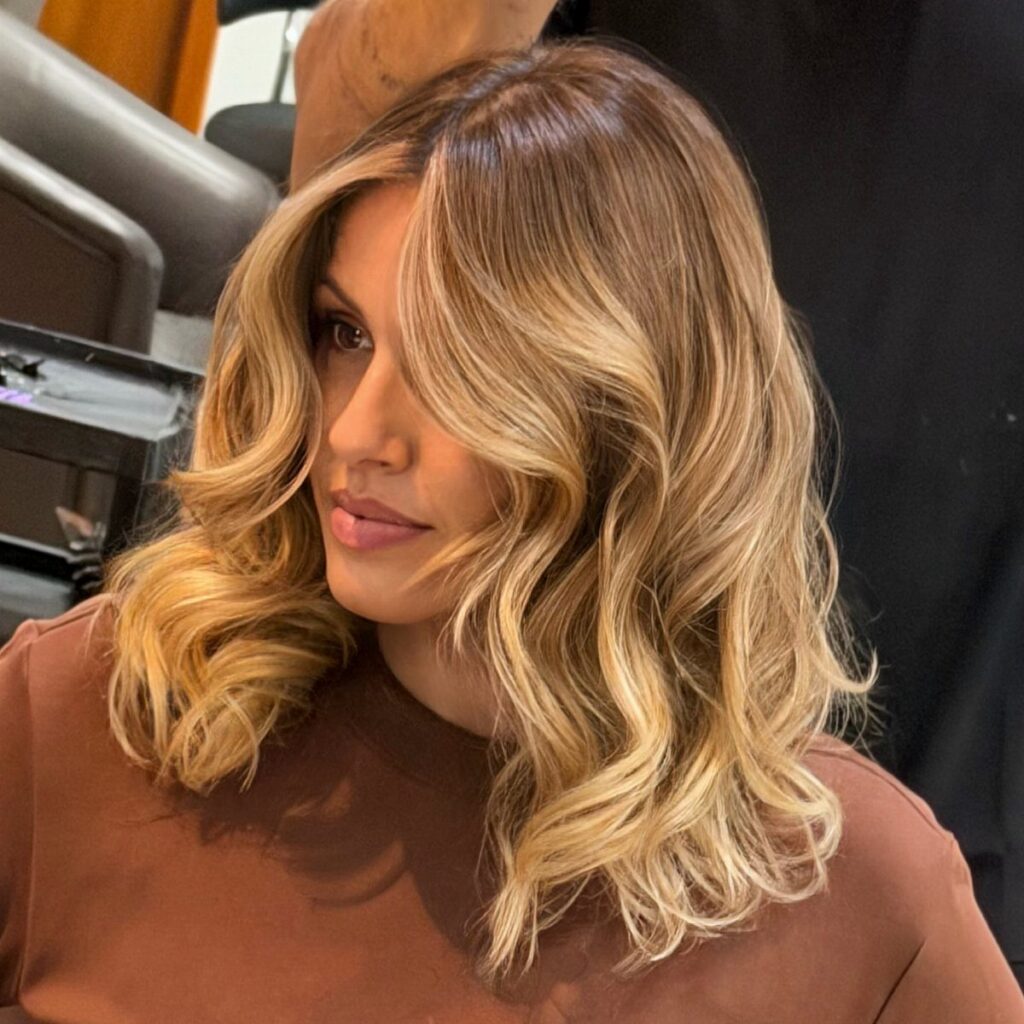
Darker roots melting into lighter ends is what makes balayage the easiest sandy blonde to live with. Because the lightener is painted by hand, no hard line forms at the regrowth, and the color reads as sun-kissed rather than striped.
For a brunette easing toward blonde, this is the gentlest route I know.
For sandy balayage, tell your stylist you want the color hand-painted and blended, with the root left near your natural depth so regrowth stays soft. Long, loose waves like these show the gradient best.
2. Cool Sandy Blonde
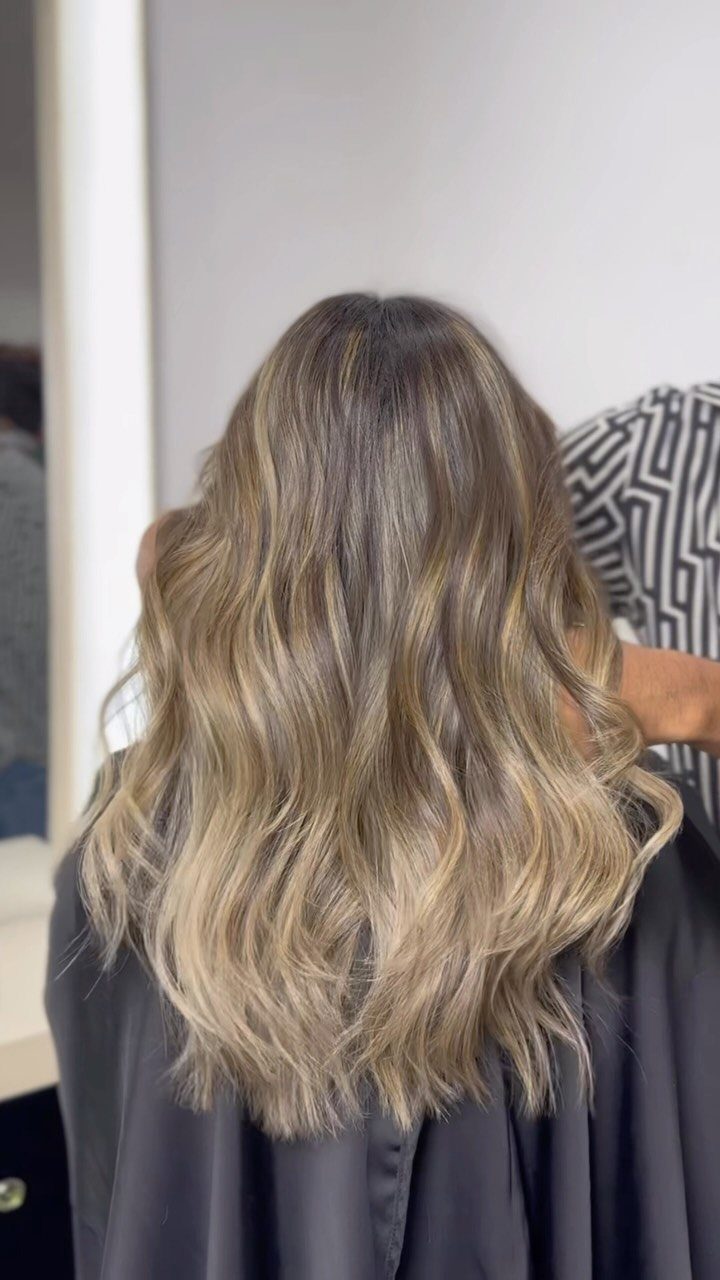
Ash is what separates this sandy blonde from the golden versions: the tone leans muted and cool, with nothing buttery in it.
Keeping the roots a shade or two darker than the lengths stops cool sandy blonde from looking stark, and it grows out gracefully.
If your skin runs cool or neutral, I’d pick this one. Show your colorist the word "muted" and ask for a neutral-to-ash finish, not a yellow-gold one.
Cool blondes tend to drift warm as they fade, so plan on a toning visit. I’d rather touch up a tone than lose the calm, ashy look.
3. Sandy Blonde Highlights
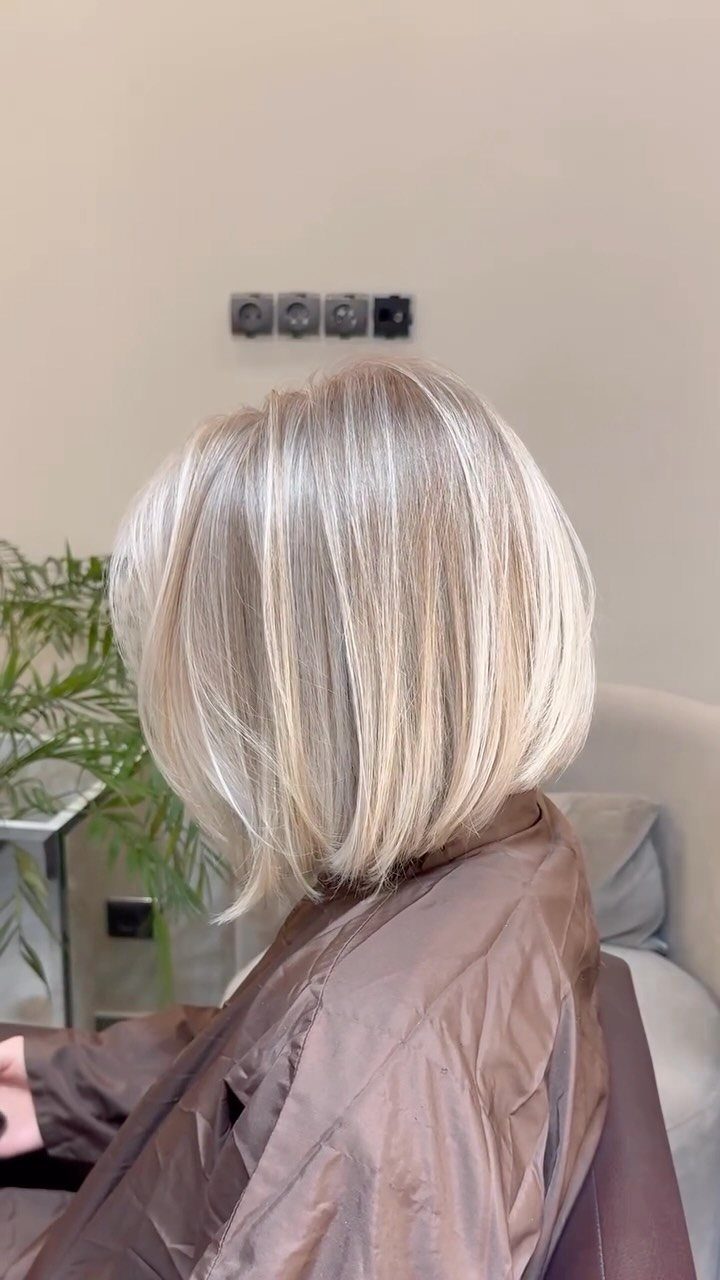
Lighter ribbons placed through a darker blonde or light-brown base are what give this bob its movement. On natural sandy blonde, the same placement adds dimension without changing the base shade.
Highlights read best against a precise cut, and I like them on a blunt, short shape, where every ribbon of color shows clearly.
Ask for the pale pieces to sit where the hair falls and moves, not in an even grid. A short cut is a good place to try highlights, since there is little length to correct if you change your mind.
4. Light Sandy Blonde
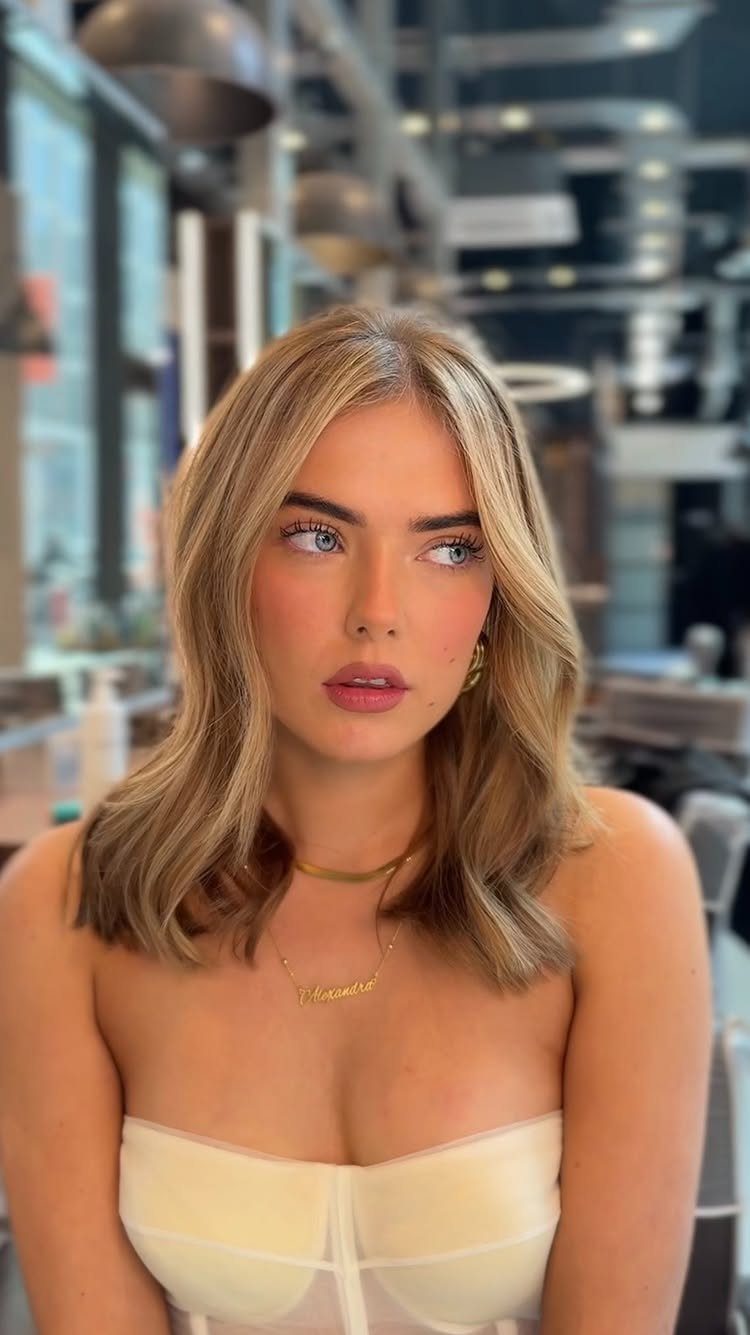
Sun-bleached sand is the best description of this shade: pale and bright, with just enough warmth to keep it from reading white. Layers help here, because lighter hair shows shape and texture more easily.
Going this light from a darker base is a bigger step than most sandy blondes, so I’d treat it as a salon job, not a box project.
Bring a photo and ask for the brightest sandy tone your hair can reach, then let the colorist decide how far it can safely go.
5. Sandy Blonde Babylights
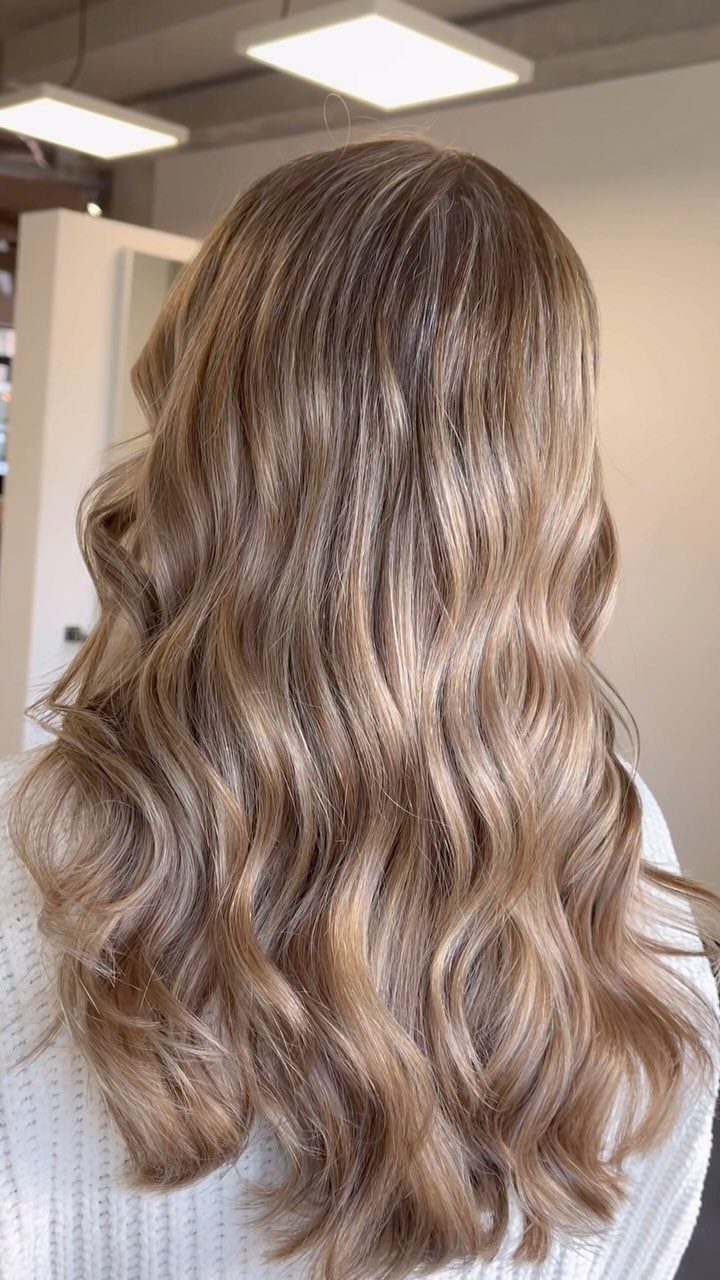
Babylights are ultra-fine highlights, and the result is all-over brightness that never announces itself.
Babylights are fine, close-set slivers, so on long waves they give a soft shimmer through the strands instead of visible stripes, and a darker root makes the effect look even more natural.
I like this for anyone nervous about contrast.
Ask for fine, close-set pieces for a subtle lift, not chunky streaks. It suits a gradual change, since the brightness builds quietly instead of arriving in one dramatic jump.
6. Silvery Sandy Blonde
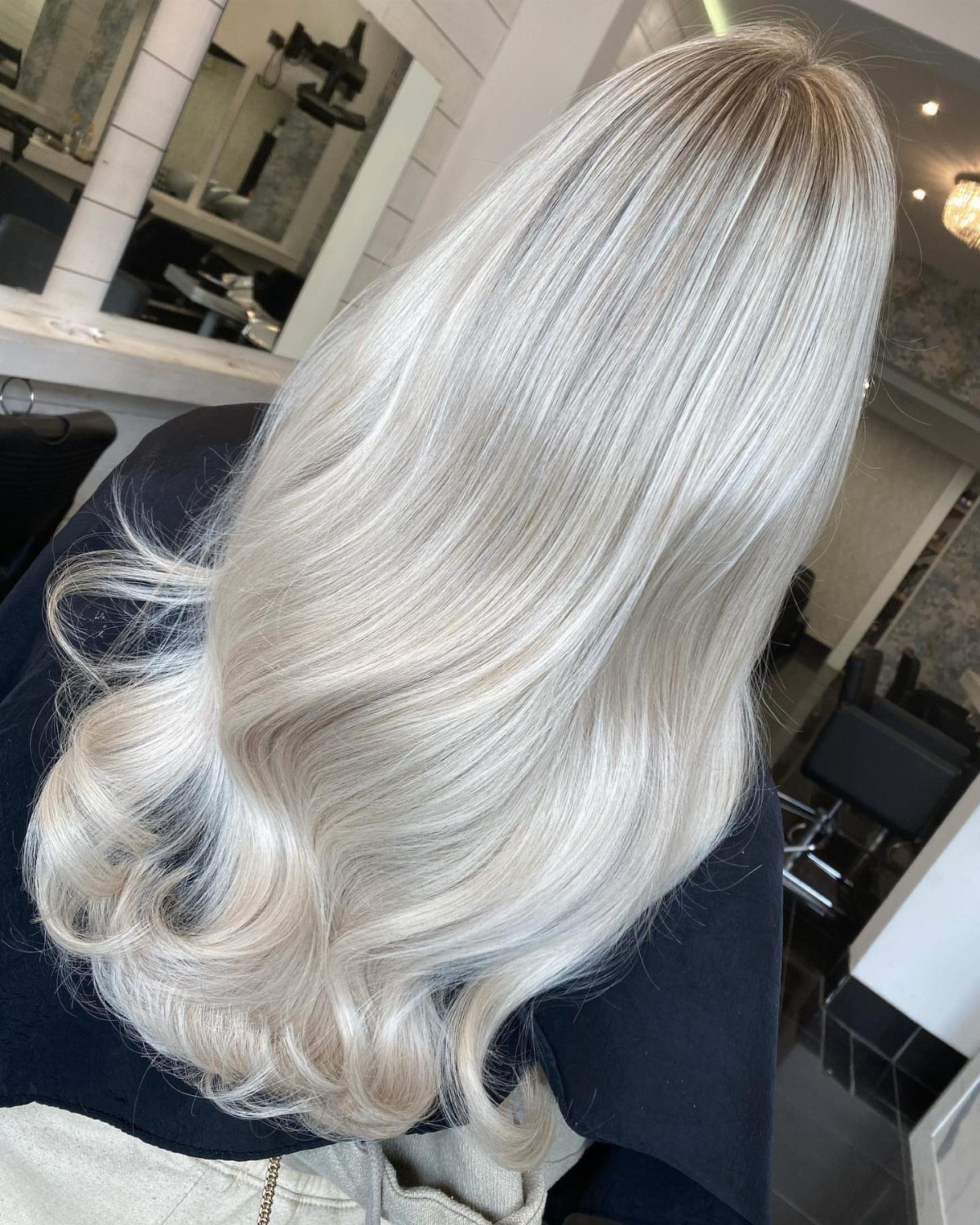
Silver cooling a sandy beige base gives this blonde its odd, lovely quality: warm enough to look soft, icy enough to look polished.
Long silvery sandy blonde can fall flat, so ask for smooth layers and softly curled ends to give the length movement.
If a plain ash feels too stark on you and a beige feels too warm, this middle ground is worth asking for by name.
Tell your colorist you want sandy beige warmth blended with icy silver tones. Expect to keep it that way with regular toning, because silvery shades are the first to shift.
7. Sunkissed Sandy Blonde
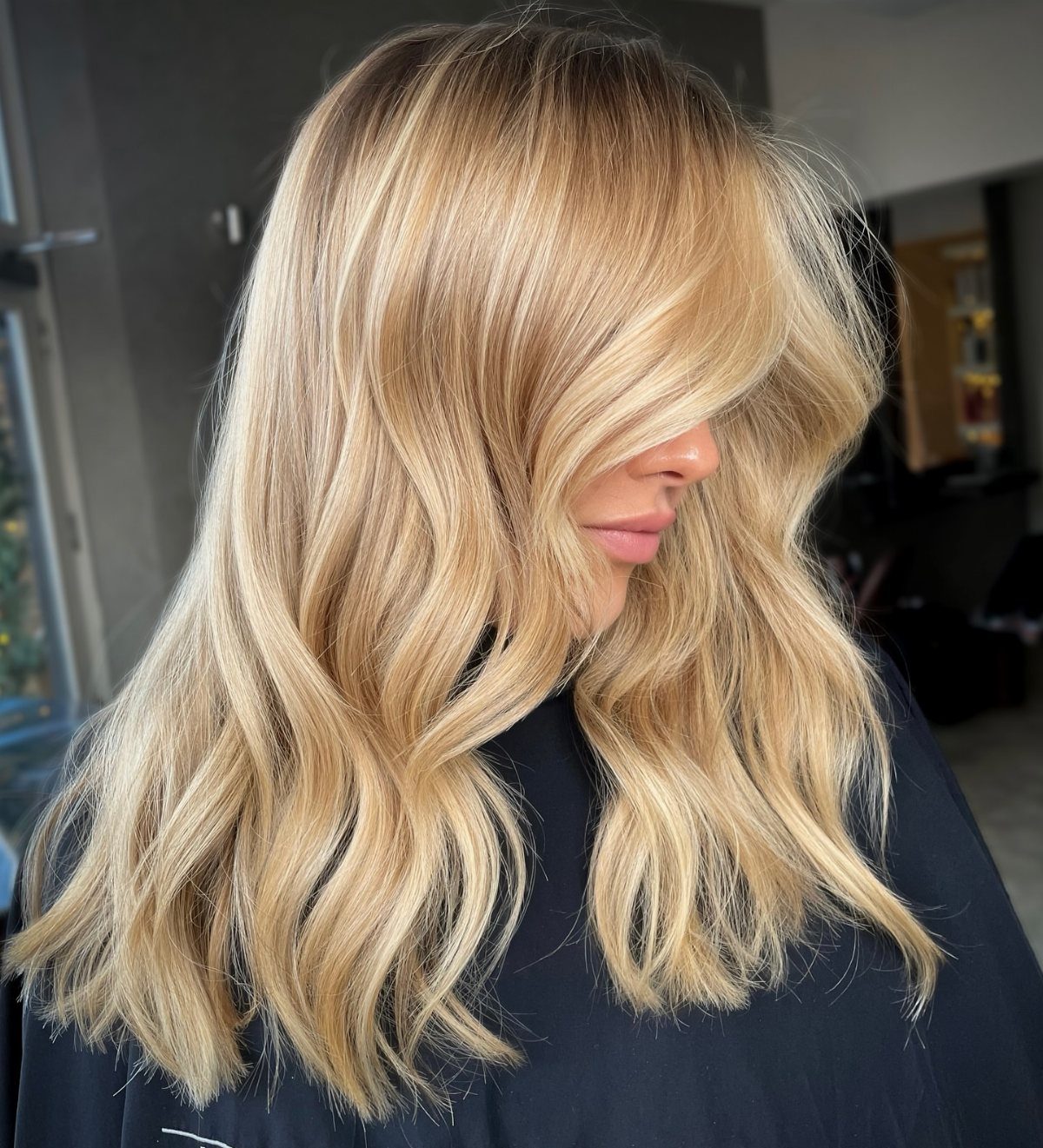
Scattered, warm highlights over darker roots make this look sunkissed, like hair that brightened over a summer outdoors. The lighter pieces fall unevenly, a few bright strands here and a cluster there, so nothing reads as a pattern.
That irregularity is what I’d ask for.
Tell your colorist you want warm, hand-placed brightness with the roots left deeper. Wavy hair shows it best, since each bend catches a different piece.
8. Layered Sandy Blonde
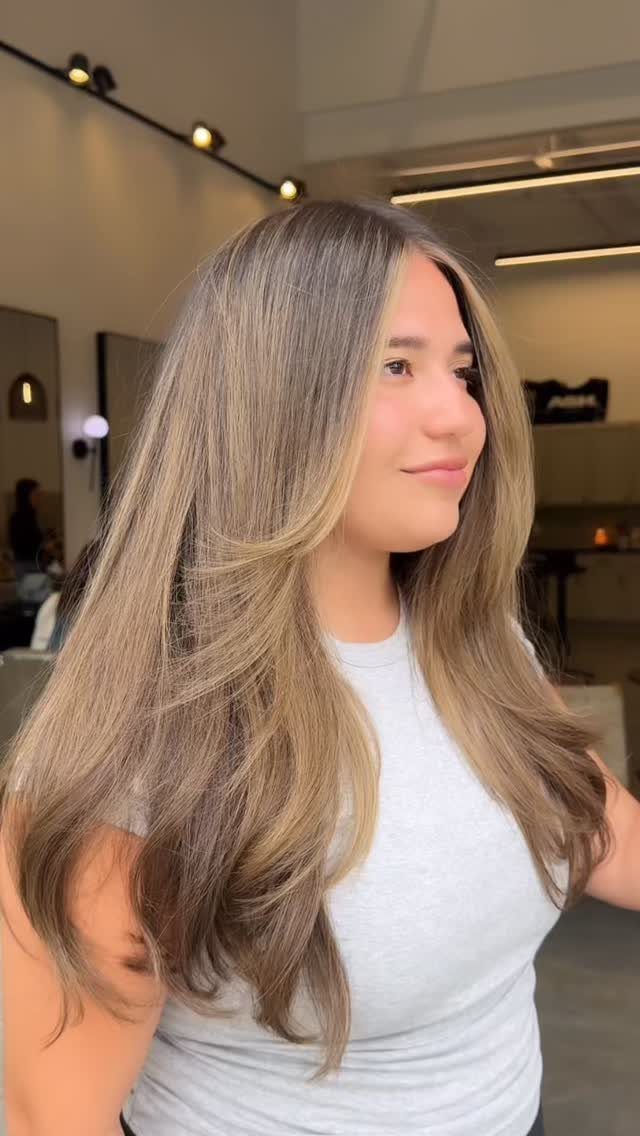
Cut does half the work in this one. Long layers let the sandy color break into lighter and deeper patches as the hair moves, so even a few subtle lighter strands look dimensional.
If your color is already sandy, I’d book the cut before adding more highlights. Ask for long, blended layers, and bring a photo of the movement you want.
9. Sandy Blonde with Shadow Root
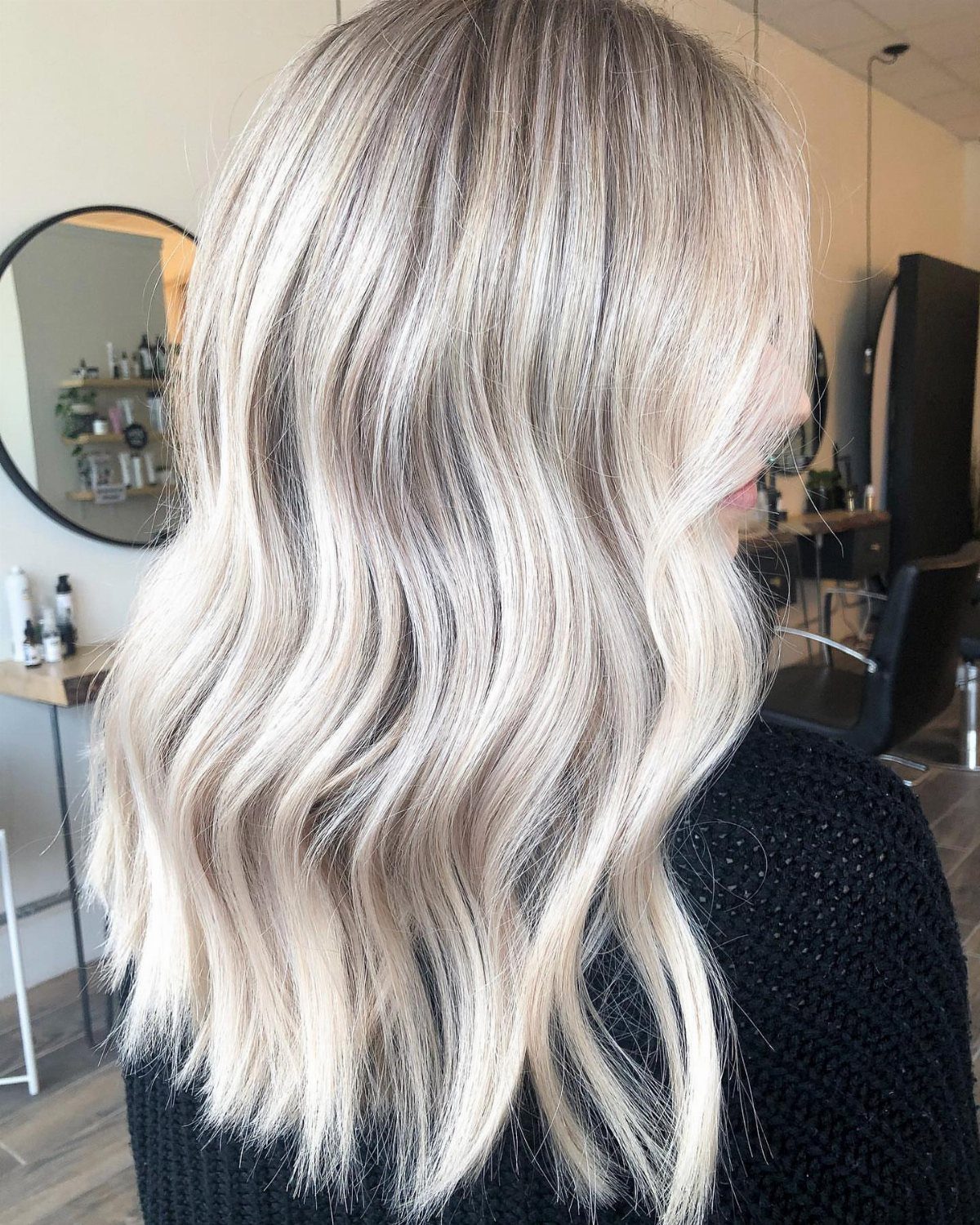
Shadow root means the color sits deeper at the scalp and melts downward into the sandy lengths. Done well, the blend is soft enough that you can’t point to where one tone ends.
I like it on waves, where the darker top gives the lighter hair something to play against. Ask for the root to be blended, not banded, and name a depth close to your natural color so the shift stays gentle.
10. Sandy Beige Blonde
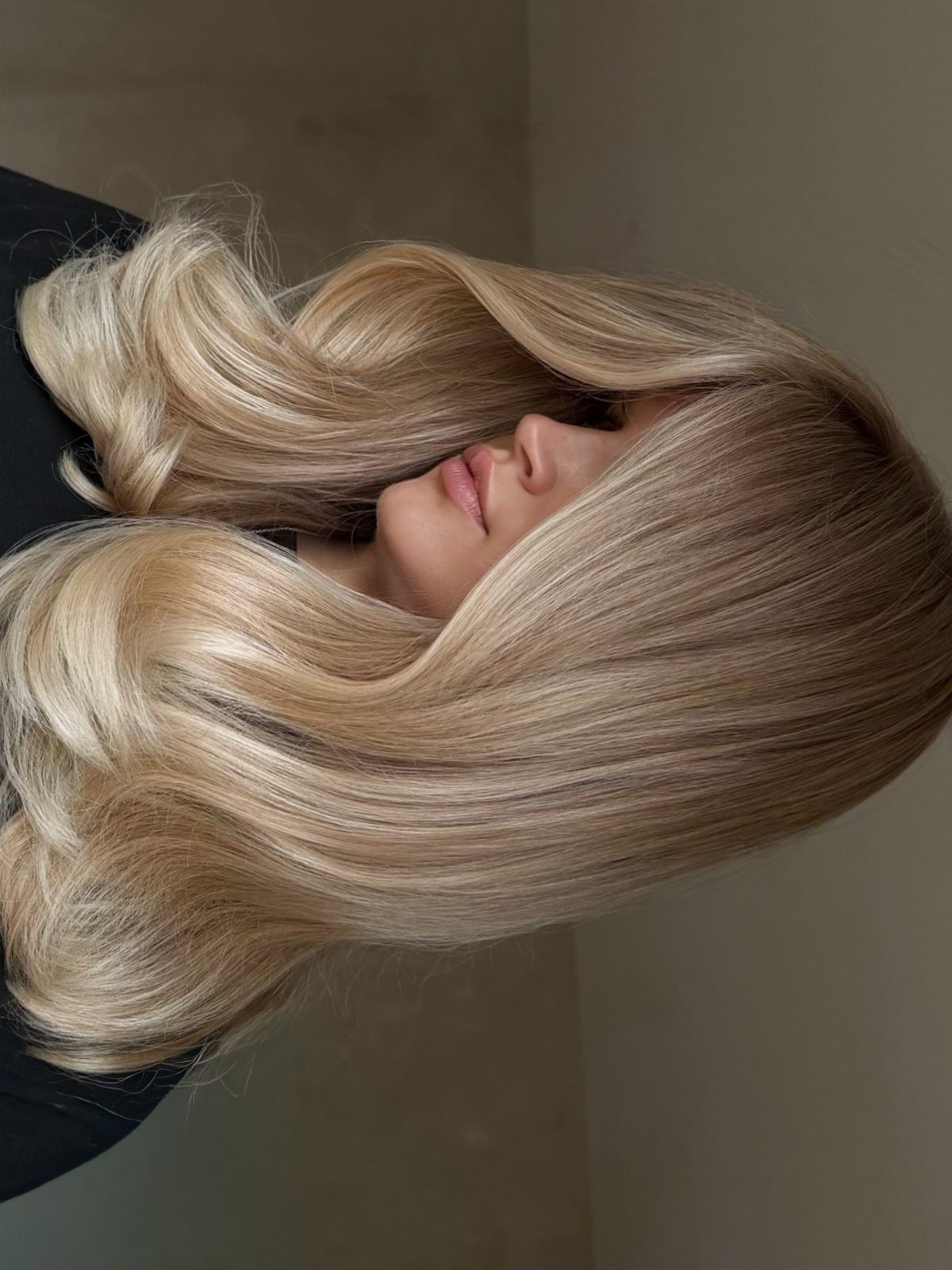
Beige pulls back on both gold and ash, leaving a low-contrast sandy blonde that sits close to natural.
Sandy beige is a soft, low-contrast shade, so I’d pair it with big, voluminous waves that add the movement and dimension the color doesn’t supply on its own.
Use the word beige with your colorist and ask for the tones to stay close in depth, with no stark pieces. For a color that looks like it belongs to you, this is the one I’d choose.
11. Deep Sandy Blonde
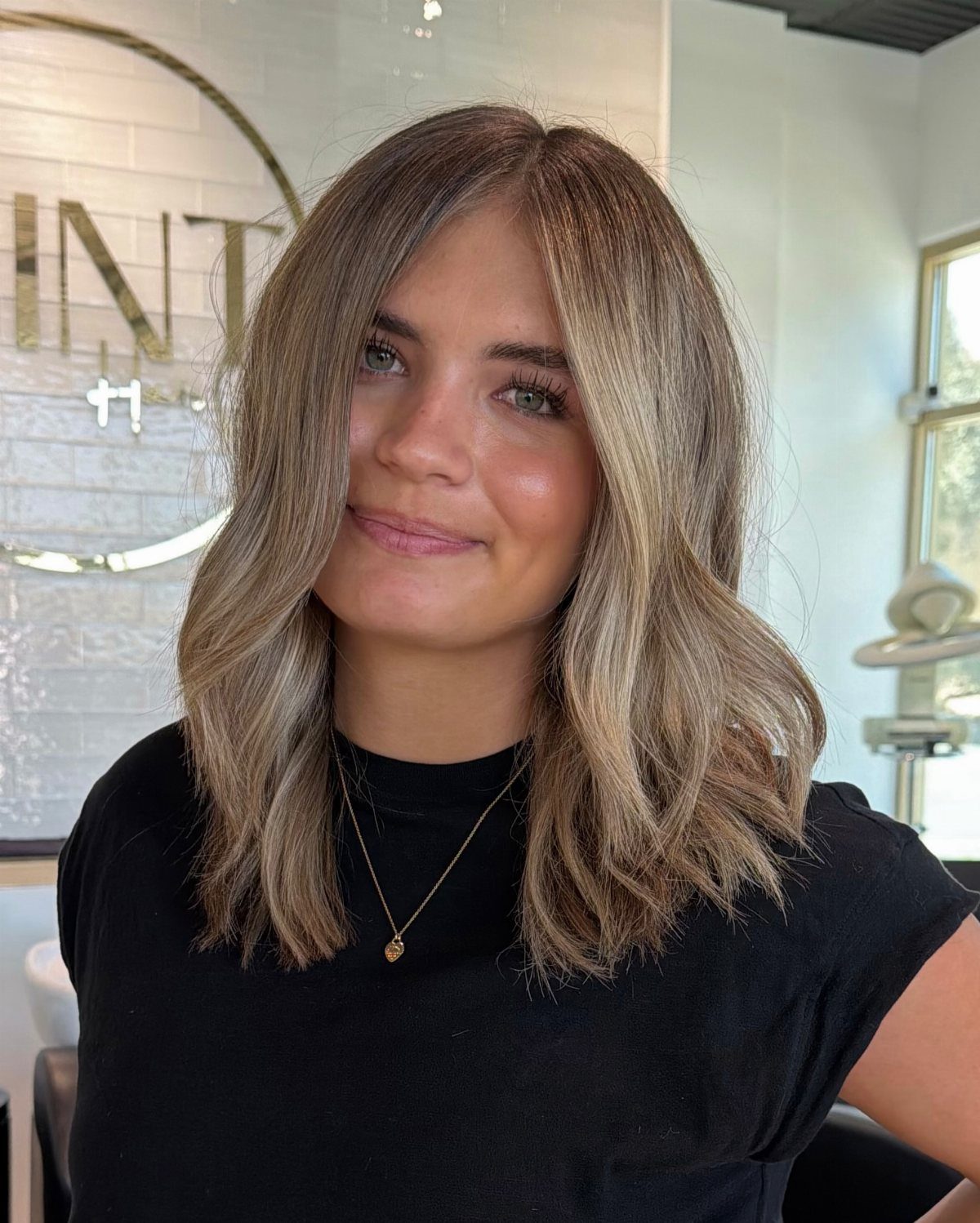
Deep sandy blonde can pass for an ordinary warm blonde until you look closer. Look closer and thin, darker lowlights run through it, which gives shoulder-length waves their beachy glow.
Lowlights are the request to make.
Ask for subtle ones, just deeper than the base, so the warmth stays bright. I’d suggest this to anyone who finds all-over blonde a little flat, since the deeper strands add depth without dulling the color.
12. Dimensional Sandy Blonde
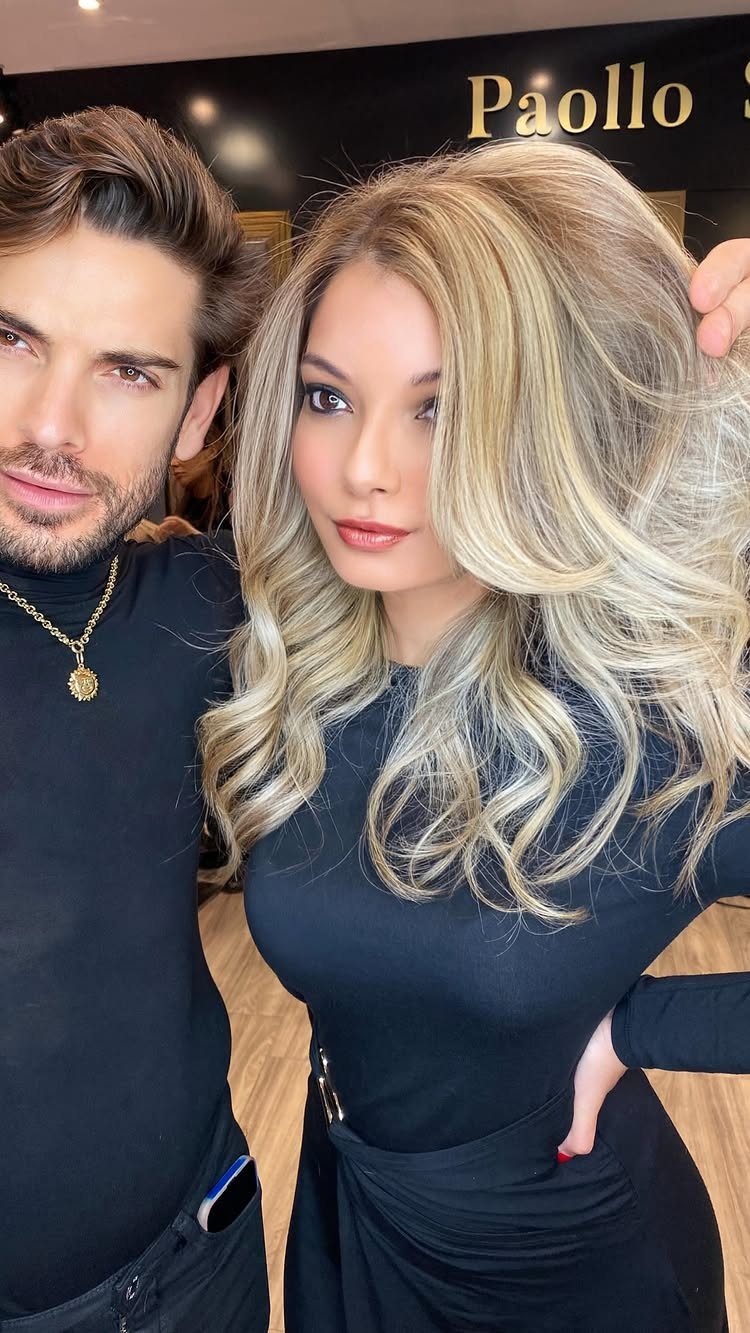
Two or more tints woven through one sandy base give this color its depth, and curls show every one of them. The shades sit close together, so there’s no harsh line at the root.
Ask your colorist for 2 or more tints and say you want them blended, not striped. On long hair I’d pick this over a single flat shade, because the extra tones add dimension that layers alone can’t.
Choosing a Shade for Undertones
Sandy blonde balances golden and ashy undertones, so it flatters most skin tones before you change anything. Your own coloring decides which way to tilt it.
If your skin runs warm, tell your colorist you want honey pieces woven through the sandy base, since they push the whole color toward gold.
For cool undertones, a muted, mushroom-leaning blonde keeps the color soft. Neutral undertones can go either direction.
One mix-up to avoid: neutral sandy blonde has fewer golden undertones than most sandy shades.
The warmer version of sandy blonde holds extra gold plus a touch of brown, which makes it look richer; a lot of colorists start with the lighter, neutral shade and tone it warmer from there.
The two look nearly identical in dim indoor photos. I’d bring a daylight photo to the appointment and say which one you mean.
Coloring Process and Lightening
Your starting color decides the method, and no single technique fits every change. Hair darker than a medium blonde needs pre-lightening before sandy highlights will show, so a brunette should plan for that extra step.
Sandy blonde is typically reached through lightening and then toning, so the toning step matters as much as the lift.
Stylists rate shades on a level scale from 1 (black) to 10 (the lightest blonde), and that number is what lets them mix the same formula again at your next appointment.
Sandy blonde falls around levels 7–9. Ask which level your hair is now and which one you’re aiming for, then save both numbers for your next appointment.
Color Care and Maintenance
Start with a color-safe shampoo and a moisturizing conditioner smoothed through the mid-lengths and ends. Washing less often helps too, since frequent cleansing gradually strips tone.
Spray a heat protectant on before any hot tool touches your hair, because high heat dulls blonde and makes it fade faster.
In peak summer, limit long stretches in direct sun or cover your hair, since UV exposure fades blonde too.
If your color is salon-done, a gloss or toning appointment refreshes the hue and keeps brassiness in check between full color services. It isn’t a must if time is short.
Darker or blended styles, with deeper roots, need those visits less often than lighter color.
Frequently Asked Questions
What is sandy blonde hair color?
Picture dry beach sand: sandy blonde sits in the middle of the range, mixing beige and gold with a hint of ash or light brown.
Naturally it sits between blonde and light brown. Change the lighting and the shade shifts with it, reading warmer in sunlight and cooler under office bulbs.
What is the difference between sandy blonde and beige blonde?
Beige blonde has fewer golden undertones and reads more neutral. Beige blonde stays flatter and paler, while sandy leans into gold over a brown base, so it looks deeper and richer.
In dim indoor shots the two are close to identical, so I’d show your colorist a daylight photo and say which name you’re after.
What is the prettiest shade of blonde?
No single blonde wins for everyone, because the best one follows your undertone.
If I had to pick one that works on the most people, it would be sandy blonde, since it balances golden and ashy tones and flatters most skin.
Light sandy blonde is the brighter pick, pale but warm enough to stay off the white end, and it works on fair to neutral skin.
Is sandy blonde warm or cool?
Balanced between golden warmth and soft ash, classic sandy blonde lands in neutral territory.
That balance is why it can be steered either way. Ask for honey pieces to push it warmer, or a muted, mushroom-leaning blonde to cool it down.
What skin tones look best with sandy blonde hair?
Most skin tones can wear sandy blonde; the shade just needs to echo your undertone.
Warm skin does well with honey pieces woven in, cool skin with a muted, ashier and beiger version, and neutral skin can wear either. A stylist can also adjust how light or deep it goes.
How do you maintain sandy blonde hair?
Use a color-safe shampoo and a moisturizing conditioner on the mid-lengths and ends, and wash less often, since frequent cleansing strips tone. Heat dulls blonde and speeds fading, so a heat protectant spray goes on before any hot tool.
Long hours in direct sun are hard on the color, so cut back where you can, and schedule a gloss or toner appointment between color services to refresh the shade and hold off brassiness.
Is sandy blonde low-maintenance, and does it need frequent salon visits?
It’s relatively low-maintenance compared with platinum or icy blonde, though it still needs toning to keep brassiness away. Deeper roots and blended styles stretch the time between visits even further.