These looks run from one bright piece on each side of a solid black head to a center part that splits black and blonde down the middle, with caramel balayage and icy platinum ribbons in between.
Where your hair has been matters more than where you want it to go: untouched dark hair lifts predictably if slowly, while old black box dye leaves a dense pigment buildup that turns bright orange before it ever reaches gold.
1. Blonde Face-Framing Highlights
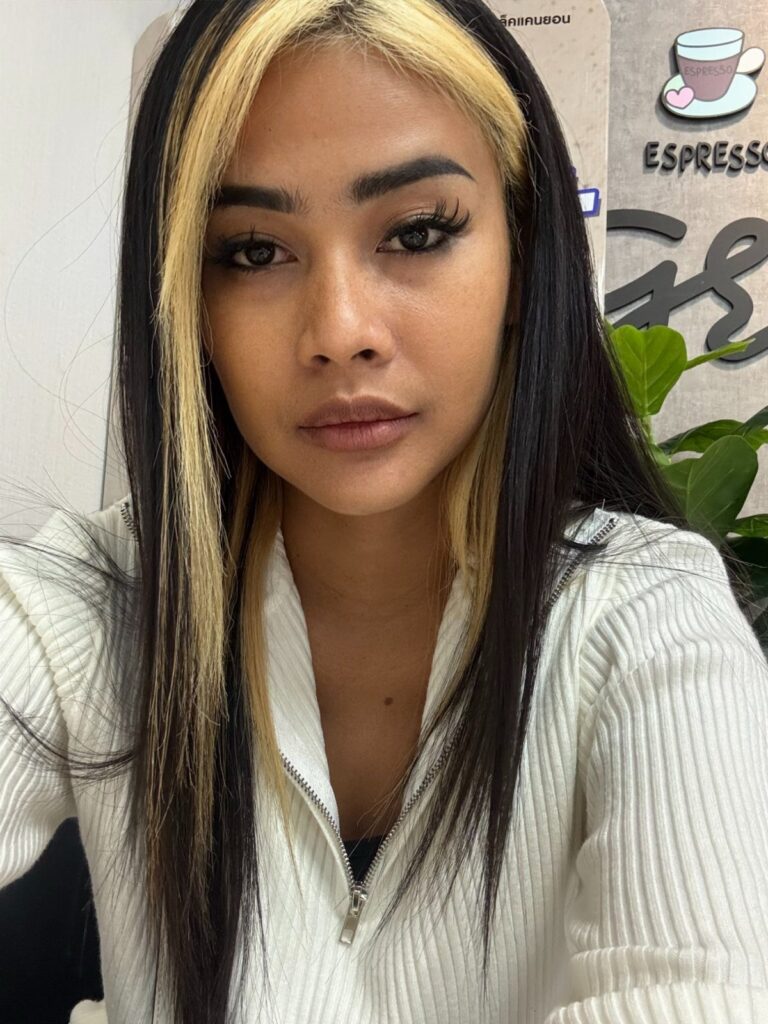
Only the pieces around the face get lightened here, and the rest of the length stays black.
That placement puts the brightness right beside your skin, so the blonde shade matters more than usual. Pick one that flatters your complexion, because it will be the first color anyone sees.
I like this for anyone who wants contrast without turning the whole head blonde. Ask for face-framing highlights and bring the photo.
2. Blonde Balayage on Black Hair
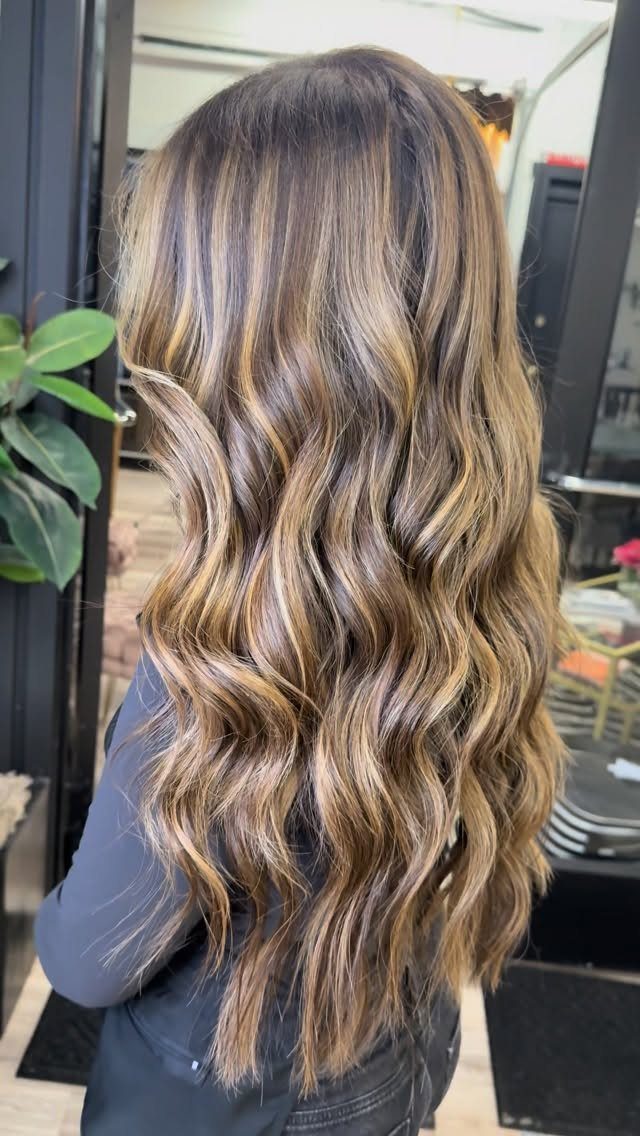
Balayage is painted on by hand, so the blonde melts into the dark base instead of stopping at a line. On black or very dark hair, that softness is what keeps the lightness looking sun-kissed rather than striped.
Balayage beats a heavier highlight on black hair if you want a natural, lived-in look, and it is the one I would book. Ask for balayage by name and show your stylist how much blonde you want near the ends.
3. Dark Blonde Hair
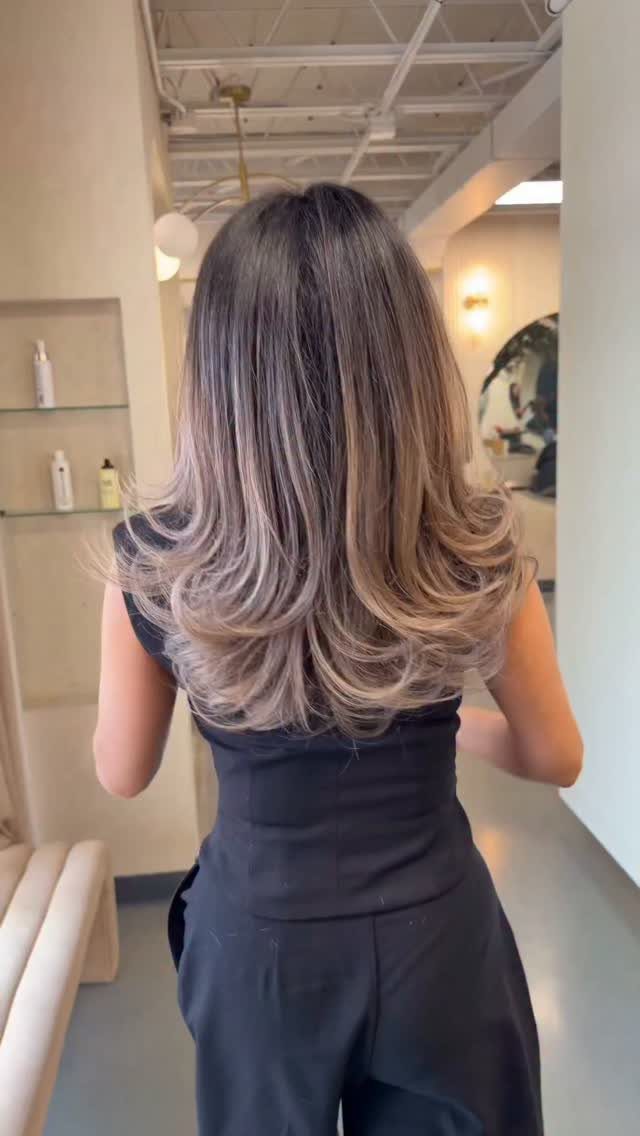
Bright blonde can be pulled richer. Dark blonde, sometimes called bronde, tones existing highlights down so they sit closer to a brown base, and a cool cast keeps the color from drifting warm.
This is the one for anyone whose blonde feels too loud against dark hair.
You keep the dimension but lose the glare. Ask your stylist to tone your highlights toward dark blonde rather than lighten again.
4. Ash Gray Highlights
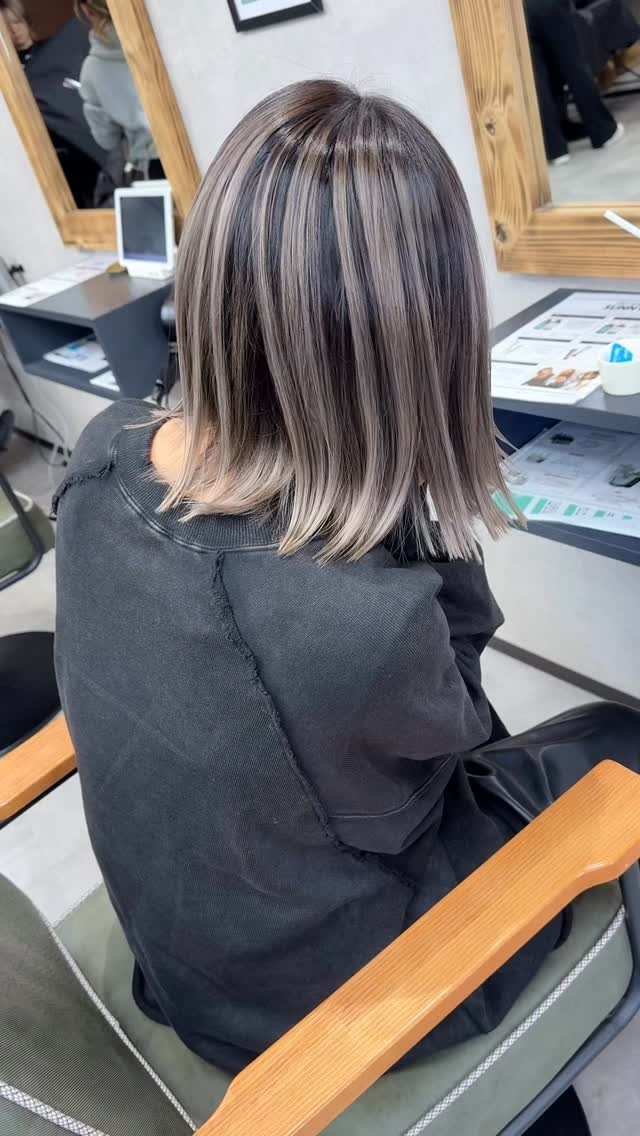
Ash gray highlights run from the roots down to mid-length, and the blend is what makes them work. Gray set against dark hair can look harsh, but pale blonde woven through it softens the shift.
On a shoulder-length cut, the color has little length to spread across, so every placed strand shows. I would pick this if you lean toward cool tones and want an edge without going fully silver.
5. Half and Half Black and Blonde
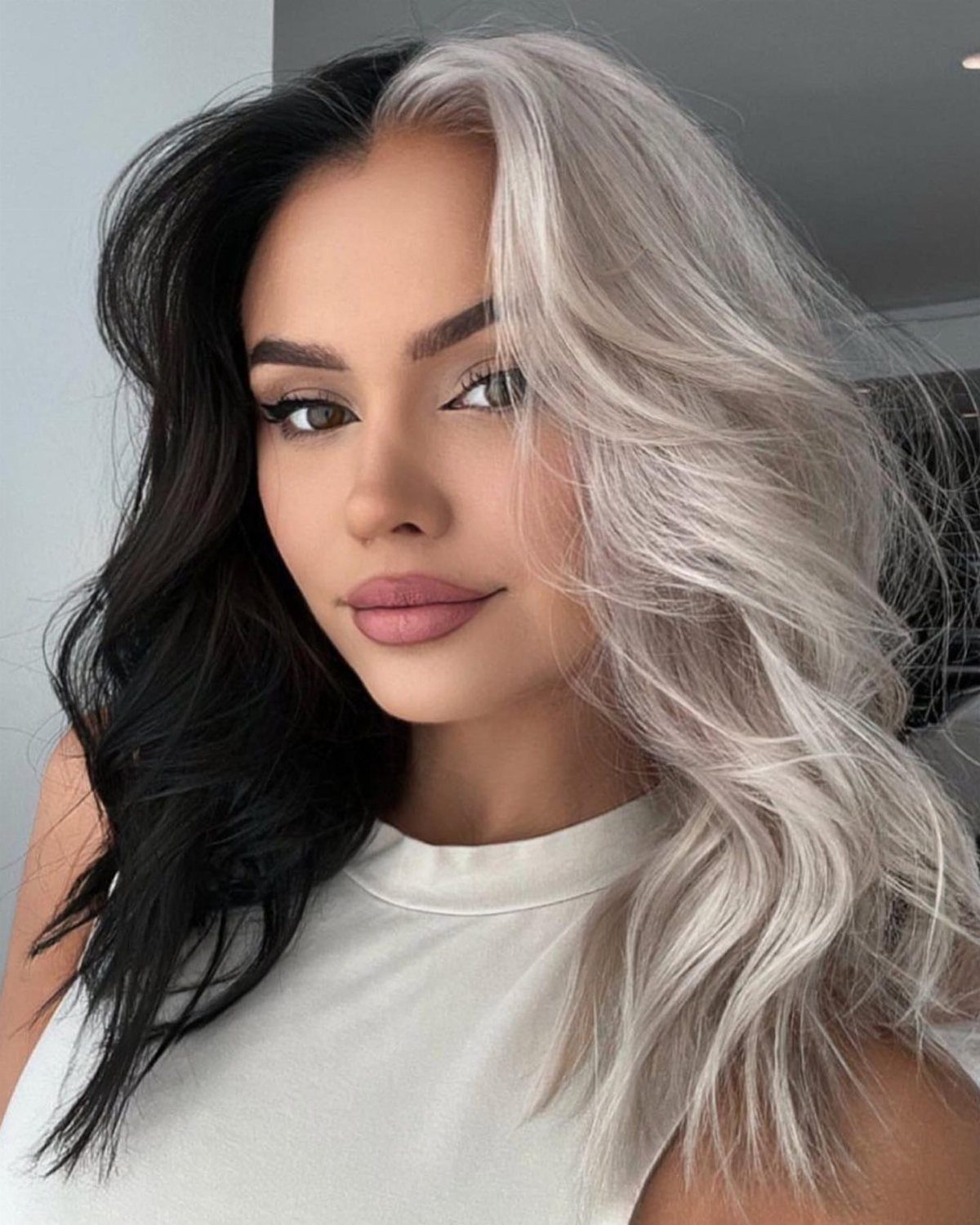
A center part is the entire design. Black falls on one side, blonde on the other, and the part is the line where they meet.
Half and half is the highest-contrast way to wear black and blonde, with no blending at all where the 2 colors meet.
Shifting your part moves the line, so the look only holds when you part it down the middle. I would wear it for the drama, not for subtlety.
6. Black and Blonde Braids
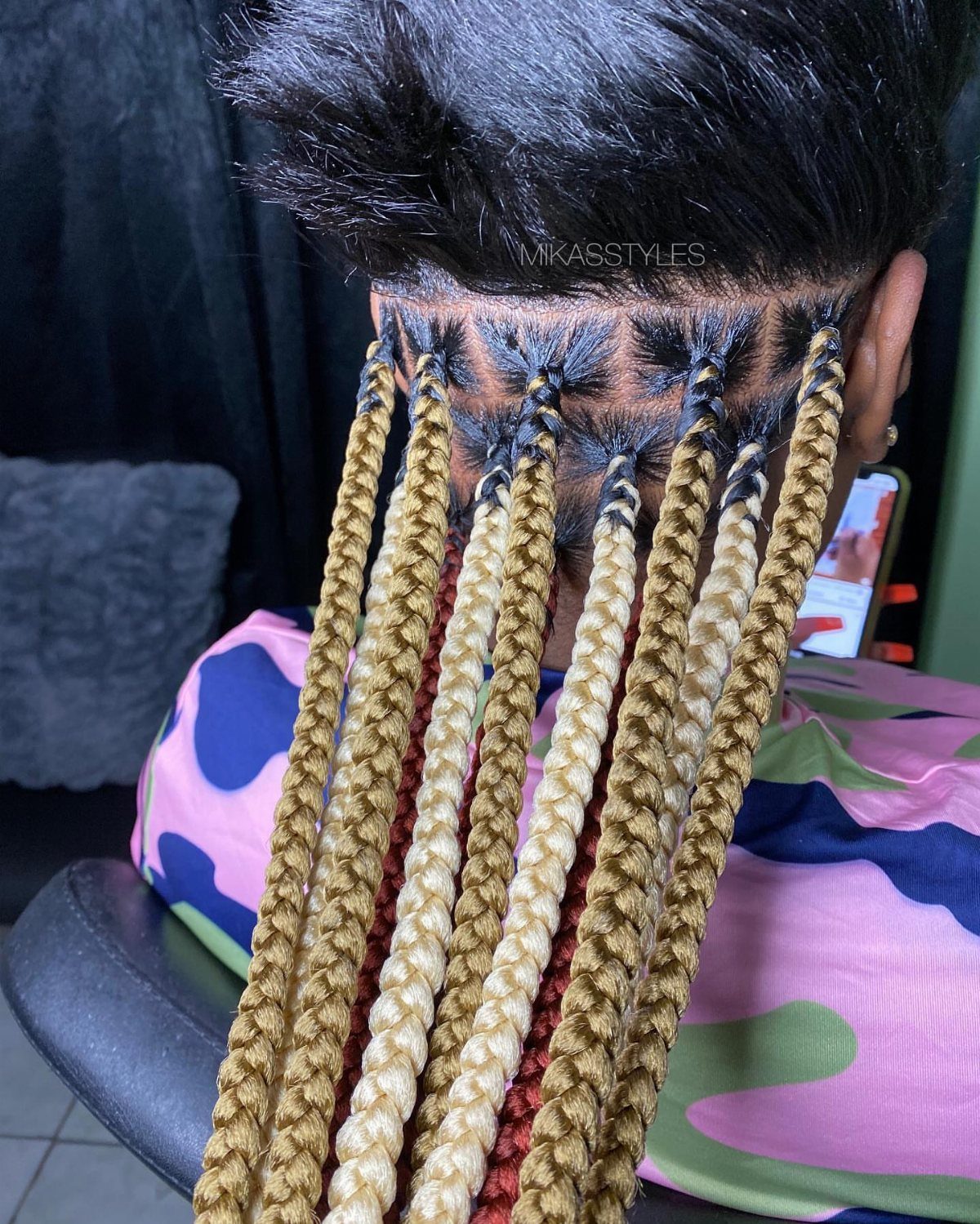
Braids carry the color here: black scalp braids with long blonde extensions woven through. Because the blonde lives in the extensions, your own hair stays in a protective style underneath.
Tell your braider how you want the black and blonde balanced, since that ratio sets the whole look. More black reads as a flash of light; more blonde makes it the main color.
7. Black to Blonde Ombré
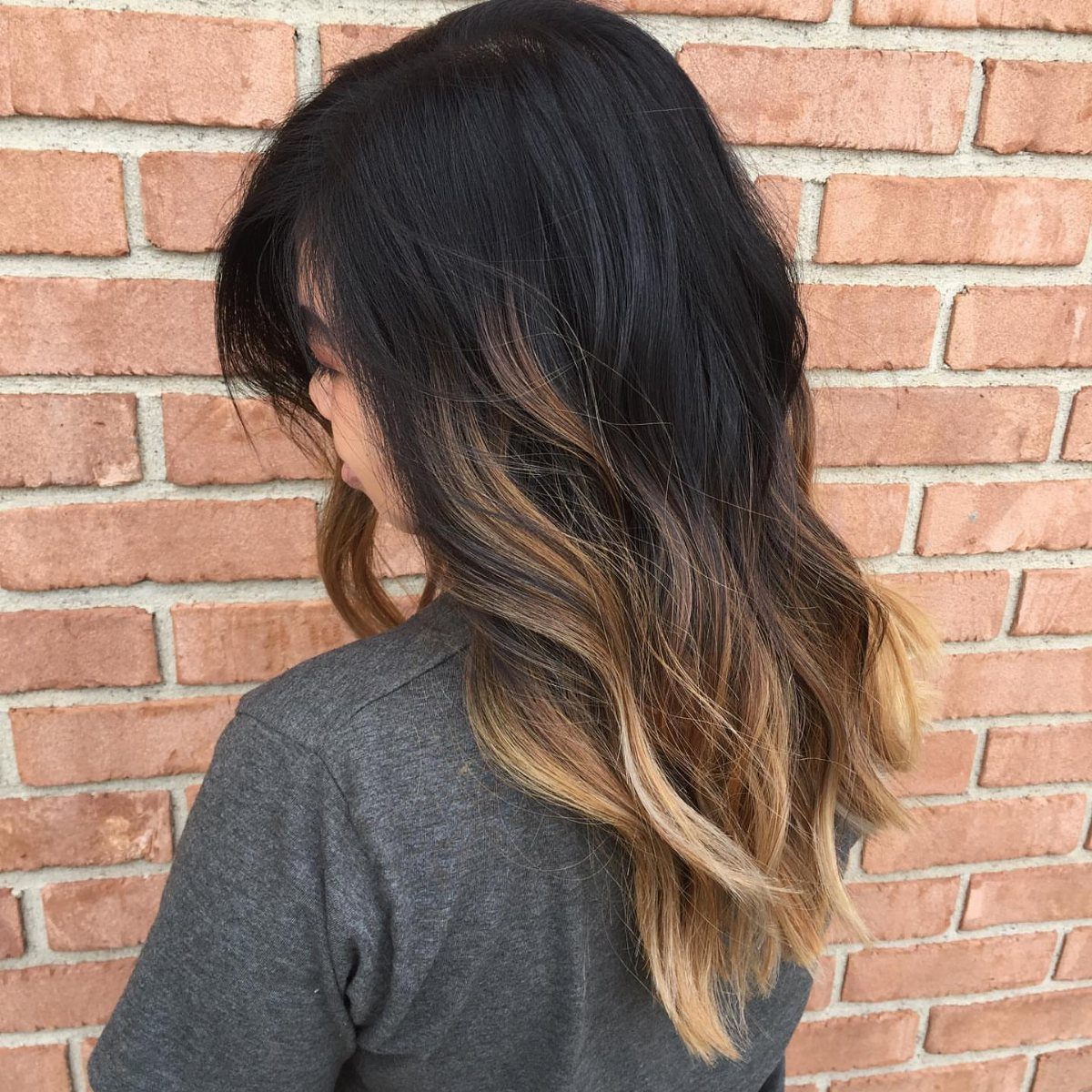
Ombré runs as one gradient from top to bottom: black through the roots and upper lengths, then lightening gradually until the ends are blonde. Nothing breaks the fade, and long waves spread it out so the shift reads smooth.
I like this for anyone who wants black to stay the main color and blonde to act as a finish.
Book it as ombré, and say exactly where the black should start fading, whether that’s at the chin, the mid-lengths or just the last few inches.
8. Chunky Blonde Highlights
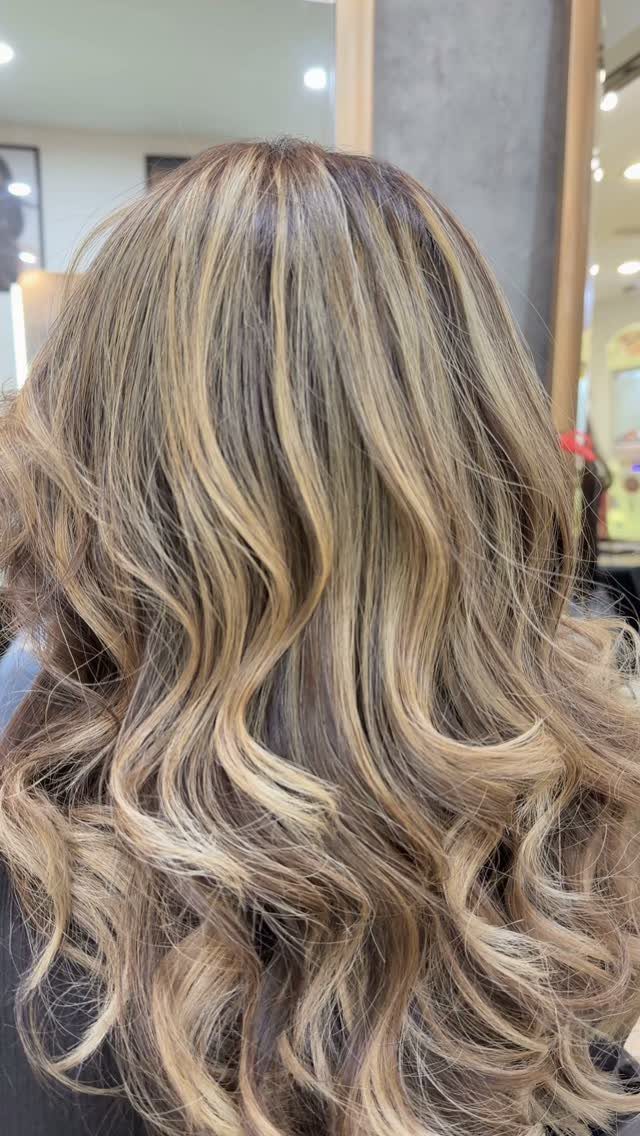
Wide, deliberate ribbons are what separate chunky highlights from fine, scattered ones. Against dark brown roots the contrast is sharp on purpose, and curls stack those thick pieces so they show from every angle, including the back.
If you want the highlights noticed, I would choose this over a soft blend. Ask for chunky, wide sections and decide how many ribbons you want before you sit down.
9. Icy Blonde Color Blocking
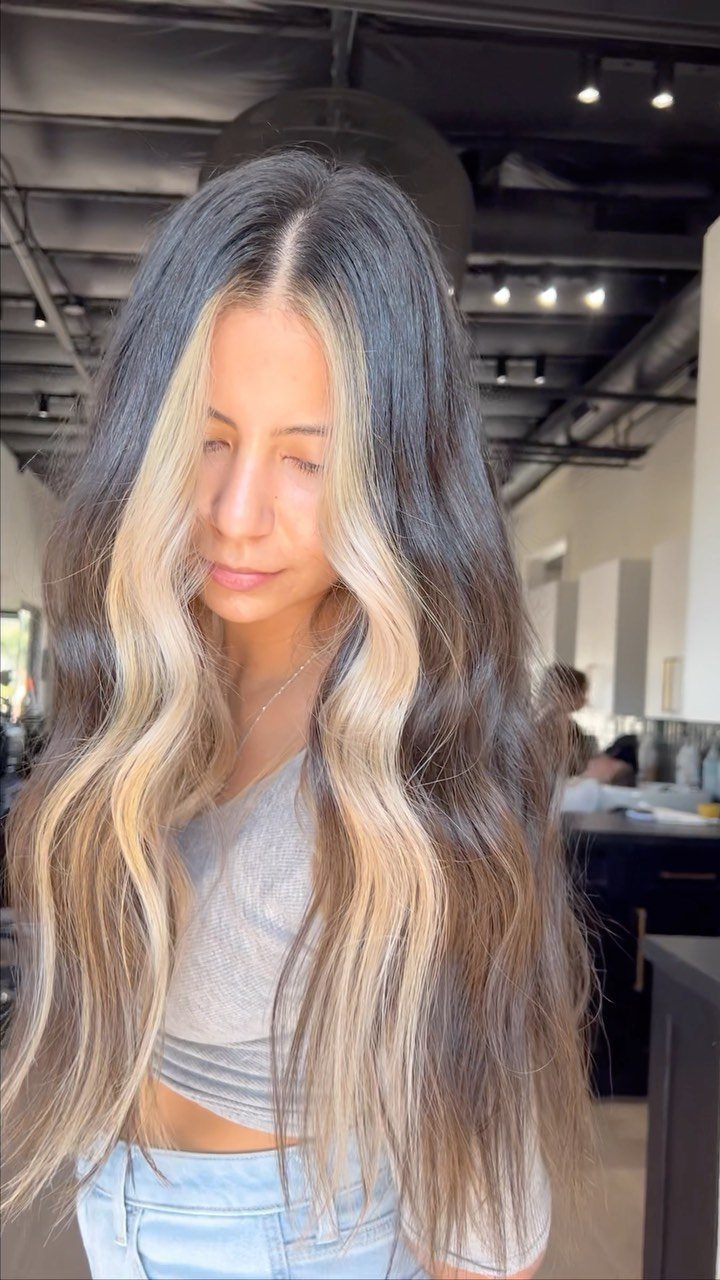
Color blocking means solid, broad sections of icy blonde set against a dark base, with no blending between them. 2 thick pieces framing the face turn the front of the hair into a graphic shape.
Keep them wide.
Thin pieces would drift toward ordinary highlights, and the width is the statement. Bring a photo and ask for solid face-framing blocks in icy blonde, then tell your stylist you want hard edges rather than a melt.
10. Platinum Blonde Highlights
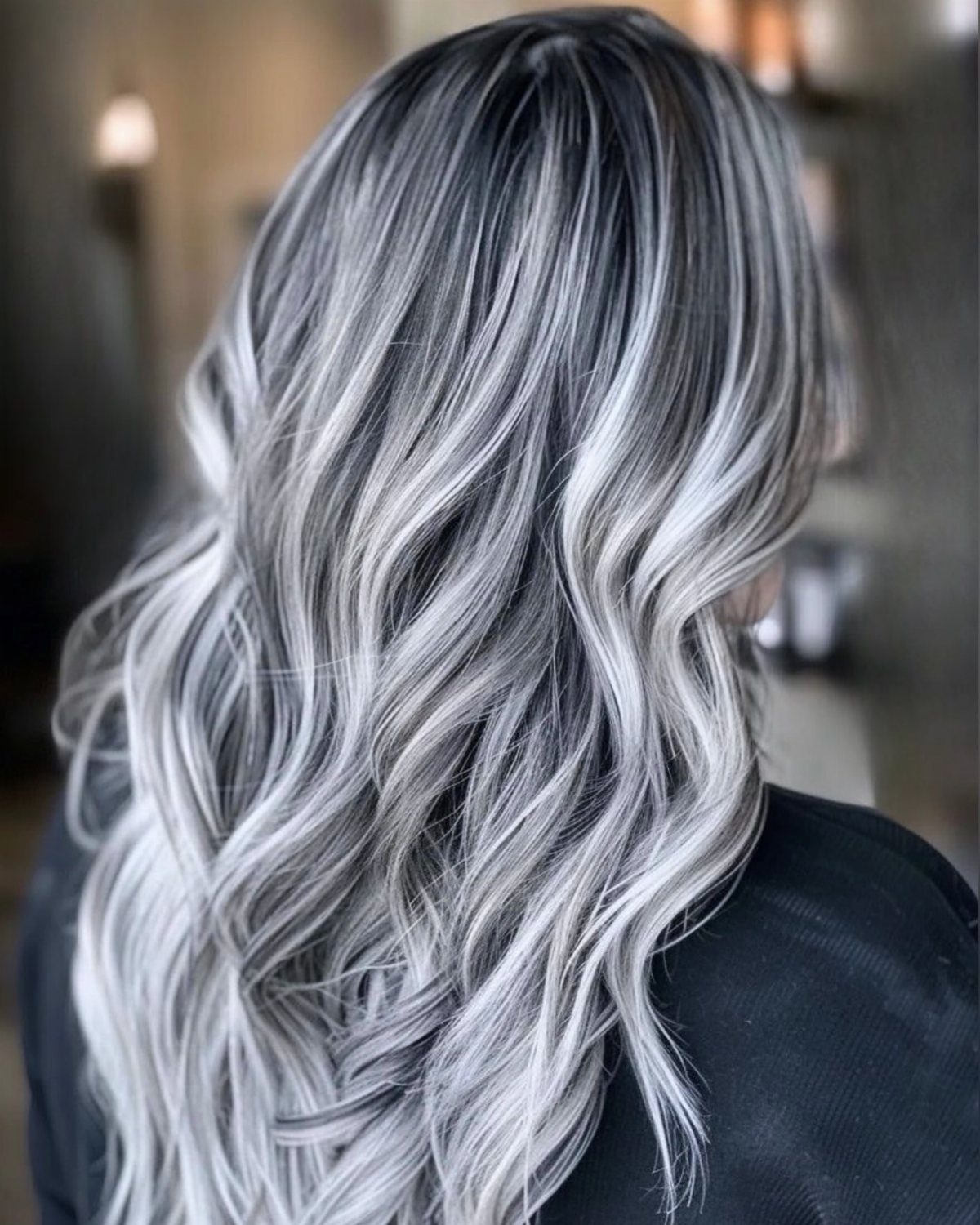
Icy platinum ribbons on black hair put 2 colors about as far apart as hair gets. Down the back of long waves, the pale strands run through the dark like light between shadows.
This is my pick if contrast is the whole reason you want blonde. Ask for platinum highlights on a black base, and say you want them icy rather than yellow so your stylist aims for the right tone.
11. Chunky Beige Money Pieces
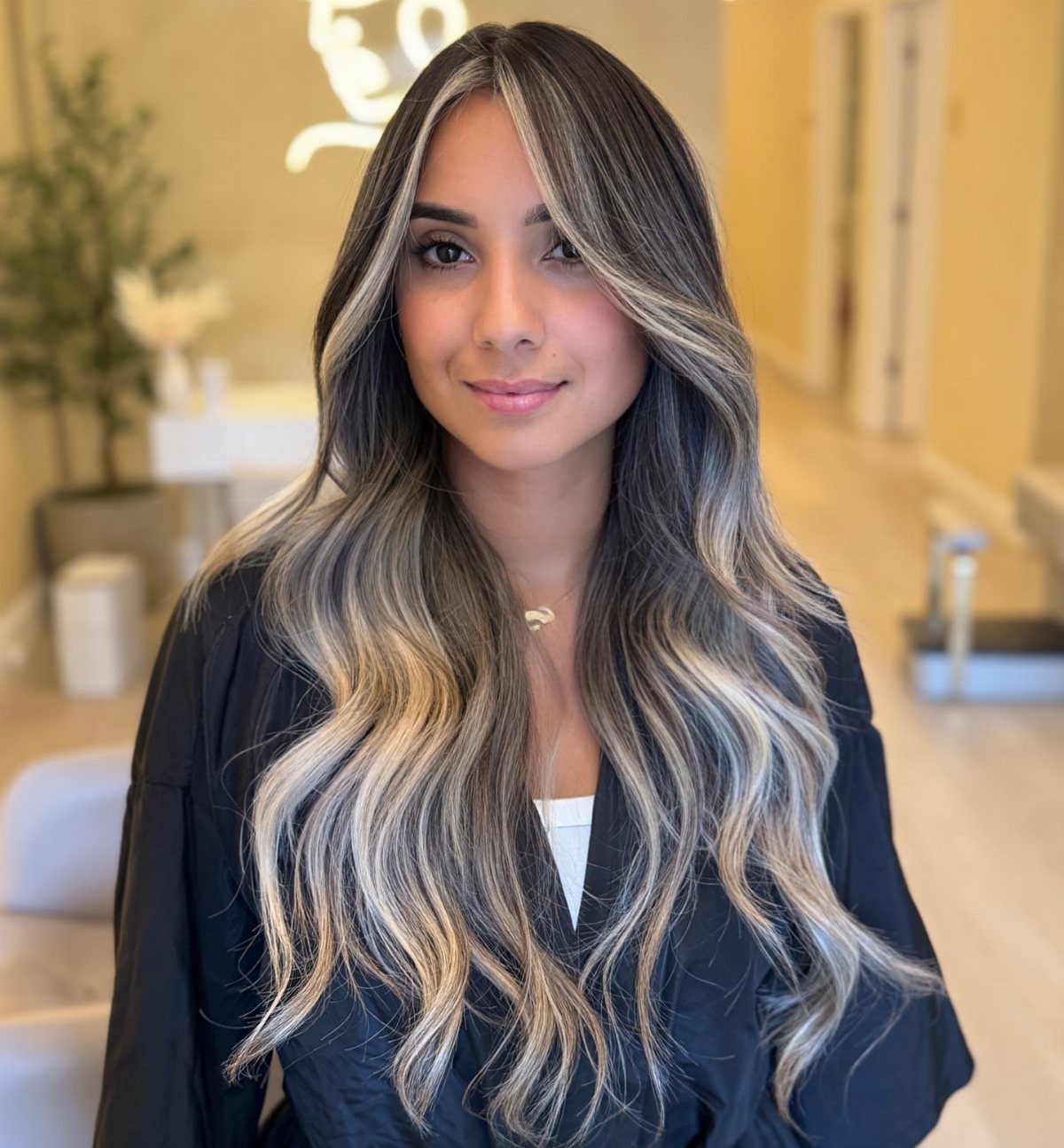
Beige is a muted blonde, softer than icy white and less golden than honey, and in chunky pieces right at the face it brightens your features and pulls attention toward the eyes.
On long dark waves, I would take beige over a stark platinum if you want the lift without the harsh edge.
Ask for chunky beige money pieces, and bring a photo so your stylist can match the exact depth you mean.
12. Coffee to Caramel Balayage
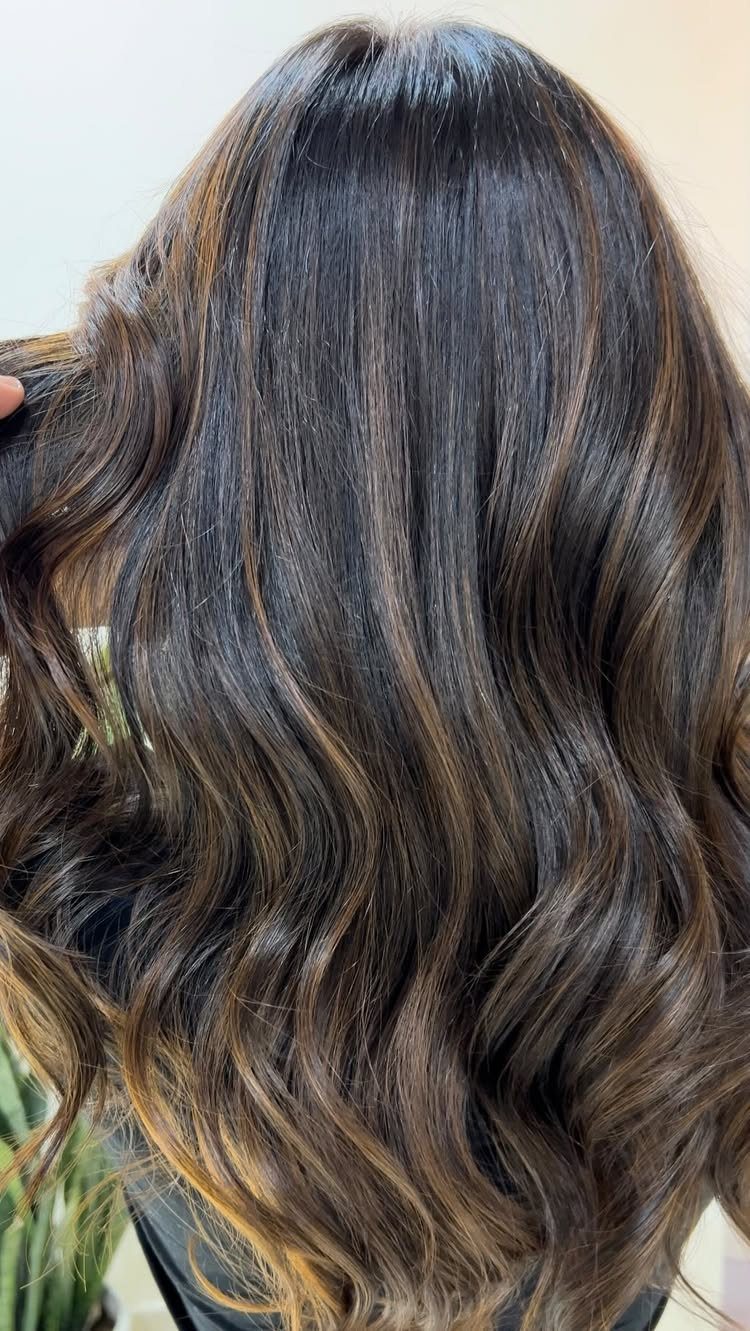
Coffee-brown hair stays dark through the roots, then caramel starts around the midpoint and carries to the tips. Because the lightening begins halfway down, the top of your head looks untouched.
Caramel balayage is the gentlest step away from dark hair, and I would book it if you want warmth rather than drama. Ask for balayage that starts at mid-length and say you want loose, caramel-toned color.
13. Rooted Blonde Hair
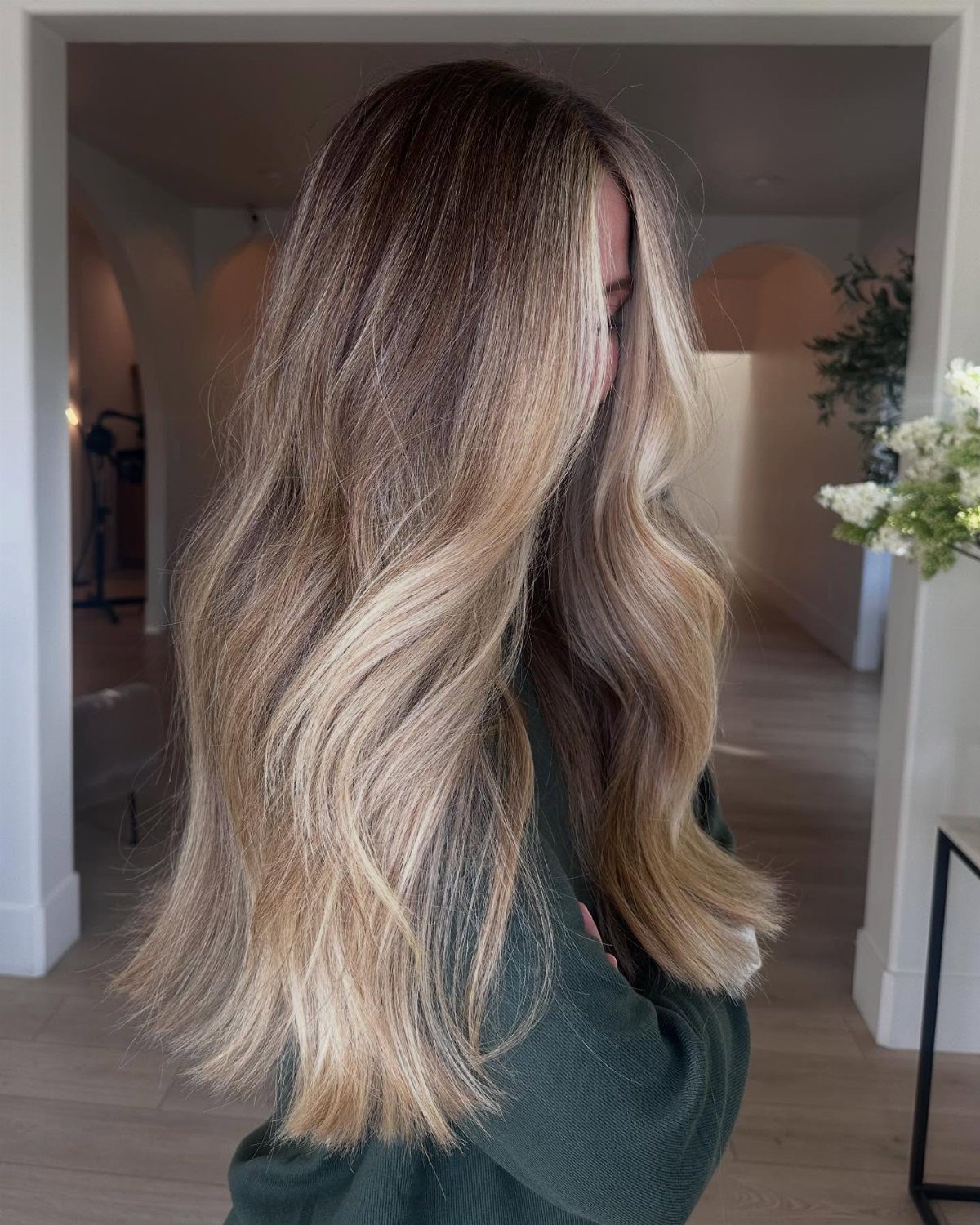
Dark roots left in place and blended into long blonde waves mean no hard regrowth line to chase. Because the root stays natural, the color grows out softly and you can wait longer between salon visits.
I would pick this over a full-blonde head if you want blonde without the upkeep. Ask your stylist for a rooted or shadow-root blend, and say how far down the dark should fade before the blonde takes over.
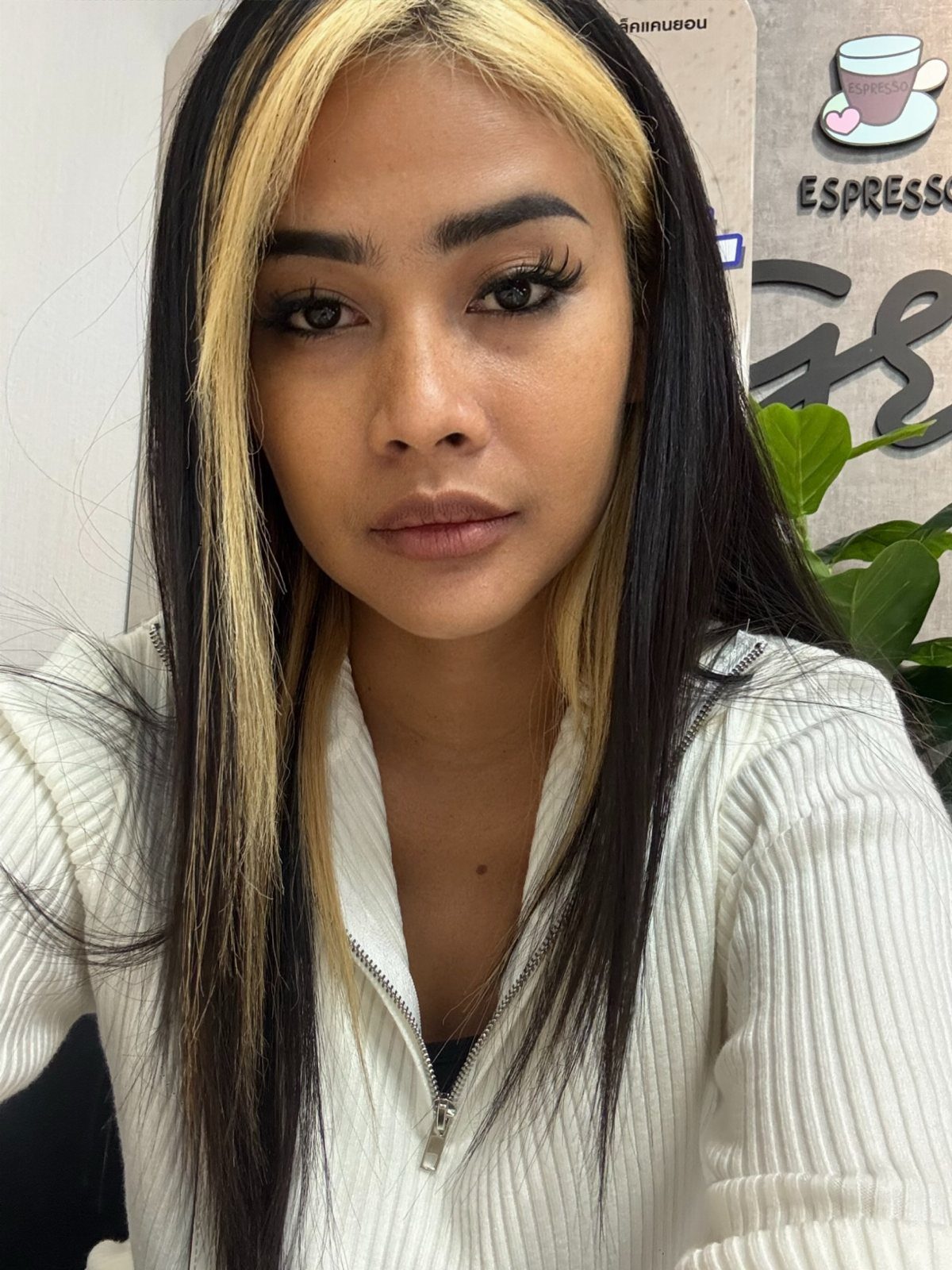
14. Black and Blonde Money Piece
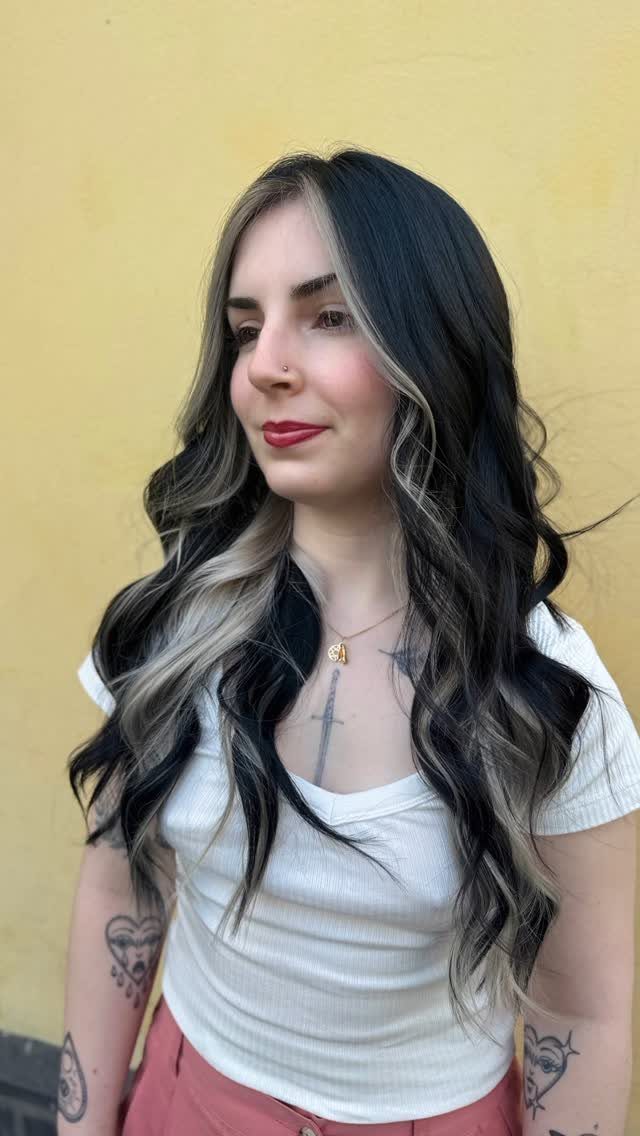
Jet black hair with one bright blonde piece on each side of the face is the whole look. The money piece does the work, so the rest of the length never needs lightening.
Black and blonde money piece is the high-contrast version I would choose if you want the color seen first.
Ask for a bright blonde money piece and say you want the rest left solid black, then bring the photo so the width matches what you picture.
15. Black and Blonde Skunk Stripes
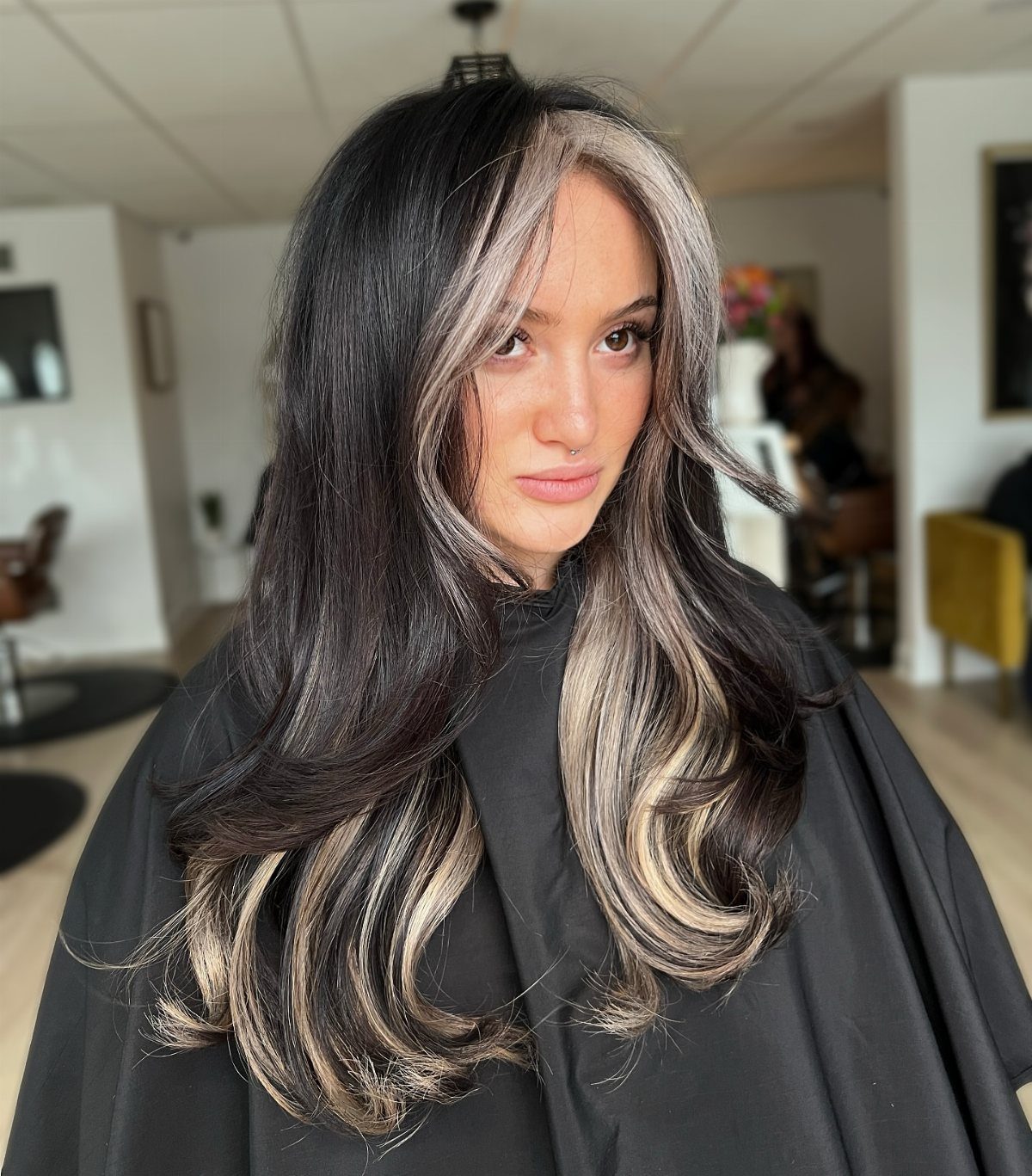
Skunk stripes are thick, isolated streaks of blonde at the front of solid black hair, with nothing blended between them. The 90s feel comes from that width and from the clean break against the dark.
Go broad. Thin streaks would read as regular highlights, and the bold stripe is the reason to do this at all.
Ask for skunk stripes by name, specify silver-blonde if you want the cooler tone, and tell your stylist the edges should stay sharp.
Lifting Dark Hair Safely
Virgin dark hair lifts in a straightforward way, just slowly.
If you want black paired with a high-contrast blonde, expect more than one lightening and coloring session, and ask your stylist how many they think it will take before you book.
Any past run with black box dye goes at the top of the consultation, before the stylist mixes a thing.
It leaves heavy metallic salts and pigment behind, and lifting it pulls a bright orange before anything else. Between the first lift and the final blonde, hair often spends about 2 weeks looking warm brown or copper.
Using a blue or purple pigmented mask once a week at home mutes some of that brassy warmth. The effect is short-lived and only masks the warmth, so leave the actual lifting to your stylist.
Worth asking whether the salon mixes a bond builder into its lightener. It supports the hair while it lifts, and some formulas give up to 9 levels of lift.
Maintaining Lightened Hair
Black dye and bleached blonde in the same head need different care, and the biggest risk is hot water.
Heat lifts the cuticle, which lets black pigment slip into the blonde. Keep the dark and light sections apart under the shower and rinse each one with cool water.
Use purple shampoo on the blonde sections only, about once a week, to fight brassiness. If you go platinum, regular toning is what keeps yellow from creeping in, so ask your stylist how often your shade needs it.
Bleach pulls moisture out of the strand, so a weekly protein mask helps hold off snapping.
Spray or smooth on a heat protectant before every pass of a flat iron, curling wand or blow dryer. Skip it on bleached hair and the damage shows up quickly, because lightened strands take heat badly.
Choosing Blonde by Undertone
Check your veins in natural light.
Pink or blue veins mean cool undertones, and platinum, icy white or ash blonde will match your skin. Honey, caramel or golden blonde keeps warm undertones from looking washed out.
If you land in the middle, neutral undertones can go either direction. A creamy neutral blonde sits in the middle and balances the face best.
Butter blonde deserves a mention for warm skin. Go 2 shades lighter around the front and dark eyes pop, while pink cheekbones pick up a little extra attention.
If the contrast against black feels too sharp, go deeper. Deeper blonde shades soften the jump between the two colors, and I would reach for one before I would give up blonde altogether.
Frequently Asked Questions
Will blonde highlights work on black hair?
Yes, and the shade you pick sets the finish.
Deeper blondes like caramel, golden or bronde (brown blonde) blend softly into black, while platinum, ash or silver gives sharp contrast. If you want a bright, high-contrast result, plan for more than one lightening session.
What is the best blonde hair color for black hair?
For a natural, lived-in look, I would book caramel balayage. Hand-painted from mid-length down, the blonde fades into the dark base with no visible line, which makes it the softest move away from black.
For the strongest contrast, I’d go with icy platinum highlights, and I’d tell the stylist "icy, not yellow" so the toner lands where you want it.
Which blonde shade matches your skin tone?
Natural light shows veins best, so check the inside of your wrist near a window. Blue or pink-looking veins point to a cool undertone, and platinum, icy white and ash blondes sit well against it.
Against a warm undertone, honey, caramel and golden blondes look best. Veins that read as a mix of both colors mean a neutral undertone, and a creamy neutral blonde balances the face best there.
How much does black and blonde hair cost?
Expect to pay about $150 to $500 or more.
It counts as a specialty service because some sections are lifted to clean blonde while others go deep black. The price often includes the toner and deep conditioning treatments.
How long does it take to dye hair black and blonde?
A salon visit usually fills 3–6 hours, so clear your afternoon.
Very dark, thick hair, or old box dye sitting on top, may need 2–3 appointments spread across a few weeks. In between, expect about 2 weeks of warm brown or copper while the lift happens.
Can I dye my hair black and blonde at home?
I would not. Lifting dark hair to pale blonde takes strong bleach and precise timing, and home box dye risks severe breakage, while sectioning for high-contrast color is hard to do on yourself.
Past black box dye leaves metallic salts and pigment behind that pull bright orange when lifted, so leave the lightening to a stylist.