Your starting color decides which of these shades of blonde is realistic: the darker you begin, the more sessions a pale result takes, and the less lightening your hair may tolerate.
The range runs from fine beige highlights over a buttery brunette base, with the root left alone, to one-tone platinum that shows regrowth plainly and needs regular toning.
Before you commit to a shade, ask your stylist for a strand test; how your hair actually lifts tells you more about what’s possible than any saved photo will.
1. Golden Blonde
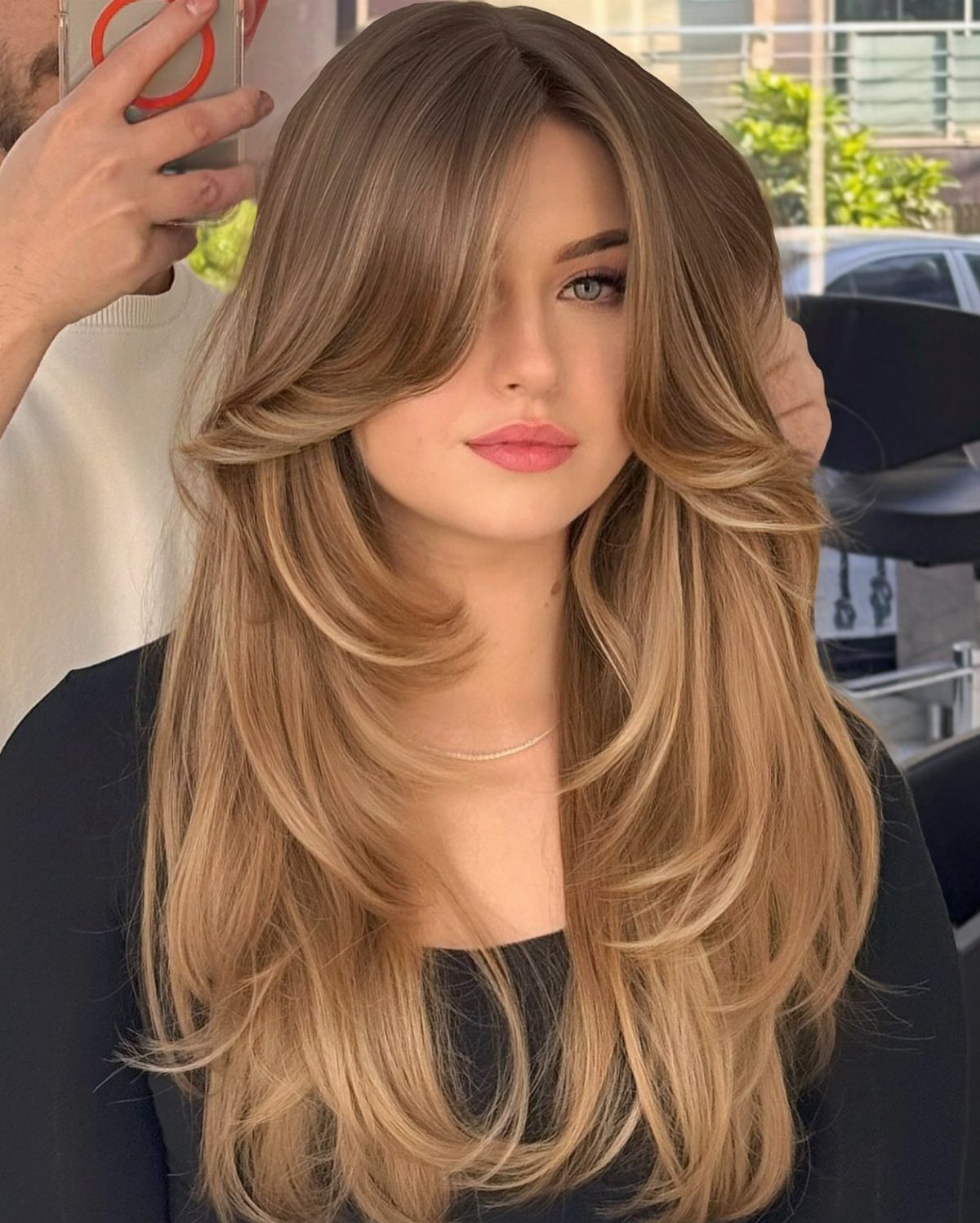
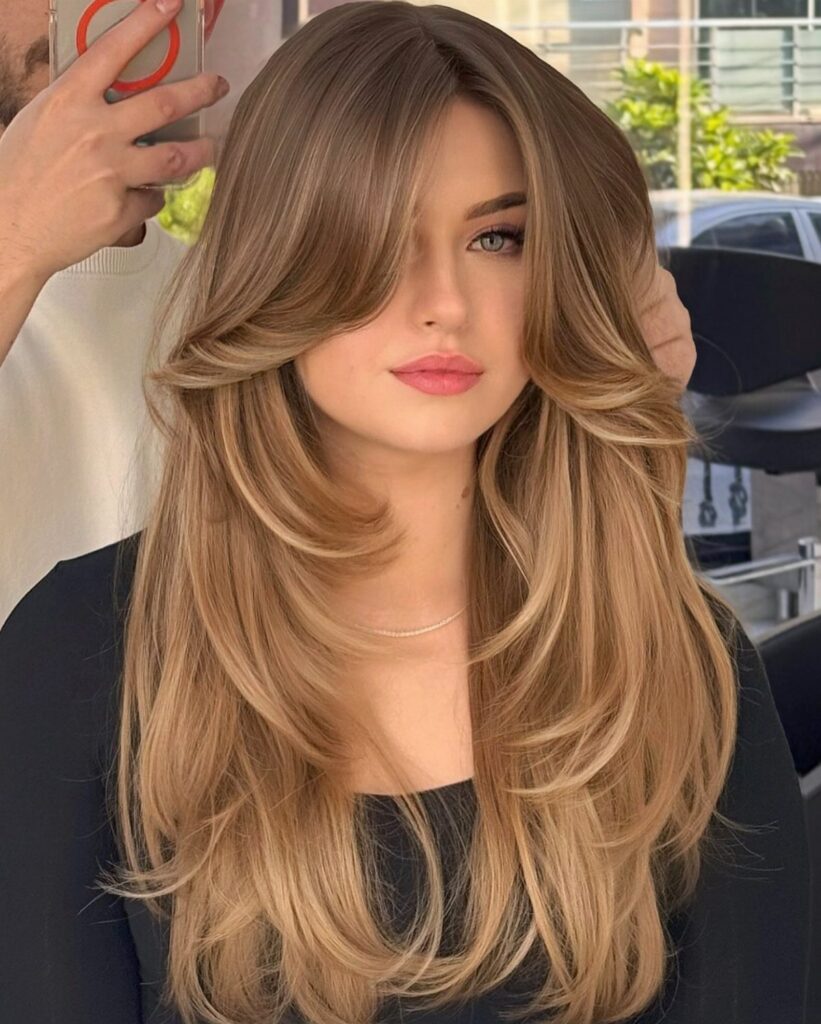
Warm gold running through the whole length is what makes this blonde read as sunlit rather than just light. Long layers show it off, since each layer catches the color at a slightly different angle.
I’d pick it if you have a warm or neutral undertone and want brightness without the upkeep of a cool shade.
Bring a photo to your colorist and ask for gold, not yellow; the difference is in how soft it looks.
2. Golden Dirty Bronde
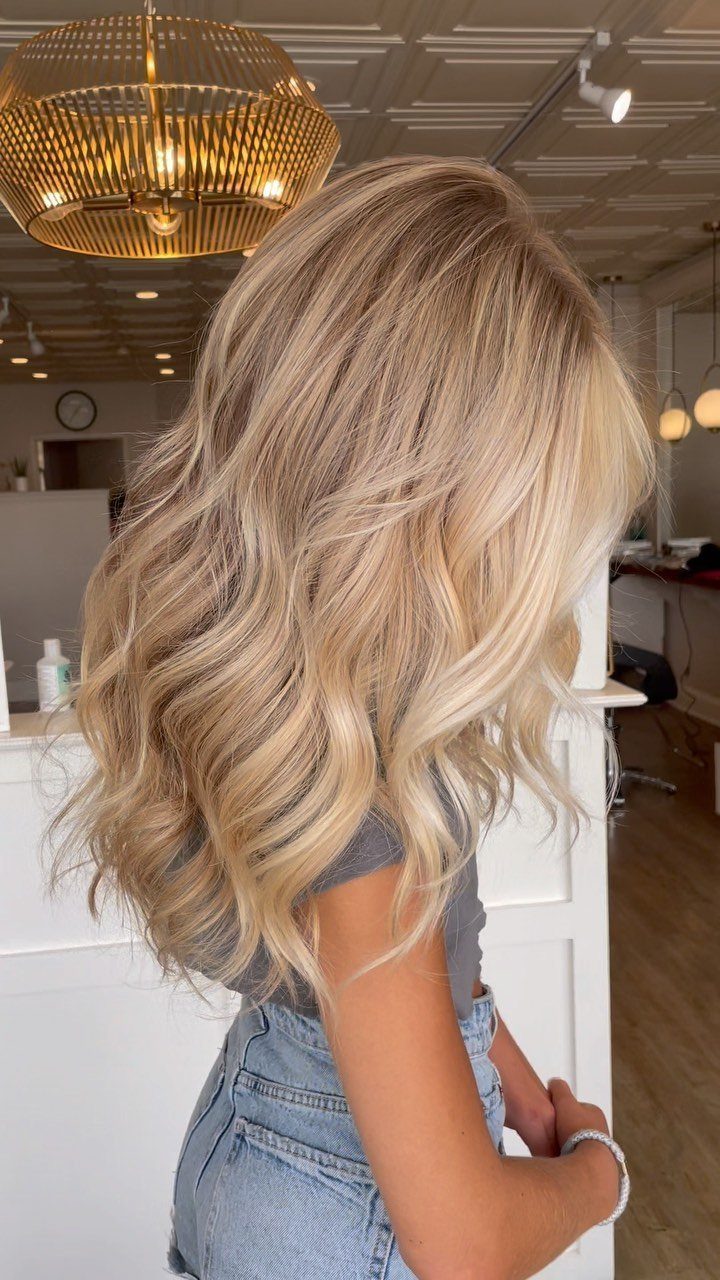
Bronde sits between dirty blonde and brunette, and this version leans golden, with caramel and beige woven through darker roots. Because the roots stay deeper, regrowth never shows as a hard line.
That makes it a good choice if you want blonde but dread salon visits every few weeks.
Ask for a blend, not stripes; the softness is the whole look. Waves help the tones melt together.
3. Honey Blonde
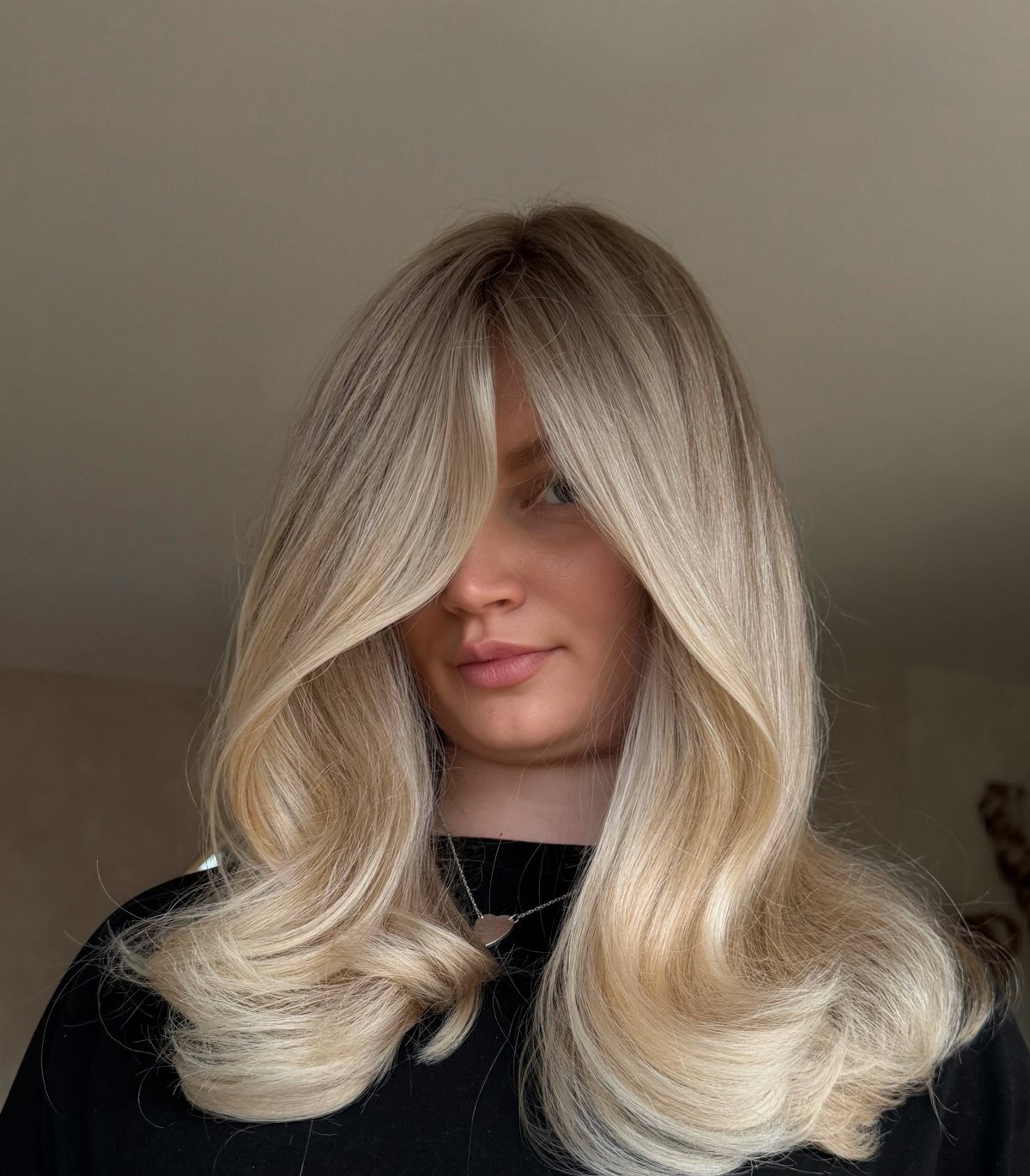
Darker roots with pale golden highlights through the lengths give honey blonde its depth, and that depth keeps it from looking flat or one-note. I like it best with soft waves and bangs, where the lighter pieces frame the face.
It suits warm and neutral skin well.
If you’re coming from brown, expect the highlights to be added in stages. Ask for honey, and say whether you want the roots left a bit deeper.
4. Caramel Blonde
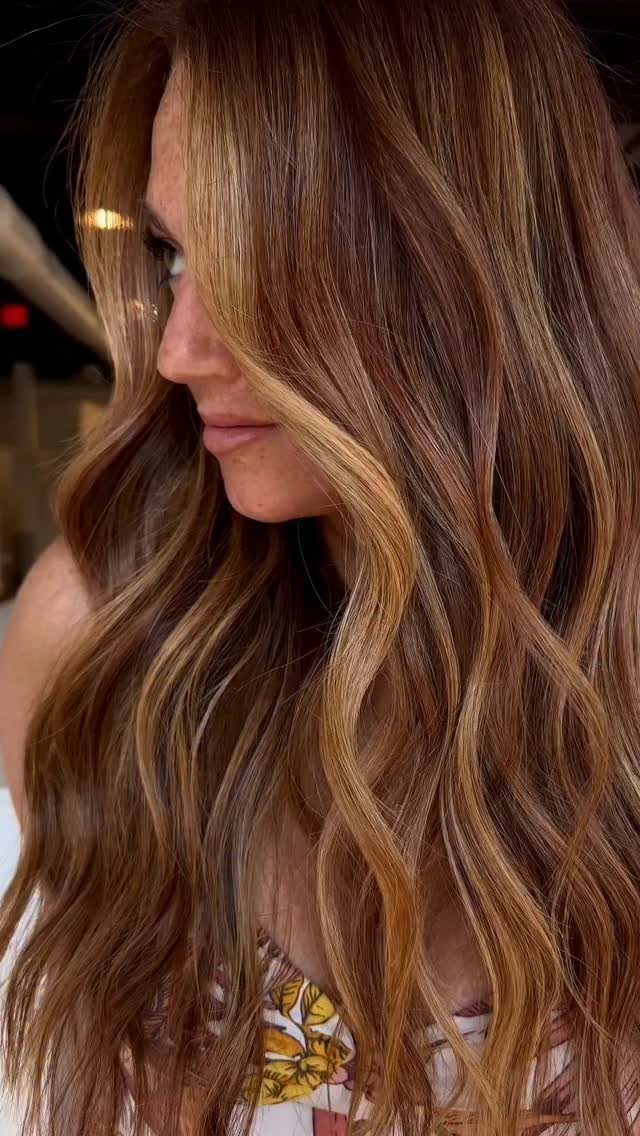
Light brown woven into golden-blonde highlights is the formula here, and it reads richer than a straight blonde. Long, wavy hair shows the shift between the two clearly, with the brown acting as shadow and the gold as light.
I’d choose this if you’re a brunette easing toward blonde, since the base stays close to your natural color. Ask for caramel highlights, not bleached pieces, and the grow-out stays gentle.
5. Ash Blonde
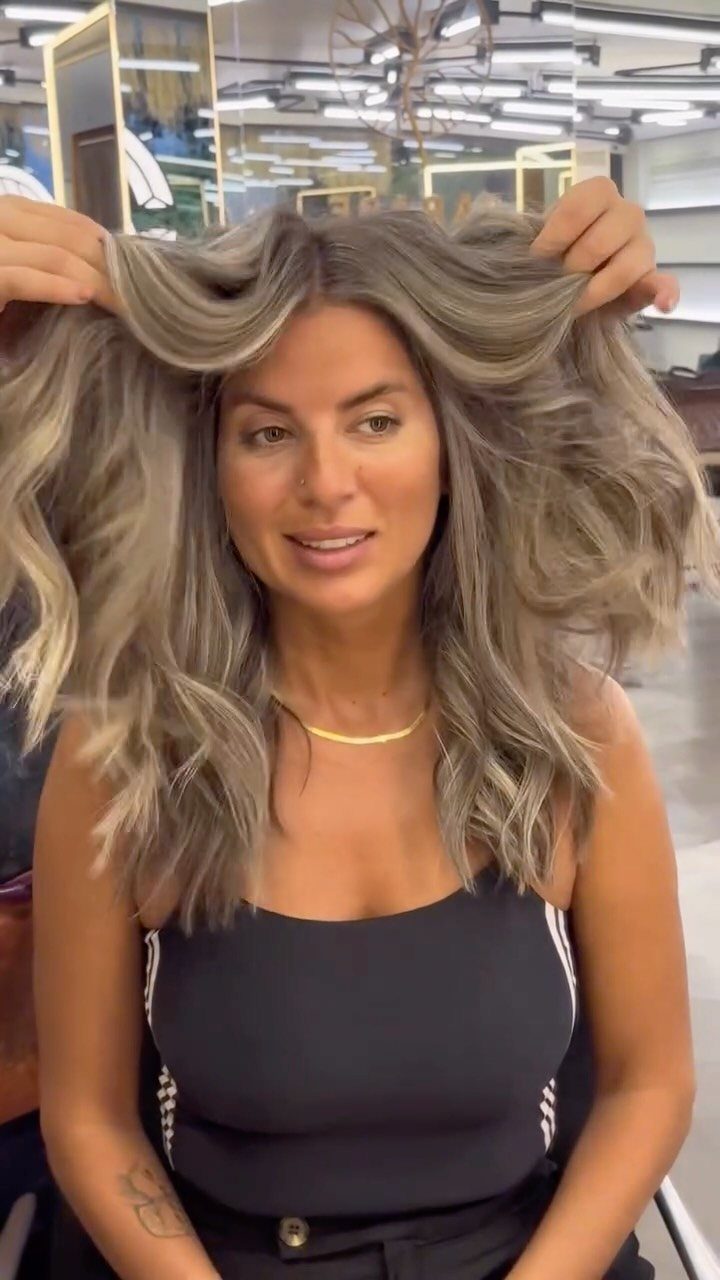
Smoky gray undertones set ash blonde apart from every golden shade, since it pulls cool where honey and caramel pull warm.
The color looks muted and cool, almost like pewter catching light, and it shows best on long, wavy hair where the tone shifts through the waves.
Cool or neutral skin tends to wear it best; on very warm skin it can look dull. I’d take a photo to your stylist and ask for ash, not silver, so the result stays blonde.
6. Neutral Blonde
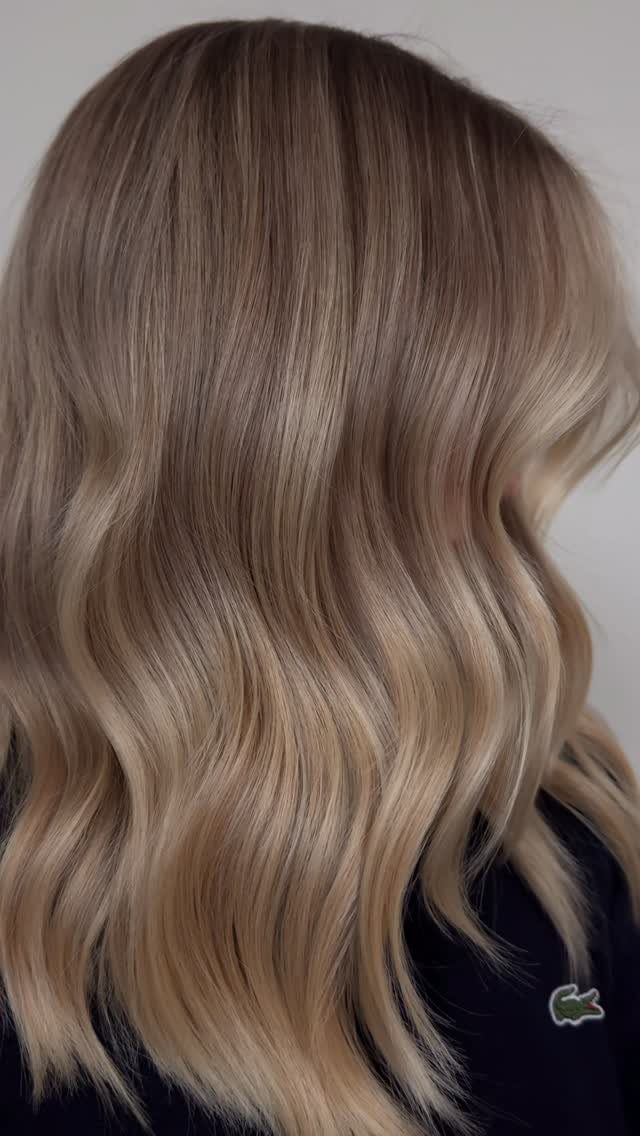
Neither warm nor cool, neutral blonde sits in the middle, with dark roots melting into soft beige lengths. That balance makes it forgiving on almost any undertone.
The colorist behind this example used 8 + 7.21 to softly lowlight through the crown, which adds dimension without pushing the color warm or cool.
If you’re unsure which direction suits you, this is the safest place to start. Ask for a root tap so the regrowth blurs instead of stripes.
7. Platinum Blonde
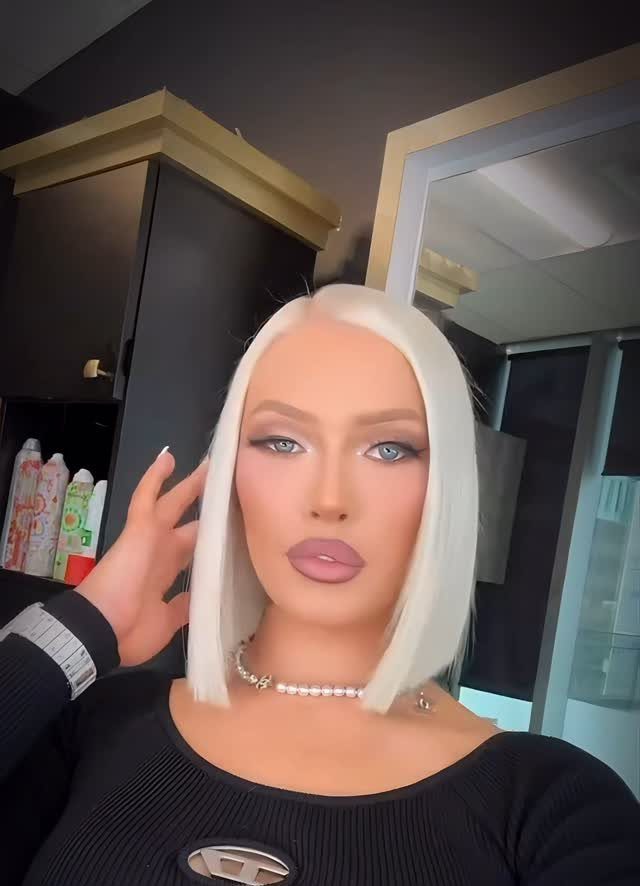
Almost no warmth shows in this shade, which is what separates platinum from every other light blonde on the list. Against a dark room and a black top, a blunt bob in this color looks sharp and graphic.
I’d save it for when you truly want the lightest result. Ask your colorist for platinum with no yellow left, and expect it to be the most demanding blonde here to keep clean.
8. Dark Blonde
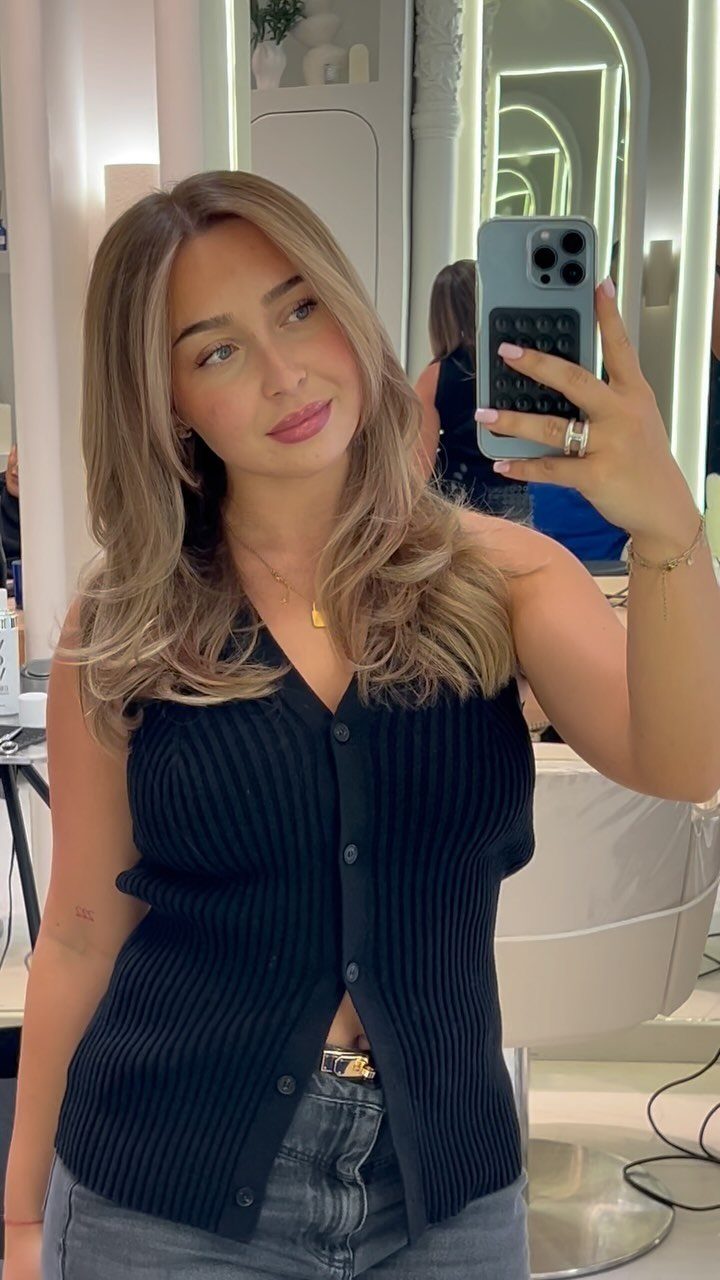
Deep, rich blonde is the answer when you want color without going very light. Here the face-framing pieces are lighter than the rest, which brightens the skin while the body of the hair stays dark.
Loose waves suit dark blonde best, because the lighter pieces catch the light every time a section bends. Ask for dark blonde with a few brighter pieces around the face, and say you want the overall color to stay deep.
9. Icy Ends
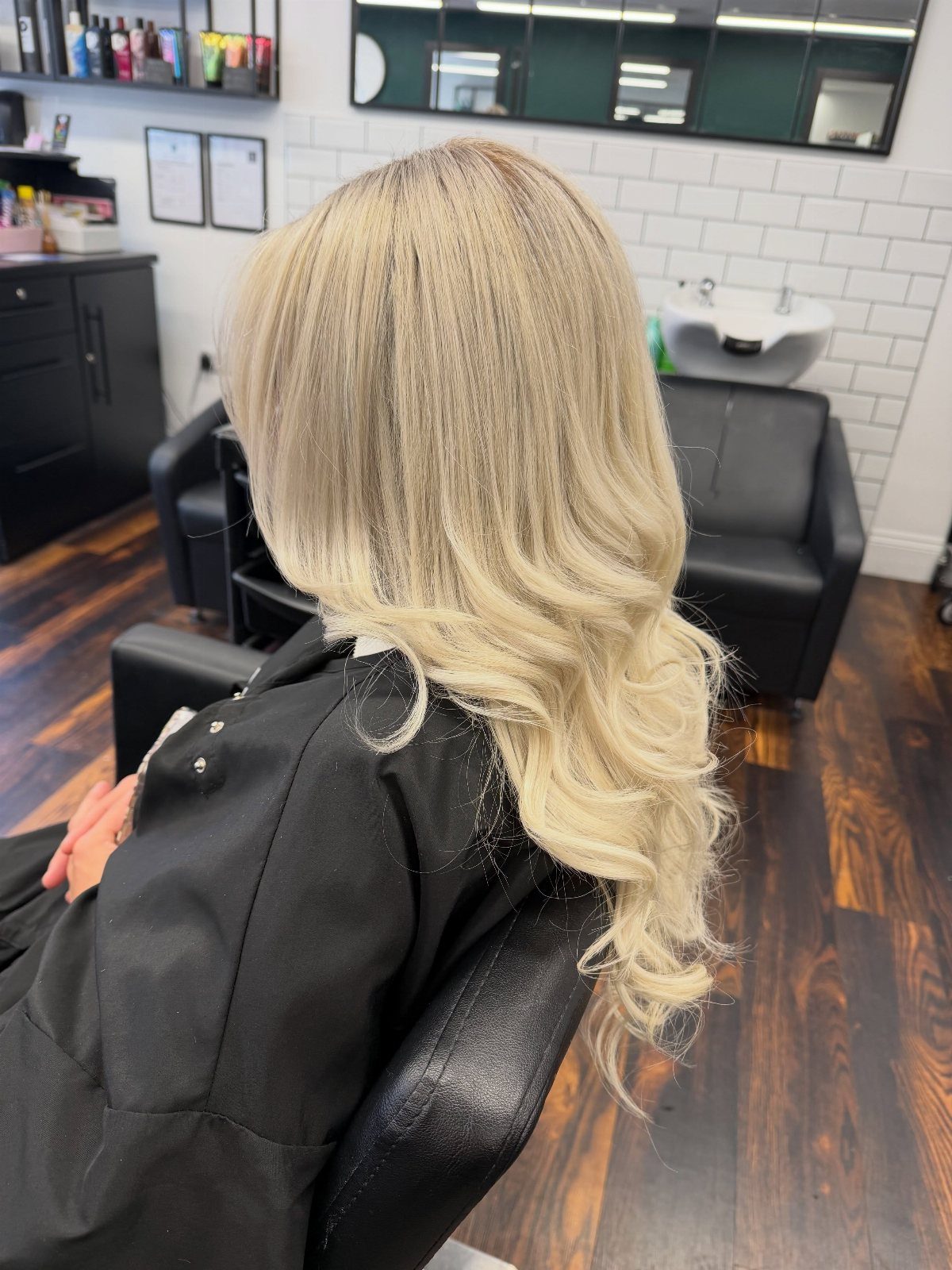
Pale, icy ends against a deeper root give this look its contrast, and long curls make the most of it, since the lightest hair sits right at the bends of each curl.
I’d choose it if you want a bright finish without lightening your whole head. Ask for a root that stays darker and ends that go icy, then curl the lengths so the pale tips show.
10. Dark Rooted Beige Balayage
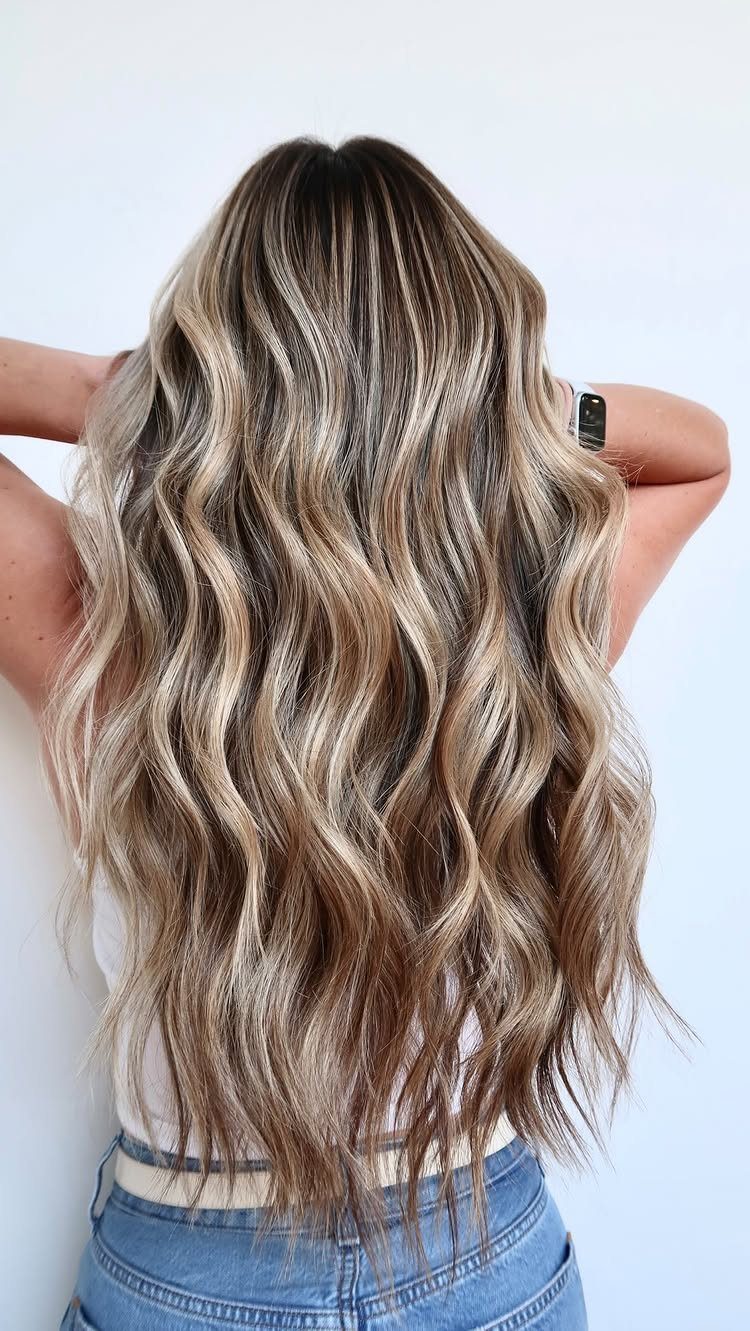
Beige strands hand-painted through long waves, over roots that stay dark, make up this balayage. The beige reads soft and neutral rather than bright, and waves let it show in ribbons instead of blocks.
Bring a photo, since "beige" means different things to different people.
11. Silver Fox
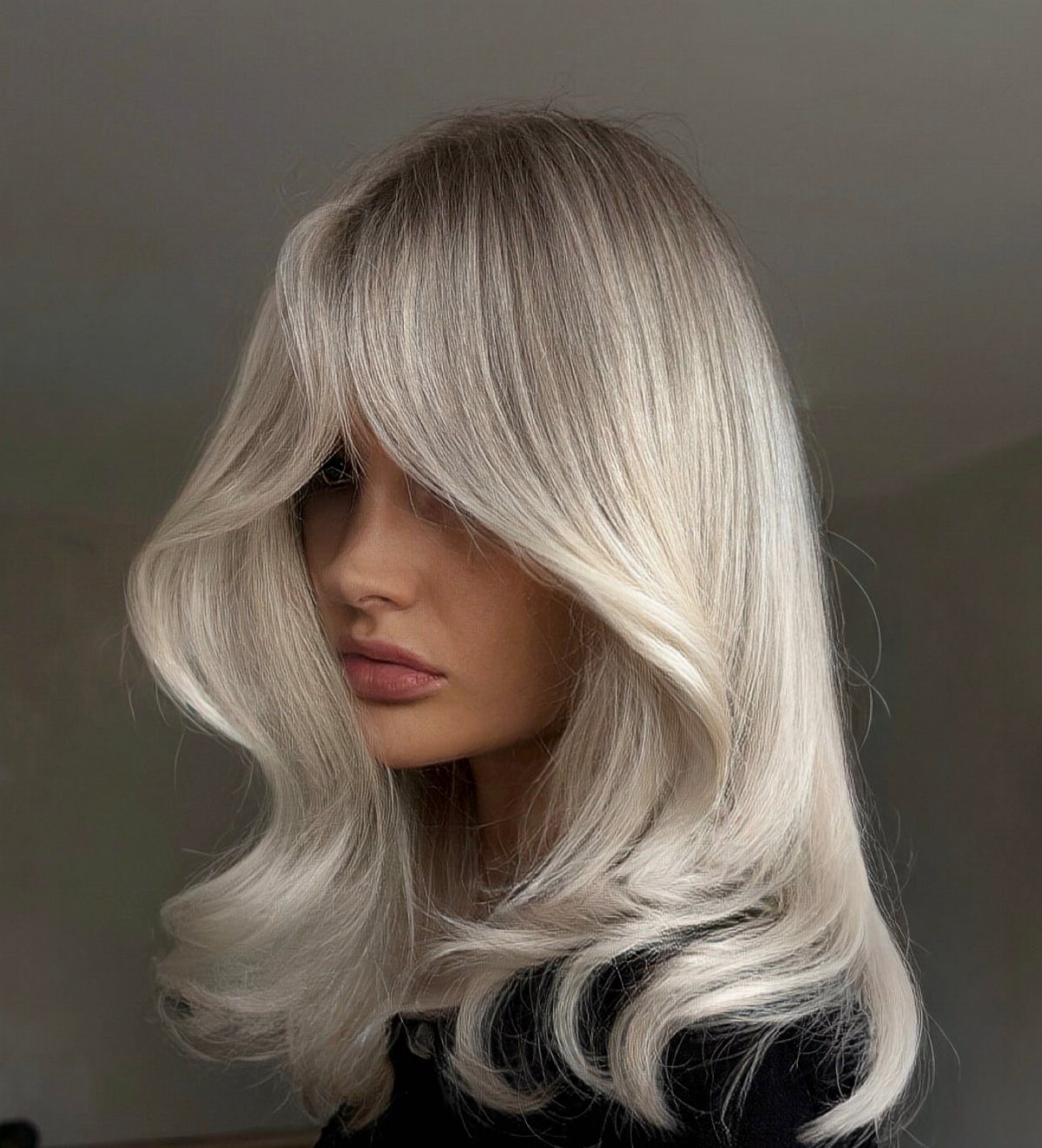
Silver-white lengths with dark roots and curled, full ends give silver fox a bold, almost metallic finish. Bangs add to it by putting the pale color right at the face.
I’d say this is for someone who wants a statement more than a subtle shift. Ask your colorist for silver, not yellow-white, and curl the ends for volume.
12. Golden Platinum
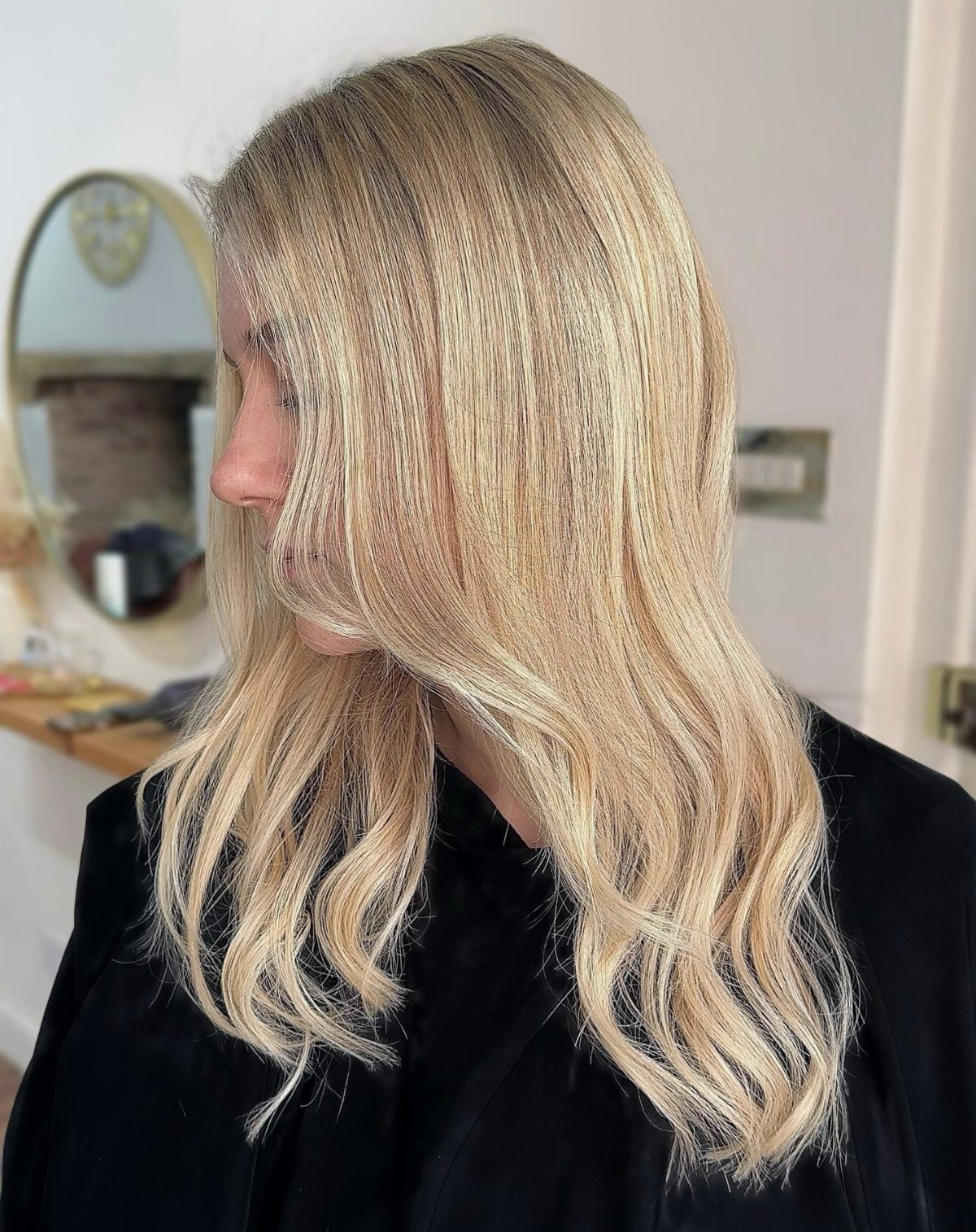
Platinum with a golden cast is a softer cousin of the icy versions, and it keeps a little warmth in the lengths. With darker roots and long waves, the gold gives the pale color a creamier look.
I prefer it to cool platinum for anyone who finds a stark white shade harsh. For golden platinum, tell your stylist to keep the root a shade or two deeper, which softens the line as the color grows out.
13. Vanilla Blonde
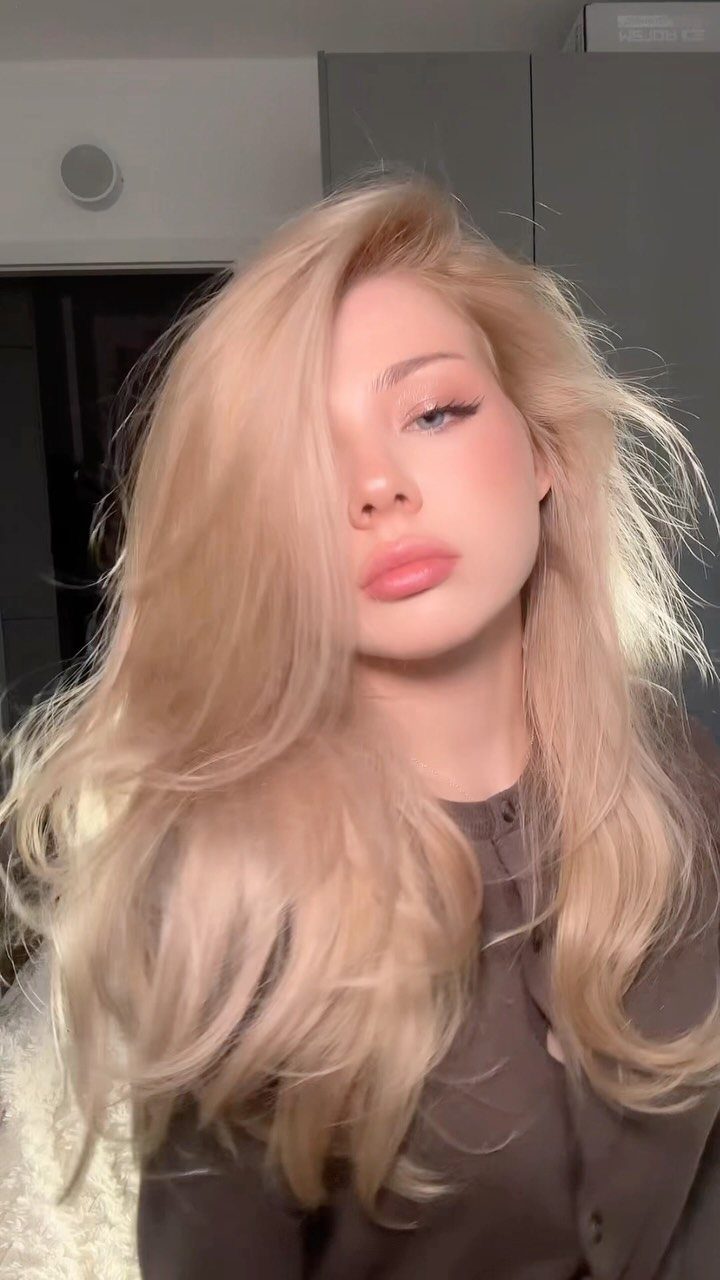
Cream is the word to use with your colorist for this one: a pale blonde that keeps a little warmth, nowhere near stark white.
Long, voluminous hair with softly curled ends shows it best, since the curl adds body and softens the color.
I like it for anyone who wants light hair without the starkness of an icy shade. Bring a photo and ask for gentle warmth, so it lands creamy instead of yellow.
14. Icy Blonde
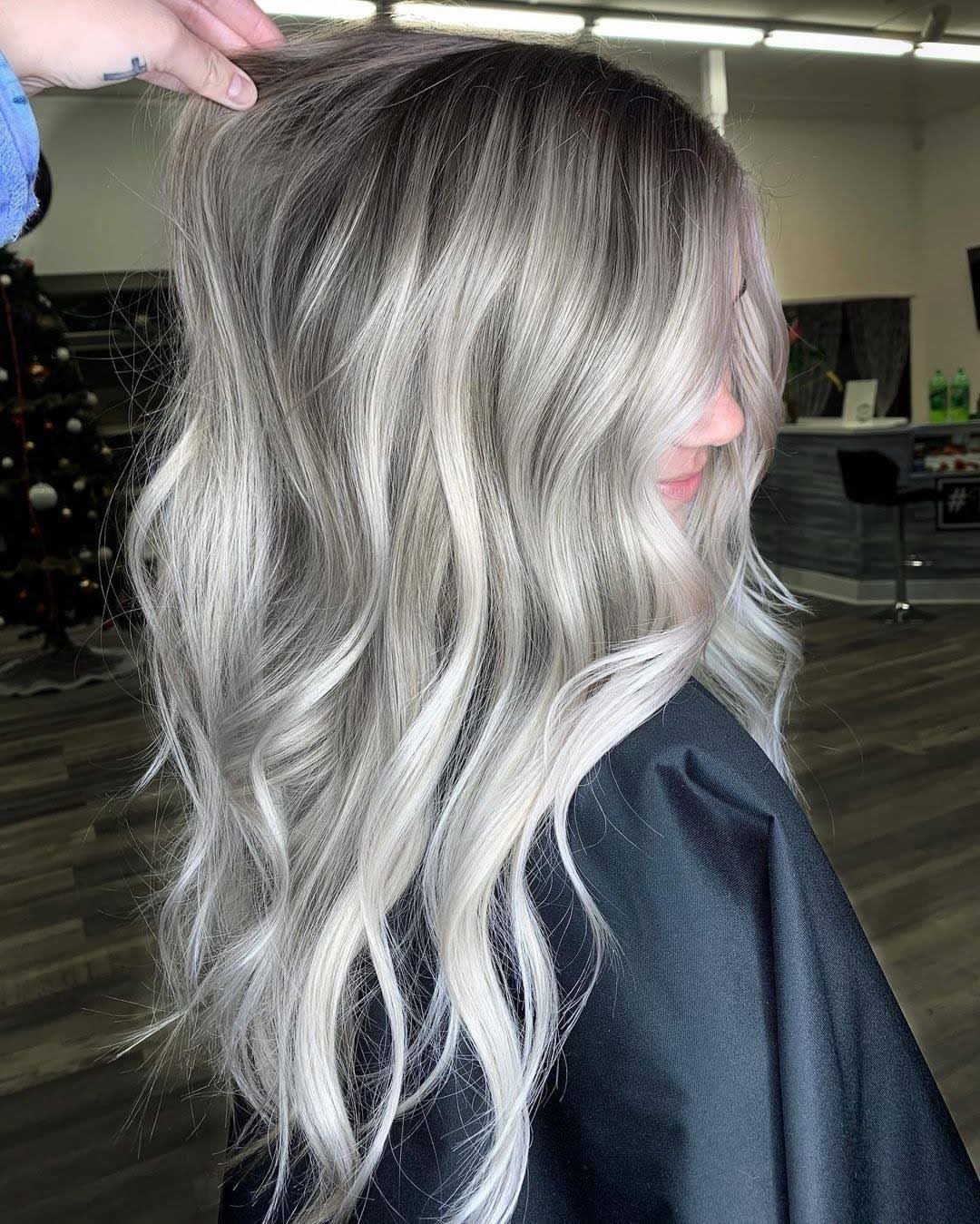
Crisp and bright, icy blonde holds a cool tone through the lengths, and the darker roots here make the pale hair look even lighter. Long waves give the color movement.
I’d pick it if you want a clearly cool blonde and don’t mind a visible root. A shadowed root under icy lengths also blurs the regrowth line, so you can stretch the time between appointments.
15. Soft Blonde
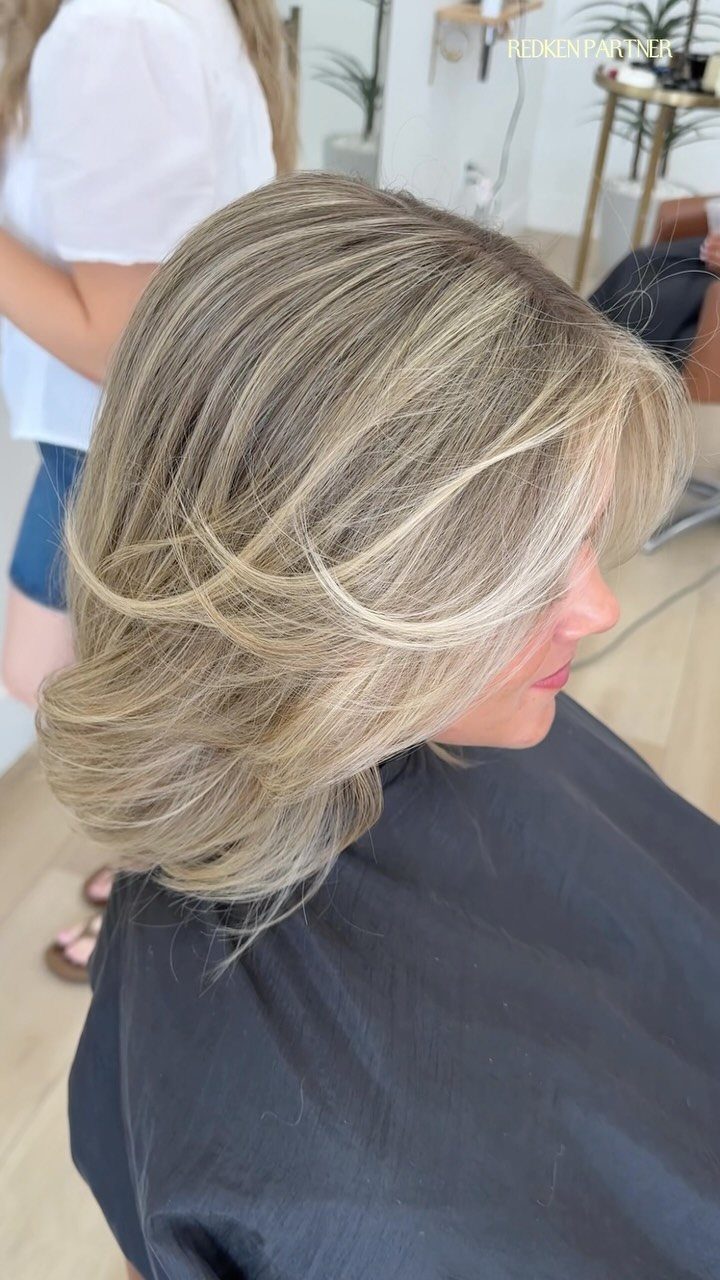
Low contrast defines this blonde: muted beige highlights sit close to the darker roots, so nothing jumps out. Layers give the cut shape and let the highlights show in small pieces rather than blocks.
I like it for a finish that looks like your own hair on a good day. Low-contrast beige highlights look best over a base left a shade or two deeper than the ends.
16. Sandy Blonde
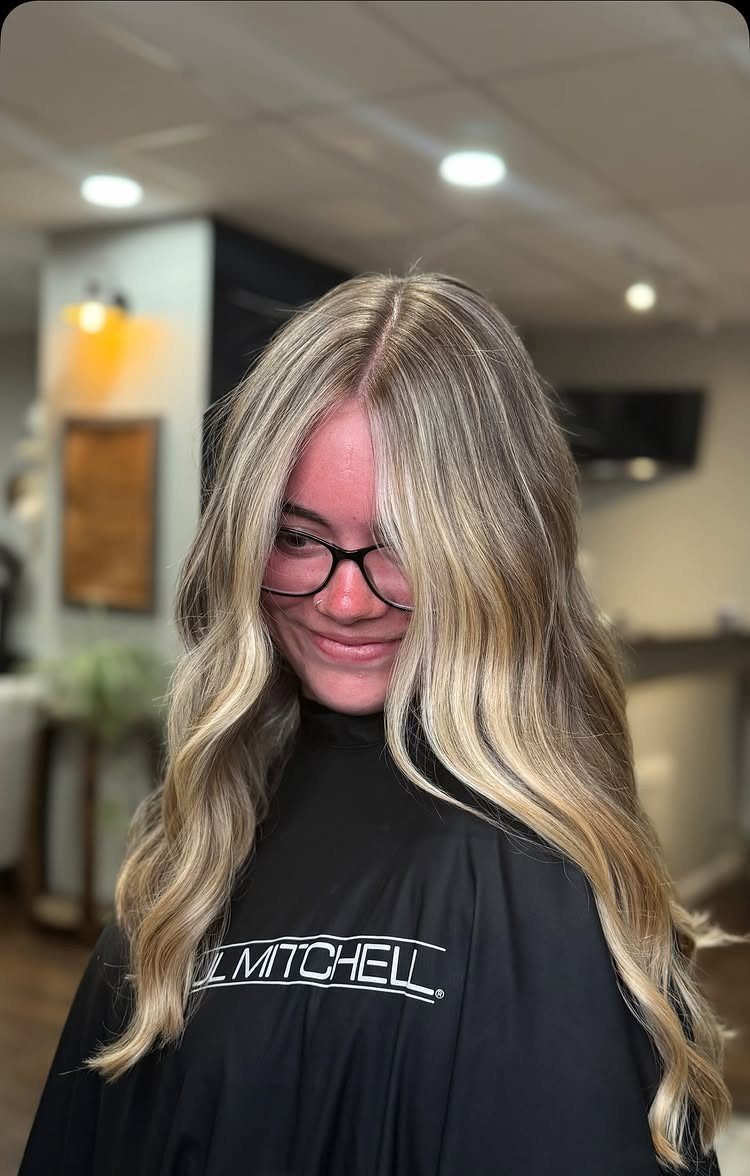
Beige, muted gold and light brown woven together give sandy blonde its dimension, so long waves read as several tones instead of one flat color.
I’d choose it if a single-tone blonde looks too stark on you.
Name all three tones to your colorist, beige, gold and light brown, so the blend you get matches the one you have in mind. Loose waves break up the color so the mix of tones actually shows.
17. Champagne Blonde
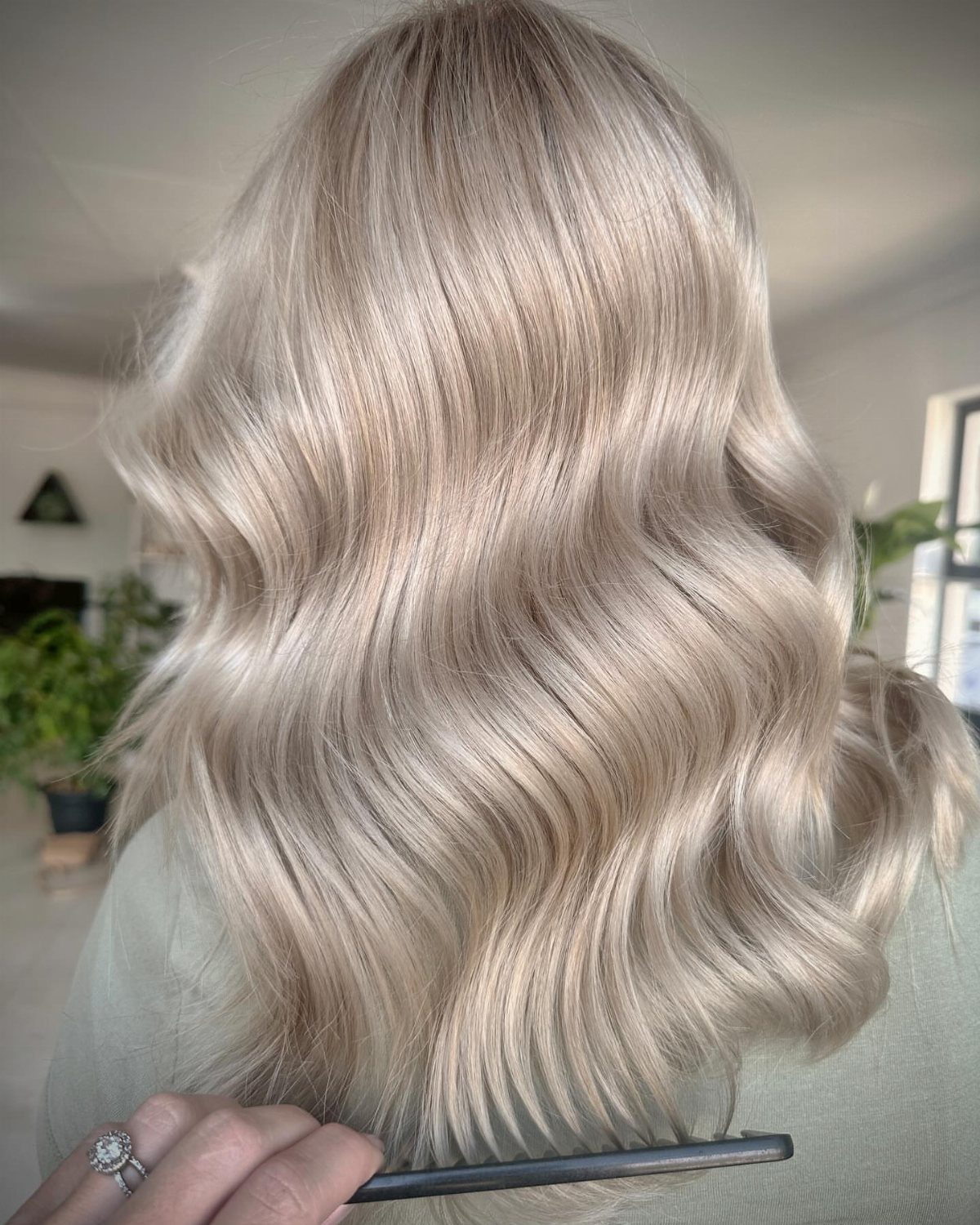
Pearly beige with a creamy, pale finish is how champagne blonde looks on long waves, and the soft color stays even from the roots down.
I’d pick it when you want light hair that stays gentle rather than stark. Ask for champagne, and tell your colorist whether you lean beige, golden or pearly, since each accent reads a little differently.
18. Dirty Blonde
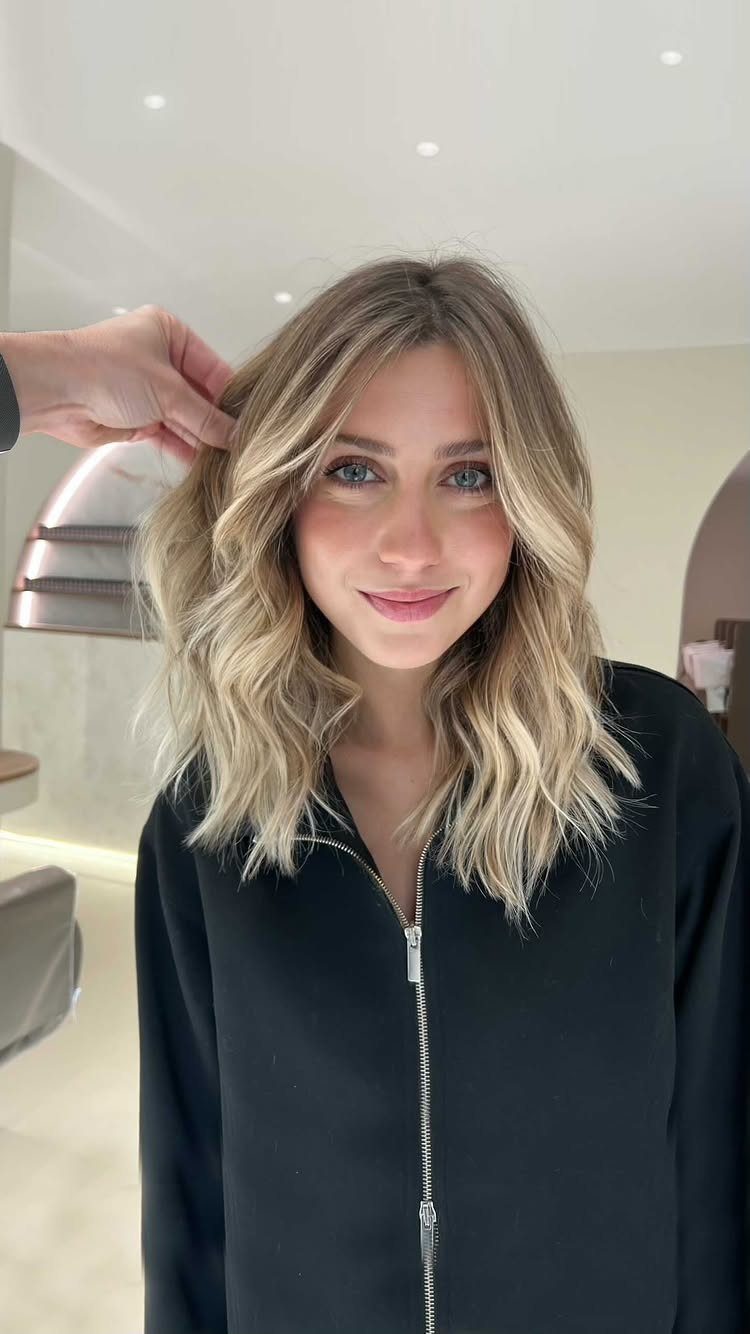
Nearly light brown, nearly dark blonde: dirty blonde sits right on the line between the two.
I like it as a low-drama way into blonde. Request fine highlights over a darker base and leave the root untouched, and the whole thing passes as your natural color.
19. Cool Blonde
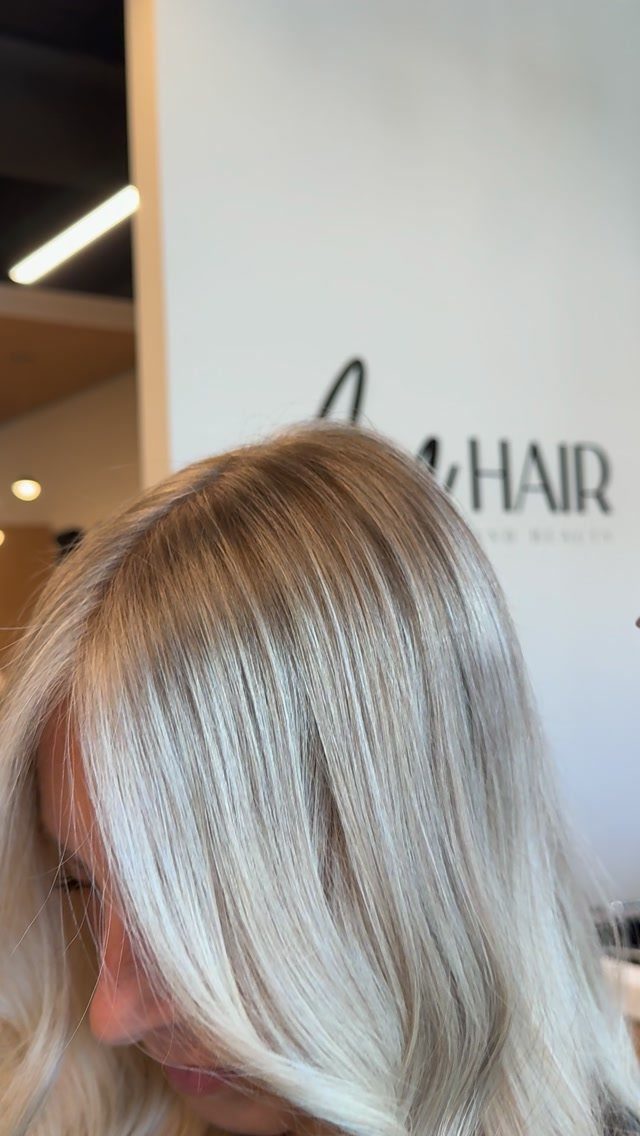
Pearl, violet or blue undertones sit over pale lengths here, and the darker roots make that cool tone look even crisper. Straight hair shows it best, since nothing breaks up the color.
I’d choose it if you want a blonde that stays well away from gold. Ask your colorist which of the 3 undertones you’re after, because pearl, violet and blue each read differently in daylight.
20. California Blonde
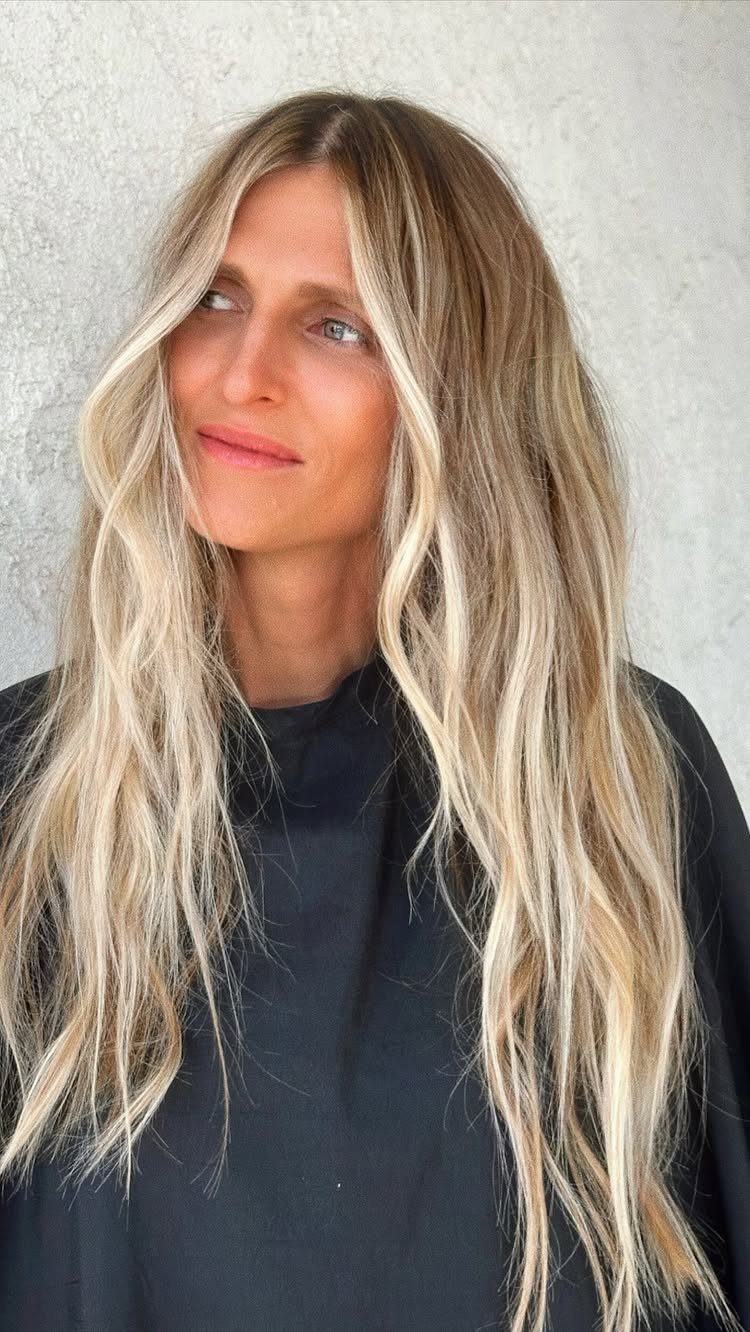
Pale face-framing highlights over a golden base are what make California blonde look lived-in rather than freshly done. Long waves spread the gold and the pale pieces into a soft, sunlit mix.
The colorist behind this example neutralized with 6N + 5vol, working with the warmth rather than removing it entirely. I like that approach, since it keeps the base golden and smooths out any banding.
Ask for gold at the base and brighter pieces around the face.
Blonde shades can go brassy fast, so make like Kate Hudson and ask for a dye with that already boasts warm golden hues that last.
21. Barely There Blonde
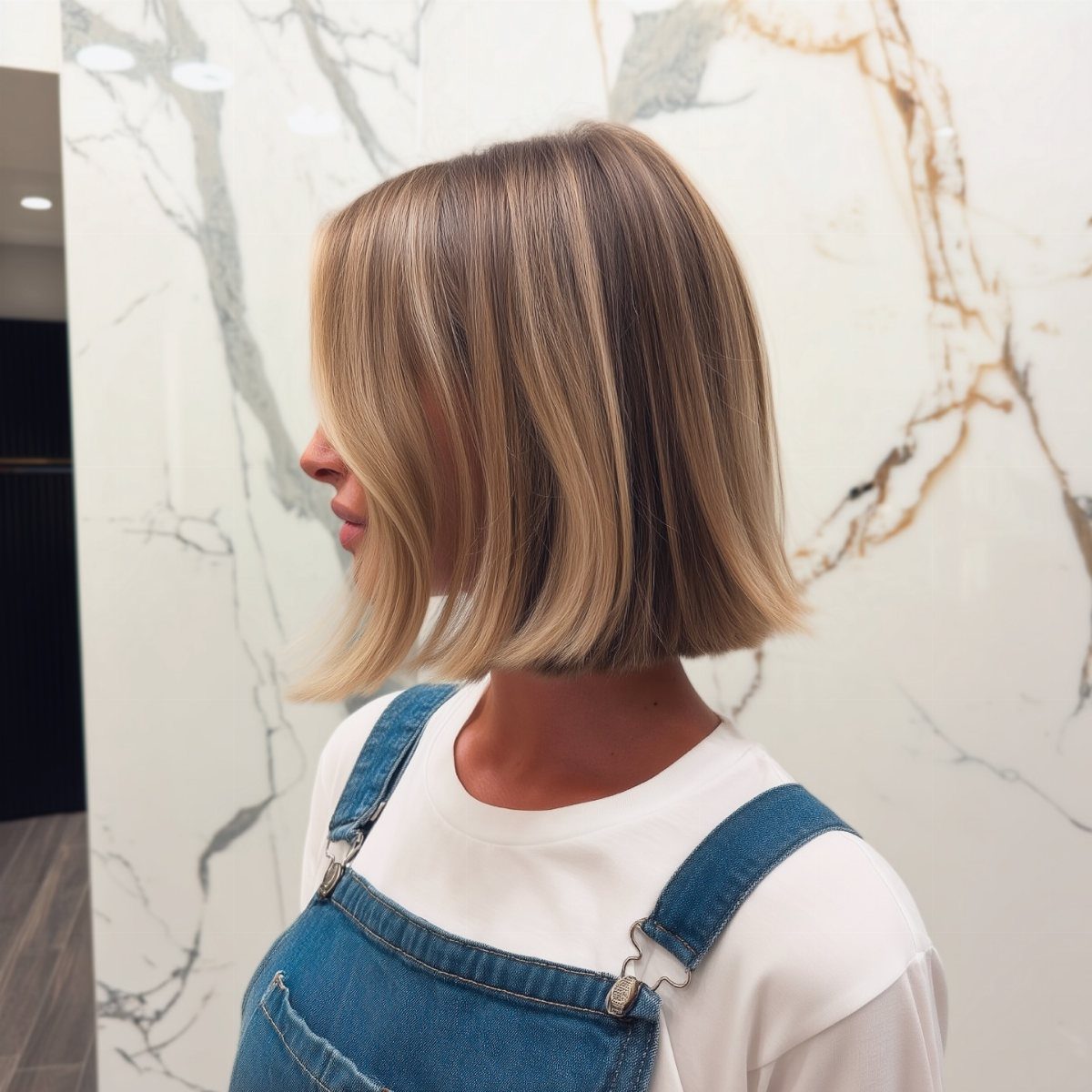
Natural brown roots stay put, and subtle beige highlights run through a buttery brunette base, so a bob like this looks barely touched. The blonde is a hint, not a statement.
I’d pick it if you want to try blonde without committing to a full lightening. Ask for fine, soft beige pieces and tell your colorist to leave the root alone.
22. Solid Blonde
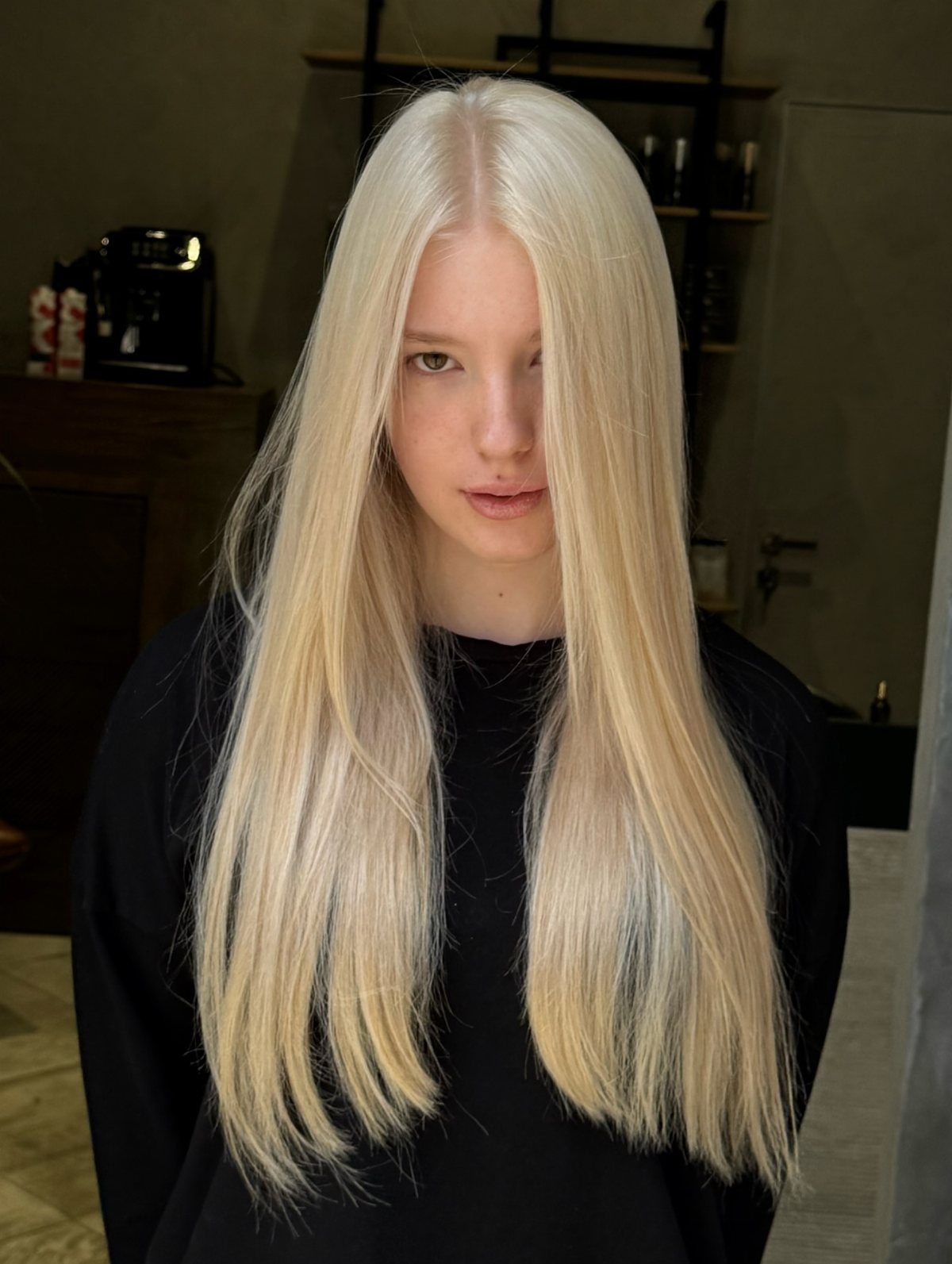
One even, pale blonde from root to tip, with almost no depth, is the whole idea of solid blonde. Straight hair gives it a clean, glossy surface.
It’s the boldest option for anyone who wants zero contrast. Say "one tone, no lowlights" to your colorist, and expect any regrowth to show plainly against the pale lengths.
23. Shadow-Rooted Rosy Blonde
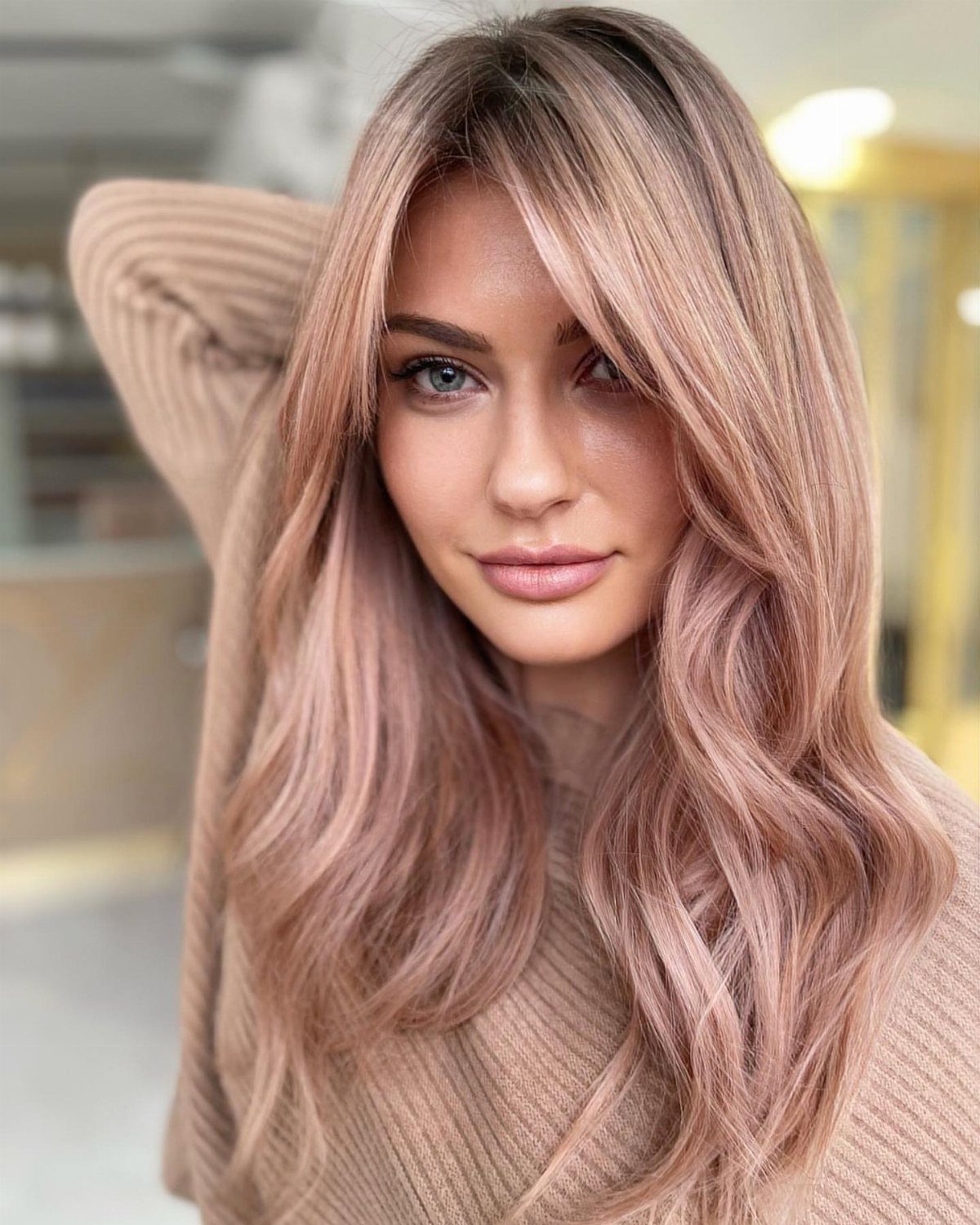
Soft rose-pink undertones in light blonde, set over a darker root, give this shade a warm blush without turning it fully pink. Long waves let the rosy tone shift as the hair moves.
I like it for anyone who finds beige or ash a little flat. Bring a photo and ask for rosy, not pink, and keep the root deeper so the color settles in gently.
24. Chestnut Blonde
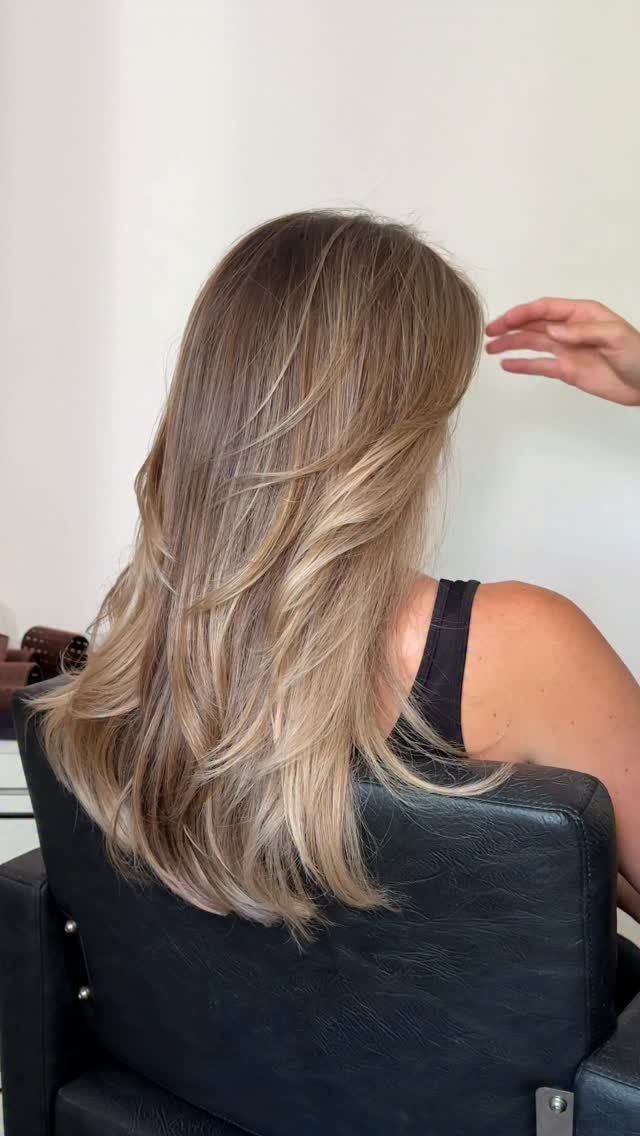
Light brown and cool blonde highlights blend through long layers here, and the mix looks natural from behind, where the layers show off the shift between the 2 tones.
I’d choose chestnut blonde if you’re a brunette who wants cool brightness without going very pale. Ask for cool blonde highlights over a light brown base, and let the layers do the blending.
Choosing Tones for Skin
Darker skin and warm undertones usually look best in warm blondes like golden, honey or caramel. On olive skin, a touch of ash in the blonde usually looks best, because it lets the skin’s own glow come through.
Lighter skin and cool undertones (pink, rosy or blue-ish) tend to suit icy, platinum or beige shades. Neutral undertones can wear warm or cool, so mood and upkeep can decide it.
Undertone points you in a direction for me, but plenty of good blondes break the pattern.
Matching your skin’s warmth or coolness gives a blended, quiet look, while going against it reads sharper and more graphic. Wanting a striking contrast and wanting something soft are both fair goals, so pick the one you’ll enjoy wearing.
Your natural hair color, your hair’s condition and how much maintenance you’ll tolerate belong in the decision too, not just the photo you saved.
Maintenance and Hair Health
Moisture and strength matter more than anything else in a blonde routine. Lightening pulls pigment out of the hair, so there’s no color to hold in, only hydration to put back.
A hydrating mask does more for bleached hair than daily conditioner, and I’d pick a bottle that says moisture before one that only says "color-safe."
Even a few drops of oil on the ends before bed make a visible difference after several weeks.
Purple shampoo is great on icy, cool blondes. On a warmer blonde it can strip the richness your colorist built, so skip it there.
Keep your salon touch-ups on a steady schedule. Regular visits keep the tone balanced and prevent banding, and a tone is hard to match once the color has grown out too far.
Plan Lightening with a Stylist
Your starting color sets the timeline. The darker it is, the more lightening a very pale blonde takes, and that can mean several sessions instead of one.
Icy platinum asks for more appointments than honey, caramel, bronde, balayage or a rooted blonde, which tend to be within closer reach.
They also grow out more softly. Platinum, icy and silver blondes need regular toning and show roots sooner.
Strong, healthy hair matters more than landing the exact shade you want.
With hair that’s brittle, overprocessed or snapping easily, a colorist worth keeping might steer you toward a deeper blonde, a slower schedule or dimensional color, and I’d take that advice.
Shade names aren’t standardized, so bring several reference photos taken in different lighting and from different angles. Book a consultation with a strand test, which shows how your hair lifts and whether the result you want is realistic.
Frequently Asked Questions
What are the different shades of blonde hair?
Blonde covers a long stretch: deep caramel and warm honey at the rich end, golden, sandy and beige in the middle, and ash, icy platinum and silver at the pale, cool end.
Undertone decides how bright, warm or muted each one looks: golden, honey and caramel pull warm, ash and icy pull cool, and neutral sits in the middle.
A shade one salon calls champagne another may call sand, so a saved photo tells your stylist more than a name does.
What does creamy blonde hair color look like?
Creamy blonde is a pale blonde that keeps a little warmth, so it looks soft and buttery rather than stark white or yellow.
Vanilla and champagne are the 2 names that fit best, and champagne leans pearly beige with an even finish from the roots down.
How to know if blonde would look good on you?
Start with your skin’s undertone, then adjust for the look you want.
Warm undertones and deeper skin tend to suit golden, honey or caramel; olive skin looks good with a touch of ash; light skin with pink, rosy or blue-ish undertones suits icy, platinum or beige; neutral undertones can go warm or cool.
Your starting hair color, the condition of your strands and the amount of upkeep you’ll actually put up with weigh as much as undertone does.
What is the most popular blonde hair color?
Cool and ash blondes are the most requested.
Hair lightens and fades warm, so cool and ash tones help cancel the gold, orange and red that push through and cause brassiness. I’d still check your skin first, because ash can look dull on very warm skin.
What is the easiest blonde hair color to maintain?
Dimensional blonde with darker roots, such as balayage, honey, caramel, bronde or a rooted blonde, is the easiest to live with. The deeper root keeps regrowth from showing as a hard line, so the color grows out softly.
With a lot of gray, one all-over single-process blonde can be the easier route, since gray regrowth melts into it more softly than dark roots would.