Undertone decides which of these is yours, not how light or deep your skin is: cool skin pulls off ash and mushroom, warm skin carries honey, caramel and gold, and neutral skin can wear nearly any of them.
The range runs from a Root Smudge or Face-Framing Highlights that grow out quietly to Dirty Platinum Blonde, which takes real lightening work.
Starting color sets the timeline too, and brunettes aiming for Neutral Blonde or Wheat Blonde may need more than one session to get there.
1. Dirty Blonde Balayage
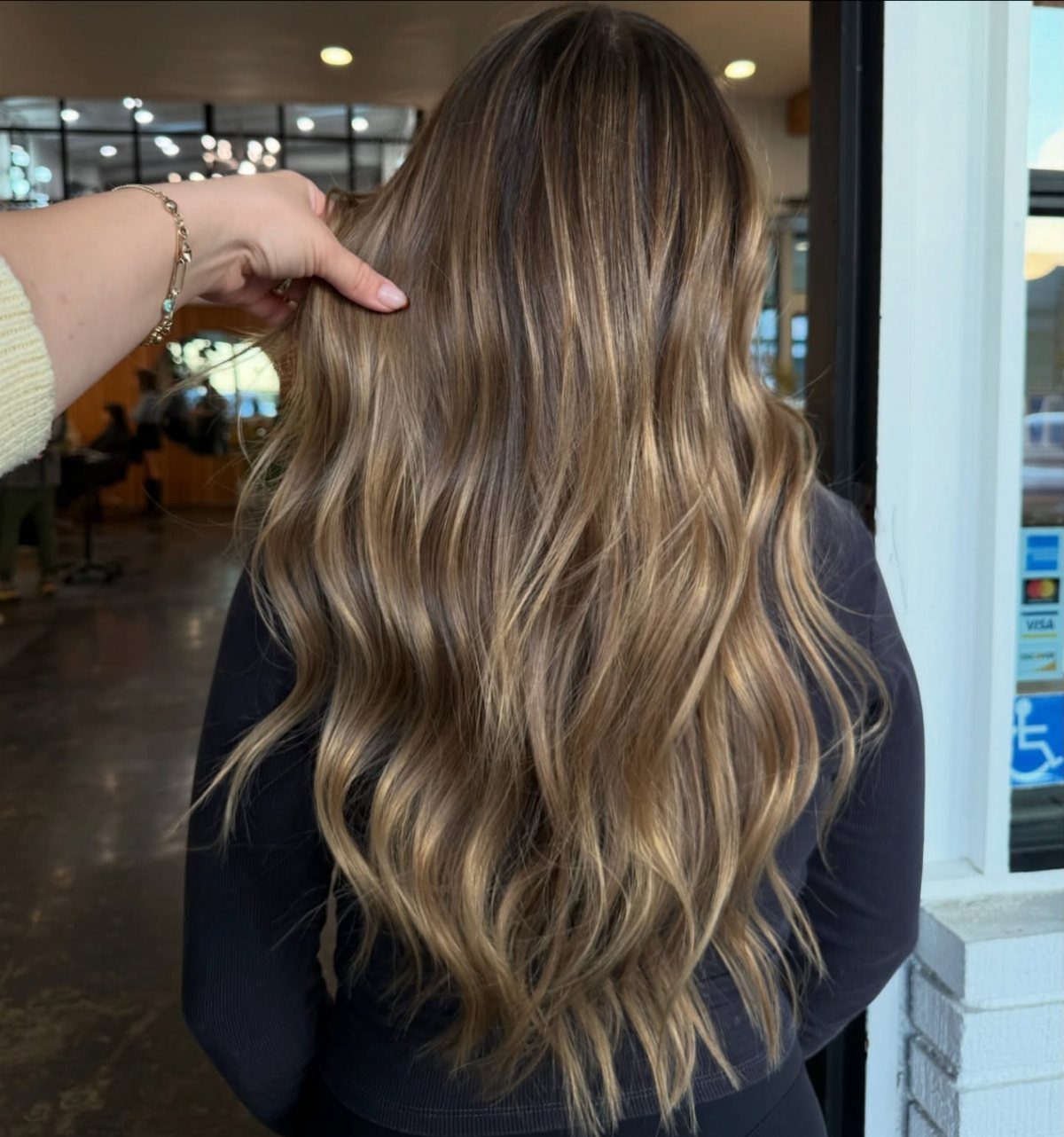
Lighter blonde that deepens toward darker roots is what makes balayage look grown-in rather than applied.
Because the color is painted on by hand, the lightness sits where sun would hit, mostly through the lengths, and the root stays close to your natural shade.
For anyone with dark blonde or light brown hair, this is the version I’d ask for by name. Bring a photo to your stylist and say "blended, with a darker root," since that phrase tells them more than "highlights" does.
2. Dirty Blonde Highlights
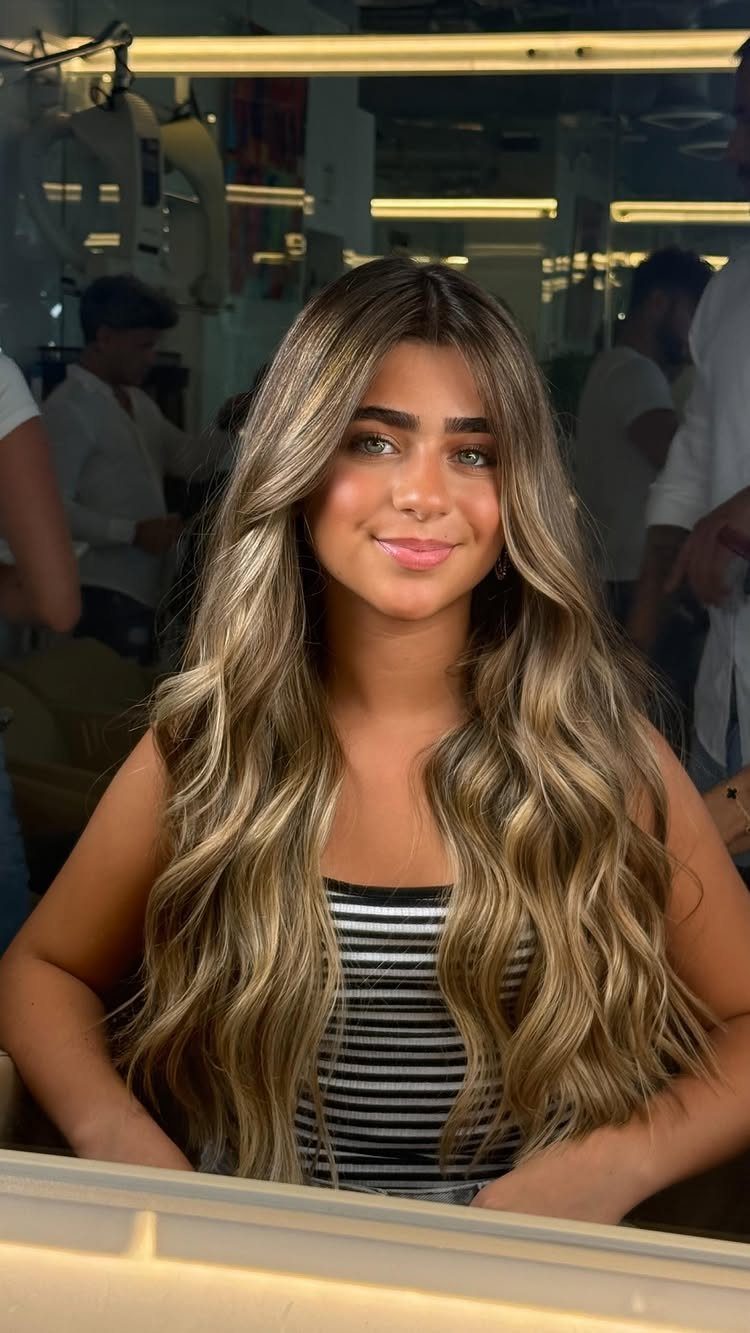
Highlights are the more direct route: lighter strands woven through a dirty blonde or brunette base so the whole head reads brighter without losing its depth.
I like them best on wavy hair, where the movement shows off the contrast between light and dark pieces.
On straight hair, thin highlights look more polished and thick ones look stripy, so tell your stylist which you want before the foils go in.
3. Root Smudge
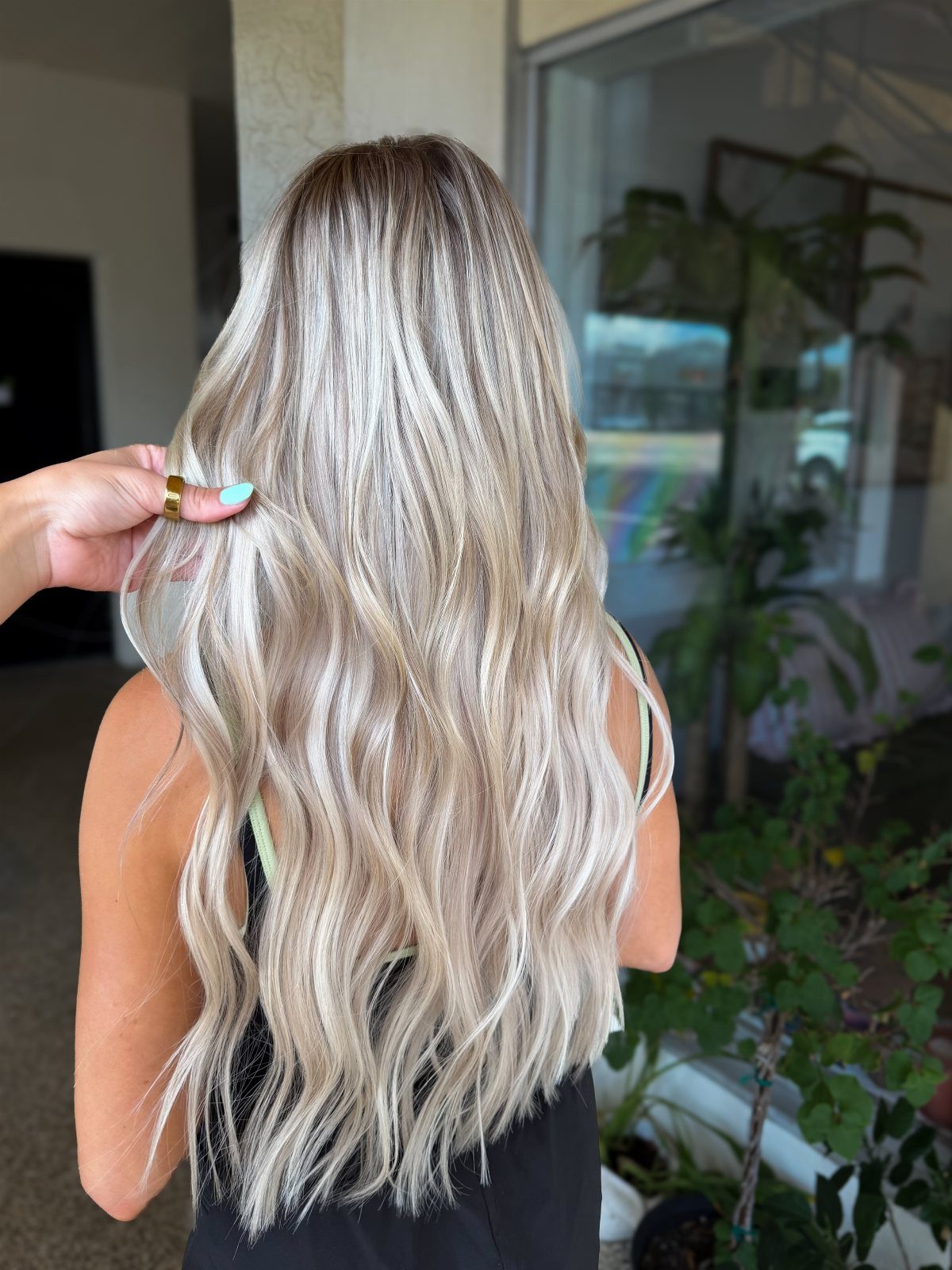
A darker root that melts into pale lengths, with no hard line where the two meet, is the whole idea here. That soft blend means regrowth looks planned instead of neglected.
This suits anyone who wants blonde without a strict touch-up schedule, and it works on previously colored hair that already has a heavy band of new growth.
Ask for a "root smudge" or "shadow root" and point to where you want the dark to stop.
4. Cool Dirty Blonde
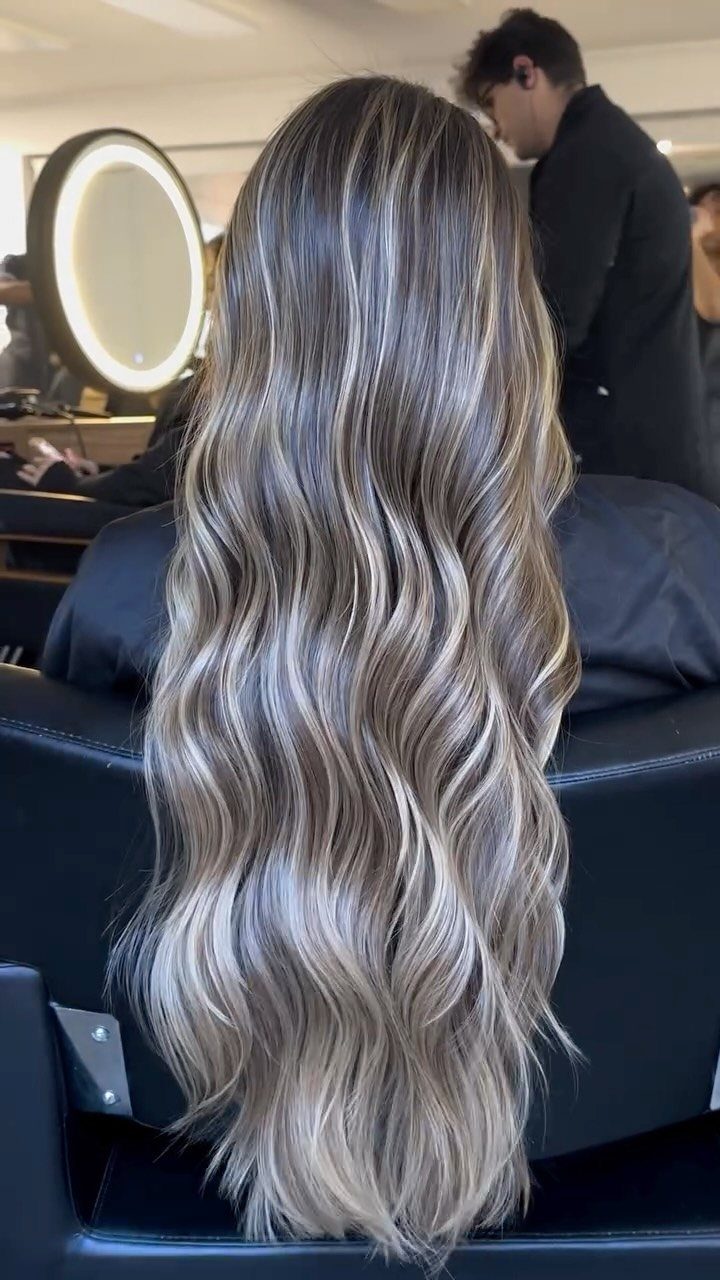
Ash, smoke and mushroom are the 3 cool tones to name when you want dirty blonde without any warmth. They read gray-beige instead of golden, which makes them a good match for cool or neutral skin.
Cool shades show brass faster than warm ones, so I’d plan on a purple shampoo to keep the tone from drifting yellow. If your skin leans warm, try a softer ash first.
5. Face-Framing Highlights
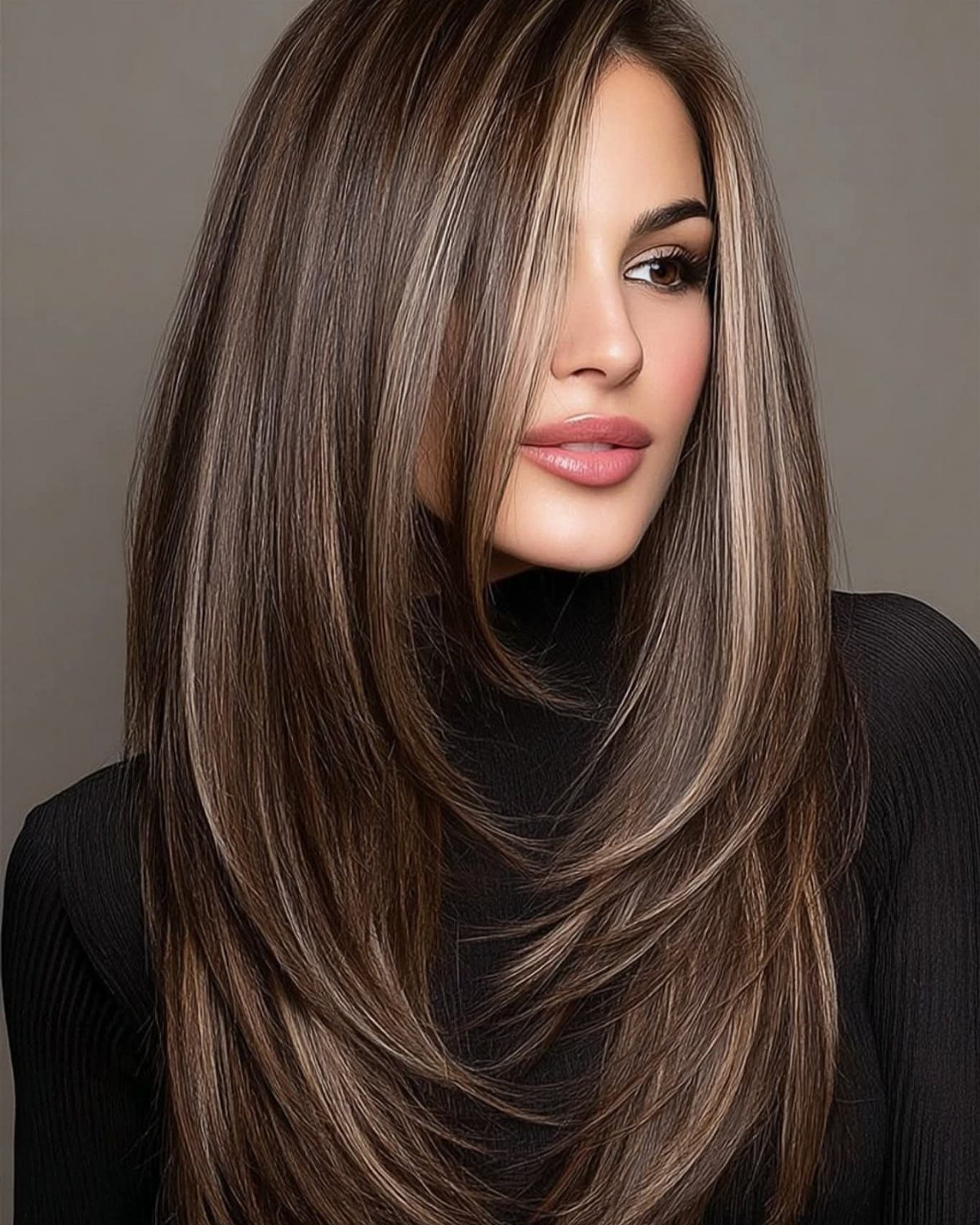
Lightening only the strands that sit around your face gives you a clear blonde glow with very little commitment, since the rest of your natural dirty blonde stays untouched.
The rest of your hair keeps its natural color, so the brunette base stays rich while the front catches light.
I’d choose this for a first step into lighter hair, or if you want a change that grows out without a dramatic line. Ask for the pieces to start at the hairline and keep them fairly thin.
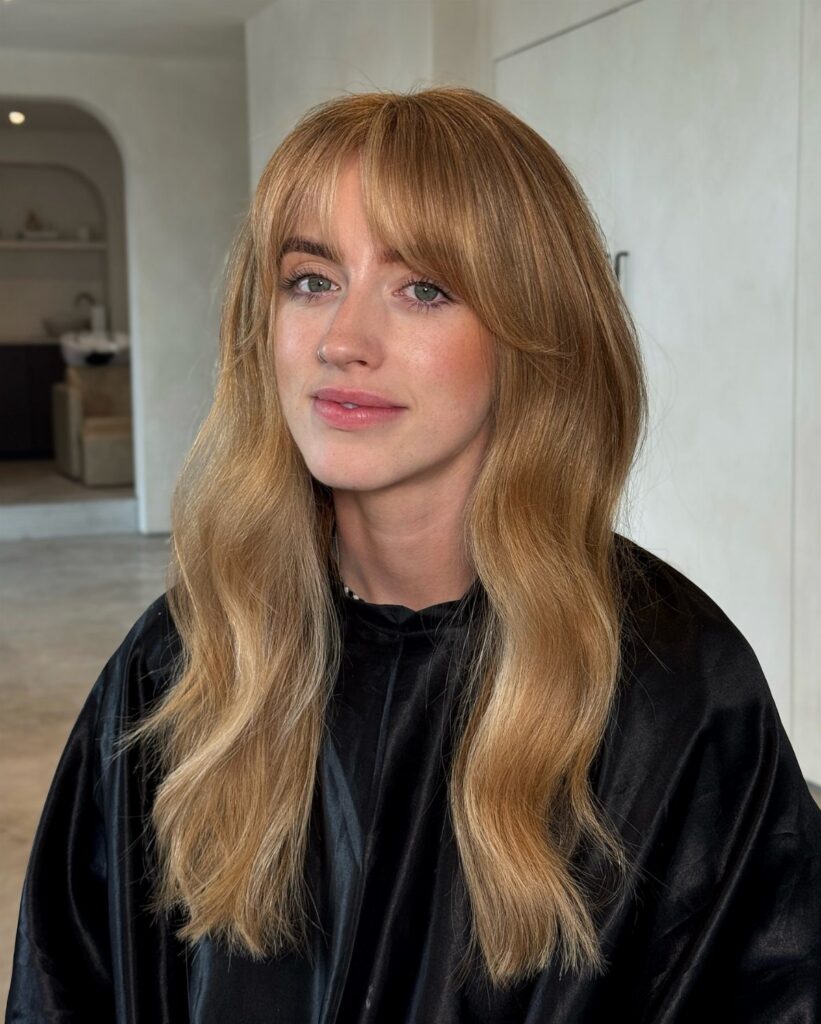
6. Dark Strawberry Blonde
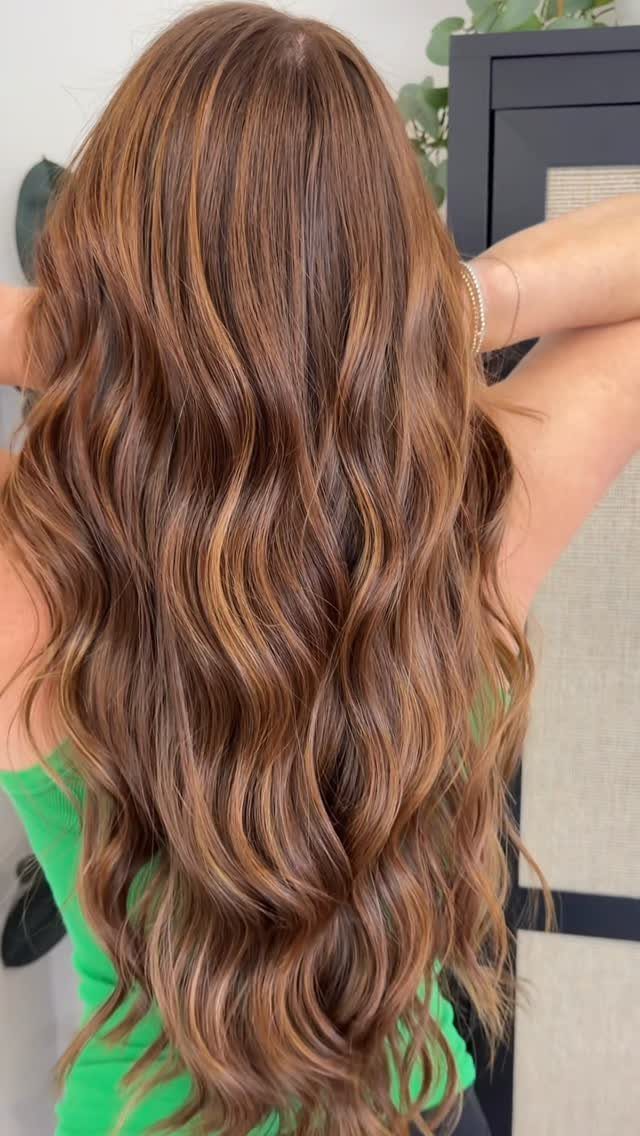
Copper in a blonde base is what separates dark strawberry blonde from the pinker, lighter versions. It’s deeper and warmer, and it looks best on someone who wants color with real richness.
Warm and neutral skin tones carry it most easily, in my opinion. Cool skin can look a little flushed next to that much copper, so ask your stylist to test a strand before committing the whole head.
7. Honey Dirty Blonde
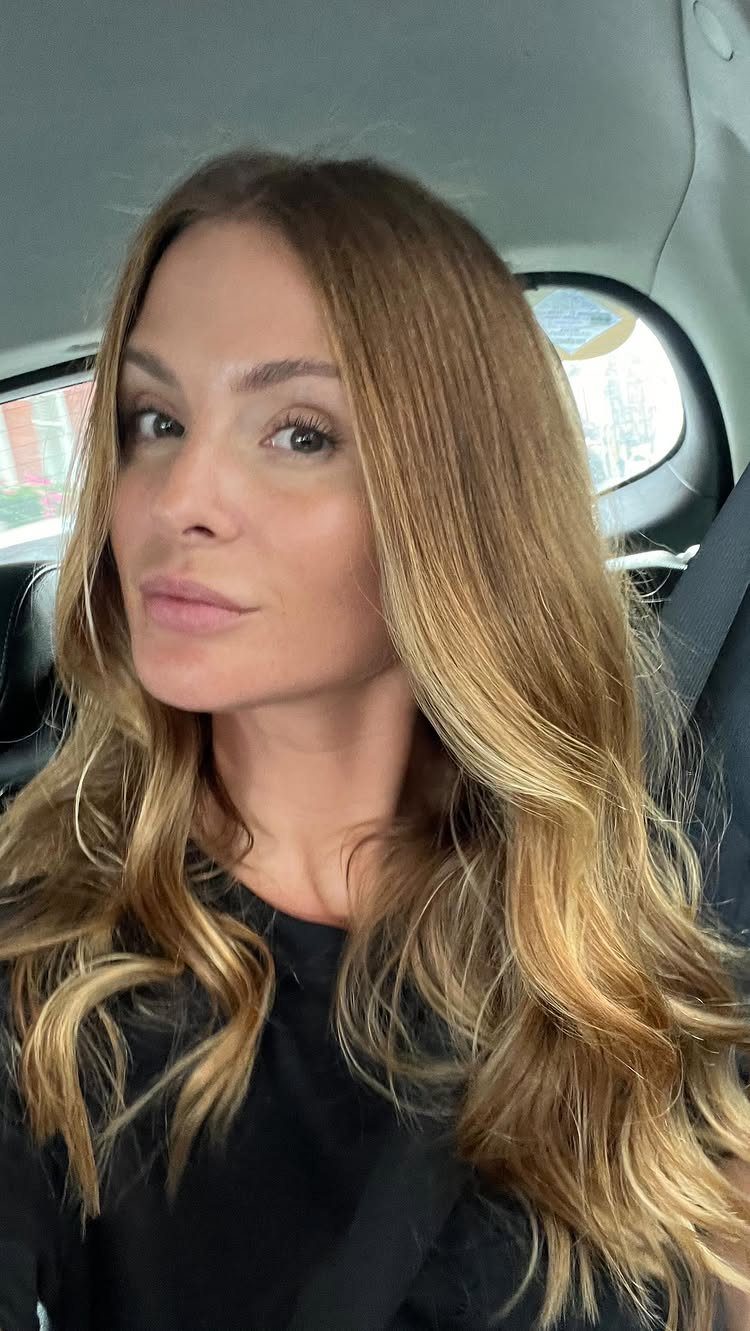
Golden blonde threaded through rich brown is what gives honey dirty blonde its warmth. It sits between a true blonde and a light brown, so the color reads soft and sunny without ever looking bleached.
I’d pick it for anyone with natural dark blonde or light brown hair who wants a little glow and not a big jump.
Ask your stylist for "honey tones through a dirty blonde base" and bring a photo, since honey can drift toward orange or toward beige depending on the formula.
8. Dirty Blonde Ombre
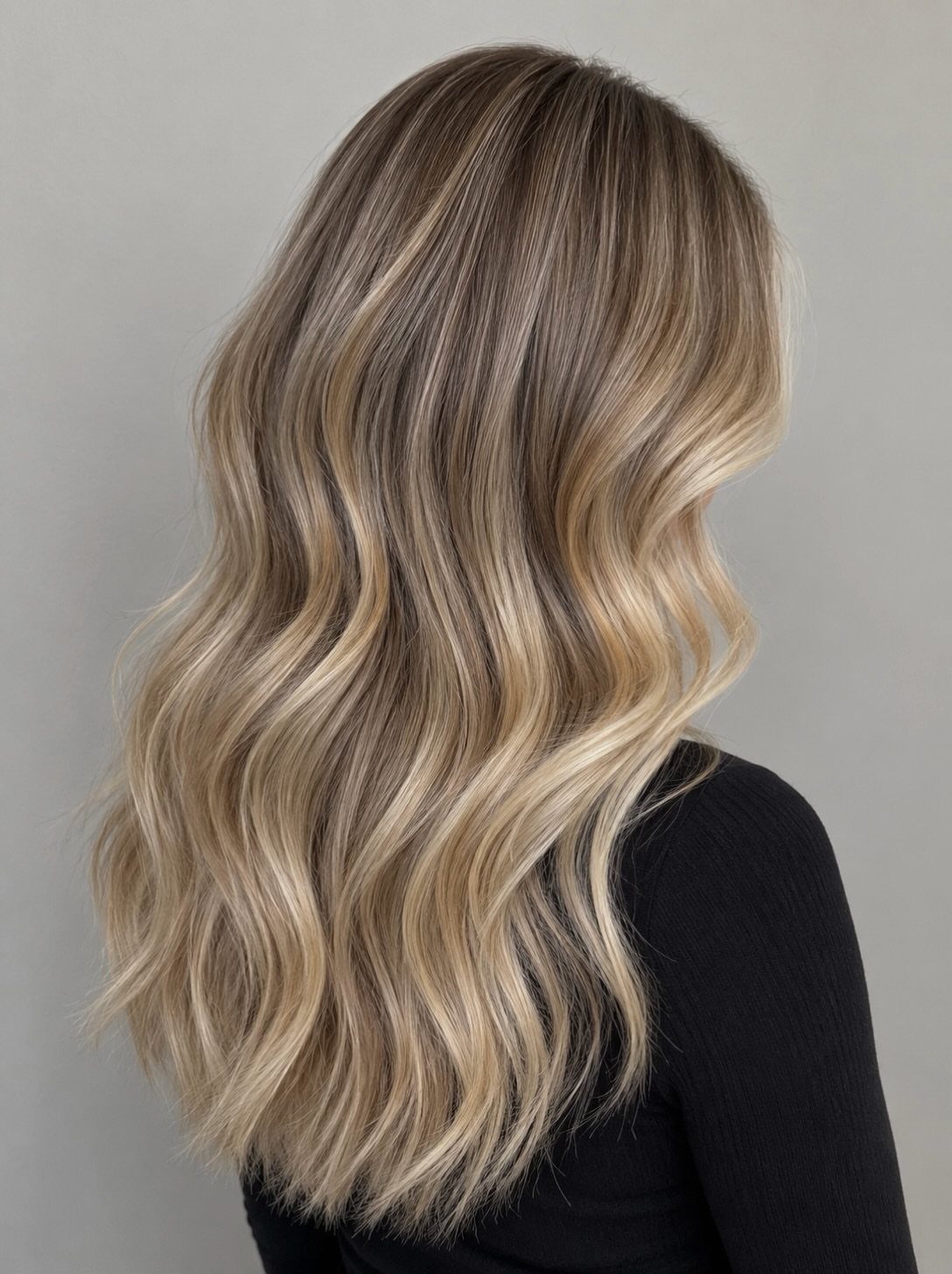
Roots stay dark while the ends climb to a bright beige-blonde, and the shift happens gradually down the length. Wavy hair shows that fade best, because each curve catches a slightly different shade.
Ombre differs from balayage in how much of the top stays dark.
I’d ask for "dark roots, bright ends" and say how high up you want the lightening to begin, since that single decision sets the whole look. Because the roots are never lightened, regrowth barely shows.
9. Dark Golden Blonde
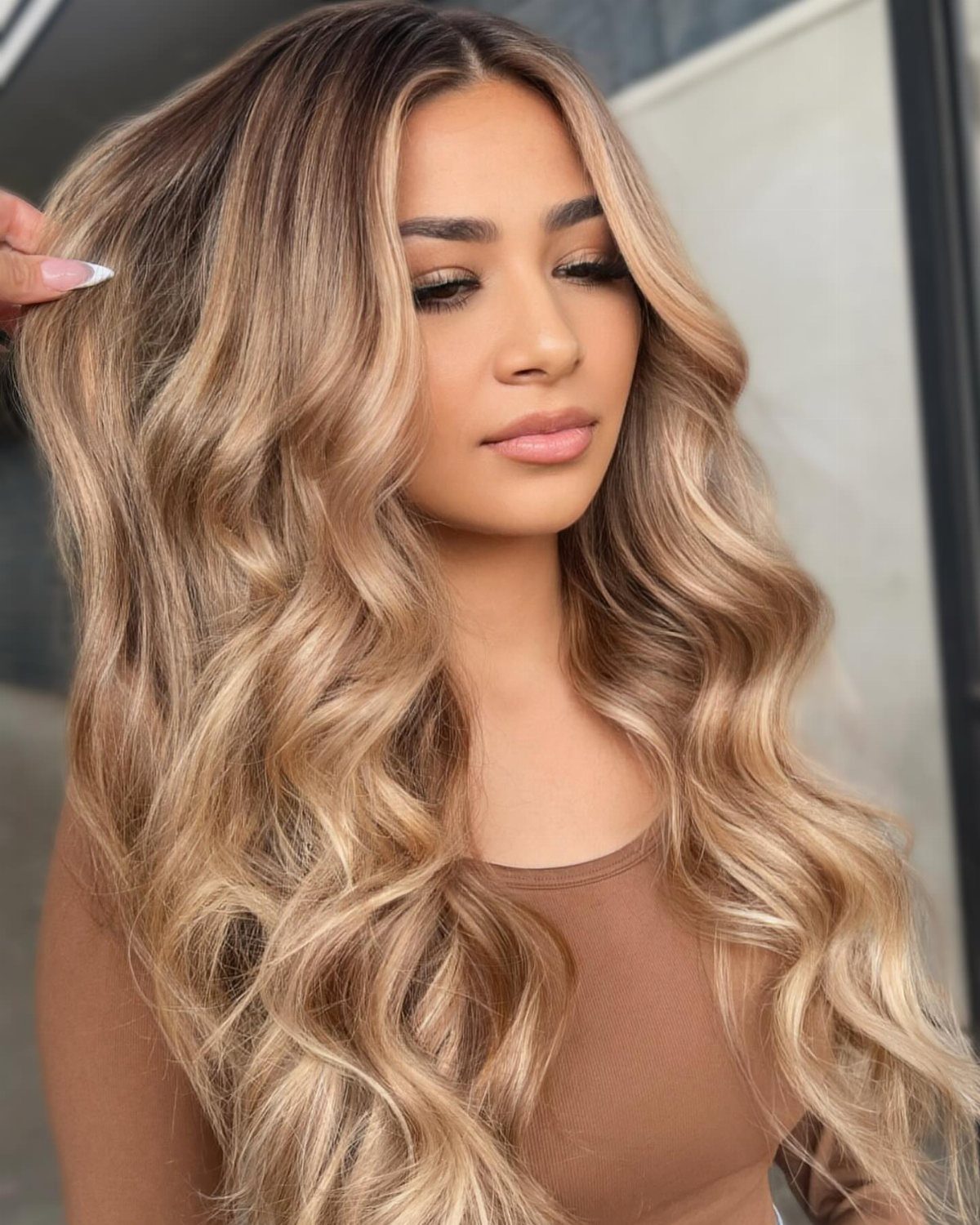
Chocolate brown, medium blonde and golden blonde are the 3 shades to name here, layered so brown roots flow into golden waves. Dark golden blonde is richer than honey and less sweet.
This one suits brunettes who want to go lighter without leaving brown behind.
I’d tell the stylist you want the gold to stay warm and deep, not pale, and ask for the brown to be kept at the root. Soft waves show off the mix of tones best.
10. Honey Blonde Babylights
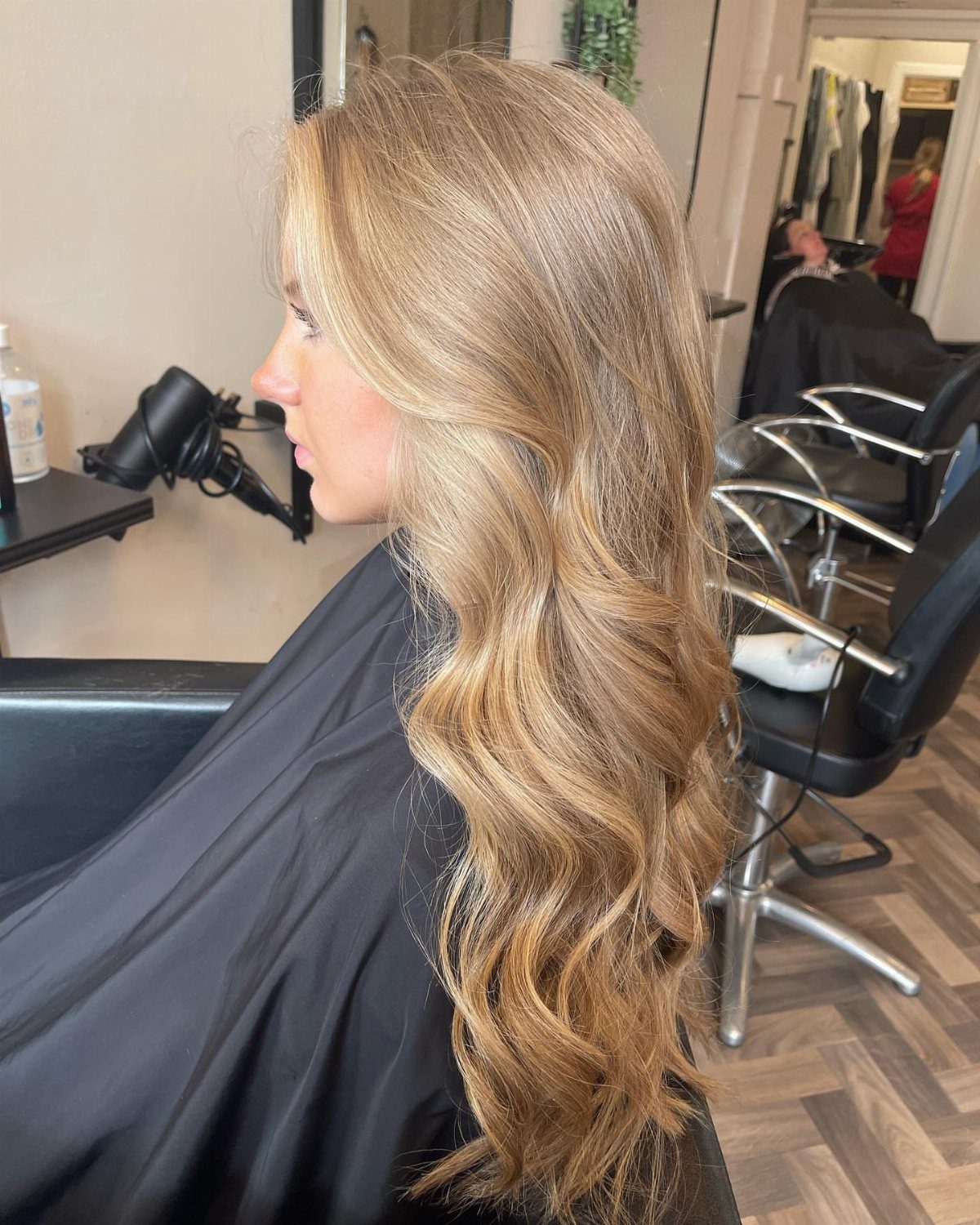
Babylights are very fine, delicate highlights, and in honey blonde they give a soft shimmer instead of visible stripes. From a distance the hair just looks lighter and sun-touched.
I like them for anyone nervous about contrast, since thin strands blend into the base so easily. Ask for "fine honey babylights" and expect the stylist to work in tiny sections, which usually means a longer appointment than standard highlights.
11. Golden Blonde Highlights
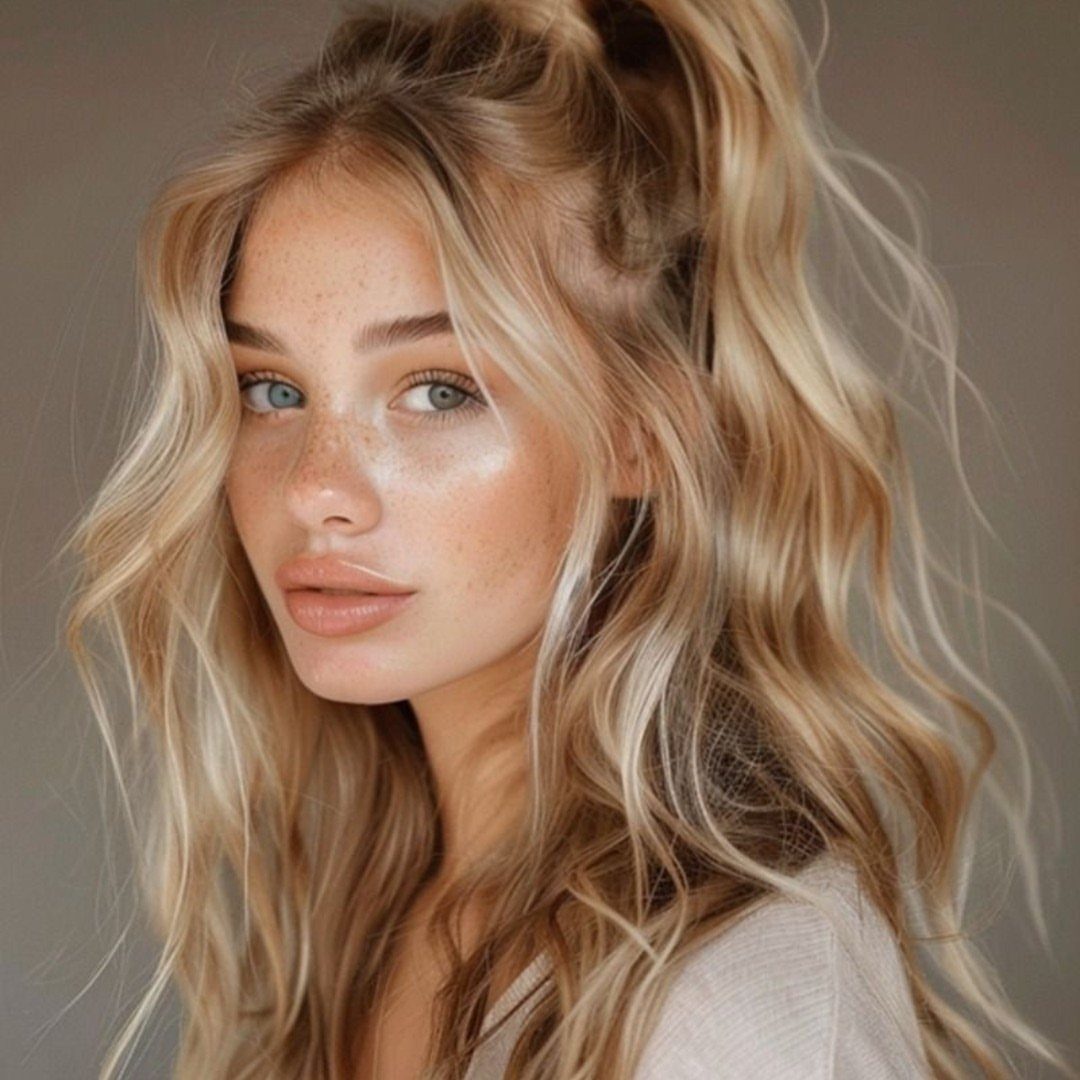
Warm gold running through dirty blonde, with the brightest pieces around the face, makes this the sunniest option so far. The richness comes from the gold itself, not from going lighter overall.
If your skin leans warm or neutral, this is a flattering pick, and I’d choose it over a paler blonde for that reason.
Ask for "golden highlights on a dirty blonde base." Keep the gold tone in mind when you shop for shampoo, because purple formulas can flatten it.
12. Dirty Blonde Lowlights
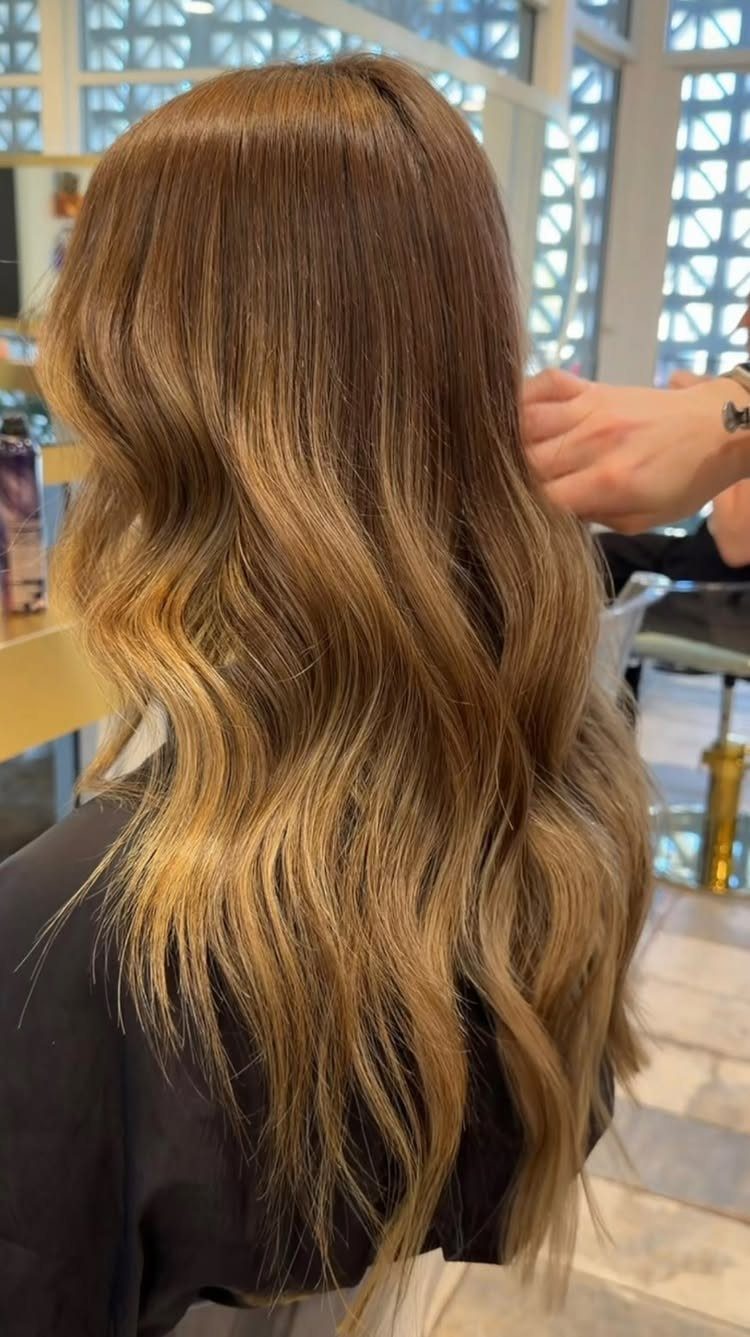
Darker strands woven under and through blonde add depth, so the lighter pieces look brighter by contrast. Lowlights are the quiet fix for hair that has gone flat from too many highlights.
Dirty blonde with brown lowlights and golden ends is a lovely version, and I’d ask for the lowlights to stay close to your natural shade.
Ask your stylist to place them underneath and through the mid-lengths so the blonde still leads. It’s also a gentle way to soften an overly bright color.
13. Sun-Kissed Dark Blonde
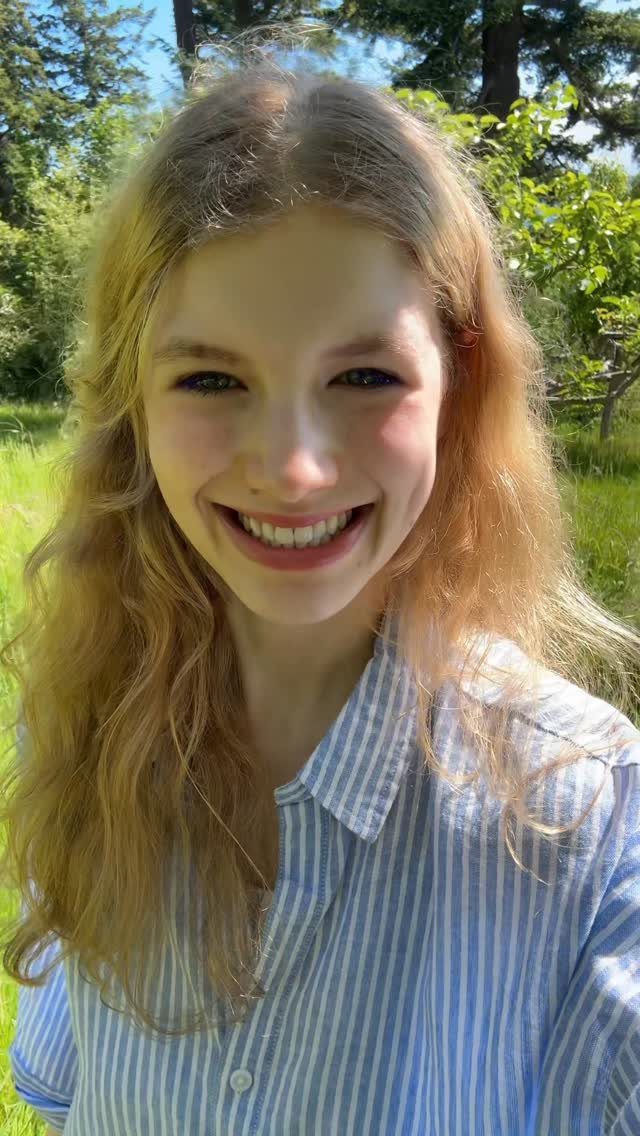
Subtle highlights over a brown base are what make this read as sun-lightened rather than colored. The brown stays dominant, and the lighter pieces sit like the ones a summer outdoors would leave behind.
Long, loose waves suit it well, since the movement lets the light strands show up and disappear.
I’d ask for "soft, sun-kissed highlights on a dark blonde base" and keep them close to your natural shade so the grow-out stays quiet.
14. Light Dirty Blonde
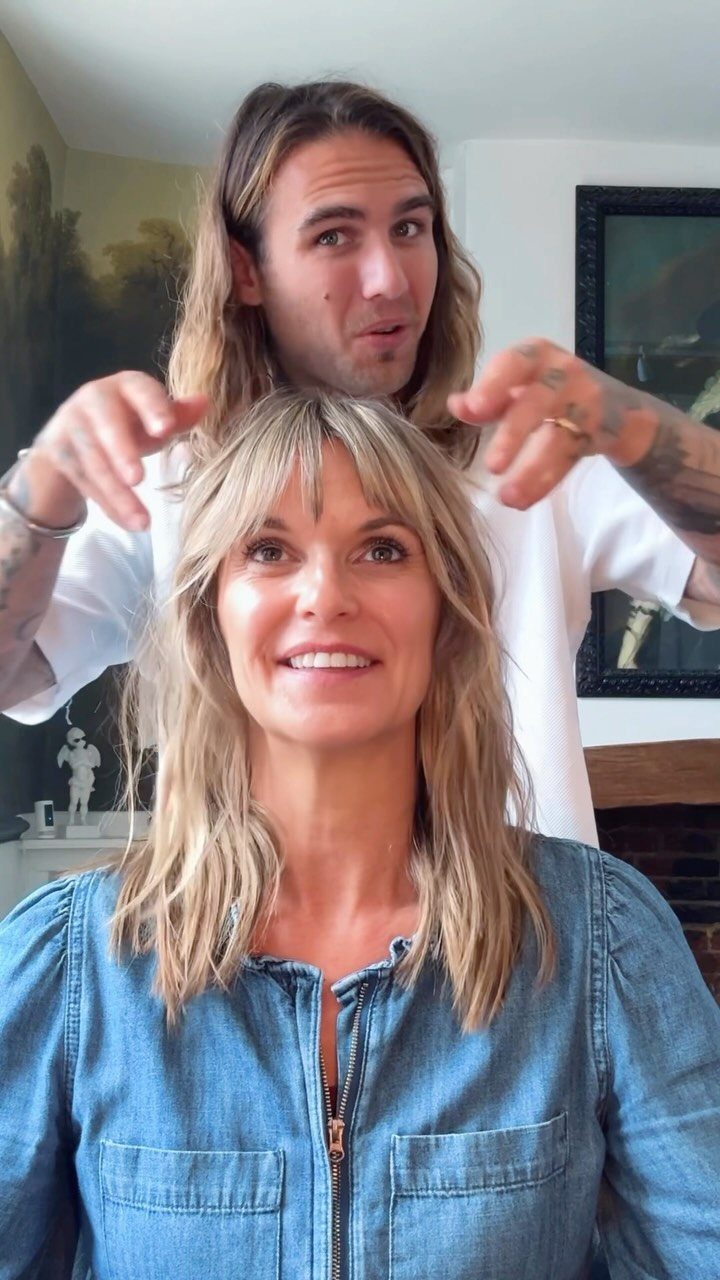
Brighter and fresher than the usual dirty blonde, this version lifts the shade toward light without leaving it behind. It still has that muted, lived-in depth, just with more brightness.
Soft bangs and loose waves keep light dirty blonde looking easy, since neither fights the blend of tones.
For a stylist, "light dirty blonde, not golden, not ashy" is a clear request, and I’d bring a photo, since how bright counts as light varies a lot from person to person.
15. Dirty Platinum Blonde
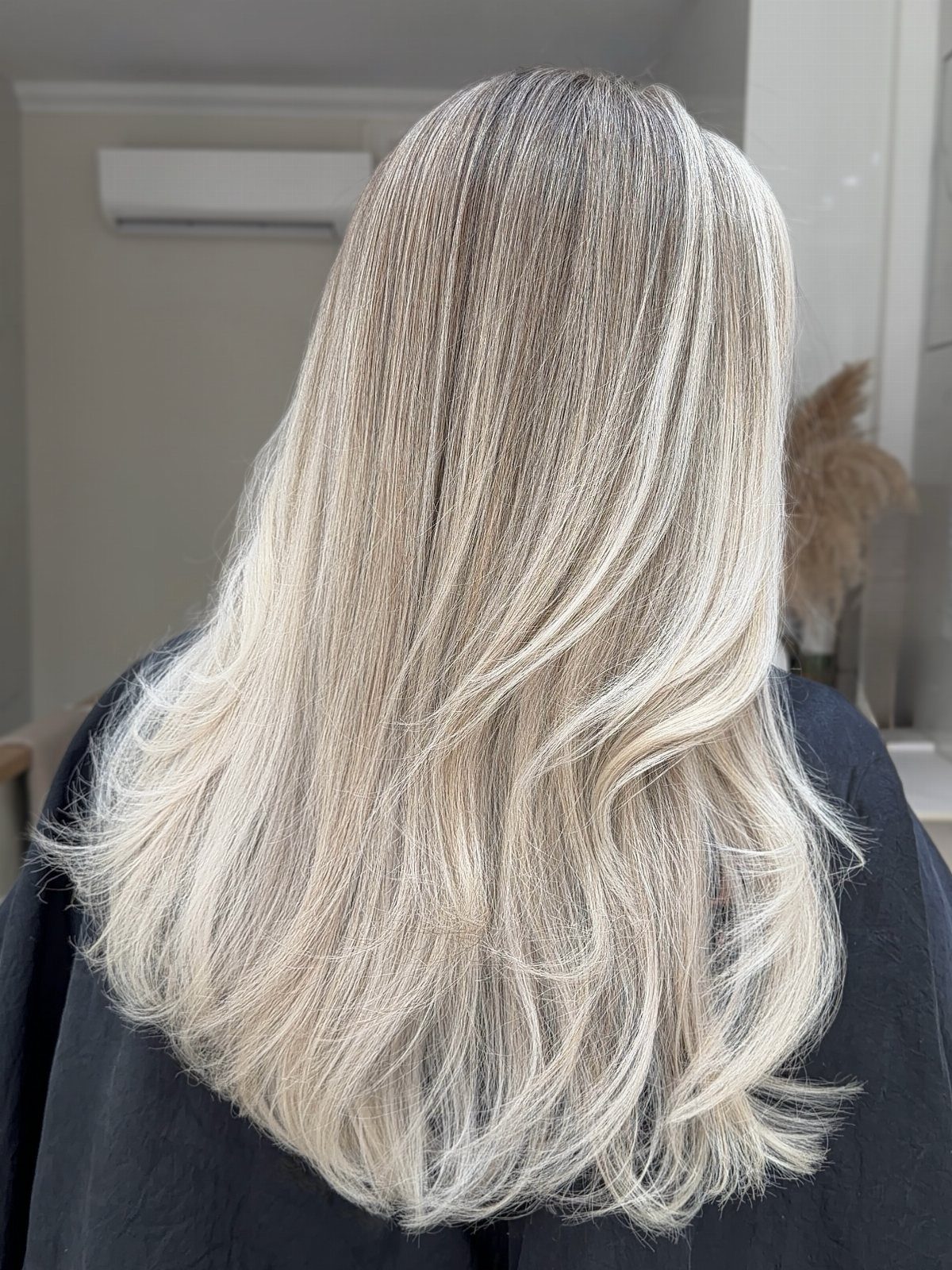
Darker roots under long, layered, near-platinum lengths are what make this "dirty" instead of pure platinum. The root keeps the color from looking stark, and the pale lengths do the brightening.
Layers help the pale tone move, so I’d pair the color with a long, layered cut.
Ask for "platinum blonde with a natural dark root," and expect a stylist to need real lightening work to reach it, which takes more time than most other shades on this list.
16. Bronzed Dark Blonde
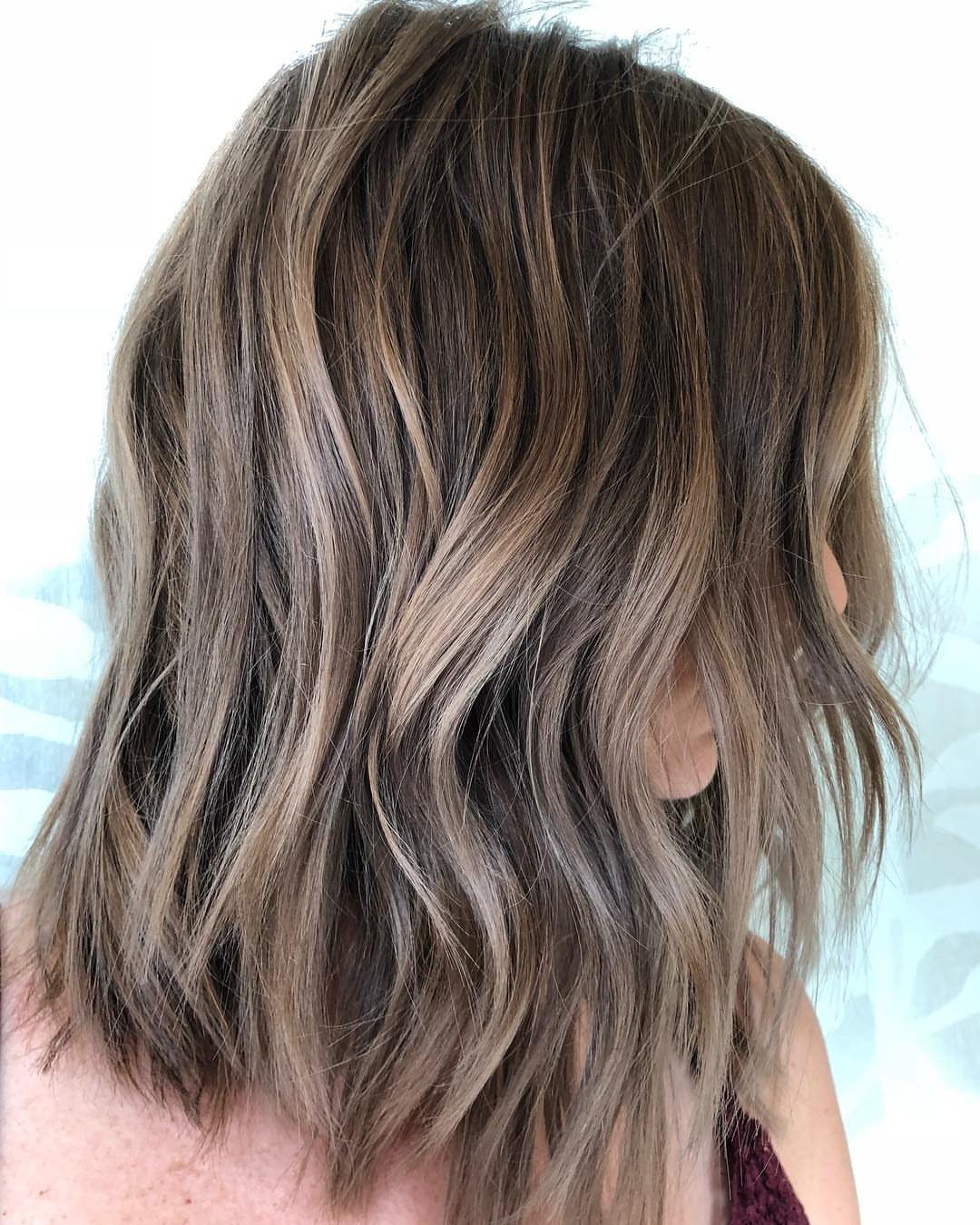
Honey, caramel brown and a metallic bronze sheen are the 3 tones that give this its polished-but-undone finish. The bronze is what sets it apart from plain honey: it adds a cool metallic gleam to the warmth.
Shoulder-length waves show off that dimension best.
I’d ask for "dark blonde with honey, caramel and bronze highlights," and mention that you want the brown kept in the mix. Brown threaded through the highlights keeps it from reading flat.
17. Dusty Blonde
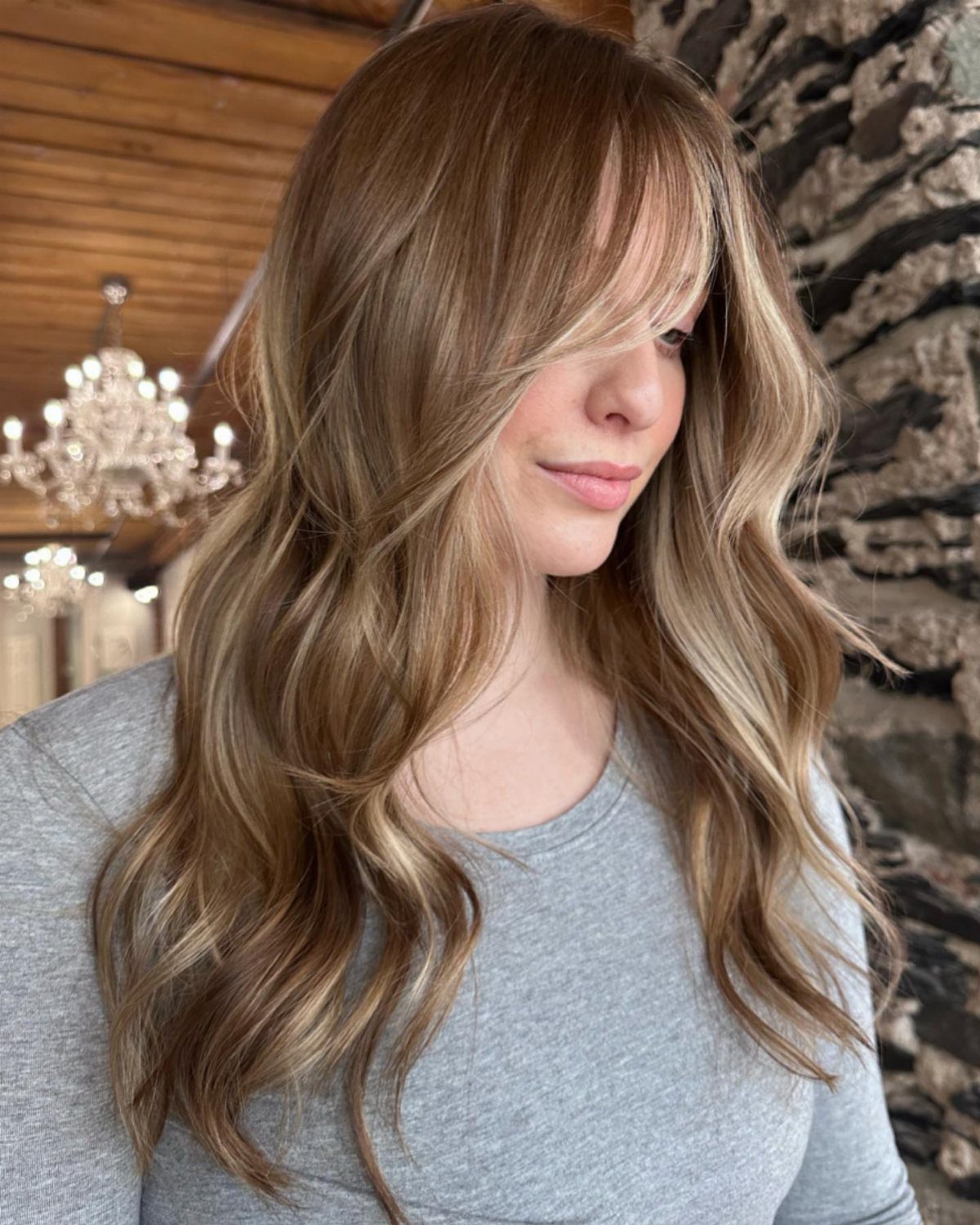
Creamy and soft, dusty blonde is a muted dirty blonde with a slightly powdery finish, and it’s a shade I see people ask for constantly.
Lighter strands around the face brighten the color without breaking the softness, so ask for a few fine pieces there instead of heavy highlights.
Long waves and bangs work nicely with it. Ask your stylist for "creamy, muted dirty blonde with lighter face-framing pieces," and skip anything labeled golden, which pulls the shade warmer and brighter than you want.
18. Textured Dirty Blonde
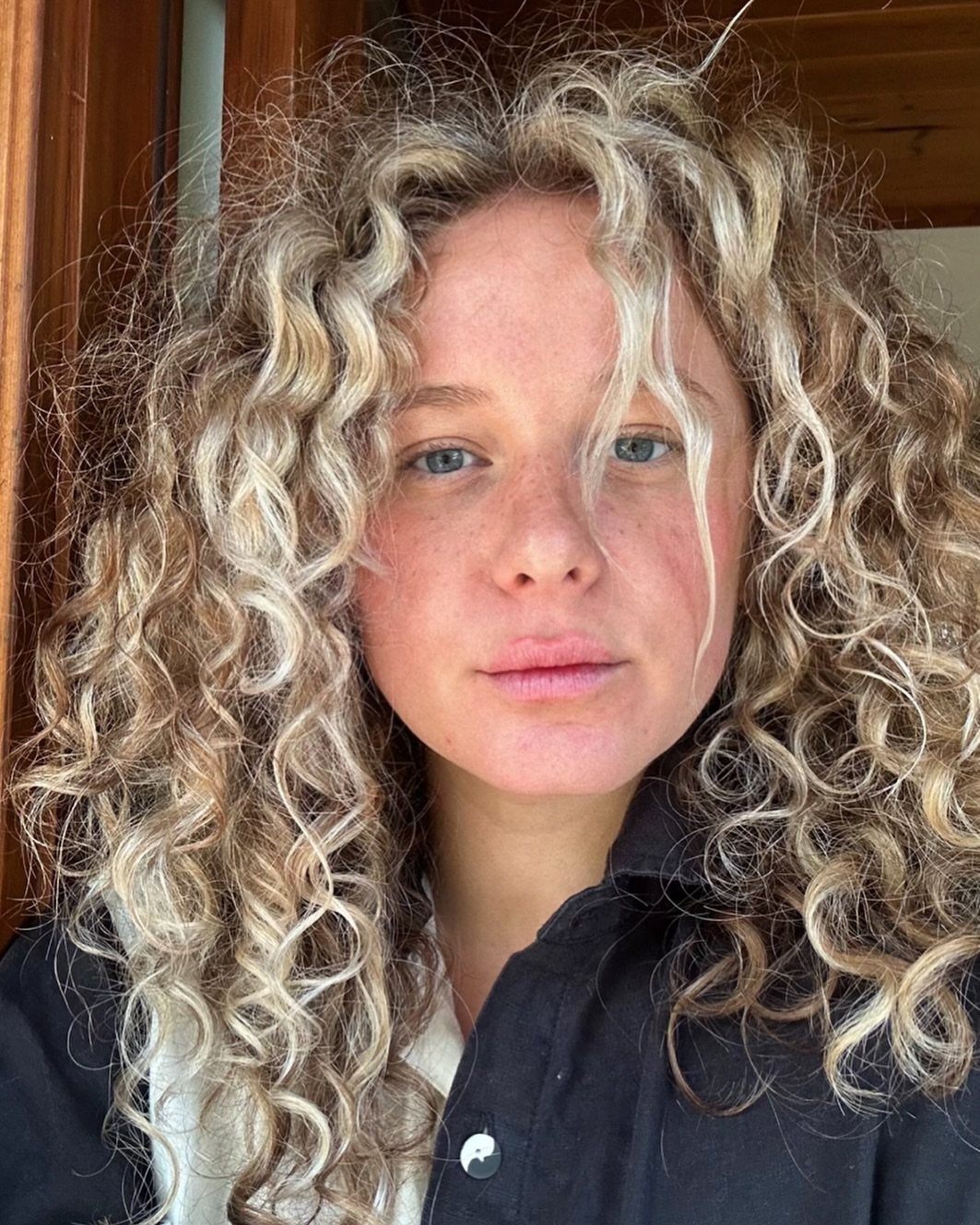
Curls change how dirty blonde looks: each coil catches light differently, so the color gains depth without extra foils. Darker roots add to that effect and keep the volume looking natural.
I’d keep the color close to your natural dirty blonde and let the texture do the work. Ask for color placed by hand on dry curls, so your stylist can see where each curl falls before choosing where to lighten.
19. Dirty Honey with Auburn
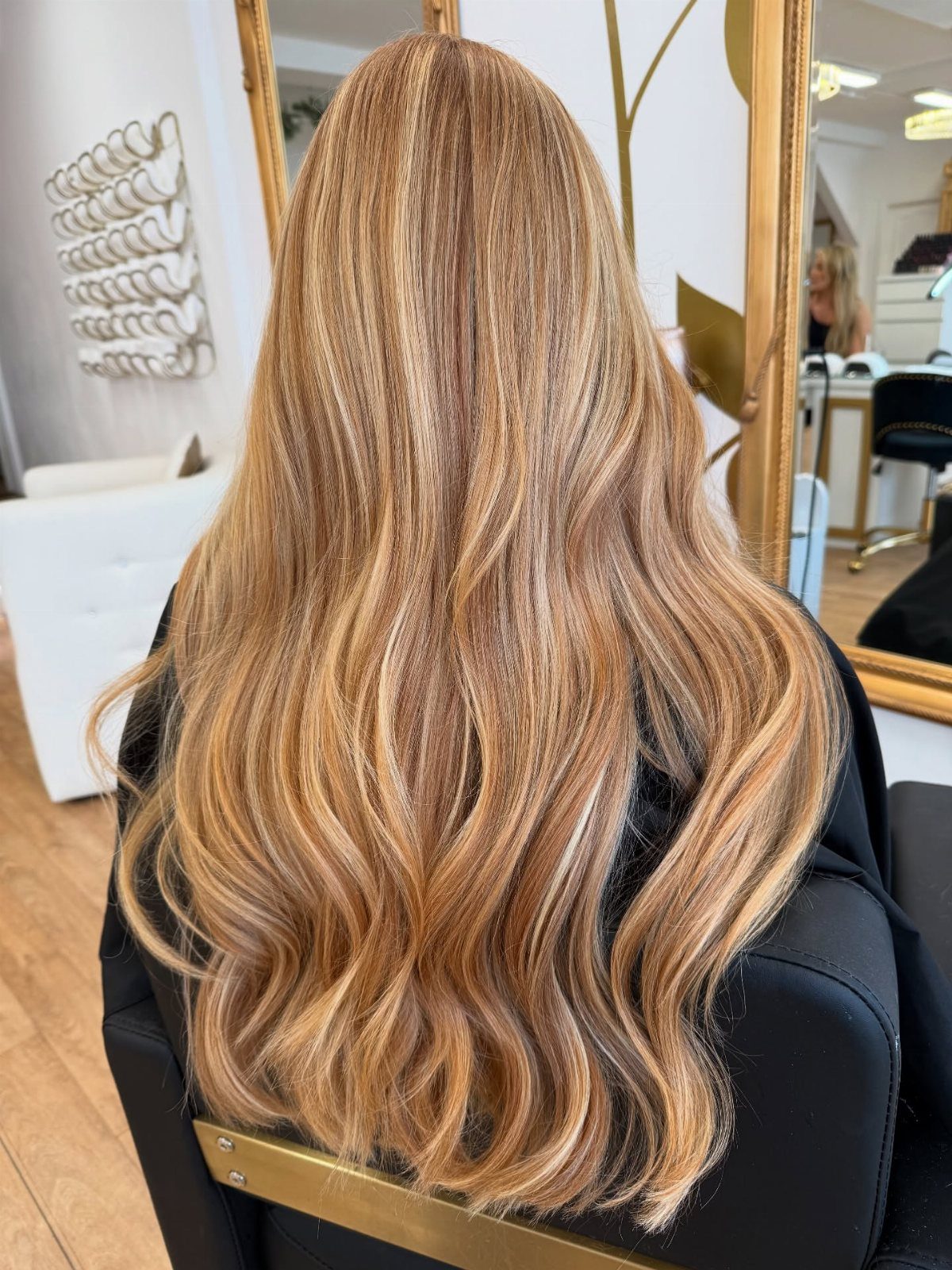
Auburn threaded through warm honey blonde gives dirty honey a copper-red glow, and it’s the richest take on the shade in this stretch of the list. The auburn sits in the highlights, so the honey stays the main color.
Auburn reads red in one formula and brown in another, so a reference photo does more than the name alone when you book dirty honey blonde with auburn highlights. Long waves show the 2 tones moving against each other.
20. Wheat Blonde
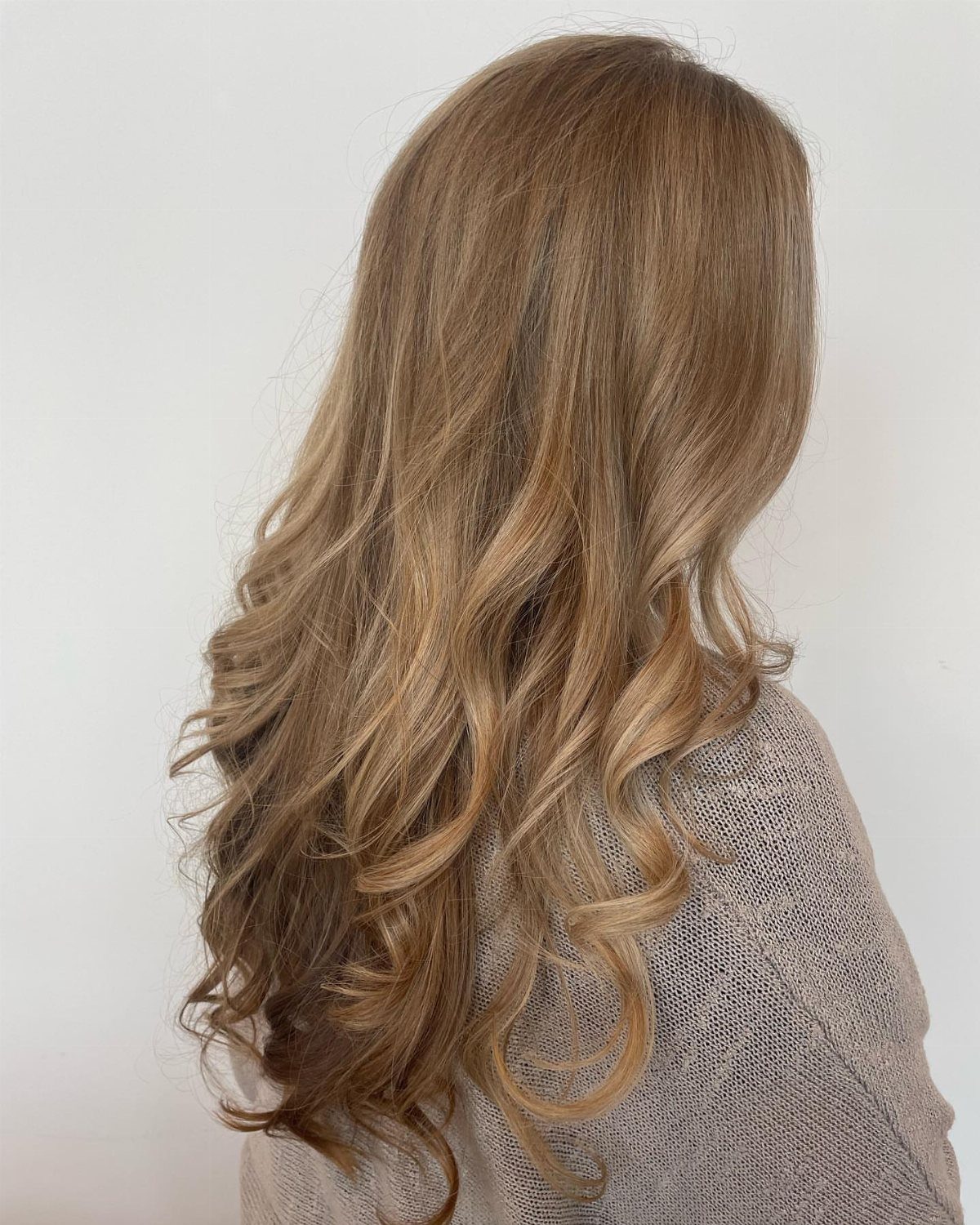
Wheat blonde sits between golden and ash: a soft, grain-like tone that looks natural on dirty blonde hair and never turns stark.
For extra brightness, a few ultra-blonde highlights can be added on top, which is the version I’d choose if plain wheat feels too quiet.
Ask for "wheat blonde, not golden, not ashy," and say whether you want those pale pieces. Curls or loose waves help the highlights stand out against the base.
21. Caramel Dirty Blonde
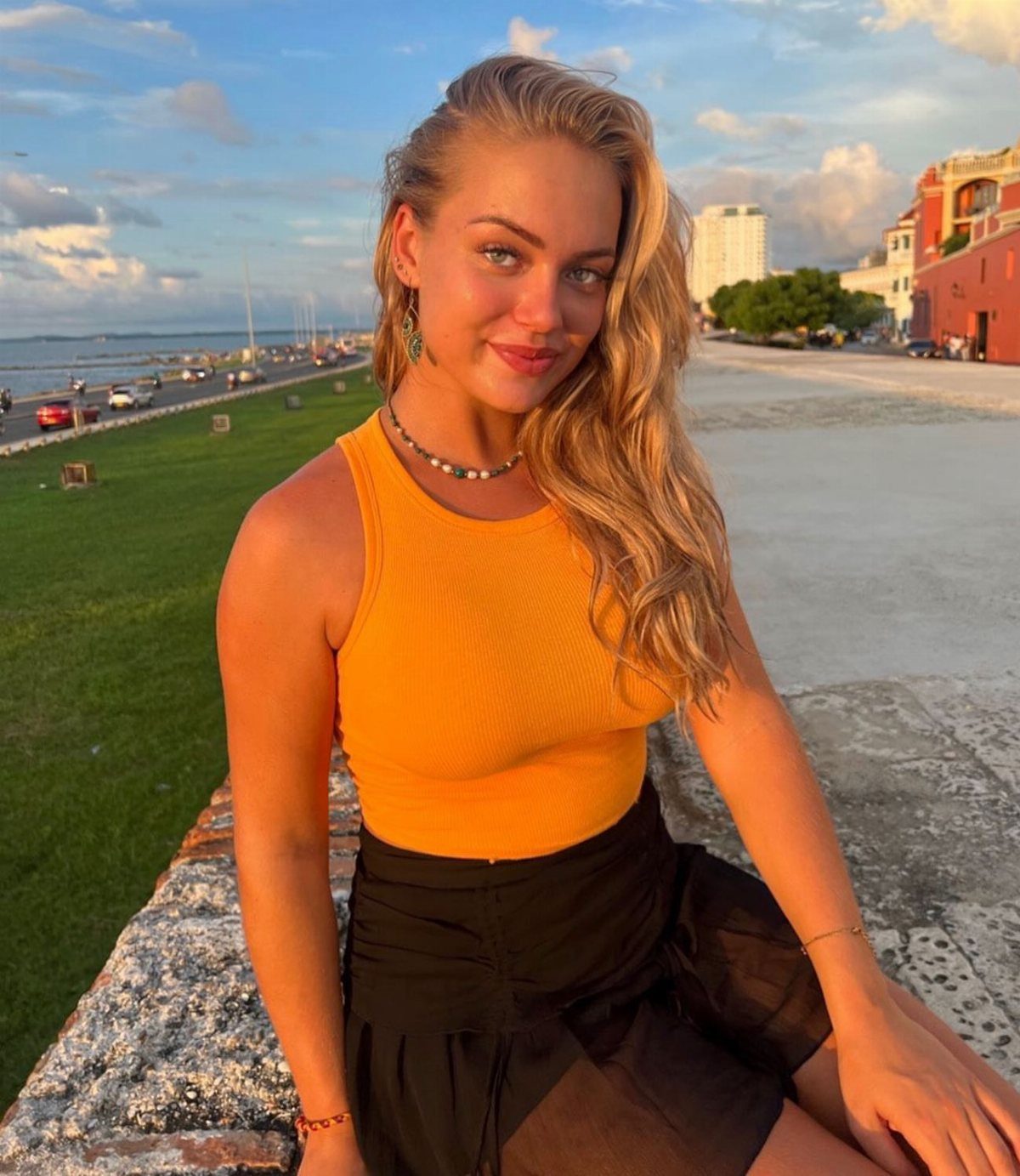
Caramel dirty blonde keeps the muted depth of dirty blonde and warms it with a sweet, toffee-leaning glow. It’s less pale than honey and less brown than a true caramel brunette.
I’d pick it for warm or neutral skin, where the warmth looks flattering and not sallow.
Caramel drifts toward orange when the stylist has no clear target, so name the tone, "caramel through a dirty blonde base," and show a photo to pin it down.
22. Dirty Blonde Lob
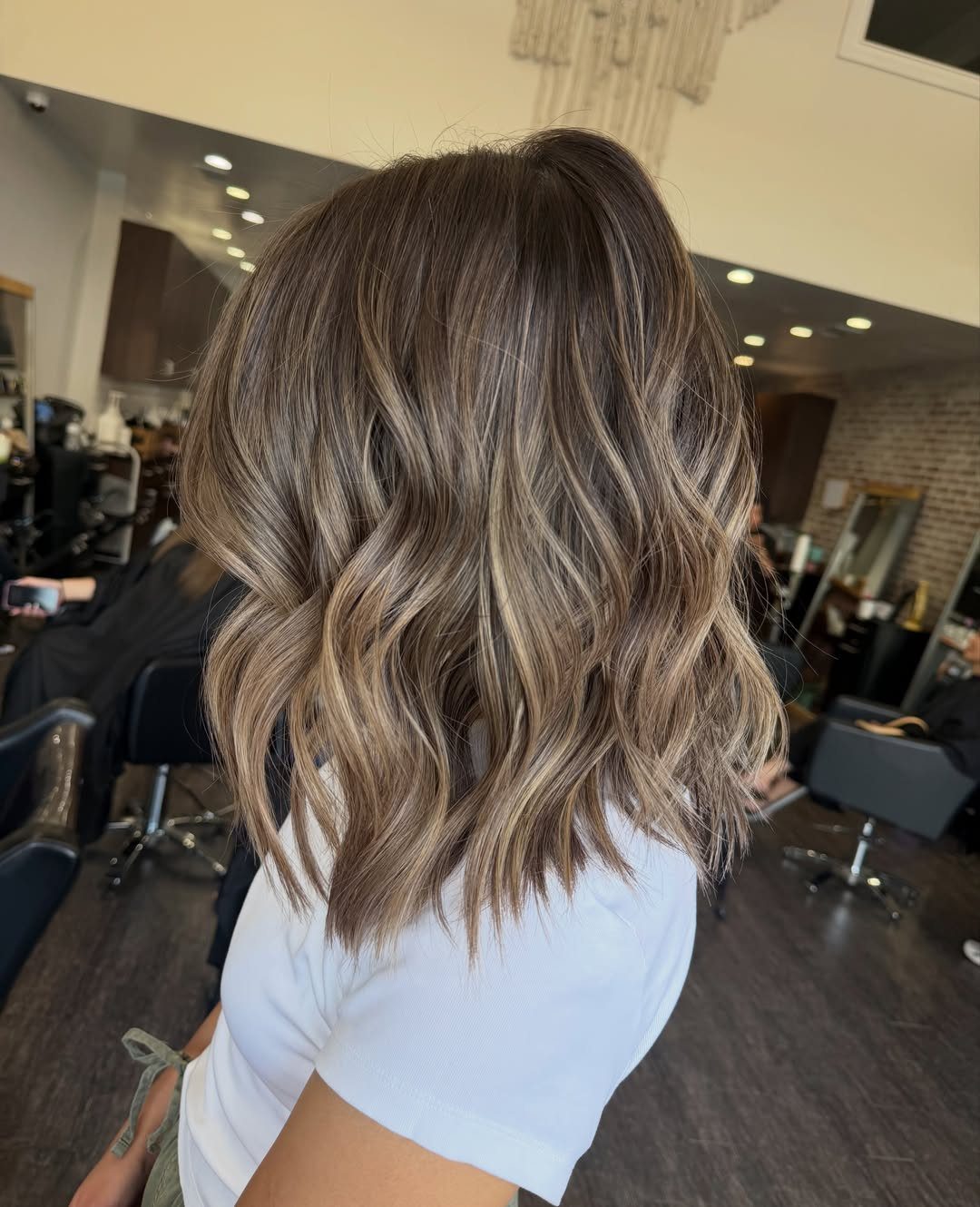
A lob, the longer bob that skims the shoulders, gives dirty blonde a shape that’s easy to style. A lob gives waves and soft highlights room to show, and the cut stays tidy while the color carries the look.
I like it for anyone who wants a change without losing length entirely. Tell your stylist you want "a wavy lob with dirty blonde highlights," and bring a photo of the cut so the shape matches what you picture.
23. Neutral Blonde
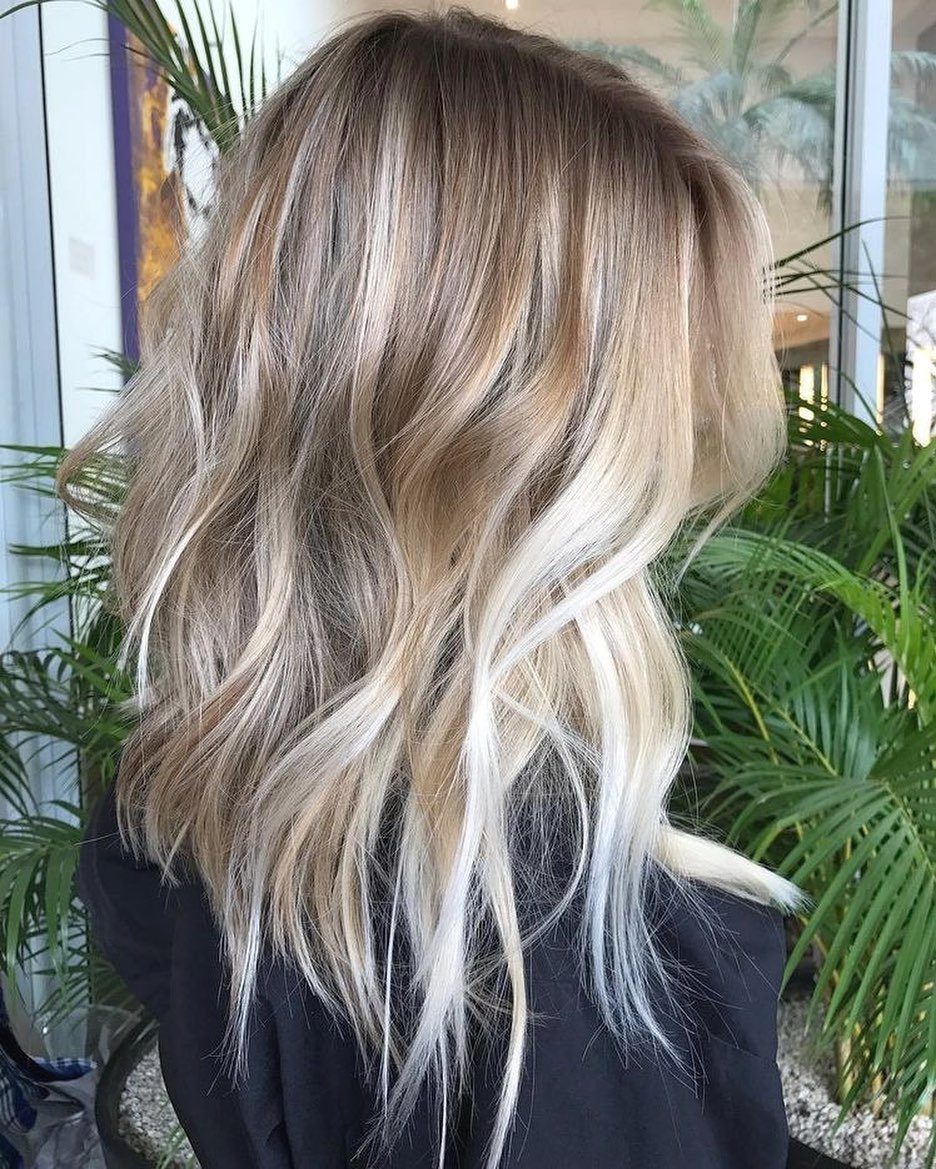
Neutral blonde avoids both gold and ash, landing on a beige that sits quietly against dark roots.
That balance makes it the safest pick here if you’re unsure about your undertone, and I’d choose it for that reason.
Ask for "neutral blonde, not warm, not cool," with the dark root left in place. Long waves show the blend nicely.
24. Burgundy Blonde
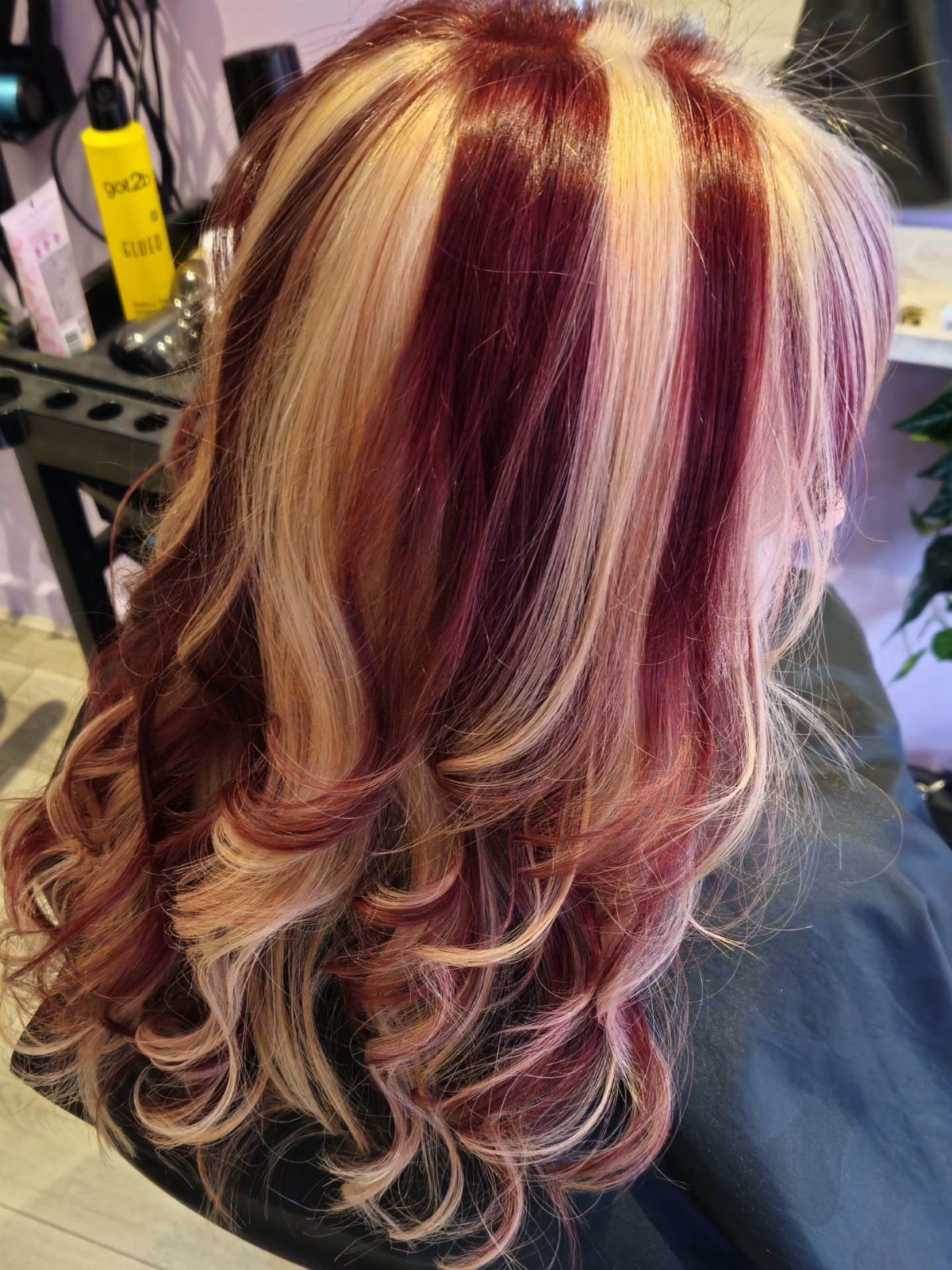
Burgundy streaks threaded through blonde are the boldest color in this group. The red-purple tone stands out against the pale strands, and it’s most striking on curls, where the streaks twist in and out of view.
Because burgundy is a statement, I’d start with a few streaks and not the whole head. Ask your stylist to place them through the mid-lengths and ends, and keep the blonde as the base so the contrast stays clear.
Care for Colored Blonde Hair
Purple shampoo tones and brightens blonde, but it does not lighten it. Its violet pigments cancel out brassy warmth in under 5 minutes, so there’s no reason to leave it sitting longer.
Work it through from root to tip on wet hair, then rinse clean. Once a week does it, and if you pair it with a purple conditioner you’ve got the whole routine covered.
On the other wash days, use a color-safe shampoo and conditioner, ideally one built for shine. A hydrating mask on a regular schedule keeps color-treated lengths soft.
Heat protection also matters. Spray it on before any flat iron or curling iron to help prevent fading and breakage.
Transitioning from Natural Color
Natural blondes have the easy path to dirty blonde. A toner or semi-permanent gloss in ash, beige or mushroom softens overly bright strands straight away, and lowlights or a root smudge add contrast.
If you’re naturally blonde and want to go darker, try flipping the ombré: keep the roots light and let the color deepen as it moves toward the ends.
Brunettes have a longer road. The hair has to be lifted first with highlights, balayage or babylights, then toned to a neutral, sandy finish, and a darker base may take multiple sessions.
I’d spread those sessions out instead of rushing them. Moving in stages is gentler on the hair and gives the final color a more natural look.
As natural blondes age, their vibrant multi-tonal and color shades start to darken to a more muted and flat dark blonde or light brown.
— Allure
Choosing Tones for Undertones
Choose by undertone, not by how light or deep your skin is.
Cooler skin pulls off ash better, so think mushroom blonde, dishwater or platinum, along with anything neutral.
Neutral undertones have the most freedom, since pretty much any dirty blonde hue works without clashing. Extra highlights or lowlights are an easy way to customize the shade from there.
If you can’t tell which group you fall in, ask your stylist to read your undertone before the color gets mixed.
Frequently Asked Questions
Can you naturally have dirty blonde hair?
Yes.
This shade can be your natural color, and some people are simply born with it. If yours isn’t natural, balayage, highlights or a root smudge can build the same look on a brown or lighter blonde base.
What color blonde is dirty blonde?
It’s a medium to dark blonde with wheaty, light brown undertones, sitting between light brown and medium blonde. The shade blends cooler ash tones with warmer beige or golden ones, so it reads muted next to platinum or champagne.
Which side it leans toward depends on that balance, and you can push it cooler or warmer to suit your skin.
How rare are dirty blondes?
I can’t give you a firm number for dirty blonde alone. Only a figure for all natural blondes exists, around 2% of people worldwide, so dirty blonde is a slice of that.
A good share of the dirty blonde in photos is dyed, since clients ask salons for this dark blonde all the time.
Will purple shampoo lighten dirty blonde hair?
No. Purple shampoo deposits violet pigment that cancels yellow, so hair looks brighter, but the level of the color stays exactly where it was.
Its violet pigments cancel brassy yellow warmth in under 5 minutes, and once a week is plenty, ideally with a purple conditioner. On golden or honey versions, go easy, because purple formulas can flatten the gold.
How do you make dirty blonde hair look good?
Match the technique to your starting point. Lowlights through a blonde base add depth, and a few face-framing highlights brighten the skin around your face.
A darker base does well with balayage, ombré or carefully placed highlights. I’d book a colorist instead of using home dye, since a pro can customize the tone, and a reference photo helps them hit it.
Are dirty blonde and light brown the same?
They can overlap. Everyone has natural highlights and lowlights, so whether a head of hair reads as dirty blonde or light brown depends on how much light blonde sits against the brunette pieces.
More contrast pushes it toward dirty blonde, and less pulls it toward light brown.