Where your hair starts decides which blonde is realistic, more than any photo does.
A level 3 base has to be lifted all the way to a 10 before platinum silver is even possible, which makes a dark natural color paired with a very pale goal the priciest and slowest route on this list.
1. Strawberry Blonde
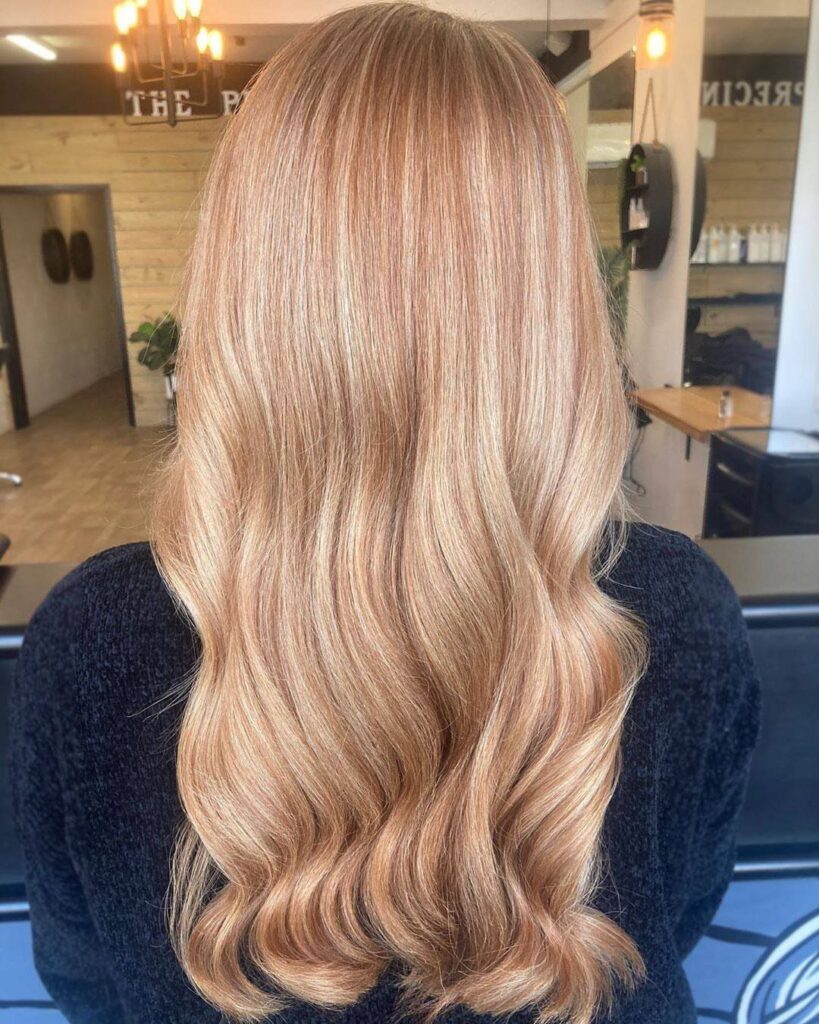
Red and blonde meet here in a warm, coppery-pink wash that looks soft rather than loud. Long, loose waves suit it well, since the movement shows the color shifting from strand to strand.
I like it best on someone who wants warmth without committing to a full redhead. Bring a photo to your stylist and ask for strawberry blonde by name, then say how pink or how coppery you want it to lean.
2. Golden Blonde
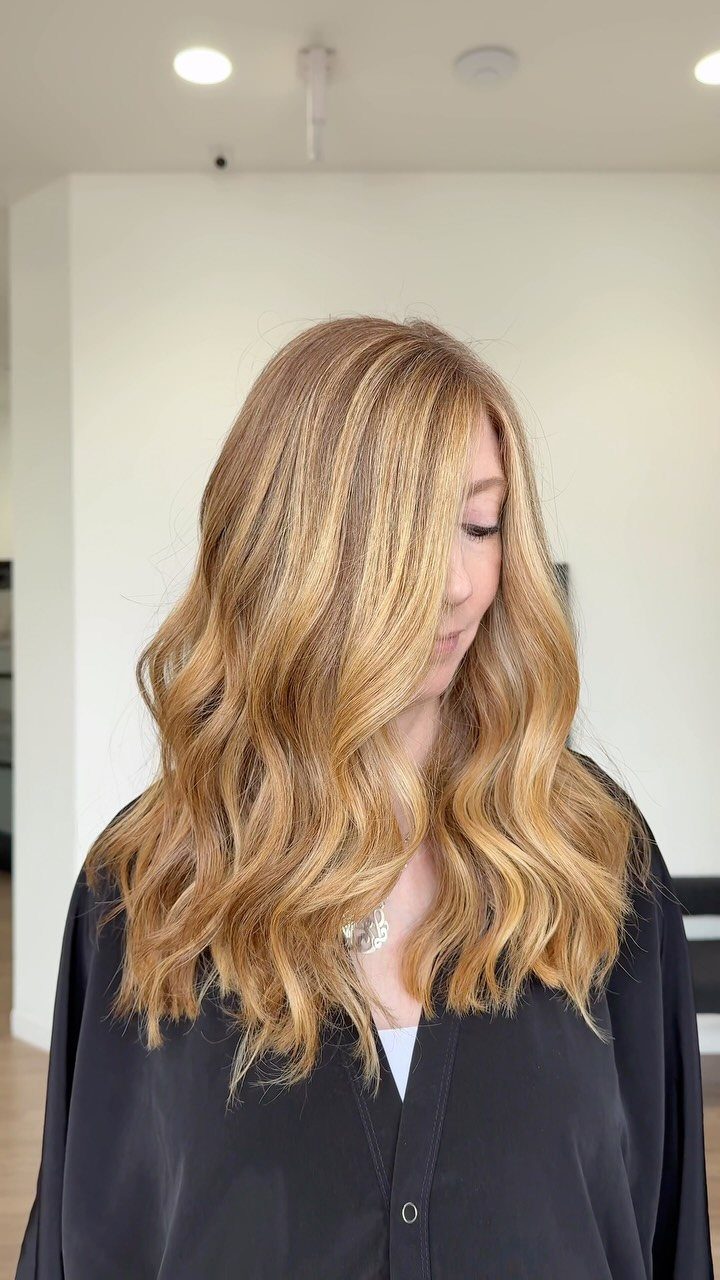
Golden blonde is the shade for anyone who wants hair that looks lit by late sunlight. Honey and buttery tones carry it, and a few warm, coppery pieces keep it from reading flat.
Warm skin tones tend to wear it most easily, so check your jewelry: if gold flatters you more than silver, you are probably in the right zone.
Waves show the dimension off better than a blunt, straight finish, and that is how I would style it.
3. Platinum Blonde
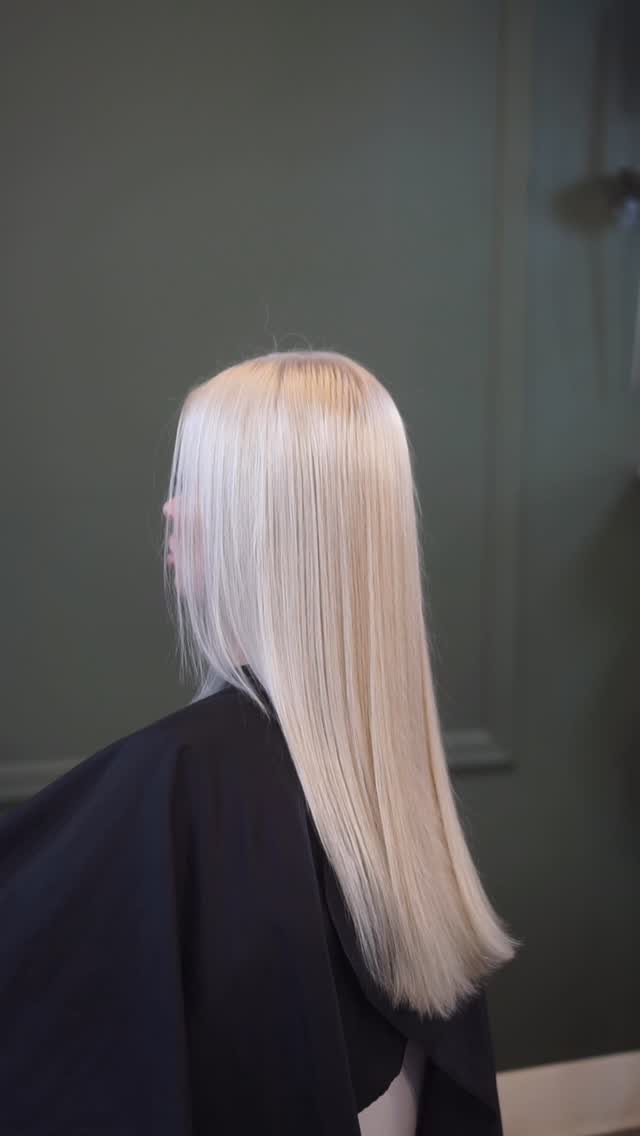
Cool, silvery and as light as blonde gets, platinum is the shade people mean when they ask for icy. Straight hair shows the finish best, because the smooth surface throws back light and keeps the silver tone clean.
It is also the most demanding option on this list. Expect real upkeep to hold that cool finish, and talk through hair health with your stylist before you commit.
4. Bronde
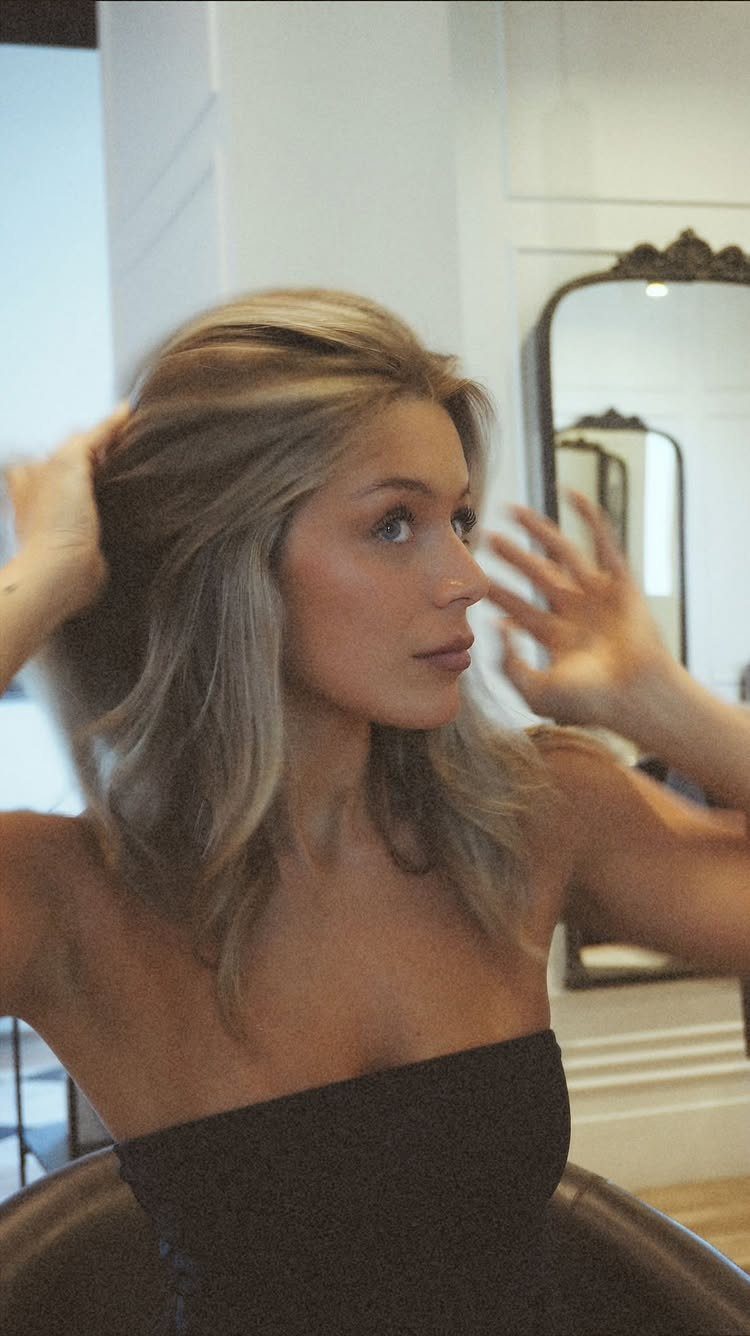
Brown and blonde share the same head in bronde, which makes it the easiest bridge between the two. Pushed brighter, it leans toward blonde; kept deeper, it stays closer to brunette.
That flexibility is why I recommend it to anyone nervous about a big change. Tell your stylist which direction you want to lean, and wear it loose or pinned up so the blend shows either way.
5. Dirty Blonde
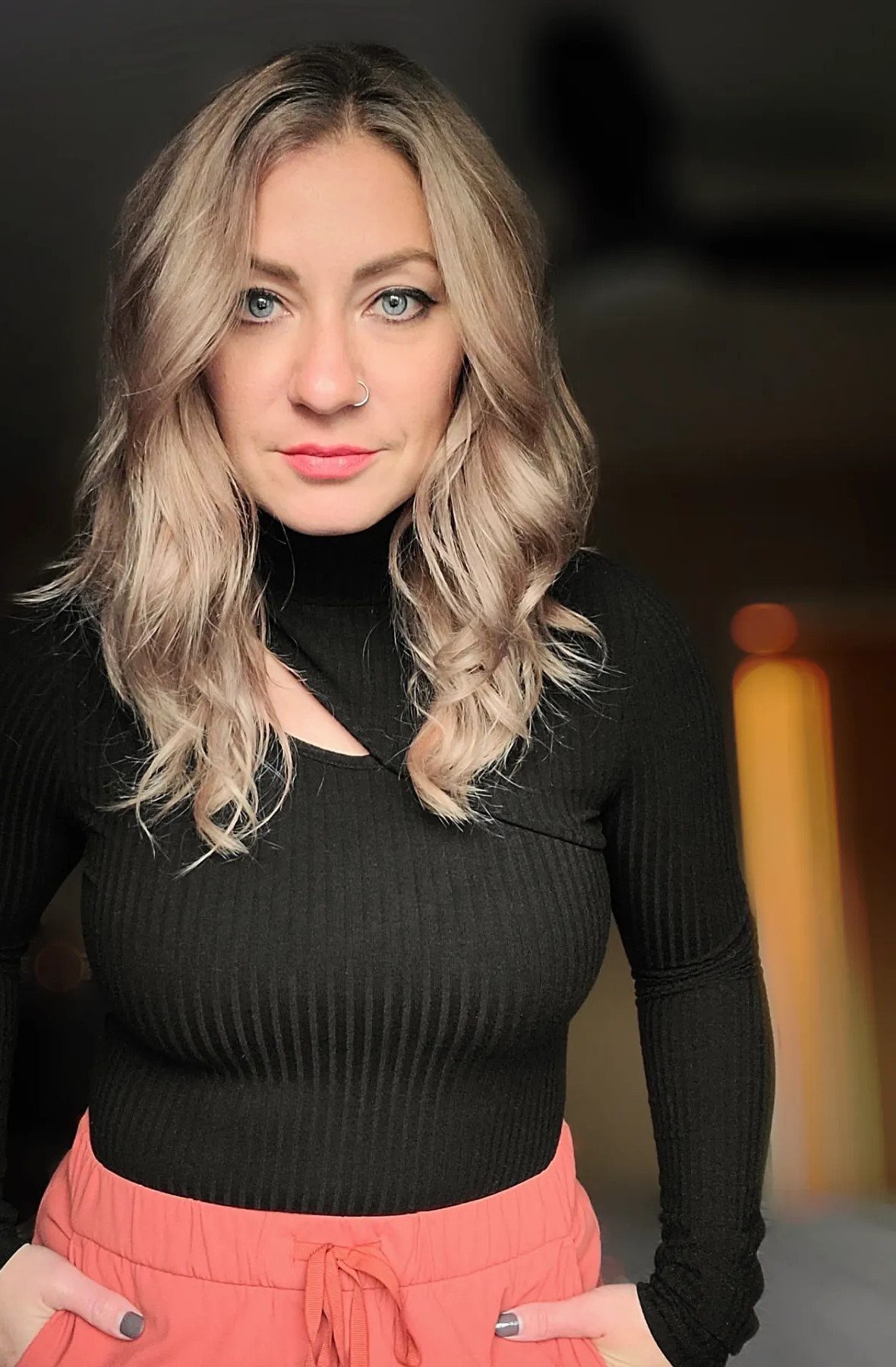
Darker roots with lighter highlights running through the lengths give dirty blonde its lived-in look. Because the roots are meant to be deeper, growth never reads as a mistake.
For that reason I rate it as one of the more forgiving blondes for busy schedules.
Wavy styling adds to the effect, and a salon photo showing both the root shade and the highlights will get you closer to what you want.
6. Caramel Blonde
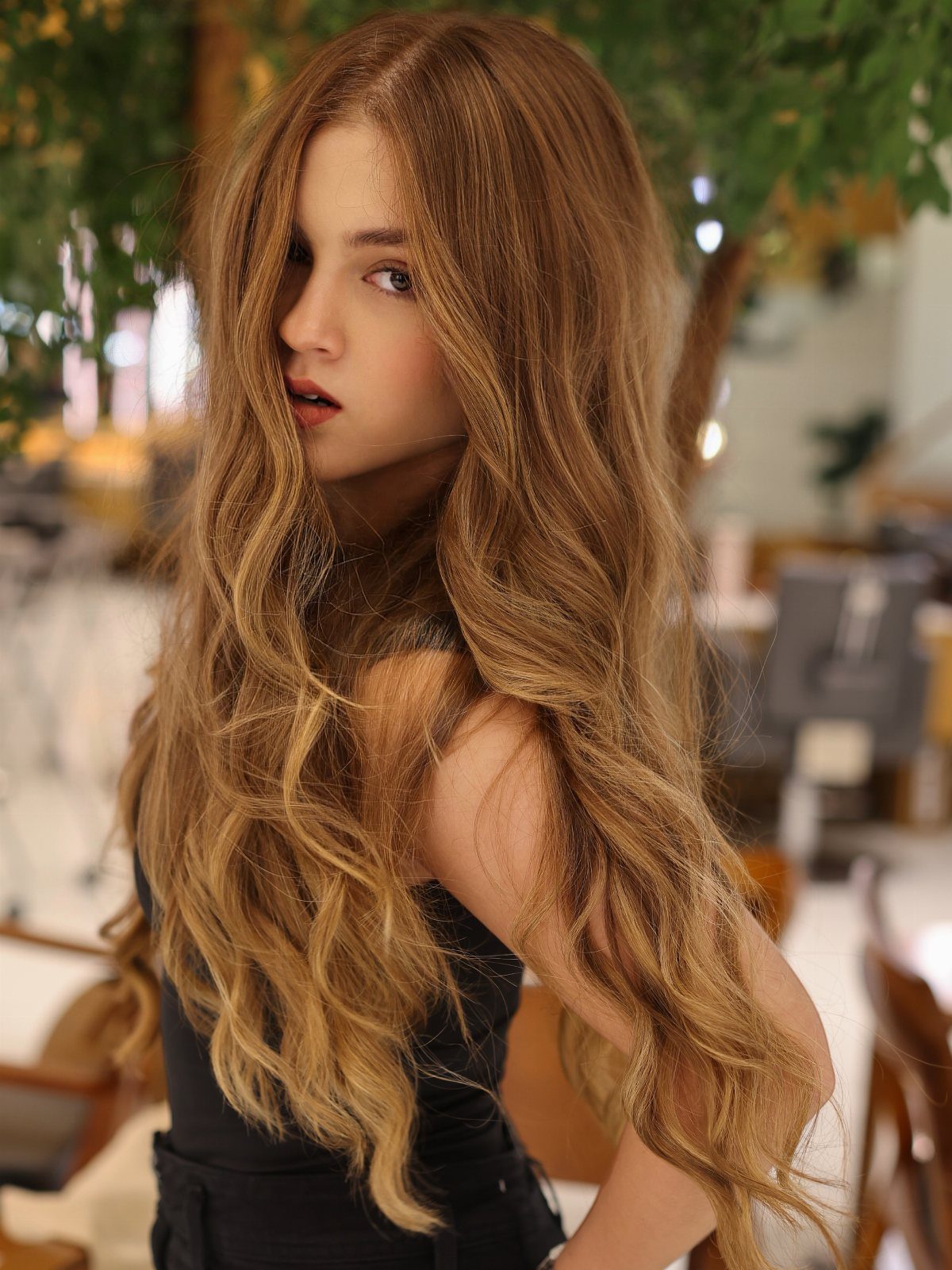
Think of caramel blonde as the richer, deeper end of warm: honeyed, golden-brown and a little toasty. Long waves let those tones catch the light in different places.
I favor it for anyone who wants blonde without going very light, since a darker base keeps the look grounded. Ask your stylist for caramel by name, and mention whether you want it closer to honey or closer to brown.
7. Honey Blonde
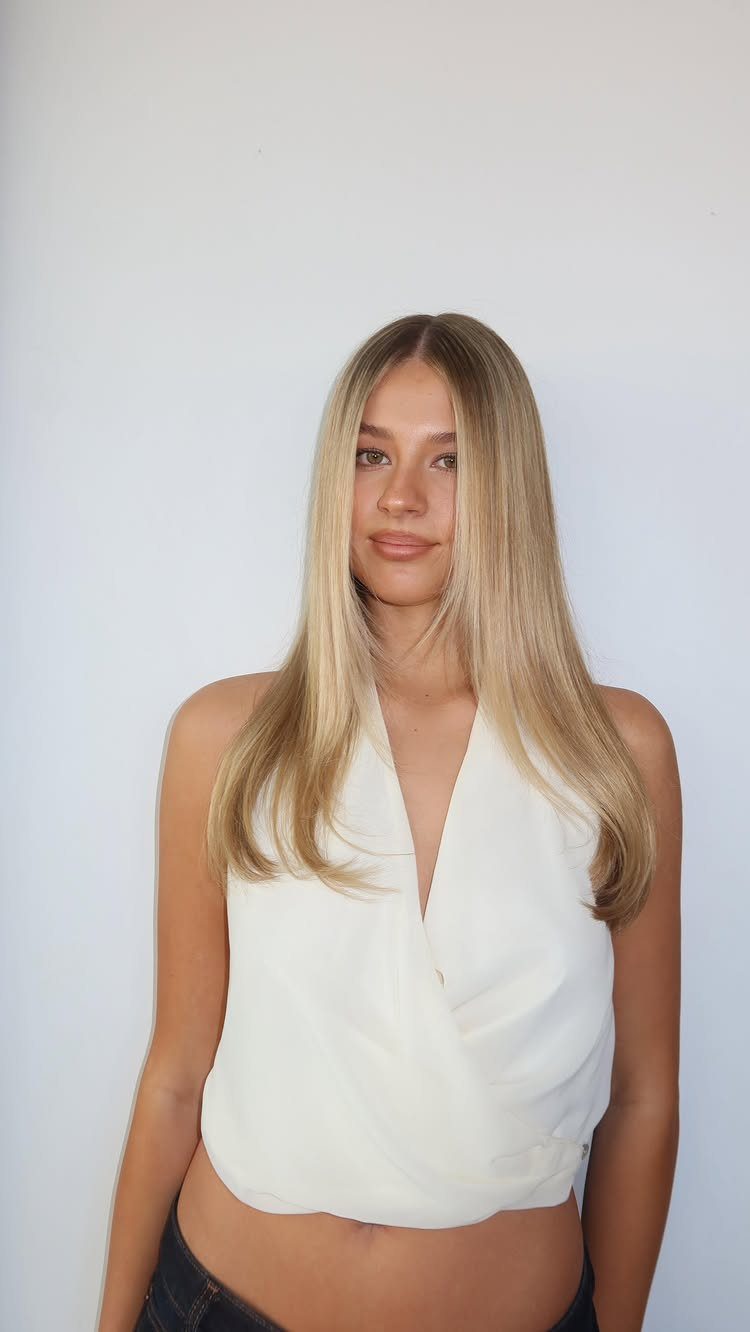
Sunny and warm, honey blonde sits right between golden and caramel, with gold running through the whole length instead of pooling in a few streaks.
On straight hair, honey reads as one smooth, even glow, since the flat surface reflects light without breaking it up.
Warm and neutral skin tones usually wear it most easily. Walk in asking for honey blonde, then say which way you lean: lighter and brighter, or richer and nearer to caramel.
8. Light Ash Blonde
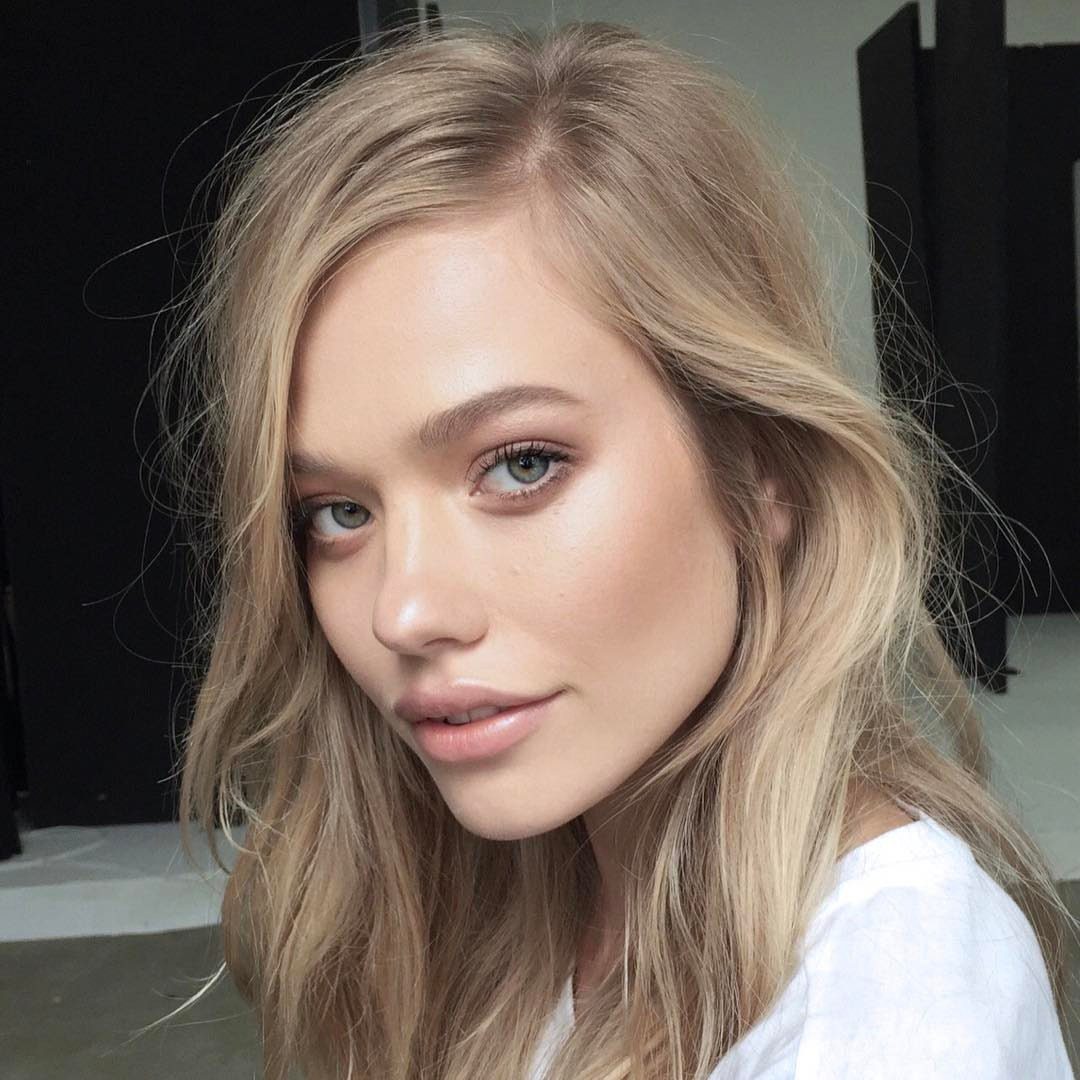
A pale blonde with a gray cast, light ash is the cool answer to the warmer shades above it. Worn with a side part and the length left long, it reads soft and slightly smoky rather than stark.
I would choose it for cool or neutral skin, where the gray tone sits quietly instead of washing you out.
Bring a photo and tell your stylist how much gray you want in the mix. Expect to talk about upkeep too, since cool tones ask for more care to stay cool.
9. Light Blonde
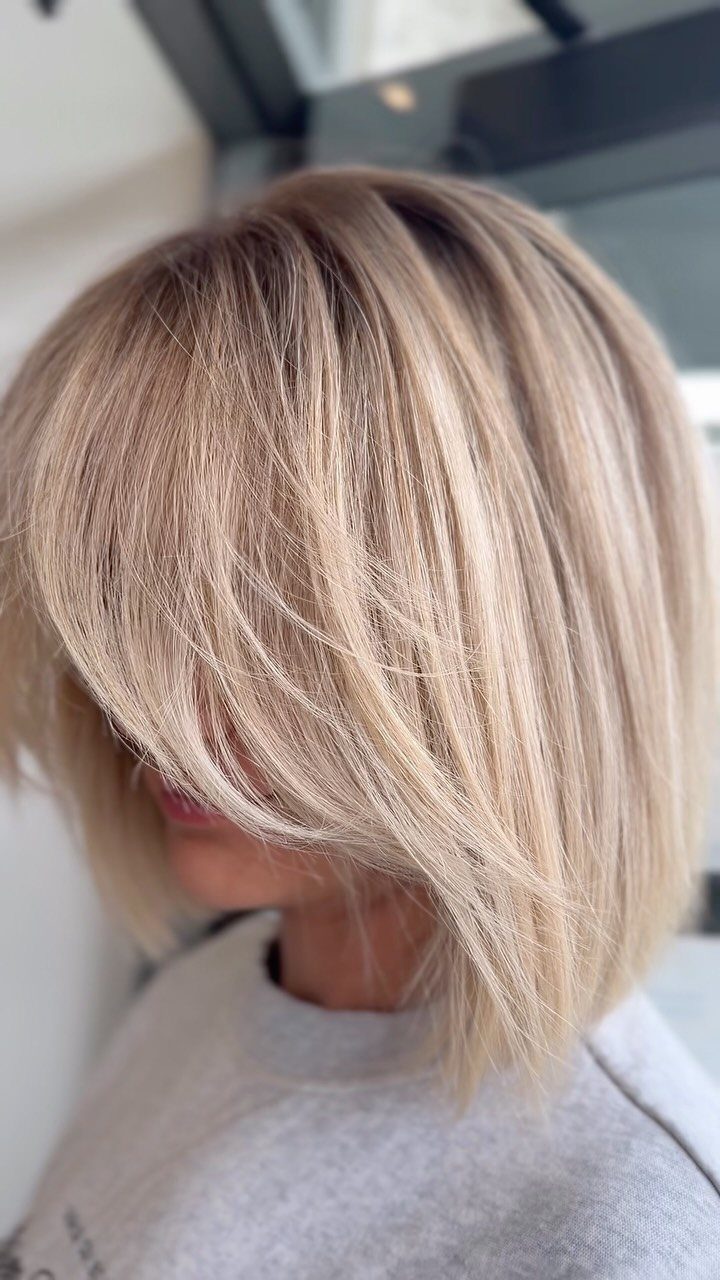
Level 9 is the number to know here: light blonde sits at level 9 in one chart, which puts it near the top of the scale without going fully platinum.
If you plan to show a stylist a photo, mention the level as well as the name. Shade names vary from salon to salon, and a number gives you both a shared reference point.
10. Dark Ash Blonde
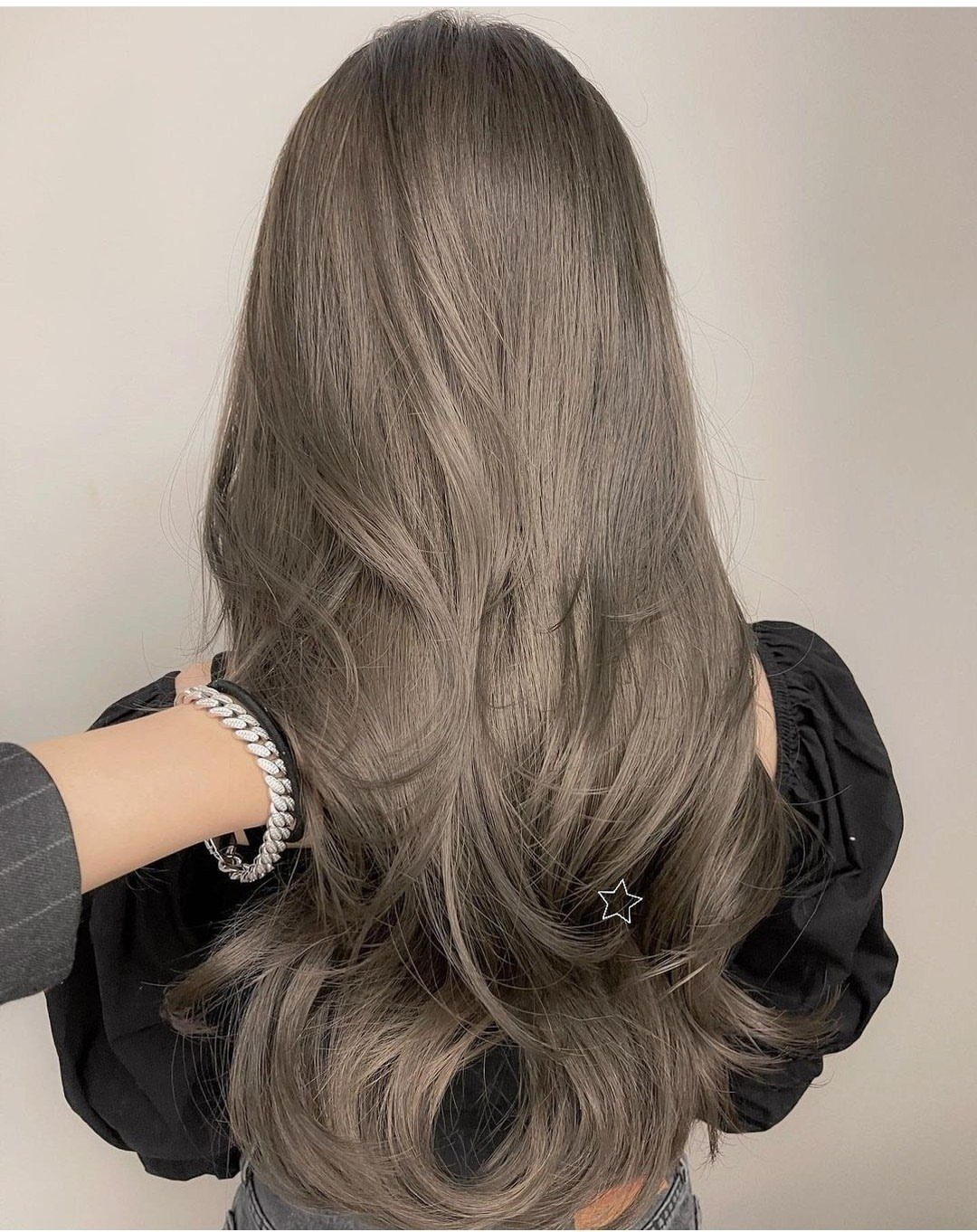
Smoky and cool, dark ash blonde is the deeper end of the ash family, with enough depth to feel rich and enough gray in it to stay far from golden.
Layered curls let the cool tone shift from lighter to darker as the hair moves.
I prefer it for anyone who wants an ashy look without the commitment of very pale hair. Ask for dark ash by name and say you want zero warmth, so your stylist knows where to aim.
11. Silver Blonde
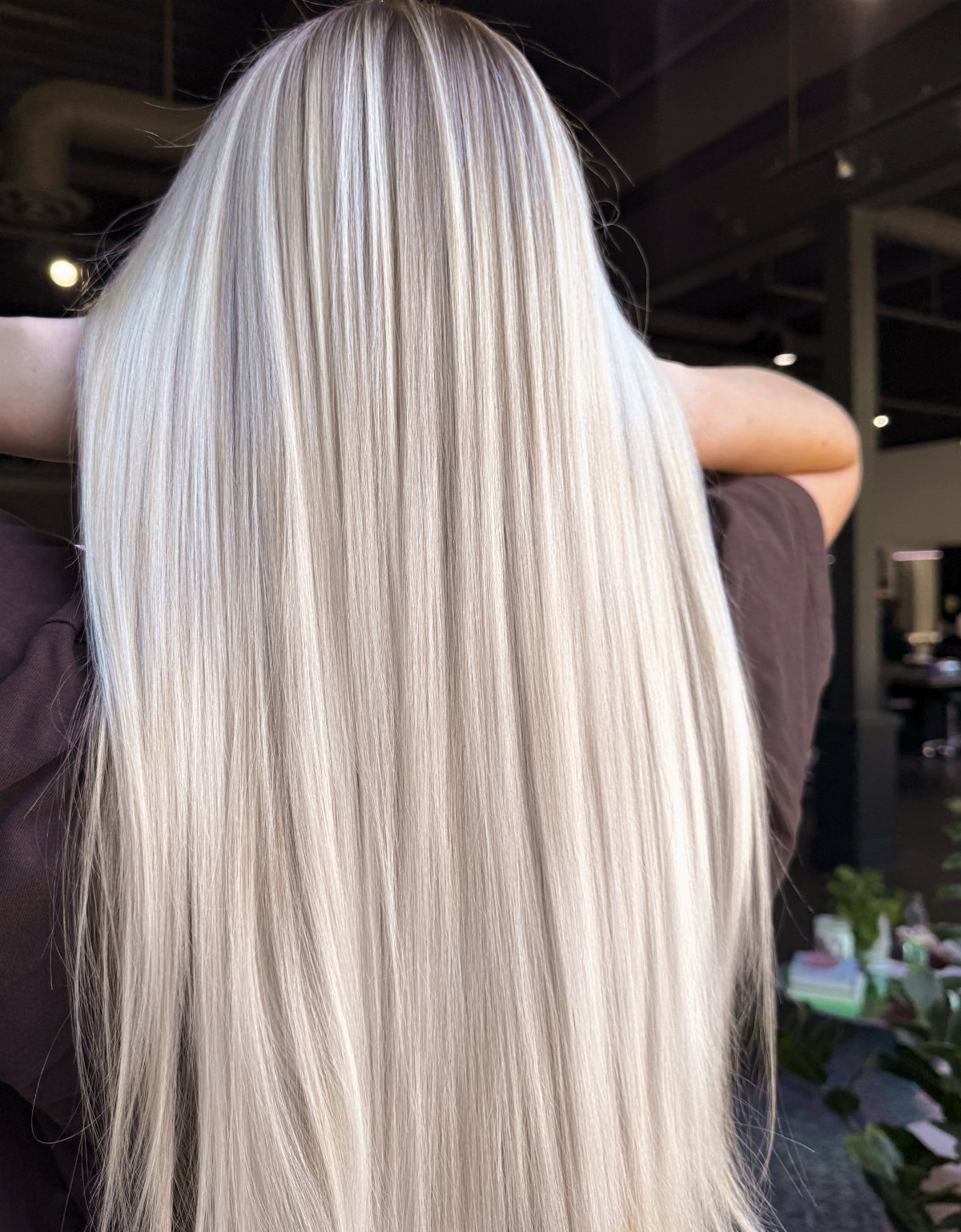
Metallic is the right word for silver blonde: cool, almost gunmetal tones that look closer to polished steel than to cream.
I’d ask for a shadow root: darker roots give silver a deliberate, dimensional look and keep regrowth from reading as a mistake.
Straight styling suits it, since a smooth finish lets the metallic sheen show. Silver takes steady upkeep to stay clean, so ask your stylist up front how much lightening your hair can handle.
12. Dark Blonde
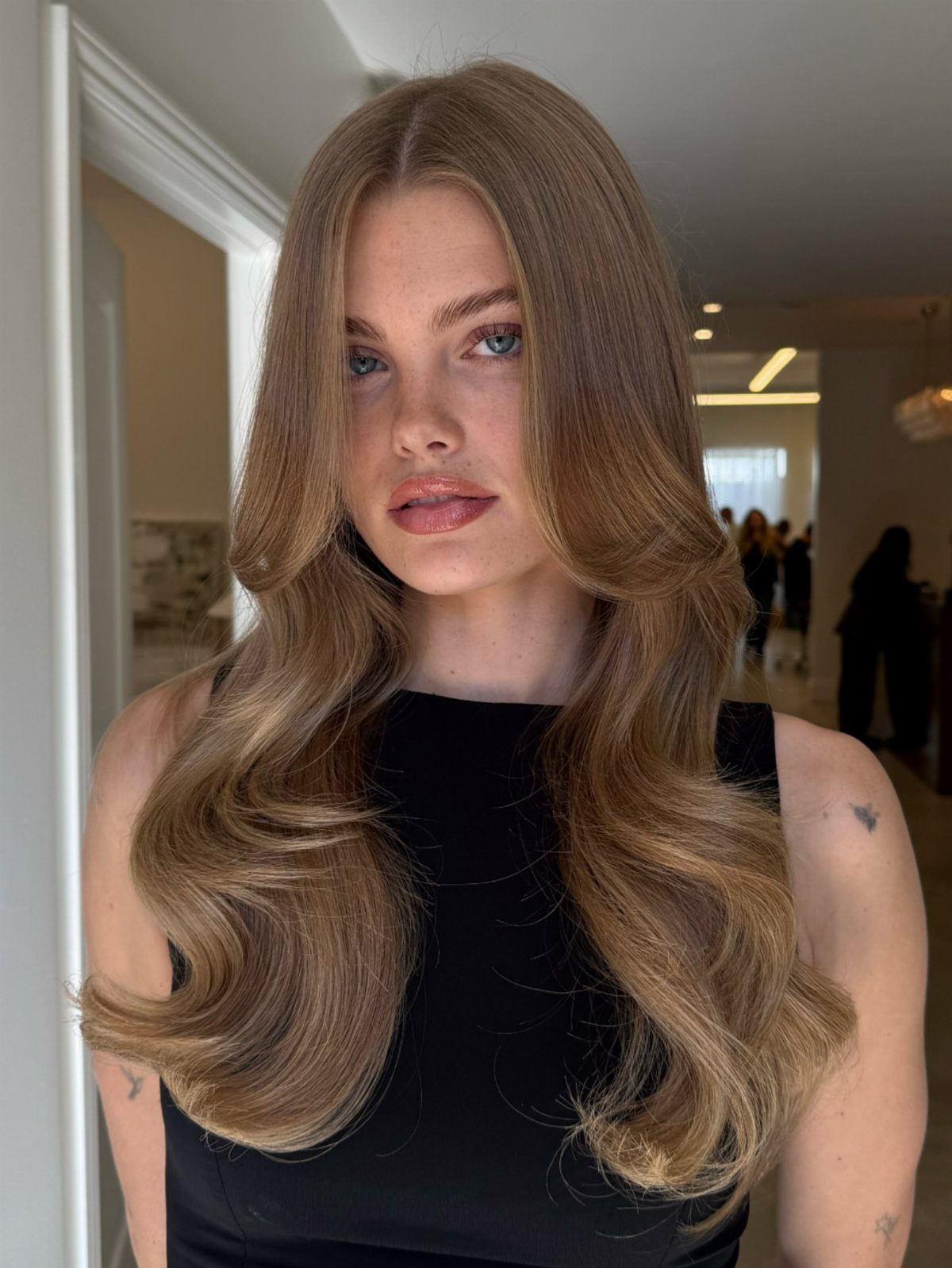
Dark blonde sits between the lighter blondes and light brown or bronde, which makes it the quietest blonde you can choose. Long, loose curls give the deeper tone movement, so it never looks flat.
I like it for anyone who wants to look blonde without going bright.
Because it sits so close to your natural range for many people, the change feels gentle. Tell your stylist whether you want it leaning toward blonde or toward brown, and bring a photo to settle the exact depth.
13. Buttery Blonde
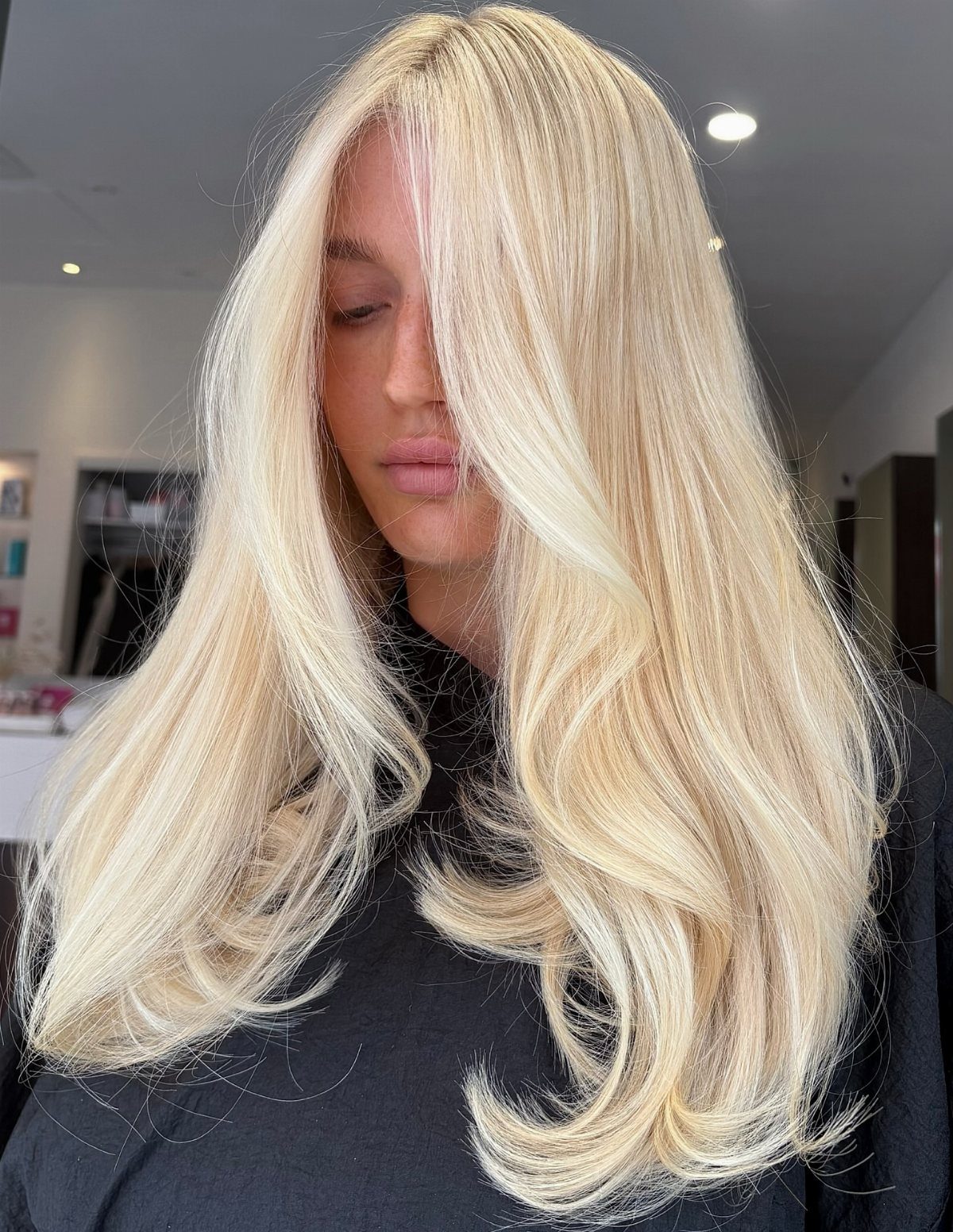
Yellow with a honey warmth underneath is how I’d describe buttery blonde. Long waves like these keep the color soft and let the warmth show along the whole length.
I like it for anyone who wants a warm blonde that still looks light. Show your stylist a photo and say "buttery" out loud, then tell them whether you want it nudged toward yellow or toward honey.
14. Beige Blonde
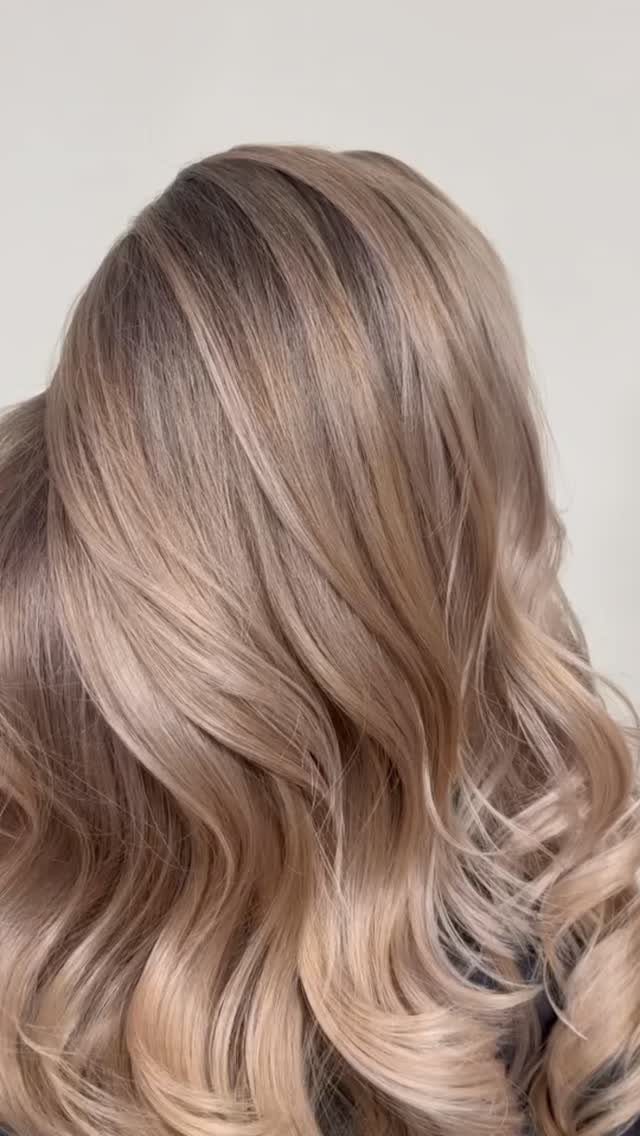
Neither warm nor cool wins in beige blonde, and that balance is what makes it look so easy to wear. Darker roots and soft waves give it a lived-in finish.
Its creator described this one as blended for depth, with brightness kept through the ends.
I would ask for the same: depth at the root, lift toward the tips. Tell your stylist you want it neutral, not golden and not gray.
15. Creamy Blonde
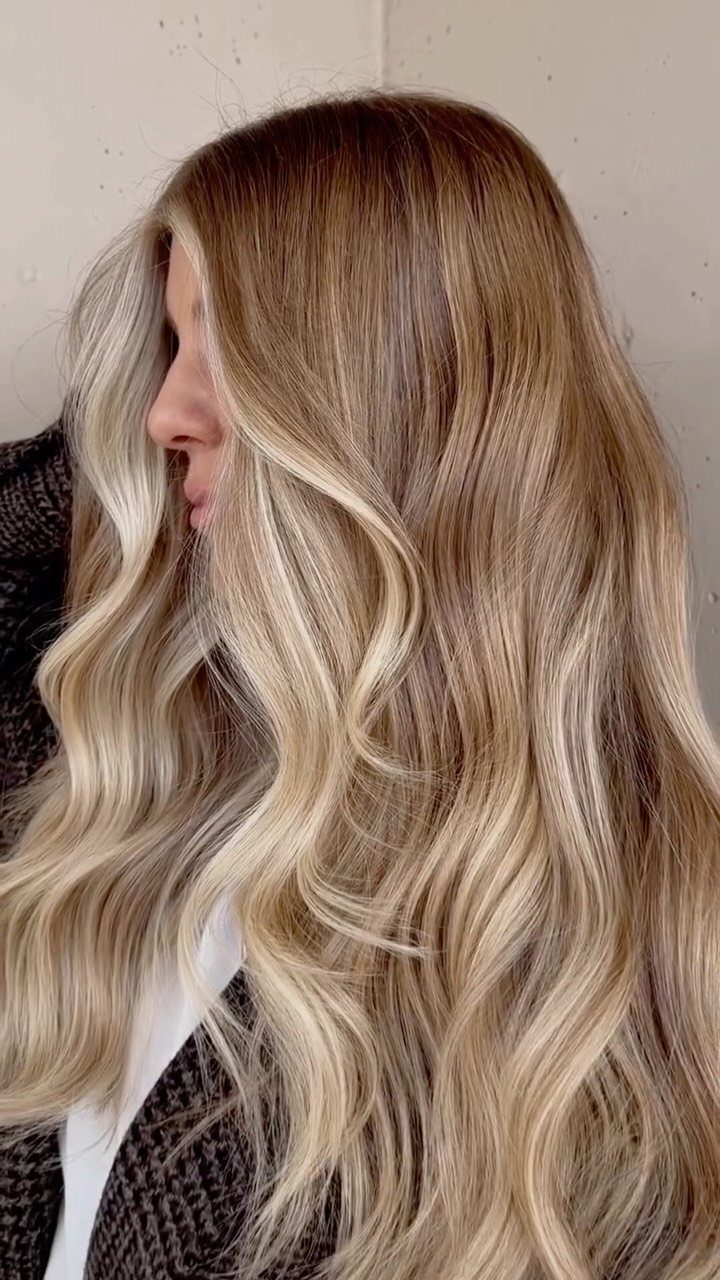
Pale and smooth, creamy blonde stops short of bright white, and that restraint is the whole appeal for me. Darker roots and loose waves keep it from looking flat.
Ask for creamy by name, then say you want it light but not white. A photo helps your stylist see exactly where on the pale scale you want to land.
16. Medium Blonde
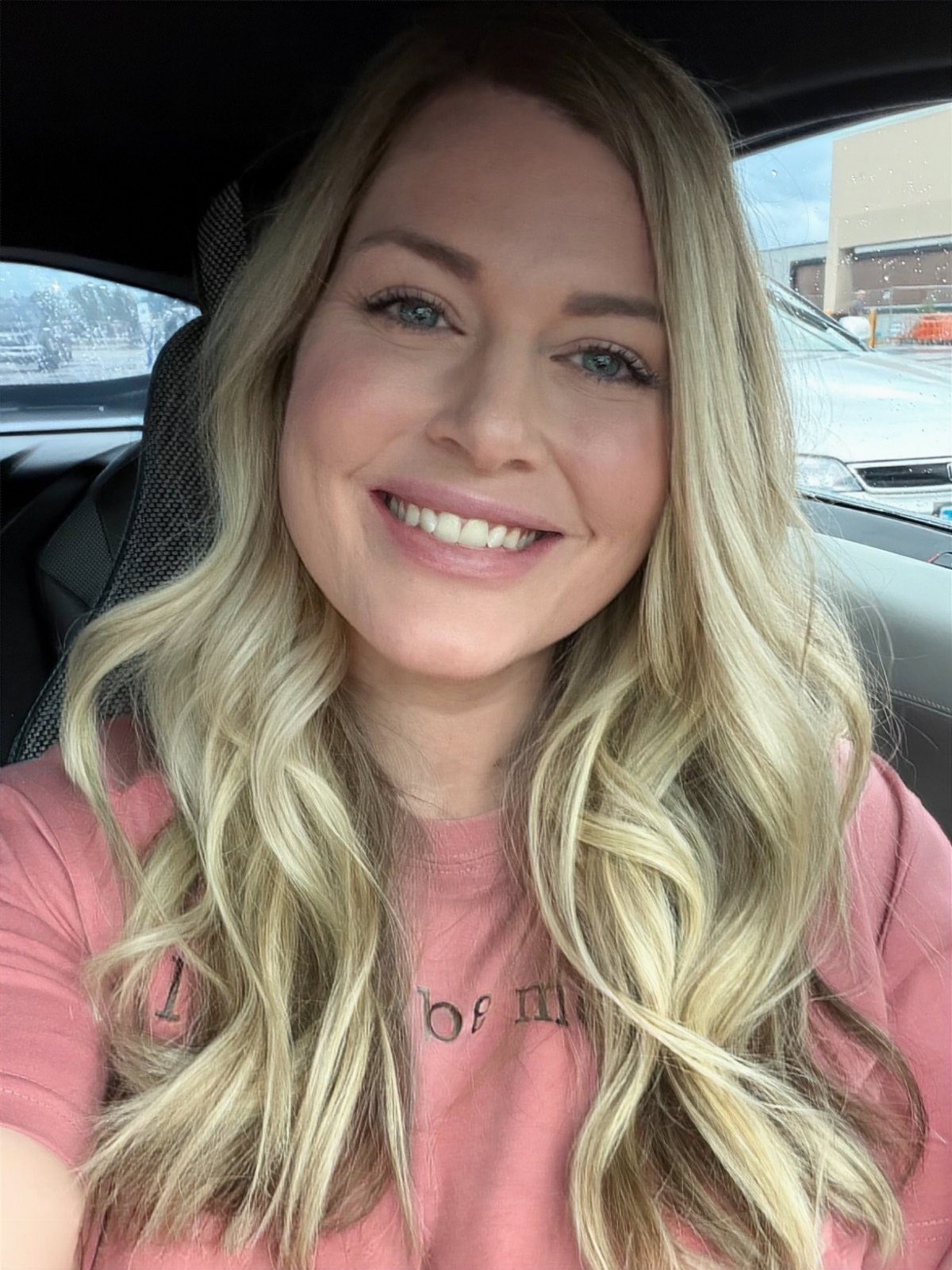
Between the darker and lighter blonde levels sits medium blonde, a true middle ground. Long waves with a little root depth, like these, make the color look natural rather than done.
Name the shade and also a level number when you book, as with light blonde, since a number settles what "medium" means to you. I’d choose it if lighter blondes feel like too big a jump.
17. Cream Soda Blonde
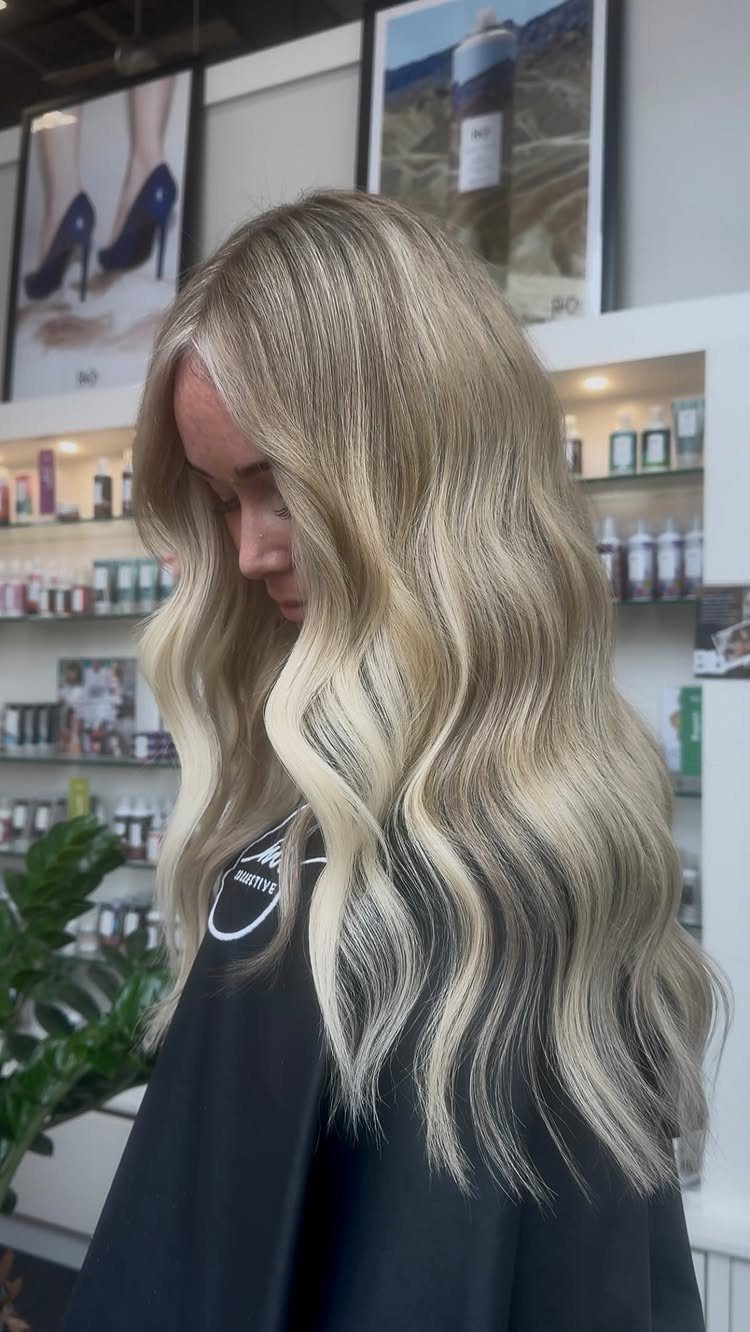
Cream soda blonde starts with a light-brown base, and soft vanilla highlights sit on top of it. The darker roots and the bright pieces together give it its dimension.
Name both pieces at the appointment, the brown base and the vanilla highlights, so the stylist doesn’t hear only "blonde." Wavy styling shows the contrast best, and I would pick this over an all-over blonde if you like depth.
18. Vanilla Blonde
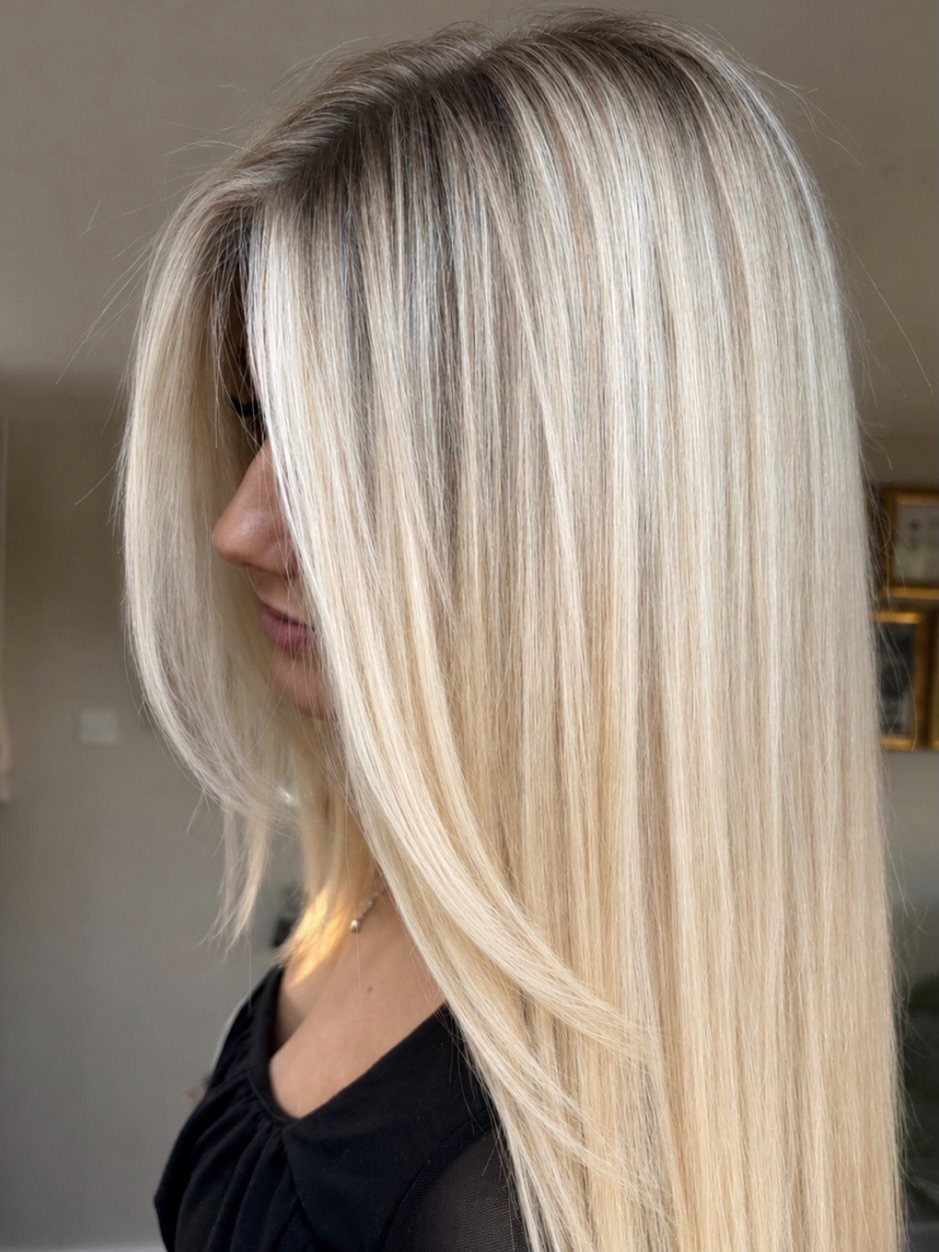
Brighter, frosted strands against a pale, nearly ash base are what set vanilla blonde apart. Worn straight, the lighter pieces stay visible instead of blending away.
Show your stylist a photo and say you want pale with a hint of ash, plus brighter strands for contrast. Because it leans close to ash, ask how much cool tone they will aim for.
19. Chocolate Blonde
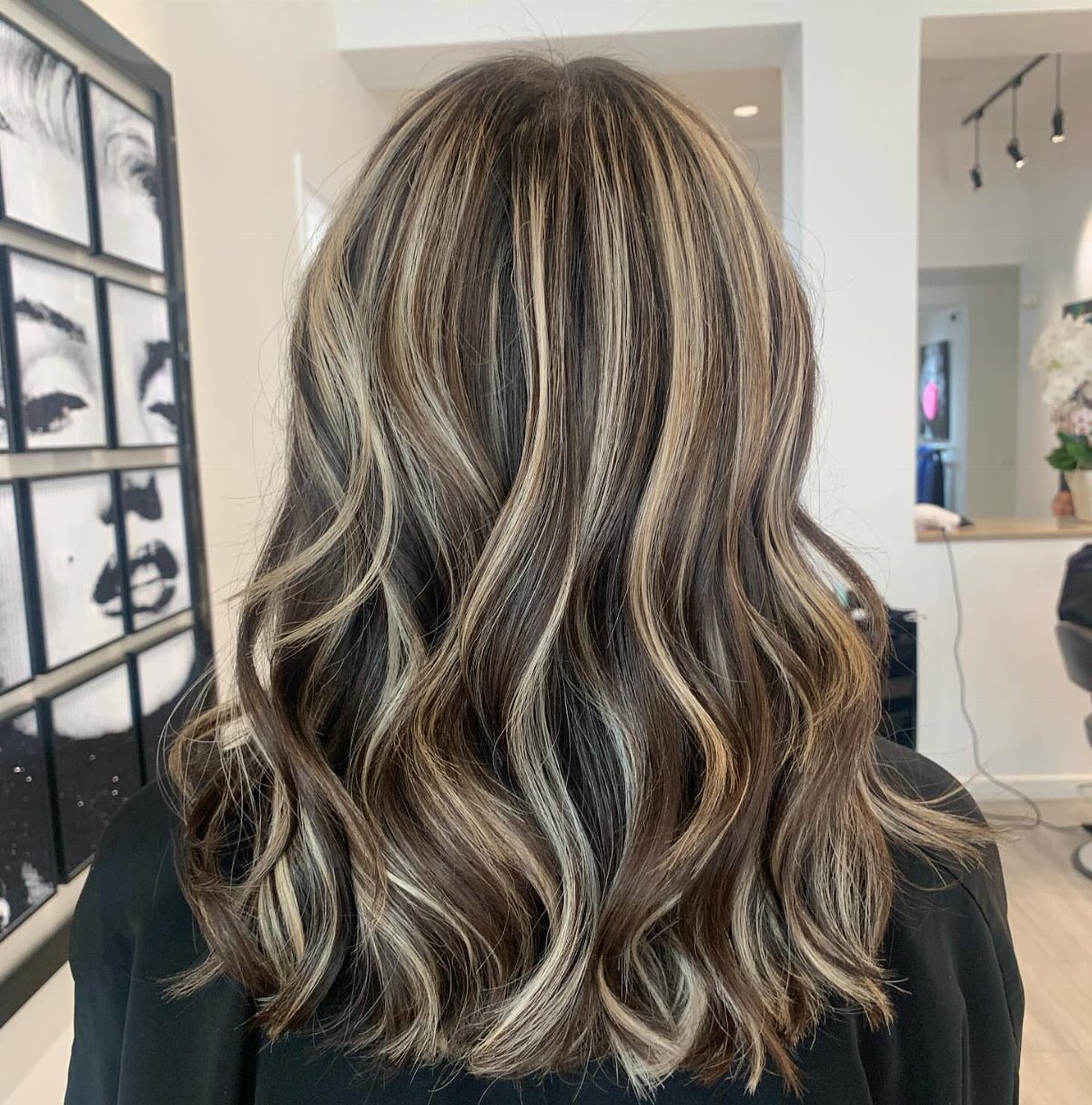
Chocolate blonde is a darker blonde, with brighter pieces threaded through brown to give the color depth and movement. Loose waves show those highlights best, since each bend catches the light a little differently.
I’d pick it over a lighter blonde if you want some brightness without a big jump. Tell your stylist you want chocolate depth with blonde highlights, and bring a photo to settle how bright the pieces should go.
20. Copper Blonde
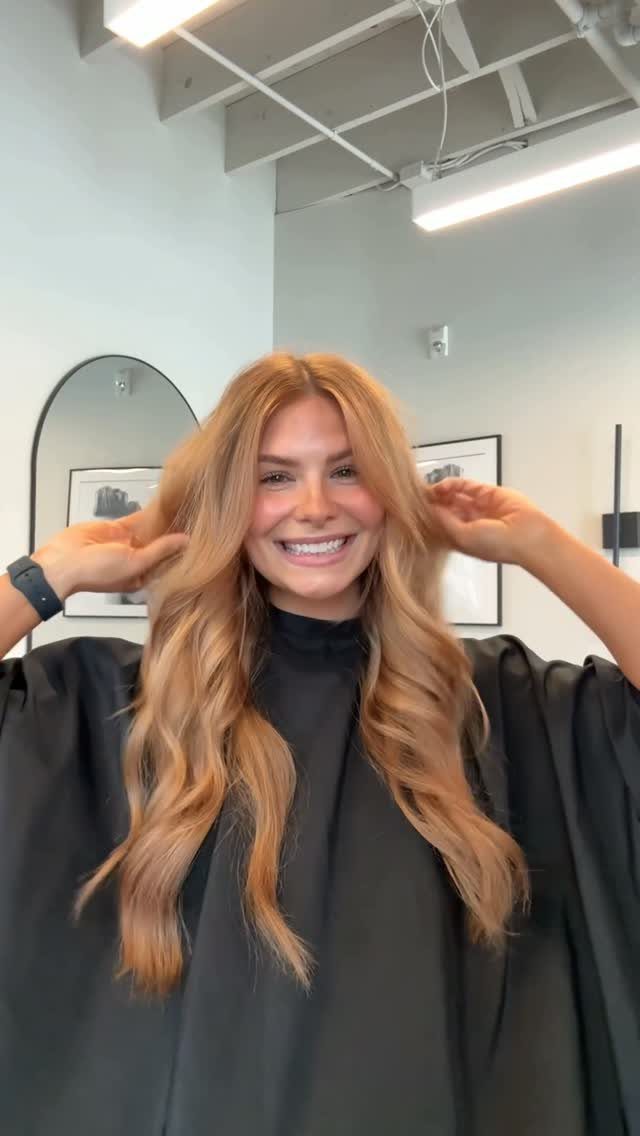
Copper blonde carries gold, red and orange at once, which puts it among the warmest blondes you can ask for. Long, loose waves let the 3 tones swap places as the hair moves.
Warm skin tones are my pick for it, and the same jewelry test applies: if gold flatters you, start here.
Name the shade at the chair, then say which way you want it to lean: toward golden shine or toward a stronger orange glow.
21. Natural Blonde
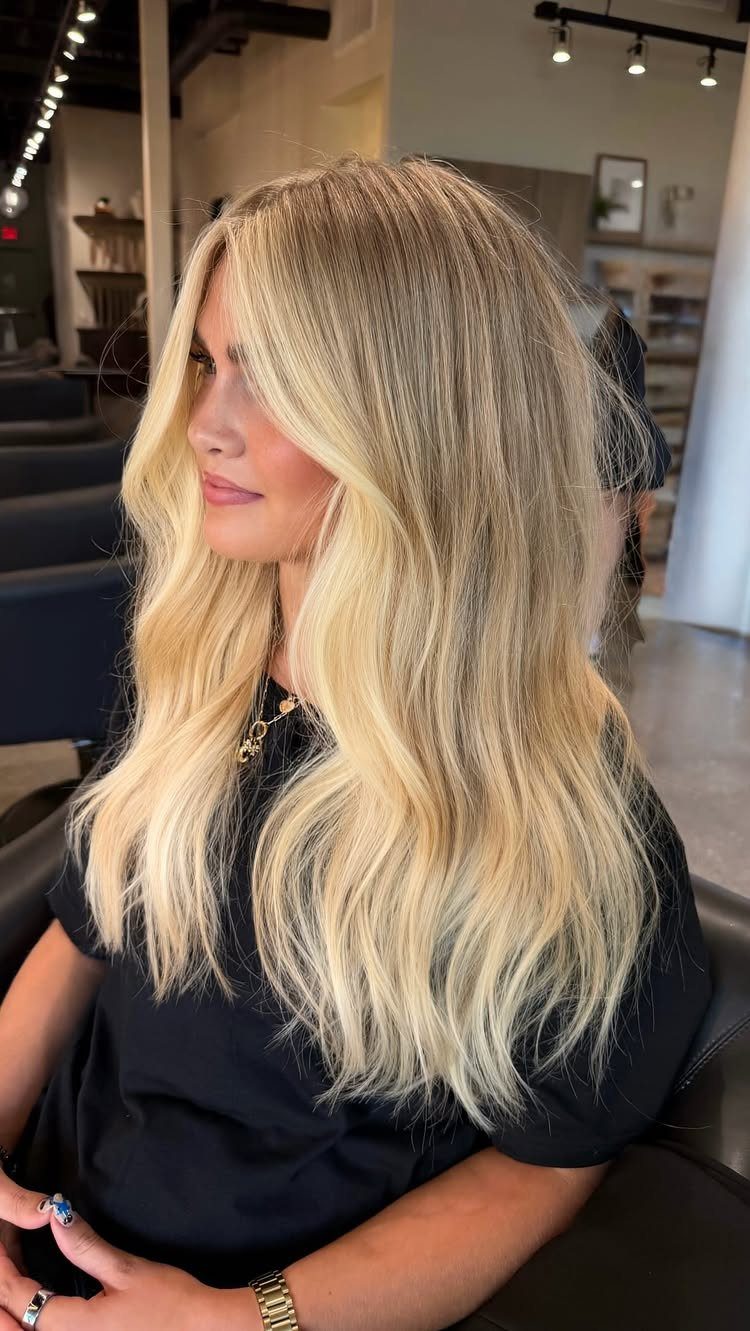
Darker roots melting into lighter, varied blonde is the whole idea behind natural blonde: color that looks like it grew in that way. Soft waves keep the dimension visible without making it look styled.
I like asking for "multidimensional" at the appointment, because it tells the stylist you want several blonde tones instead of one flat shade.
A photo showing the root depth will help you both agree on how much contrast to aim for.
22. Vanilla Chai
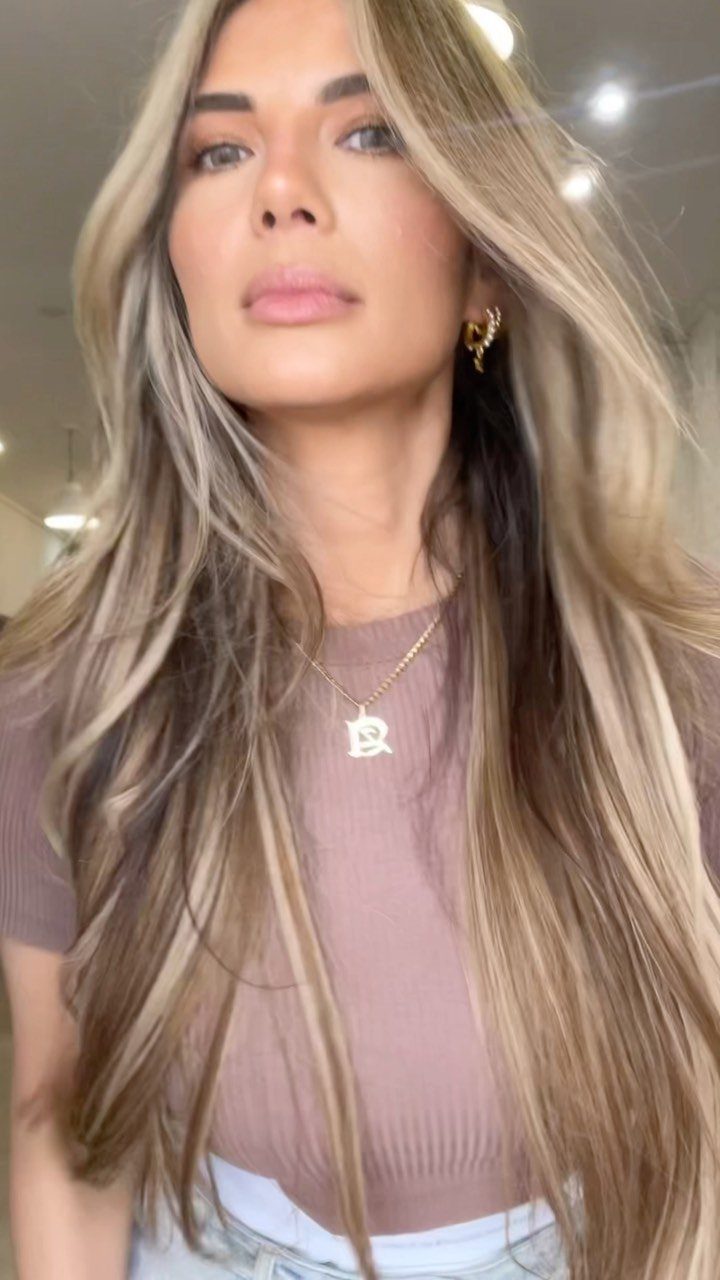
Soft brown roots that lighten into milky ends are what make vanilla chai different from the blondes around it. Hair worn long and loose lets the shift from brown to cream stretch out smoothly.
I’d choose it if you want blonde ends without a hard line near the scalp. Describe it as milky blonde on a soft brown root, and show a photo so your stylist can see how gradual the fade should be.
23. Mushroom Blonde
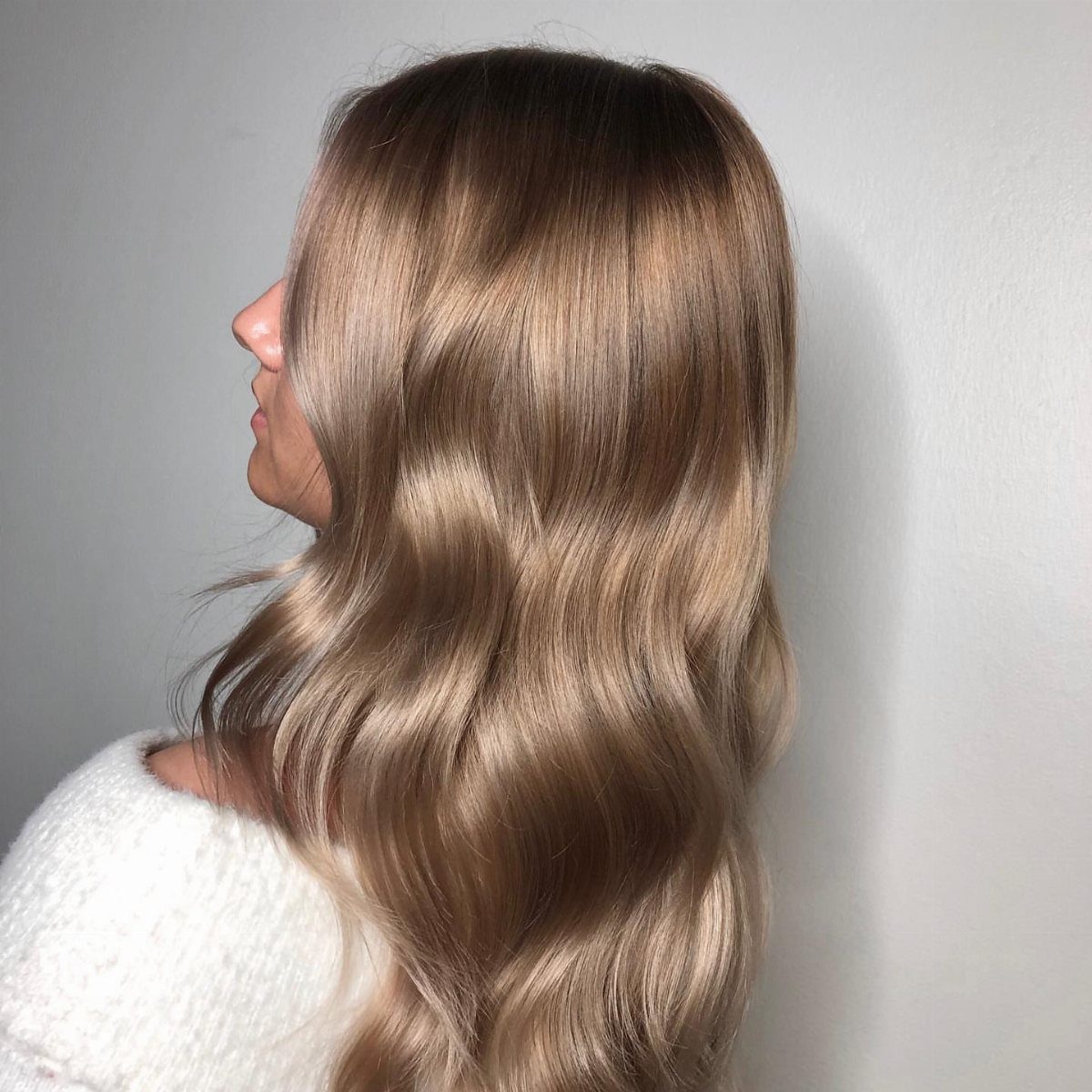
Cool taupe sits at the center of mushroom blonde: sandy blonde mixed with icy light brown, with an ashy finish. Dark roots and long waves, like these, keep the gray-brown tone looking rich instead of flat.
Cool and neutral skin tones are where I’d try it first. Ask your stylist for ashy and sandy together, and say you want no gold showing, since warmth is what turns this shade muddy.
24. Cinnamon Blonde
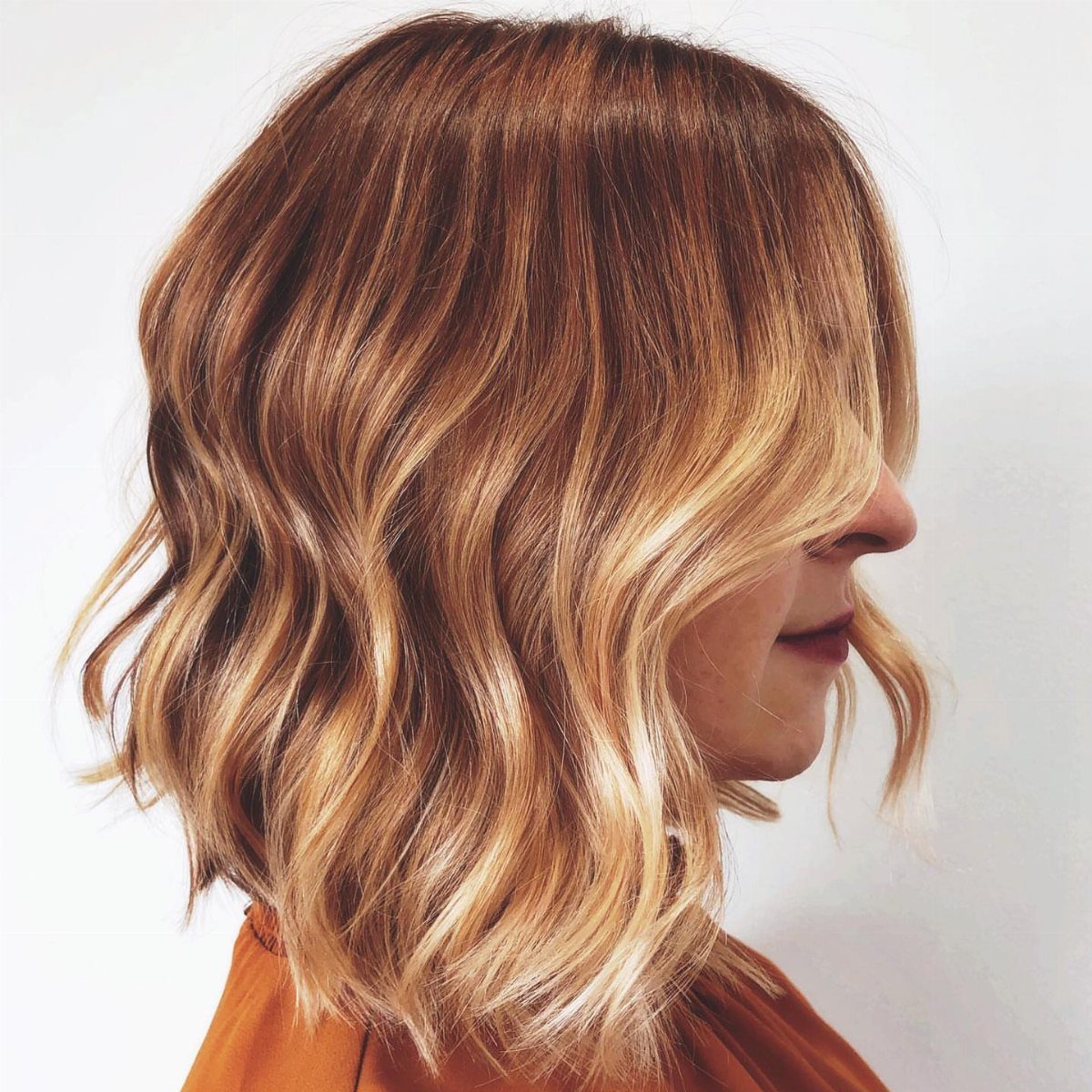
Golden blonde, copper and cinnamon blend into one warm, spiced shade here, with the brown base still showing through. A shoulder-length wavy cut gives the tones plenty of places to show.
For anyone who finds copper a little loud, I’d steer toward cinnamon, which keeps the warmth and turns the brightness down. At the appointment, name cinnamon blonde and describe the balance you’re after, more golden or more coppery.
25. Bleached Blonde Hair
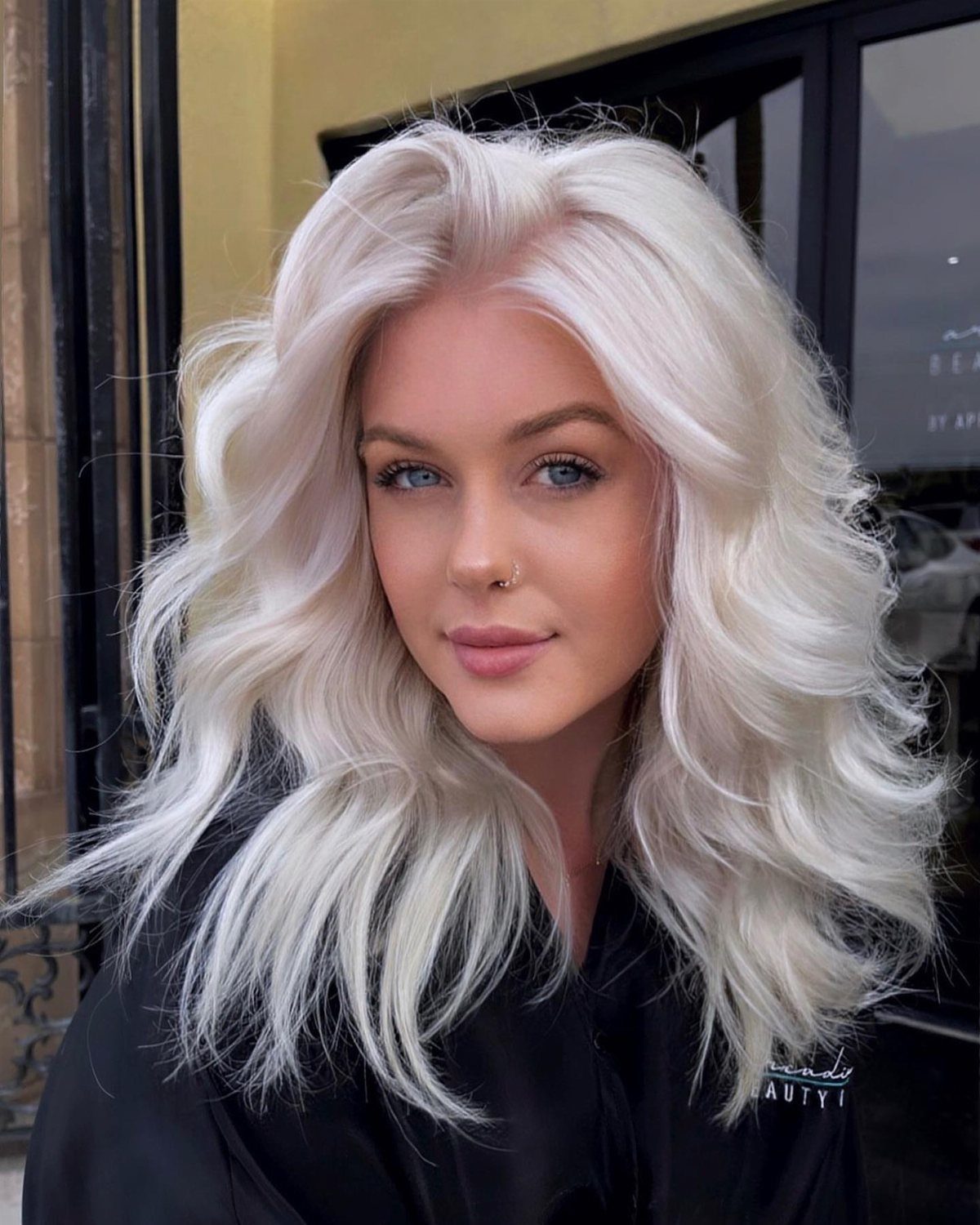
Salt-slicked waves suit bleached blonde better than any polished blowout, because the pale, bold color already carries plenty of attitude and the texture keeps it looking loose instead of fussy. Long hair gives those waves room to move.
I’d choose this one only if you want a dramatic change, since it sits at the far end of the lightening scale.
Bring a photo to your stylist and ask how much bleaching your hair can take before you commit. A bleached blonde also asks for steady upkeep to stay clean, so plan for that before you book.
Choosing and Maintaining Blonde
Before you book, check 4 things: your skin undertone, your natural hair level, how much upkeep you will tolerate, and the current condition of your hair.
A dark natural base paired with a very light goal costs the most time and money.
Brassiness is the main upkeep problem, and it shows up faster when your hair started out darker.
A purple shampoo once a week helps cancel yellow tones, and some formulas work in as little as 2 minutes. A conditioner right after keeps the strands from drying out.
Brassy warmth that keeps returning calls for a purple mask, used no more than weekly. More than that can tint your hair purple.
Plan for salon visits too. A dramatic color change may need touch-ups every 6 to 8 weeks, so build that into your budget before you commit.
Hair Level and Tone
Hair color is built from level and tone, and people often swap one for the other.
Level is how light or dark a strand sits, regardless of whether it looks golden or cool. Tone comes from the red and yellow pigment underneath, and it decides whether a blonde reads warm or cool.
Warm tones run toward red, orange and gold. A stylist usually applies toner after lightening to cancel the warm shades you don’t want.
Level also limits tone. Hair at level 3 can’t become platinum silver; it has to be lifted to a 10 first, so check your starting point before you pick a shade.
On a color code, the level usually comes first and the tone or reflect follows it. Brands don’t all use the same system, so read the maker’s own chart before you buy.
Lifting and Hair Health
Hair that sits far from the target shade does better when it’s lifted in stages across several appointments, stopping while the strands still feel strong.
Dye lifts virgin hair by roughly 1 to 3 levels depending on the line, and in one sitting I’d plan on the low end, 1 to 2.
High-lift color handles 3 to 5 levels. For 5 or more, you need lightener.
A box of permanent dye does nothing to lighten strands that already hold color, so expect the shade to stay where it is. Your stylist needs the full color history, home dye included, to pick the right product.
Bleach lifts about 3 to 4 levels in a sitting, but it can damage hair. If your hair is already bleached, wait 4 to 6 weeks before bleaching again.
To achieve the look, you’ll need to bleach your hair. If you’re up for DIY-ing it, snag the L’Oréal Paris Féria Hyper Platinum Advanced Lightening System Bleach, which lifts up to eight levels in a single application.
Frequently Asked Questions
What are the different shades of blonde hair?
Blonde runs warm, cool and neutral. Strawberry, golden, honey, caramel, buttery and copper lean warm; light ash, dark ash, platinum, silver and mushroom lean cool; beige sits in the neutral middle.
Bronde, dark blonde and dirty blonde sit deeper, closer to light brown. Undertone and the amount of maintenance you’ll tolerate narrow the field fast.
How to box dye your hair blonde without it turning orange?
Stay within about 1 to 2 levels of your current shade.
Permanent box dye also won’t lighten hair that already holds color. Afterward, a purple shampoo once a week helps cancel yellow tones, and a conditioner right after keeps the strands from drying out.
Is level 7 considered blonde?
Yes, level 7 is the usual label for dark blonde, though some bright or light auburn and red shades carry the same number.
It’s a common level in boxed and salon dye lines. Copper tones can creep in at this depth, and a blue-toned corrective or a neutralizing color-depositing product can cancel them.
How do you find your hair level?
Take a small section of hair, look at it in natural light, and compare it with a hair-level chart or swatches. A photo can help with the comparison.
The scale counts up from 1 at the deepest black to 10 at the palest blonde. Each brand draws its own chart, so I’d read the maker’s numbers before buying, since a 7 from one line may not match a 7 from another.
What color should you dye your hair?
Pick a shade you can actually reach from your current level and hair condition.
In one sitting, plan on moving about 1 to 2 levels, so jet black to blonde in a single visit isn’t realistic. Start with your undertone and the upkeep you can realistically keep up, then run the plan past a colorist.
What does the level system mean?
Colorists use it to describe how deep or pale hair is, from black at 1 to the lightest blonde at 10. Level says nothing about warm or cool; that part is tone.
Color lines with 12s are hi-lift lines, which lift more than traditional color. Lines also run lighter or darker than each other, so a 5 in one brand can match a 7 in another.
Why is the level system important in hair color?
It tells a colorist how much work it takes to reach your target and which tones your hair can hold. Level 3 hair, say, has to be lifted all the way to a 10 before it can read as platinum silver.
Dark roots plus a very pale goal mean the longest appointments and the biggest bill, so know your starting level before picking a shade.
What do the letters and numbers mean in hair color?
In a code like 5R, the number gives the depth and the letter gives the tone: level 5 with a red cast.
Lines that use numbers put the level first and the tone after a decimal: in 5.6, the 5 is the level and the 6 is red.
In one brand’s chart, the first digit after the decimal is the primary reflect and the second is the secondary reflect, so 6N, 6.13 and 6.73 are all level 6.
Lines don’t translate evenly from one to another, so study the chart for the exact line you’re buying.
What is underlying pigment in the hair?
It’s the warmth that sits beneath each level and shows up as hair gets lightened. Lift a level 5 and orange is the first color to show.
Roughly, levels 1–3 hold red, 4 red-orange, 5 orange, 6 orange-yellow, 7 yellow-orange, 8 yellow, 9 light yellow and 10 pale yellow. After lightening, a stylist typically applies toner to neutralize the unwanted warmth.
How light can you go?
It depends on where you start and how healthy your hair is, so go gradually. In one visit, regular dye lightens virgin hair by 1 to 3 levels, high-lift color by 3 to 5, and bleach by roughly 3 to 4.
When the target sits far from your starting point, spread the lightening over several appointments and stop while the hair still feels sturdy. Hair that’s already been bleached needs a 4 to 6 week rest before the next round.