Skin undertone decides which blonde is yours: golden and coppery shades flatter warm skin, ash shades suit cool skin, and neutral undertones have room for many of them.
The range runs from bronde and vanilla chai, where brown roots stay in place, to light ash blonde and icy balayage with pale ends. Mushroom blonde, champagne blonde and the rest each have a name worth saying to your stylist.
1. Golden Blonde
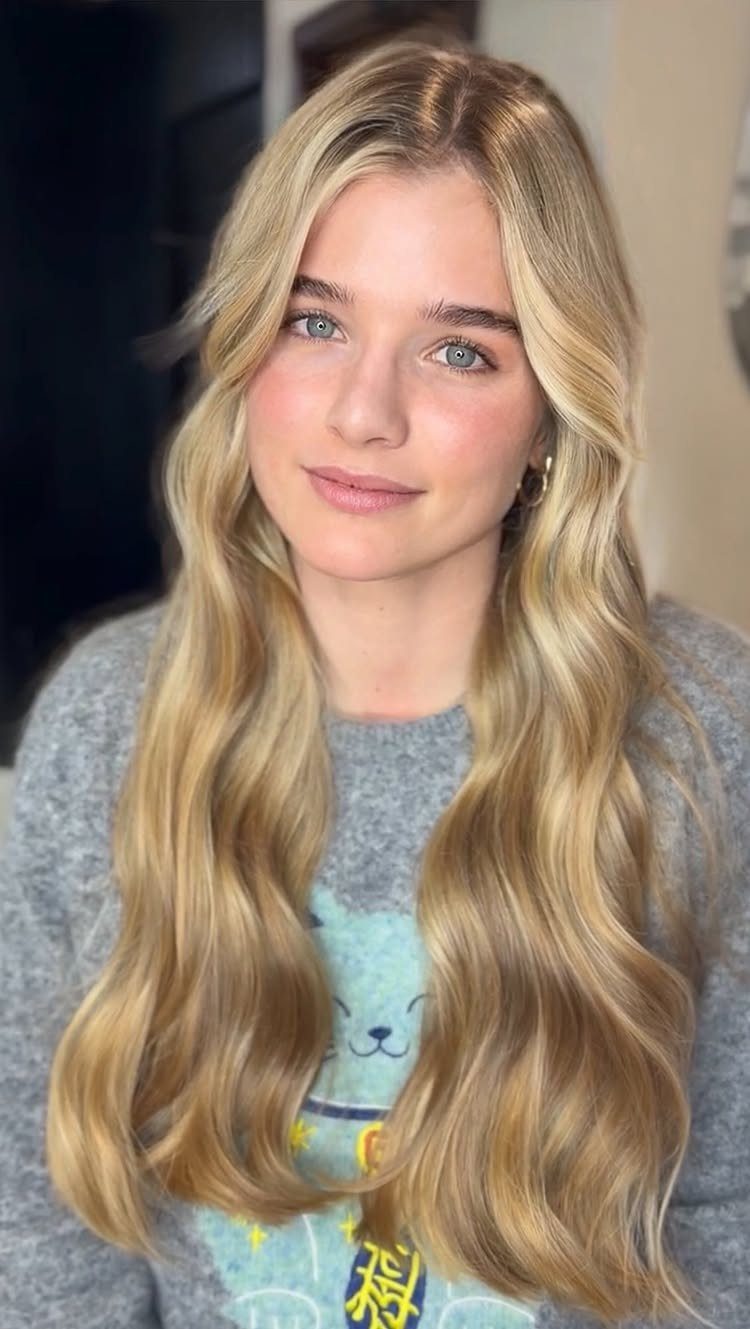
Gold does all the work in this blonde. It reads as sun-kissed rather than yellow, and golden blonde is the name I’d bring to a stylist instead of a vague "warm blonde."
Long, loose waves with a center part show it off well, because the movement lets the warmth shift from strand to strand.
2. Strawberry Blonde
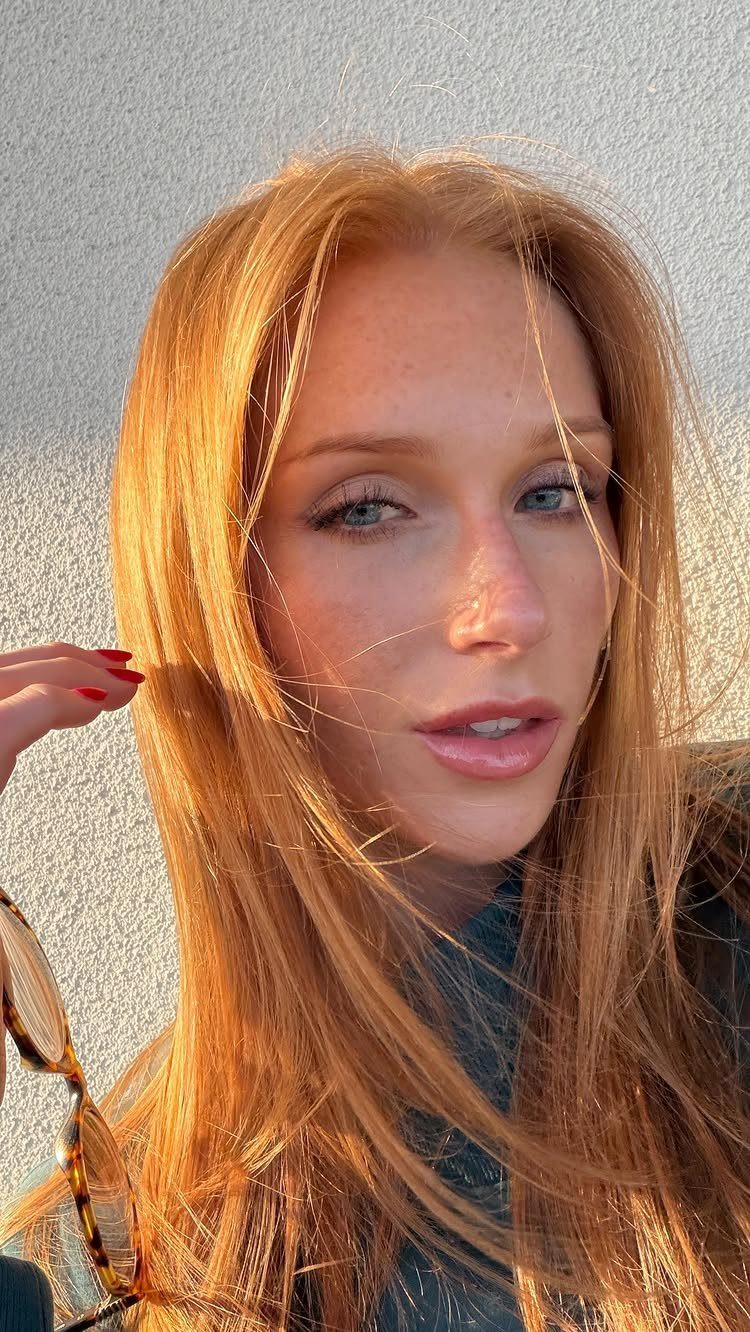
Part blonde, part red: strawberry blonde sits between the 2 and leans toward pink or copper.
The name covers both directions, so say which one you want when you show a reference. I lean toward the copper side on long hair, where it looks soft and warm in sunlight.
3. Caramel Balayage
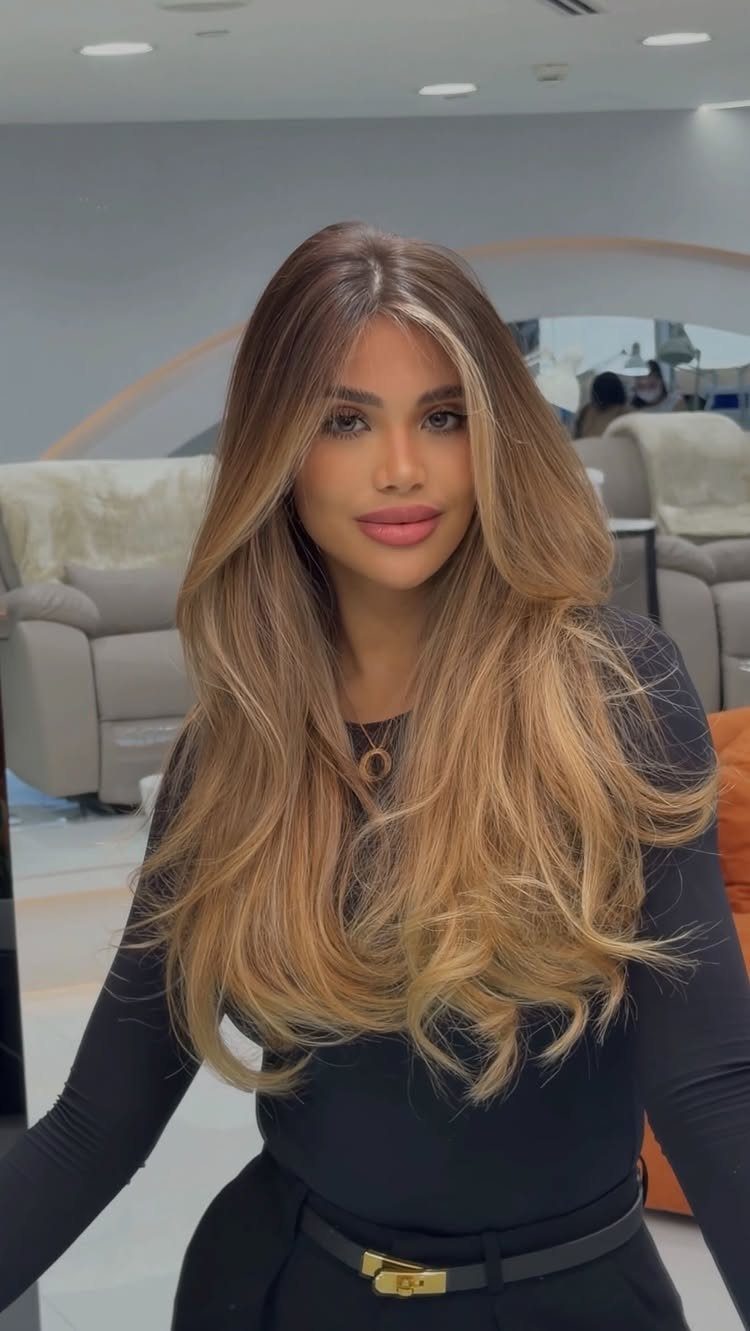
Brunettes get the most out of caramel balayage, since it layers caramel and blonde highlights over a darker base instead of replacing it.
The darker roots stay, and that contrast is what gives the color its depth. Ask for caramel and blonde together, not one flat shade, so the dimension shows through the waves.
4. Ash Blonde
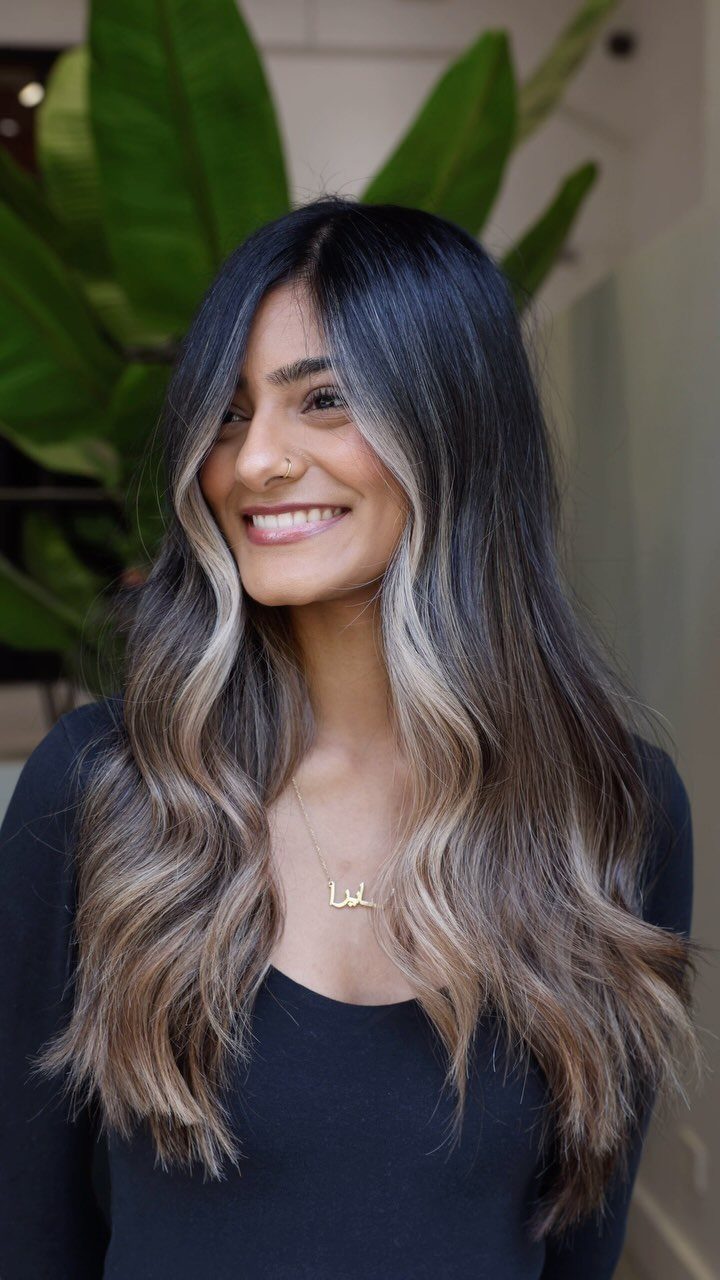
Cool ash-blonde highlights against a natural or darker base create real contrast, and that contrast is the whole look.
I prefer it as highlights through dark hair rather than all over. The base stays rich, and the cool strands stand out more because of it.
5. Beige Blonde
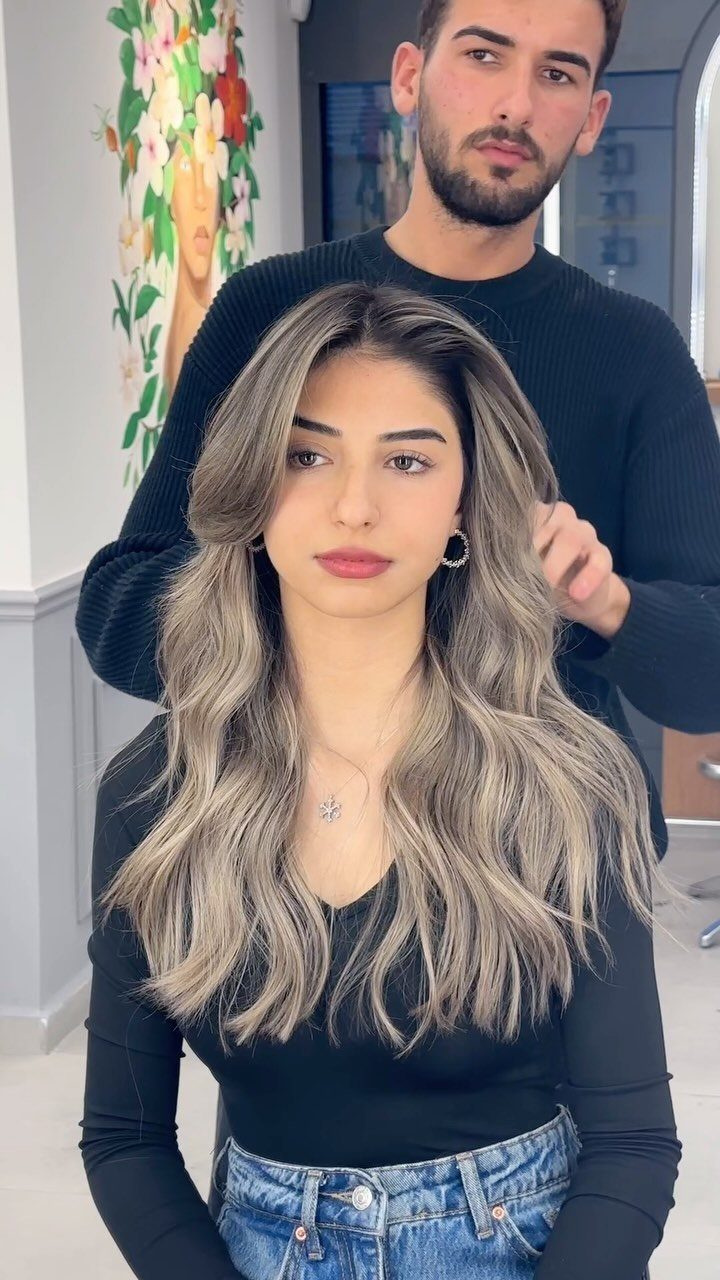
Neither warm nor cool, beige blonde sits right in the middle and balances both.
That makes it an easy one to ask for if you’re unsure which direction your skin leans. Use the name beige blonde, and tell your stylist you want the warm and cool tones even.
6. Sandy Blonde
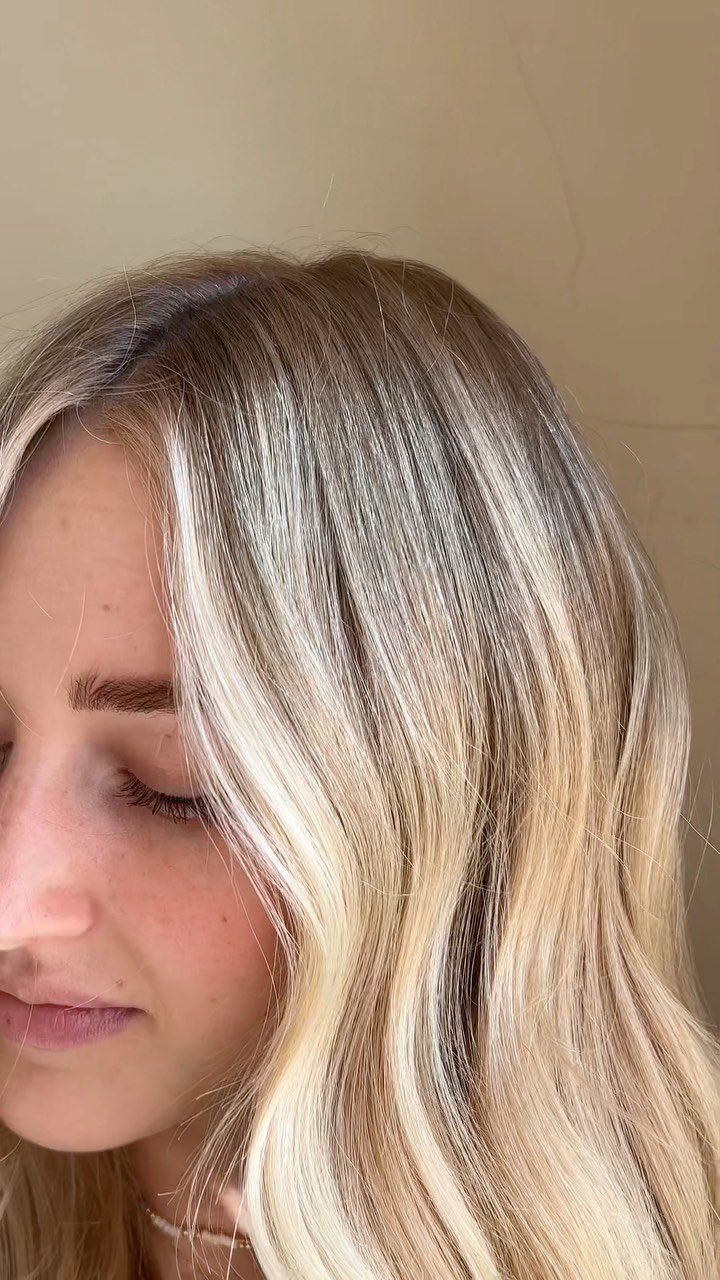
Sandy blonde gets its lived-in look from a darker, blended root and soft highlights in a cool tone, so ask your stylist for both.
It’s gentler than an icy shade and often leans ashy. I’d choose it for anyone who wants blonde that looks like it happened on its own.
7. Dirty Blonde
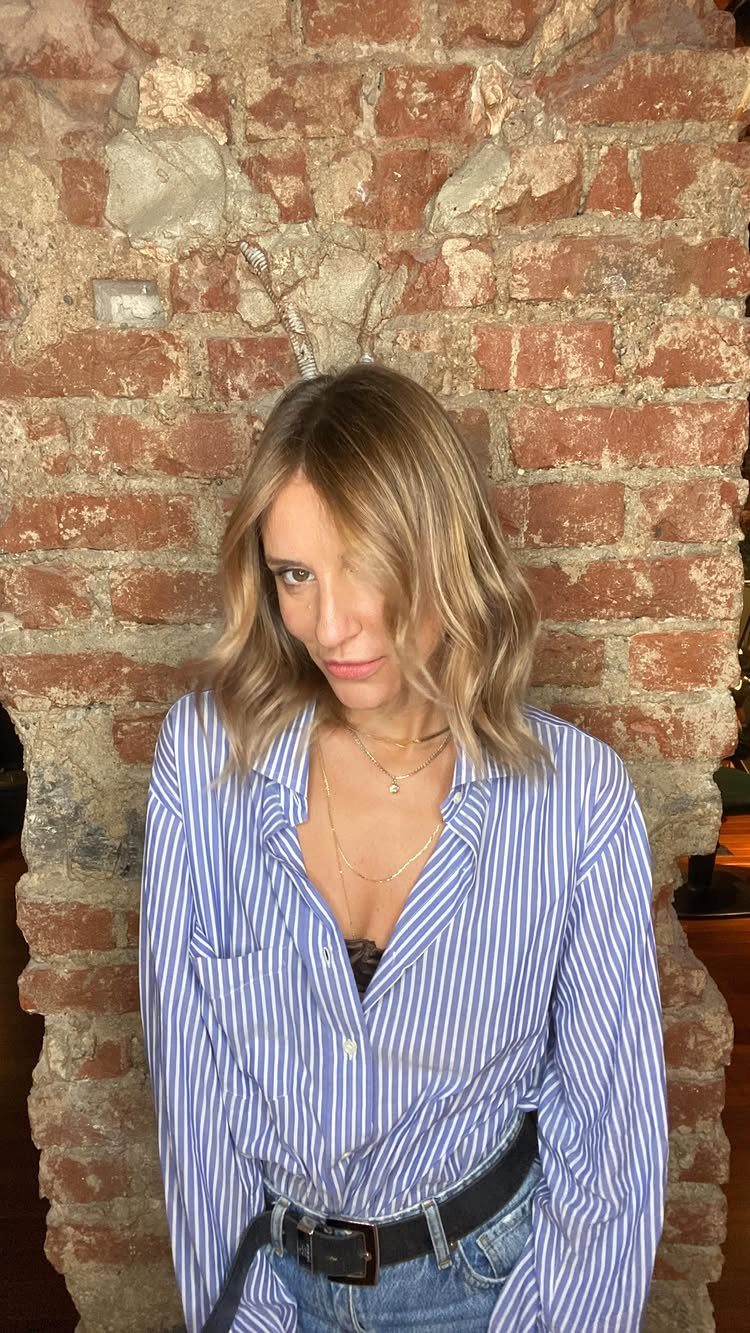
Deeper sandy tones mixed with lighter strands give dirty blonde its natural look, and shoulder-length waves let that mix show without much effort.
Ask for dirty blonde by name and mention that you want both depths in the same head of hair.
Because the shade sits close to a natural dark blonde, it suits brunettes who want a lighter color without a hard line.
8. Natural Blonde Balayage
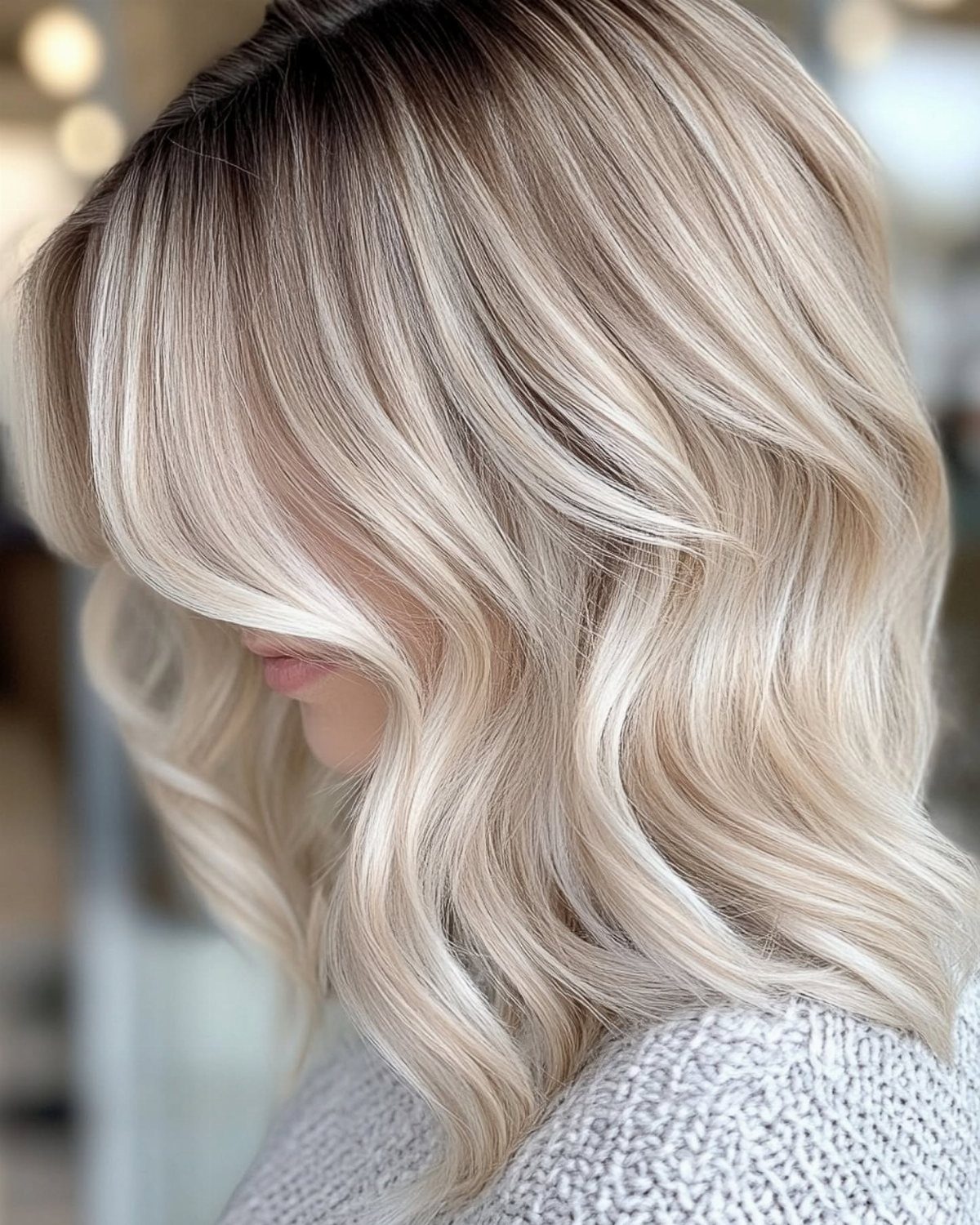
Hand-painted highlights are what separate a natural blonde balayage from a standard foil job, since the color fades softly from darker roots to pale ends.
Ask for balayage and say "sun-kissed" so the stylist keeps the roots dark and the transition gradual. I’d pick this over full highlights for waves, where the lighter pieces catch the movement.
9. Bronde
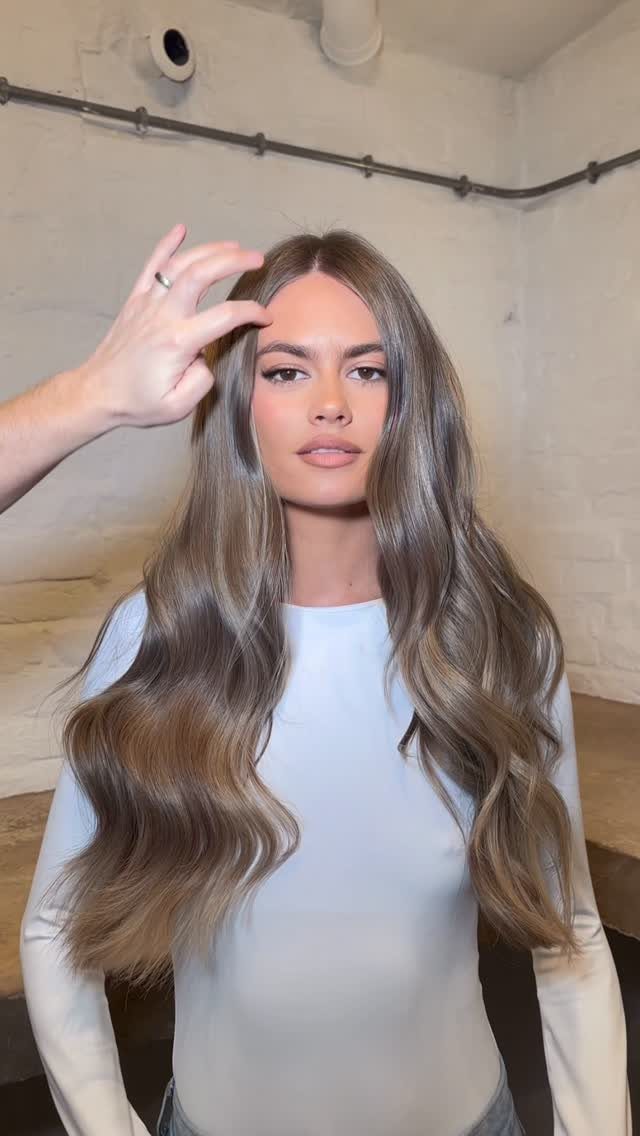
Brown that lightens into softer brown lengths: that is bronde, and it never commits fully to either side.
This is the one I’d suggest to a brunette who is nervous about going blonde.
Bring a photo and use the word bronde, then tell your stylist how far toward blonde you want the lengths to go. Long waves make the lighter pieces easier to see.
10. Champagne Blonde
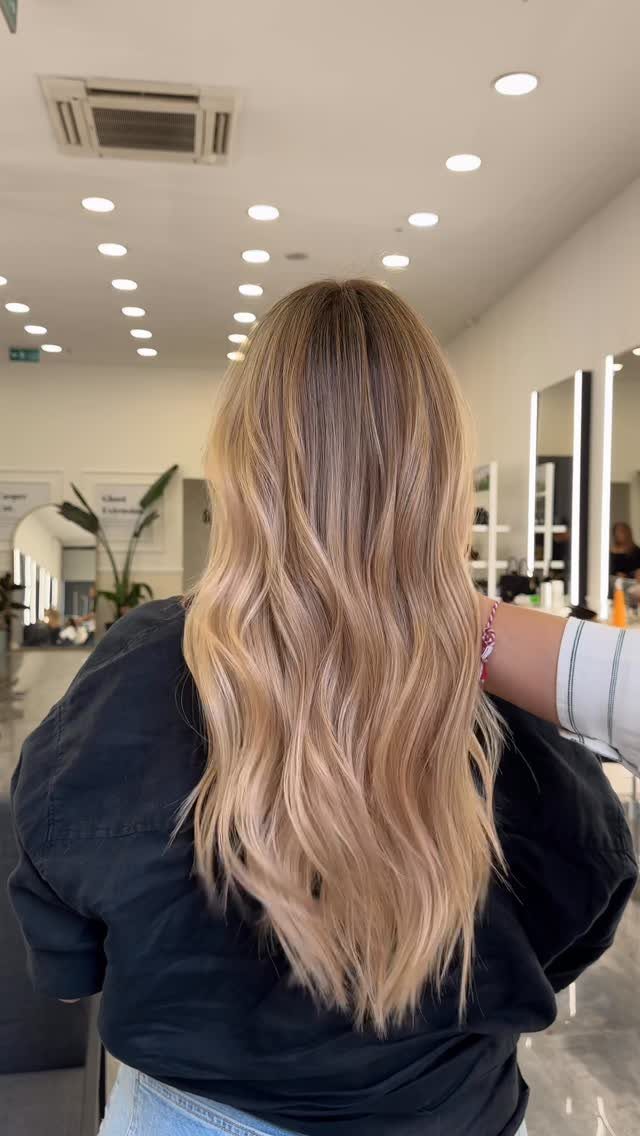
Neutral undertones set champagne blonde apart: bright, but neither golden nor icy.
Champagne sits right between golden and ashy, so it works on most skin tones, and I point people to it when neither a warm nor a cool blonde feels right on them.
Keep the roots slightly darker for a softer grow-out, and ask for champagne blonde with neutral tones so the toner doesn’t push it either way.
11. Vanilla Chai
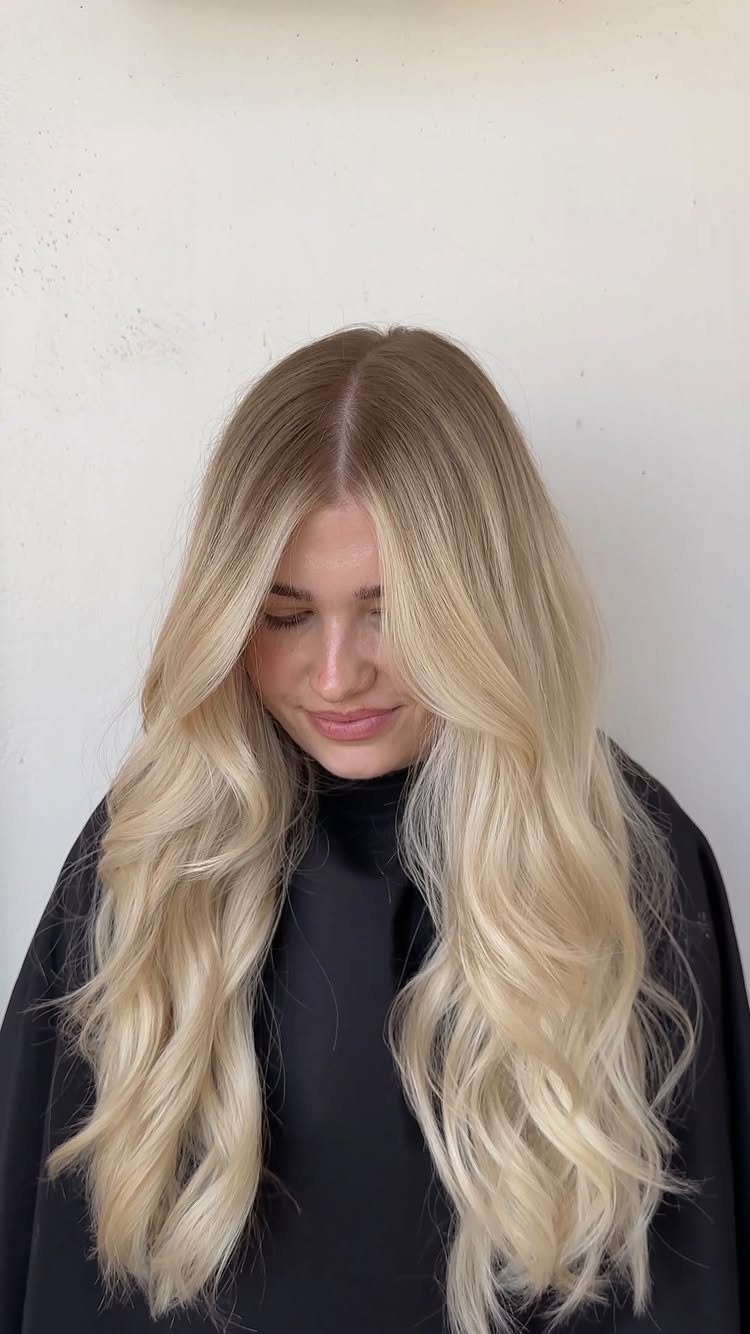
Think of vanilla chai as a milky blonde with a gradient: soft brown at the roots, pale and creamy toward the ends.
Because the roots stay brown, regrowth barely shows, which makes it a good pick if salon visits are hard to fit into your budget. Ask for a gradual transition and creamy ends, not a stark white.
12. Mushroom Blonde
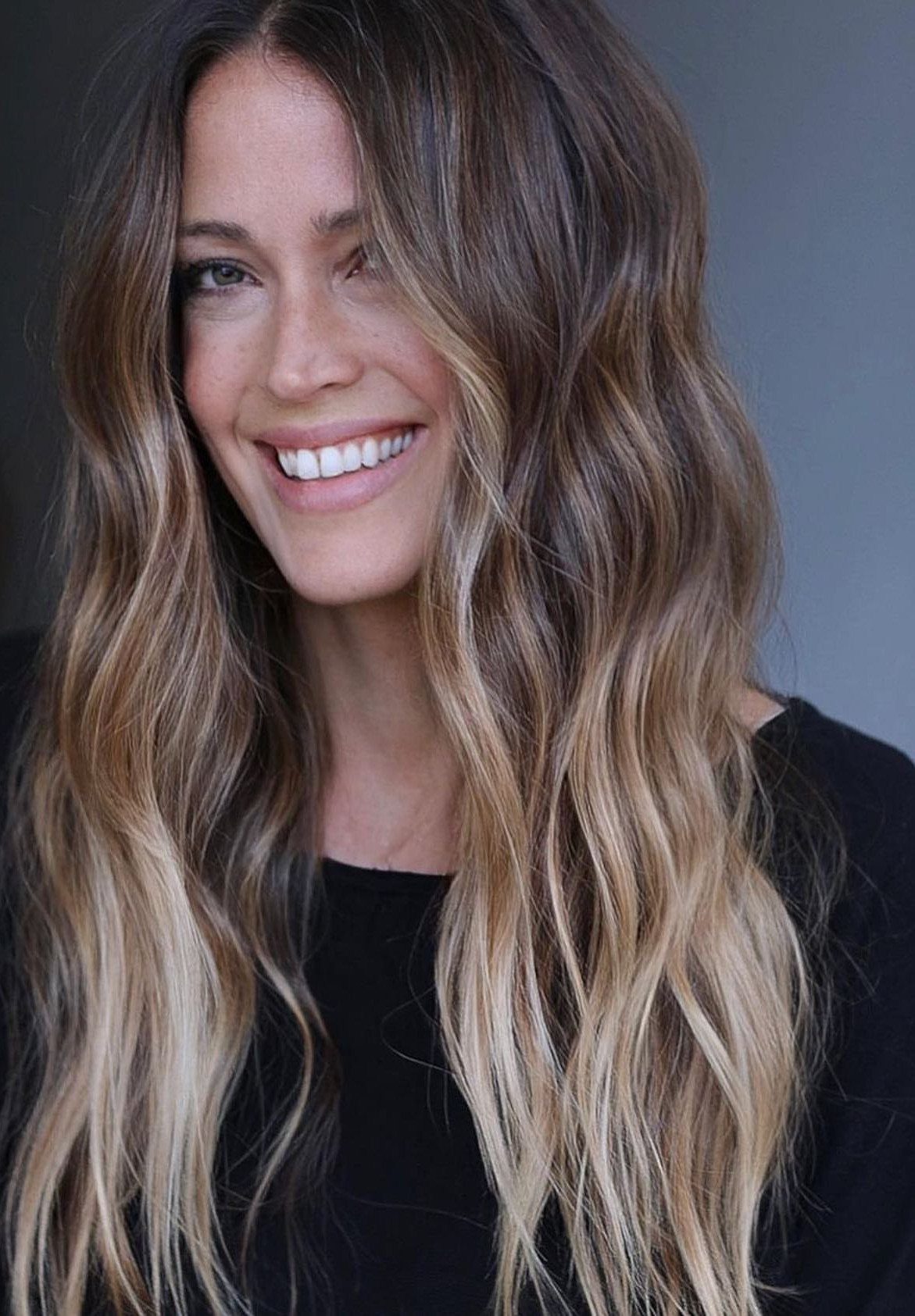
Mushroom blonde is ashy sandy blonde blended with icy light brown, and a dark root keeps it looking grounded.
It’s one of the few blondes I’d recommend if you dislike warmth in your hair. Ask for cool sandy highlights over a deeper base, and use the name mushroom blonde so the stylist doesn’t go brighter than you want.
13. Cherry Blonde
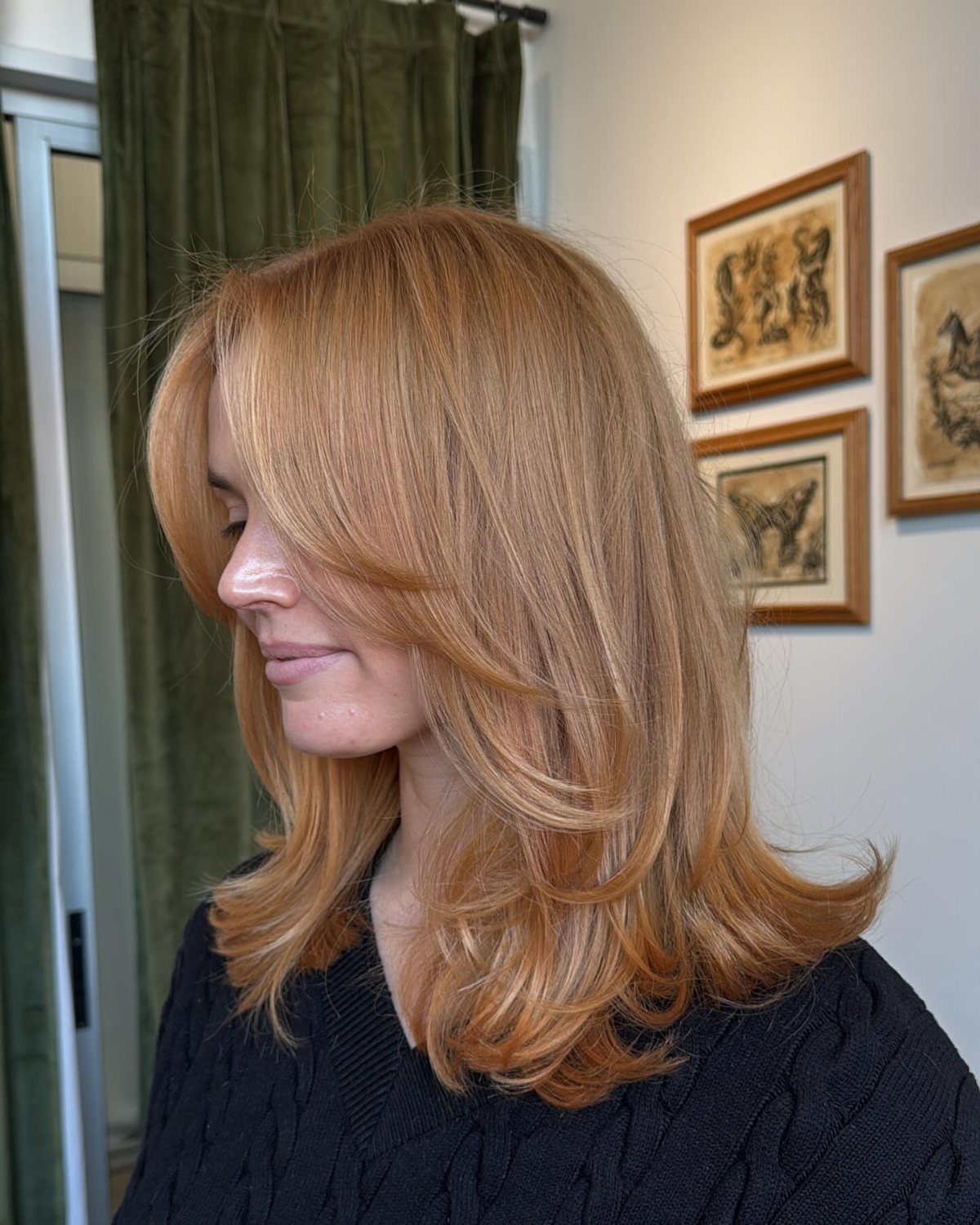
Look past the name: this cherry blonde reads as copper, with very little pink in it. That makes it a warm blonde with a glow of red in it, and layers give that color movement.
Cherry can mean different things to different stylists, so I’d bring a photo and say you want copper-leaning blonde.
14. Light Ash Blonde
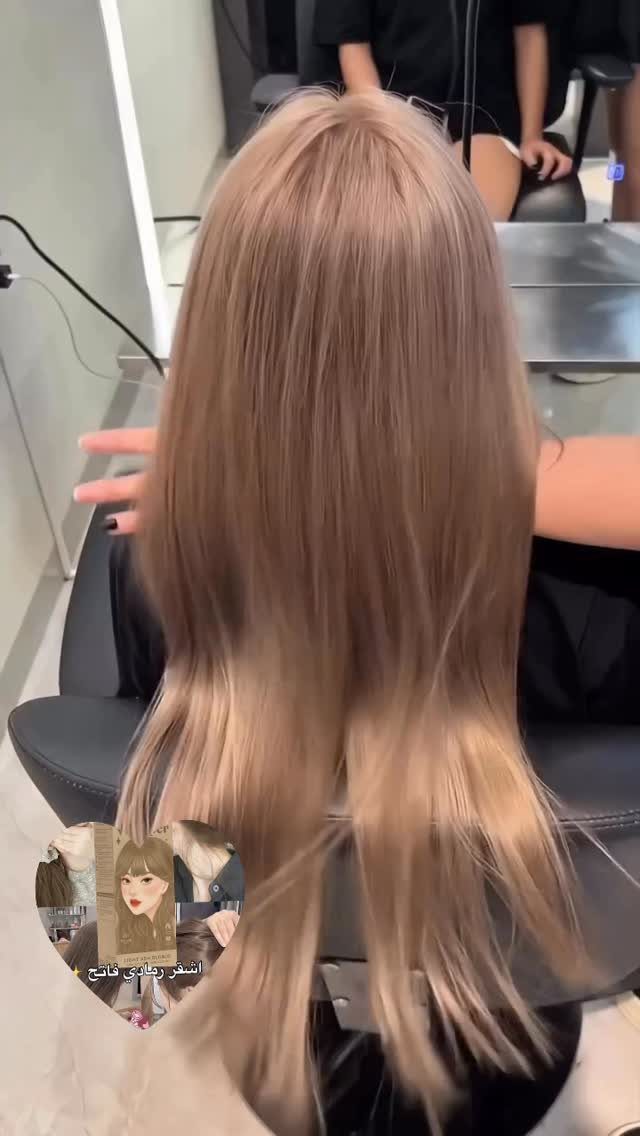
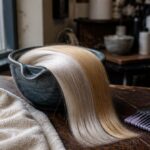
Pale, but not platinum: light ash blonde is lighter than a standard blonde and softer than a stark white shade.
On long, straight hair the color reads as one smooth sheet.
Ask for light ash blonde with a pale beige cast, and say plainly that you don’t want to go as far as platinum. I’d pick this for anyone who wants a very light blonde without the harshness.
15. Rose Gold Blonde
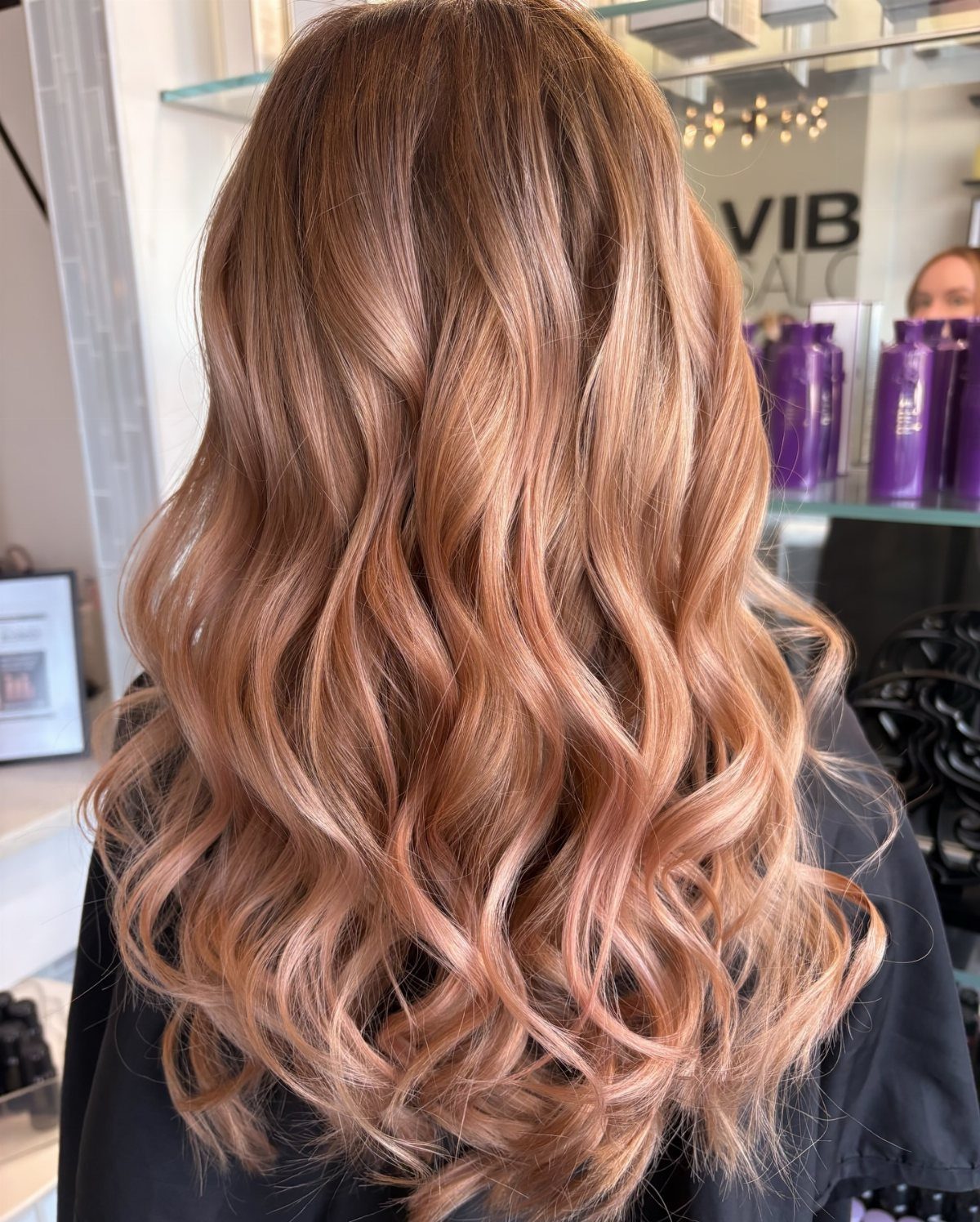
A pink-gold cast over blonde is all that rose gold blonde adds, so the tone is subtle and a name alone can be misread.
Bring a photo and ask for rose gold blonde, not just "pink."
Waves show it best, since the tone shifts as the hair moves. I’d keep the pink soft and let the blonde stay the main color.
16. Short Hair Balayage
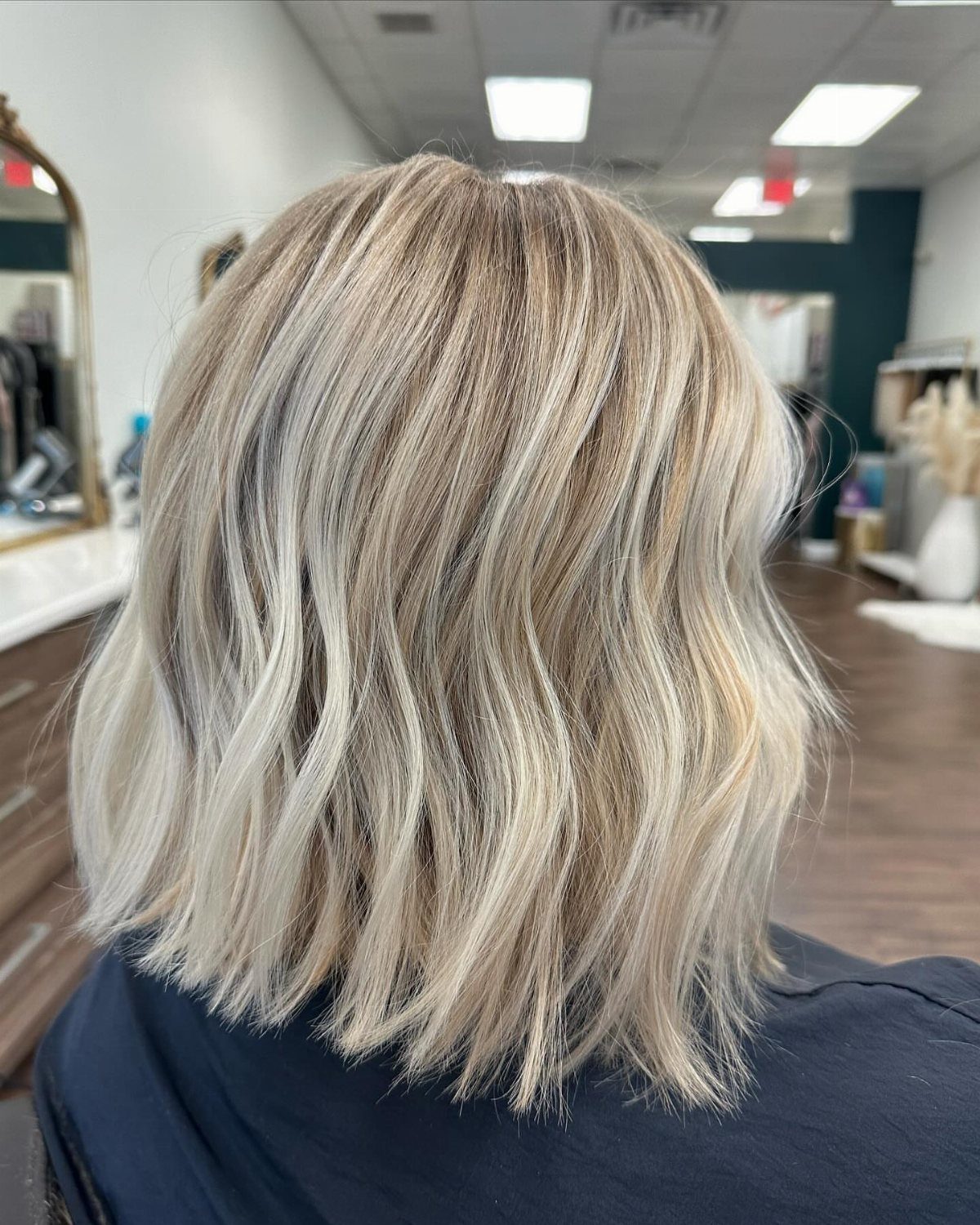
Short cuts have little length to work with, so the placement of each lighter piece matters more than it does on long hair.
Ask for balayage with darker roots and pale highlights through the ends, which adds brightness and dimension to a bob.
I like it on a wavy cut, where the lighter pieces catch the texture. Tell your stylist the cut is short so the painting stays precise.
17. Icy Blonde Balayage
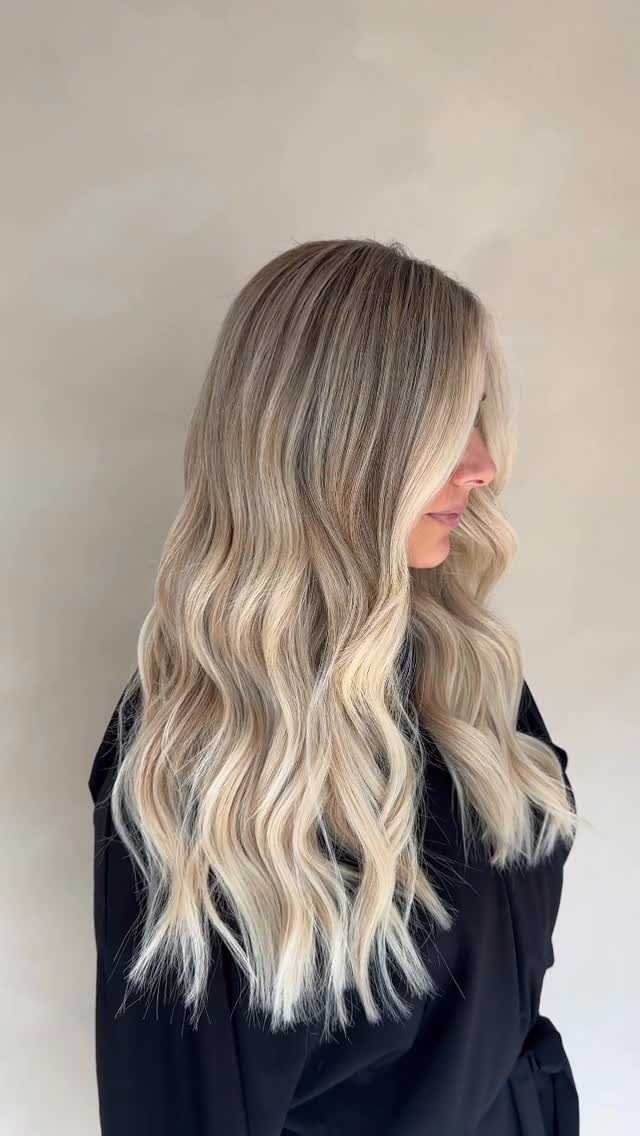
Dark roots melt into pale ends here, with icy blonde blended into natural or warmer blonde shades instead of covering everything.
Ask for icy balayage and use the word "subtle," or the ends can come out colder than you planned.
Long waves make the blend easy to see. I’d choose this over all-over icy blonde if you want the cool tone without losing your natural depth.
18. Medium Blonde
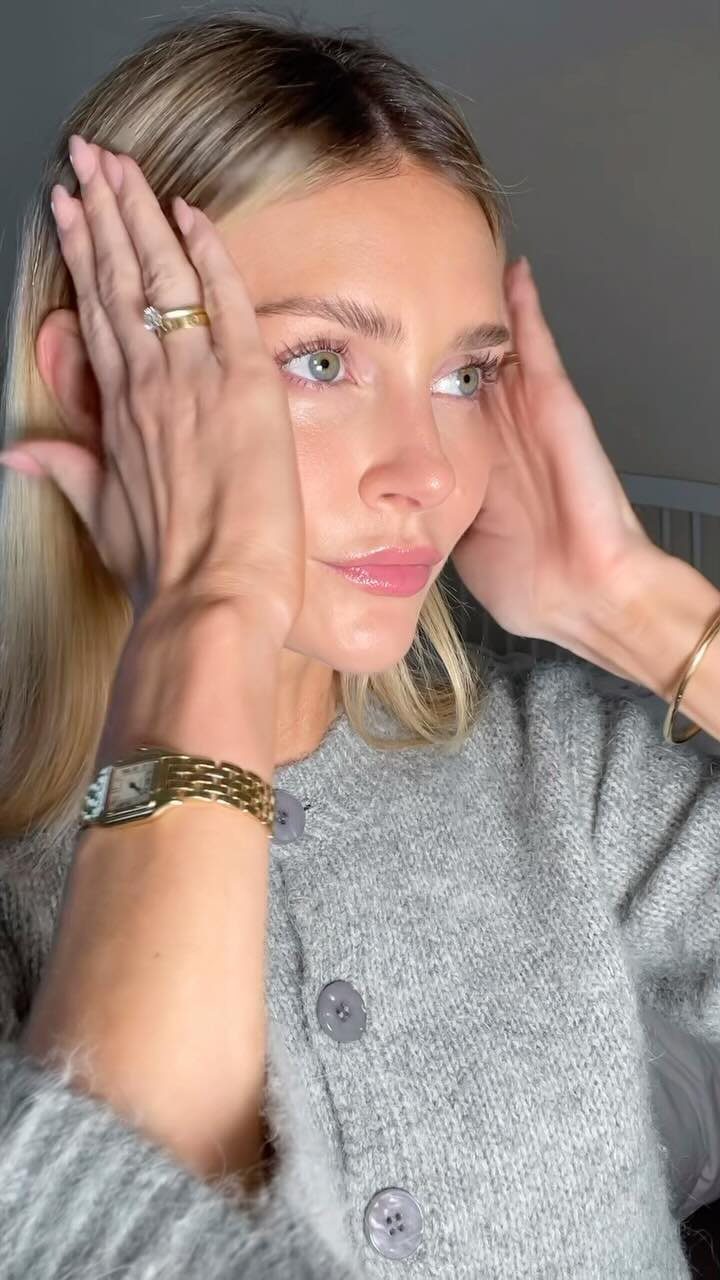
Medium blonde is a middle shade, neither light nor dark, and L’Oréal lists it among its blonde colors, so it’s a name you can look for by shade.
That makes it approachable whether you color at home or book a salon visit. For a salon, bring a photo and ask for medium blonde so the stylist knows the depth you want.
19. Angelina Jolie’s Dark Blonde Hair
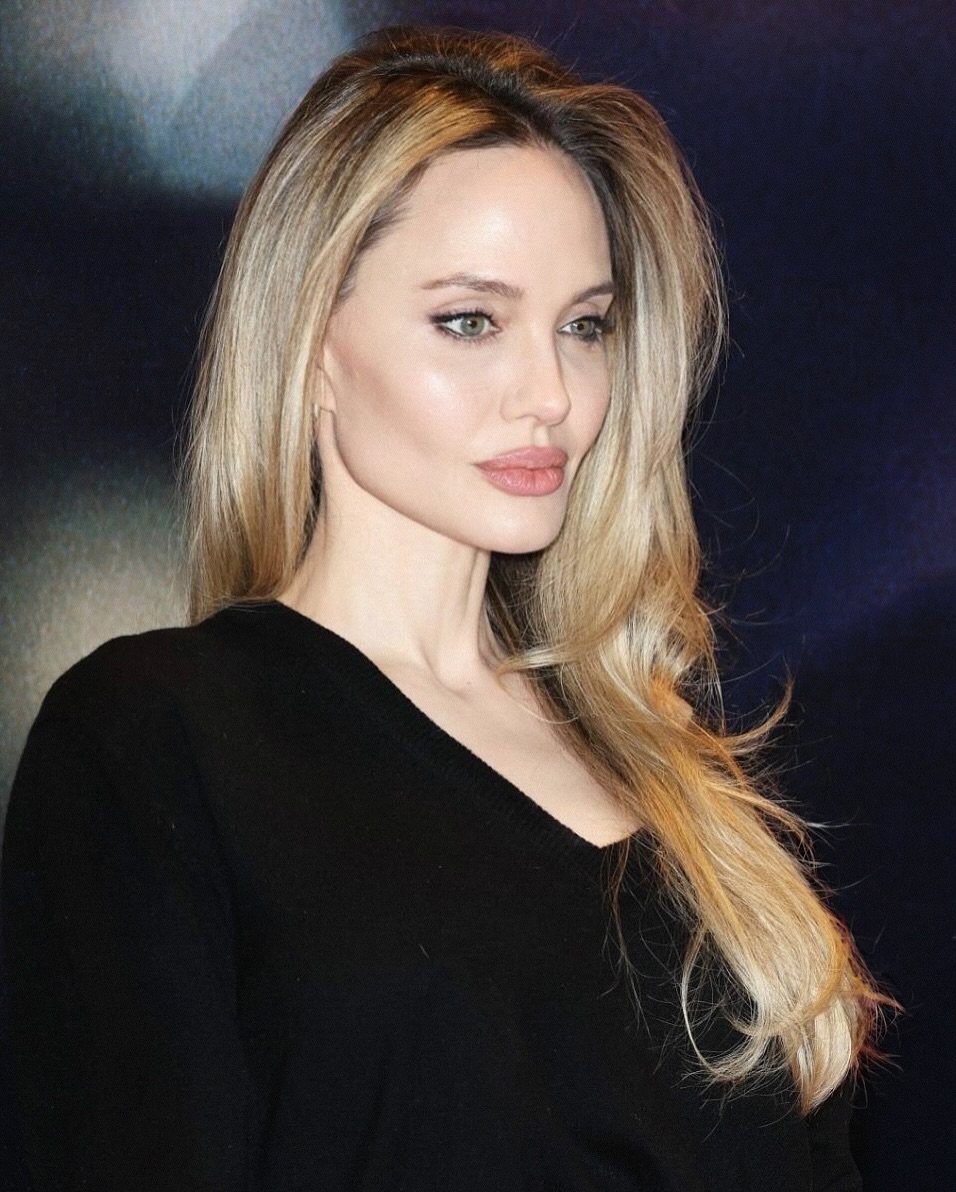
Dark blonde is Angelina Jolie’s natural color, even though she kept her hair dark through much of her film career. Worn long and loose, as it is here, the shade reads soft and lived-in.
It’s a good target for brunettes who want to lighten without a hard jump, since it sits close to a deep, natural base.
Ask for dark blonde by name and bring a photo, so your stylist doesn’t push it lighter than you want.
I’d keep it as one blended color with no stark highlights.
Balayage Maintenance and Hair Care
A sulfate-free, color-safe shampoo is the base of the routine, because it slows fading and keeps lightened hair hydrated. Add purple shampoo once a week to cancel brassiness.
On a blonde that already leans warm, a moisturizing shampoo is my pick instead, since it keeps the highlights sitting evenly against your natural base.
Lightened strands lose moisture quickly, so apply a deep conditioning mask weekly.
Use heat protectant every time you style, and cut back on hot tools overall, since heat dulls color. Heavy styling products weigh hair down, so keep them light.
Regular trims keep ends from drying out.
Choosing Shades and Salon Consultation
Golden or coppery tones flatter warm skin, while cool skin does better with ash shades. Neutral undertones have the most room, since many blondes work.
Eye color and your current base shade also count, so I’d weigh all three instead of skin tone alone.
If you’re still unsure, book a consultation before any color goes on. Bring your saved inspiration and talk through your personality, your lifestyle and your skin tone, because a stylist can use all of that to narrow the choice.
Balayage can also be adjusted toward darker shades or lighter bases, so say how light you really want to go.
At-home Versus Salon Coloring
Boxed color costs less, works well between salon visits, and can handle a small lift in brightness. L’Oréal Paris makes the Superior Preference Balayage At-Home Highlighting Kit for that kind of job.
The limits show up in placement and blending. Application can come out streaky or blotchy, and most kits give you only 1 or 2 tones to work with.
A colorist builds the formula around your skin tone, your starting color and the result you’re after. The highlights are blended by hand, and the result tends to last longer and need less upkeep.
For anything with a complex blend, I’d book a professional. Save the box kit for small refreshes.
Frequently Asked Questions
What is Sophie Turner’s natural hair color?
Sophie Turner is naturally blonde.
Sansa Stark’s red came out of a bottle; Turner’s natural shade is blonde, and she has said it’s the color that feels most like her. She went back to it after the show.
What is the best hair dye for natural blonde hair?
No single dye wins, because the right box depends on the blonde you want. Boxes usually supply just 1 or 2 shades, so a blend that layers several tones belongs in a colorist’s chair.
What are some good highlights for natural blonde hair?
Soft, blended balayage in honey, golden, beige, ash or caramel suits natural blonde hair, chosen to match your base color and skin tone.
Golden and caramel read warmer, while ash reads cooler. Ask for the roots to stay slightly darker so the change from root to ends looks gradual.
What is natural blonde balayage?
It’s a freehand technique where a stylist paints soft, believable blonde tones onto the mid-lengths and ends instead of using foils.
Roots stay deeper while the ends drift toward pale, which gives the look of hair lightened by a summer outdoors. The name comes from the French verb balayer, meaning to sweep, which describes the brush stroke exactly.
Why does everyone love blonde balayage?
The color blends into your own base, so there’s no harsh line at the roots as it grows out, and that means fewer salon visits.
Because the color is placed by hand, strands catch light at different depths, so hair looks fuller and moves more. The shades can also be tailored to your skin tone, from cool ash to warm honey.
How do I choose the right blonde shade?
Undertone sets the direction: warm skin looks best in golden or coppery blondes, cool skin in ash, and neutral skin can wear nearly any of them.
Eye color and the shade you’re starting from also change the result, and I’d look at all three together before choosing.
Still undecided? A consultation with your saved photos in hand, plus a plain description of your daily life, gives a stylist enough to narrow the list.
Is at-home or salon balayage better?
Any look built from several blended tones is a salon job, and I’d choose the chair over the box every time.
Your colorist matches the formula to your skin tone and starting color and feathers the highlights by hand, so the result lasts longer and needs fewer touch-ups.
Boxed color costs less and handles a small brightening between visits, but it can come out streaky or patchy.