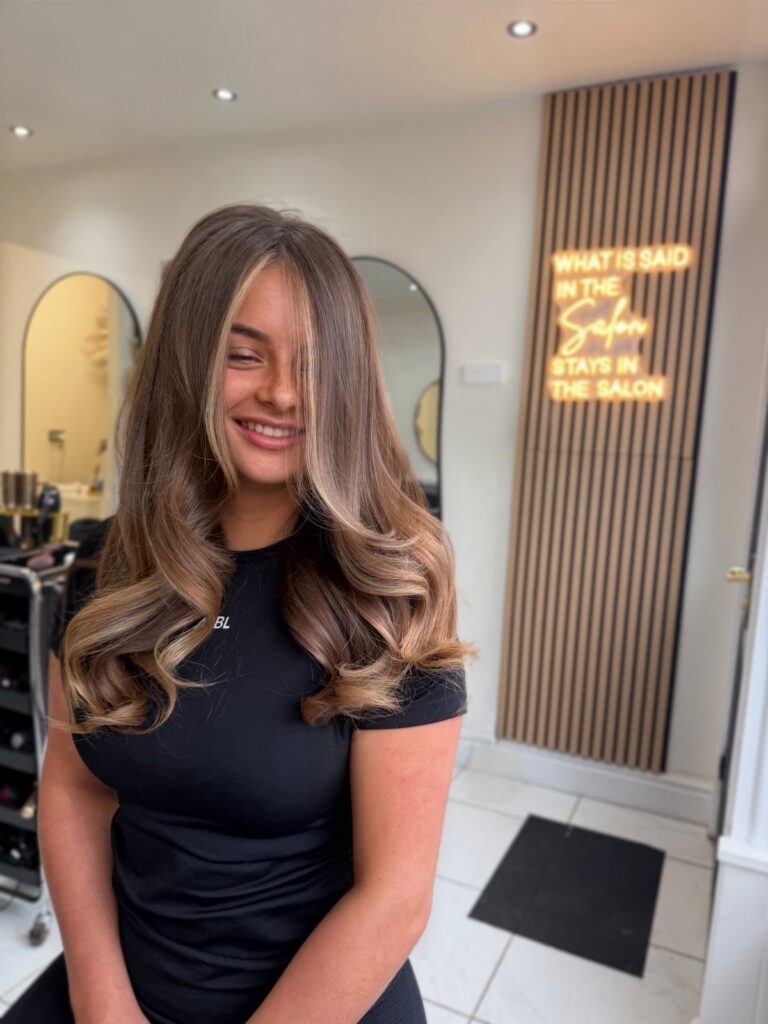
Your skin’s undertone decides which caramel is yours: yellow, gold or peach skin keeps the gold in the shade, while pink, red or blue skin looks more polished in a cool, beige-leaning version.
The range runs from fine caramel babylights and a single face-framing money piece on dark hair to copper balayage that people notice from a distance, with glossy dark glazed caramel in between.
Neutral undertones can go either way, and then the upkeep you’re willing to take on settles it.
1. Multi-tonal Caramel
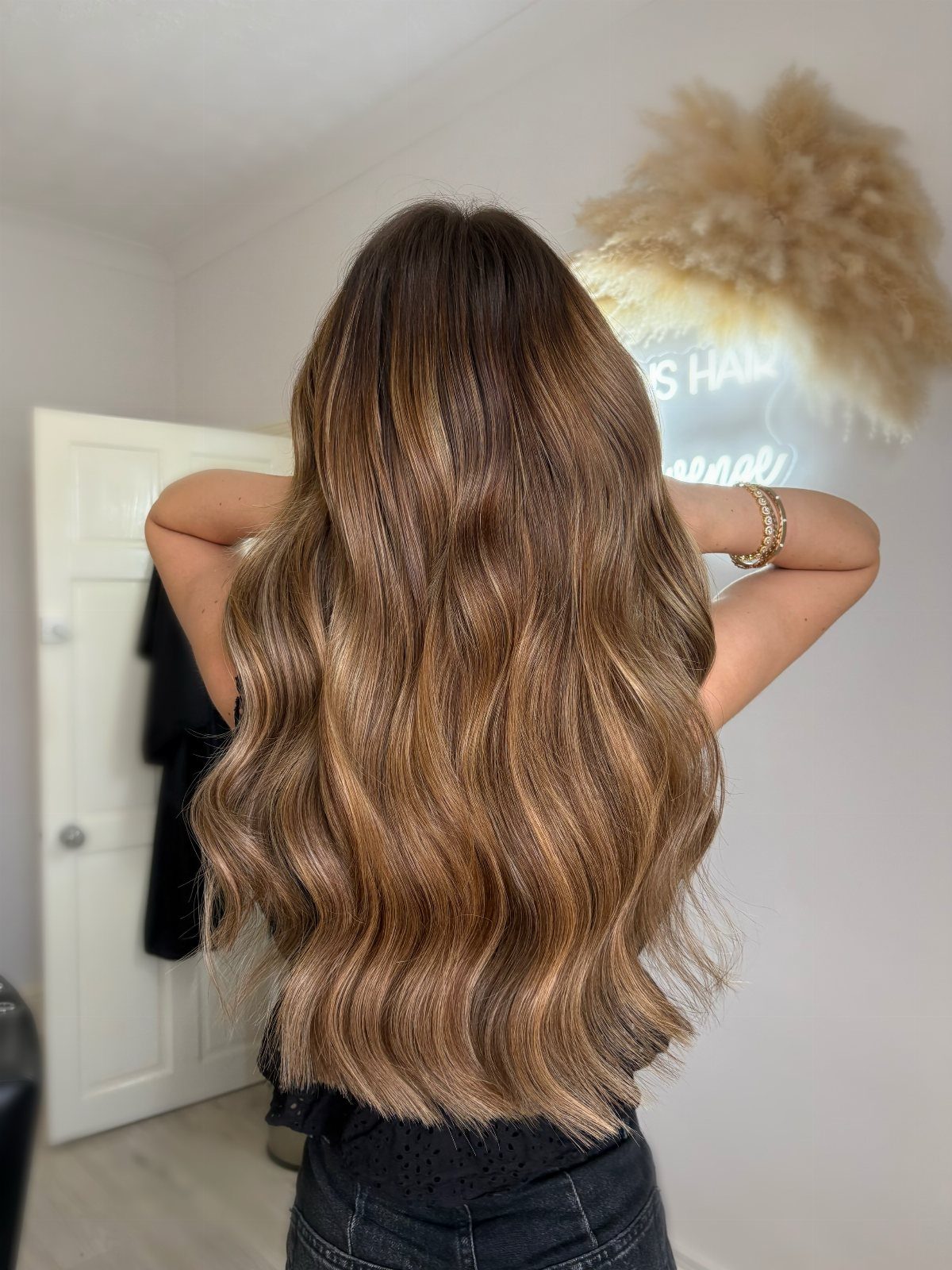
Copper-leaning caramel through the length, with paler pieces near the face, is what gives this color its range.
Several caramel shades working together read as more expensive than one flat tone, and the lighter strands up front brighten the skin without changing the whole base.
Ask for a mix of richer, coppery caramel and a softer, lighter caramel rather than a single shade. Waves show it off best, since movement lets each tone catch the light.
2. Caramel Balayage
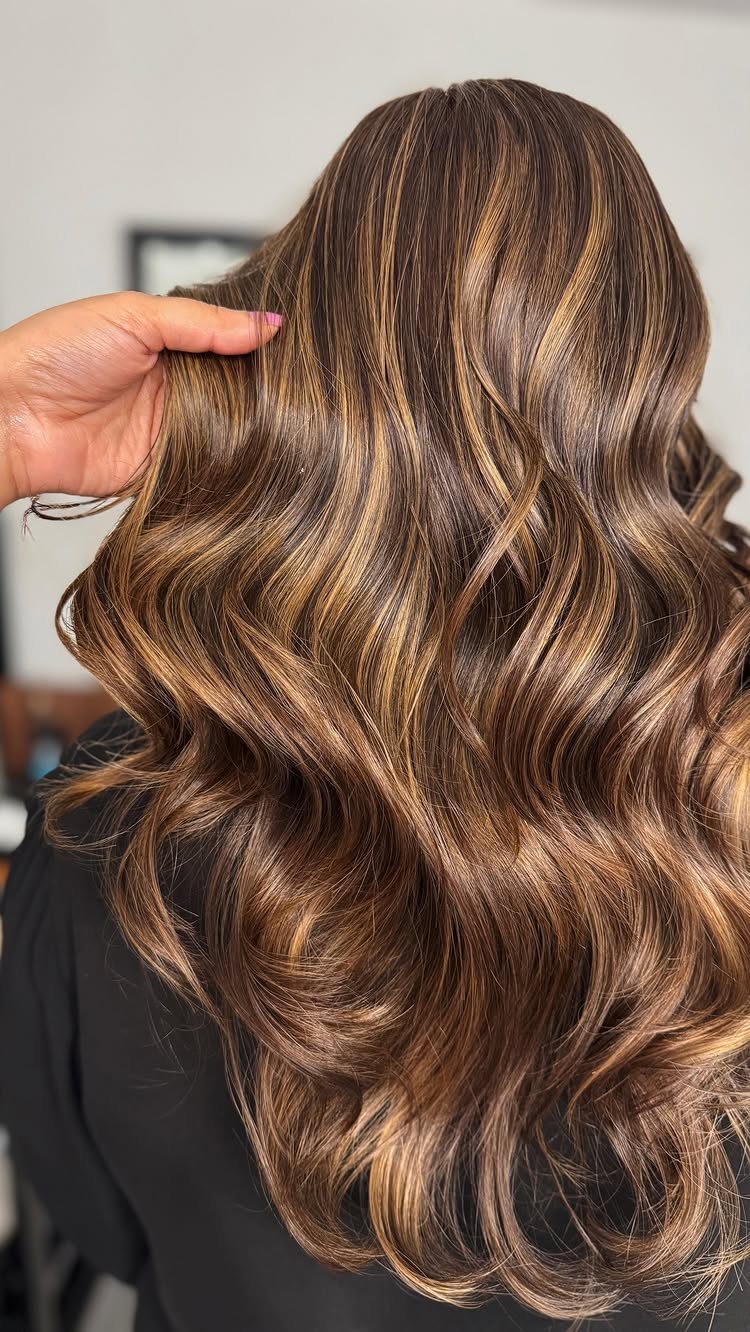
Hand-painted ribbons are the reason this works on brunettes who don’t want a stark line. The caramel melts into the base instead of sitting on top of it, so the grow-out looks like natural dimension, not a regrowth stripe.
Bring a photo and ask for a soft, blended transition with caramel blonde ribbons. Curls and loose waves suit it well, because the color shifts as the strands move.
3. Light Warm Caramel
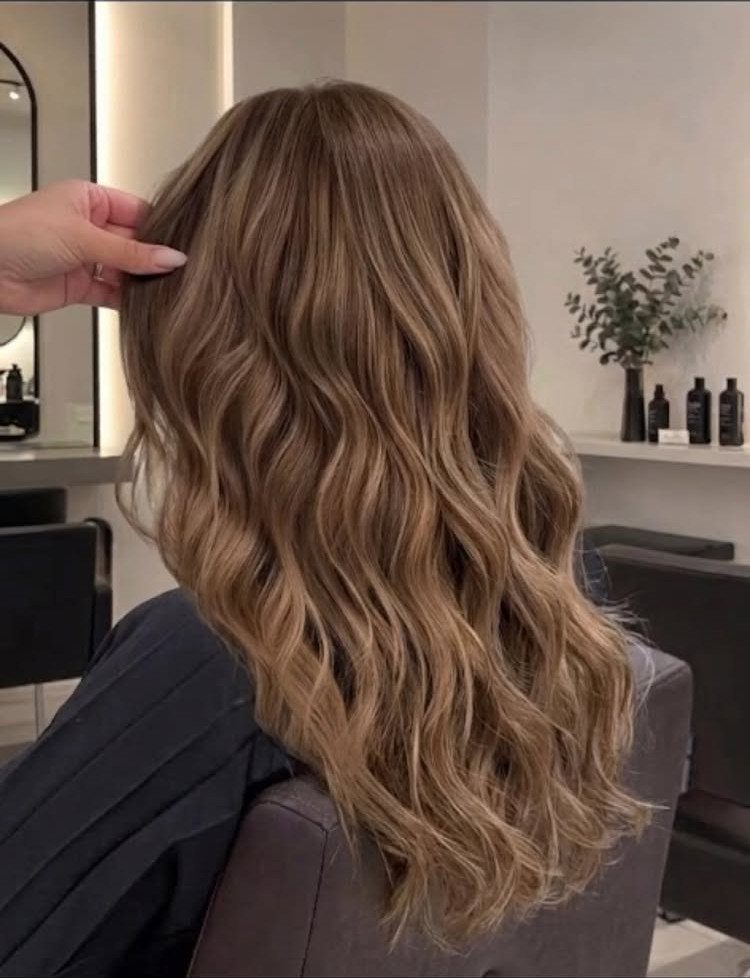
A lighter blonde base with a thin wash of golden caramel gives the soft, beachy look here. Nothing about it is heavy: the warmth sits in the highlights, so the whole head reads sunlit.
I like this one for blondes who want warmth without going darker. Tell your stylist you want subtle golden caramel over a light base, and keep the finish in loose, tousled waves.
4. Cool Caramel Blonde
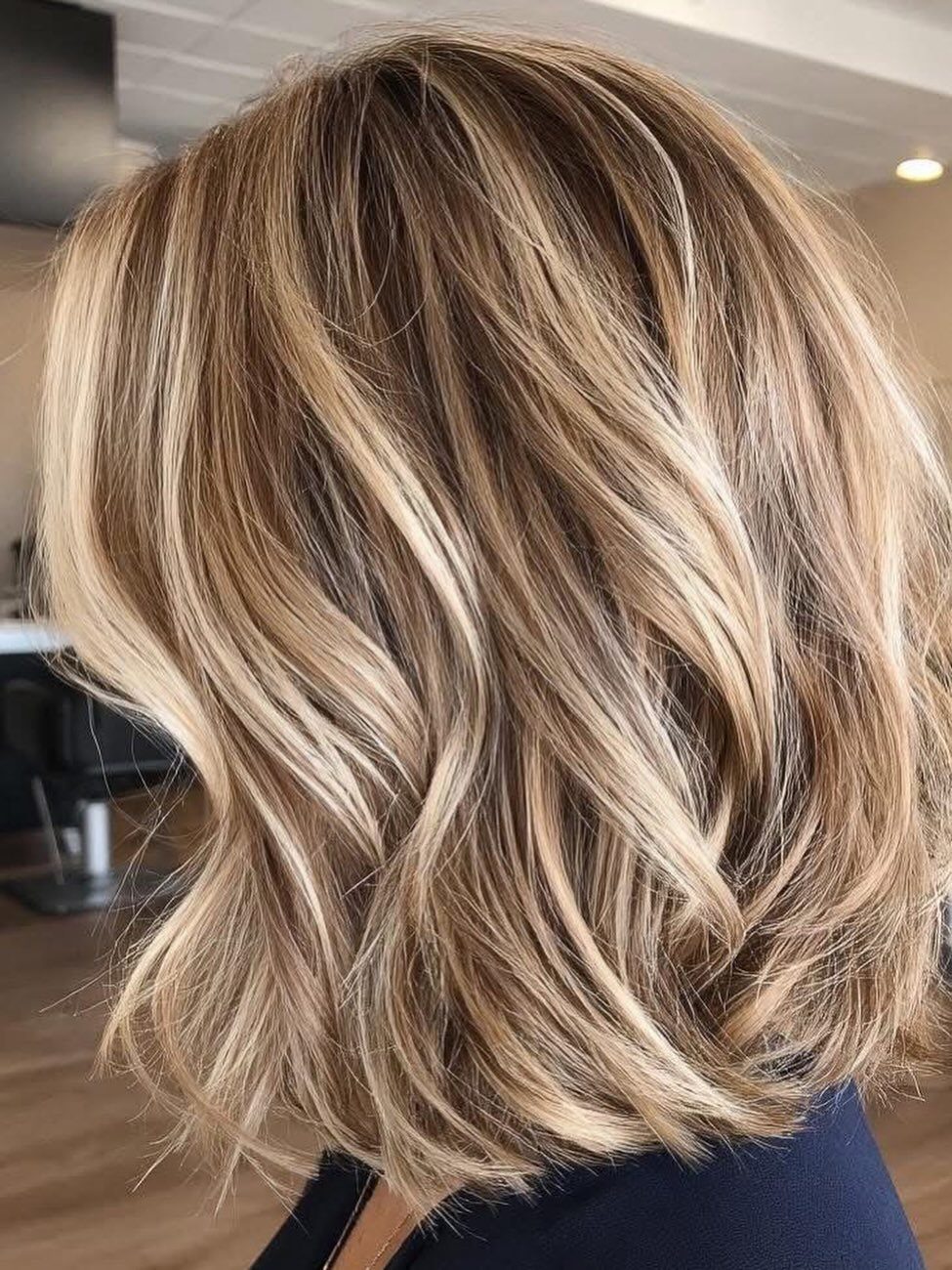
Caramel can run cool, and this beige-leaning version proves it. The tone sits softer and less orange than classic caramel, which is why it flatters pink, red or blue undertones instead of fighting them.
Ask for cool beige caramel highlights and say plainly that you want to avoid golden or orange warmth. Layers and loose waves let the highlights show at different depths.
5. Cool-toned Caramel Mix
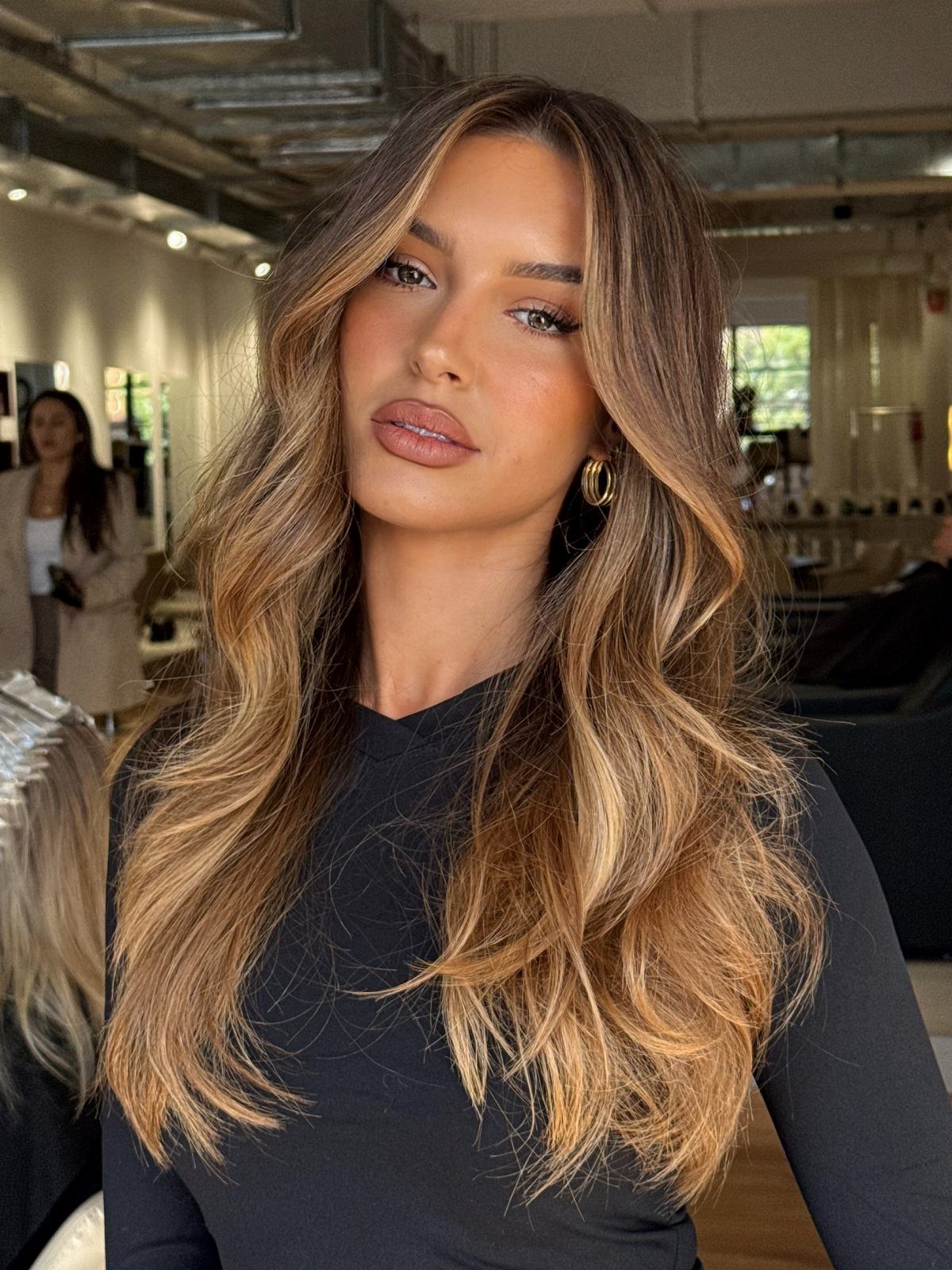
Layering several caramel shades inside a cool-toned palette keeps the color from going flat. Brown and blonde blend here without a hard edge, so no single strand carries the whole look.
When you book, ask for a cool-toned mix of caramel and blonde, not one all-over shade. Long, loose waves give the blend room to show.
6. Caramel on Dark Hair
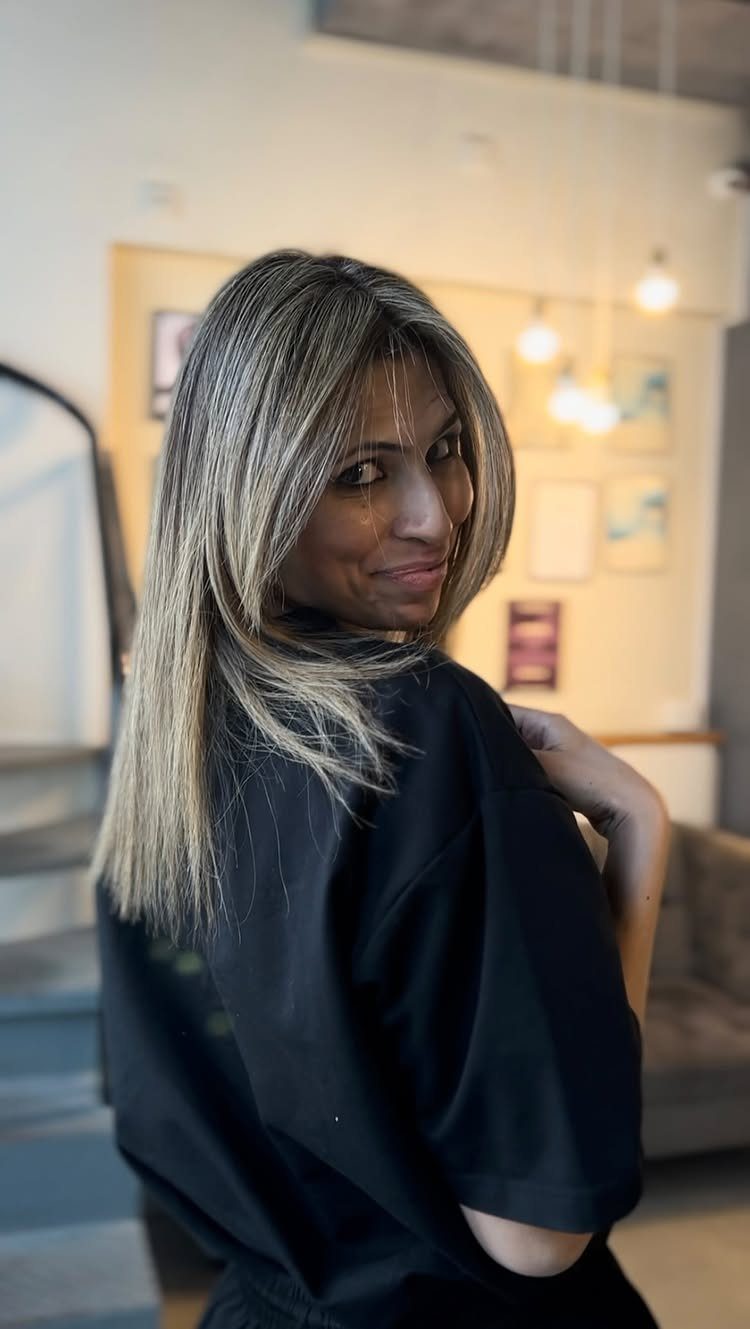
Against a dark base, cool beige-blonde caramel highlights stand out sharply, and that contrast adds depth and draws attention to the face. A dark brown root keeps the look grounded, so it never reads as fully blonde.
I would pick this for brunettes who want a visible change while keeping their natural depth. Ask for caramel blonde highlights with a cool beige finish.
7. Dark Glazed Caramel Color
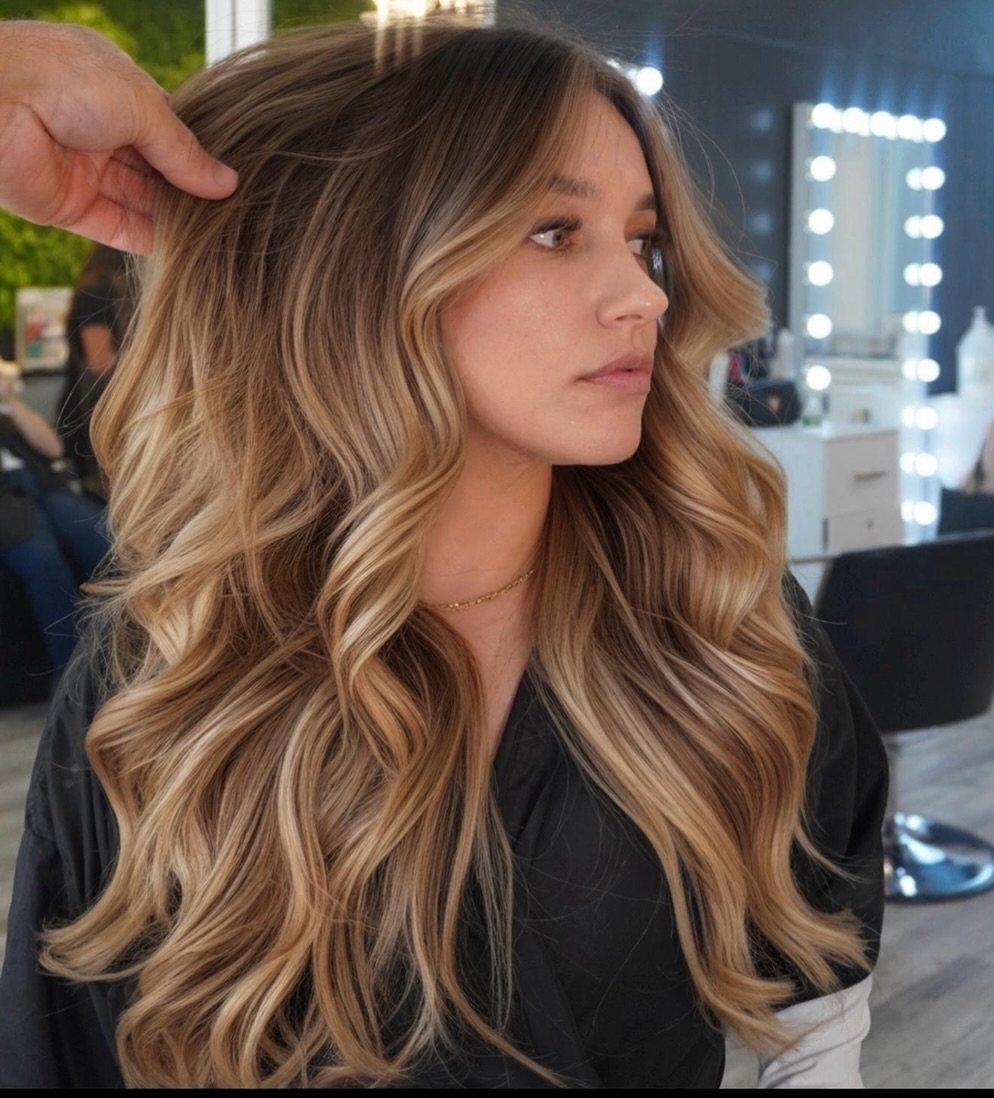
Dark roots left in on purpose are what make this glazed caramel look expensive. The color melts from a deep root into glossy caramel blonde, so there’s no race to cover regrowth and the grow-out stays soft.
I would choose this for anyone who wants blonde without a salon visit every few weeks.
Ask your stylist to keep the root natural and glaze the lengths in caramel. Loose waves show off the shine.
8. Dark Cool-toned Caramel
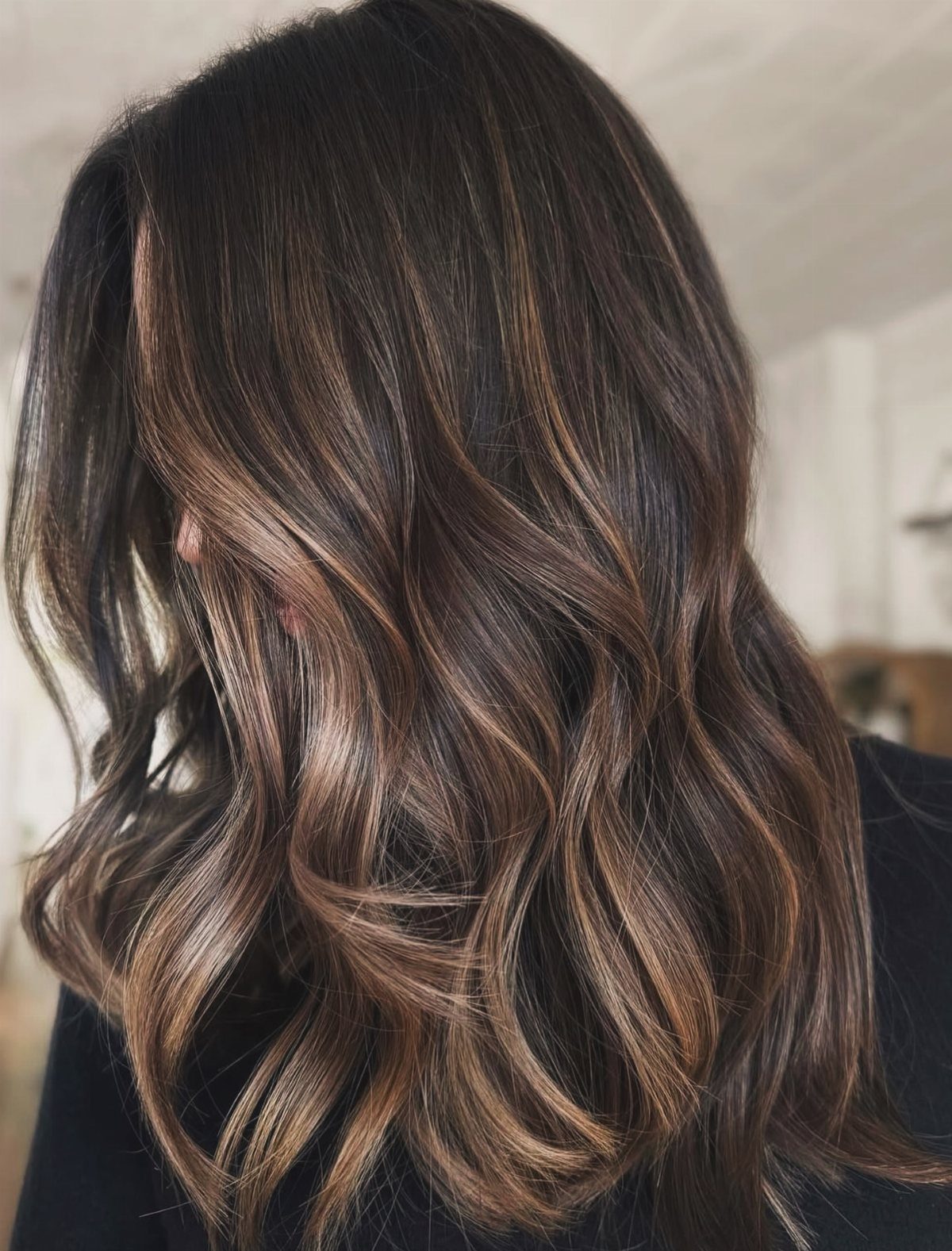
Cool undertones turn a deep caramel from sweet to sophisticated. On dark hair, the highlights read as polished rather than golden, which suits cool and neutral complexions especially well.
Ask for dark caramel with cool tones and say you don’t want warm or brassy shifts.
Long, wavy hair gives dark caramel highlights the most room to work, because every bend in the wave shows a different depth of color as you move. A clear gloss helps the shade look rich.
9. Warm Brunette Balayage
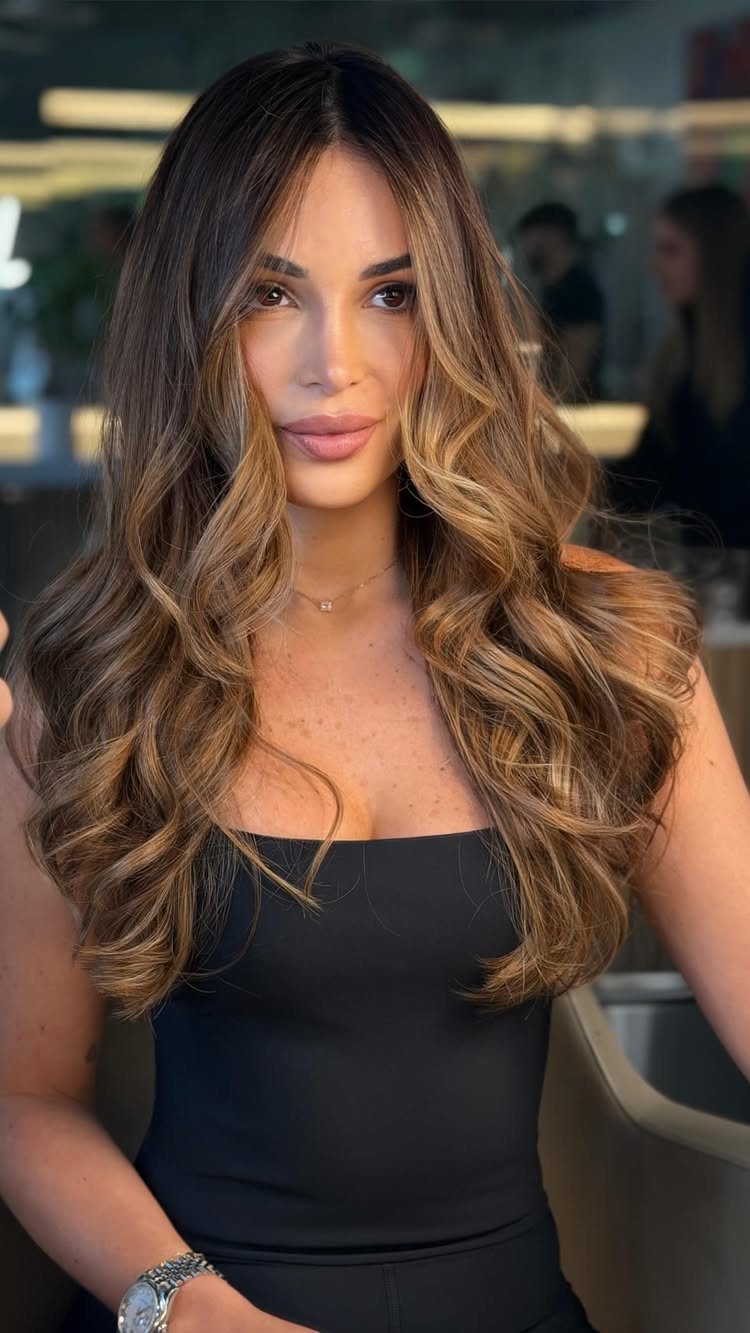
Chocolate brown stays in charge here, with caramel painted through it so the two tones read as one warm, candy-colored blend. It’s a gentle first step into color for brunettes who don’t want to lose their depth.
Ask for balayage that pairs chocolate brown with warm caramel, and bring a photo so the placement is clear. Loose, long waves let the balayage ribbons catch light at different angles, so the warmth looks dimensional instead of flat.
10. Caramel Highlights
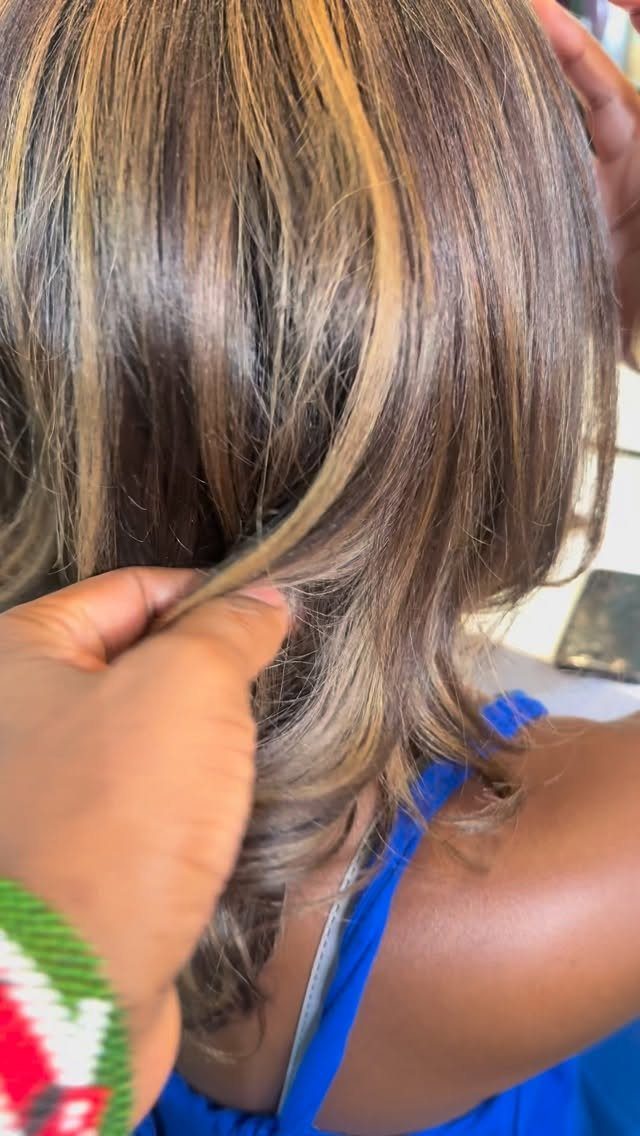
Only select strands go caramel, so the base stays dark and the brightness arrives in thin streaks. Pale pieces around the face are a smart addition: they lift the complexion without touching the rest of the color.
This is the version I’d suggest for anyone nervous about a big change.
Ask for caramel highlights on a brown base, and add a few lighter face-framing pieces if you want more glow. Layers help the streaks show.
11. Light Cool Caramel
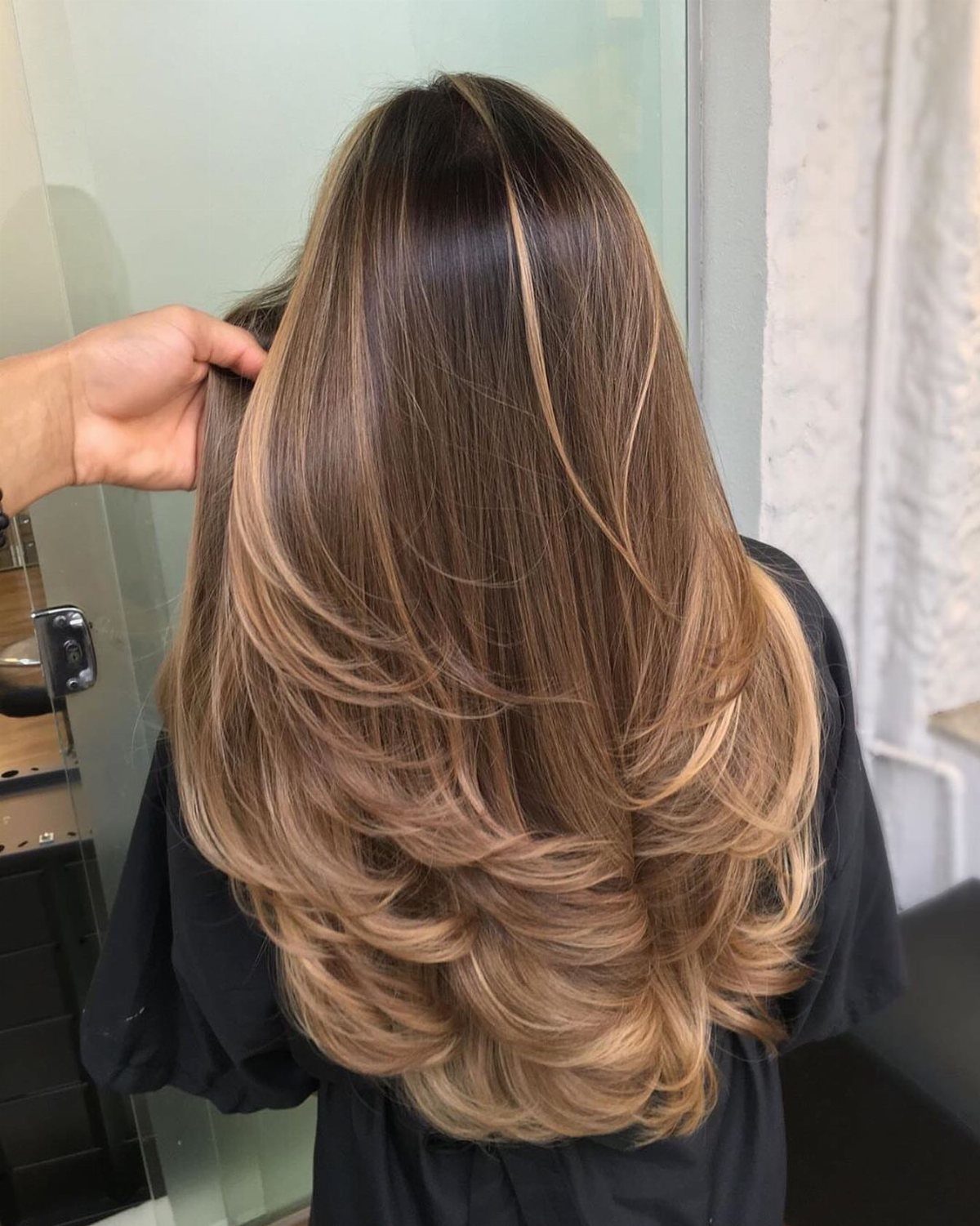
Creamy cool tones pull the gold out of caramel blonde, leaving a soft, pale shade that sits comfortably against dark roots.
Curls suit this fade well: each ringlet sits at its own depth, so the shift from darker roots to light caramel ends reads as soft and layered.
At the salon, ask for light caramel with a cool, creamy finish and a melted root, so there is no hard line as it grows out.
Layers keep the ends airy. I’d pick this over a warm caramel if gold tends to look yellow on you.
12. Medium Caramel Blonde
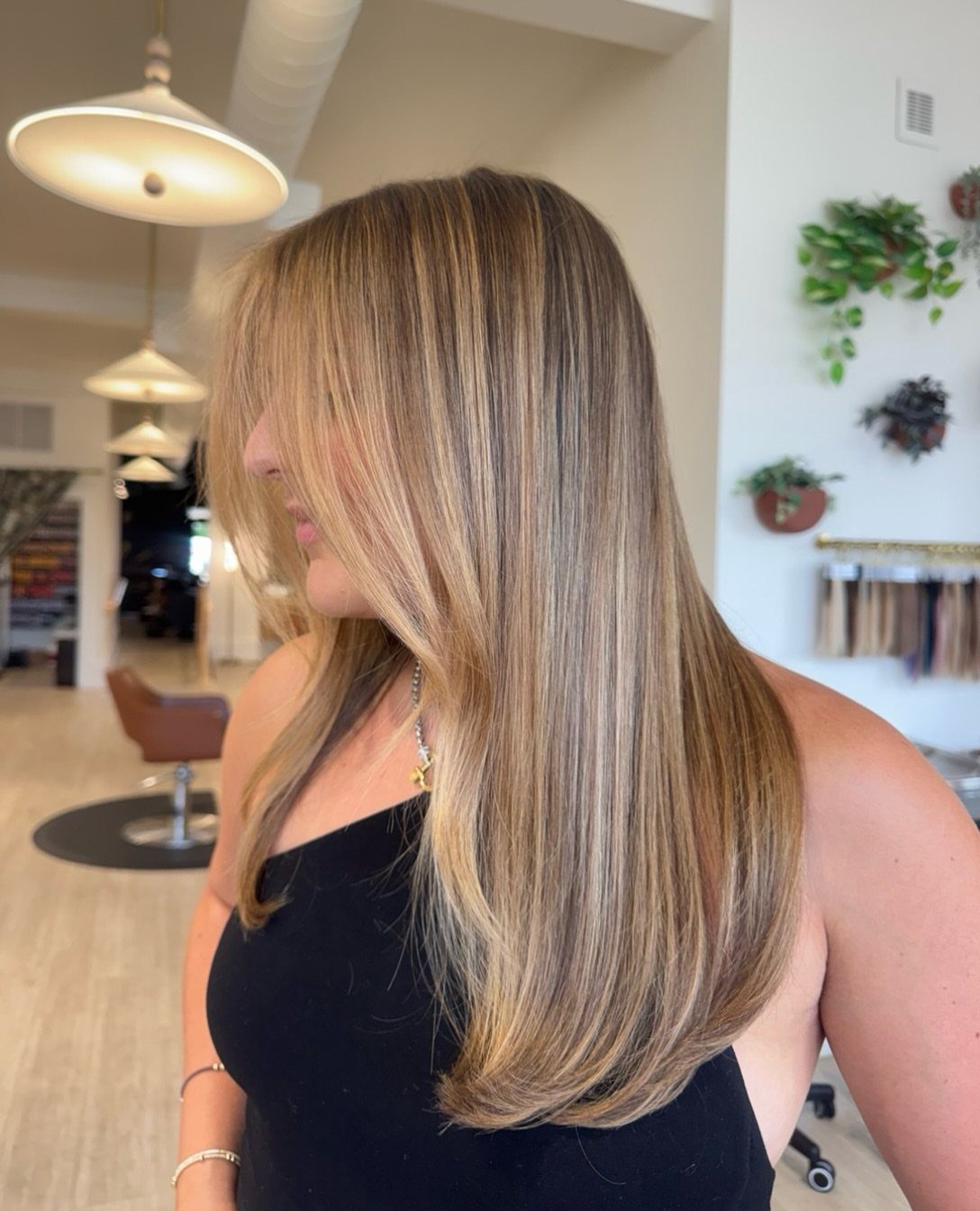
Right between dark and light blonde, this medium caramel is the easy middle choice. It reads as blonde without the upkeep of going very pale, and soft lighter pieces add some dimension.
Ask for a medium caramel blonde base with a few lighter highlights, and keep the finish sleek and straight. Straight hair shows the shade evenly, though it also shows uneven color, so a precise application matters.
13. Honey Caramel Highlights
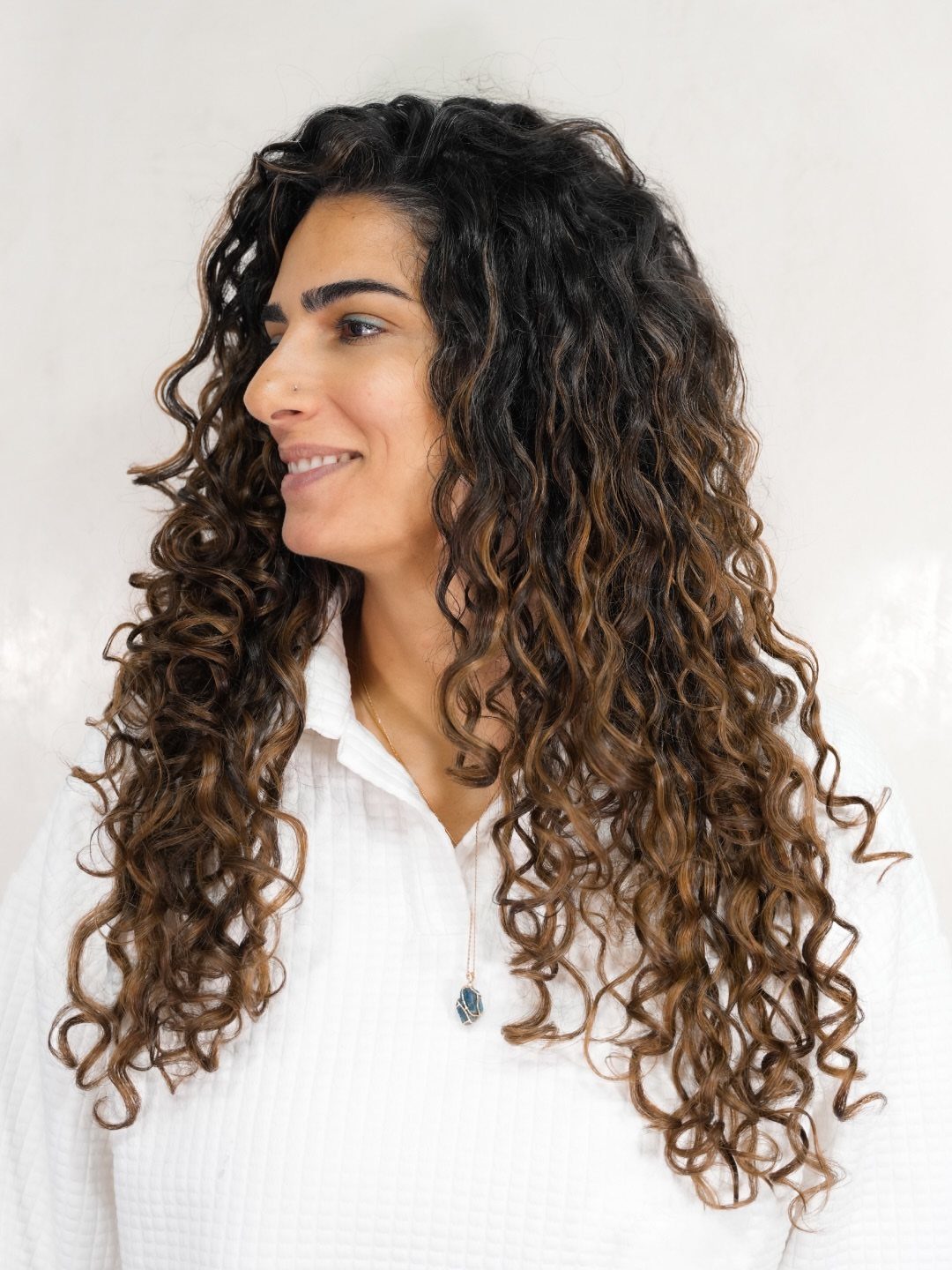
Warm honey-caramel streaks over deep brown curls give off an autumn glow, the color of late-afternoon light on a kitchen table.
Because the base stays dark, the brightness lands only where the highlights sit, and curls spread them around the head in small pockets.
On a dark brown base, the words that matter are "warm" and "bright": honey-caramel streaks that lean golden, with no ash toner pulling them cool. I’d keep the curls defined, since that is where the color shows best.
14. Honey Caramel Ombre
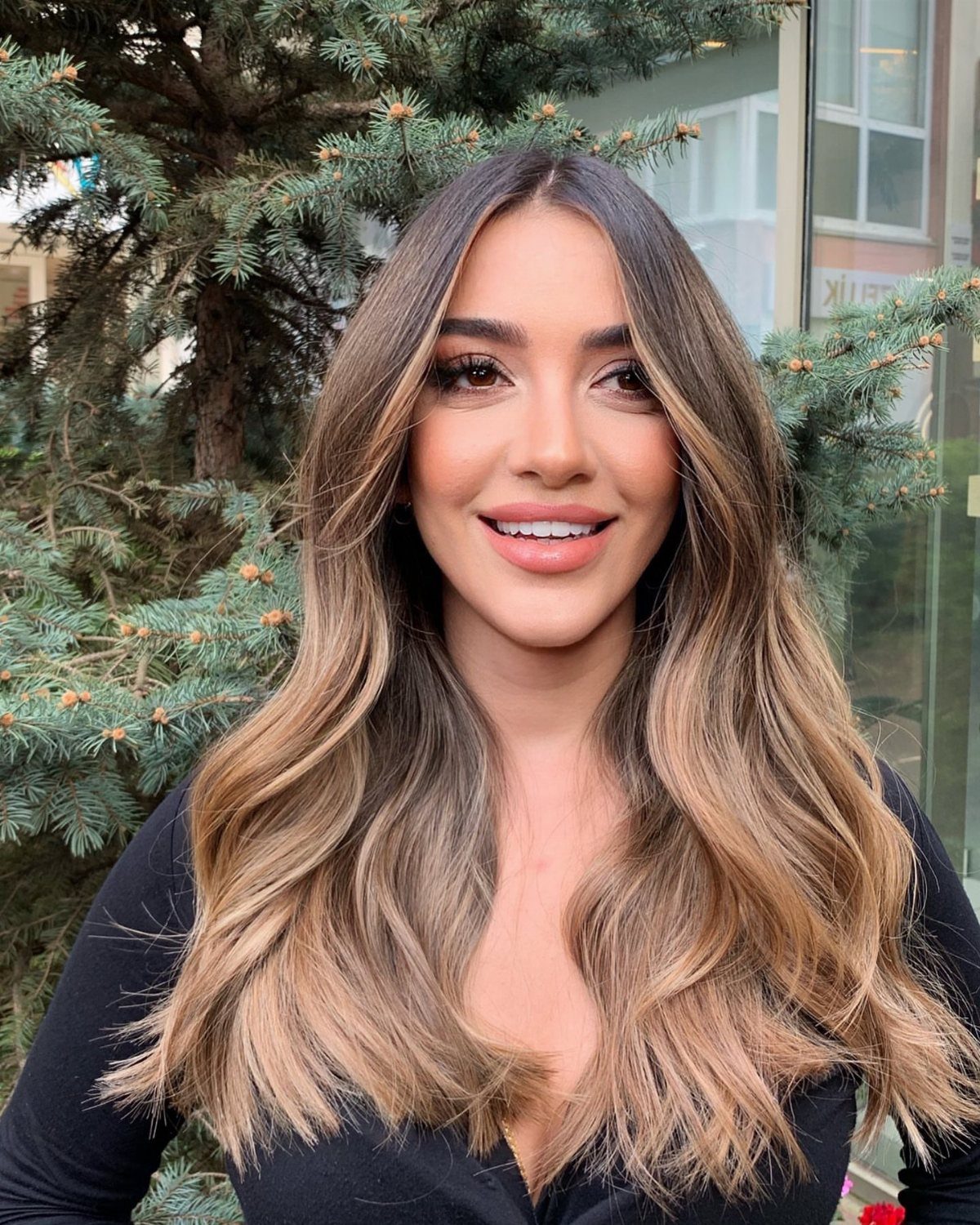
Deep brown roots that melt into amber caramel ends make this ombre the low-pressure way to go lighter. With the darkest part left at the top, a new growth line never really appears, and the warmth builds toward the ends.
A photo settles where the color should begin, so bring one showing a gradual melt from brown into warm caramel and point to the spot on the hair where the lightening starts.
Loose waves hide the line where one tone meets the next, which keeps the blend looking relaxed.
15. Caramel Cinnamon Hair
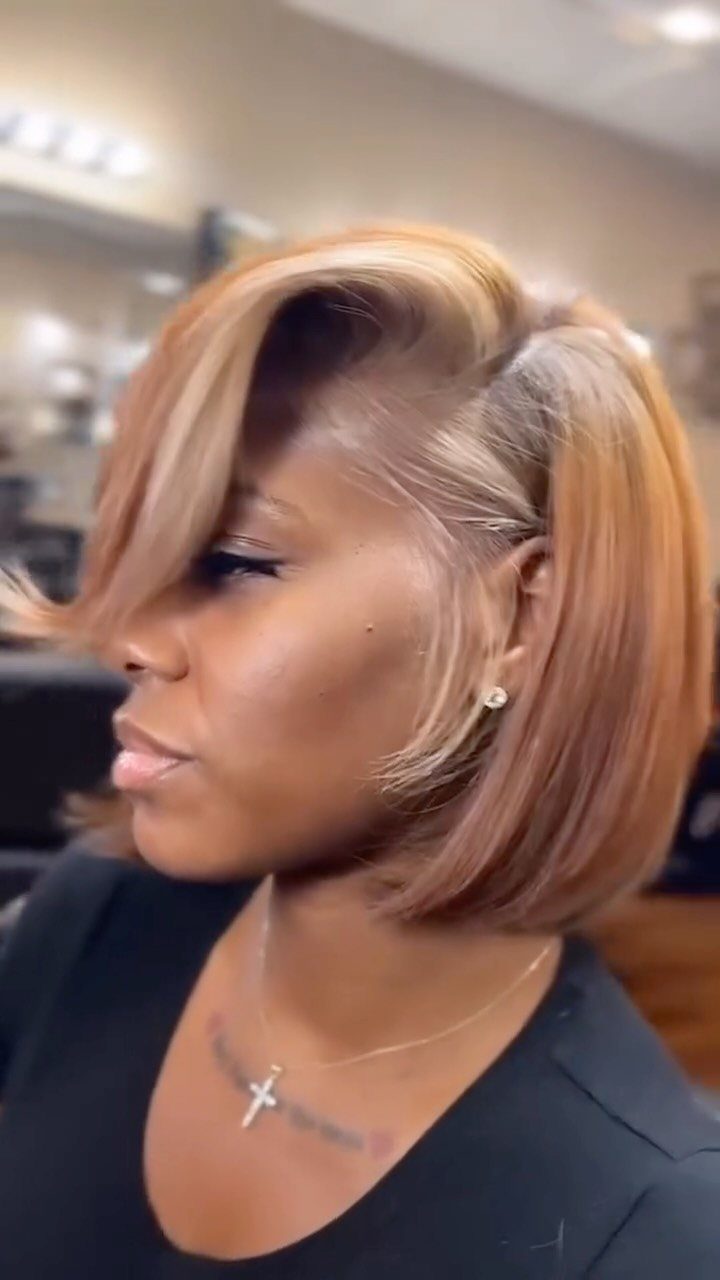
Orange undertones pushed into caramel give a coppery, cinnamon-leaning blonde that reads brighter than classic caramel.
On a bob, the shade has nowhere to hide, so every inch is visible and the color does the work a long cut would otherwise do.
Name the tone you want: caramel with copper or orange warmth, with the roots left darker.
I’d pick this for anyone bored of beige. Cool-leaning skin may prefer a softer version.
16. Bright Caramel Highlights
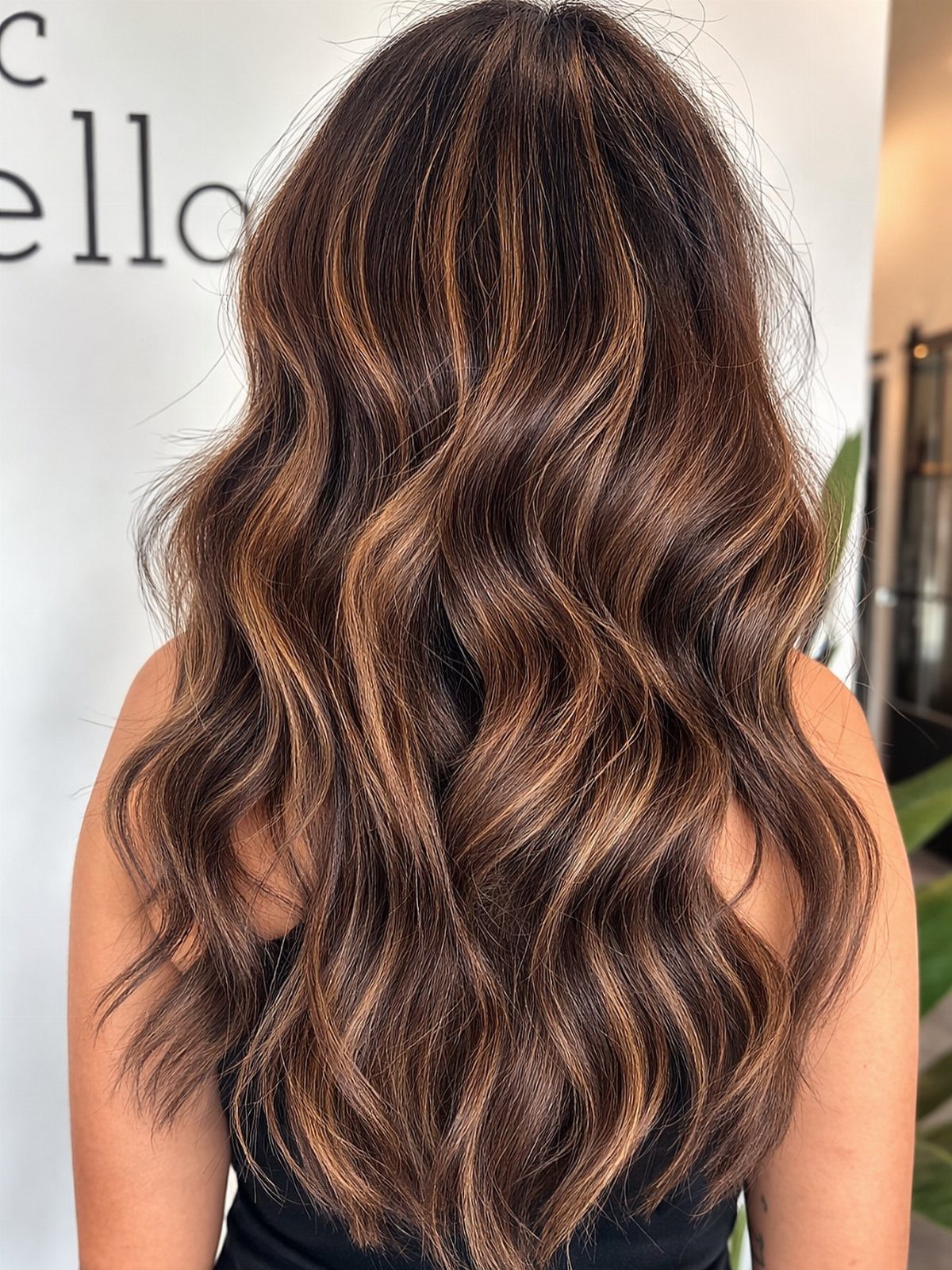
Red-brown hair is a stronger partner for bright caramel than plain brown, because the 2 warm tones push against each other and the streaks glow. A few lighter strands on top of that add another layer of contrast.
Ask for bright caramel highlights over a red-brown base, and mention that you want the base kept rich so the contrast survives. Length lets the streaks swing and catch light as you move, and they read clearly from behind too.
17. Warm Caramel Balayage
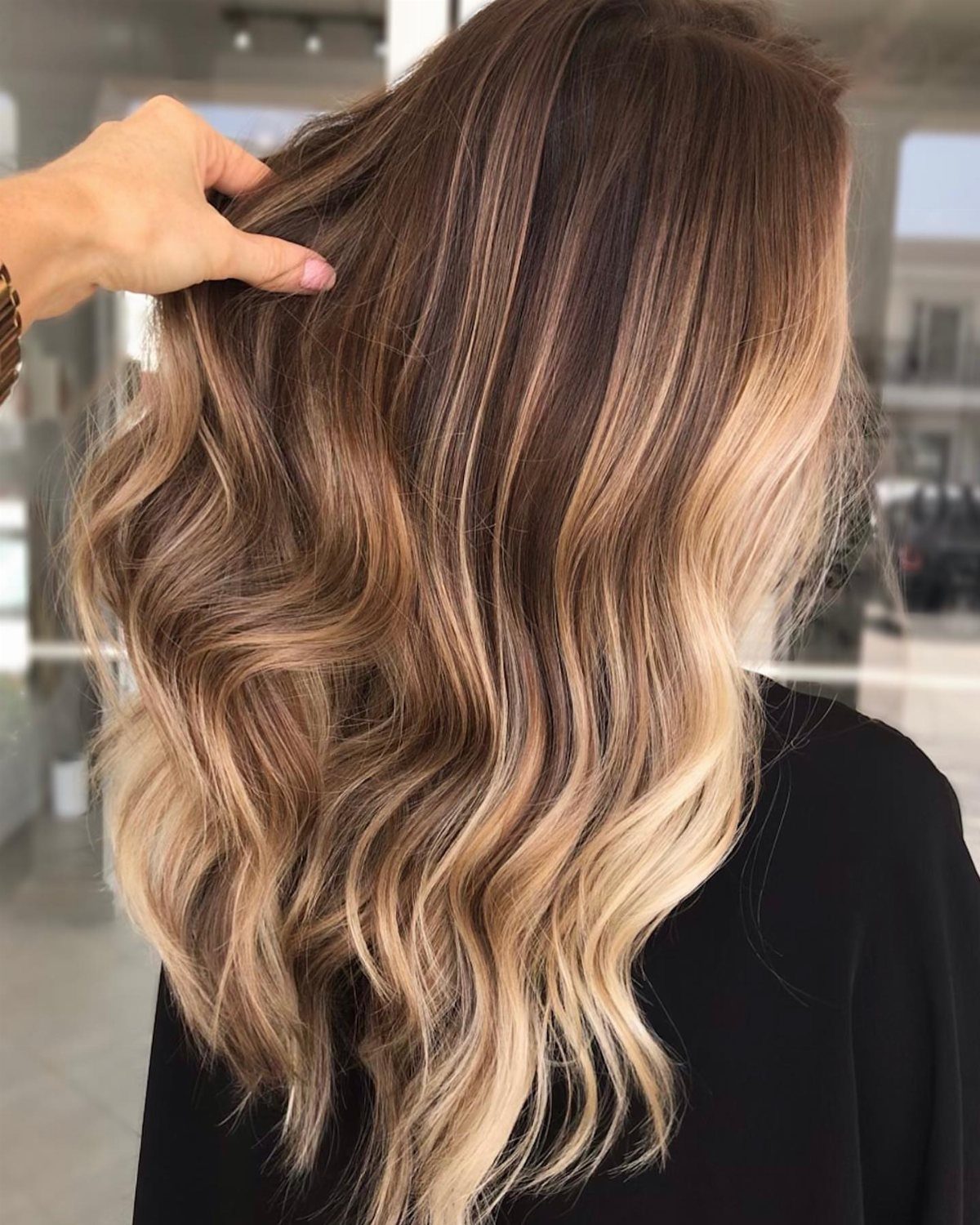
Several warm caramel shades stepping down from darker roots toward strawberry-blonde ends make this balayage feel like a slow sunset. Each shade sits close to the next, so the color moves in small steps instead of one jump.
Ask for warm caramel balayage with strawberry-blonde tones at the ends, and bring a photo of that finish so your stylist knows how far to take it. Wavy styling shows the layers of color best.
18. Caramel Babylights
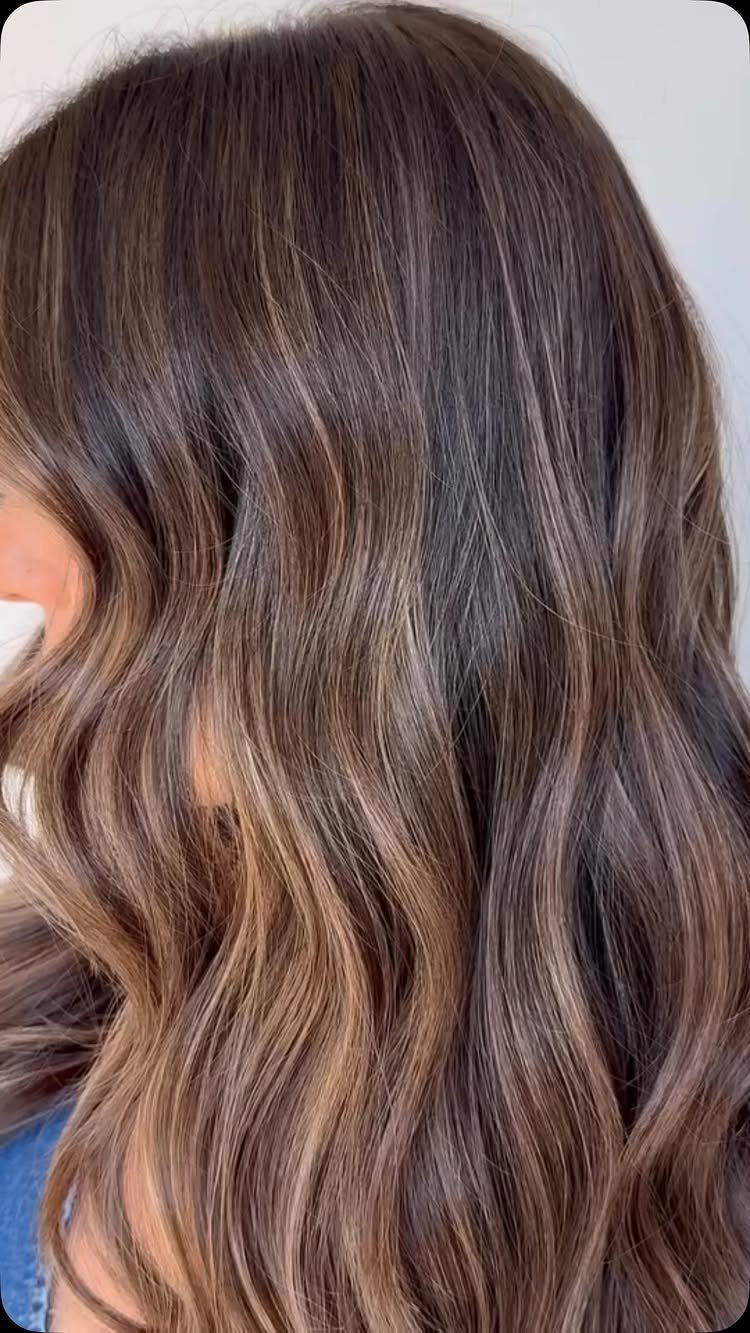
Babylights are fine, blended strands, and in caramel they add a quiet warmth to naturally dark hair. The effect is closer to spice than to blonde: nobody sees stripes, only a richer, sun-touched brown.
I’d choose this for anyone who wants the smallest possible step into color. Ask for fine caramel-brown babylights through dark hair, and keep the style in loose waves so the strands show at different depths.
19. Caramel Money Piece
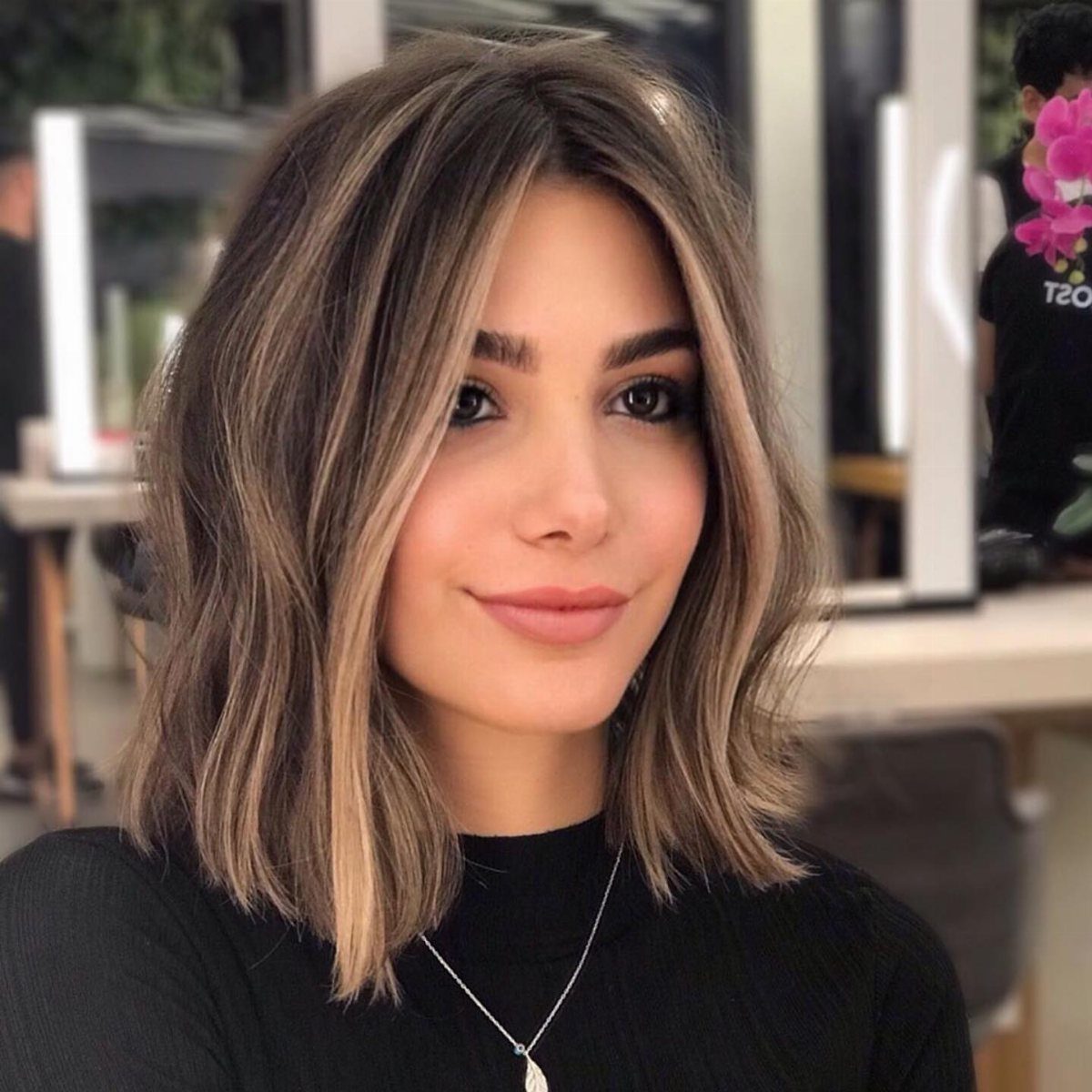
Face-framing pieces a shade or two lighter than the rest give a brunette bob real brightness without turning the whole head blonde.
Here the caramel-brown strands sit right at the front, so the glow lands on the face and the back stays brunette.
Ask for a money piece in lighter caramel-brown and say you want the rest of the color left alone.
On a shoulder-length lob, soft waves keep the contrast from looking stiff. It’s the version I’d choose for anyone testing caramel before committing to more.
20. Copper Caramel Balayage
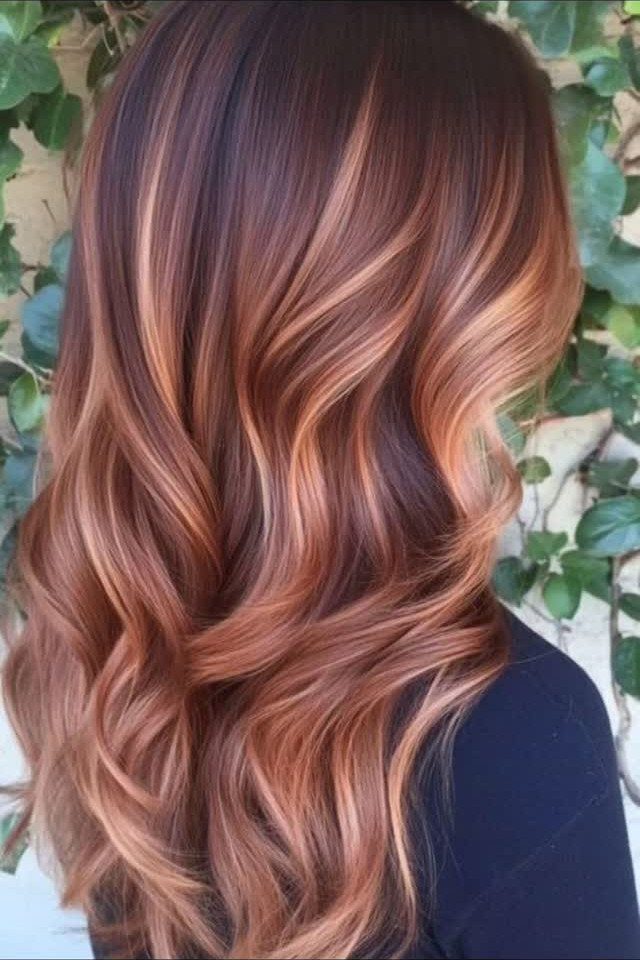
A dark copper base is what lets the caramel stand out here. Instead of blending into plain brown, the highlights sit against something redder and brighter, so the balayage reads as a statement rather than a subtle warm-up.
A copper or red base under hand-painted caramel gives you warmth with some depth, and a photo will tell your stylist how bright or how deep you want it to land.
Long, wavy hair gives the contrast room to ripple down the back. I’d choose this over a brown base if you want people to notice the color from a distance.
Choosing Undertones and Skin Tone
Start by checking which family your skin reads from. Pink, red or blue tones mean cool; yellow, gold or peach tones mean warm.
Golden, peachy or olive skin, along with spring or autumn coloring, usually looks best when the caramel keeps its gold. Cool skin tends to do better with a cooler caramel, which looks polished next to pink or rosy complexions.
Neutral undertones can go either way. In that case I’d let your current hair color and the upkeep you’re willing to take on make the call.
If you can’t tell where you land, book a consultation with a colorist before you pick a shade. Reading undertone in person is faster and more reliable than guessing from photos.
Color Care and Fading
Swap to a sulfate-free shampoo and conditioner first, since that single change slows fading and helps caramel keep its richness.
L’Oréal Paris EverPure Sulfate Free Bond Repair is one shampoo and conditioner pair I’d consider for color-treated hair, since it adds citric acid to the bond-repair formula.
Deep condition regularly to keep the hair hydrated. Lightened strands dry out faster, and dull, dry hair makes any caramel look flat.
Blue shampoo has a place, but only sometimes. Reach for it when brassy tones start to creep in, not as a weekly habit.
Keep heat styling to a minimum, and when you do use a tool, apply heat protectant and set it to low.
In strong sun, cover your hair with a hat or scarf so the shade doesn’t fade and the strands don’t dry out.
Salon Process and Upkeep
Tell your colorist what your hair is now, including any past color, and which undertone you want to end up with.
Balayage grows out softly, so the root never draws a hard line against the lighter ribbons. Foil highlights call for touch-ups at shorter intervals, so I’d pick balayage if you want to see your stylist less often.
Decide how many salon visits you’re willing to make before you settle on a shade. Between visits, a color-safe shampoo and conditioner do most of the work of preventing fade.
Frequently Asked Questions
What is caramel blonde hair?
Caramel blonde is a warm, golden color with soft caramel highlights and subtle amber hints, giving a sun-kissed look.
Mixing several caramel shades reads richer than one flat tone. A beige-leaning, softer version of caramel exists too, and it reads cooler than the usual golden kind.
What is the difference between caramel blonde and honey blonde?
Think of caramel as the deeper of the two, since it carries more brown and looks richer in the strand.
Honey sits higher on the lightness scale, with a brighter, more golden glow from its yellow base. I’d go with caramel if you want depth and honey if you want a sunnier gold.
What’s the difference between caramel highlights and caramel balayage?
Highlights put caramel on select strands in thin streaks, while balayage is hand-painted in soft ribbons that melt into the base.
Balayage grows out gently with no hard regrowth line, but foil highlights need touch-ups at shorter intervals. If you want fewer salon visits, I’d pick balayage.
How long does caramel balayage last?
It can last around 3–4 months between salon visits.
The lived-in look means the roots don’t show a harsh line as they grow in. Between appointments, a sulfate-free shampoo and conditioner made for color-treated hair will keep the tone from fading as fast.
Do caramel highlights make you look younger?
They brighten the face, though I wouldn’t promise a specific age effect. Against a dark base, those warm strands pull the eye toward your face and eyes.