The shades here run from near-white platinum and silver down to caramel, chocolate and copper, with pink ends and face-framing streaks at the playful edge.
Brownish Blonde and Dark Blonde sit close to brown hair, while Platinum Blonde, Silver Blonde and Bleached Blonde ask for far more lightening, so some of these are much easier to reach than others.
The scale runs from 1 for black up to 10 for the palest blonde, and if your goal sits more than 4 levels above your current shade, plan on bleach.
1. Ash Blonde
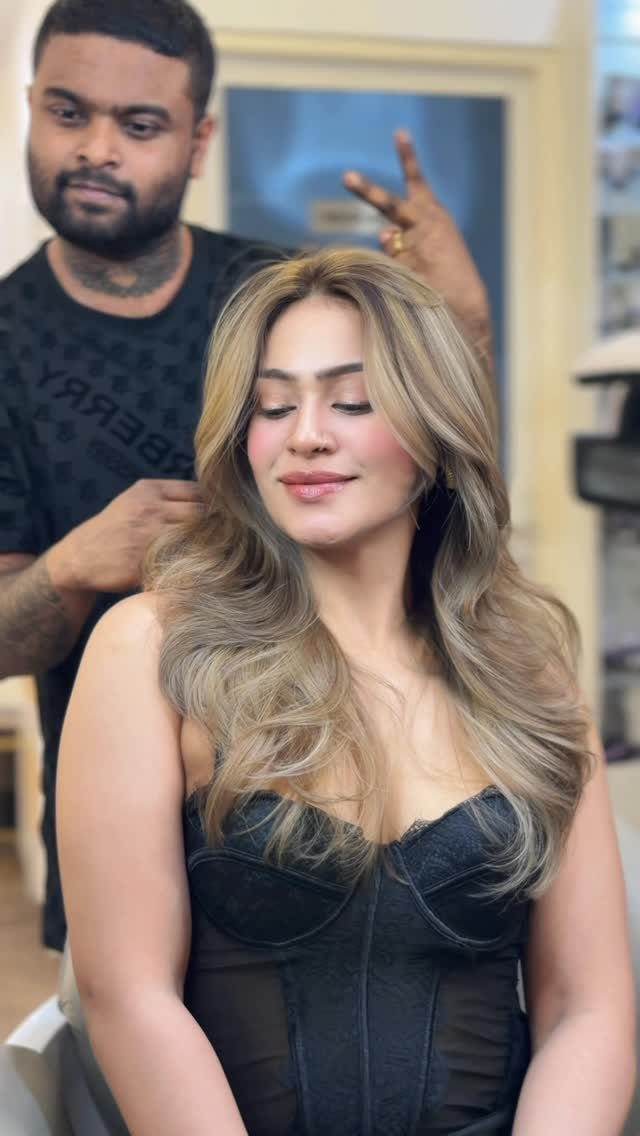
Smoky is the word I reach for with this one. Ash blonde sits on the cool side, with gray, beige, or smoky undertones in place of gold.
The long waves here lean beige, which I like because it reads softer than a flat gray.
When you save a photo for your stylist, say which undertone you want: more gray, more beige, or more smoke. Those words steer a colorist better than "ash" alone.
2. Dirty Blonde
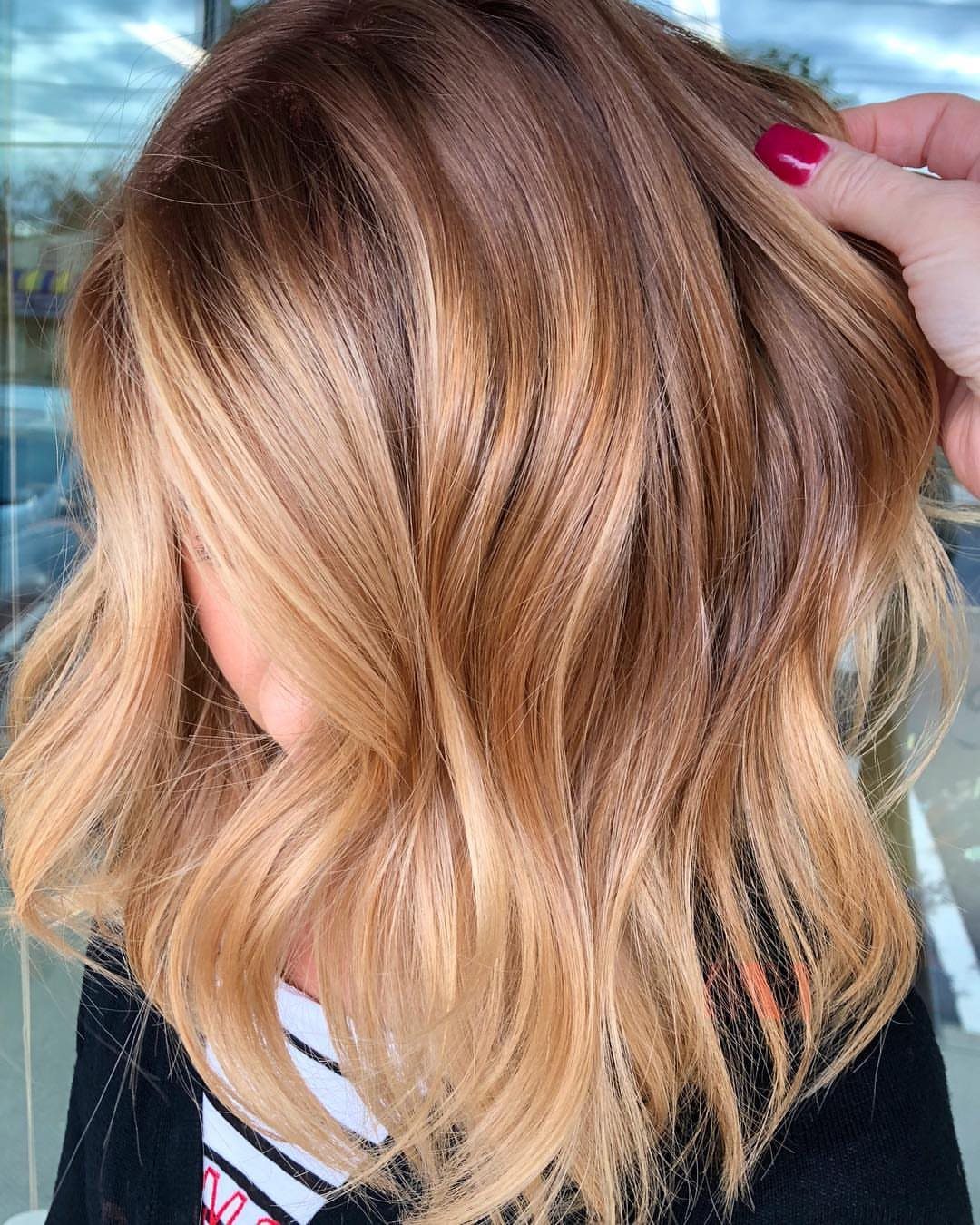
Dark roots are part of the design here. Dirty blonde is a natural-looking medium or dark blonde with deeper, often contrasting tones running through it.
In this medium-length wavy cut, the lighter highlights sit against brown instead of fighting it, and that contrast is what I like most.
Decide how much brown you want left visible and say so at the appointment, since that decides whether it reads as dirty blonde or simply as highlights.
3. Platinum Blonde
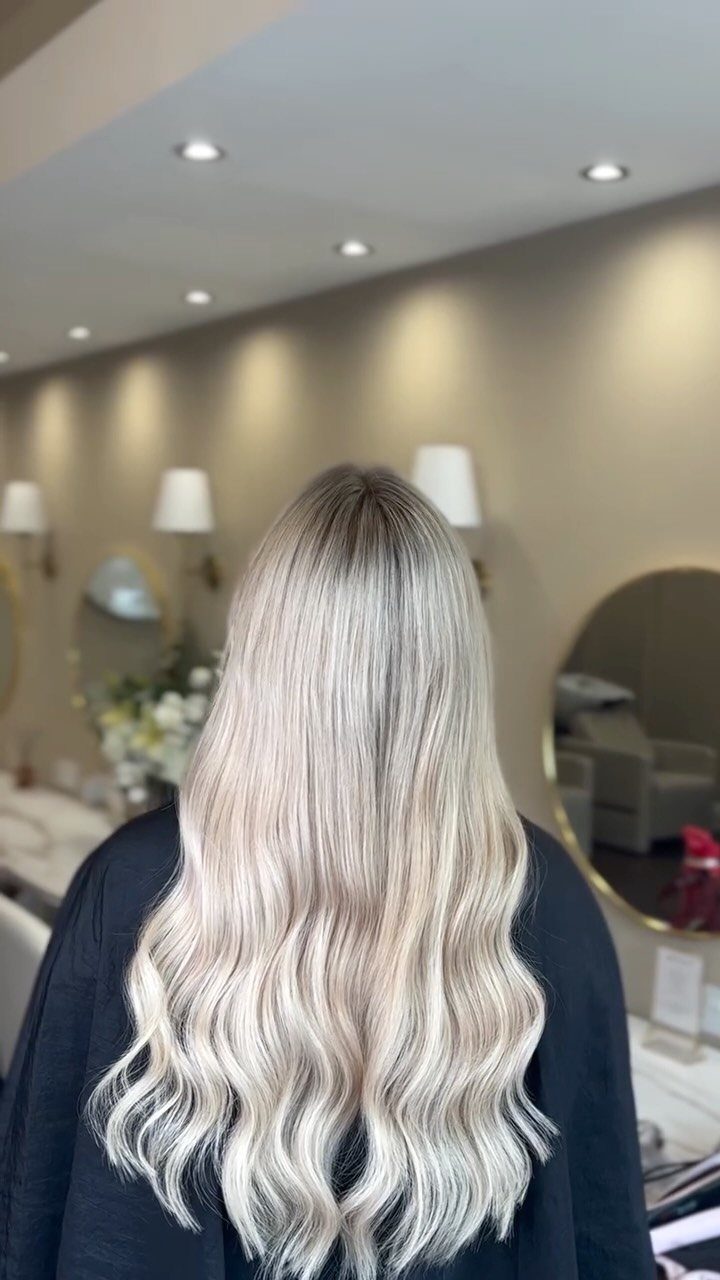
Silvery, nearly white, and unmistakably cool: platinum is the most extreme shade of blonde. Loose waves give a color this light some movement so it doesn’t read stiff, and I think that’s the right way to wear it.
I’d choose it only when you’re after a color that is the first thing anyone notices. Ask for platinum by name, with a photo in hand so the colorist sees exactly how white you mean.
"Solange’s platinum level 10 is one of the most requested blondes and the hardest to achieve," says Liz Jung, a colorist at Mare Salon in West Hollywood, California.
— Allure
4. Honey Blonde
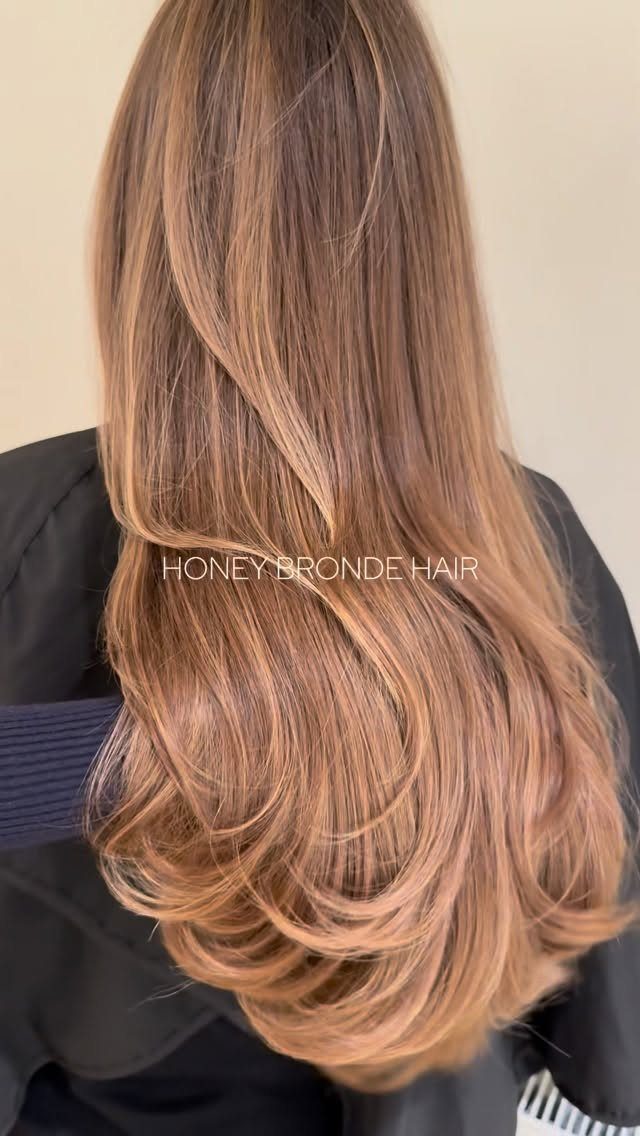
Warm gold is what sets honey apart from every other blonde. The tones lean toward actual honey, glowing instead of pale.
Warm highlights and softly curled, layered ends show that off well, because curls let the color shift from strand to strand.
When you book, say "honey" and "warm," and keep "ash" out of the conversation, since the two pull in opposite directions.
5. Strawberry Blonde
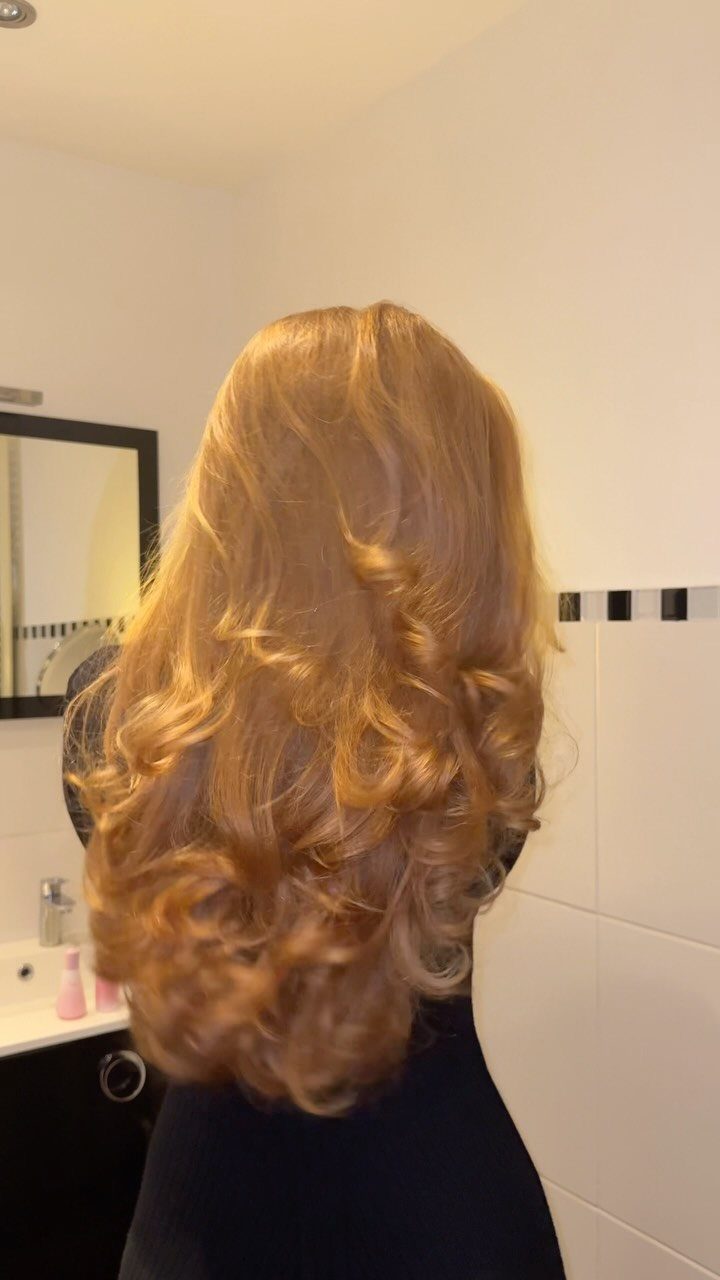
Part blonde, part red: strawberry blonde lives where gold meets copper. That warm blend gives strawberry blonde its instantly recognizable look.
Curls show both tones as they turn, so I’d pick this shade for textured hair.
If plain blonde looks flat to you, this is the one I’d try first. Tell your stylist how much copper you want, because that one detail changes the whole look.
6. Caramel Blonde
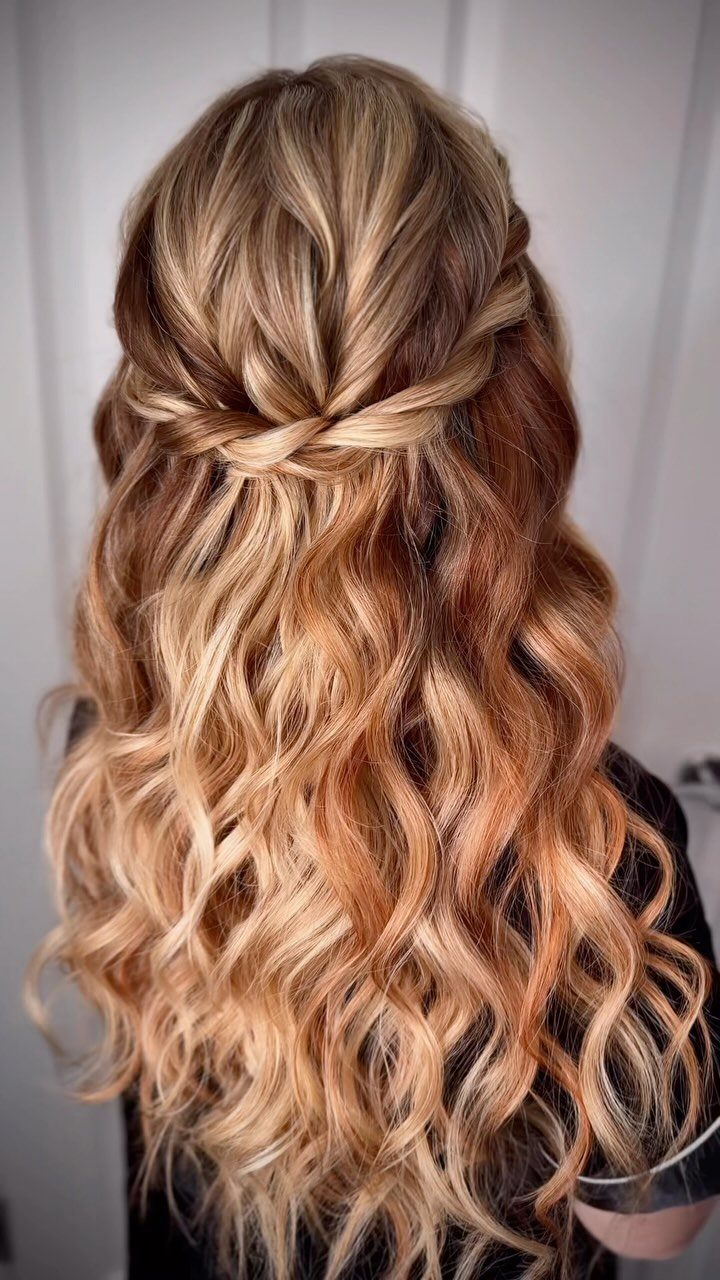
Richer and deeper than most blondes, caramel is the darker end of the warm family, with golden or honeyed tones throughout.
A half-up braided twist is how I’d wear it, since it shows the lighter and deeper tones at once.
The style pulls color around the face and lets the long waves fall below. If you’re nervous about going too light, caramel gives you blonde without the jump.
7. Bronde
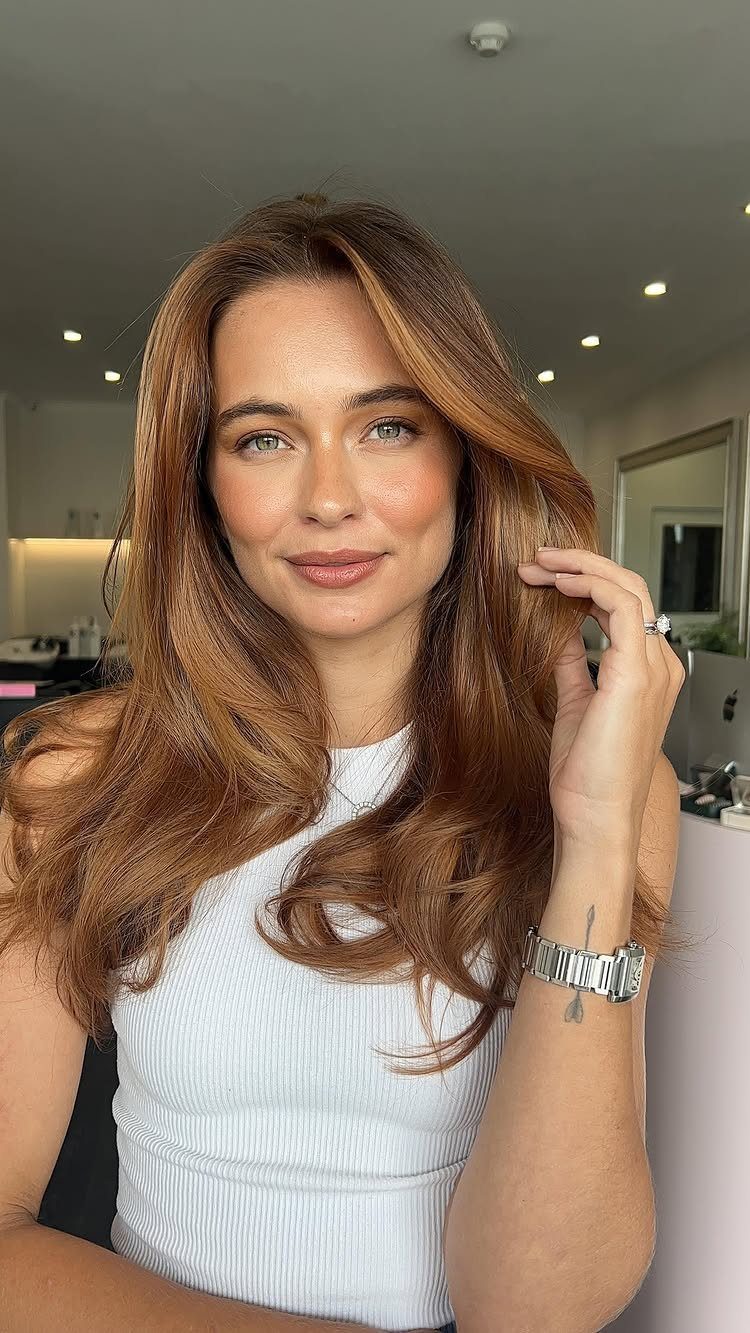
Brunette and blonde meet in the middle here, blended instead of split into 2 camps. Long waves are a good way to wear bronde, since the brown and golden strands keep trading places as the hair moves.
Ask for "bronde" by name and bring a photo. Then say whether you want more brown or more gold, because that ratio decides how close you land to brunette or blonde.
8. Brownish Blonde
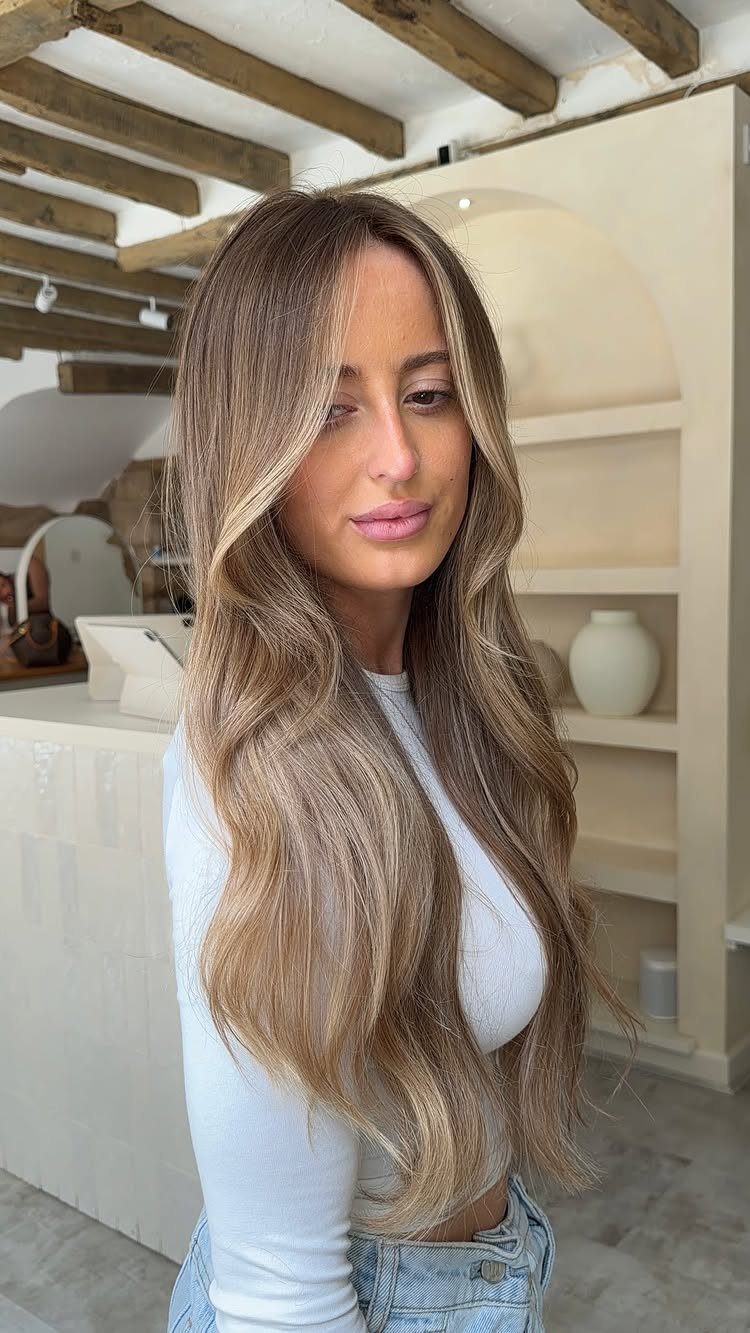
Darker roots that warm into blonde as they go down: that’s the whole appeal for me. Nothing about it looks like a sharp line, which is why long, loose waves suit it.
At the appointment, ask for "warm" and "brownish blonde," and decide how deep you want the roots to stay. I’d keep them visibly darker, since that is what makes the color read as natural.
9. Dark Blonde
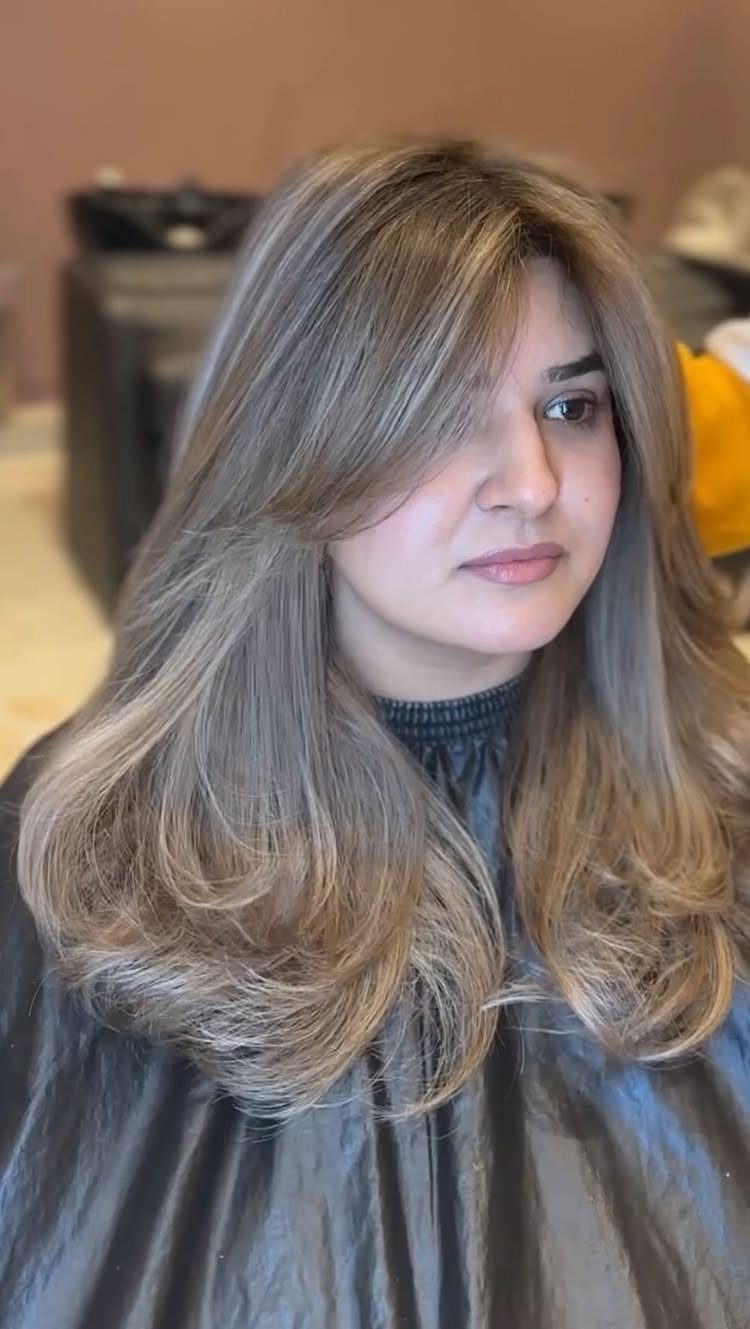
Name its neighbors when you ask: darker than the lighter blondes, lighter than bronde. That placement is the clearest way to describe dark blonde to a colorist.
Long layers with a few lighter highlights, like the cut here, keep a deeper shade from looking flat.
I’d choose this if you want to be called blonde without going pale. Tell your stylist how many highlights you want, a few or a lot.
10. Dark Natural Blonde
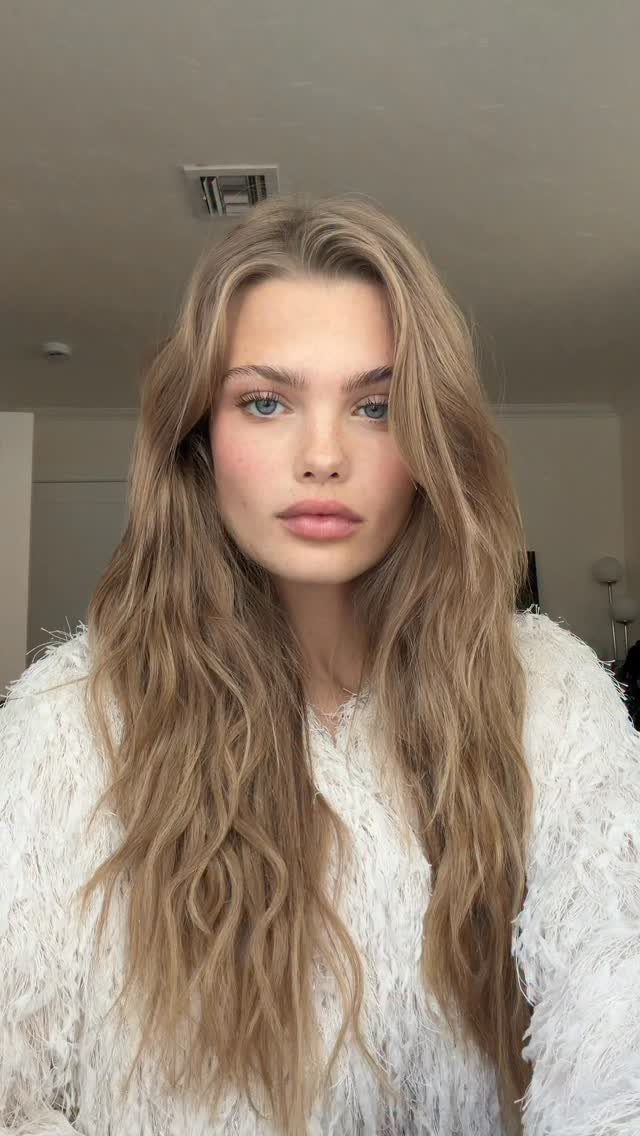
A center part and long waves keep dark natural blonde looking clean and unforced. The color is a classic dark blonde level, and it reads as the shade you might have been born with.
Use the word "natural" when you book, and bring a photo. That tells the colorist you want depth and softness instead of bright, obvious highlights.
11. Silver Blonde
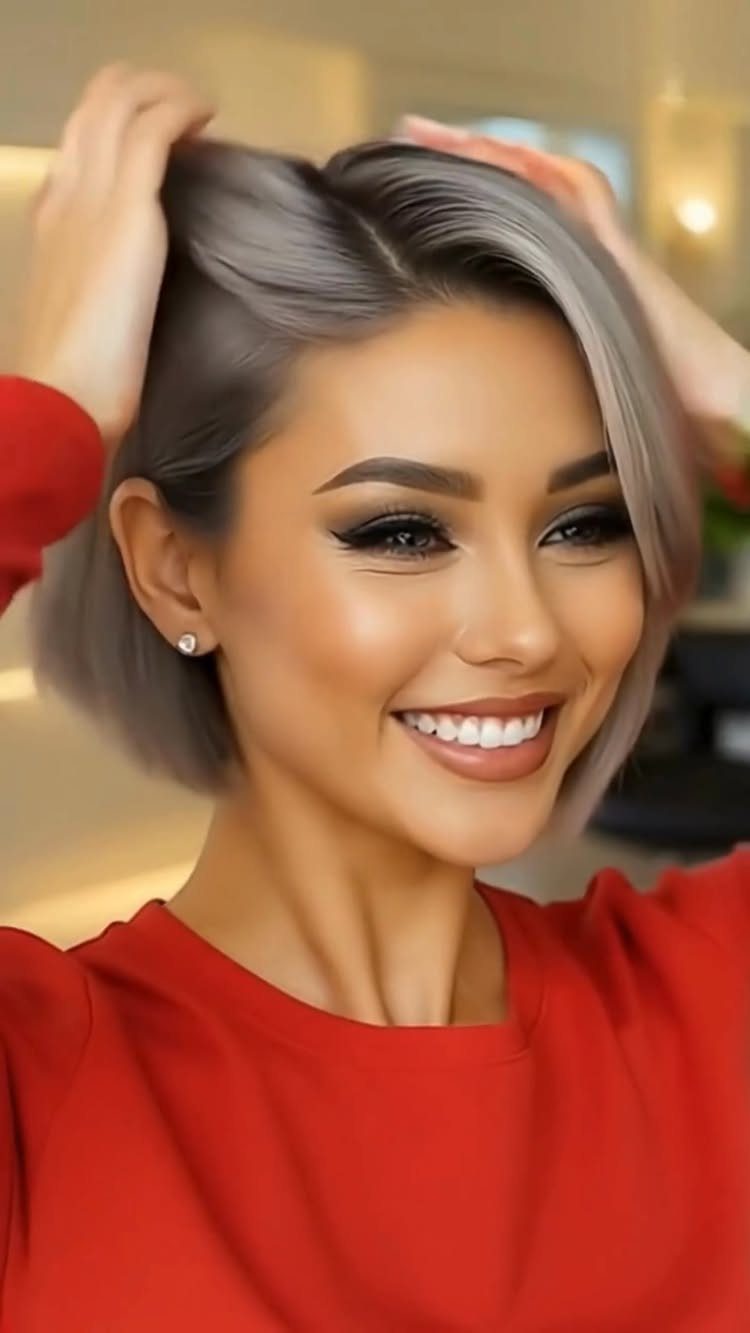
Metallic and cool, silver blonde runs darker and grayer than platinum. Say "silver" when you book, not "platinum," or you may leave with something whiter than you pictured.
A short bob with a side part shows it off, and the dark root is part of the look instead of a flaw. I like it best when the root is left visible, because it makes the silver look chosen.
12. Beige Blonde
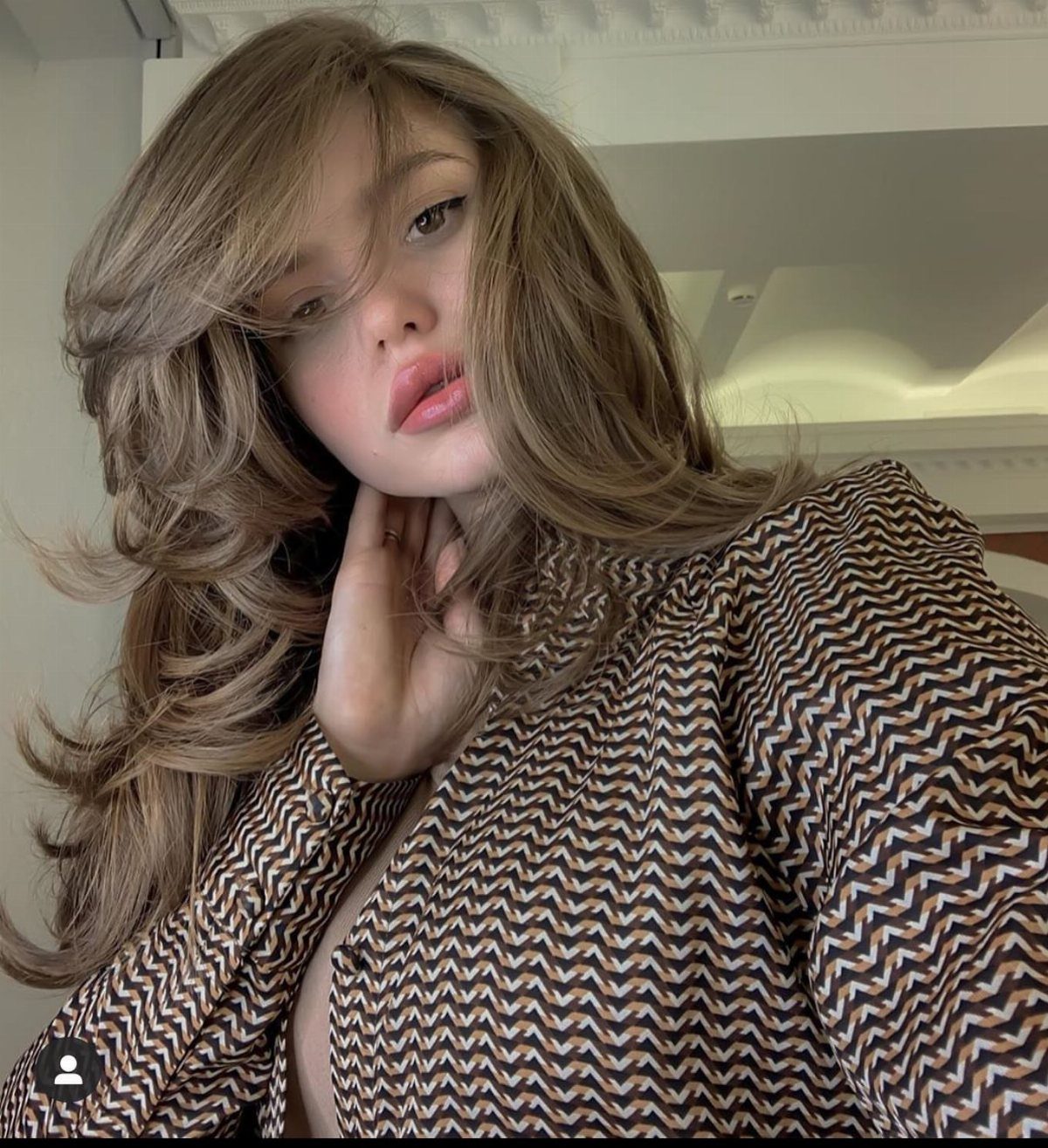
Neither gold nor ash, beige blonde sits at a balanced or cool temperature. It is often built from darker roots and lighter highlights, which gives long, layered hair some depth.
When you ask, say "beige" and tell the colorist whether you want it balanced or cooler.
Those 2 words matter more than "blonde." I’d keep the roots a shade darker, because it makes the lighter strands look richer.
13. Natural Blonde
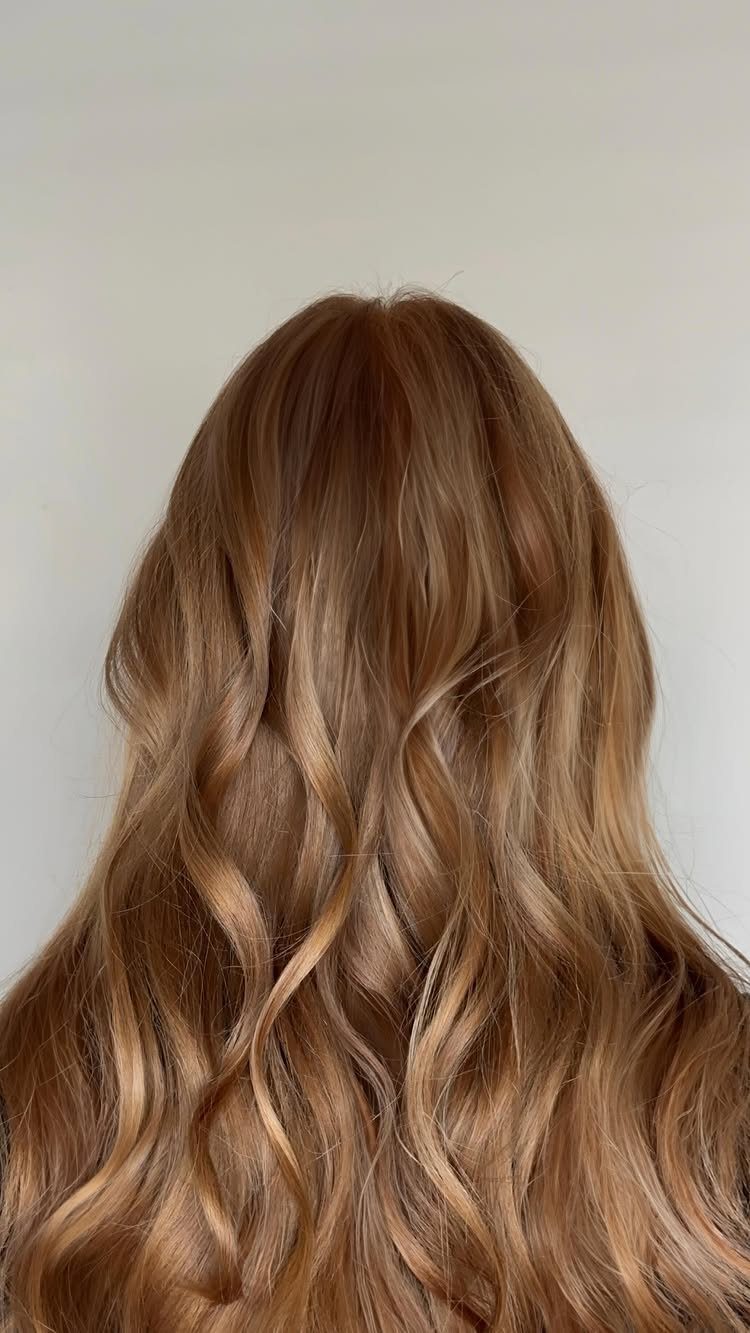
Several blondes layered at once give natural blonde its believable look. Darker roots and warm beige highlights keep it from reading as one flat color.
Long waves let those tones shift as the hair moves, which I like. Ask for "multidimensional" along with "natural" so the colorist knows you want depth, not one even shade.
14. Bleached Blonde
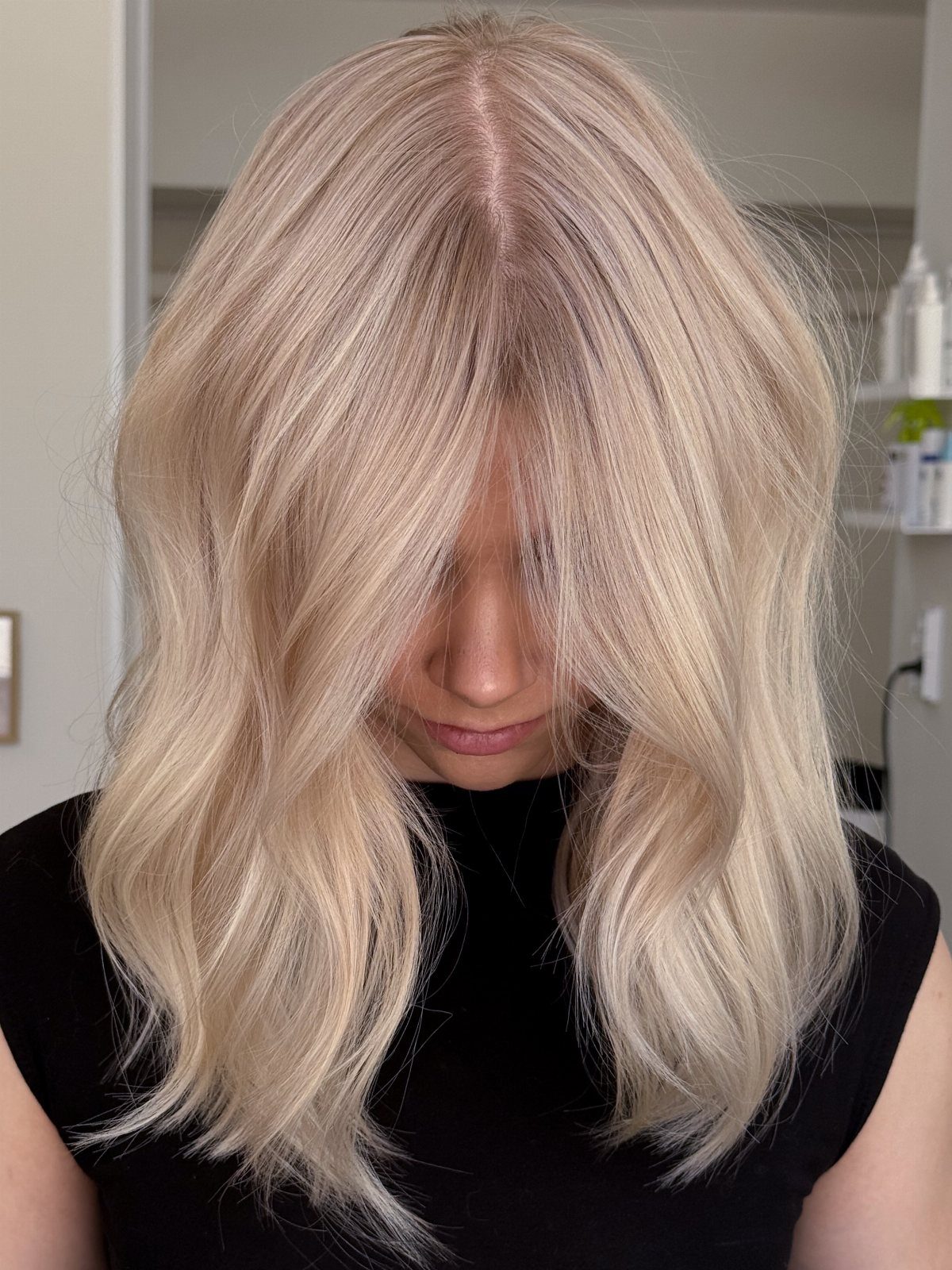
Bleached blonde is a decision about how light, so bring a photo and point to the exact level you want.
Soft waves around the face add movement to a color this pale, and loose curls keep it from looking flat against the skin.
I’d pick it only if you want the color to be the headline.
15. Dark Ash Blonde
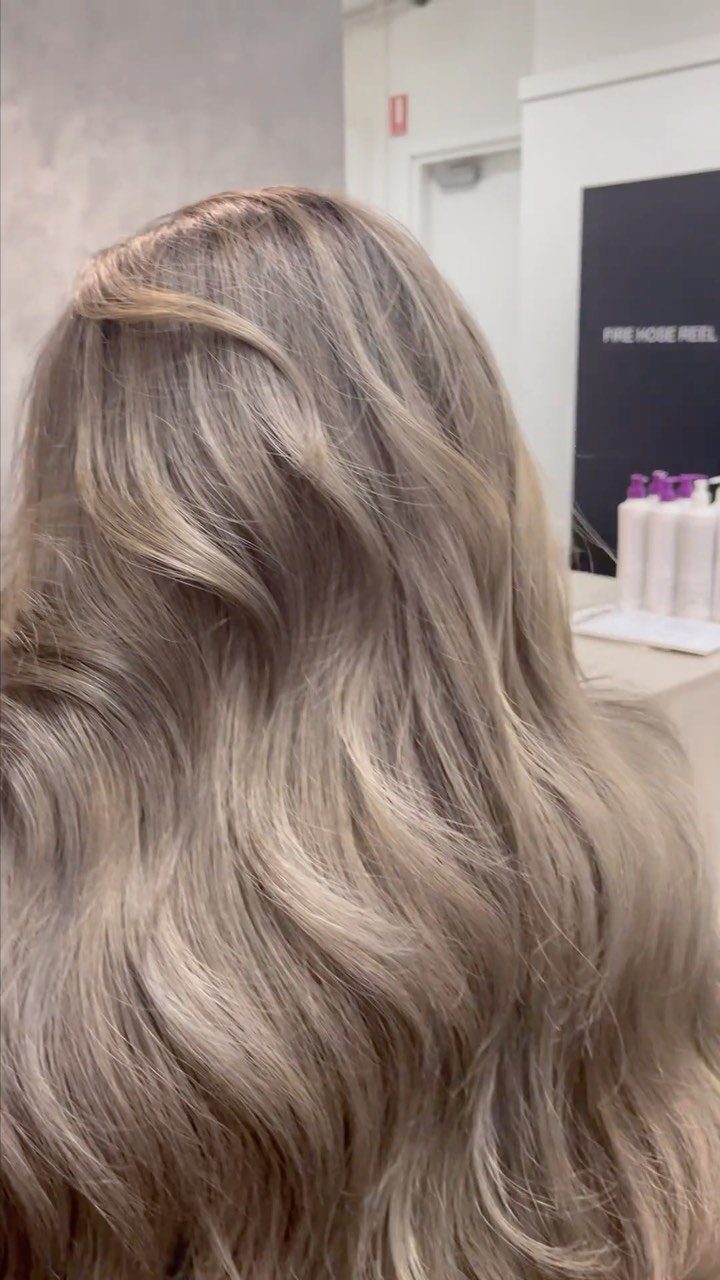
Deeper than ash blonde and just as cool, dark ash blonde keeps its smoky tone without going pale. Loose waves let the cool color read as shadow instead of flat gray.
Ask for "dark" and "ash" together, and add "smoky" if that’s the mood you want. I’d choose it if you like blonde that stays moody.
16. Sandy Blonde
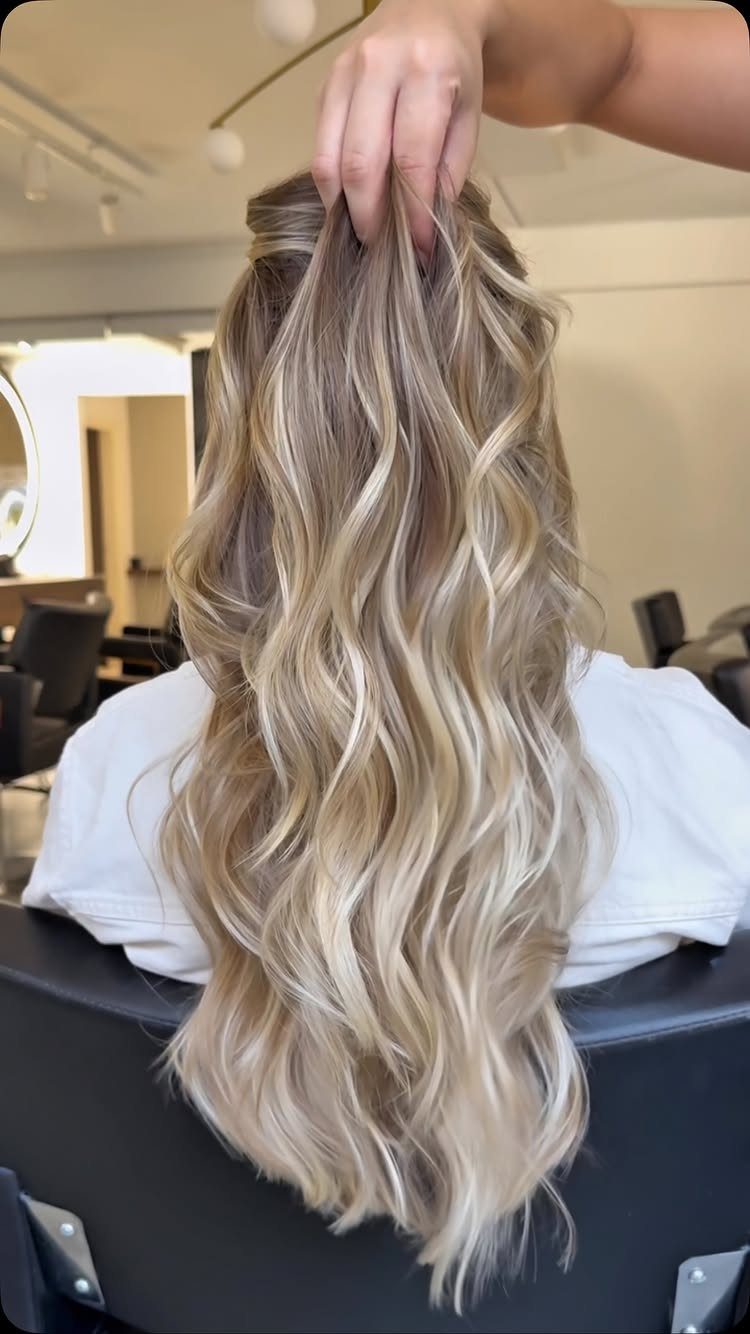
Beige and flaxen are the 2 directions sandy blonde can go, and both look natural because neither is loud. I’d reach for it when honey feels too warm and platinum too stark.
Ask for "sandy" by name, then tell your colorist which way you lean: more beige, or more flaxen. Long waves suit it well.
17. Creamy Blonde
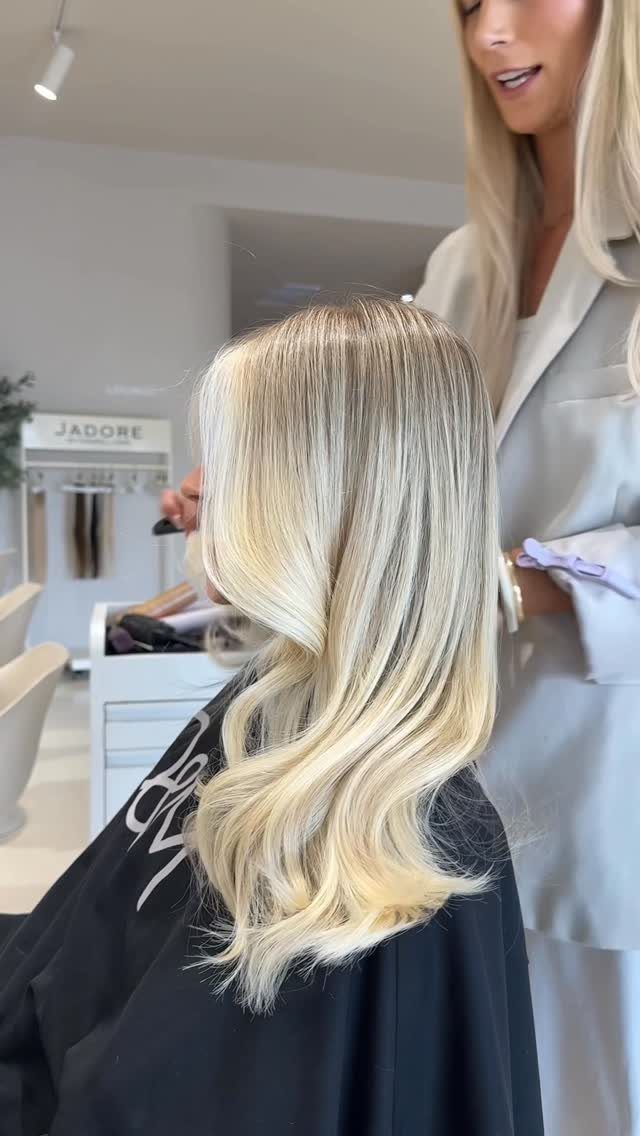
Cream sits between white and gold, and creamy blonde lives there: smooth, pale, and finished with a cool softness. The colorist behind this look toned it with a 10.3, which they described as straight gold.
That detail is worth passing along if icy white feels too cold for you. Say "creamy," bring a photo, and let loose waves show off the finish.
18. Chocolate Blonde
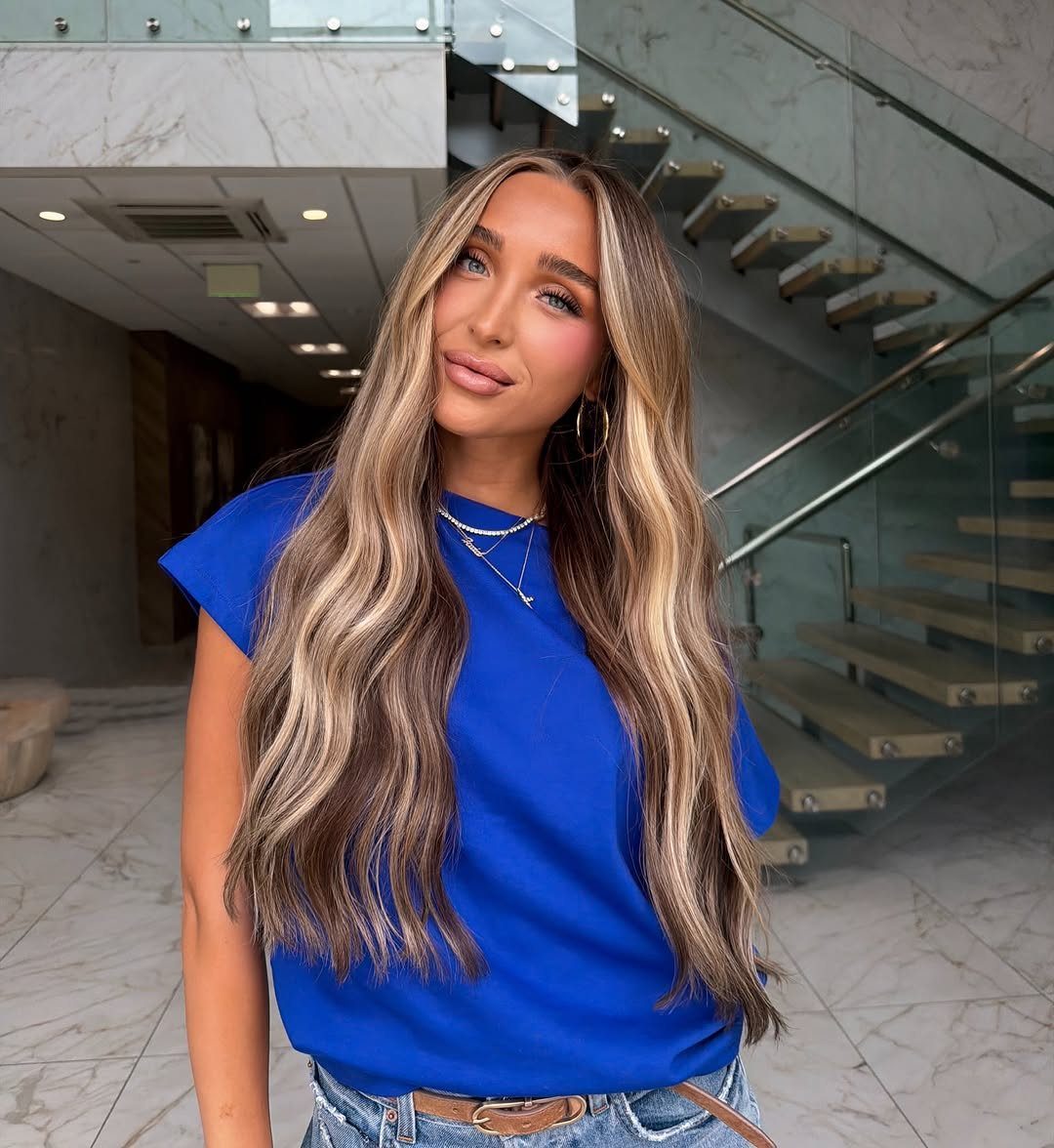
Chocolate blonde works because of the gap between a deeper base and lighter pieces woven through it, which gives the color depth instead of one flat tone. With long waves, the lighter pieces show up clearly against the deeper tone.
I’d choose it if you like caramel but want more depth. Ask for "chocolate" by name, and tell your colorist how bright you want the highlights.
19. Copper Blonde
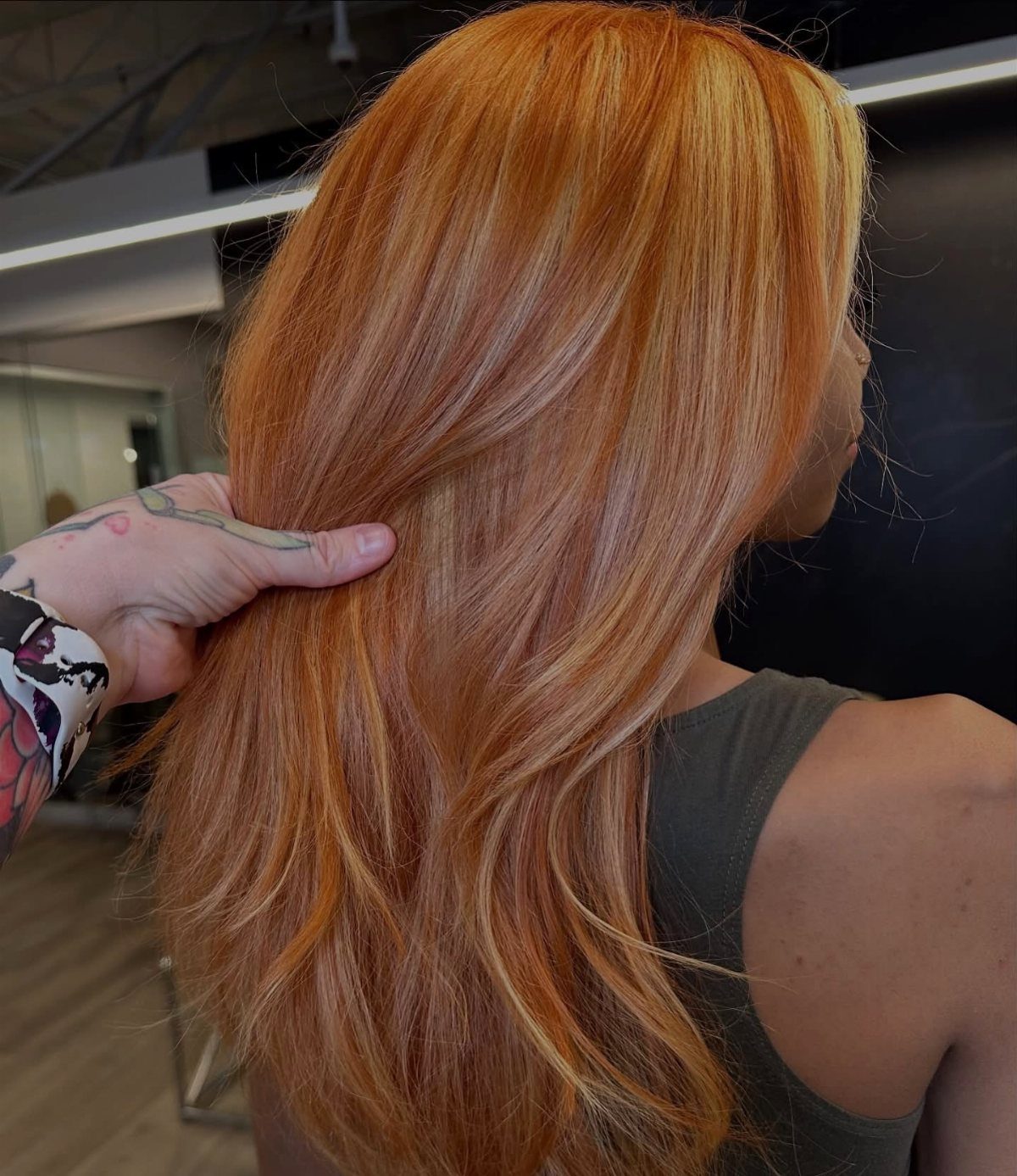
Orange and amber run through copper blonde alongside the gold, which makes it a warm blonde with real heat in it. Long hair gives those tones room to show.
I’d choose it if honey looks too yellow on you.
Say "copper blonde" at the chair, then spell out the split between orange and gold: more gold reads softer and sunnier, more orange reads bolder. Bring a photo so "copper" doesn’t turn into full red.
20. Ash Blonde Highlights
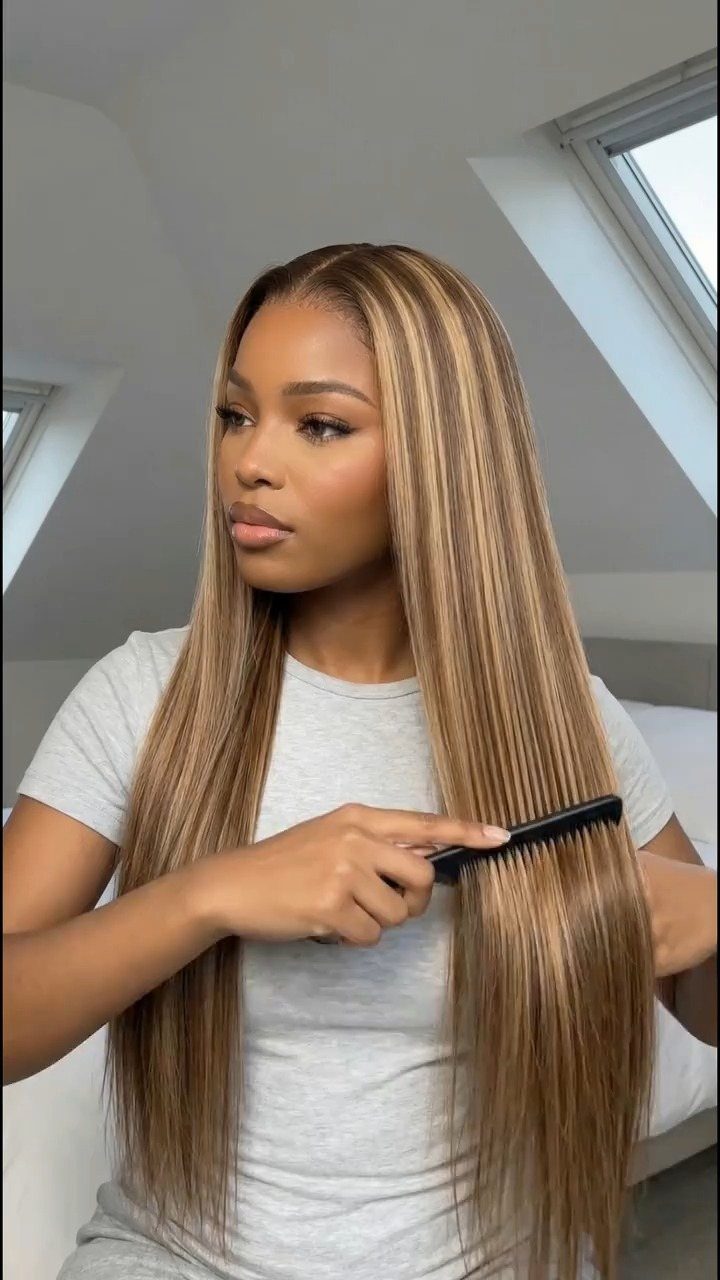
Cool blonde streaks over a warmer brown base is the whole idea here. Straight hair shows that contrast cleanly, because each highlight stays a distinct line of color.
Ask for "ash highlights" and say you want the brown left as it is.
Then decide how many you want: a few for a subtle shift, or more for a lighter overall look. I’d start with fewer, since you can always add.
21. Bronze Creamy Blonde
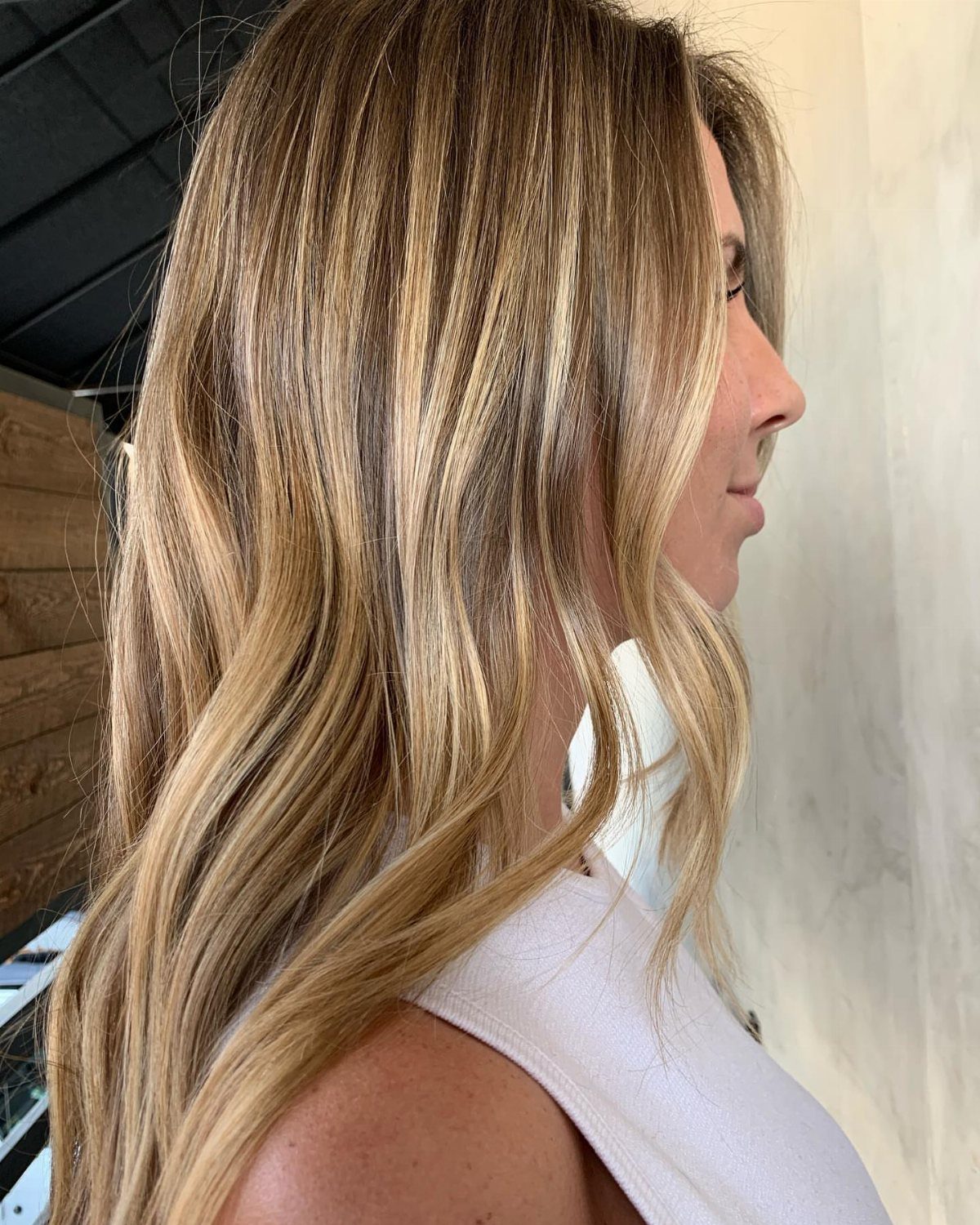
Beachy is the best word for bronze creamy blonde: light brown roots, warm honey in the middle, and creamy pieces catching the light. Long layers and loose waves let those 3 tones mix.
I like it for anyone who wants blonde but isn’t ready to lose the brown. Ask for "bronze" and "creamy" together, bring a photo, and say whether you want the honey or the cream to lead.
22. Dimensional Glowing Blonde
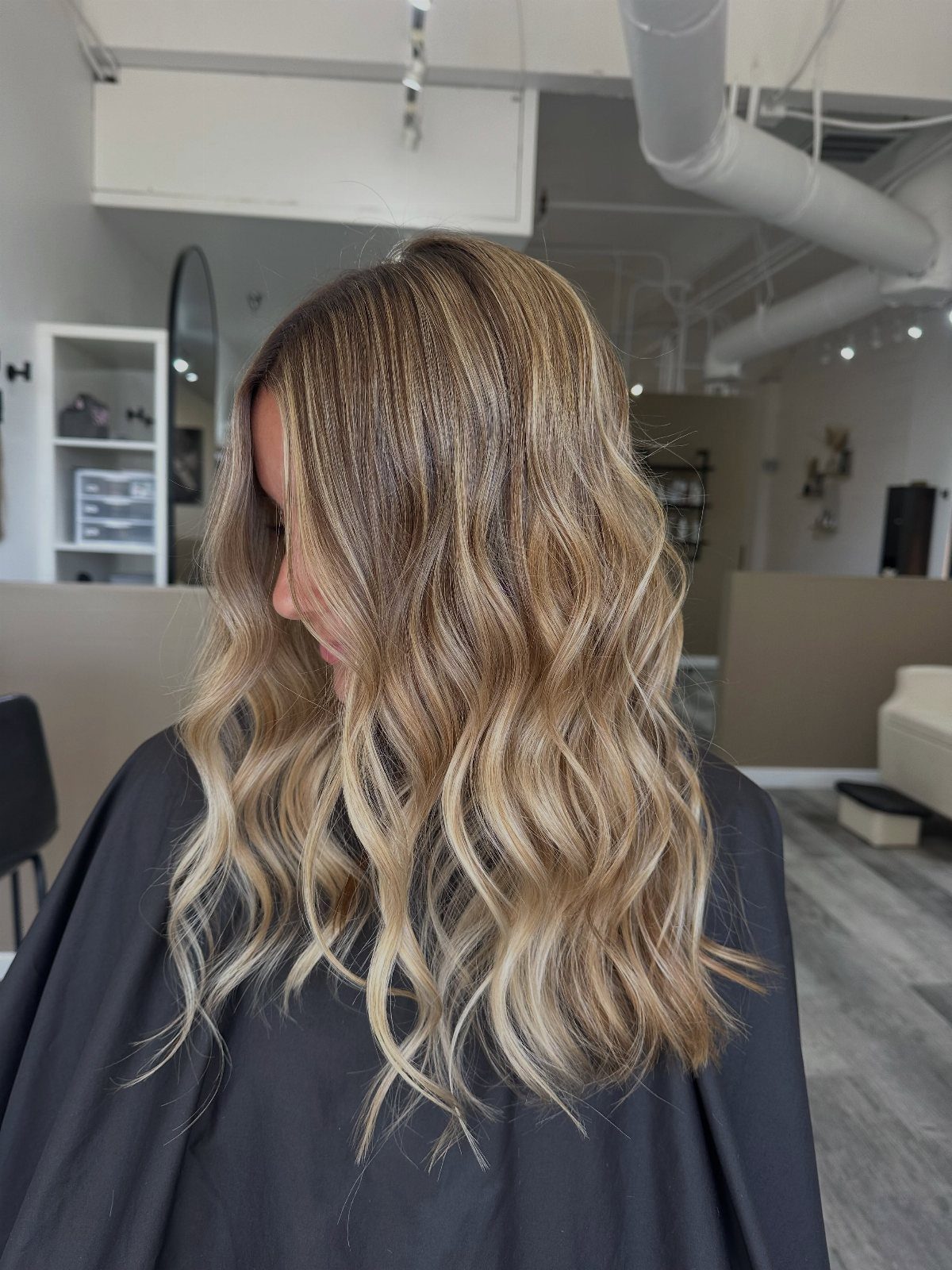
Glow comes from contrast in this one: warm highlights set against cool lowlights, with darker roots underneath. Waves help because every bend catches a different tone.
Use the word "dimensional" when you book, and add "glowing" so the colorist knows you want brightness instead of flat ash.
Tell them which side you want more of, warm or cool. Darker roots give the highlights something to glow against, so I’d leave that depth at the top.
23. Glossy Greige Blonde
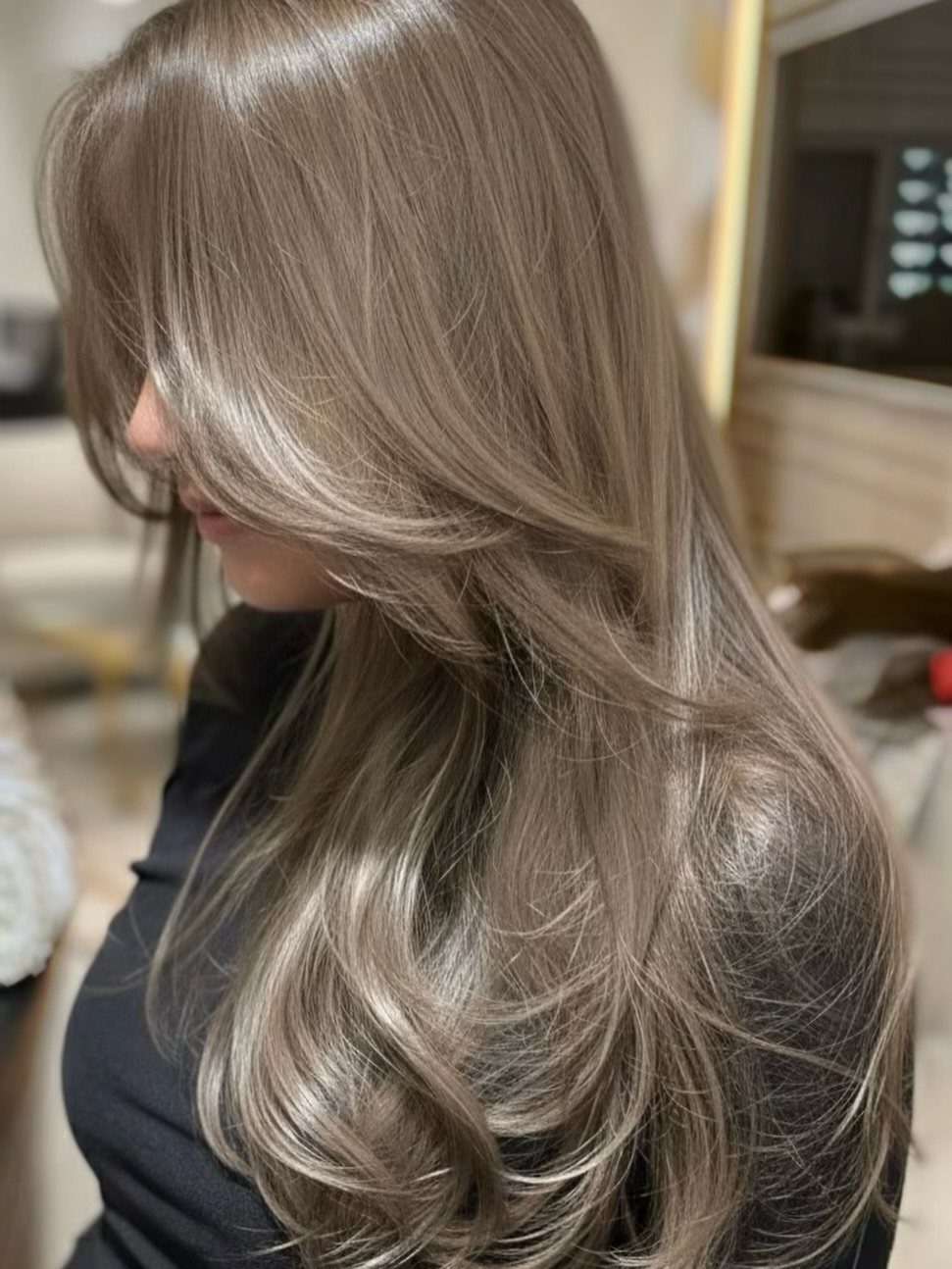
Shine does as much work as the shade in glossy greige. The color mixes beige with cool tones, and a polished finish keeps it from looking dull.
Use both words, greige and glossy, when you describe it to your colorist, and save a reference photo to show them. I’d pick it when ash feels too cold but you still want a cooler look than honey.
24. Light Golden Blonde
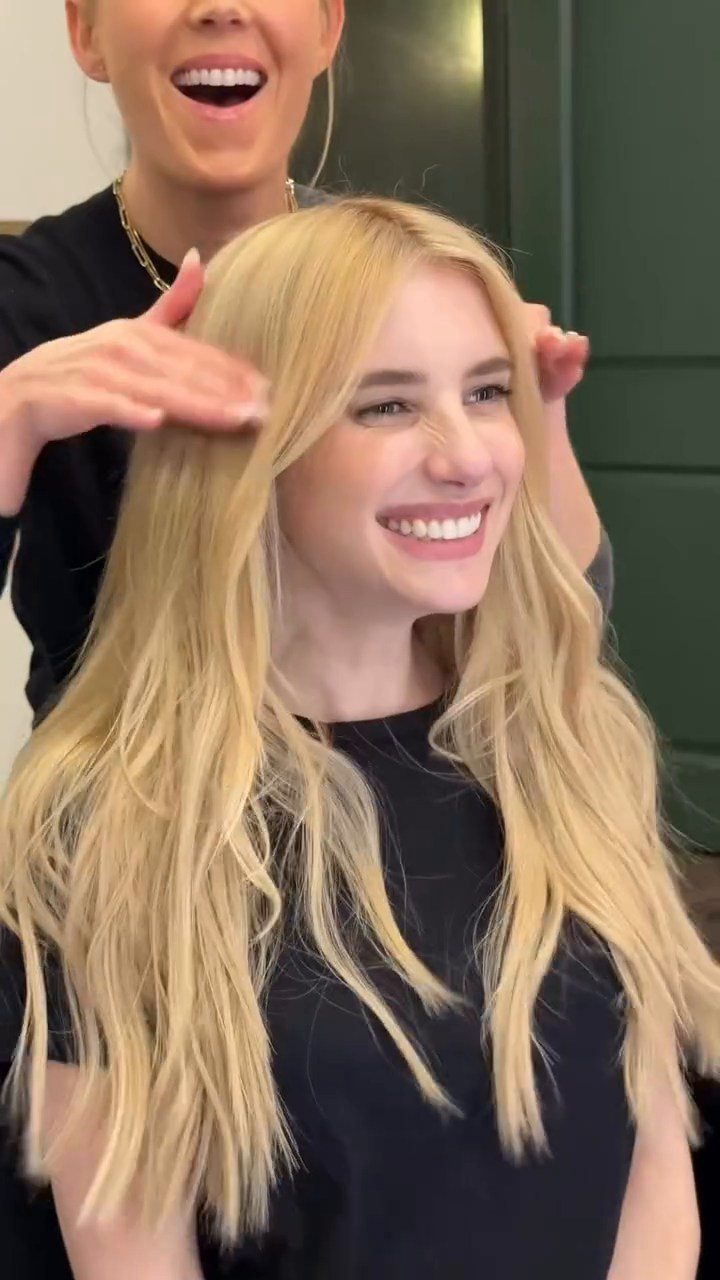
Warm but light: light golden blonde sits just under honey in depth, with a soft gold tone instead of a rich one. Long hair shows the shade evenly, and I think that suits it.
Say "light" and "golden" when you book, and bring a photo so the colorist sees how pale you mean. I’d choose it if you want sunny warmth without going as deep as honey.
25. Pale Blonde
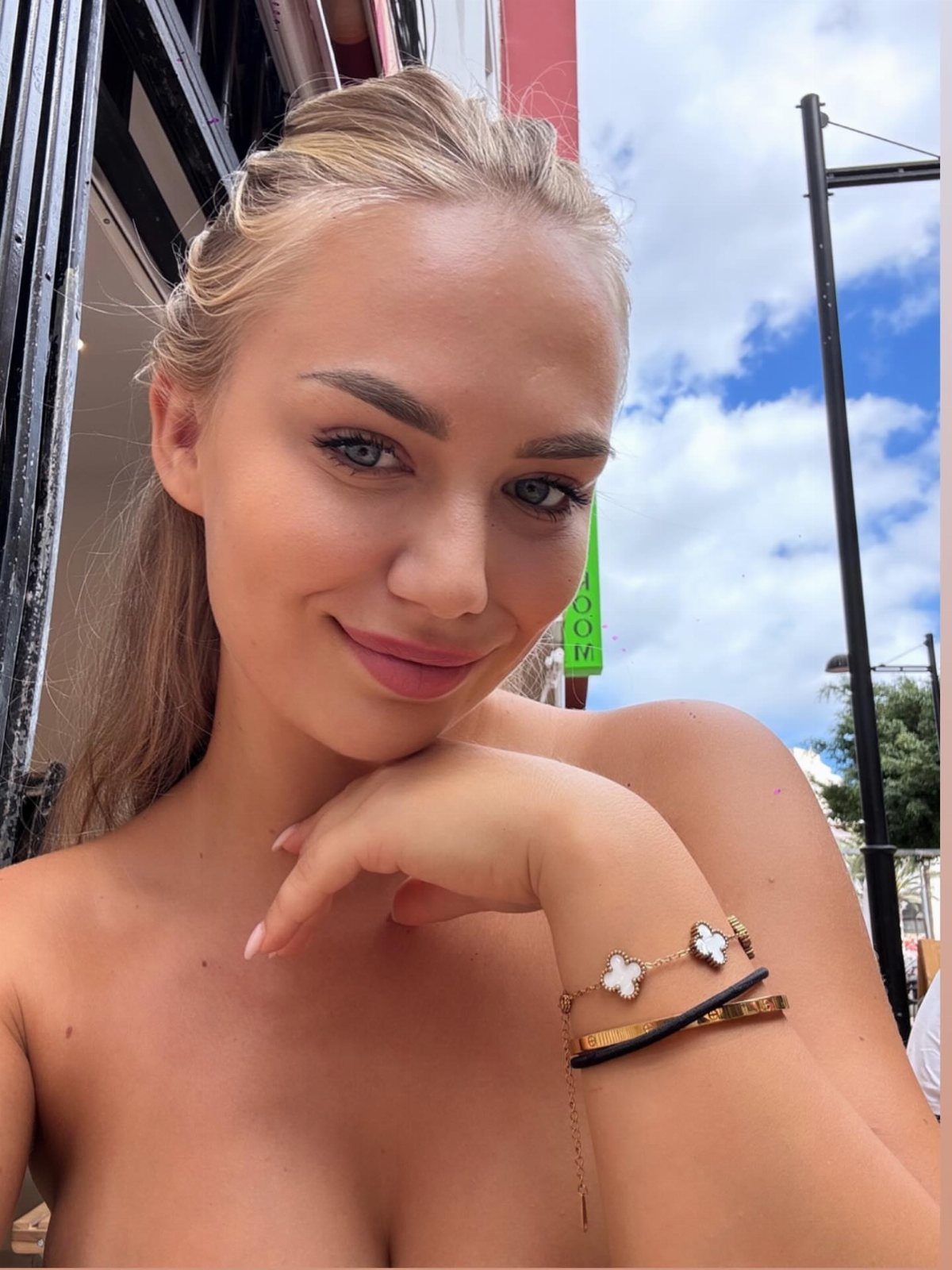
Very light, soft, and low on gold: pale blonde sits close to the lightest end of the range without the starkness of platinum. Pulled back off the face, long hair shows the color evenly from root to end.
A photo of the exact level you want does more than the word "pale" alone, since one colorist’s pale is another’s near-white.
I’d choose it if platinum feels like too much of a statement but you still want blonde that reads as very light.
26. Blonde Face-Framing Streaks
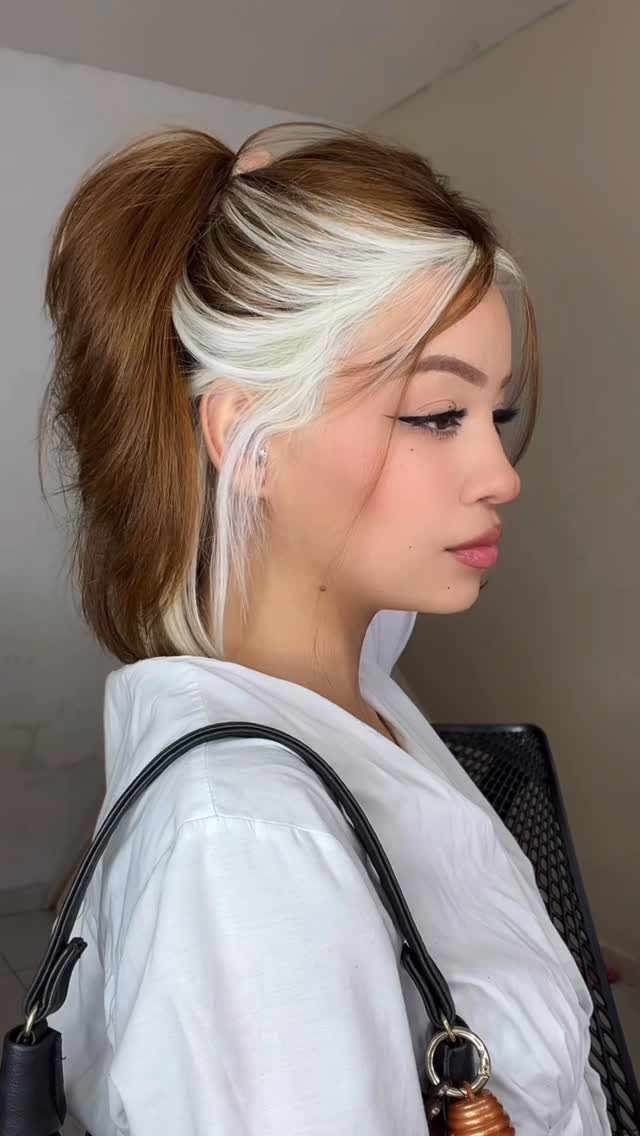
Brown hair with bright front sections is a high-contrast choice, and I like it for exactly that reason.
Because the platinum sits only around the face, the rest of the color stays dark and the brightness lands where people look first.
I’d start thinner.
27. Blonde with Pink Ends
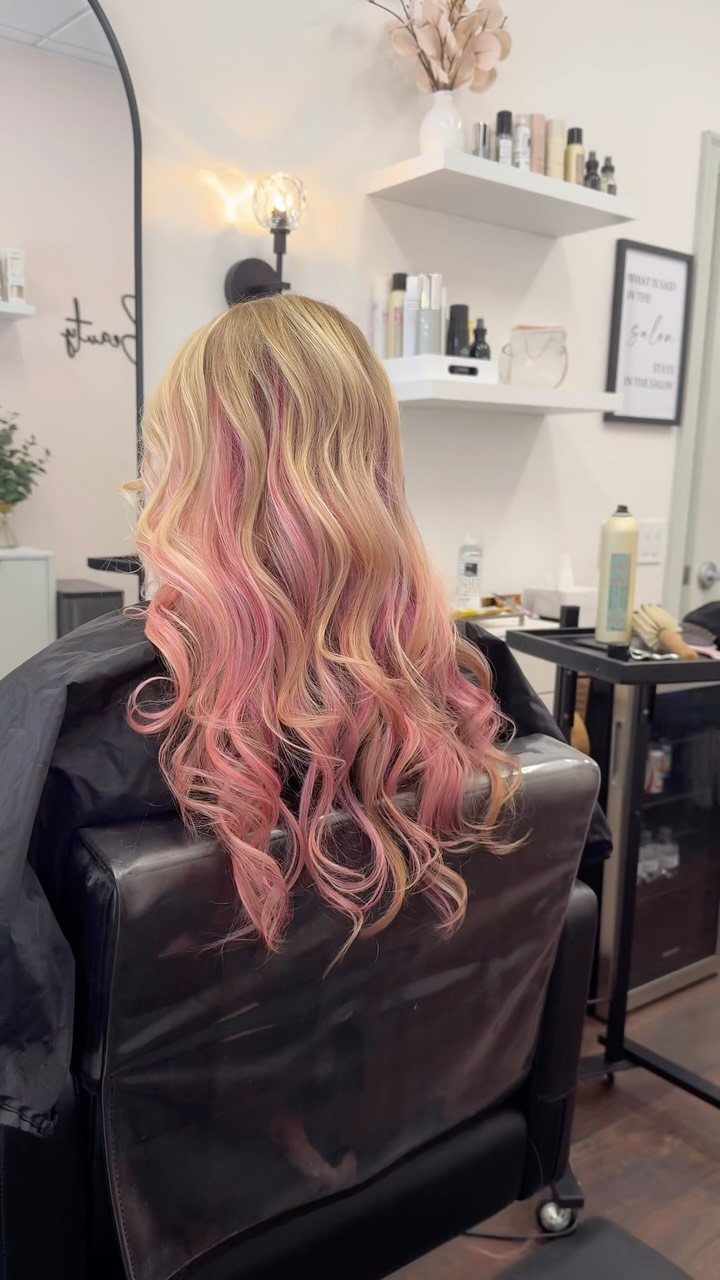
Pink ends turn a plain blonde into something playful, and long waves give the color room to show where blonde fades into pink. Keeping the pink at the ends means the top stays classic.
Say "blonde with pink ends" and tell your colorist how far up you want the pink to climb.
Bring a photo so the shade of pink is clear, since pink covers a wide spread. I’d keep it to the ends for an easier grow-out.
Maintenance and Upkeep
Plan on fresh color every 6–8 weeks, or sooner, if your goal sits far from your natural shade. Book the next appointment before you leave the chair so the gap never stretches.
Purple shampoo is the at-home fix for brassiness. It tones bleached hair and neutralizes the yellow that creeps in between visits.
Lighter and platinum shades also need regular conditioning, and the products matter. Choose ones formulated for bleached hair, since a colorist’s work lasts only as long as the care behind it.
Heat is the other thing to cut back.
Hot water, direct sunlight and styling wands all work against pale color, so rinse with cooler water and keep bleached hair out of strong sun. When you do style with heat, apply a heat protectant first.
Lightening and Hair Condition
Count levels before you pick a shade. Colorists number hair from 1 (black) up to 10 (the palest blonde), so the gap between your current level and your target tells you how many levels of lift you need.
Most blondes sit 2 or 3 levels above a person’s natural color. A gap of more than 4 levels will probably need bleach, and dark hair may take several sessions to get there.
Box dye claims vary.
Some say they lift up to 3 levels, and a few platinum formulas say up to 7 on a medium brown base. Treat those as best-case numbers.
Bleach can dry hair out and cause brittleness and breakage, and bleached hair dulls and fades between salon visits. I’d add a repair treatment to your routine from the first lightening, not after the damage shows.
Frequently Asked Questions
What is the most flattering shade of blonde?
Golden and honey blondes are the most widely flattering, because their warm gold adds glow to many skin tones.
If your skin runs cool, ashier shades like ash blonde and platinum usually sit better. Matching the temperature of the color to your undertone is the quickest way to narrow it down.
What are the different shades of blonde called?
Cool shades include ash, platinum and silver blonde. Warm ones include honey, caramel, light golden, strawberry and copper, while sandy, beige and greige sit in between, and bronde, dark blonde and chocolate blonde carry more brown.
Bring a reference photo along with the shade name, because what one colorist calls pale blonde, another calls near-white.
What shade of blonde is right for me?
Start with undertone: warm skin tends to suit golden and honey, and cool skin tends to suit ash and platinum.
Then count levels, where 1 is black and 10 is the palest blonde. A blonde that looks natural usually lands 2 or 3 levels above your own color, and once the gap passes 4 levels, bleach is probably on the table.
Lightening with bleach can leave hair dry and prone to snapping, and paler shades need a color refresh every 6–8 weeks, so factor in your hair’s condition and what you can spend on upkeep.
What is the difference between dark blonde and bronde?
Dark blonde has more blonde in it than bronde does. It sits darker than the lighter blondes but lighter than bronde, typically with dark caramel highlights and a few brown lowlights for depth.
Bronde blends brunette and blonde so the brown and gold strands trade places through the hair, and the ratio of brown to gold decides how close it lands to either side.