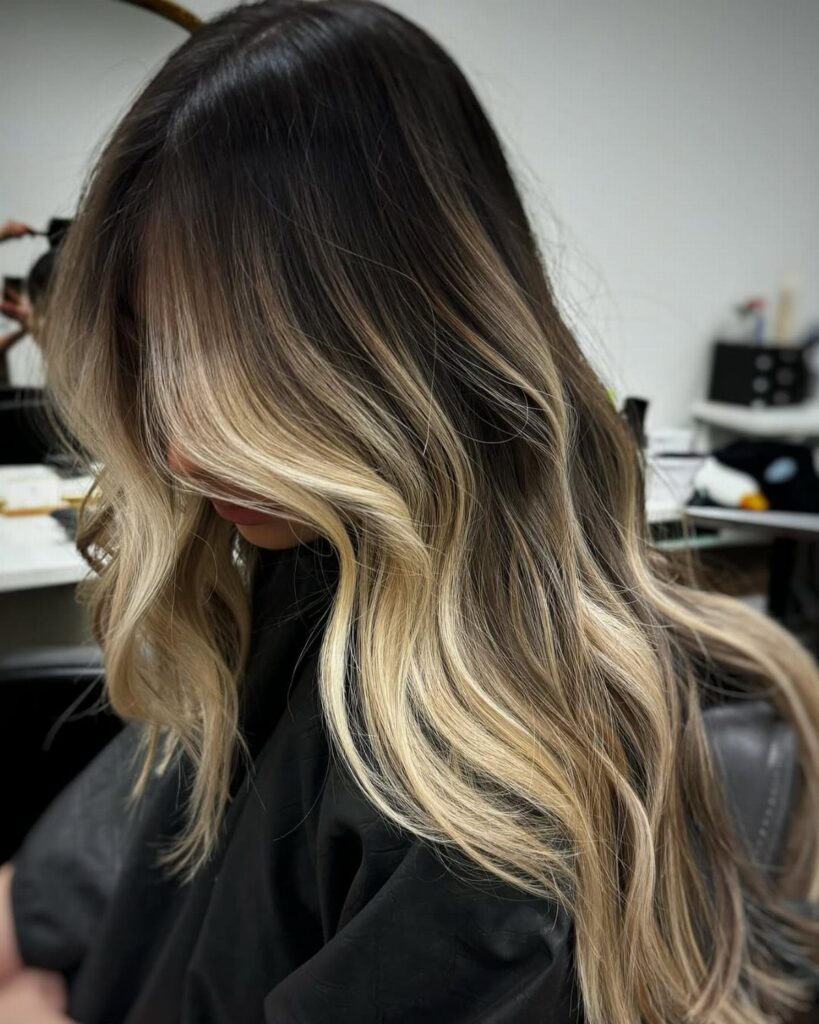
Where your hair starts sets the limits: ashy or dark blonde strands need lightener before any toner can do its work, and dark or already dyed hair usually needs several lightening sessions, which is why a shadowed root or a few bright face-framing pieces is a much easier ask than platinum from root to tip.
The list runs from soft vanilla and sunlit warm shades to silver-blue frost and pastel pink over a pale base, and each one sets how fast regrowth shows and how often you’ll be back in the chair.
Undertone then fine-tunes the shade, with gold jewelry pointing warm and silver pointing cool.
1. Rooted Platinum
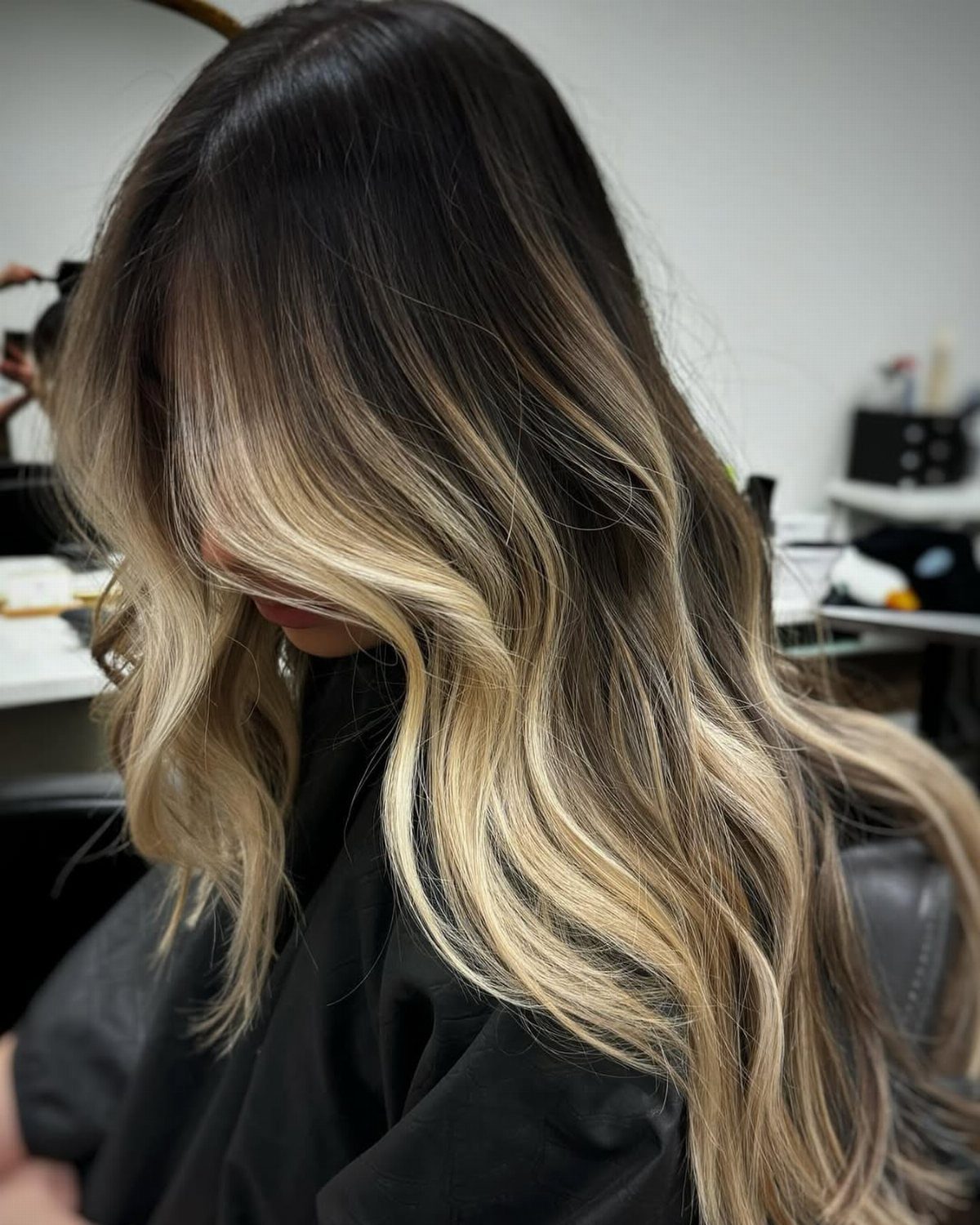
Dark roots with bright platinum lengths give you the softest grow-out of any platinum look.
The line between root and length is blurred on purpose, so a new inch of regrowth reads as part of the design instead of a flaw.
For someone starting from dark or previously colored hair, I think this is the kindest way in.
Ask your stylist for a smudged or shadowed root, and bring a photo so you both agree on how deep it goes. The lengths still need lightening, so expect the toning and bond-care conversation at the salon.
2. Silver-blue Icy Blonde
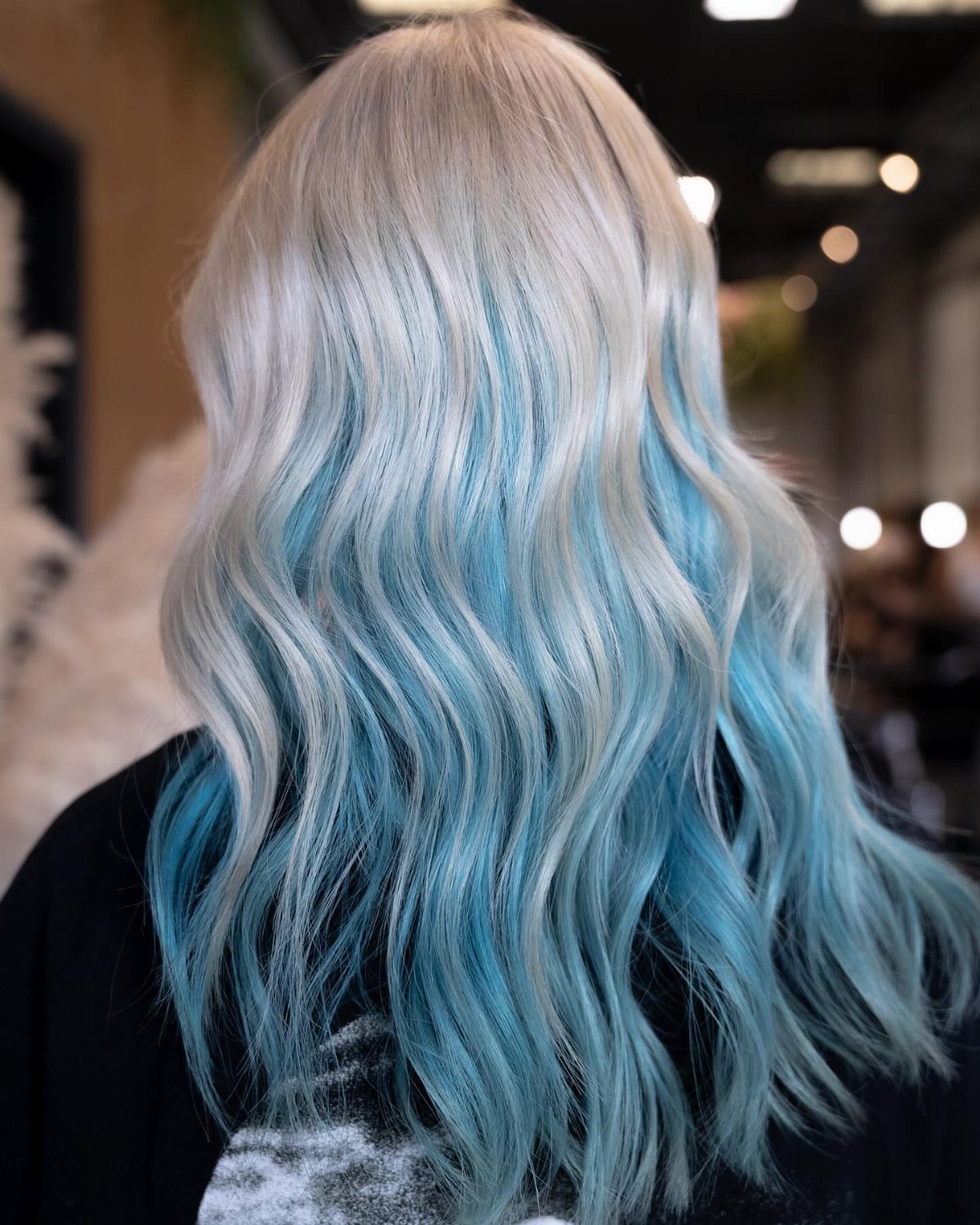
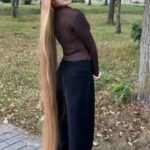
Frost is the point here: a platinum base pushed cool with silver or blue tones. Blue-silver shows best on long, wavy lengths, where the color shifts as the hair moves.
I like it for anyone who wants platinum to look deliberate and a little unreal, not creamy.
Ask a stylist for silver-blue toning on top of an already pale base, and expect to book follow-up visits, since cool tones fade first. A purple or blue shampoo at home helps hold the chill.
3. Platinum Blonde Face-framing Highlights
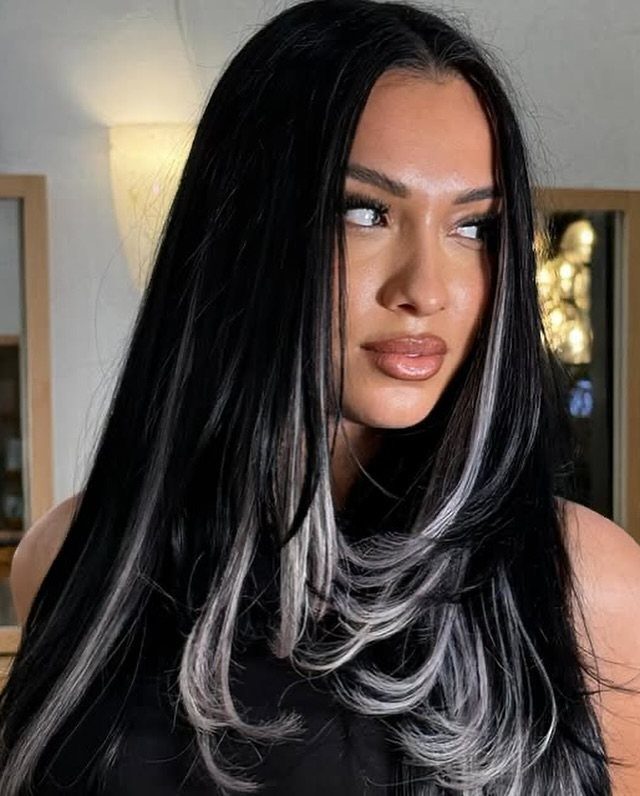
Brightness goes exactly where the eye lands: around the face. Platinum pieces against a darker base, like the black here, frame your features and lift the whole look without lightening every strand.
For dark or damaged hair, I’d pick this over going all-over, because less of your hair takes the lightener.
Ask for pieces placed at the front, and bring a photo so the stylist knows how thick you want them. The contrast is strong, so blend the edges if you’d like it softer.
4. Sunlit Warm Platinum Blonde
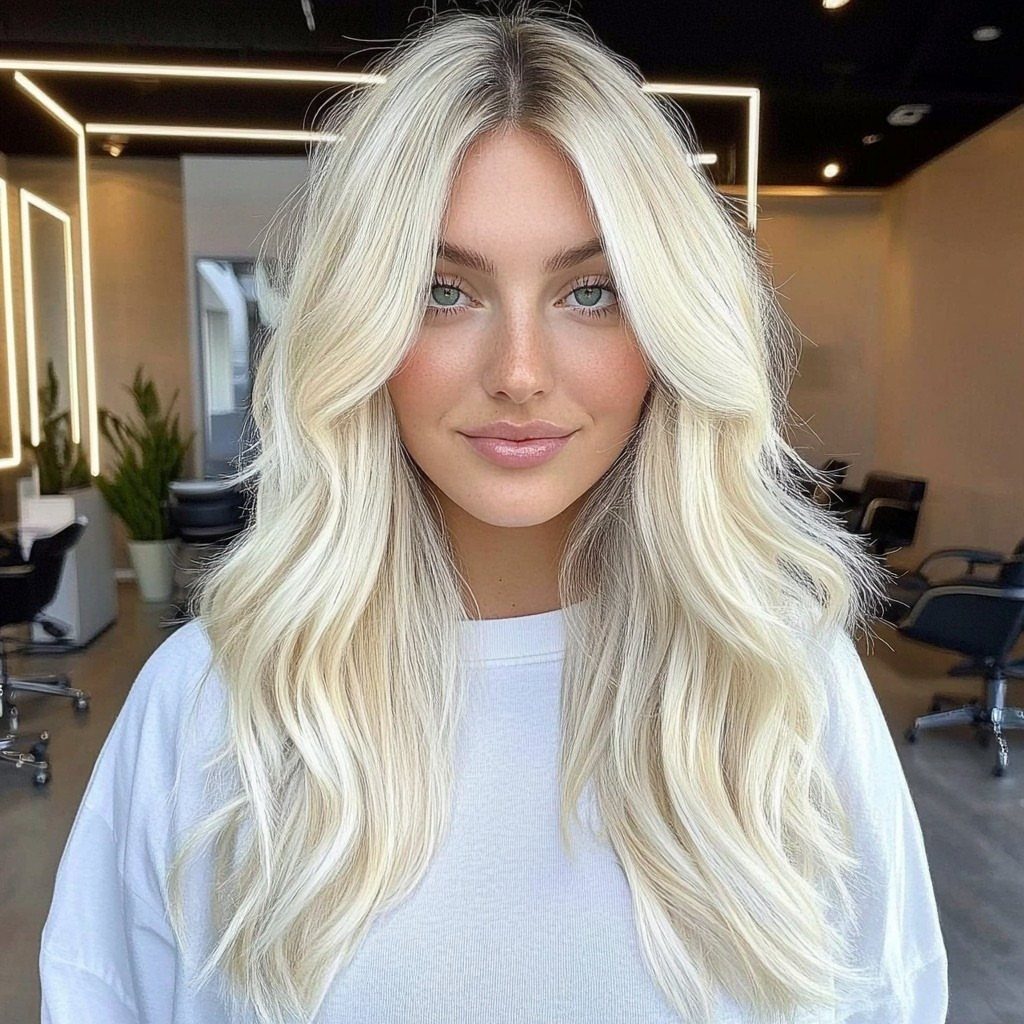
A warmer platinum, softly waved, sits closer to sunlight than to ice. It keeps the brightness but gives up the frosty edge, which flatters many skin tones better than a stark cool white.
If icy shades wash you out, I’d steer you here.
Tell your stylist you want platinum with warmth, not yellow, and say so in those words, because the gap between the 2 is small and easy to miss. Loose waves add the glow.
5. Vanilla Platinum Hair Color
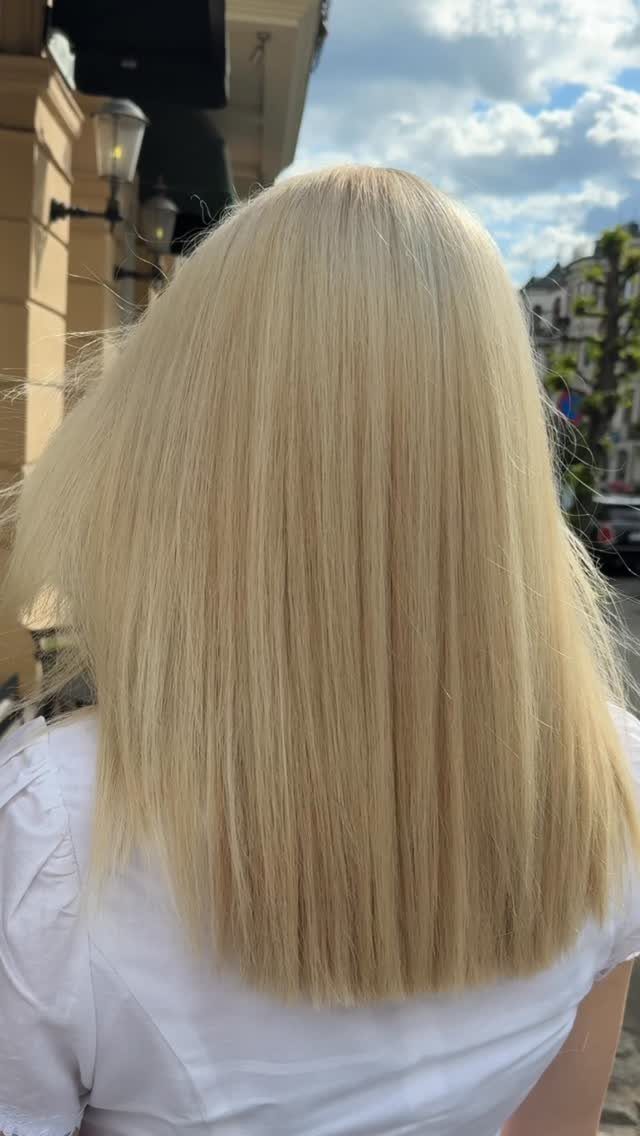
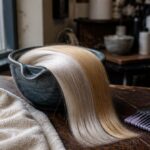
Pale and creamy, vanilla platinum is the neutral choice: a shade meant to work with both warm and cool skin tones. Straight hair shows it off, since nothing breaks up the smooth, even color.
I’d choose this if you can’t decide between golden and icy.
Ask for a neutral platinum and name vanilla, then bring a photo as a reference. Straight lengths show every uneven patch, so even toning matters more here than on waves.
6. All-over Platinum Blonde Hair
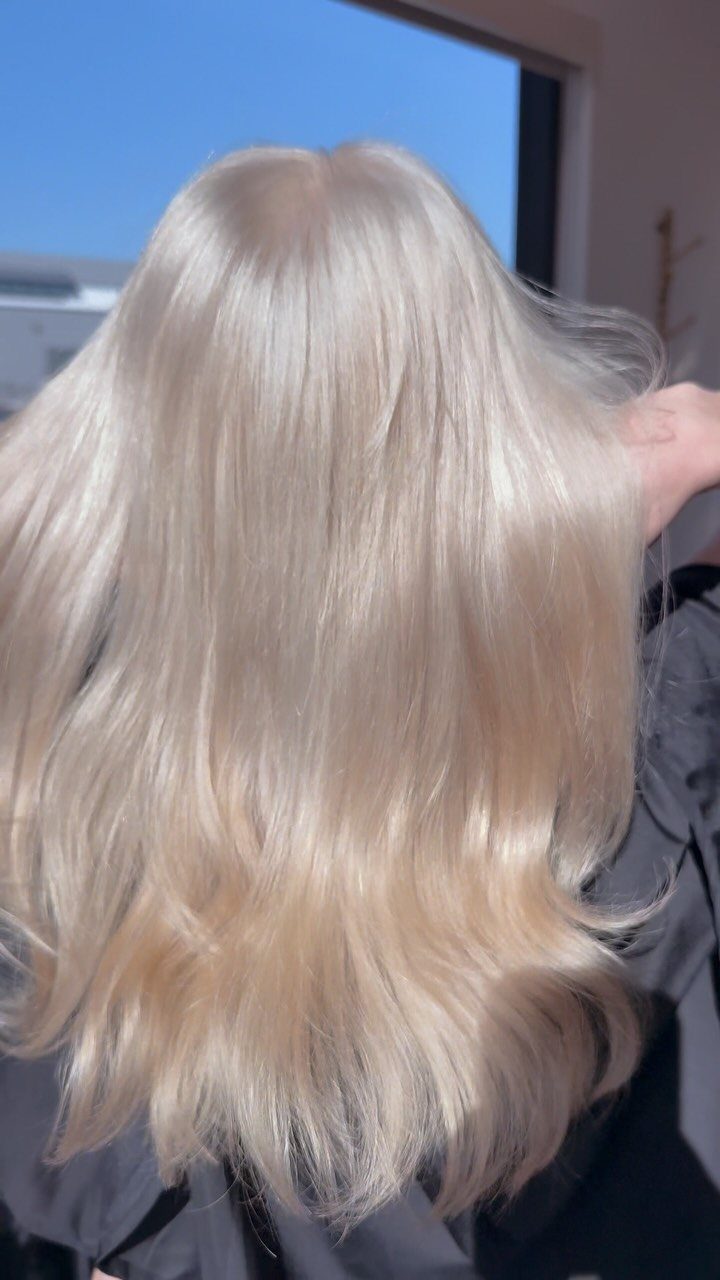
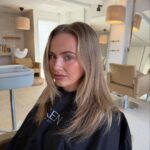
Every strand lightened to the same bright platinum, from root to end, is the full commitment. Long waves help, because the curve in the hair breaks up the flat, solid look all-over color can have.
Starting from dark or previously colored hair, going platinum all over is the steepest jump of any look here, and it asks the most of you afterward.
Roots show quickly against a solid blonde, so plan regular touch-ups. If that sounds like too much, a platinum with a shadowed root asks far less, since regrowth blends in instead of showing as a hard line.
7. Platinum Blonde Curly Hair
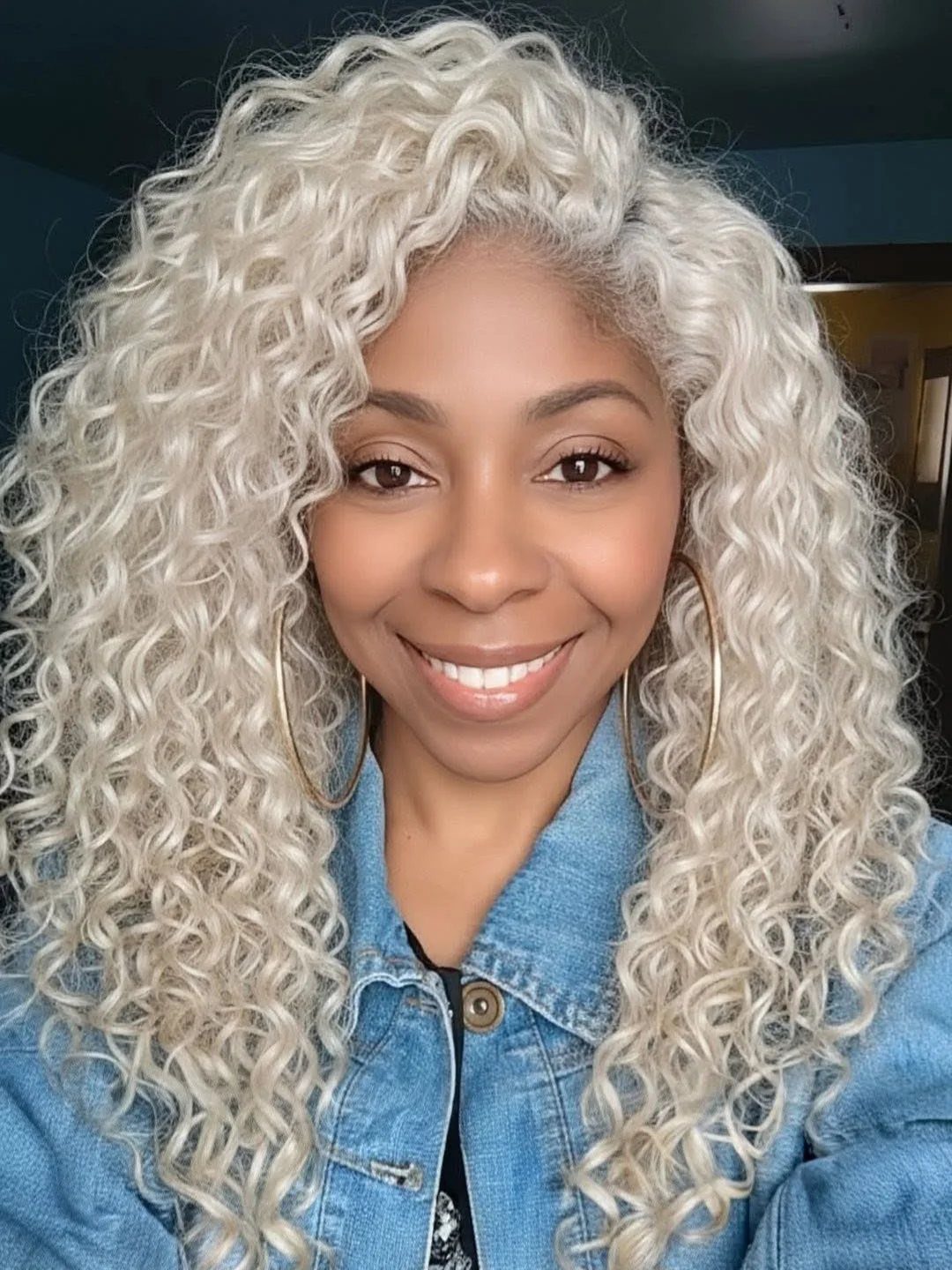
Platinum on tight, defined curls gives the color somewhere to go. Each curl catches light on its own, so the shade reads as pale and dimensional instead of flat.
I’d choose this for anyone who likes their texture and wants the color to flatter it.
Bring a photo of your own curl pattern as well as the shade, and ask your stylist to tone evenly through every ringlet. Lightened hair needs bond care, so raise that at the consultation.
8. Platinum Pink Hair Color
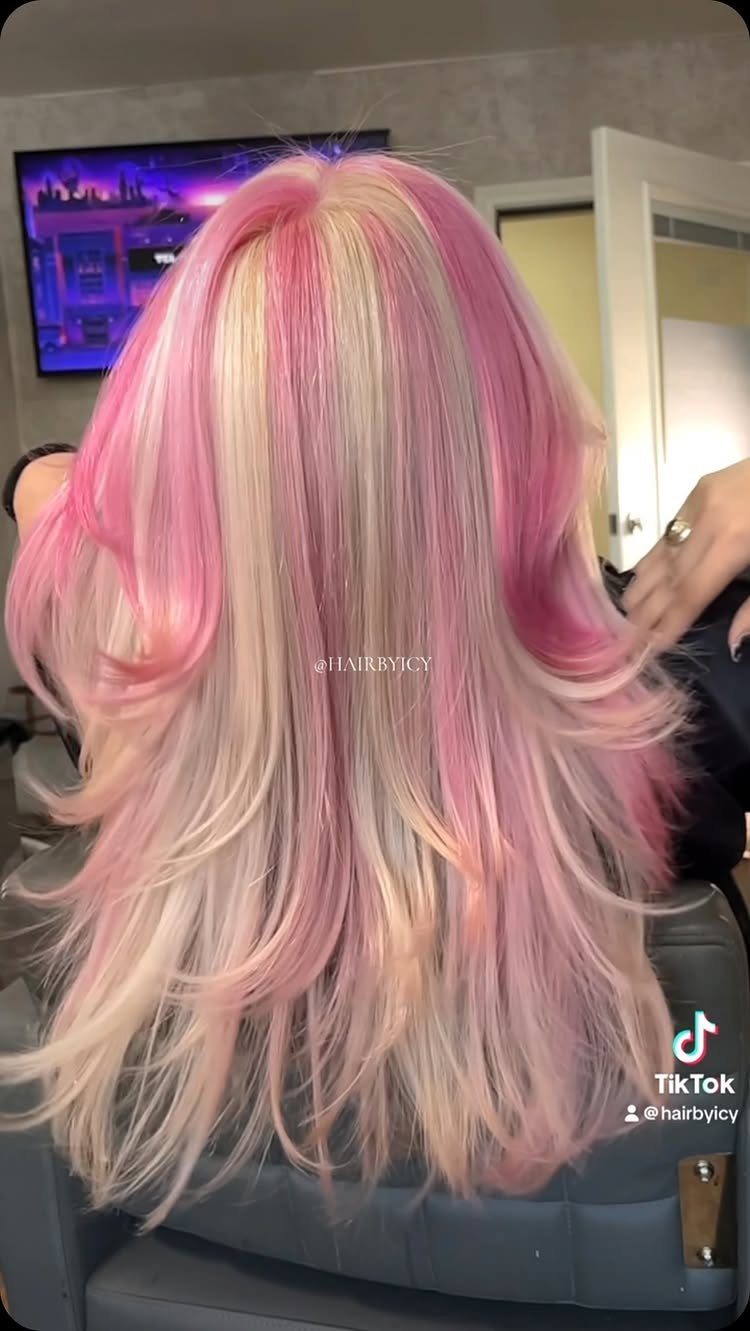
A wash of pastel pink over platinum is the gentlest way to add color without losing the light base. Loose curls and long layers help, since the pink shifts in tone as the strands move.
My pick for someone who wants color but not a bold fashion shade.
Ask for pastel pink kept soft, with the platinum still showing through, and bring a reference photo, because "pink" can mean very different depths to different people. The pale base has to come first.
9. Platinum Blonde Pixie Cut
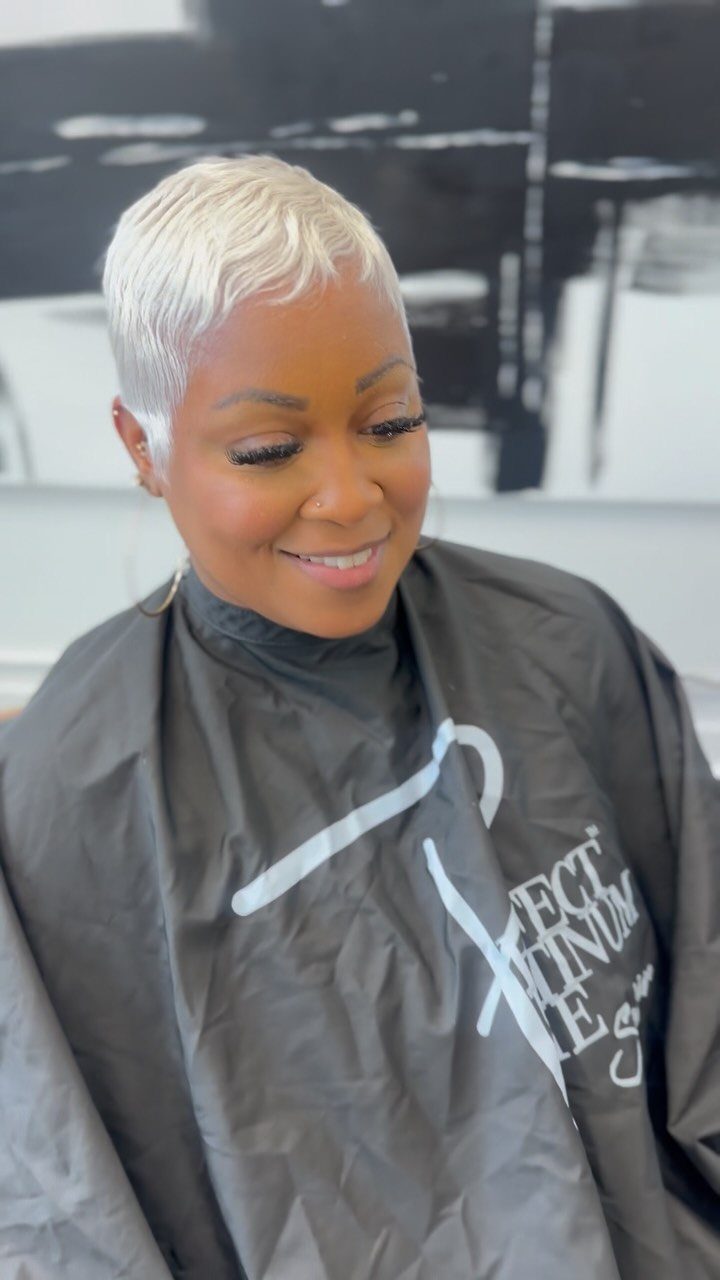
Short hair and platinum suit each other better than you might expect. A pixie puts the color front and center, with no length to hide behind, so the shade has to be clean and even.
You also lighten far less hair than with a long style, which I like if you’re starting dark or damaged.
Bring photos of both the cut and the exact shade to your stylist. A short cut grows out fast and loses its shape, so plan regular trims.
10. Platinum Blonde Babylights
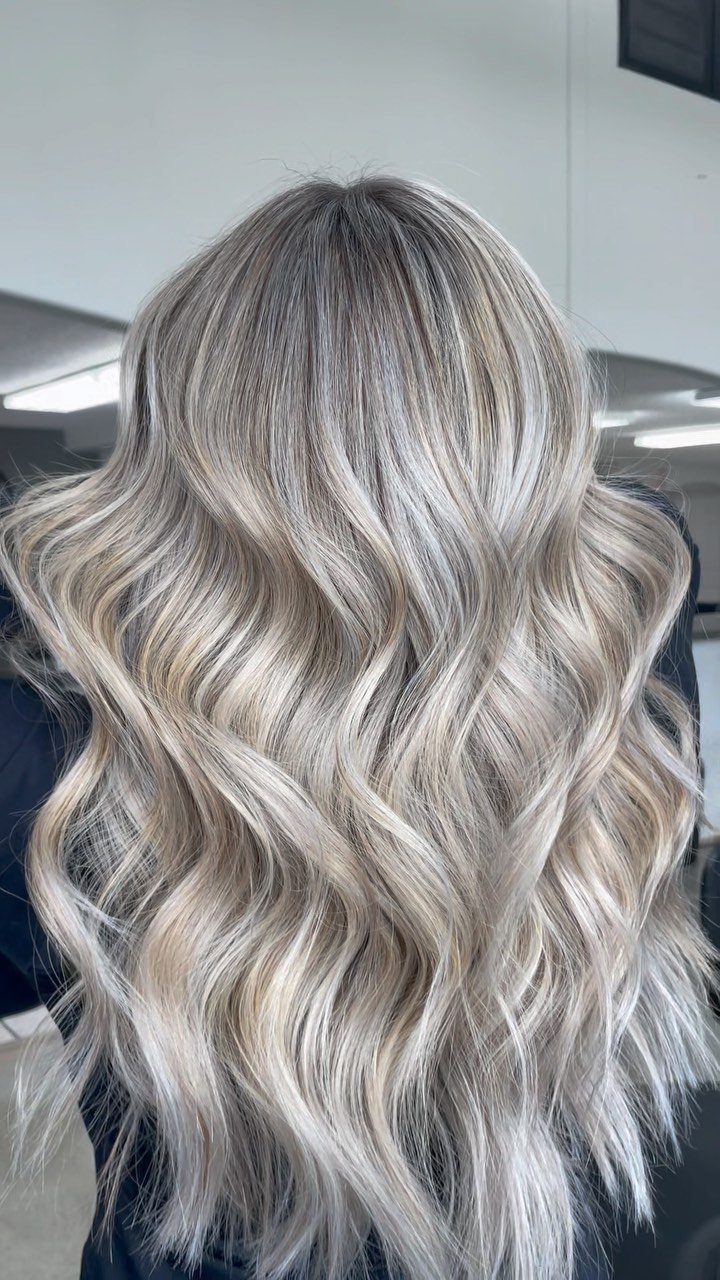
Fine platinum babylights take the place of warmer ribbons, and the result is a softer, brighter glow instead of bold streaks. Against a darker root and loose waves, the thin strands blend into the base.
I’d ask for this if full platinum feels like too much.
Ask for fine, close-set babylight pieces in a pale shade, and decide how much root you want left dark, since that choice sets how soft the grow-out looks. The finer the highlights, the longer the appointment tends to run.
Professional Lightening and Hair Suitability
Platinum takes a lot of lifting, and that’s the step that stresses hair when it’s done with the wrong products or without experience. For that reason I’d book a professional instead of lightening at home.
Your starting point sets the difficulty.
Naturally ashy or dark blonde hair is the easiest place to begin, since it has less color to lift than darker hair. Dark or previously colored hair is harder and can take multiple sessions.
Length matters too. Short or shoulder-length hair that’s trimmed regularly is usually healthier than long hair, so it handles lightening better, and the color tends to come out more uniform.
If your hair is brittle or already damaged, hold off. Bleach is especially hard on strands in that condition.
Not sure where yours stands? Ask a stylist for an honest read before you book.
Achieving super blonde, platinum hair requires high levels of lifting; a process that can put stress on your hair if it’s not carried out with the right products and expert care.
— Wella
Bleached Hair Aftercare
Freshly lightened hair needs gentle handling.
Blot bleached strands with a towel rather than rubbing them, then work out tangles with a wide-tooth comb, starting at the ends and moving up, since lightened hair snaps far more easily when it is wet.
Skip heat styling wherever you can. Heat is one of the things that brings out brass, along with hard water minerals and UV rays, because all three expose the warm pigment left behind in lightened strands.
When gold or orange creeps in, a purple toning shampoo or a toner pulls it back. If brass returns fast no matter what you do, look at your water.
Between color appointments, add a nourishing, moisturizing or bond-repair treatment.
I’d treat these as maintenance, not extras, since lightened hair loses moisture and strength. In strong sun, cover up.
Skin Undertone and Shade Choice
Undertone should steer the shade more than any photo does. If gold jewelry flatters you most, you’re likely warm; if silver does, you’re likely cool; if both work, you’re probably neutral.
Warm skin has 2 good routes. Neutral or soft yellow platinum echoes the gold in your complexion, while a clean, snowy white gives a sharper contrast.
Cool skin works the same way in reverse.
Neutral skin can wear any of them, so I’d choose by personality and by how much upkeep you’ll take on.
For highlights instead of all-over color, vanilla beside the platinum adds glow on warm skin.
Frequently Asked Questions
What colors go with platinum blonde?
Dark or shadowed roots are the most dependable pairing, because they soften the grow-out and give the pale lengths contrast. For added color, silver-blue pushes platinum toward icy, and a soft pastel pink lets the pale base show through.
On warm skin, vanilla pieces beside the platinum add glow. Whatever you choose, the light base has to come first.
What is the best platinum blonde hair color?
Which shade is best depends on where your hair starts and how many salon visits you’ll sign up for; I don’t think any one platinum beats the rest.
Dark or previously dyed hair does best with a shadowed root, because new growth fades into the color instead of drawing a sharp line.
All-over platinum is the steepest jump and needs regular touch-ups, so pick it only if you’ll keep up with them.
Who can pull off platinum hair?
Anyone with healthy hair and a realistic view of where it starts. Hair that’s naturally ashy or dark blonde gives you the easiest head start, because there is less color to lift before the toner goes on.
Starting from dark or box-dyed hair is a bigger job, often spread across several visits. Brittle or already damaged hair should wait, since bleach is especially rough on it.
How do I maintain platinum blonde hair?
A purple or blue shampoo keeps the tone cool, and going easy on the flat iron and blow dryer helps too.
Brass creeps in from hot tools, mineral-heavy water and sun exposure, so if yours returns fast, my first suspect is the tap. Platinum all over needs a root touch-up every 4–6 weeks, while a shadowed root asks for much less.