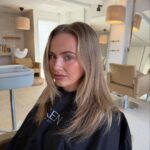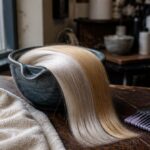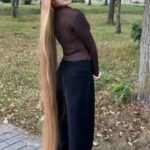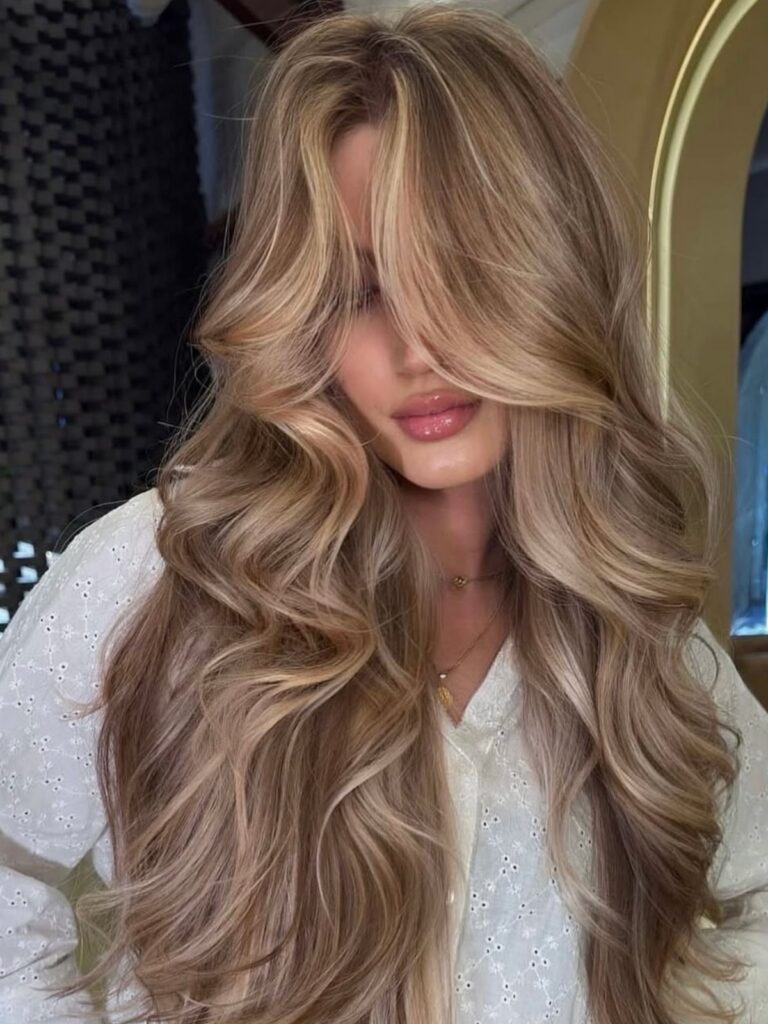
The shades run from Rooted Sandy Blonde Hair with its deeper roots to Light Sandy Blonde and Cool Beige Sand Blonde, and the paler you go, the more lifting your hair will need.
A photo and the word "beige" tell your stylist what you mean, since "sandy" is not a standardized shade.
1. Sandy Blonde
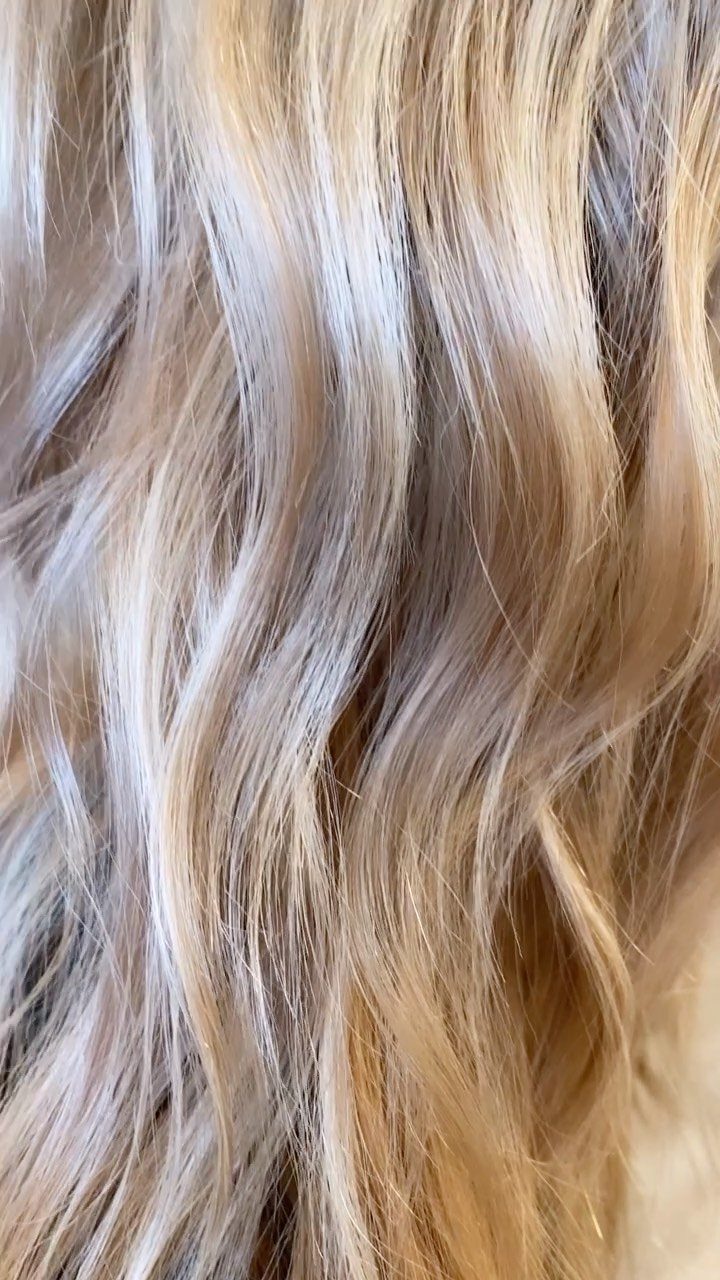
Beige, a little gold, and no loud warmth: that mix is what makes sandy blonde sit between warm and cool, and it’s why it flatters more skin tones than a honey or an icy platinum does.
Brunettes and anyone with dark or previously colored hair should plan on a salon visit. Plan on a long appointment, up to 7 hours on dark hair, and expect more than one lightening step to reach a true sandy shade.
Ask for beige with a touch of gold, not loud warmth and not a flat cool tone. Bring the photo and use the word "beige" with your stylist.
2. Sandy Blonde Balayage Hair
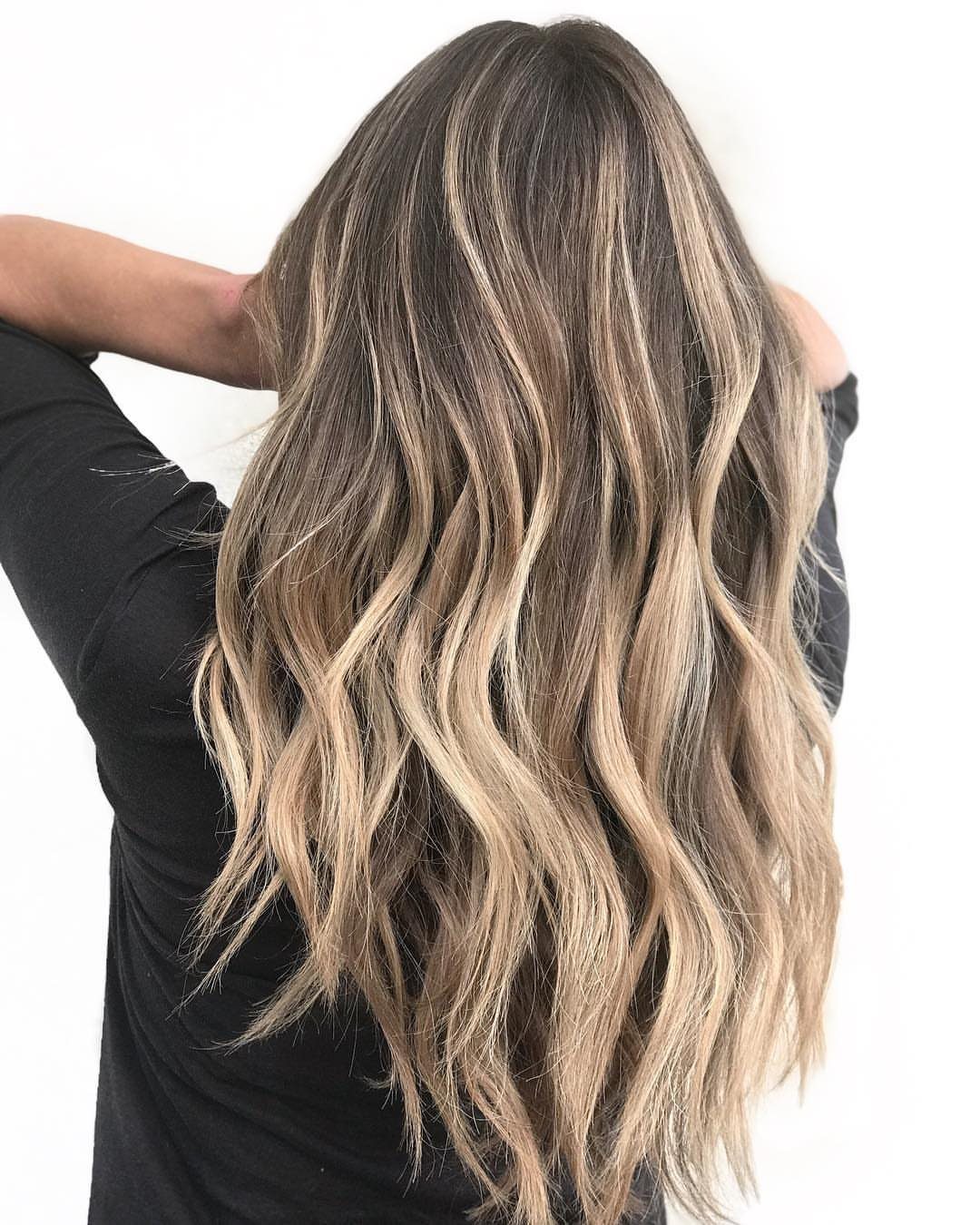
Hand-painted color is what gives balayage its soft grow-in. The roots stay dark, and the sandy blonde pieces build toward the ends with no hard line at the regrowth.
Long, wavy hair is where this works best for me, because the movement shows off the shift from dark to light. For a first big blonde change, it’s a gentler way in than an all-over color.
Ask for sandy, not yellow, in the lightest pieces.
3. Sandy Blonde Highlights
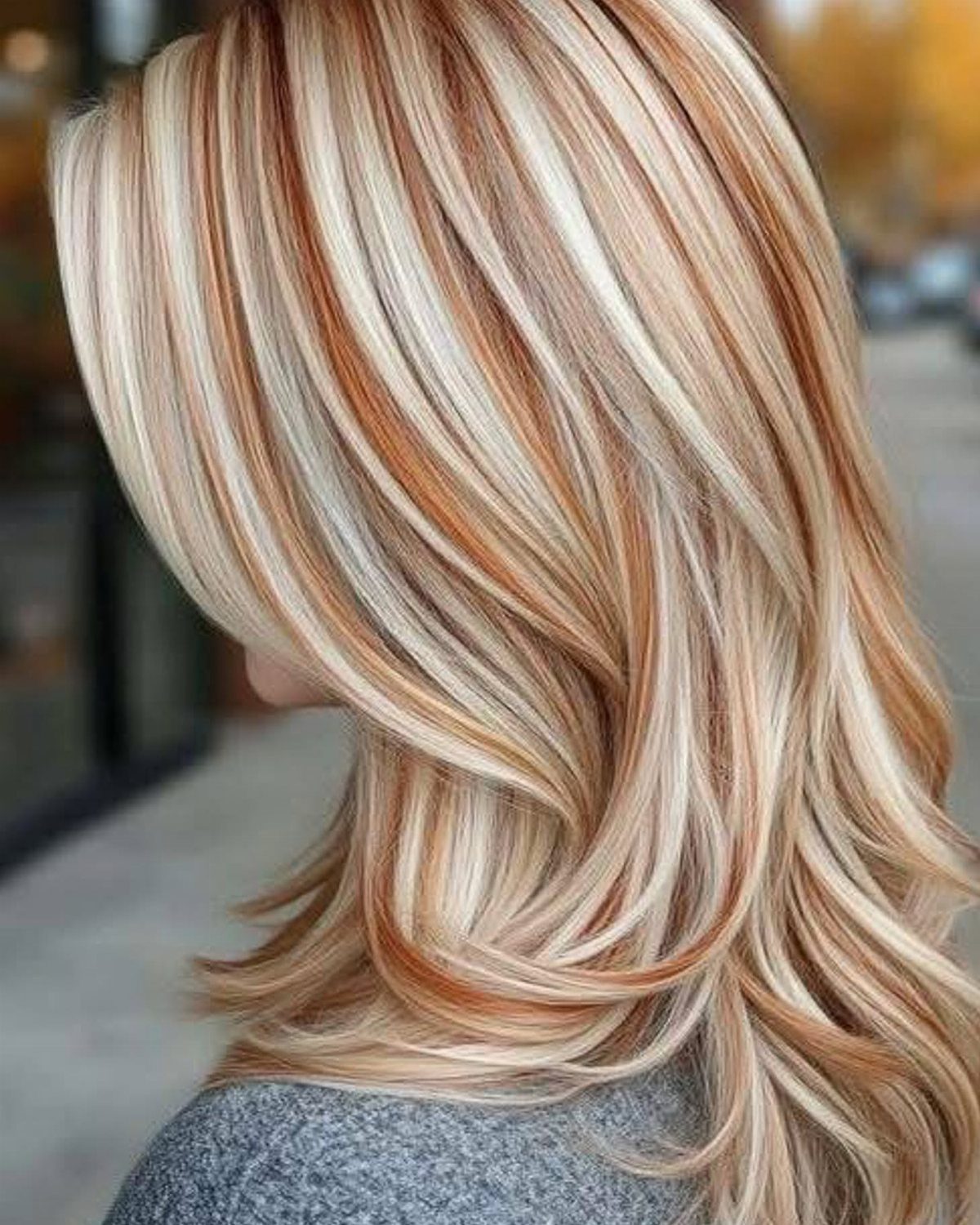
Sandy blonde highlights brighten the hair without erasing what’s underneath. Some natural or darker strands stay in, so the color looks lived-in rather than flat.
Long layers help here, because each layer picks up its own mix of light and dark pieces. For anyone wary of going fully blonde, this is the version I’d point to first.
Ask for beige-leaning highlights, and say how much of your own depth you want to keep.
As with any highlighted hair color, the lighter strands will fade and grow out over time, however, when they’re painted on (as these were), they last a bit longer than typical foil highlights.
— Allure
4. Rooted Sandy Blonde Hair
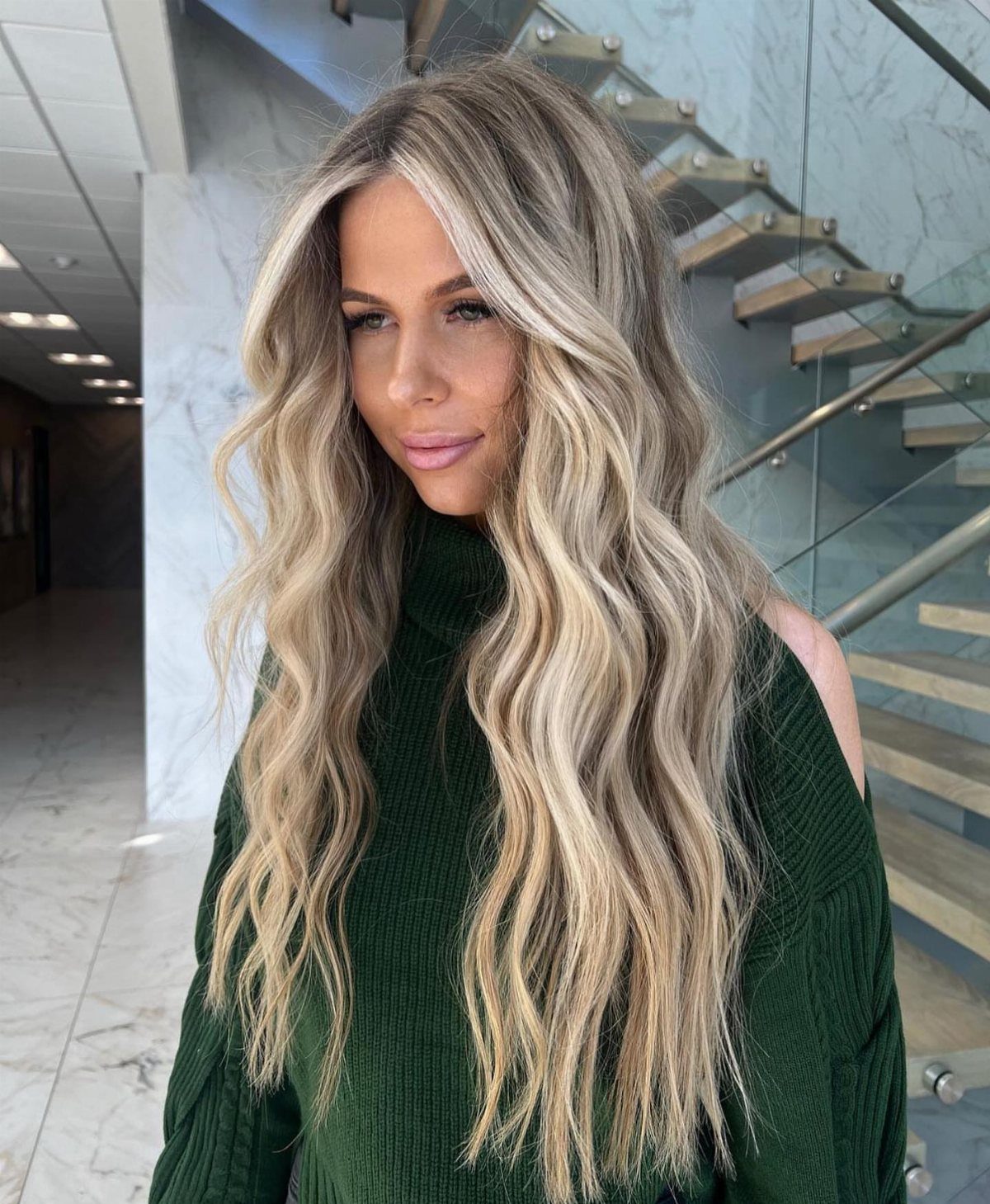
Darker roots are part of the design here, not a flaw waiting for a touch-up. The color melts from deeper at the scalp into sandy blonde through the lengths.
That suits anyone who doesn’t want a hard regrowth line, and it fits brunettes who’d like to go lighter without rebuilding the whole head. Wavy texture softens the shift even more.
When you book, ask for a rooted or shadow-root finish so the stylist knows the dark base is intentional.
5. Dimensional Sandy Blonde Hair
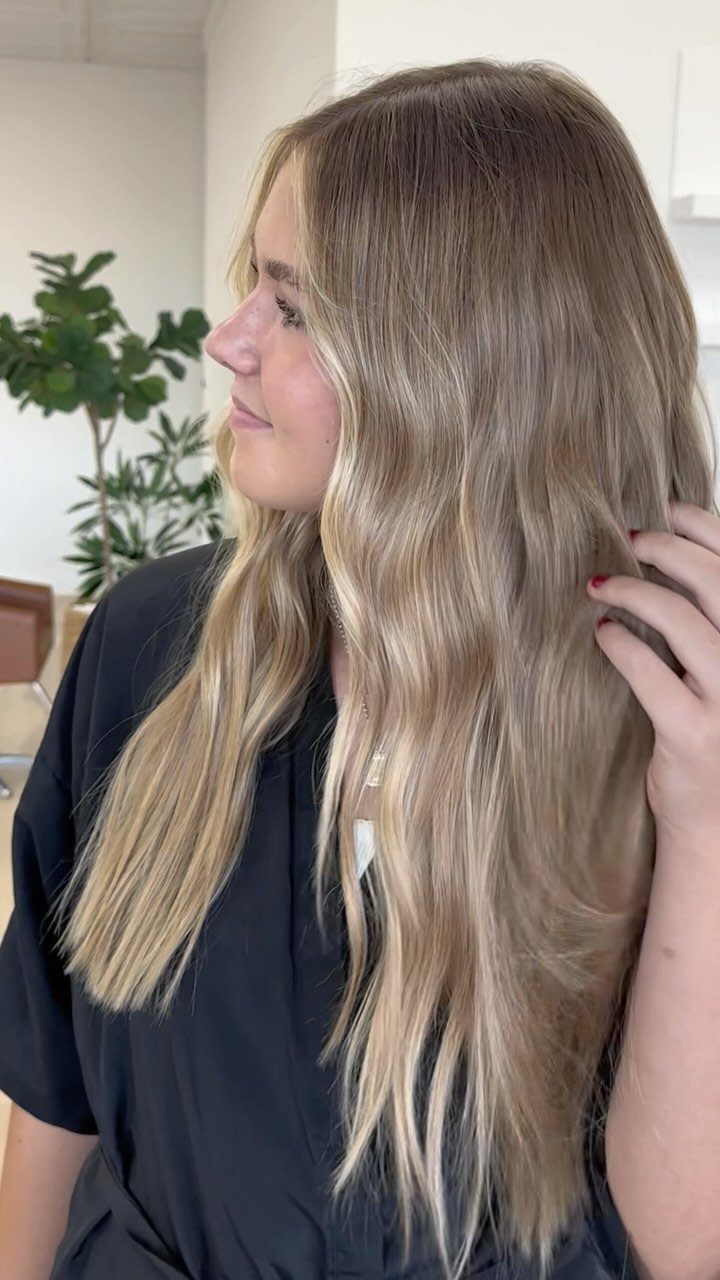
Several shades of sand, blended so no single streak stands out: that’s what dimensional means in practice, and long waves make the blend easy to read.
Ask for softly mixed pieces in a few close tones, not one flat blonde. Because the roots stay deeper, the shape of the color moves as the hair does.
I’d choose this over a single-process color for anyone who wants a natural, lower-maintenance look.
6. Sandy Blonde Lowlights
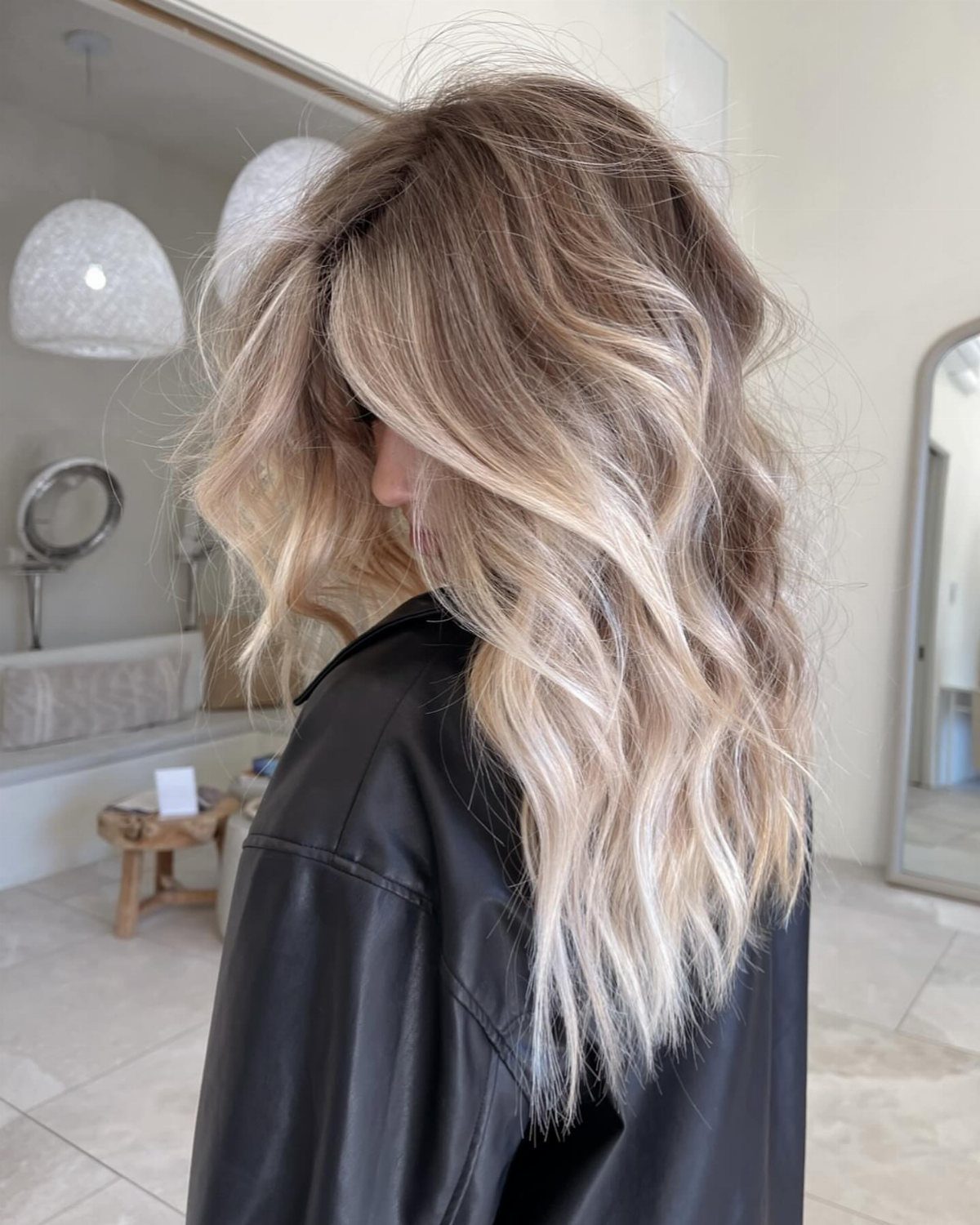
Lowlights are the shadow side of blonde. Slightly darker sandy tones go in between the pale strands, so the lighter pieces stand out more instead of blending into one bright mass.
They work well on long, wavy hair, where depth keeps the color from looking flat. If your highlights ever look too bright or stripy, lowlights are the fix I’d reach for.
Ask for tones close to your base and the lightest strands, not a heavy dark stripe.
7. Light Sandy Blonde
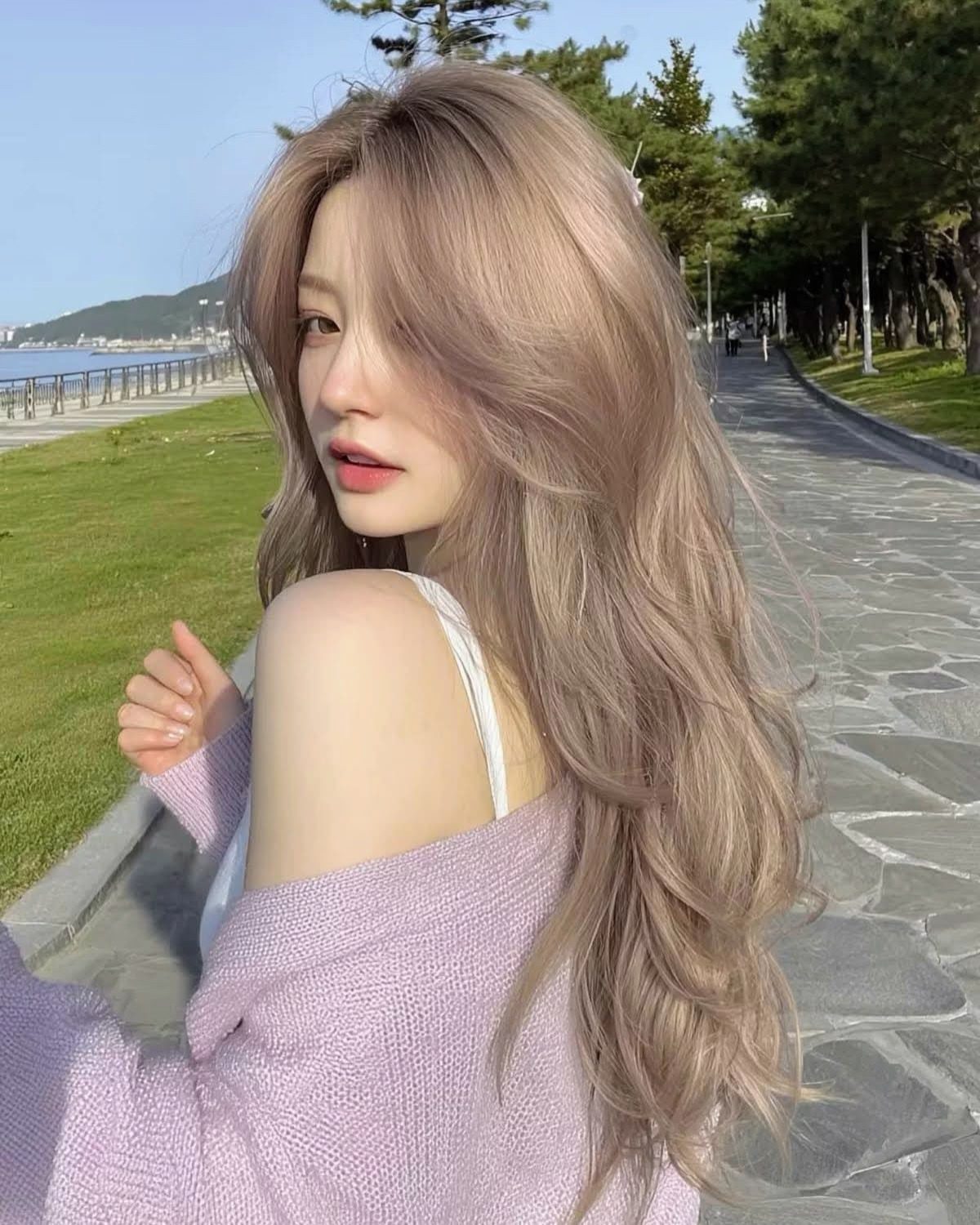
Pale, cool and airy: this is the lightest take on sandy blonde in the list, and long waves keep it looking soft instead of stark.
The lighter the sand, the more lifting it needs, so expect a salon visit if your hair is dark or already colored. I’d ask for a cool, pale beige and have the stylist check that it doesn’t pull yellow.
8. Sun-Kissed Sandy Blonde Hair
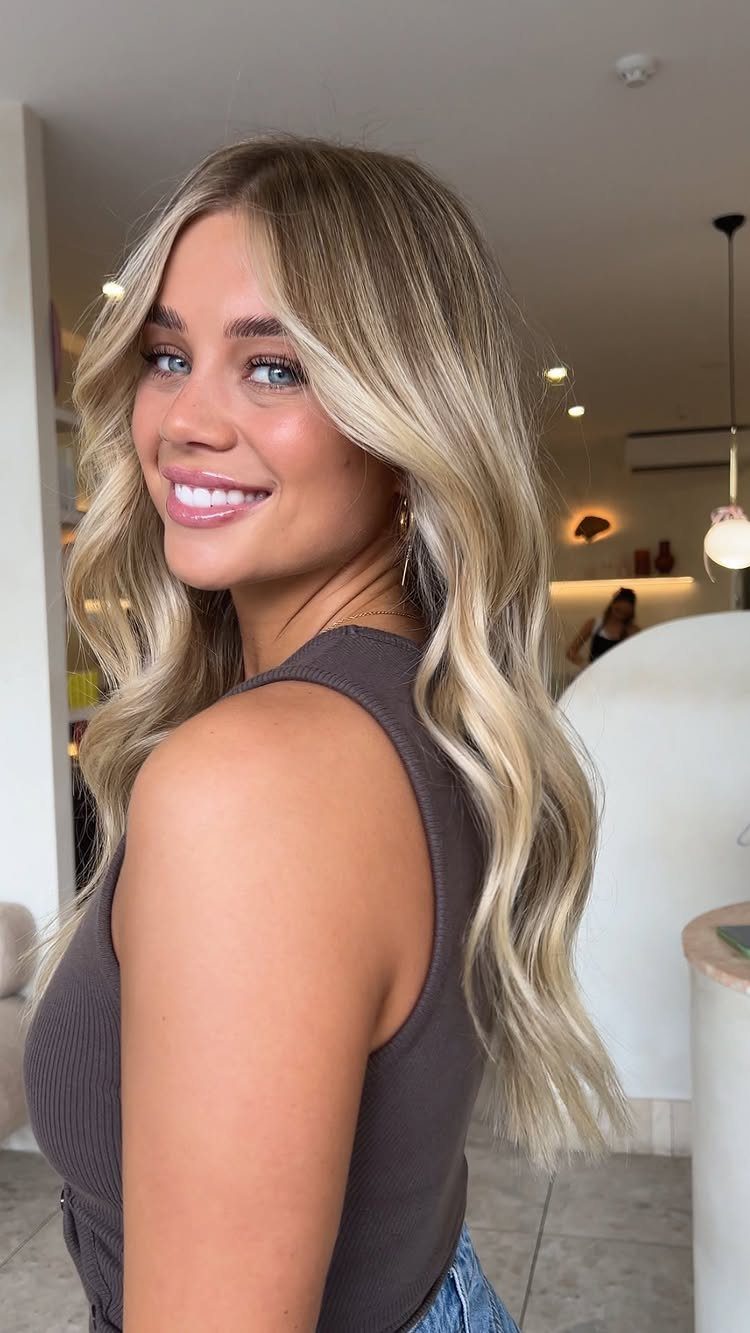
Gold works best in small doses here. The base stays beige, and the warm golden pieces are threaded through so the hair looks lightened by sun, not by a box.
Long waves help, since the highlights catch at the bends. Ask for warm beige and soft gold, and say you don’t want anything orange.
9. Layered Sandy Blonde Hair
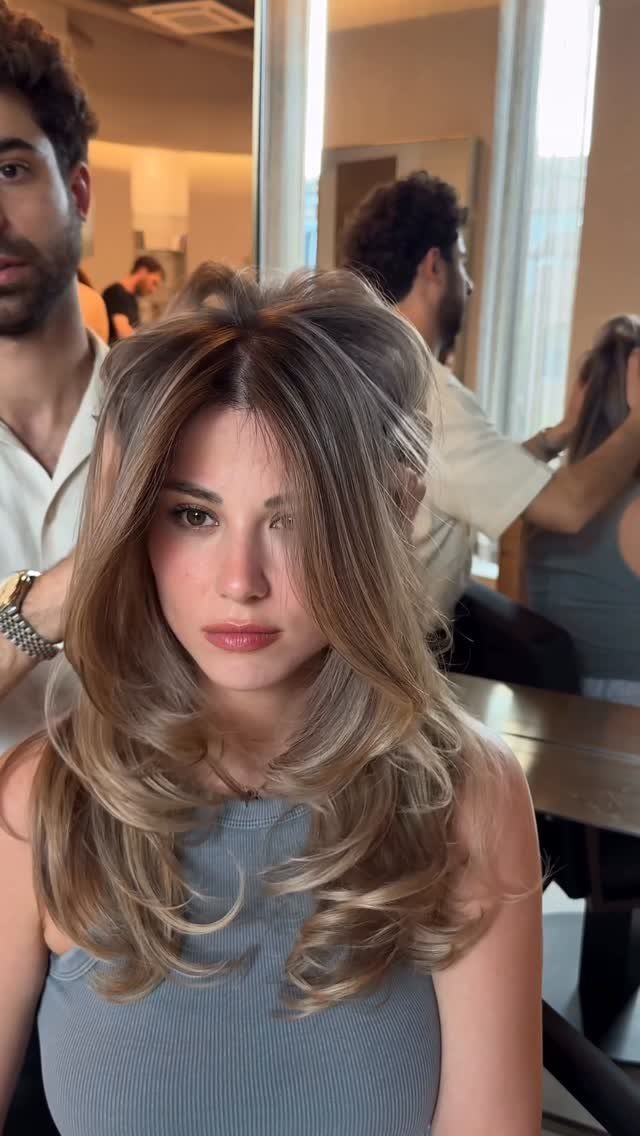
Cut and color do the work together in this one. Feathered layers and ends move as you do, and each layer reflects light a little differently.
With sandy highlights on top, I like how the layer edges pick up the lighter pieces and the rest of the hair stays deeper. Bring the photo and ask for the layers and highlights to be planned together.
10. Face-Framing Sandy Blonde Hair
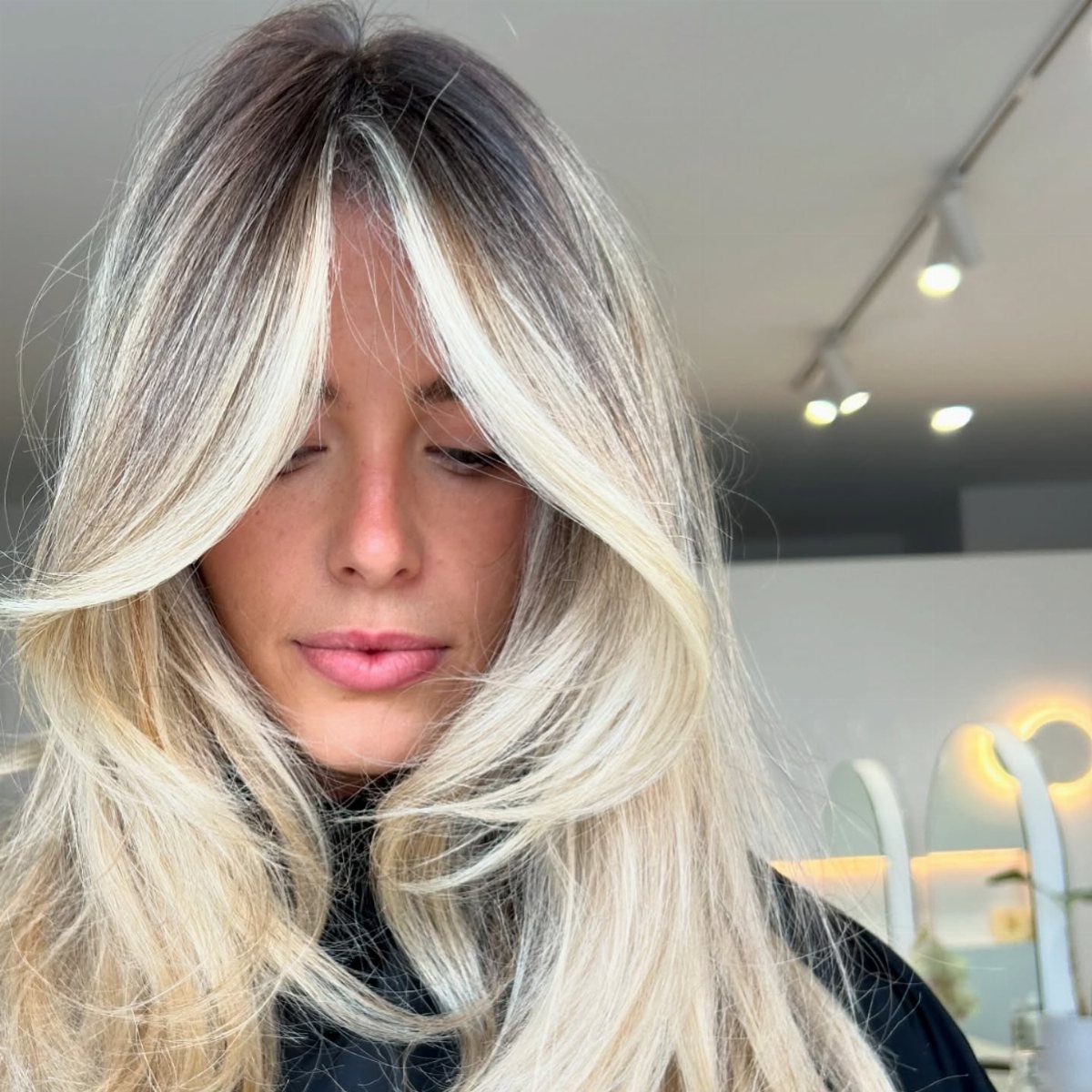
Around the face is where the eye lands first, so brightening only those pieces gives the most lightness for the least change. Pale sandy beige sits against deeper roots and the rest of the hair.
Tell your stylist where the light pieces should start, whether that’s cheekbone or chin, because that point decides how the face is framed.
11. Californian Highlights Hair
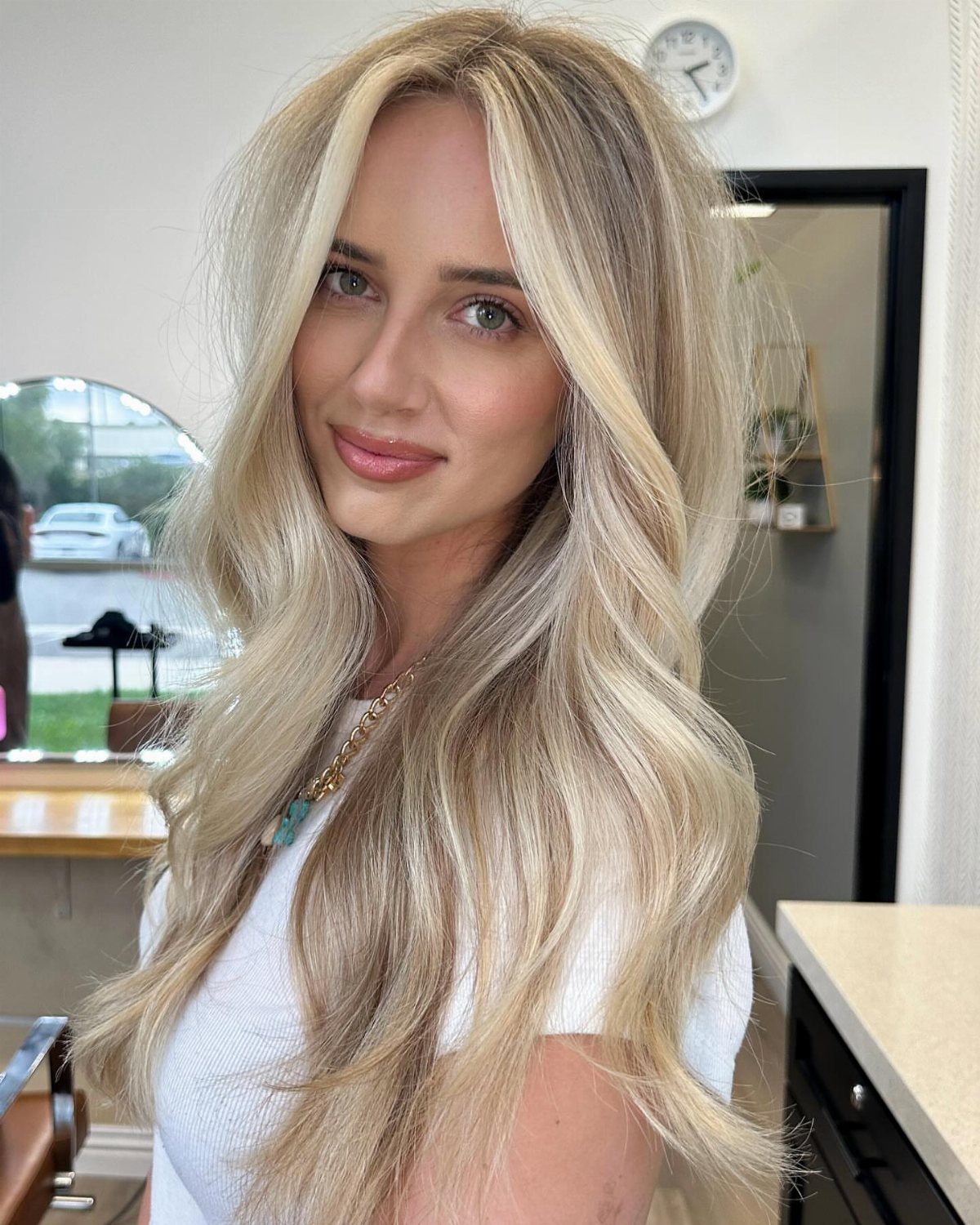
Californian is a name stylists read in different ways, so I’d pair it with a photo every time. Here it means bright, face-framing highlights through long, loose waves.
Ask how bright the front pieces will go, and request sandy rather than yellow tones.
12. Ombre Sandy Blonde Hair
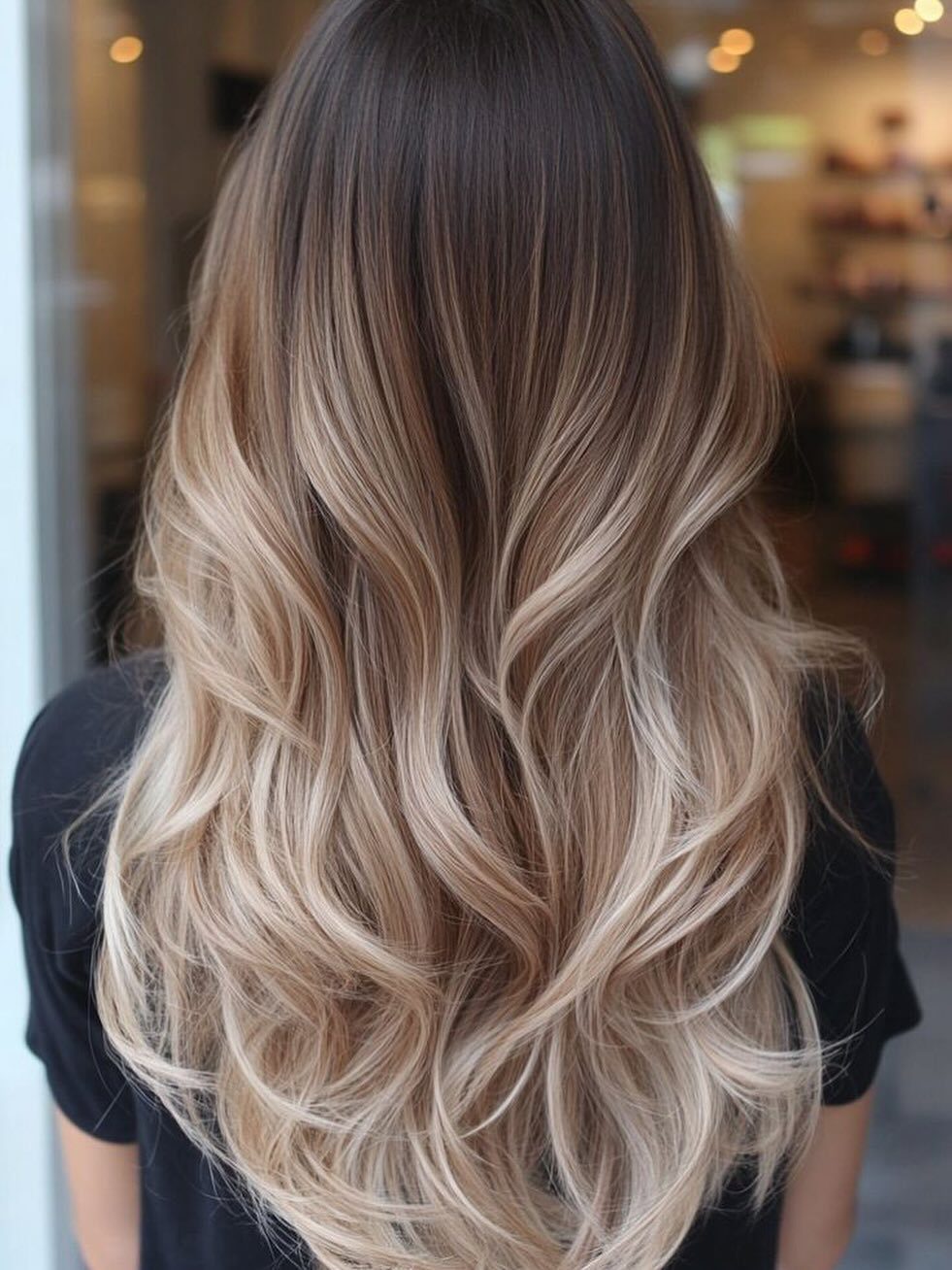
Ombre puts all the lightness at the ends. Dark brown roots run down into sandy blonde, which leaves the top of the head untouched and gives a clearer two-tone look than balayage.
Wavy lengths show the fade well. Ask where the blend begins and how pale the ends should finish, since those 2 choices set the whole look.
13. Bronzed Sandy Blonde Hair
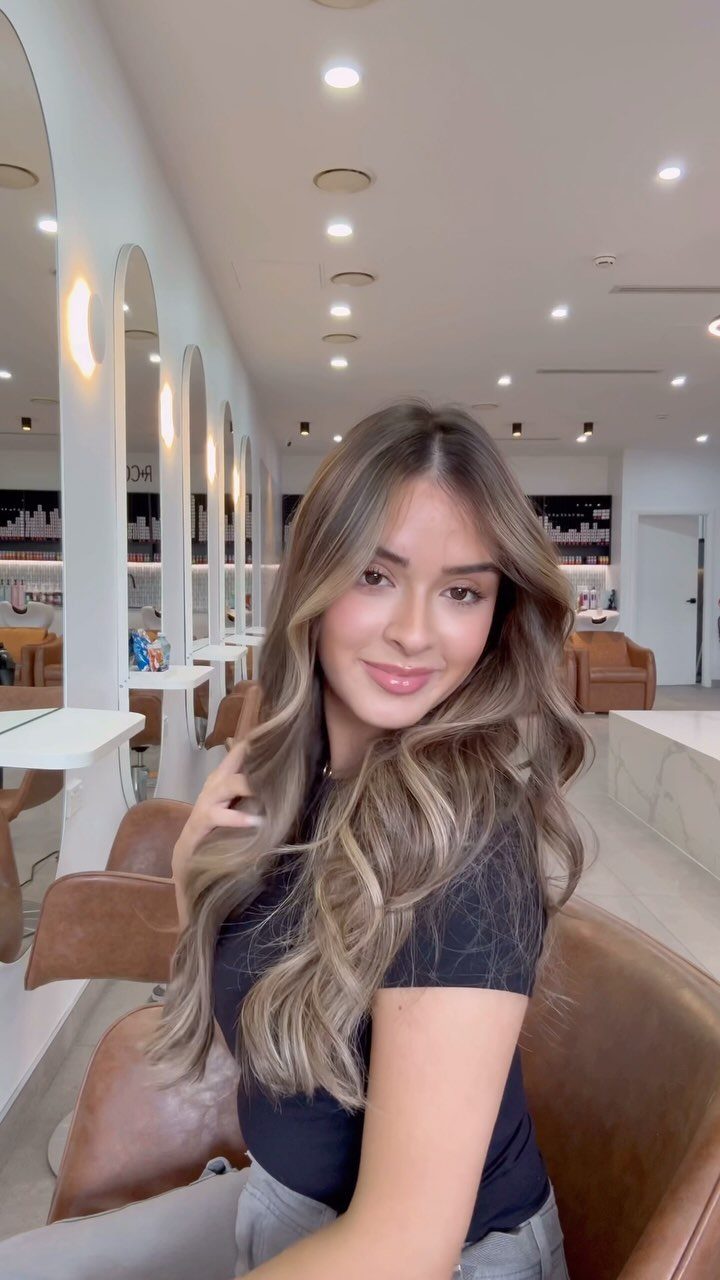
Bronzed sandy blonde warms the hair with a touch of tan while the base stays beige. Bronzing is a partial-color technique, so only some strands get lightened and the rest of your own color stays in.
Long waves suit it, because the movement shows the warm and beige tones trading places. I’d pick this over an all-over blonde if you want a sandy shade without a full change.
Tell your colorist you want bronze tones in the mix, but keep them soft so they stay neutral instead of veering into copper.
14. Sand Blonde Bob
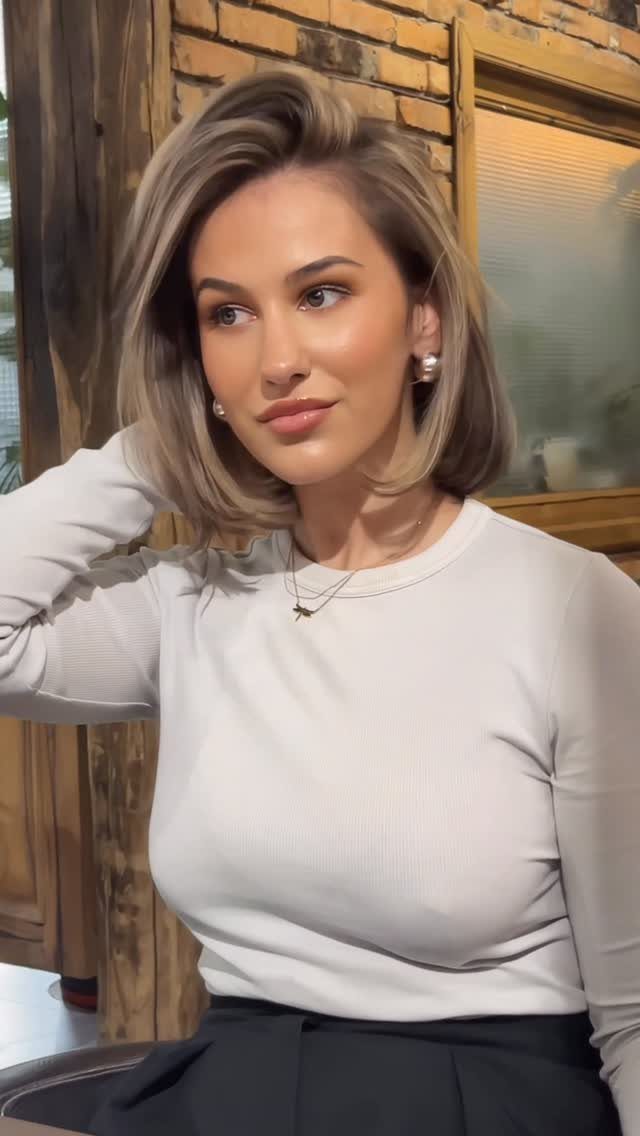
A shoulder-length bob with soft layers gives sand blonde a smooth, wearable shape. The layers take the weight out of the ends, so the cut sits neatly instead of looking like a block.
Short hair shows every tone in the color, which is why I’d keep the shade a muted beige and not a golden one.
Your stylist needs to see the reference photo so the cut and color can work as a pair.
15. Sand Blonde Curtain Bangs
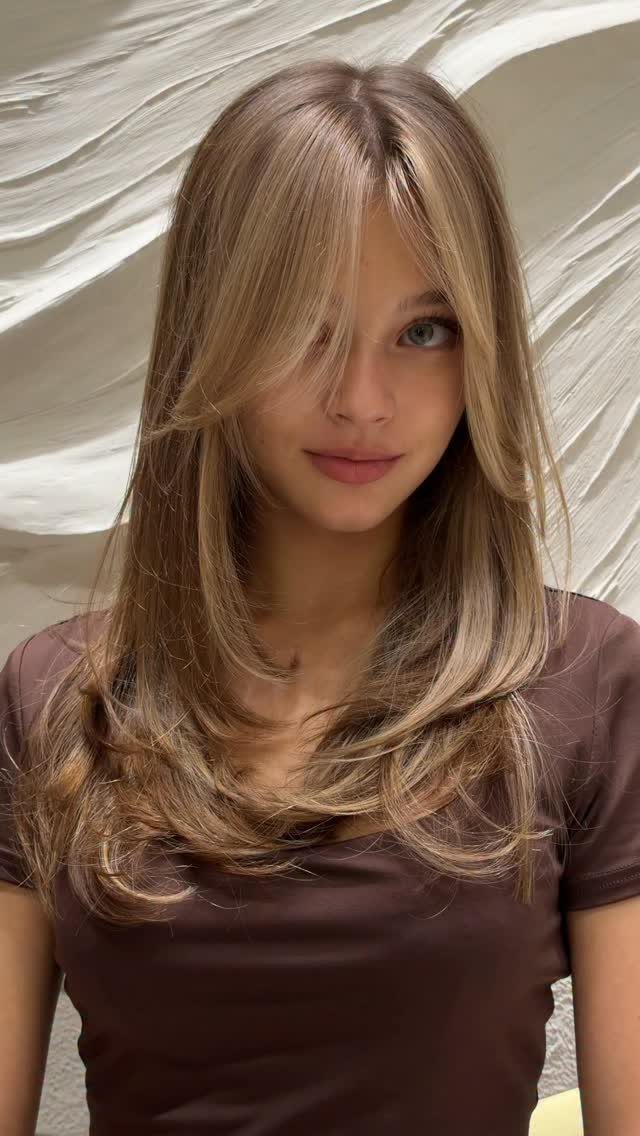
Curtain bangs part in the middle and sweep to each side, and on long, layered sand blonde hair they frame the face without a heavy fringe. The bangs blend into the layers, so nothing looks cut in separately.
For anyone nervous about bangs, I’d call this the gentlest version. Ask for the bangs to start long, then trim them shorter once you’ve lived with them.
Since the color sits right at your forehead, ask that the front pieces match the beige of the rest.
16. Sand Blonde Loose Curls
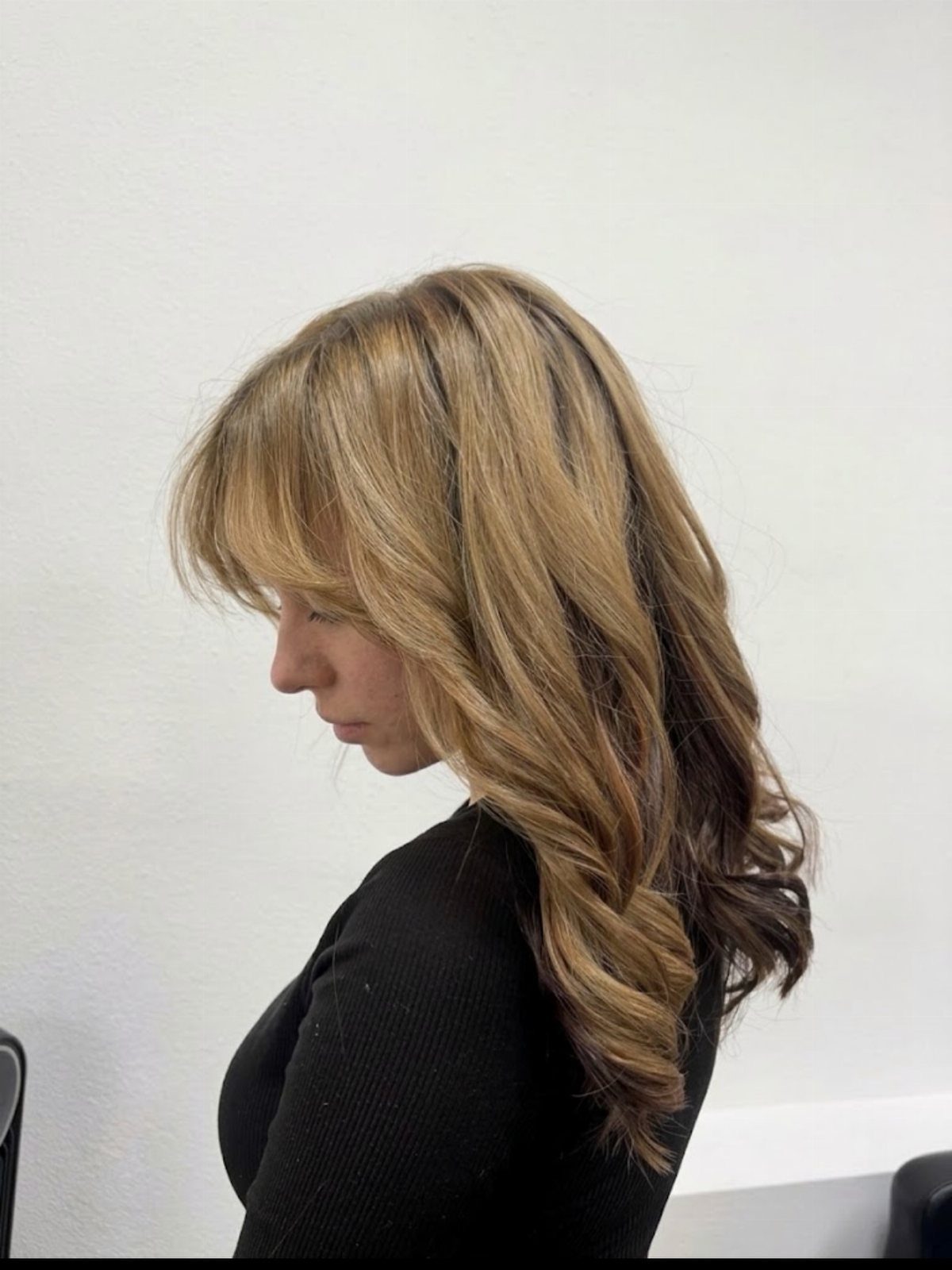
Loose curls turn long sand blonde layers into something soft and textured. Because the curl is relaxed and not tight, the layers stay visible, and each one catches the color a little differently.
Layers are what make the curls sit well, so ask your stylist to cut them before you style. I’d leave the curls loose over polished ones; they read as more natural against a beige shade.
17. Cool Beige Sand Blonde
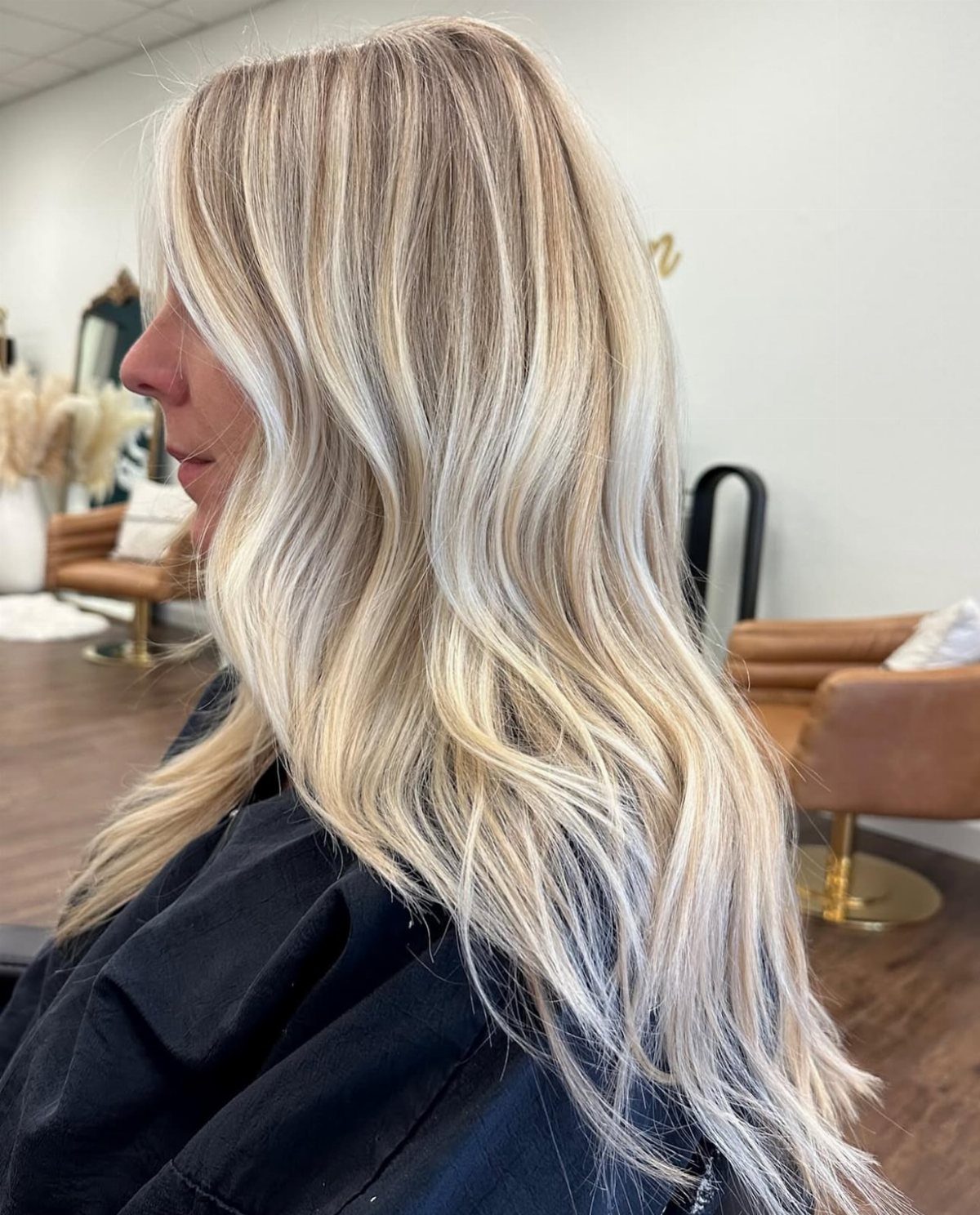
Pale beige, cream and cooler blonde tones run together here, which makes this the coolest take on sand in the list. Long waves let the shades move into each other instead of stacking in bands.
Specify cool beige and cream from the start, and double-check the formula won’t pull warm or brassy.
If you’re lifting from darker or previously dyed hair, go to a professional; this tone requires precise lifting and toning to stay cool and clean. I’d choose it if gold-leaning sand has ever looked brassy on you.
Color and Hair Maintenance
Sandy blonde asks for less salon time than platinum or icy blonde, but no single schedule fits everyone.
Sand blonde with a visible root needs a refresh about every 6–8 weeks on a full head of color, but a balayage or ombre grows out softly enough to stretch that gap by a few months.
3 things shift that: how fast your hair grows, how quickly the toner fades, and how bright you want to stay. Ask your stylist to set the interval for the technique you got.
At home, use color-treated shampoo and conditioner, and apply heat protection before any hot tool. Purple shampoo can cancel yellow, but I’d use it sparingly, because too much dulls a sandy shade.
Choosing and Lightening the Color
Shade names and formulas aren’t standardized, so "sandy" at one salon can mean something different at the next. A photo gives your stylist a shared target, and it beats any description.
Your starting color sets how far the process goes. Dark hair shows its underlying warm pigments as it lightens, so the stylist has to judge how light it can realistically get and how to tone it.
Previous dye adds another variable, and the result may take more than one appointment.
Toner refines the shade after lightening, and there is no universal formula. Ask what toner your stylist plans to use and how it will keep the beige from drifting warm.
Choosing Shades for Complexion
Match warmth and depth to your skin instead of copying one formula. Warmer, golden-leaning sand tones help hide freckles and small skin imperfections, while colder tones make them more noticeable.
Cool color types, the winter and summer kind, usually look better in colder, lighter sand halftones.
Light eyes that don’t dominate the face show best against light sand, and a darker, deeper sand shade frames green, brown or black eyes well.
If two shades both seem right, pick the one that leaves your skin looking even, not flushed or gray.
Frequently Asked Questions
What is sandy blonde hair?
Sandy blonde sits on a beige base with a thread of gold, so it reads soft and muted instead of bright or buttery.
It sits between a golden blonde and a cool ash, with tones running from soft beige to golden ash.
Names for this shade vary from salon to salon, so a photo plus the word "beige" will get you further than "sandy" alone.
What is the most flattering blonde hair color?
No single blonde suits everyone, but sandy blonde is the one I’d start with.
Because it lands between warm and cool, sand suits a wider range of complexions than honey or icy platinum do. From there, adjust the warmth and depth to your own coloring.
What skin tones complement sandy blonde hair best?
Warm, neutral and slightly cool skin tones can all wear it, especially golden, peachy and beige undertones. Sand with a golden lean tends to blur freckles and small blemishes, where cooler shades make them stand out.
How does sandy blonde differ from golden blonde?
Sandy blonde reads muted and neutral, with beige leading, while golden blonde leans into stronger yellow and honey tones.
Gold still has a place in sandy hair in small amounts, threaded through a beige base. For a sun-lightened finish, request warm beige with soft gold and tell your stylist to steer clear of orange.