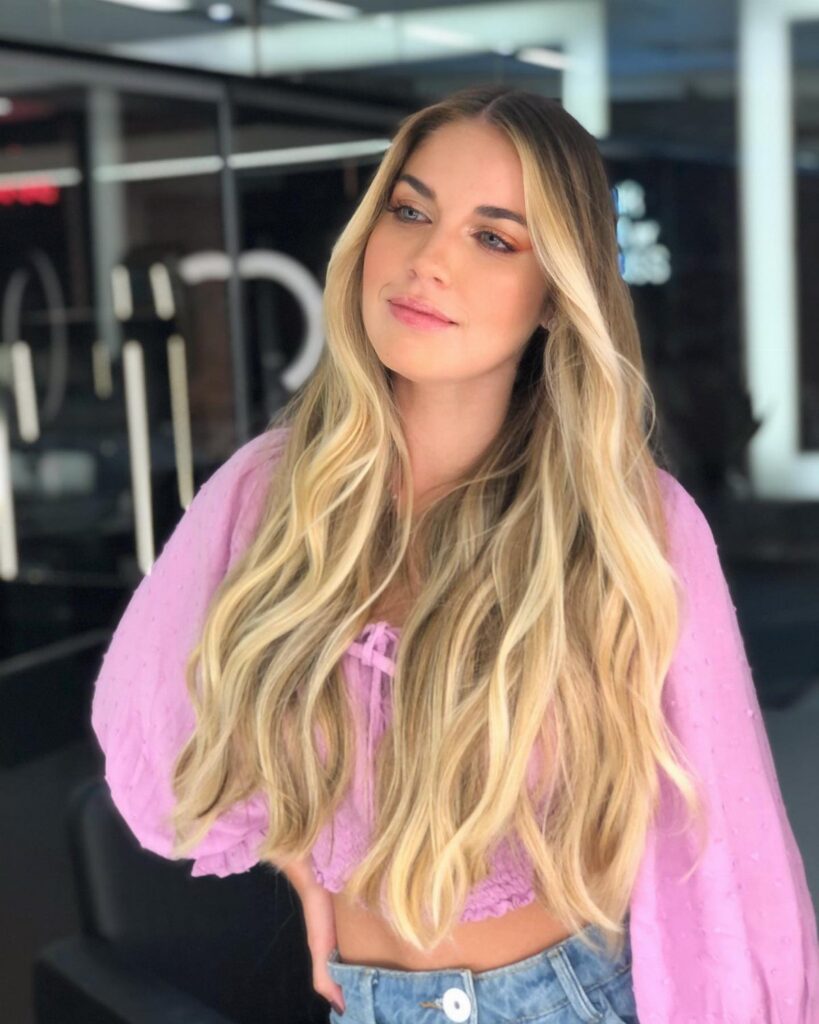
These looks run from dirty blonde and mushroom, which stay close to light brown, to platinum and silver, which are unmistakable.
Dark brown hair has the longest road to blonde, since lifting it cleanly often takes 2 or 3 appointments; bronde, caramel balayage or a shadowed root are easier asks if you’d rather keep some natural color and grow out with less of a line.
Undertone then sets the tone, with warm skin leaning golden and cool skin leaning ash.
1. Bronde
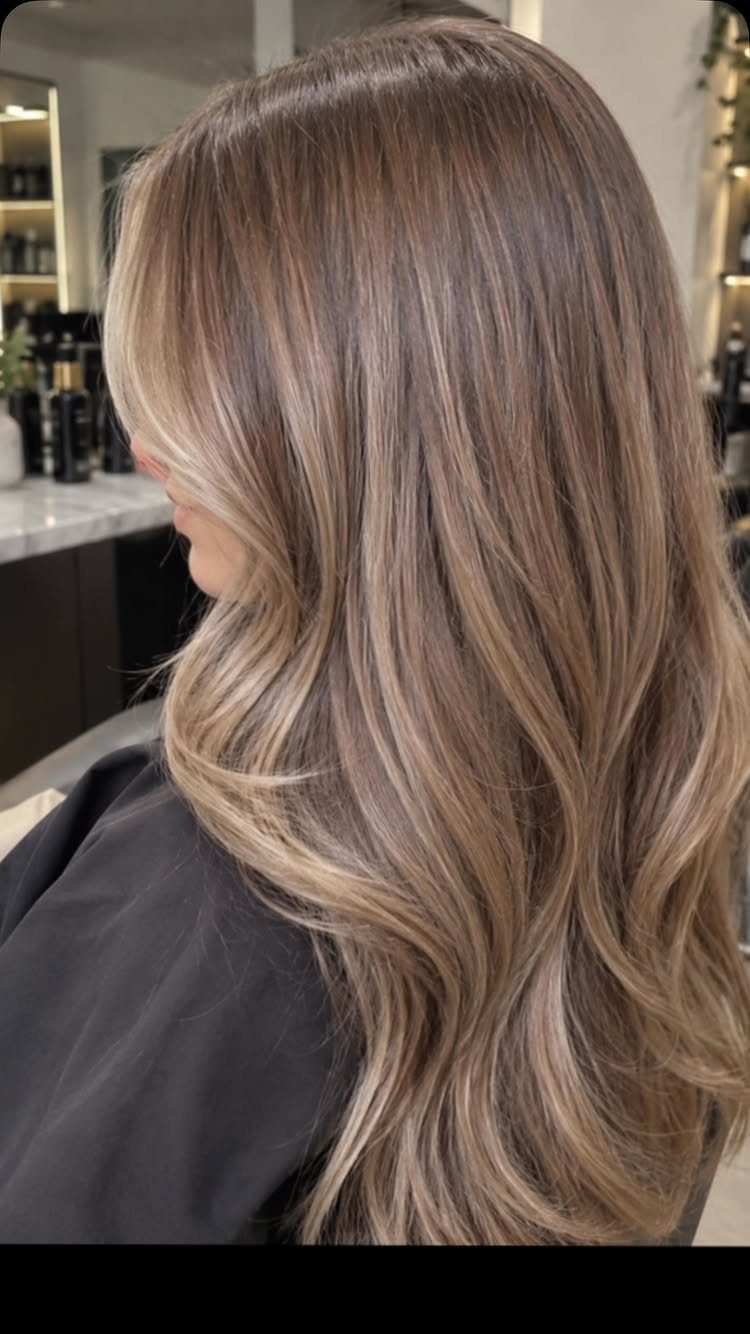
Brown and blonde share one head of hair in bronde, and I like it best when the blonde reads beige instead of yellow, since that keeps the brown base from fighting the lighter pieces.
The mix gives long hair depth and light at once.
Ask for bronde by name and bring the photo.
2. Platinum Blonde
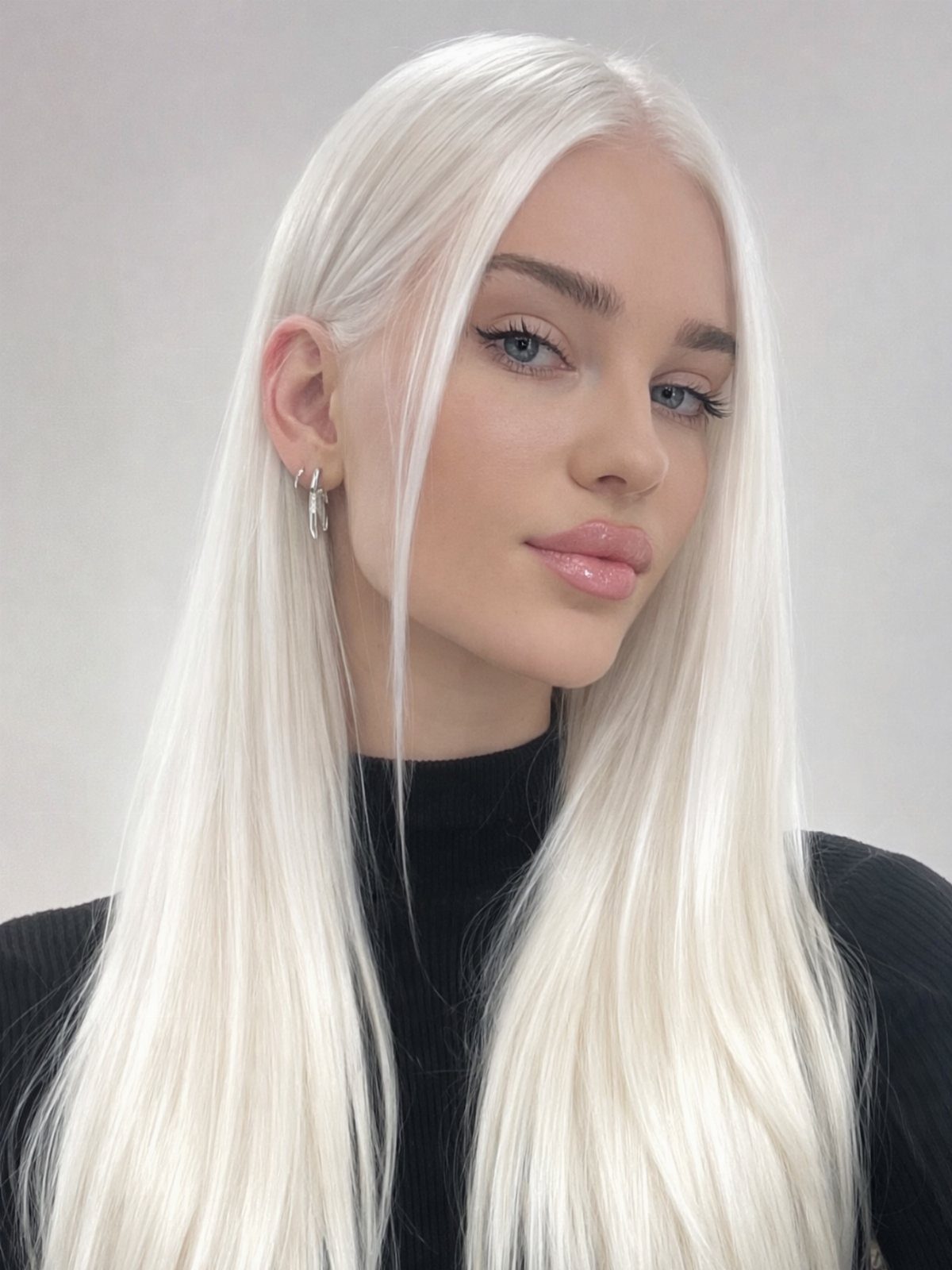
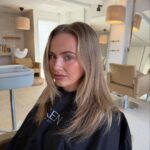
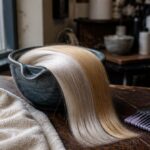
Platinum is the lightest, coolest end of blonde, with an icy, silvery finish. A straight, center-parted cut keeps all the attention on the color, and I think that’s the right choice for a shade this stark.
Pick it only if you want blonde that is unmistakable. Take a photo to your stylist and ask for platinum by name.
3. Ash Blonde
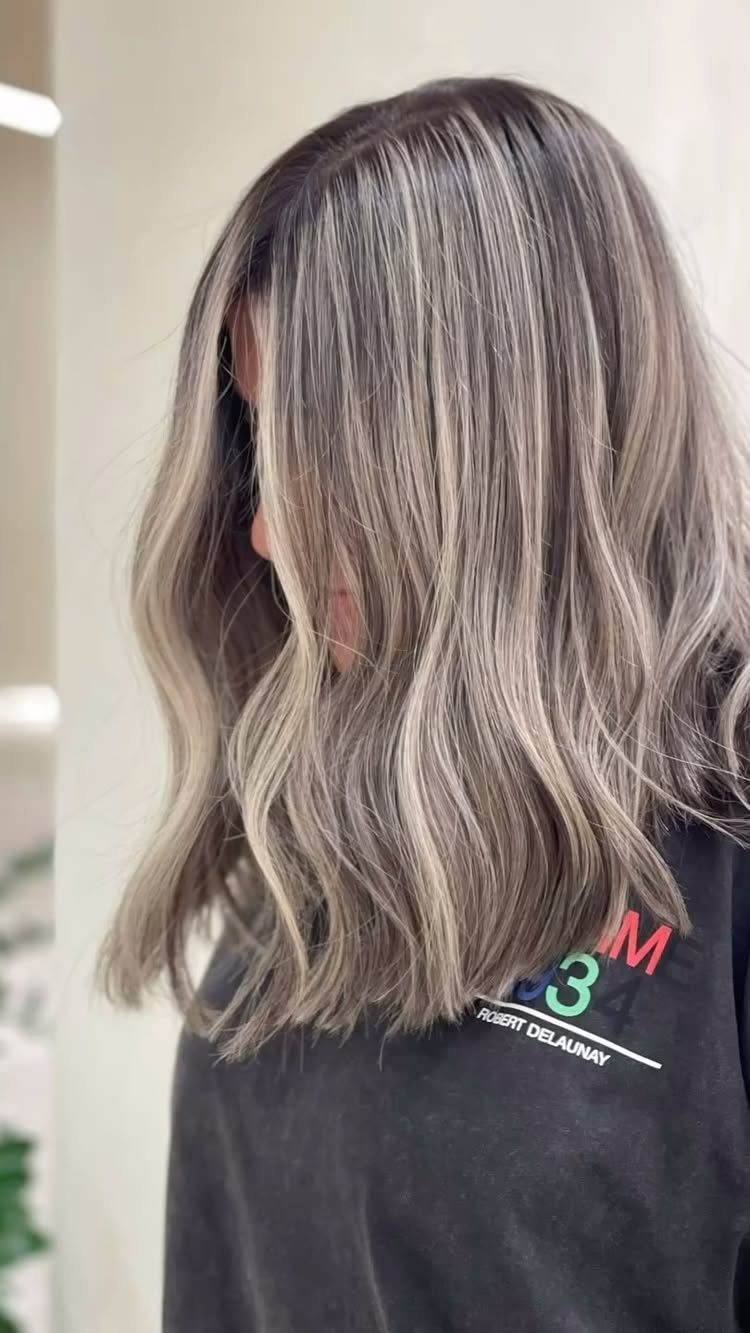
Dark roots under cool gray-beige lengths make ash blonde look lived-in, and I prefer that to an all-over pale ash. Wavy, shoulder-length hair gives the tone some movement.
Ash can lean grey, beige, blue, or green, so show your stylist which one you mean. That one detail separates a soft, smoky blonde from a flat one.
4. Golden Blonde
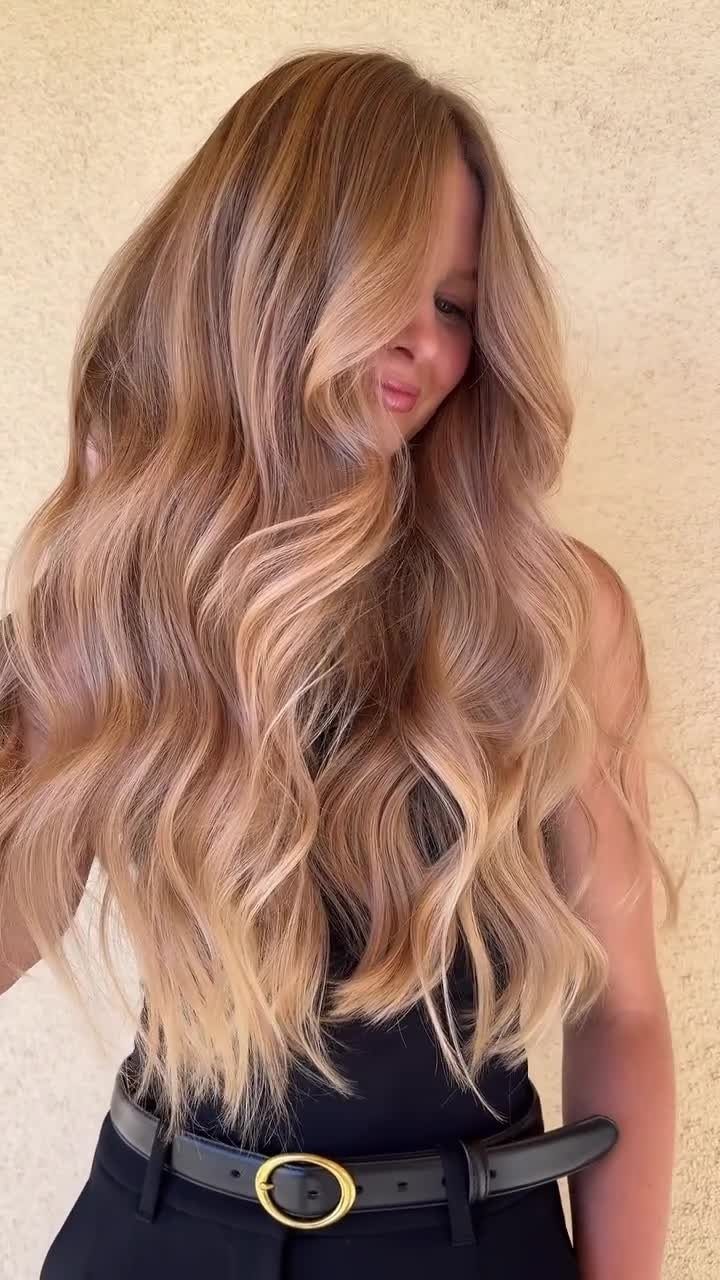
Honey and bronze tones are what set golden blonde apart from paler shades, and long waves show them off well.
The colorist behind this look says adding a 9.4, 8.43, or 8.4 to a golden blonde formula brings extra richness while keeping the level light. If you color at home, those are the numbers to look for.
5. Strawberry Blonde
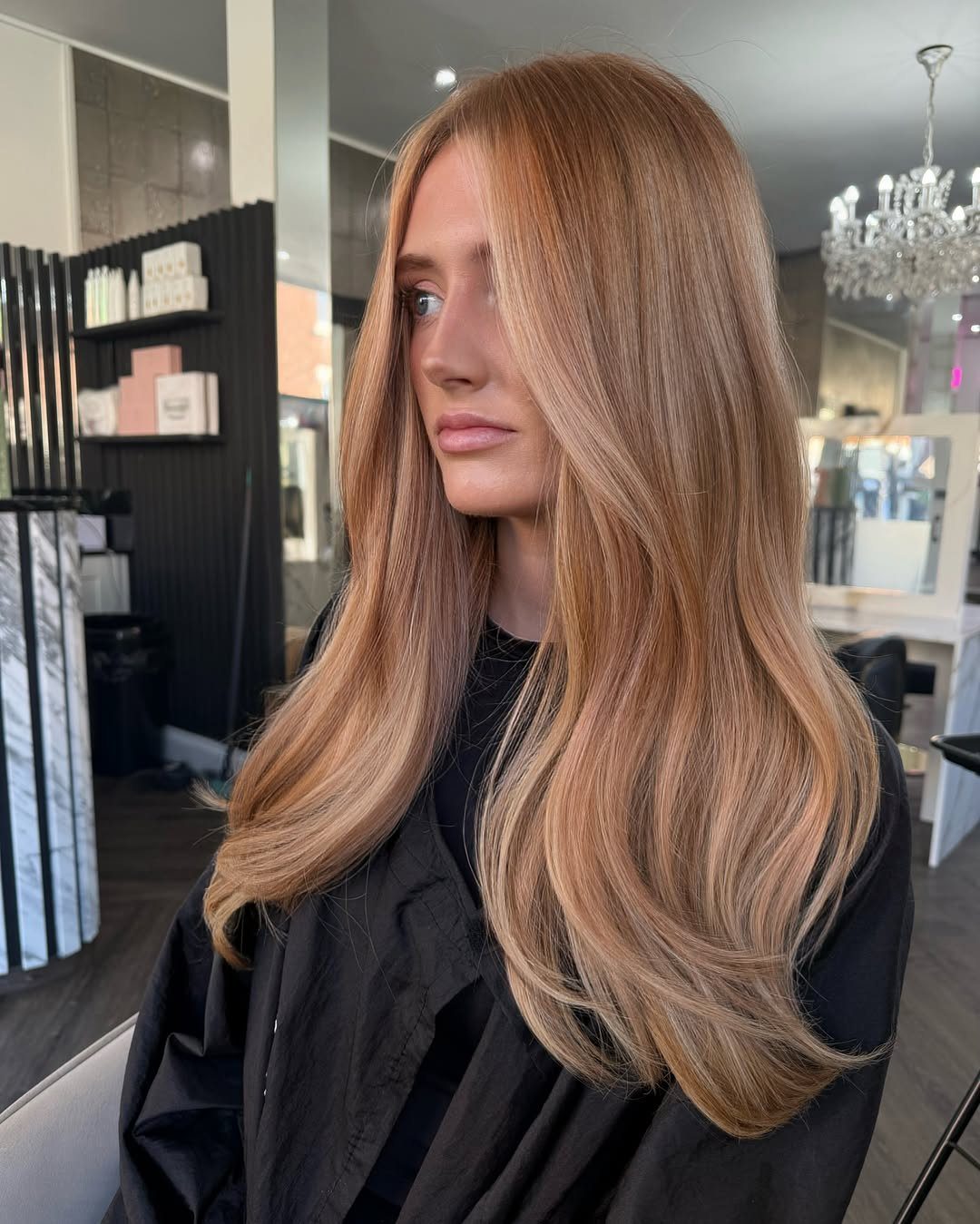
Light blonde warmed with red, copper, or a hint of pink gives strawberry blonde its glow. Long hair, like this, lets the color read cleanly.
I’d choose it if cool blondes wash you out. Bring a photo and say which direction you want, more copper or more pink, since the name covers a range.
6. Buttery Blonde
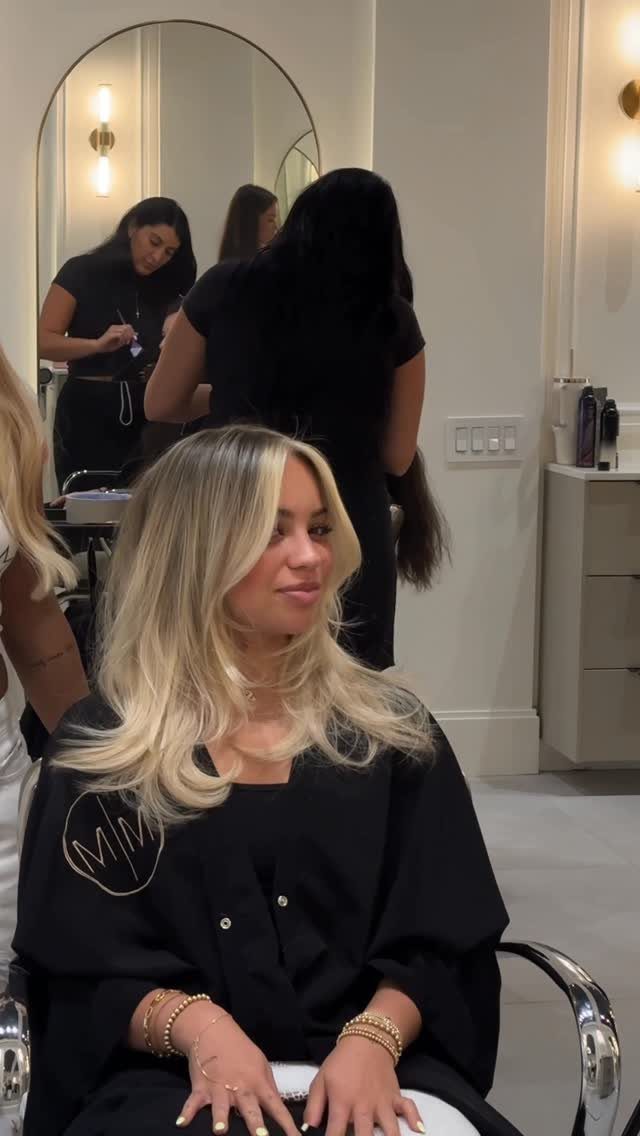
Butter is the word to use in the salon chair, because "creamy blonde" can mean anything. This shade is soft and sun-kissed, warmer than ash but gentler than a bold golden.
Layers give it movement, and I like that they stop the color from looking heavy. Show your stylist a photo so you land on cream and not yellow.
7. Golden Blonde Highlights
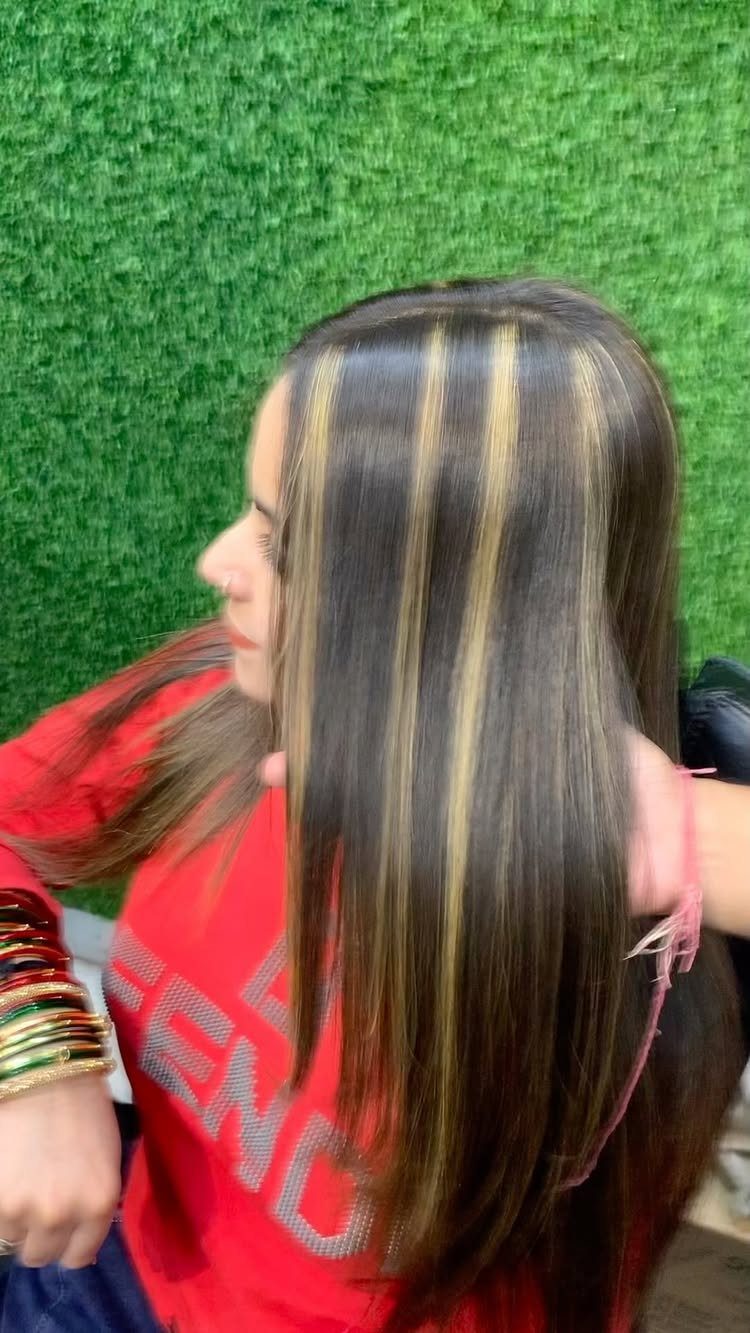
Broad golden streaks over a dark brown base add blonde without turning the whole head over, and I think that’s the smarter way in if you’re unsure. The brown stays as the anchor and the gold does the brightening.
Ask for golden highlights by name and say you want them wide, not fine, so the streaks read from a distance.
8. Blurred Platinum Streaks
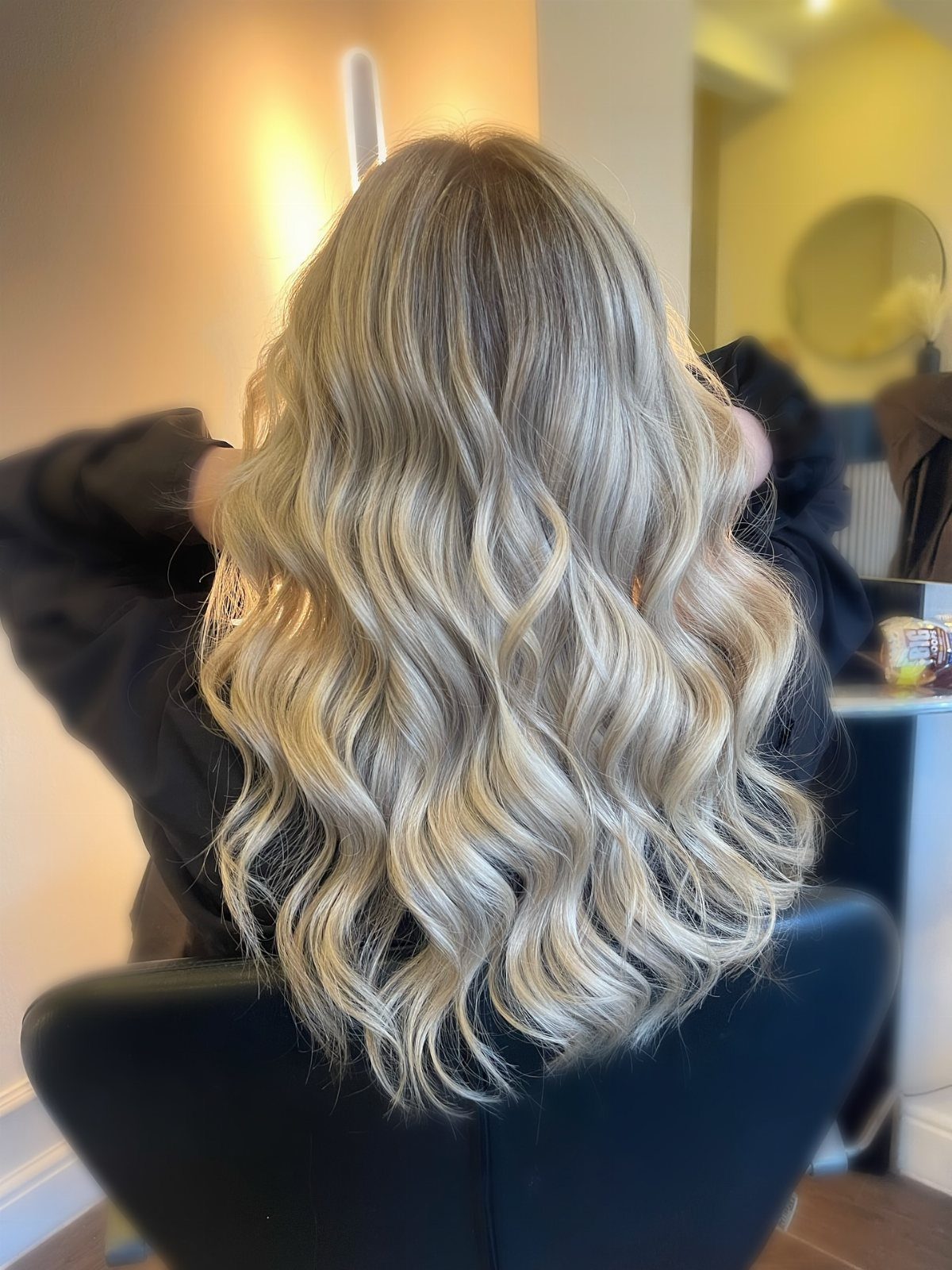
Soft edges are what make platinum streaks look blurred instead of striped. Through loose waves, the pale pieces melt into the blonde around them.
Say "blurred" to your stylist, and have the photo ready on your phone. Without it, platinum highlights can come out as sharp lines, which is a different look.
9. Ash Blonde Blend
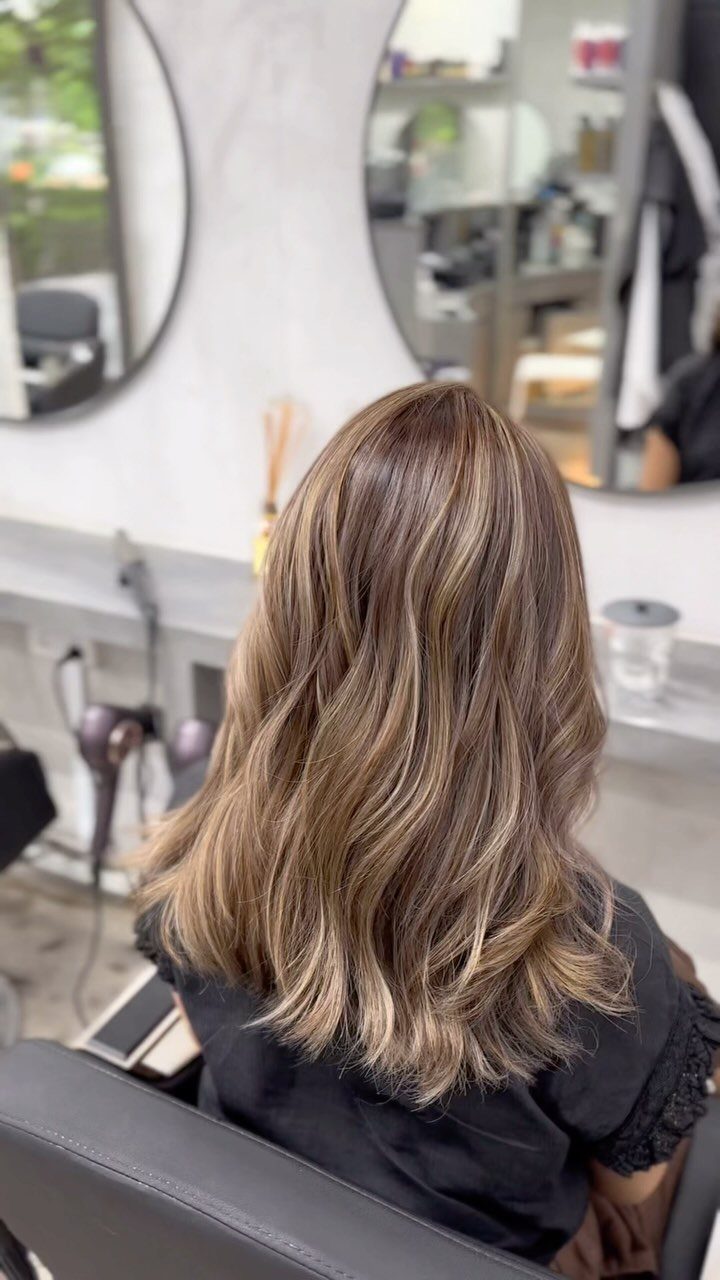
Medium-length brown hair makes a good canvas for ash highlights, and I’d ask for them blended into the base so no streak has a hard start. Waves help the cool tone move between the dark and light.
Choose this over an all-over ash if you want to keep your brown. Show your stylist a photo of the exact coolness you mean.
10. Dirty Blonde
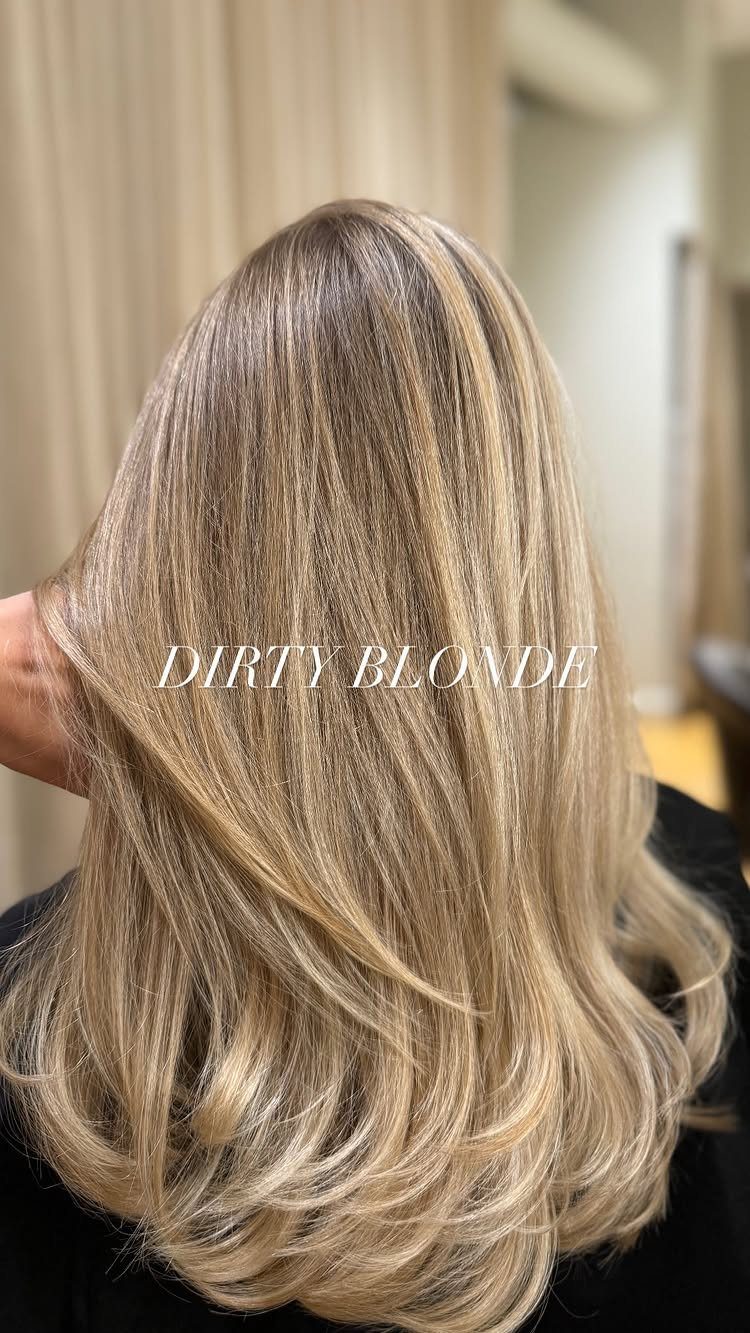
Dirty blonde sits closer to light brown than to anything bright, which is why I like it for anyone nervous about going blonde. Darker roots with lighter, wavy ends look natural, and layers keep the length from looking flat.
Say "dirty blonde" and bring a photo, because the name covers a wide stretch from nearly brown to nearly golden.
11. Silver Blonde
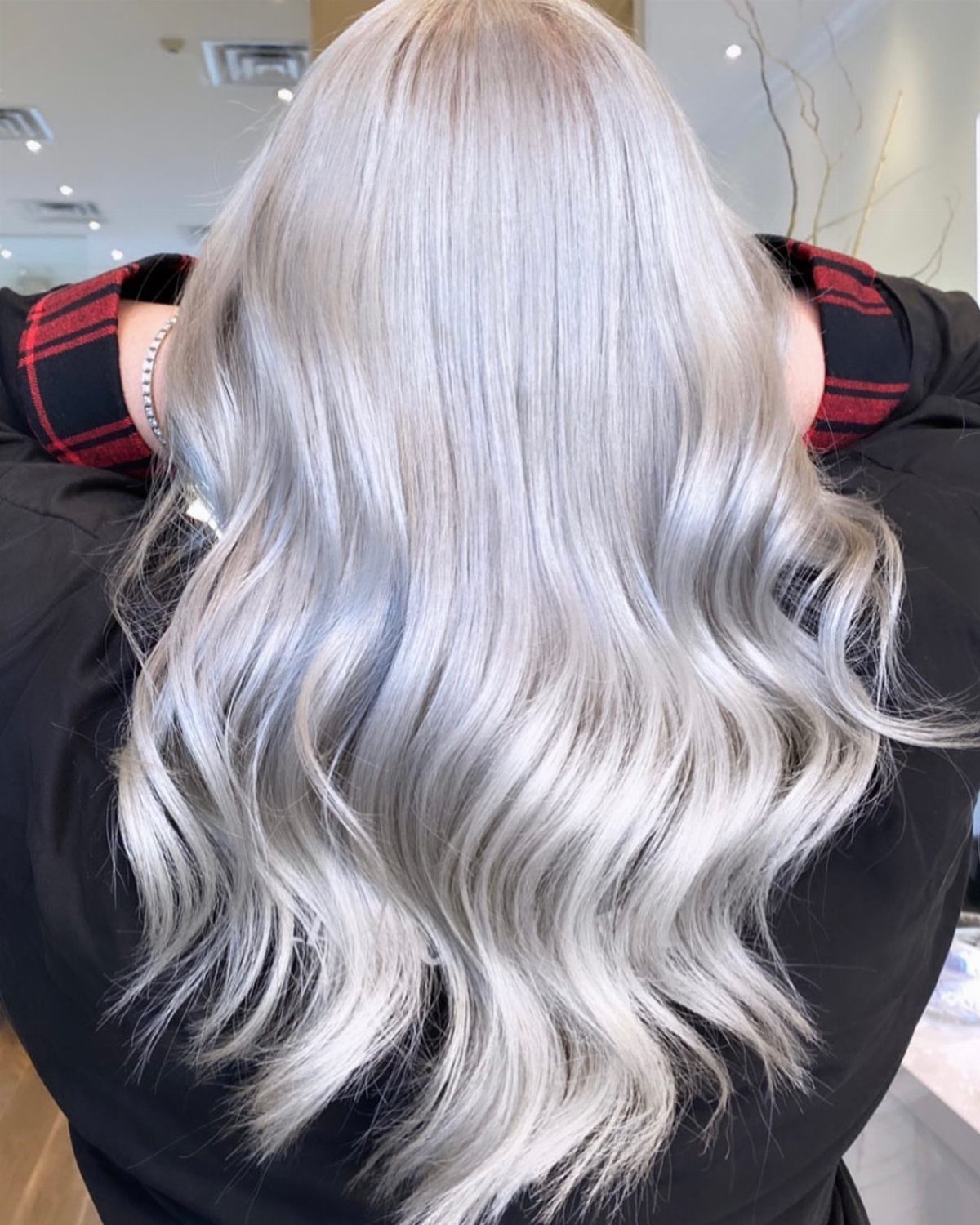
A notch darker than platinum, silver blonde reads as metal: cool, gray, and a little smoky. Long waves with gray streaks show that depth better than a flat, straight finish.
Pick silver if platinum feels too stark. Ask for "silver blonde" specifically, and show a photo so your stylist doesn’t aim for the lighter shade.
12. Sandy Blonde
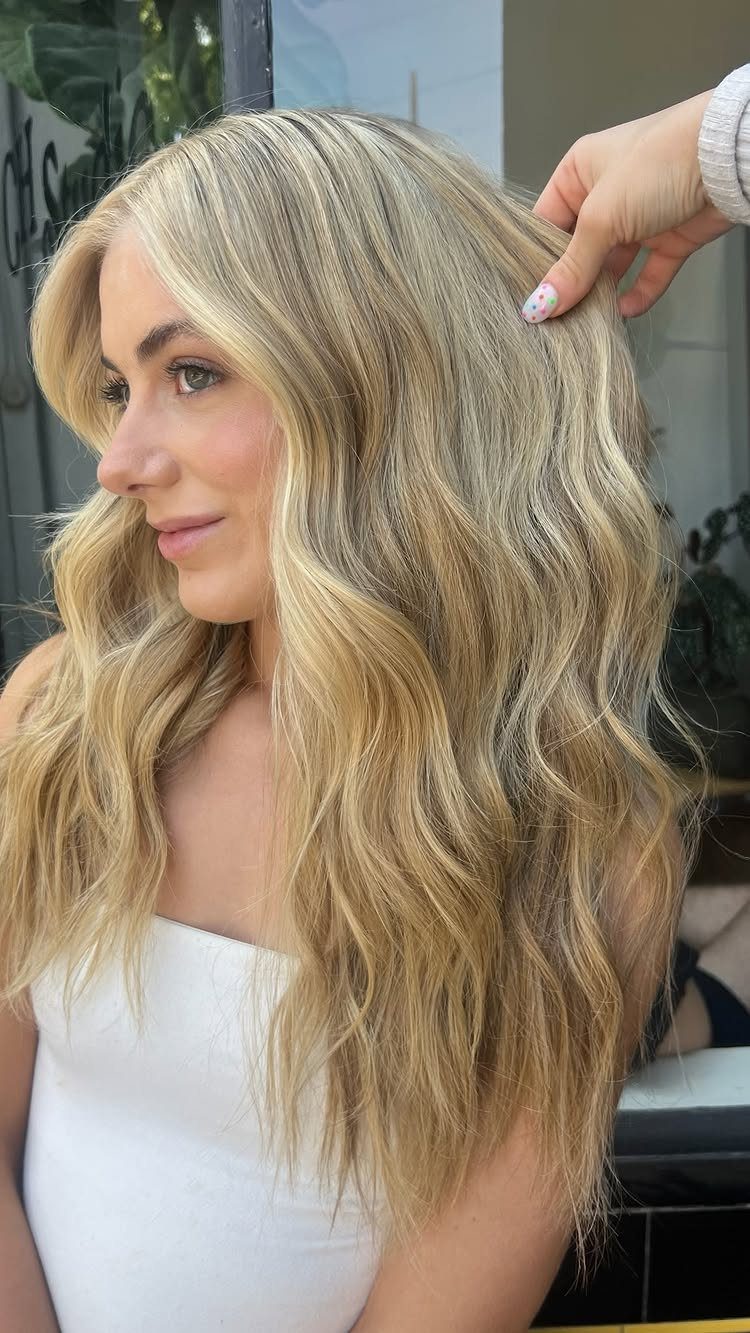
Muted is the whole appeal of sandy blonde, which sits between bright blonde and light brown and often leans cool or ashy. Darker roots with long, soft waves keep it relaxed.
I’d choose it over a brighter blonde if you want color that looks easy. Tell your stylist whether you want it cooler or warmer, and bring a photo.
13. Honey Blonde Highlights
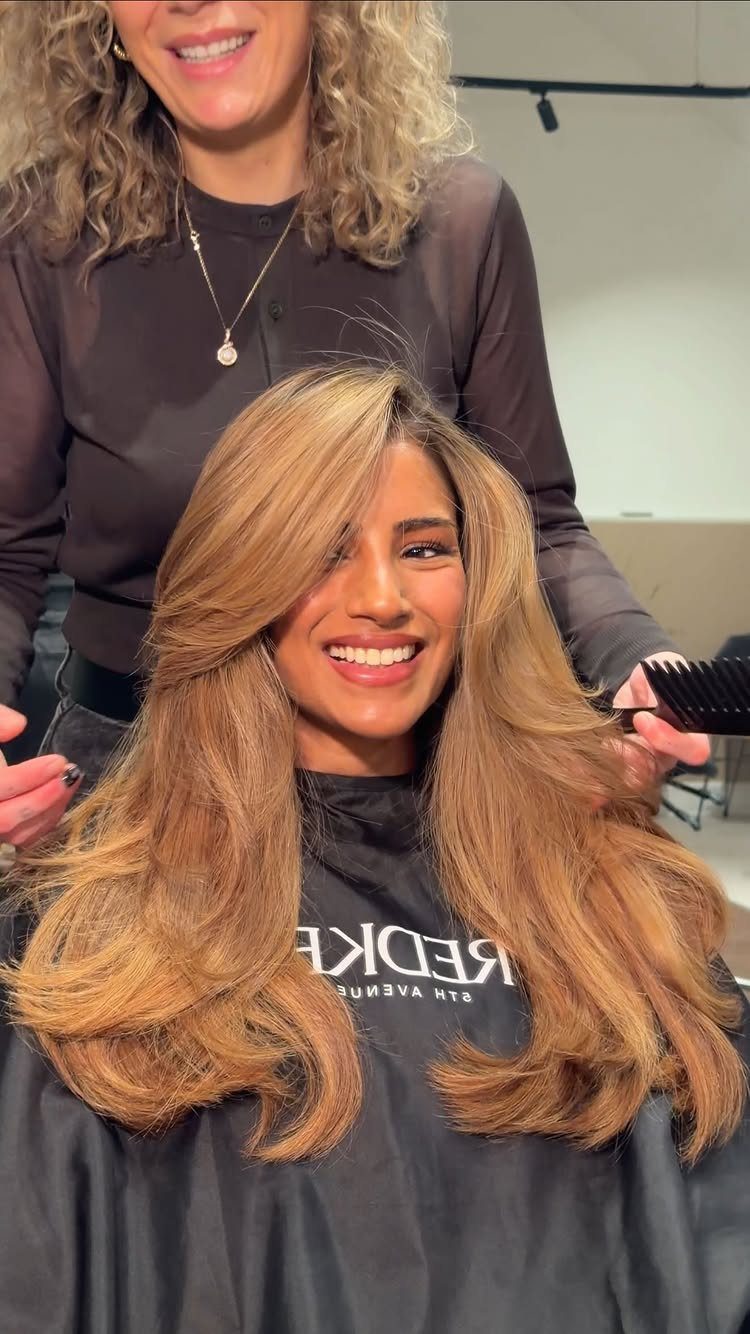
Warm honey pieces woven through long hair add texture that a single flat color can’t, and soft curls at the ends let those lighter ribbons catch the eye.
I’d pick honey over a paler gold if you want dimension without a big change.
A photo does the real work here, since "honey" can mean anything from pale gold to deep amber, and your stylist can only match what they can see.
14. Balayage
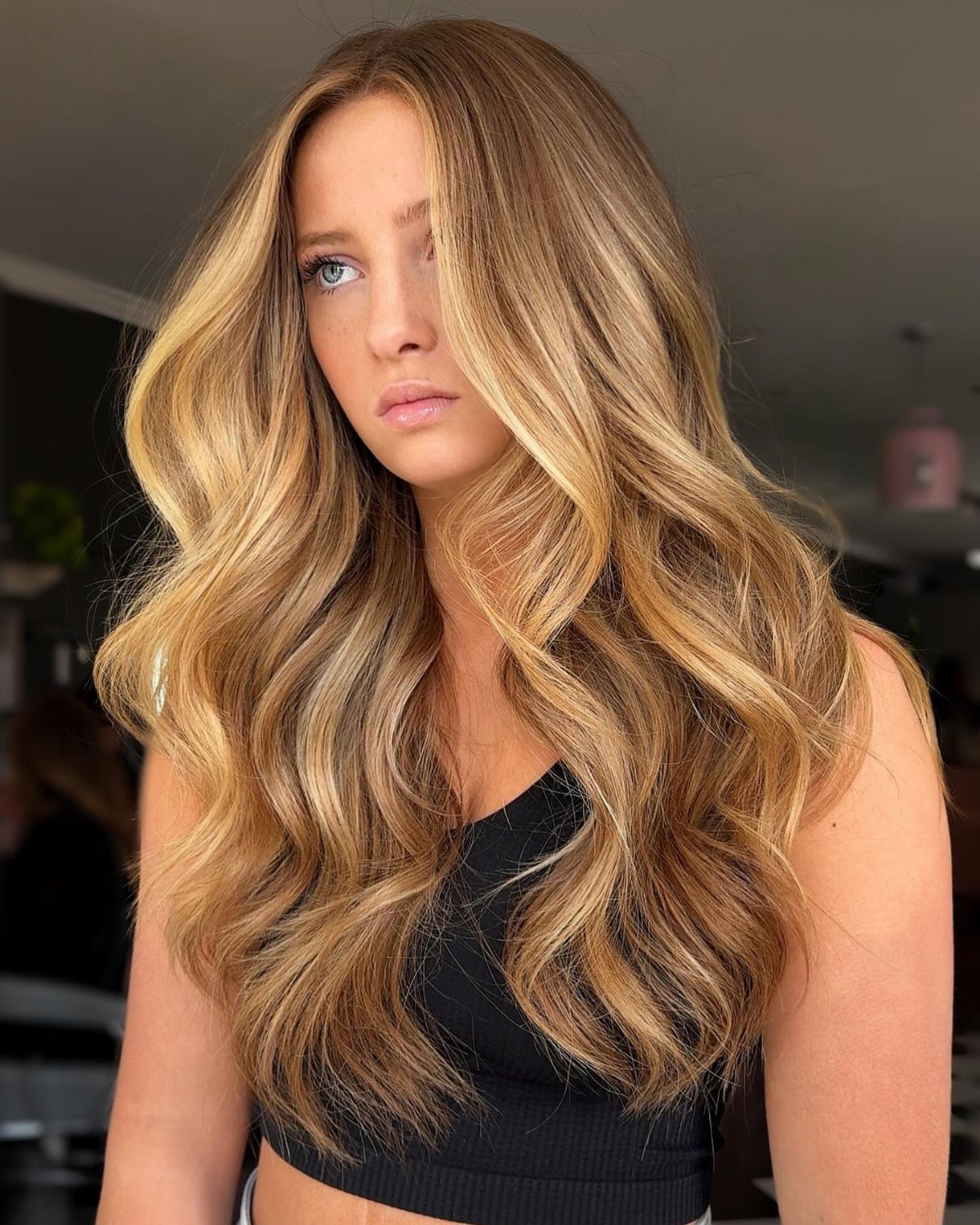
Balayage is a technique, not a shade: the colorist paints the lightener on by hand, which is why the blend looks sun-kissed instead of striped.
Darker roots with long, loose waves show that gradient best, and I’d pick that pairing for anyone who wants blonde with an easy grow-out.
Say "balayage" and show a photo of the blonde you want at the ends.
15. Yellow-Blonde Babylights with Dark Roots
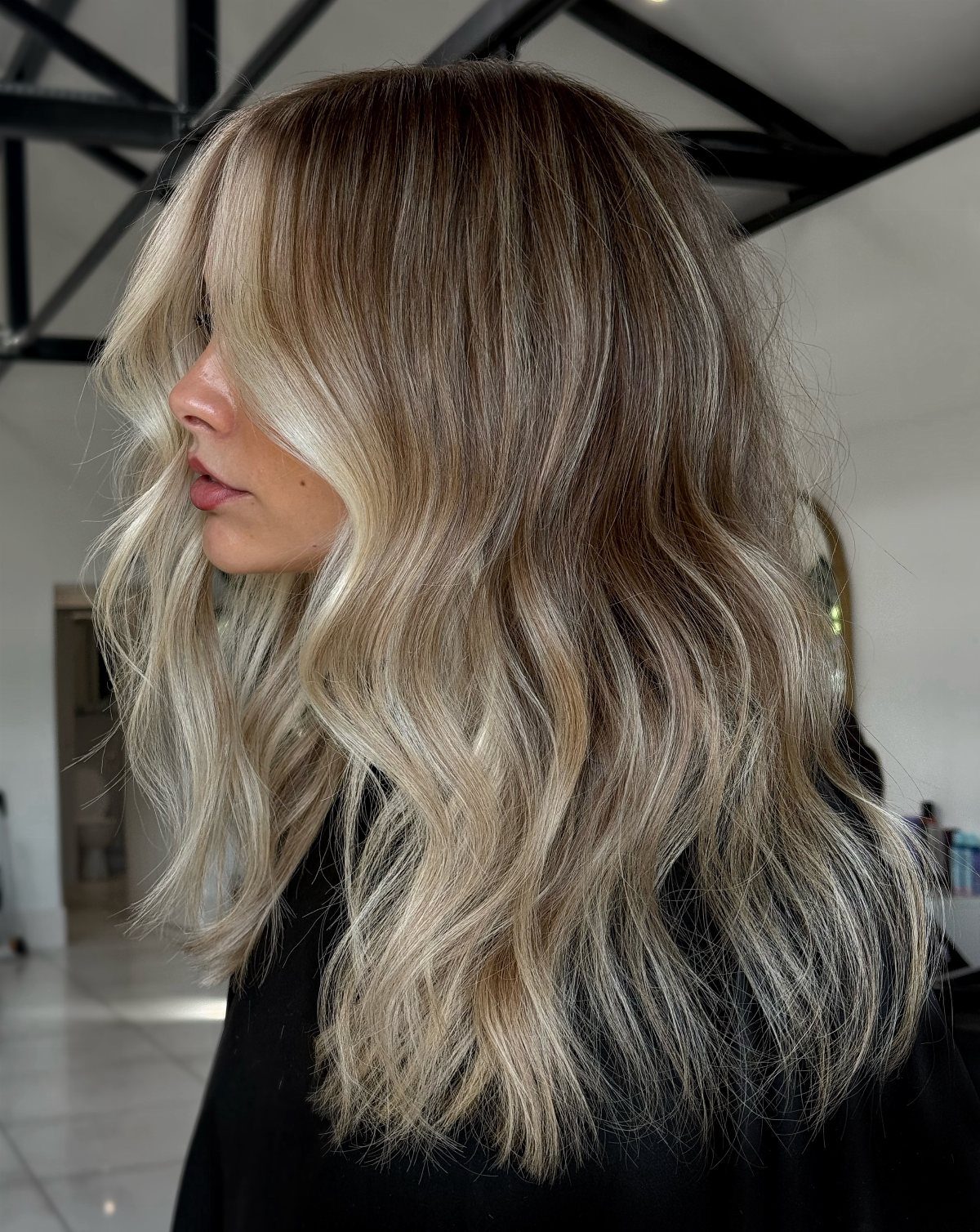
Yellow-blonde babylights keep the transition soft, so the dark roots melt upward instead of ending in a hard line. Lighter strands around the face brighten the look, and waves help the blend move.
I like this for anyone who hates salon touch-ups, since the roots are meant to show as they grow. Ask for babylights with dark roots, and tell your stylist how yellow you want the blonde.
16. Honey, Butter, and Icy Blonde
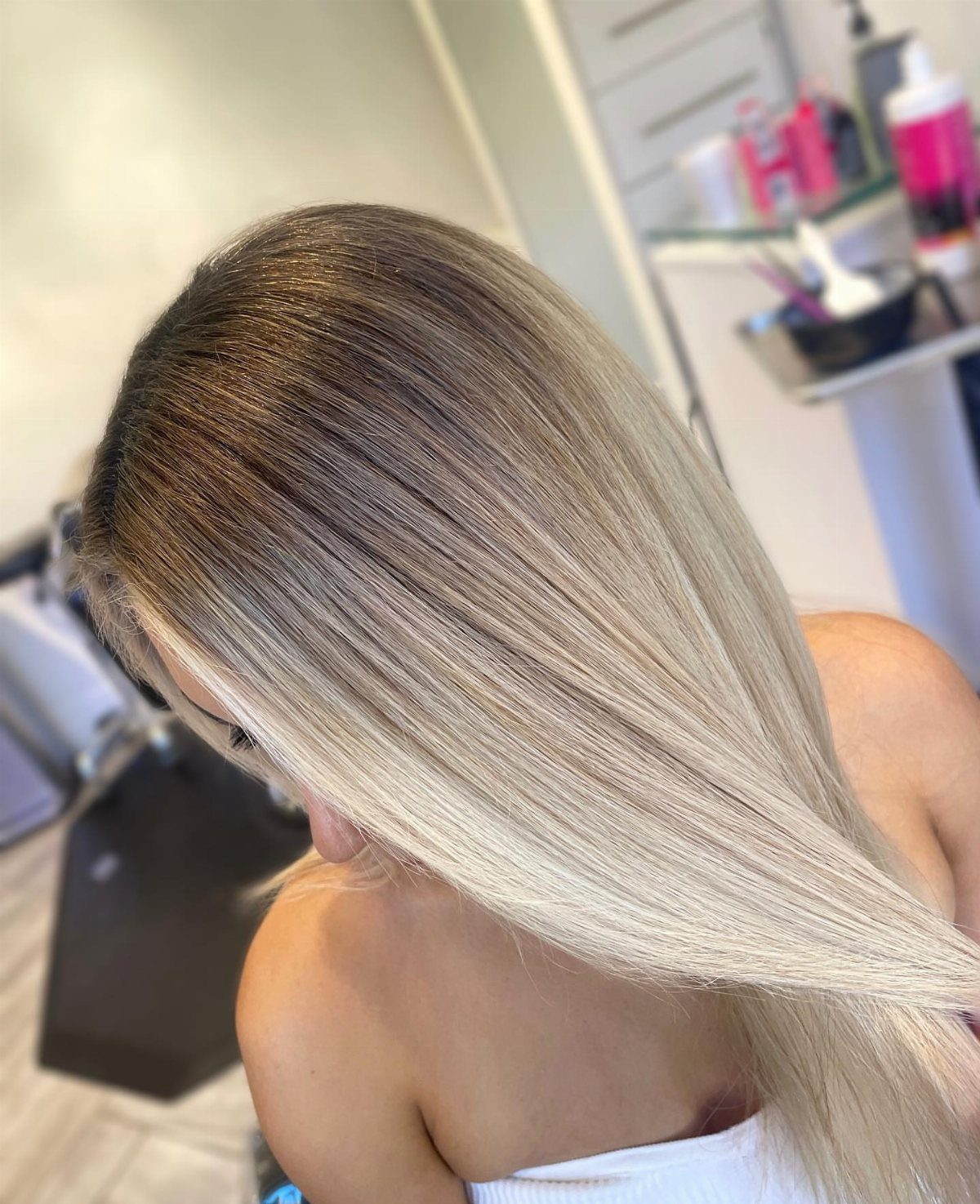
Straight hair shows the gradient cleanly, with no waves to break it up.
Name all 3 tones to your stylist (honey, butter, icy) and bring a photo so the order is clear. I’d choose this if you can’t decide between warm and cool blonde.
17. Caramel Blonde
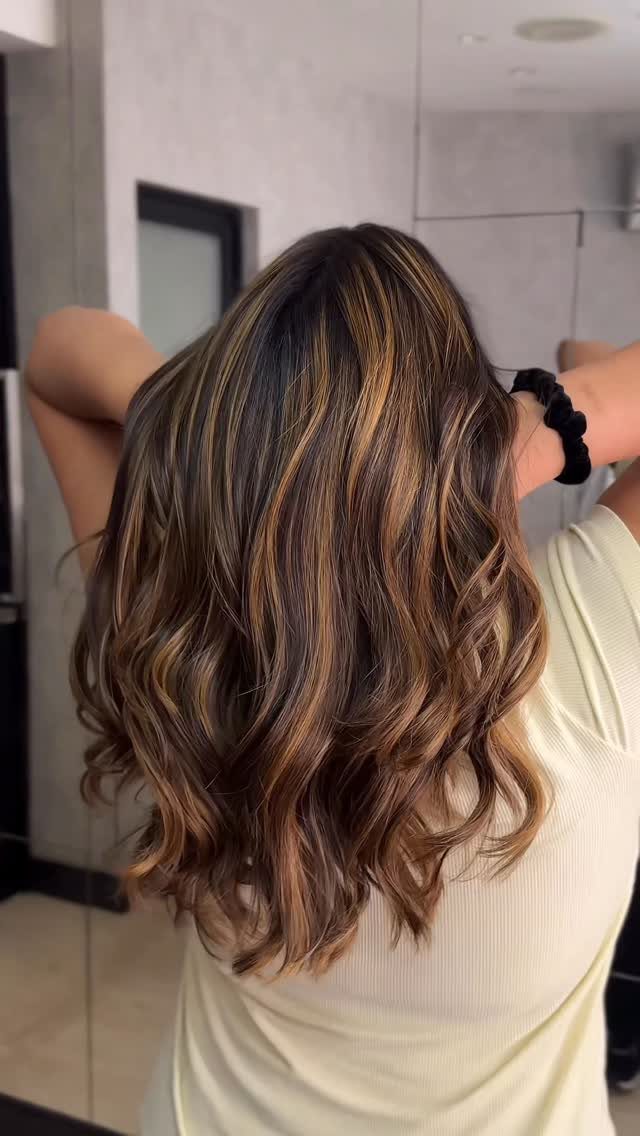
Caramel blonde is the deeper, richer end of blonde, with golden, honeyed warmth woven through brown. Long, dark waves let the caramel and honey pieces show up as glints instead of stripes.
If you’d rather stay close to your natural brown, caramel beats a lighter blonde, because the regrowth line blends in instead of announcing itself.
Ask for caramel highlights and bring a photo, since "caramel" can drift toward brown or toward gold.
18. Light Ash Blonde
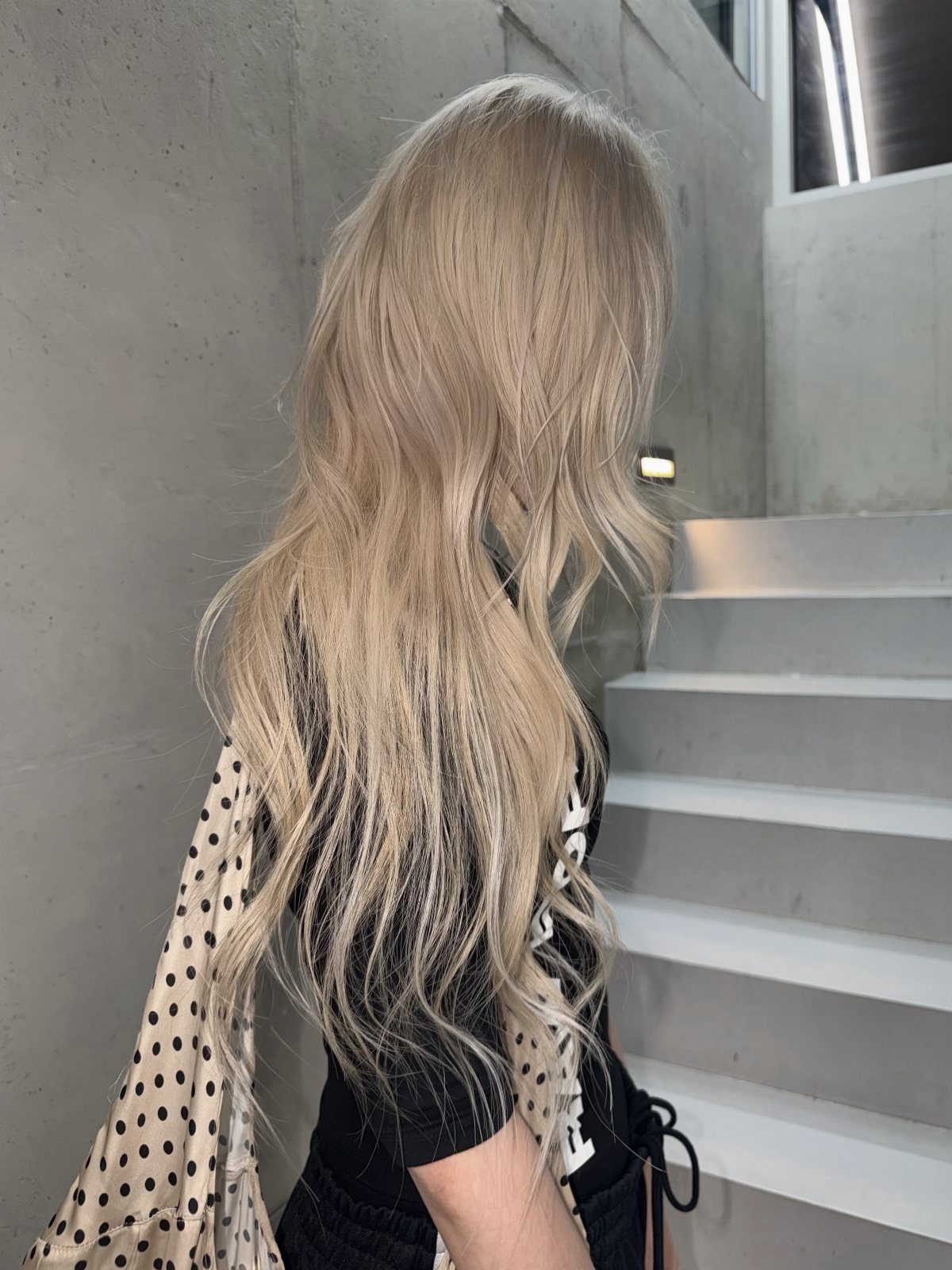
Pale and cool, light ash blonde is a beige tone that’s lighter than standard blonde yet softer than platinum. Long, loose waves suit it, and slightly darker ends keep the pale color from looking flat.
When platinum feels too harsh against your skin, light ash is where I’d land. Ask for "light ash blonde," show a photo, and say whether you want it more beige or more gray.
19. Wheat Blonde with Porcelain Skin
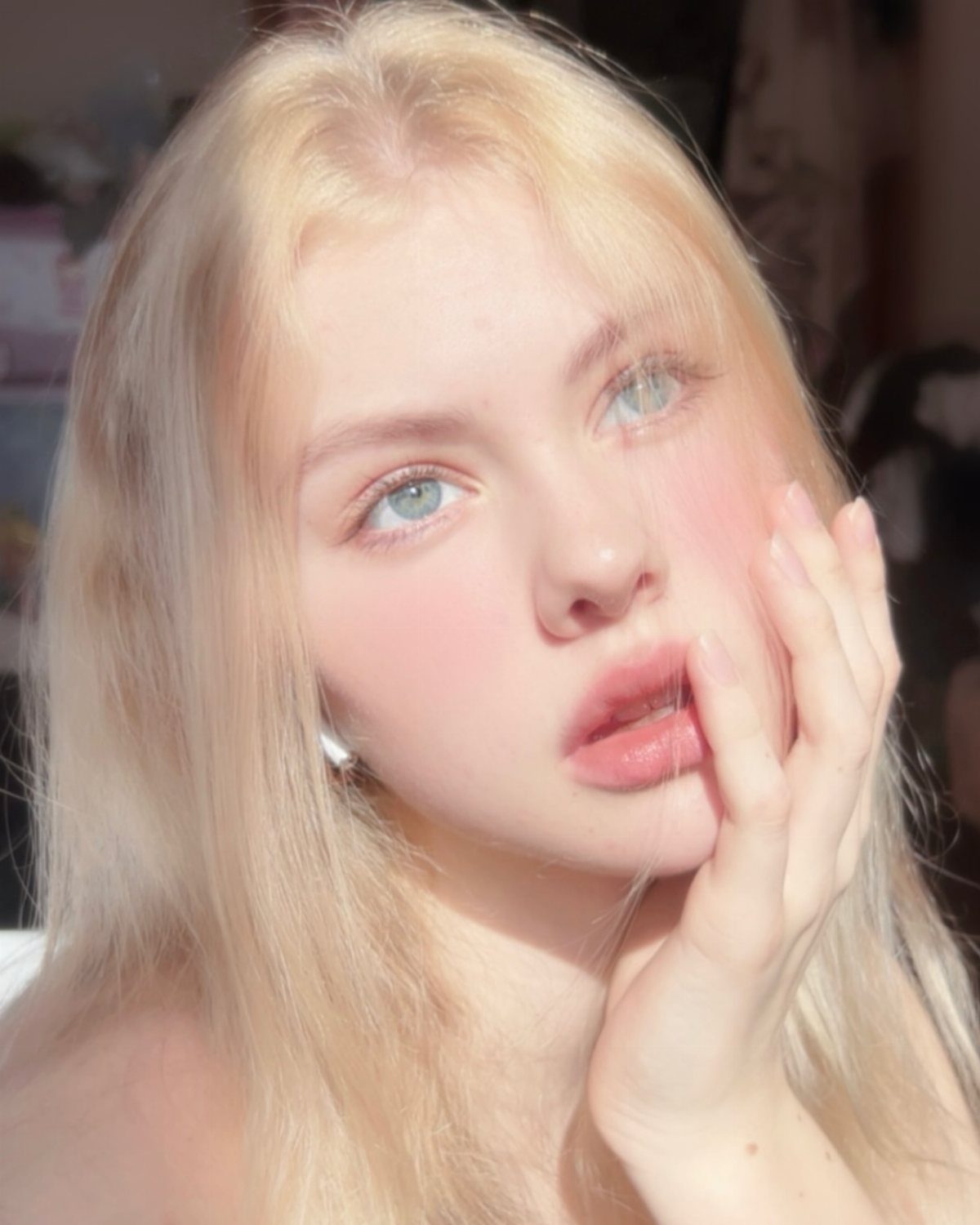
Wheat blonde sits on the cool side of blonde and stretches from a soft, grainy wheat to a much icier tone.
Against porcelain skin, long hair in that range looks clean and quiet, and I’d pick it over a golden blonde if warm shades make you look flushed.
Wheat blonde runs from barely golden to almost beige, so say how much warmth you want left in it and show a photo of that exact level.
20. Ombre Highlights
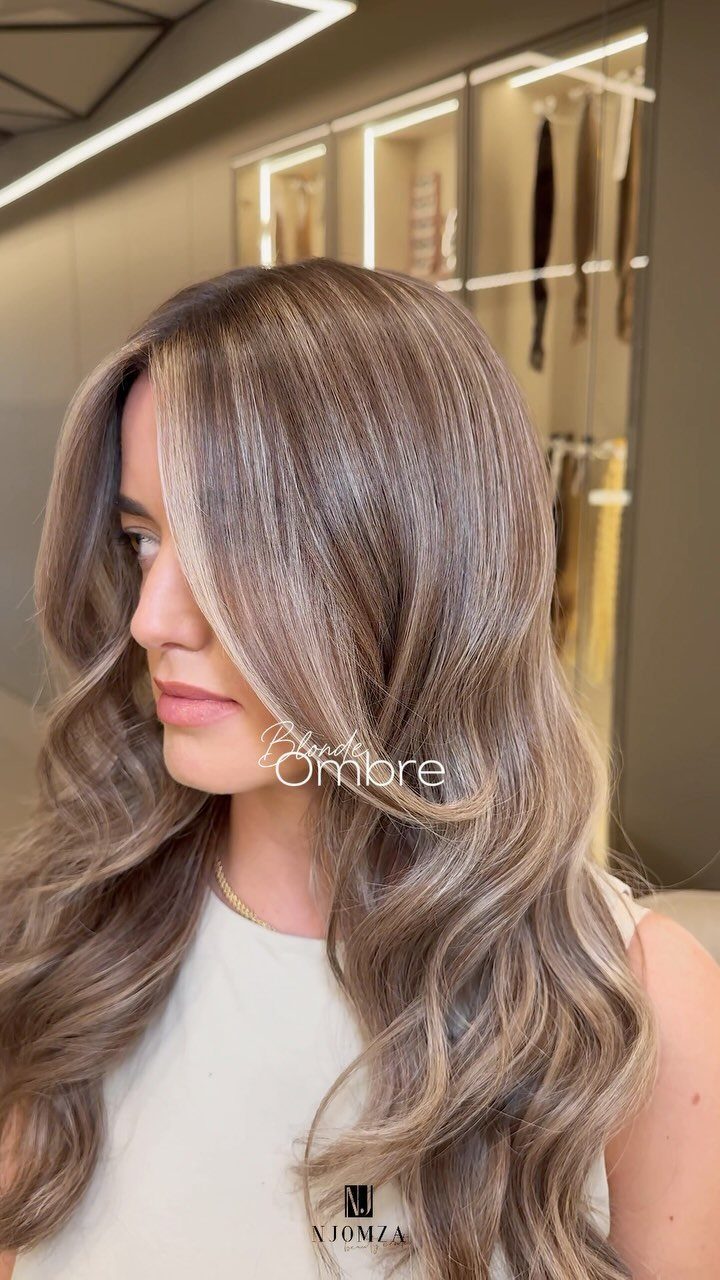
Ombre highlights fade gradually from darker roots to lighter ends, so there is no single line where the blonde begins. Long, wavy hair shows that slow shift well, with ash-brown on top melting into a lighter blonde at the bottom.
I’d choose this if you want to keep your natural color near the scalp. For ombre highlights, say how light the ends should get, whether a soft honey or close to white, because that one detail sets the whole look.
21. Multi-Tone Face-Framing Pieces
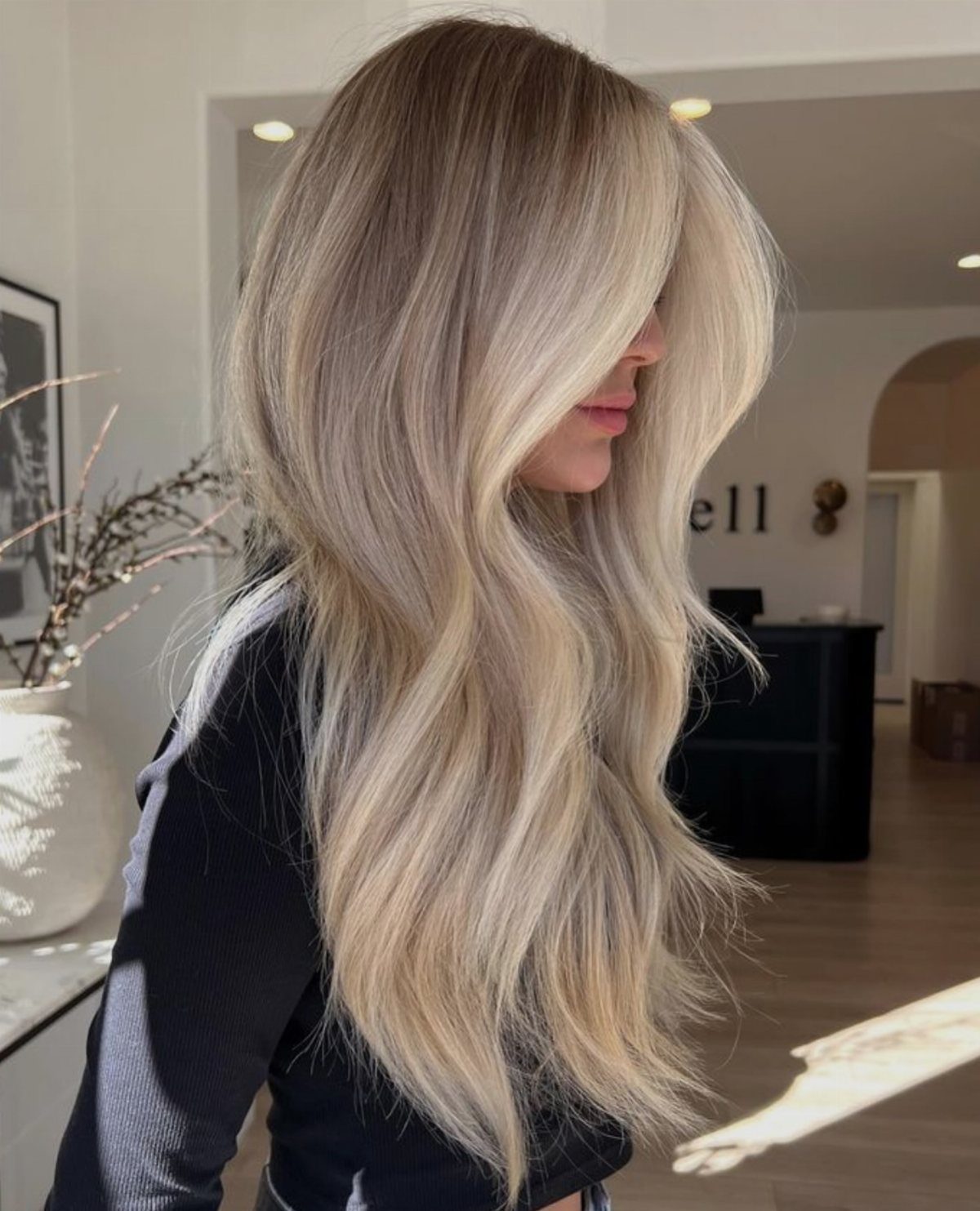
Lighter pieces placed right at the face do more brightening than the same amount of color spread through the whole head. Over a dark top, ash-blonde sections in several tones add contrast exactly where people look first.
Ask for face-framing pieces in more than one tone, and show a photo so your stylist knows how far apart the shades should sit.
22. Caramel Balayage
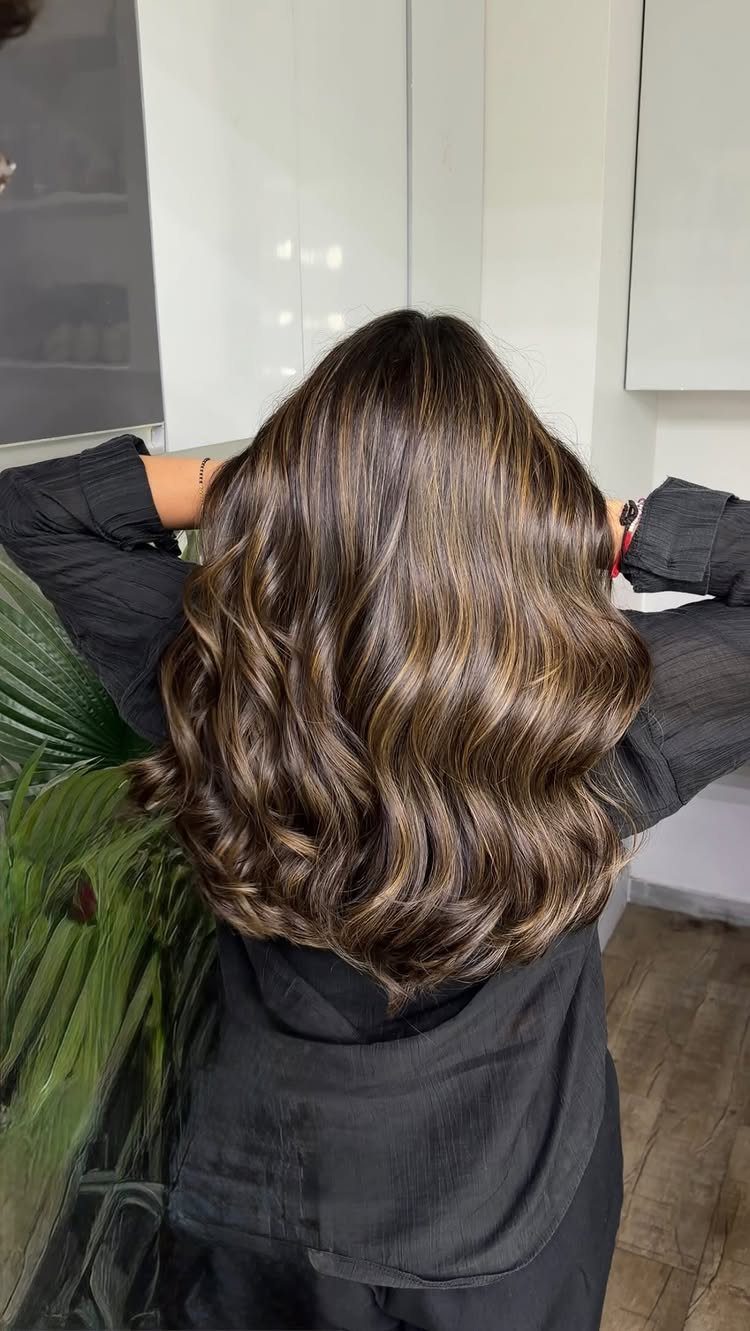
Caramel balayage with a reddish warmth leans toward copper-toned brown, not toward yellow blonde. Soft waves keep the highlights looking painted on, which is the whole appeal.
I’d ask for it if you want a warm lift without a big jump in lightness. Say "caramel balayage" and tell your stylist you want the warmth to read reddish, then bring a photo to confirm.
23. Mushroom Blonde
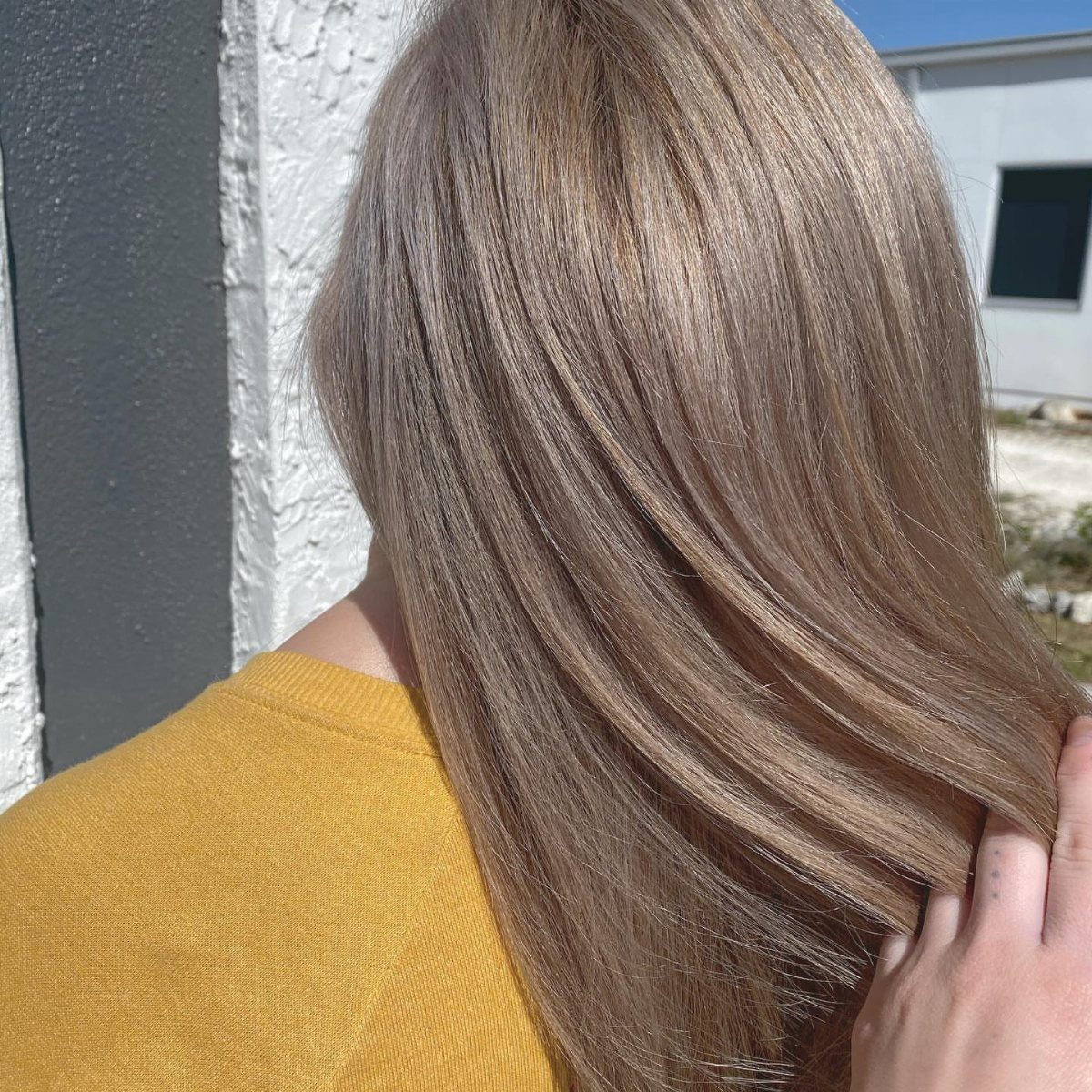
Mushroom blonde blends ash-brown with sandy blonde and a few icy, light-brown notes, which gives the color depth without any shine of yellow. Straight hair, like this, lets those tones sit side by side so you can see each one.
I like it for anyone who finds true blonde too loud.
Mushroom blonde sits somewhere between light brown and ash blonde, and stylists don’t all picture the same depth, so a reference photo saves you from a color that lands too dark or too gray.
24. Superfine Colored Strands
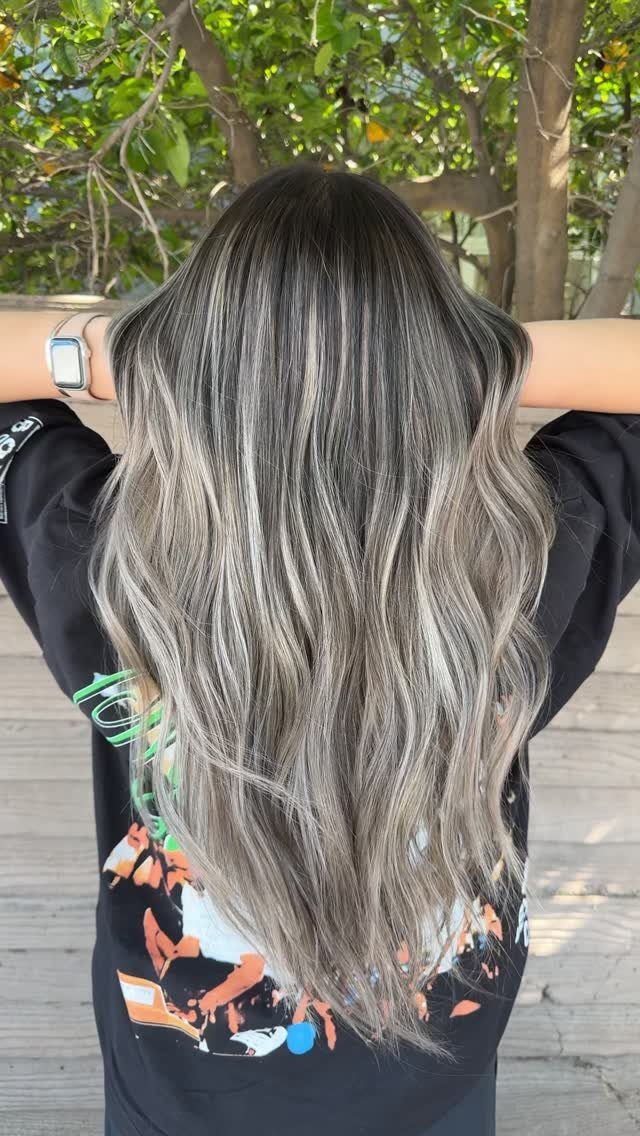
Babylights color the finest strands of your hair, so the result is a haze of light through dark blonde instead of visible stripes. On long, wavy hair, superfine silver-blonde streaks catch light as the waves move.
Ask for babylights and say you want them silvery, then show a photo. Skip them if you want bold, obvious streaks, because this look is meant to be subtle.
25. Natural Blonde
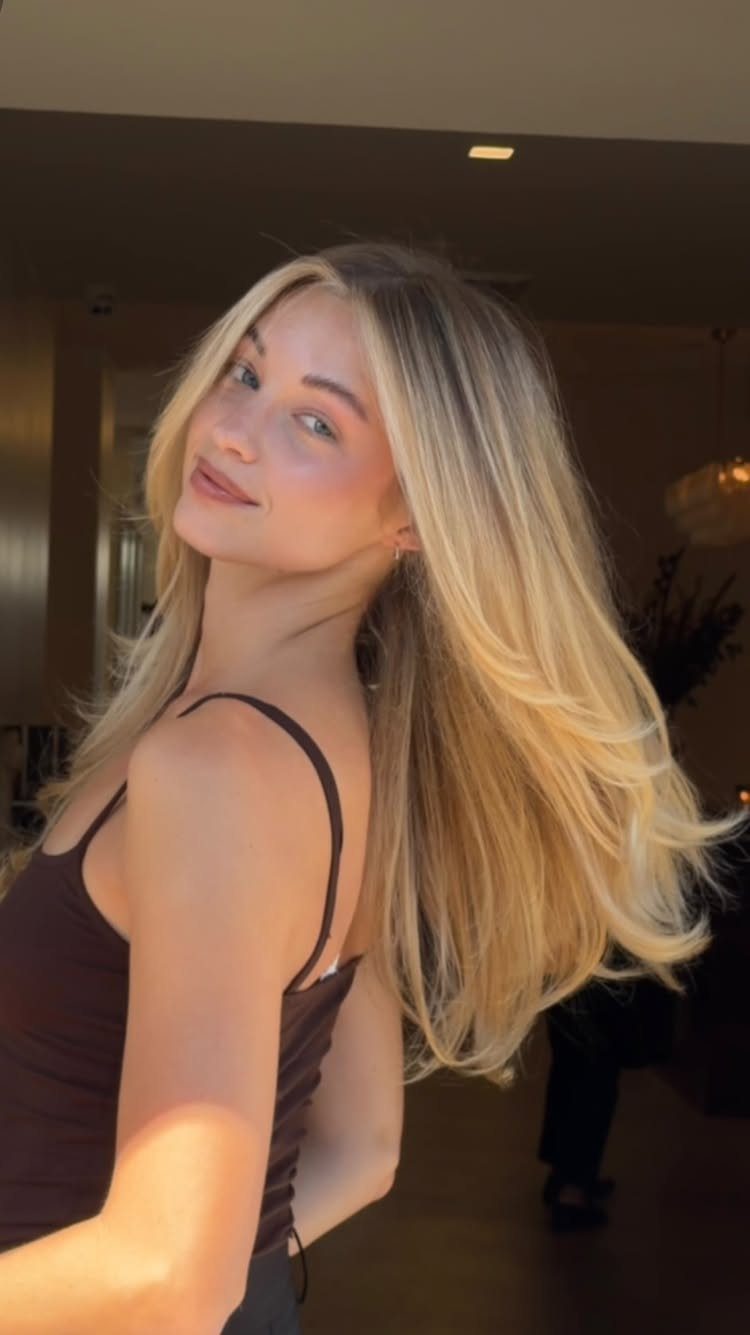
Dark blonde with layers is the low-effort version of blonde, and it earns its place because nothing about it looks done. Long, layered hair lets the shade move without any bright pieces fighting for attention.
Ask your stylist to focus the lightness around the face and to carry it to the back of the neck.
That way the color still looks blended when your hair is pulled into a ponytail, which is where a front-only job gives itself away. Bring a photo so "dark blonde" lands where you mean it.
26. Root Stretch
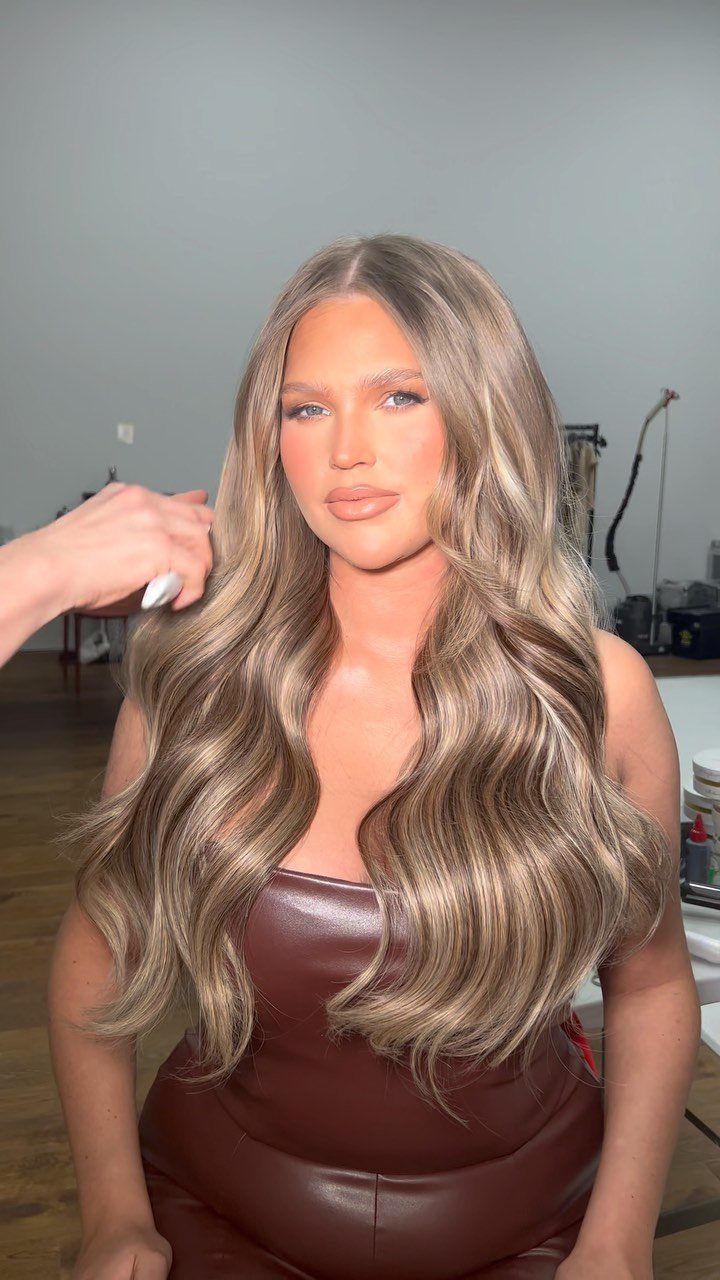
A root stretch keeps the darker roots showing on purpose, and I’d pick it over a full-head blonde for anyone who wants an edgier, lived-in look. Long ash-blonde waves keep the gradient visible without it looking like missed maintenance.
Say "root stretch" to your stylist and bring a photo of how much of your natural color you want to see.
The roots do the work of hiding regrowth, so this is a good fit if you’d rather not book frequent touch-ups.
Maintaining Blonde Hair
Bleach dries hair out, and brittleness and breakage are what it costs when it’s overdone. Blonde stays bright longer if you treat the strands as fragile from day one.
Once your hair is blonde, a shampoo and conditioner labeled for color-treated or blonde hair is the first swap I’d make at the drugstore.
Add a purple shampoo or a toning shampoo to cancel brassiness; Olaplex No.4P is one toning option, and it moisturizes as it tones.
John Frieda Go Blonder lightens blonde gradually, by up to 2 shades, so use it only if you want that effect.
Hydration matters as much as tone. A rich mask like Moroccanoil Intense Hydrating Mask helps dry, bleached hair, and John Frieda’s Blonde+ Repair System pairs a pre-shampoo treatment with a shampoo and conditioner.
How often you need a root touch-up comes down to 2 things: how quickly your hair grows and how sharply your natural color stands apart from the blonde.
The bigger the contrast, the sooner regrowth shows and the sooner you’ll want to book.
Choosing Blonde for Complexion
Start with undertone, because it decides which blondes flatter you.
Match like with like: warm skin suits golden or reddish tones, and cool skin pairs best with ashier shades. Neutral undertones have the widest range, so many blondes will work.
Cool skin gives you a real choice.
Ash matches it, but a golden blonde can add warmth to the complexion. Pick ash for a crisp, matched look and gold for a warmer glow.
Eye color is worth weighing too. If you’re stuck between two shades, hold each next to your face in daylight and see which one makes your eyes stand out.
Planning a Blonde Color Change
Going blonde usually means bleaching, and the darker your starting point, the longer it takes. A dark brown base can take 2 or 3 sessions to lift, and the palest blondes will not happen in a single sitting.
Splitting the bleaching and dyeing across separate days can be easier on your hair. Before you book, ask your colorist which blondes flatter your coloring and how many visits it will take to reach one.
For a dramatic change or a dark base, I’d let a trained colorist handle the bleaching and toning.
A subtler shift, like going a bit lighter, is where a box dye makes sense; L’Oréal Paris Superior Preference and Féria both offer blonde options.
Before you book or buy, collect images of exactly the result you want, so the outcome matches what you pictured.
Frequently Asked Questions
Why is blonde hair beautiful?
Range is a big part of it. Blonde runs from deep caramel and honey through butter and ash to icy platinum, so there is a version for warm, cool, and neutral skin.
How to know if blonde would look good on you?
Start with your skin’s undertone. Golden and copper-leaning blondes flatter warm skin, ash tones sit best on cool skin, and a neutral undertone gets the widest range of choices.
Between two finalists, hold each shade up beside your bare face in daylight; the one that makes your eye color pop is the pick.
What are some of the best blonde hair styles?
It depends on how much change and upkeep you want. For the easiest grow-out, I’d choose balayage with a shadowed root and long, loose waves: the lightener is hand-painted, so the blend reads sun-kissed rather than striped.
Caramel blonde or dirty blonde suit anyone staying near their natural brown, and platinum is the choice if you want blonde that is unmistakable. Ask for the shade by name, and carry a photo of the exact result you want.
What type of blonde highlights should I get?
If you’re hesitant, start with wide golden highlights on dark brown hair: the brown holds the base steady while the gold does the brightening.
Babylights use the finest strands for a soft haze of brightness, while ombre highlights melt from deeper roots into pale ends, so no visible line marks where the blonde starts.
A root stretch leaves darker roots showing on purpose, which means fewer touch-ups.