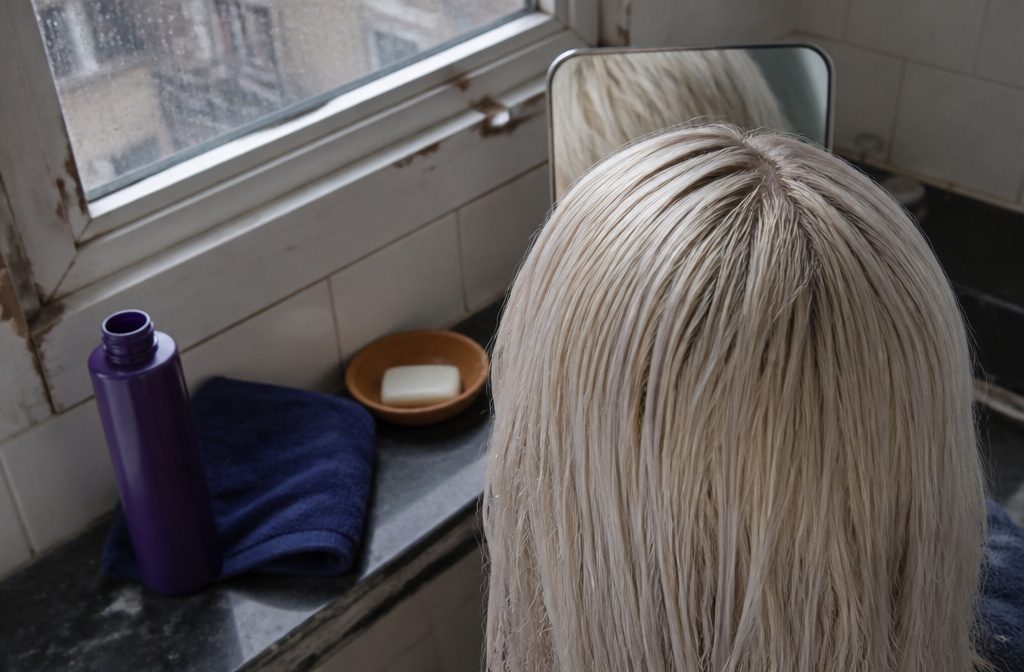
Platinum ice blonde only stays icy if you lighten to level 10, a pale yellow, and then tone it; going whiter risks removing keratin.
Dark or previously colored hair needs several sessions spaced a few weeks apart. Between salon visits, weekly purple shampoo holds the cool tone, and Koleston Perfect 10/16, 10/8 or 10/86 does the toning.
1. Classic Nordic Platinum
Classic Nordic Platinum
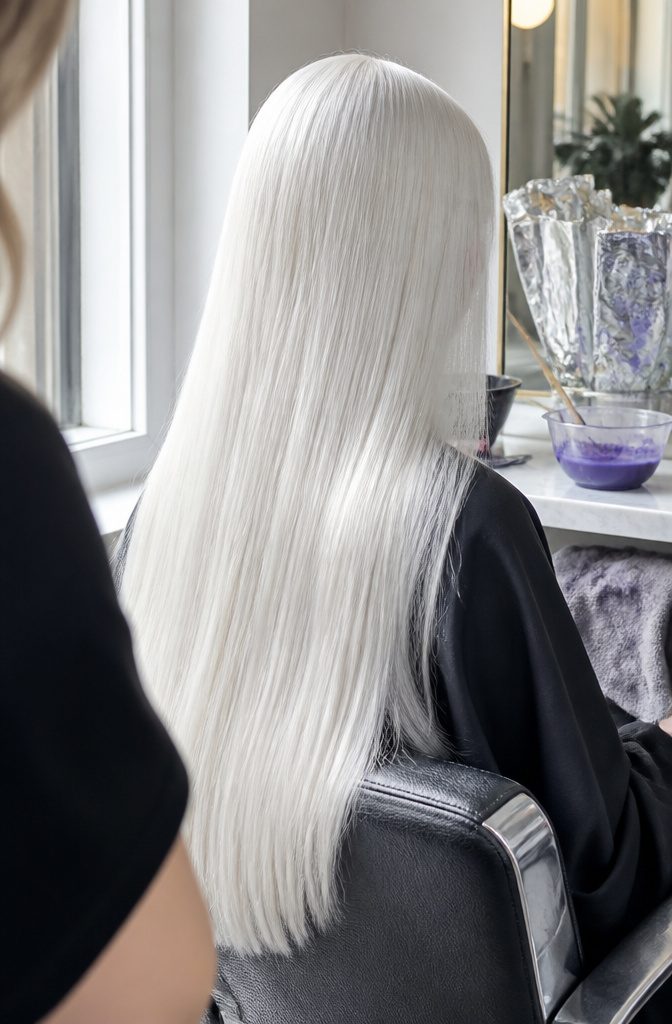
This is all-over platinum from root to tip, lifted clean and even until the entire head reads as white.
No dimension, no root shadow, just one bright, high-impact shade that looks like it grew that way. The effect is bold and impossible to miss.
Fair, cool skin makes the cleanest match, and light eyes turn the look striking without effort. Dark eyes give a sharper, higher-contrast result that still works but leans bolder.
Every skin tone can wear platinum if the undertone is right: warm complexions pair best with neutral or soft yellow undertones, cool skin suits frosted shades with silver or blue hints, and neutral skin can take any direction.
This shade demands professional lifting and weekly purple shampoo to keep brassiness out. The violet pigments hold the cool tone between salon visits, and skipping them means the white won’t stay white.
2. Icy Silver and White Blonde
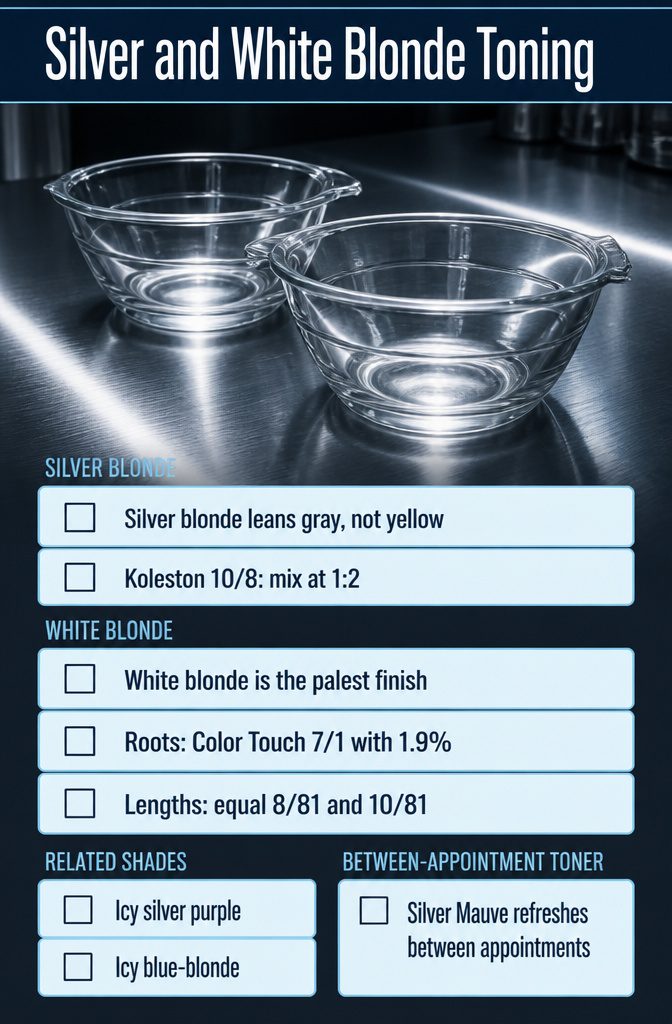
The coolest, palest finish splits into two camps: silver blonde, which carries gray and gunmetal tones, and white blonde, the iciest finish you can get, almost translucent and more crisp than silver’s shimmer.
- Silver blonde leans gray rather than yellow and needs frequent toning to hold that cool edge. The salon formula I see most often is Koleston Perfect 10/8 mixed with Welloxon Perfect Pastel at a 1:2 ratio.
- White blonde is as light as it gets, striking against deeper skin tones. The typical mix is Color Touch 7/1 with 1.9% on roots, then equal parts 8/81 and 10/81 with 1.9% on lengths and ends.
- Related looks include icy silver purple and icy blue-blonde, which add hints of blue or violet for a winter-frost effect.
- For toning between appointments, Opal-Essence by Illumina Color in Silver Mauve adds a shimmery, cool finish without going fully purple.
3. Rooted Platinum and Smoked Marshmallow
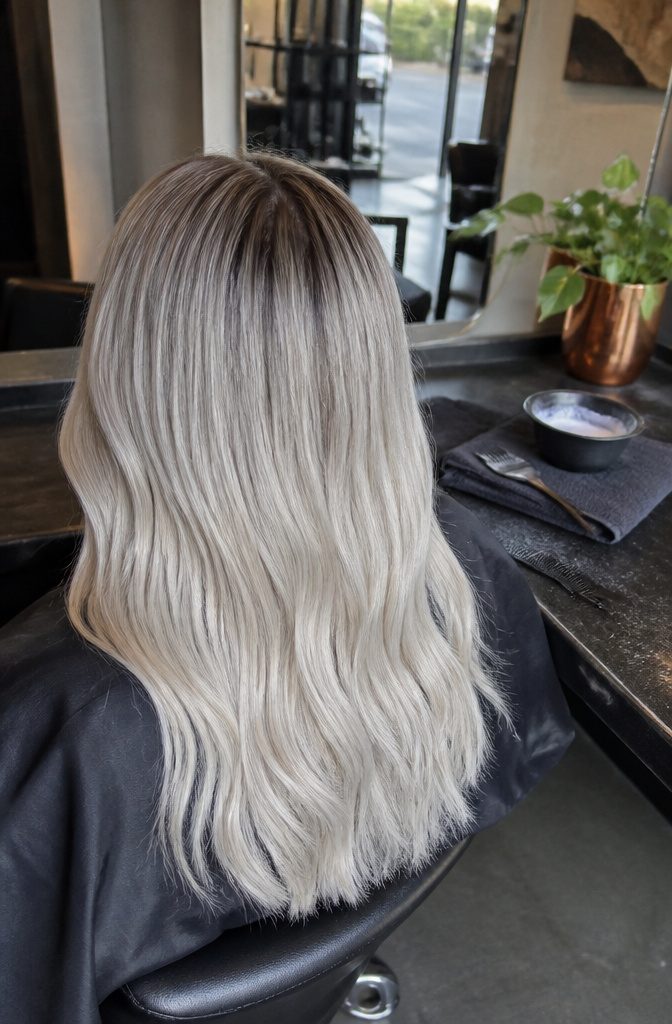
A darker root takes the sting out of platinum’s biggest nuisance, the hard line of regrowth. Because the shadow is built in, new hair reads as part of the plan, and touch-ups can stretch further apart.
Smoked marshmallow is the softer version, with a slightly deeper root melting into soft, icy lengths. Rooted icy blonde keeps the root a touch darker for a cooler, edgier feel.
If your natural color is dark and grows in fast, I’d choose either over solid platinum.
A soft, powdery shadow hides that growth far better than a sharp line does. Between lightening appointments, a gloss adds shine and freshens the tone in about a lunch break, though it can’t replace a lighten-and-tone.
4. Platinum Curls
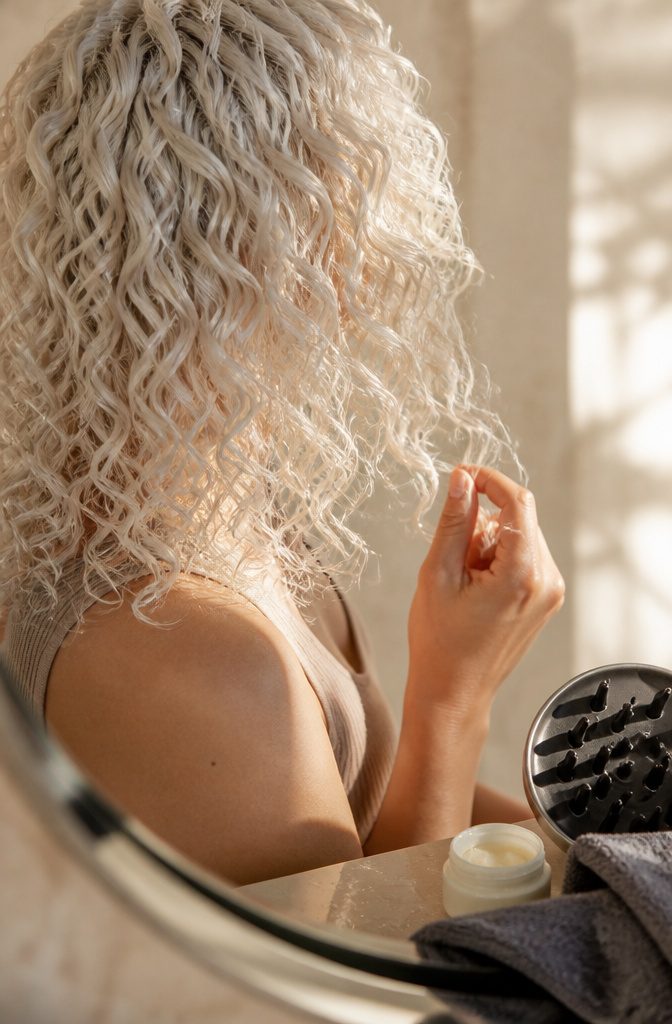
Platinum looks different on curls. Where straight hair gives you that icy sheet, curls catch the light from every angle and the pale tone shows off each loop and spiral.
Texture definition becomes part of the color itself, so the cleaner your curl pattern, the brighter the platinum reads.
For toning, the Color Touch Transformational Toning Service works well here: 10/81 with a line of 8/81. That combination keeps the cool tone from washing out against all that movement.
Finish with a balm that holds definition without weighing curls down. The platinum stays brightest when each curl sits where it belongs, not flattened or frizzy.
5. Face-Framing Platinum Highlights
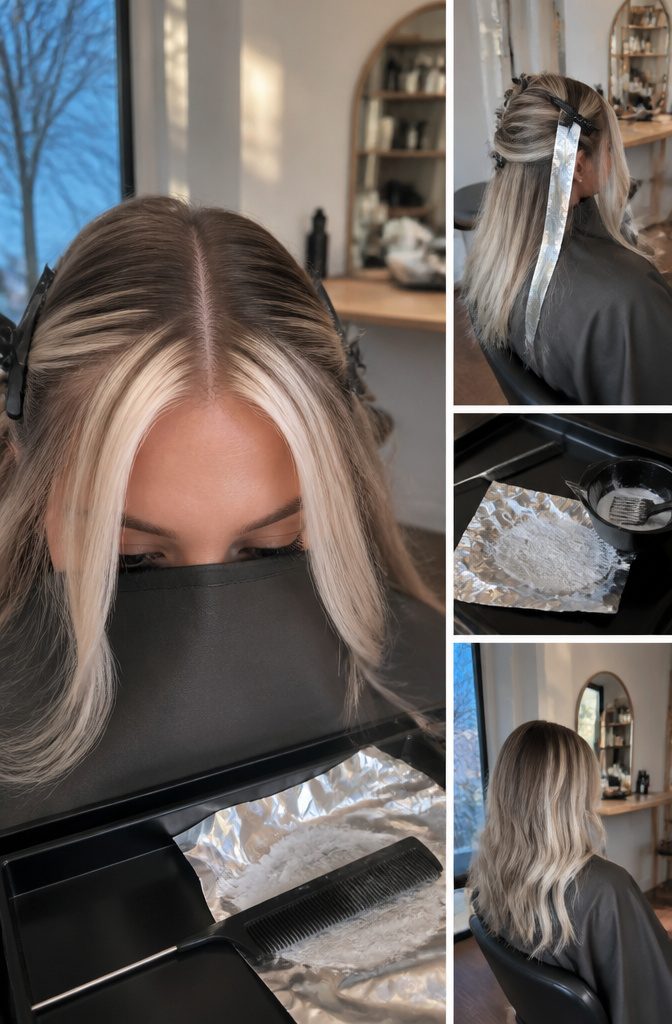
Platinum only around the face does much of the work of an all-over color. The lighter front sections frame your features and brighten them, and you never have to commit to platinum from root to end.
A bright money piece against a darker ash blonde base is the easiest version to ask a stylist for.
For more drama, I’d pick brown lengths with an ice blonde money piece. The contrast is bold and a little nostalgic, yet it still reads modern and wearable.
Icy platinum highlights spread the brightness through more of the head, while ice blonde babylights keep the effect softer. If you’re unsure about platinum, test it on the front pieces first.
6. Platinum Balayage
Platinum Balayage
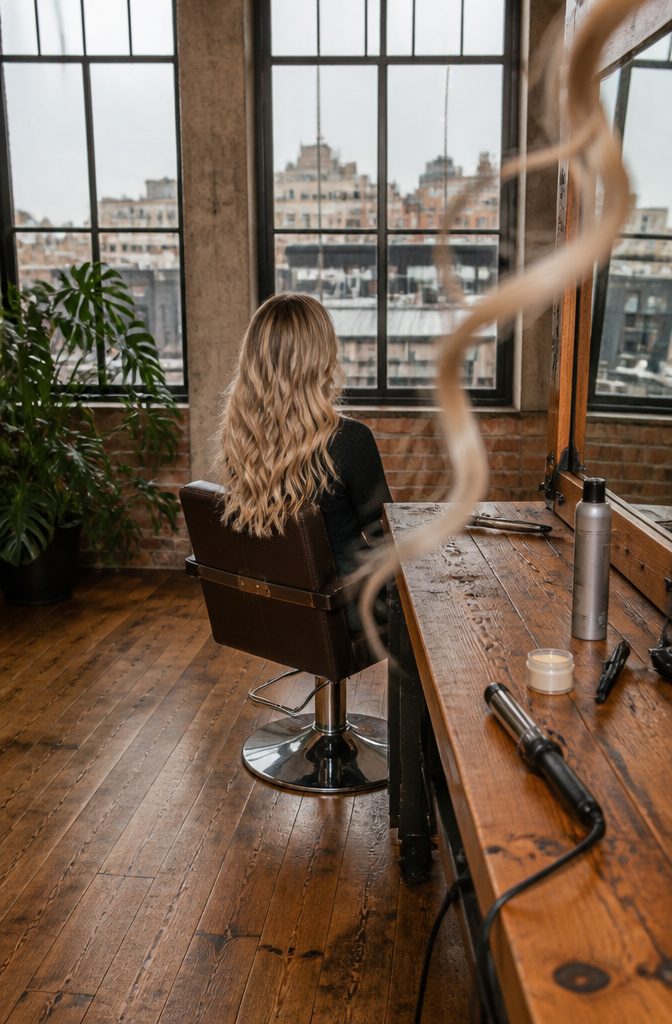
Hand-painted platinum pieces swept through a natural blonde or bronde base give you brightness without the flat, all-over look of single-process color.
The technique places ribbons of icy blonde where light would naturally catch, so the result reads as dimensional rather than uniform.
Against a bronde base, the mix of warm and cool tones adds movement and contrast. Against a natural blonde, the platinum reads more subtle but still lifts the overall tone without committing to full-head bleach.
To style, loosely wrap two-inch sections around the ghd Curve Soft Curl Iron, tease with your fingertips, and finish with a spritz of EIMI Stay Firm.
The curl shows off the high and low tones better than flat hair does, and the loose wrap keeps it from looking too polished.
7. Platinum Ombré
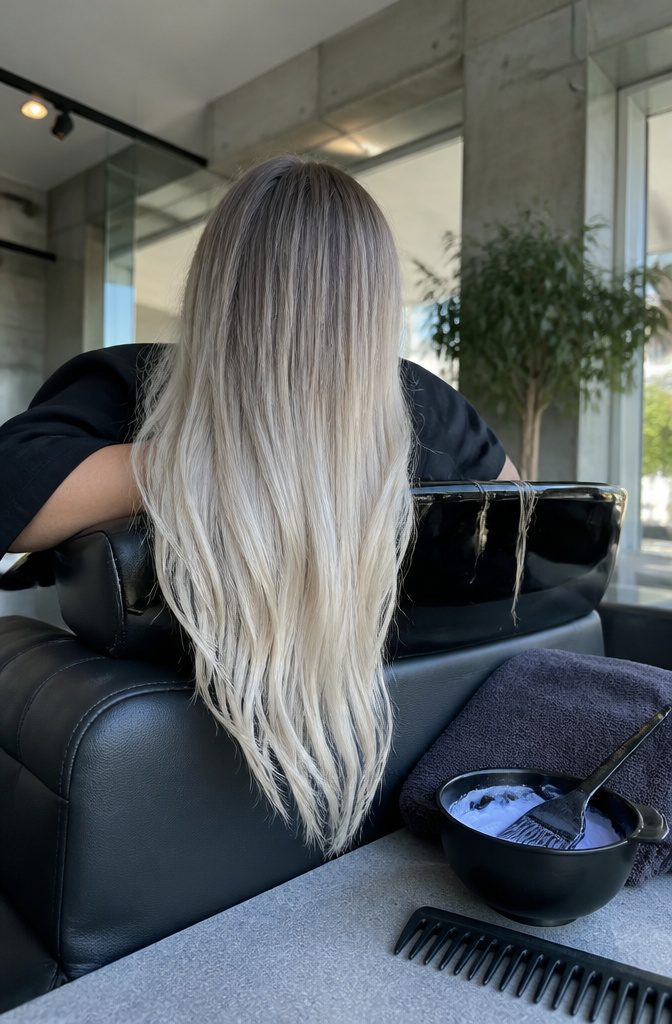
Platinum ombré splits the difference: darker or ashy roots that fade into platinum ends, so you skip the forehead-touch-ups that come every three weeks with an all-over lift.
The gradient can start near the roots or midway down the length, and I’ve seen both work depending on how much contrast you want. The ashy-root version keeps the whole thing cool-toned, which reads as intentional rather than grown-out.
Maintenance drops on the root side, but the platinum ends still need regular toning to stay ice rather than drifting toward butter. You’re not off the hook entirely, just trading one kind of upkeep for another.
The ice blonde ombré leans harder into that cool gradient, often with silver lowlights scattered through the lighter sections to break up any flat brightness without warming the palette.
8. Vanilla Platinum
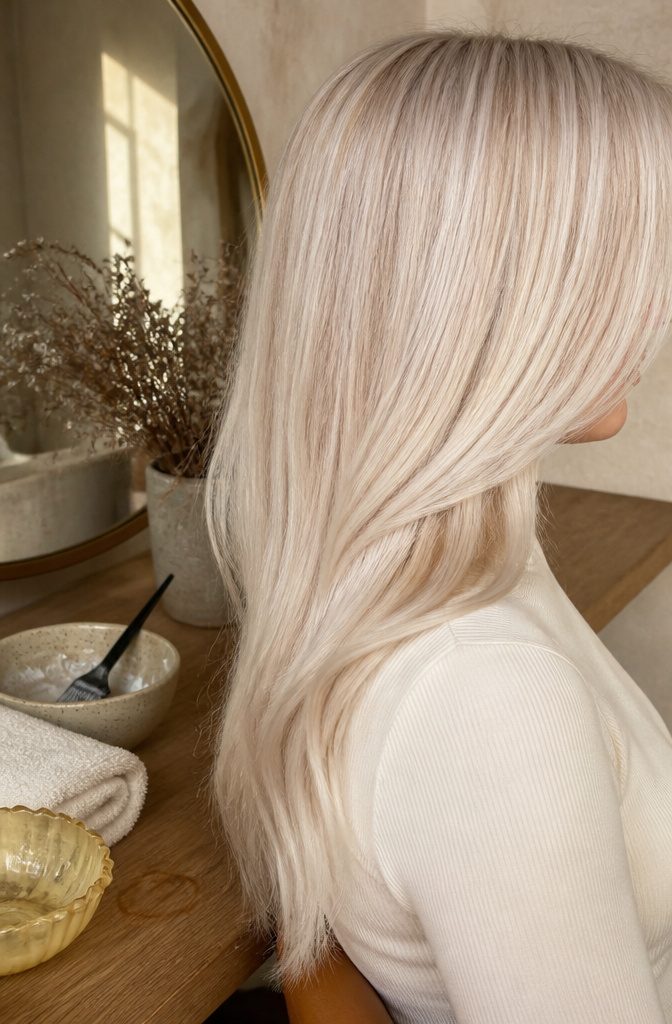
Vanilla platinum sits right between icy and warm, the shade for anyone who wants pale blonde without committing to full arctic chill. Beige and vanilla tones soften the extreme brightness while keeping the overall effect light and clean.
It works across warm and cool skin tones, which makes it one of the more forgiving platinum options if you’re not certain how much coolness your complexion can carry.
This neutral platinum blonde is a great all-rounder, giving warm and cool skin tones a shot of stunning vibrancy.
— Wella
That flexibility is the real draw. You get the platinum label without looking washed out or overly stark.
The formula I reach for: tone 30g 10/81 with 10g 9/16 and 1.9% developer.
Sandy platinum blonde leans a touch more beige, vanilla latte blonde reads creamier, but both land in this same balanced territory where the base is pale and the warmth is just enough to stop it reading sterile.
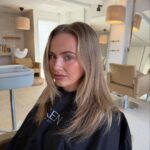
9. Pearl Blonde
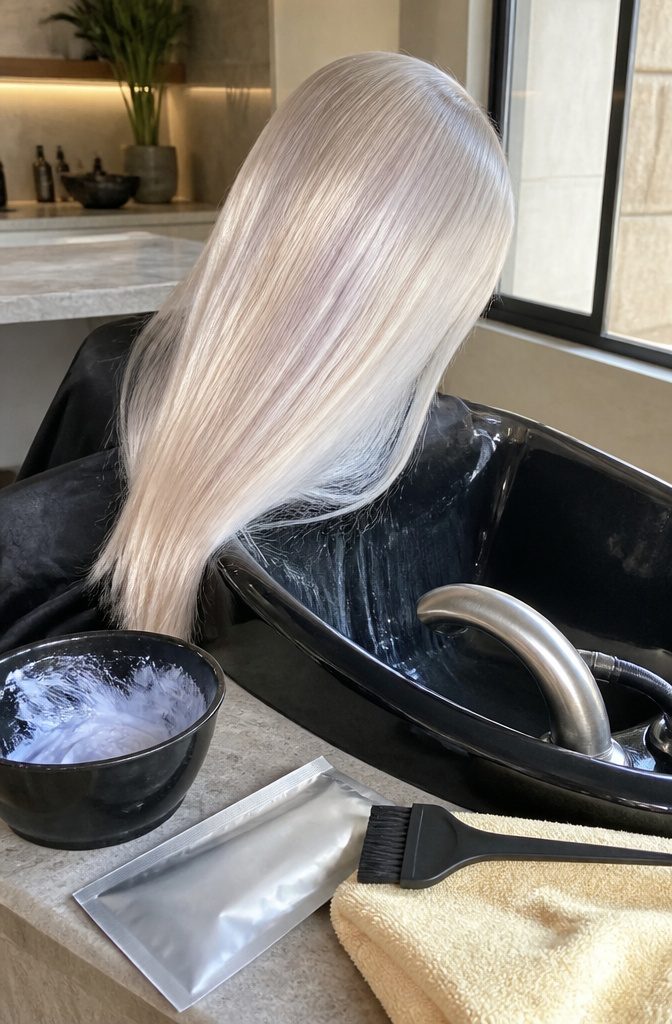
Pearl blonde brings a soft, iridescent finish that reads somewhere between icy and neutral.
The effect is light-reflective without the stark coldness of pure platinum, more luminous than flat, and flattering across a wider range of skin tones because the pearly sheen diffuses the brightness.
Getting there starts with pre-lightening to level 10 using Blondor Powder mixed with 6% developer and Wellaplex to protect the structure. The hair lifts to pale yellow, which is exactly what you want.
That soft yellow pigment acts as the base for toner. The toning step is where the pearl comes in: a mix like Color Touch 10/81 with a line of 8/81 gives you that iridescent, beaming finish instead of flat white.
The result feels luxe and natural at once, closer to old-money blonde than editorial ice.
10. Champagne Platinum
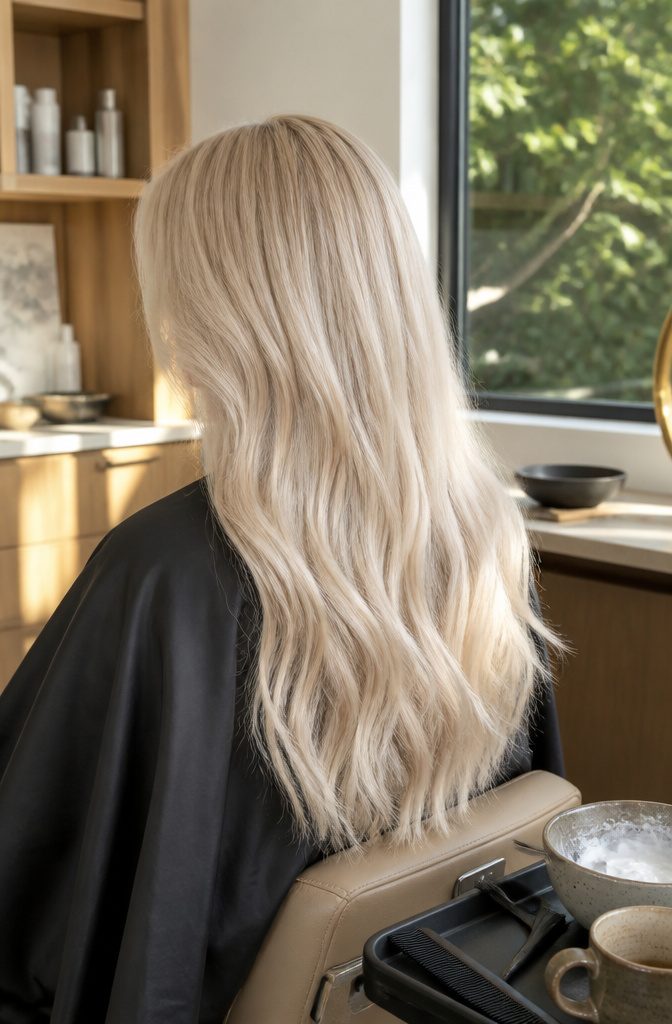
Champagne platinum brings a hint of warmth to the platinum base, softening the intensity without sacrificing the light, bright finish. The gold-tinted luminosity adds dimension and keeps the shade from reading quite as stark as classic ice blonde.
This option suits people who want platinum but know icy tones will clash with their colouring. If you have deeper or warmer skin, neutral or warm blonde shades tend to look more flattering than ultra-cool platinum.
Champagne splits the difference: you still get the platinum level of lightness, but the warmth keeps it wearable where a true ice blonde would read too ashy or flat against your complexion.
The finish is slightly softer than pure platinum, which makes it a practical starting point if you’re testing whether you want to commit to the maintenance that comes with any very light blonde.
11. Pastel Pink and Violet Platinum
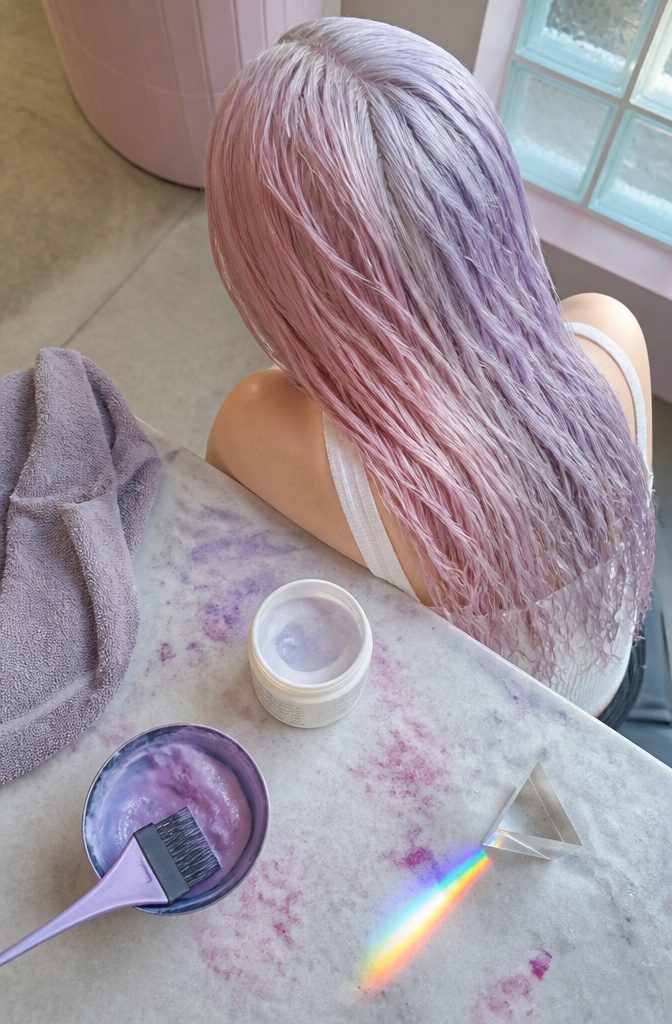
Pale pink blonde keeps the platinum base and lays a candyfloss tint over it, so the hair stays light and airy instead of reading as fully pink. Bleach first, then tint with a temporary or demi-permanent pink.
The SHINEFINITY Color Glaze palette has rosy shades for this, and its zero-damage formula gives a glossy finish. Pink fades gradually, which makes it the easiest pastel to try if you dislike commitment.
To maintain it at home, use the Color Fresh Mask in Pink Blush between salon visits.
Icy silver purple works the other way.
A wash of soft violet or lavender sharpens the cool effect and adds some dimension without straying far from classic platinum. Demi-permanent dye gives the steadiest result, but I’d pick a color-depositing conditioner if you want an easy exit.
12. Ash Blonde With Platinum Accents
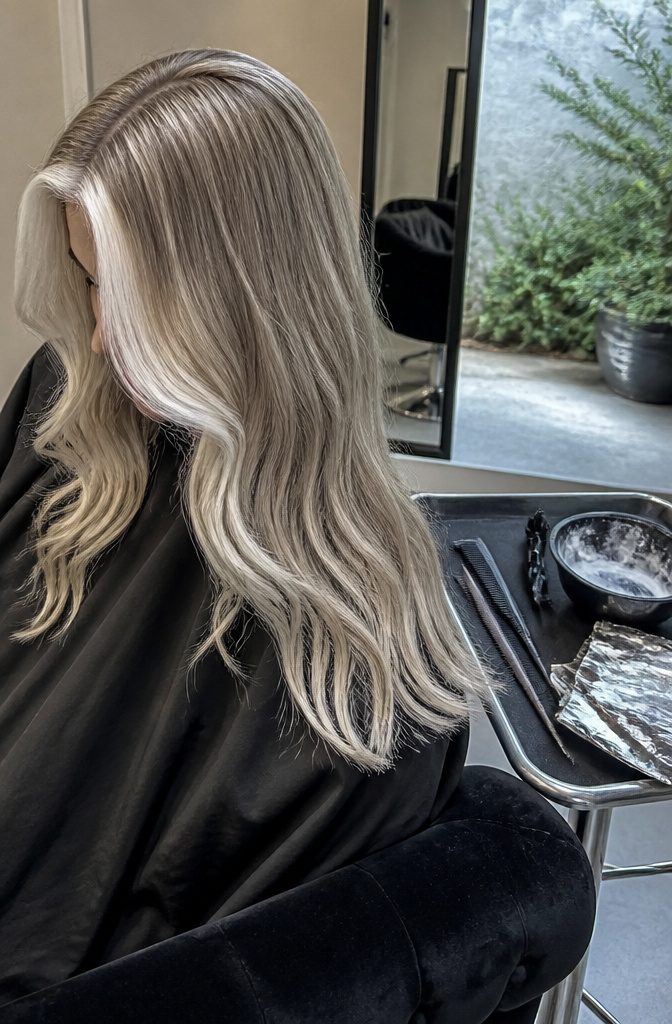
Ash blonde sits a step back from full platinum, and the contrast between the two is what makes this pairing work.
The base is muted and cool without pushing all the way to ice, while the platinum sections catch light and frame the face.
A platinum money piece is the most common version: two bright panels at the front against darker ash lengths.
The effect brightens your complexion without committing to platinum everywhere, and the grow-out is gentler because the root line only shows at the part.
For an all-over look, bleach first, then apply a light ash blonde dye in extra light ash blonde to keep the tone cool and soft.
If you want the money piece instead, lift only the front sections to platinum and leave the rest a shade or two deeper.
I prefer the money piece on finer hair at the front, where the contrast does the most work and the lighter color needs less maintenance overall.
13. Copper With Icy Highlights
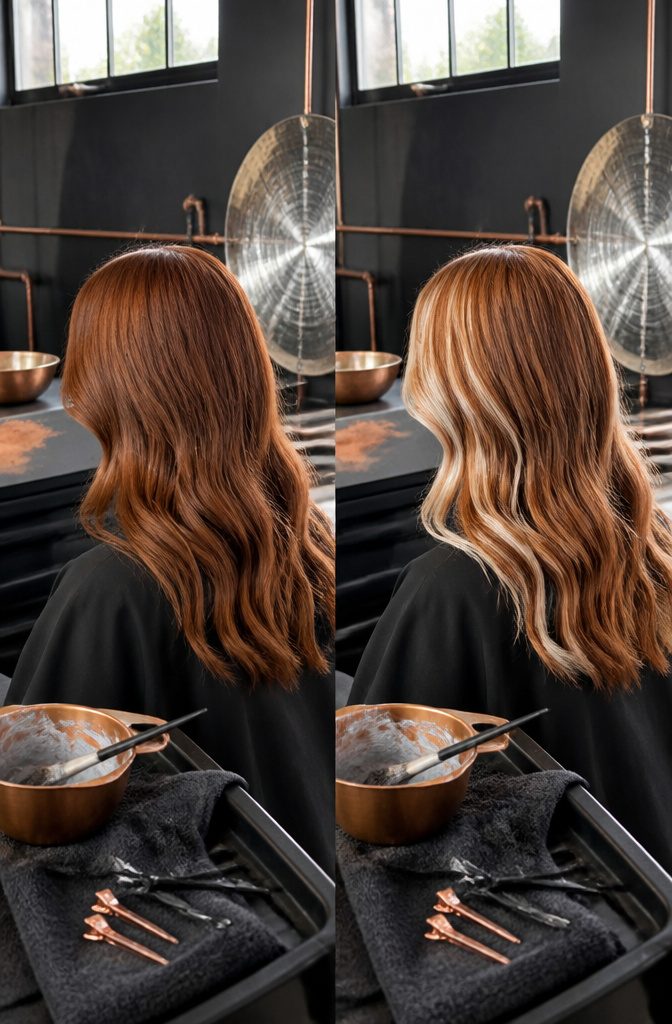
Warm copper against pale ice blonde works because the two sit at opposite temperatures, so neither washes out the other. The copper looks richer beside the highlights, and the highlights look cooler beside the copper.
I’d choose this over a full head of platinum if you want bold contrast while keeping some depth, since the copper base stops the color from reading flat.
It suits both warm and cool complexions, which makes it a safer bet than it first looks.
Place the icy pieces strategically, around the face or through select sections, so they brighten the whole look instead of competing with the base. Edgy is the right word for it, and it’s easy to request by name.
14. Two-Toned Platinum
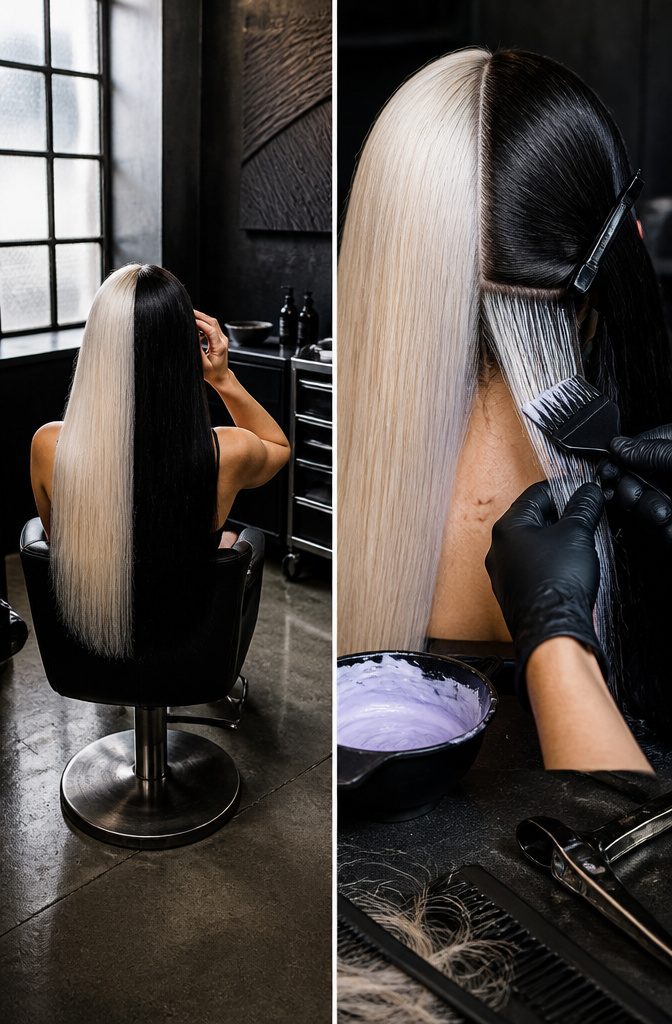
For something more graphic and experimental, split your color at the part: platinum blonde on one side, a contrasting shade on the other.
Jet black and cherry red both work, though black gives you the sharpest edge and the most dramatic line when you flip your hair or tuck one side behind your ear.
This look suits someone who wants hair that reads as deliberate rather than natural, and who can commit to keeping both sides maintained.
The platinum will need regular toning to stay cool, and the darker side will need periodic touch-ups to keep the contrast clean.
If your part moves around day to day, the effect softens but doesn’t disappear; if you wear it in the same place most of the time, the division stays crisp and the look holds its shape.
15. Platinum Ends
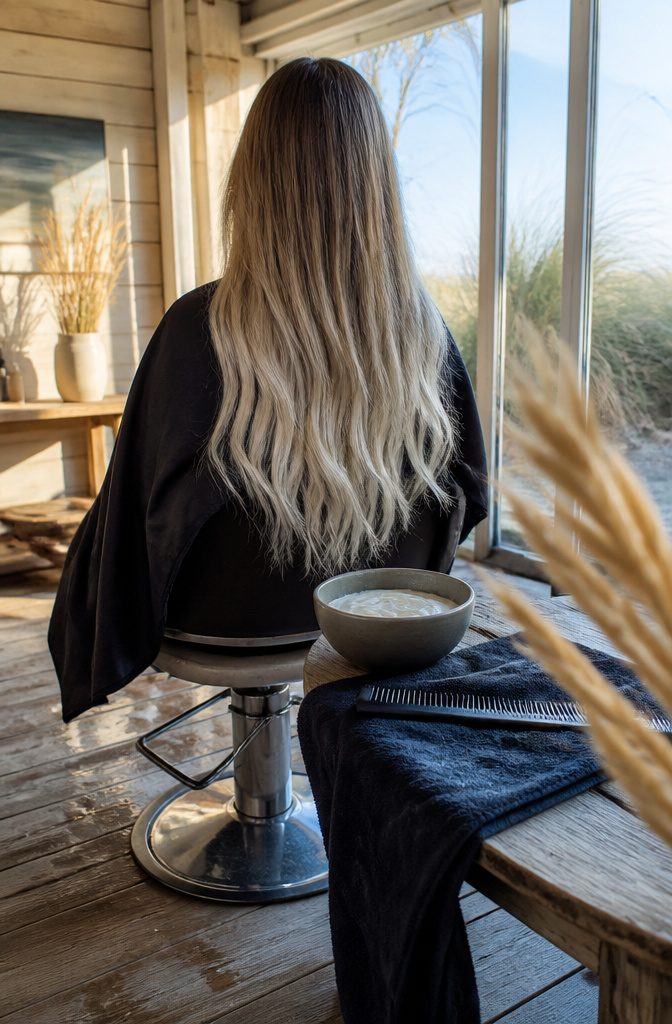
Platinum ends are the lowest-commitment way I know to wear this shade. The lightest color sits only on the tips, so your roots stay natural or on a darker base, and the contrast reads as a deliberate dip-dye.
Since the roots are untouched, there is no regrowth line to chase, and the grow-out is easier than all-over platinum.
Upkeep shifts to the ends, the only lightened hair you have. That is where toner and conditioner should go.
You can also soften the look.
An ash-to-platinum gradient, with a scattering of lowlights to break up the brightness, gives a beachy result instead of a hard line. I’d choose it over a stark dip-dye if you want the change to look blended.
16. Platinum Color Melt
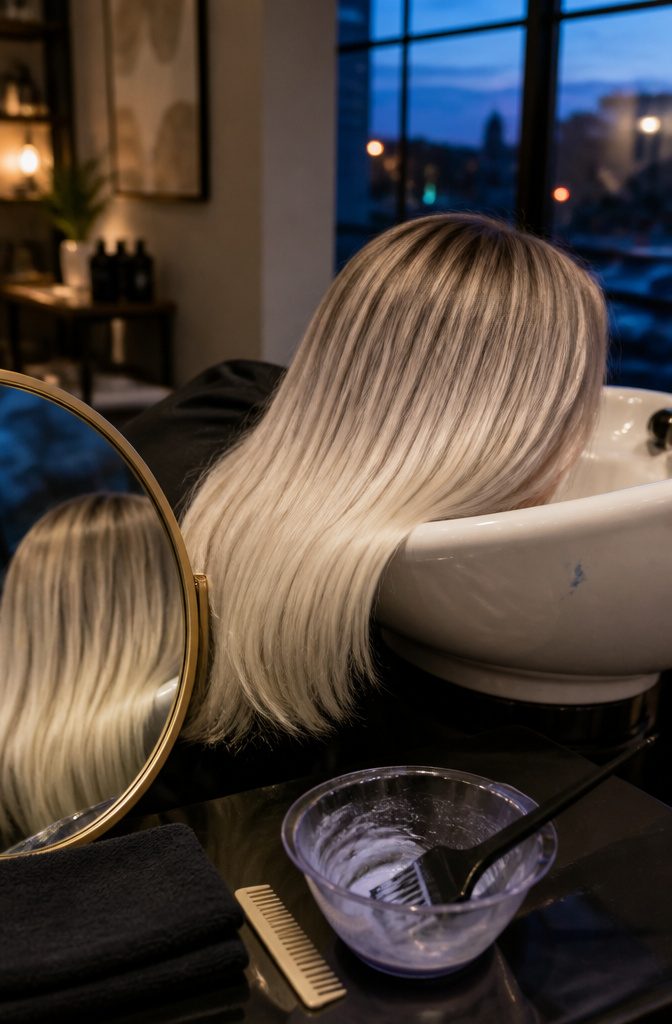
A color melt keeps the tones close together, so your eye never finds a line where the shade changes.
A gradient does the opposite: it travels from ashy roots to platinum tips, and that visible shift is the point of the look.
Ombré belongs to the gradient camp, while the melt blends lighter tones from root to ends with less obvious contrast.
Because the roots never look stark, a melt grows out more gracefully than all-over platinum. I’d pick it for anyone who wants icy hair with less maintenance.
A scattering of lowlights breaks up the brightness without dulling the impact. The cost is a softer, less dramatic finish than full platinum.
17. Platinum Pixie or Bixie
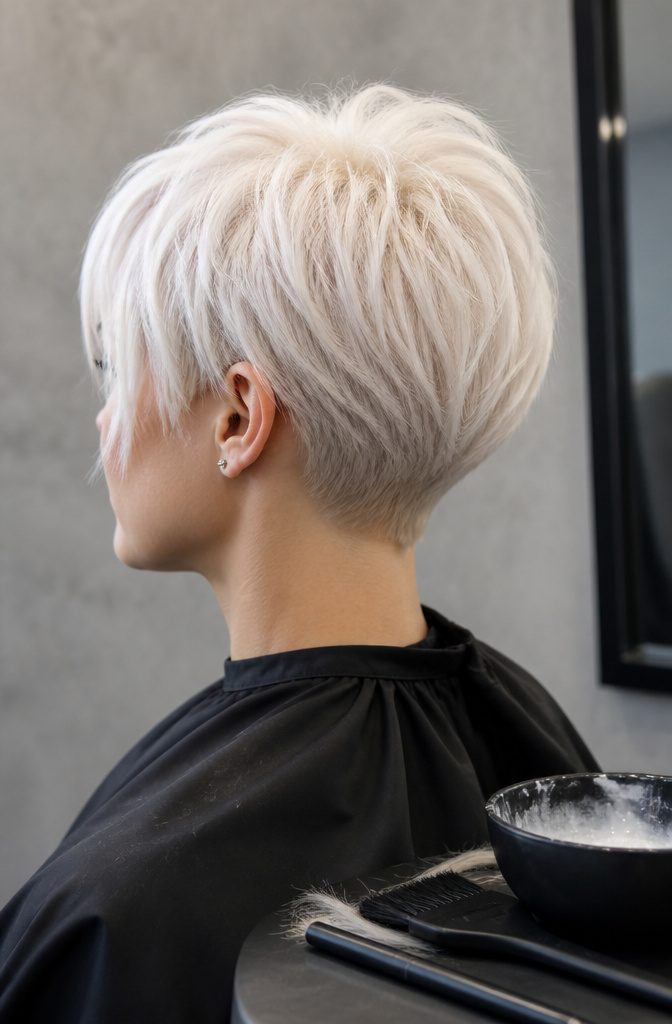
A bixie is part pixie, part bob, and platinum suits it because a short cut leaves no length to hide behind. Every bit of color shows, so any orange or yellow left from lightening reads loudly.
I’d ask the stylist about BlondorPlex, a lightener with an anti-brass complex that helps reduce those tones while the hair lifts. It gives the toner a cleaner canvas, and Color Touch is the toner Wella pairs with it.
The pale, bright result depends on that clean base, because a short cut can’t disguise a warm patch. Black kohl around the eyes finishes the look, and the contrast makes the platinum seem even brighter.
18. Ice-Blonde Bob
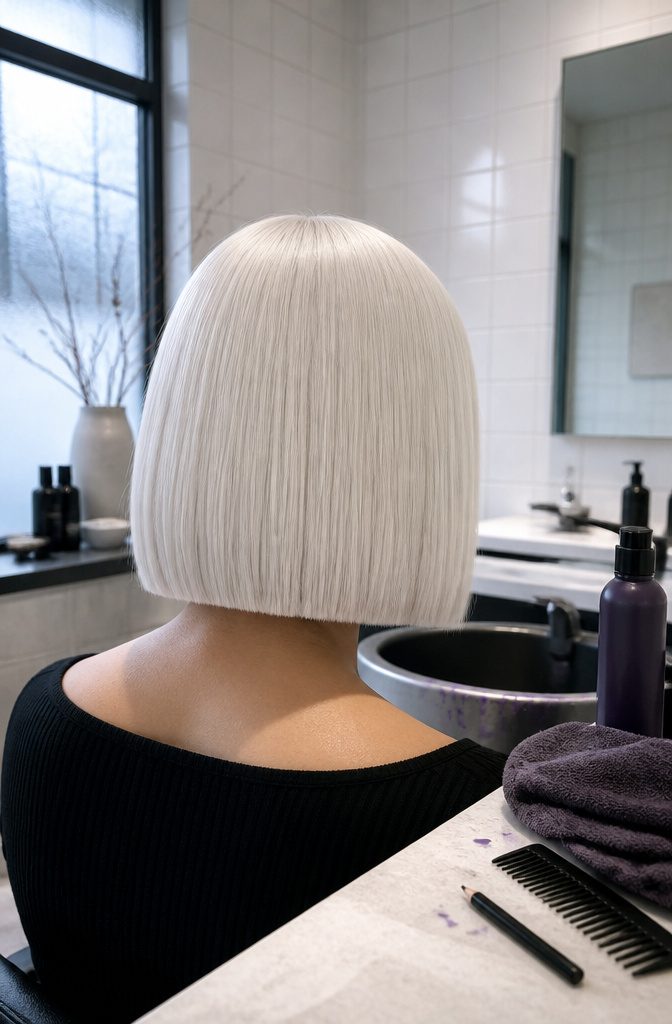
A bob puts the lightest blonde in one place, with no long, worn ends to dilute it.
I think that makes it the best cut for a very high-lift shade, because the color reads as one clean sheet from crown to hem.
The look depends on pure, white lift from root to tip, even right at the scalp, so it looks like the shade you were born with.
Bleached brows push it further, and black kohl around the eyes adds contrast against all that pale hair. Keep purple shampoo in the shower, since this color has to stay cool.
Lighten, Then Toner
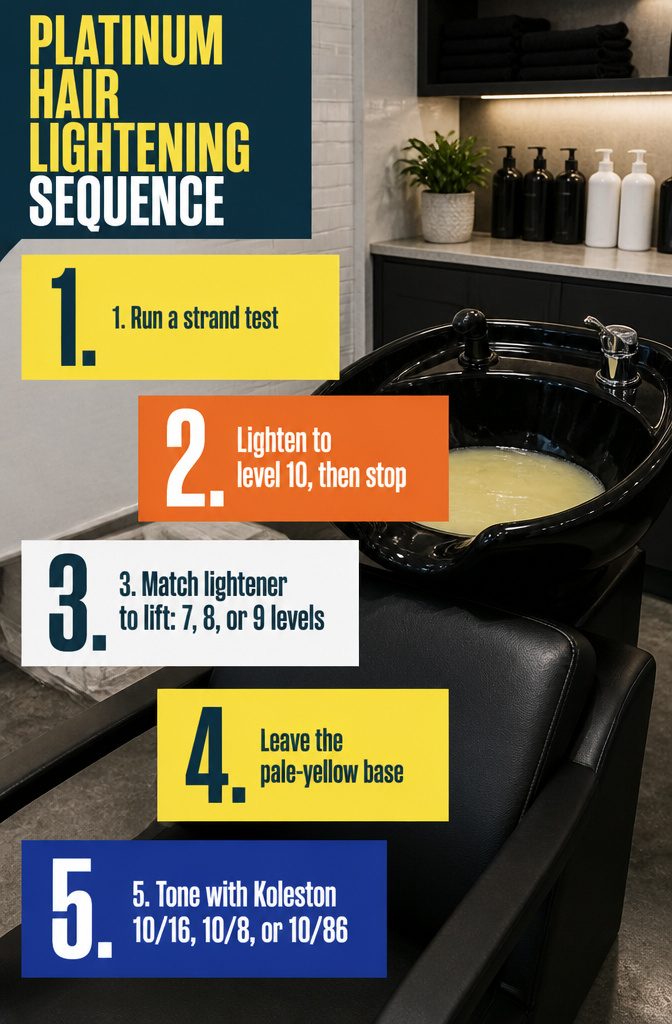
- Run a strand test first. Prior color, perms and other chemical treatments, and frequent heat styling all change how hair takes bleach, and the test shows how much lift yours handles in one session.
- Lighten to level 10 and stop. Light brown or blonde hair may get there in one session; dark or previously colored hair needs several, spaced a few weeks apart.
- Match the lightener to the distance: Blondor Multi-Blonde Powder lifts up to 7 levels, Féria Hyper Platinum up to 8, BlondorPlex up to 9.
- Expect pale yellow, not white. I’d leave it alone, because that base is what the toner corrects, and going lighter risks removing keratin.
- Tone with Koleston Perfect 10/16, 10/8 or 10/86.
Purple Shampoo Routine
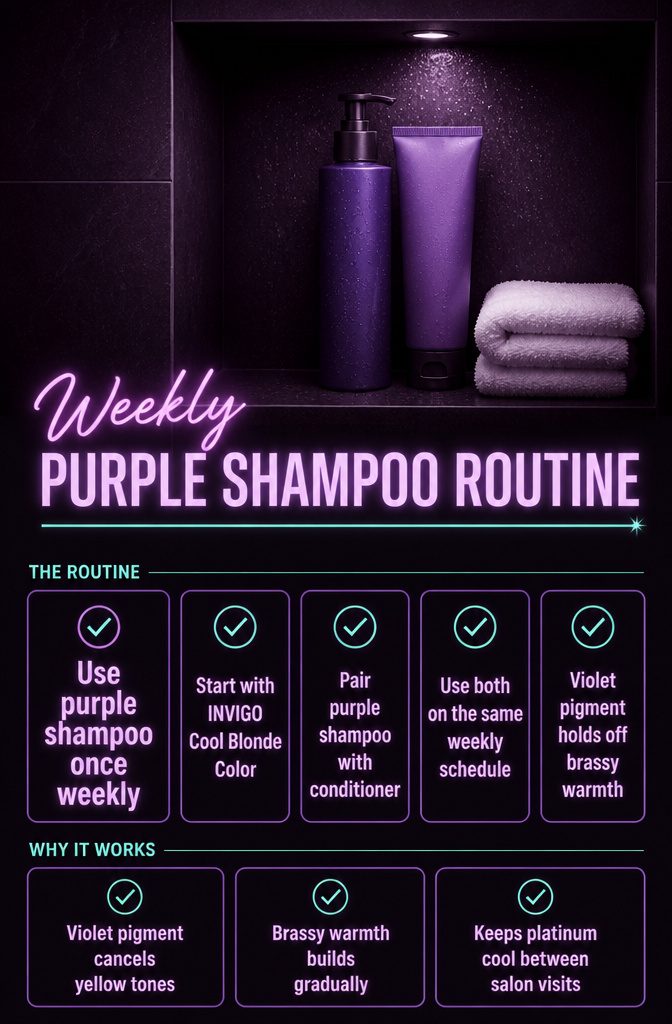
Violet pigment cancels the yellow that creeps into bleached hair, so a short routine keeps platinum looking cool:
- Swap your usual shampoo for a purple one once a week. For platinum ice blonde hair, I’d start with INVIGO’s Cool Blonde Color shampoo, since its violet pigment is aimed squarely at brassy yellow tones.
- Add a purple conditioner on the same weekly schedule. L’Oréal Paris EverPure Sulfate-Free Purple Shampoo and its matching Purple Conditioner are made to be used as a pair.
- Keep using them between salon visits. Brassy warmth builds gradually on bleached hair, and the violet pigments hold it off until your next toner appointment.
Protect Bleached Hair
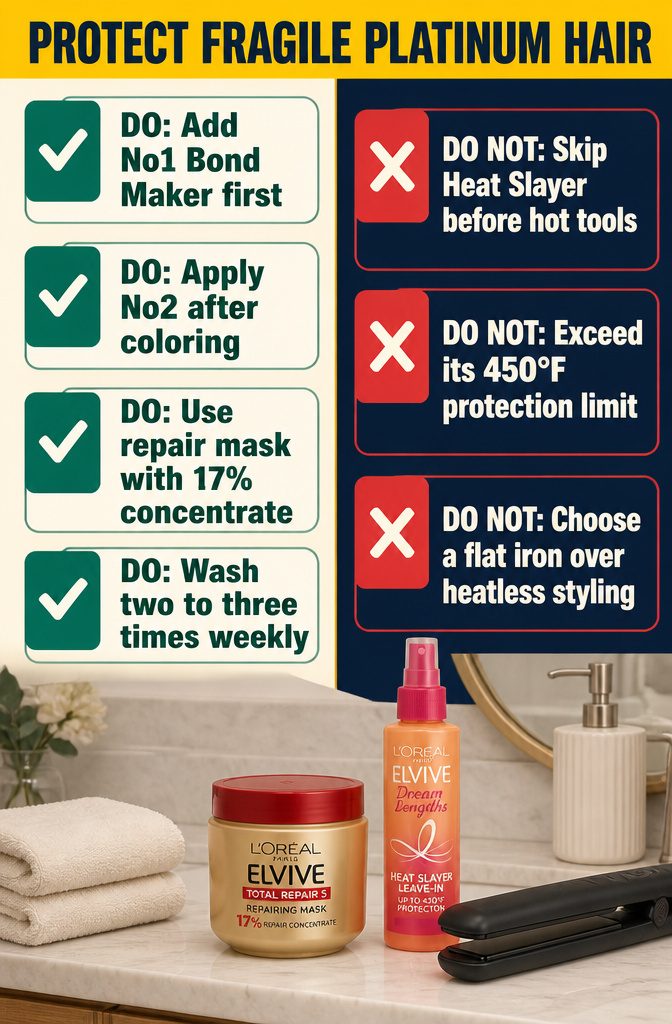
Bleached platinum is fragile, and a few habits protect it:
- Ask your stylist to add WellaPlex to the lightener. No1 Bond Maker goes in first, then No2 Bond Stabilizer after coloring to rebalance pH. Wella claims up to 97% less breakage.
- Use L’Oréal Elvive Total Repair 5 mask, which has a 17% repair concentrate, as your repair treatment.
- Wash two to three times per week in lukewarm water. Frequent washing slows recovery.
- Apply Dream Lengths Heat Slayer Leave-In before any hot tool; it protects up to 450°F.
- Limit heat styling. On bleached hair I’d choose a heatless style over a flat iron, even with protectant.
Grow-Out and Upkeep
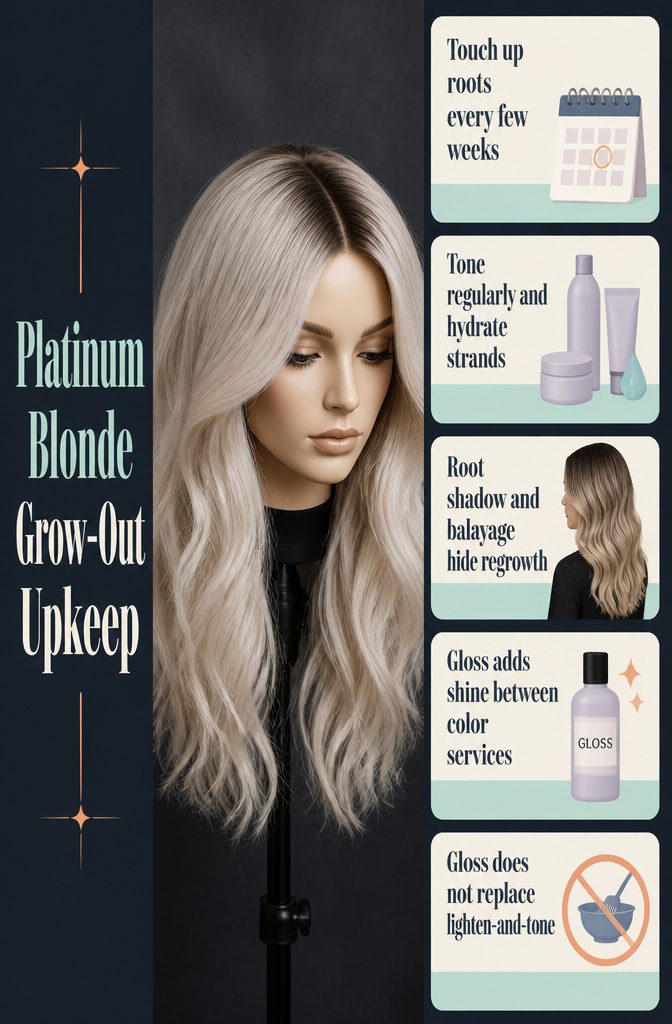
Platinum ice blonde hair needs root touch-ups every few weeks, regular toning to hold off brassiness, and hydrating treatments to keep strands strong.
Dark roots grow in fast, so a rooted look with a soft, powdery shadow is my pick for easier upkeep. A blonde balayage also hides regrowth and stretches the time between visits.
Between color services, a gloss can refresh tone and add shine, and it’s quick enough for a lunch break. Ask your colorist for Shinefinity Color Glaze, a demi-permanent, zero-lift, zero-damage glaze that leaves a translucent veil of color.
It bridges the gap, but it does not replace a lighten-and-tone service. So, are you ready for that commitment?
Frequently Asked Questions
How do I get platinum blonde hair?
Lighten the hair to level 10, which looks pale yellow, then tone it with a cool-toned color.
Light brown or blonde hair may get there in one session, while dark or previously colored hair usually needs several, spaced a few weeks apart.
The number of sessions depends on your starting shade, hair history and condition, so a salon is the safer route, and a bond builder in the lightener protects the hair along the way.
How do I know if platinum blonde is right for me?
Skin tone, eye color and willingness to keep up the maintenance are the three things to weigh. Fair, cool skin with light eyes gives the cleanest match, and dark eyes give a bolder, higher-contrast result.
Warm skin pairs best with neutral or soft yellow undertones, cool skin suits frosted silver or blue shades, and neutral skin can go in any direction.
How should I prep my hair before going platinum?
Book a strand test first. Past color, perms and other chemical treatments, and frequent heat styling all change how your hair reacts to bleach, and the test shows how much lift it can take in one session.
It also helps to strengthen your hair with conditioning and repair care beforehand, and to decide up front between a salon and an at-home approach.
What is the difference between ice blonde and platinum blonde?
The two overlap heavily: both are very pale blondes lifted to level 10 and then toned.
The toner sets the finish, so ice blonde reads cooler and icier, while platinum can run from stark white to softer vanilla or champagne versions. White blonde is the iciest finish, and silver blonde leans gray instead of yellow.
How do I keep platinum hair from turning brassy?
Use a purple shampoo and purple conditioner once a week. The violet pigment cancels the yellow that creeps into bleached hair and holds the cool tone until your next toning appointment.
Plan on root touch-ups every few weeks, and a gloss between visits can refresh the tone, though it won’t replace a lighten-and-tone service.
How do I keep bleached hair healthy?
Ask for a bond builder in the lightener, then keep up with a repair mask and leave-in moisture.
Wash only 2–3 times per week in lukewarm water, since frequent washing slows recovery. Use a heat protectant before any hot tool and cut back on heat styling where you can; a heatless style beats a flat iron on bleached hair.