Your starting level decides which of these looks is yours, far more than the photo does.
A dark base has to be lifted with bleach and then glossed, which takes more than one salon session. Ideas here run from face-framing highlights and balayage to a platinum color melt, and the upkeep stretches just as far.
1. Dishwater Blonde
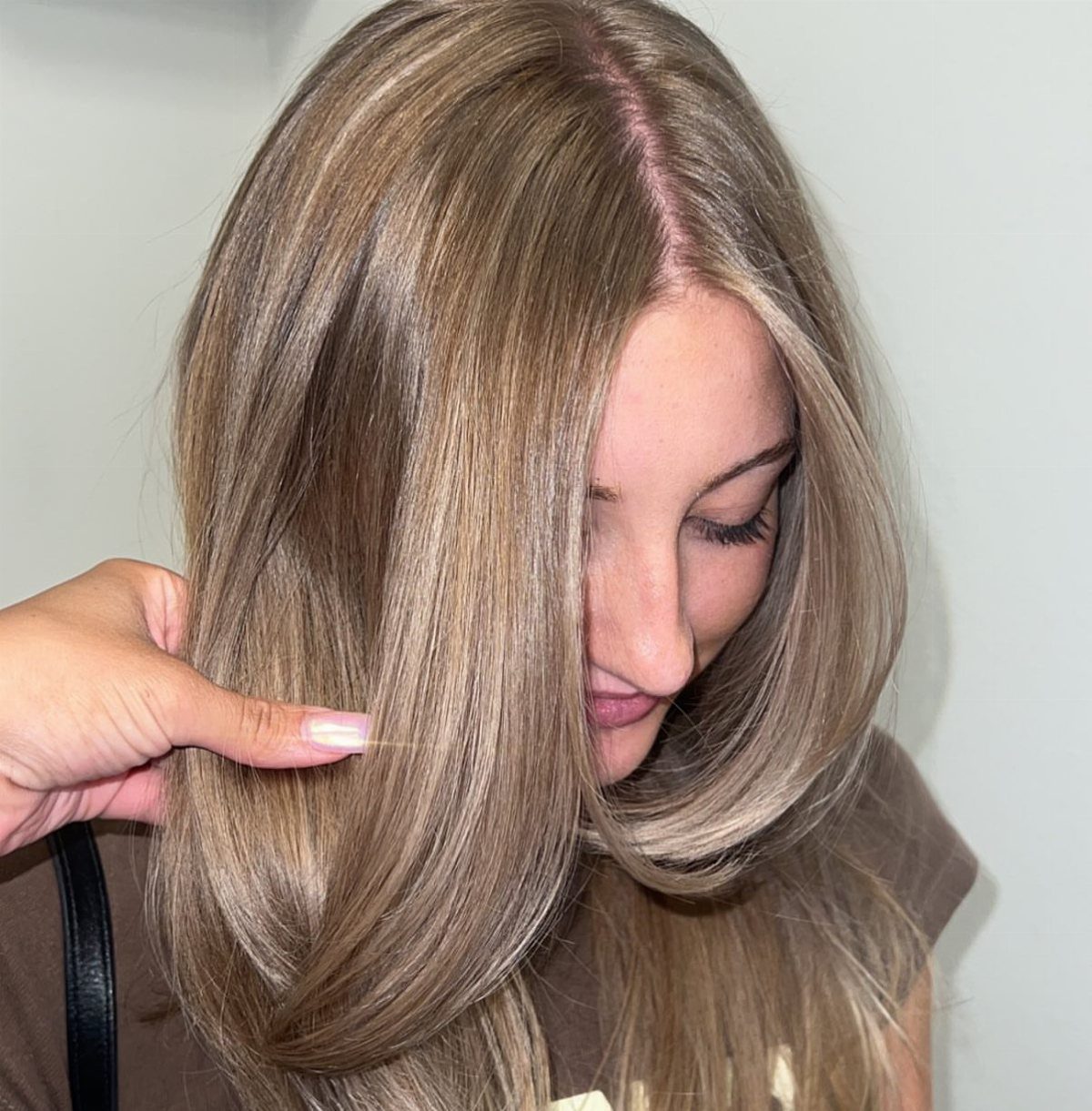
Beige-blonde threaded through light brown is what gives this shade its muted, slightly cool look. Because the dark and light tones blend instead of separating into stripes, it reads as natural hair rather than a color job.
For anyone starting from brunette or dark blonde, that blend is the appeal. I’d ask for it by name and bring this photo along.
2. Dishwater Blonde vs Dirty Blonde
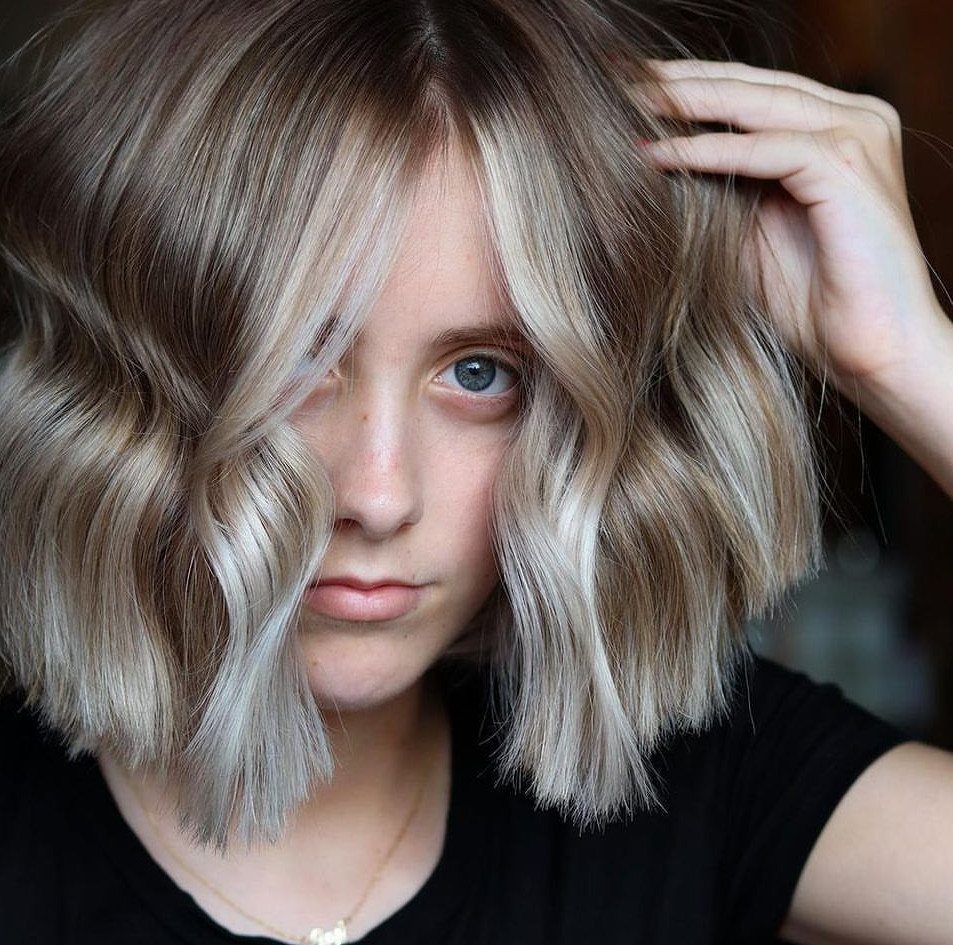
Contrast is what separates the two, more than lightness does.
Dirty blonde tends to run a little warmer or more neutral, with light pieces that stand out against the base. Dishwater stays quieter and more muted.
Dark roots with bright streaks around the face push a color toward dirty blonde in my book, since true dishwater stays muted and even from root to ends.
If you want the muted version, ask your stylist to keep the light pieces close to your base tone.
3. Dishwater Blonde Balayage
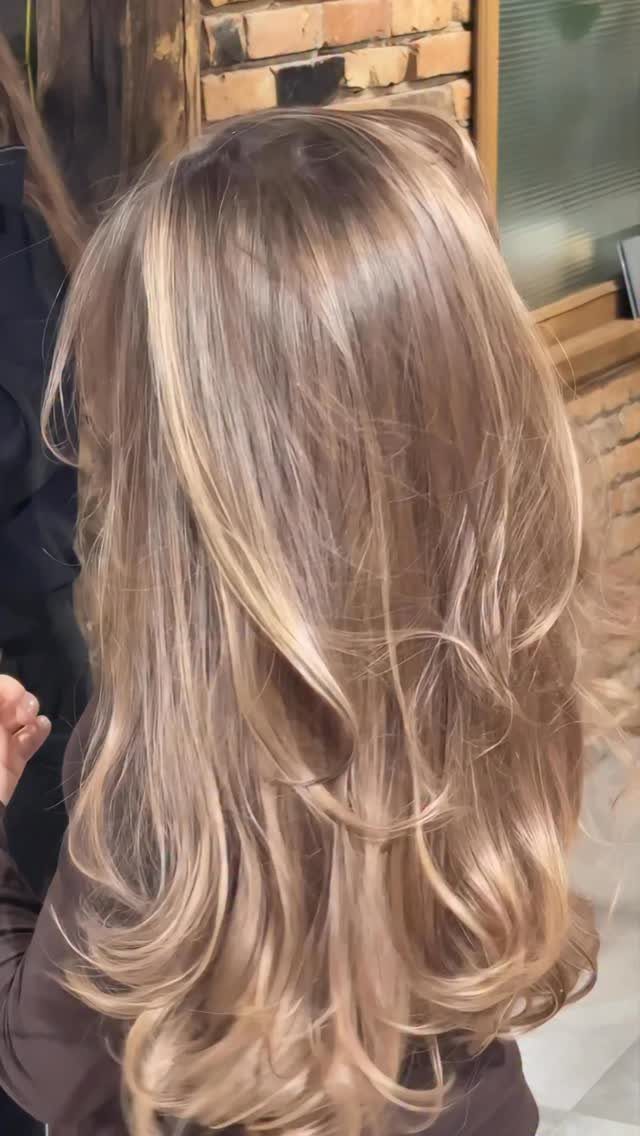
Darker roots with blended highlights make balayage the easiest route into dishwater blonde. Lightness is painted in by hand, so there is no hard line at the scalp, and grow-out stays soft.
That suits anyone with a dark or natural base who doesn’t want to be back in the chair every few weeks. I’d keep the highlights close in tone to the base so the result looks muted instead of striped.
4. Face-framing Highlights
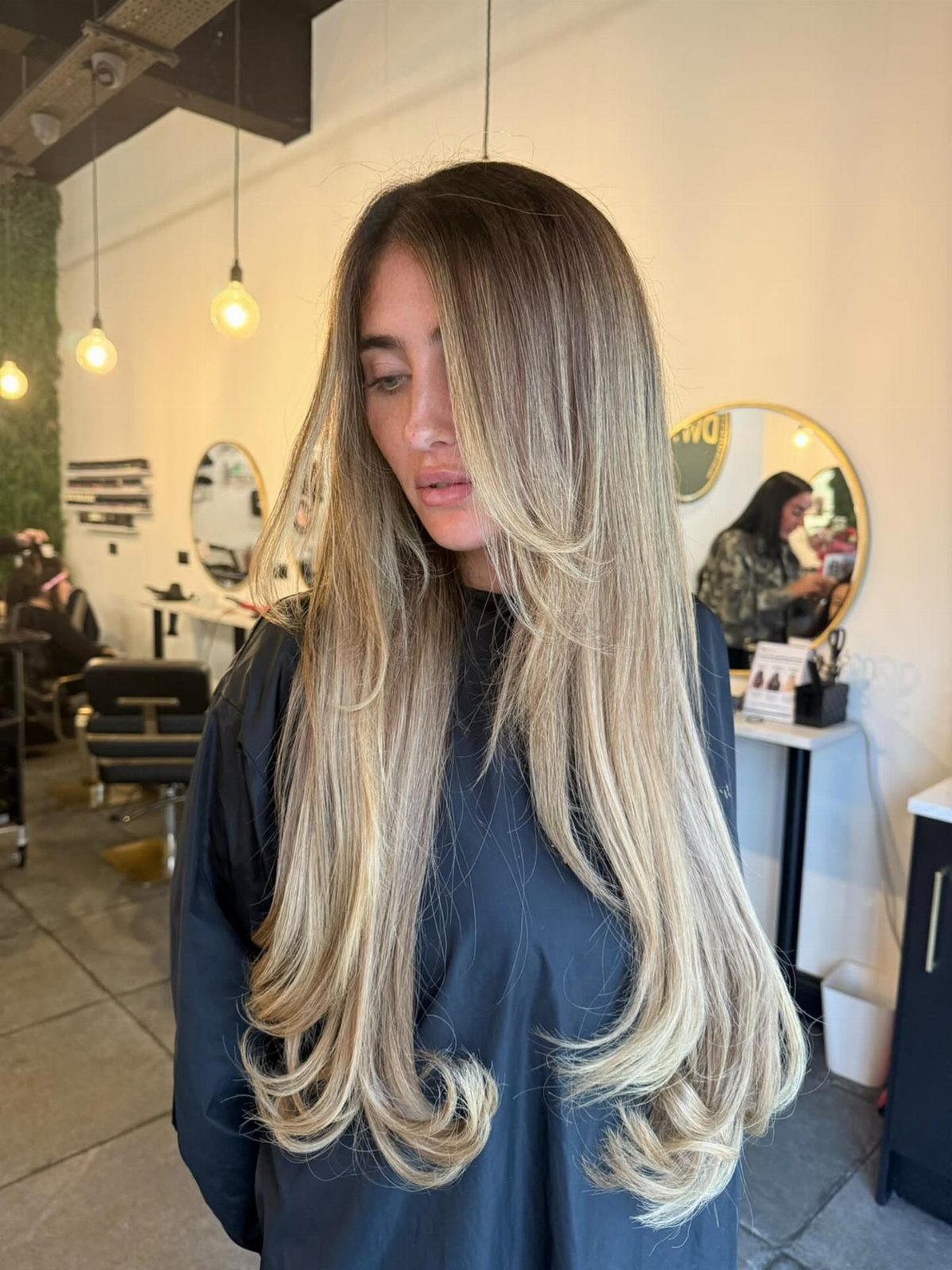
Brightness around the face, without lightening everything else: that is the whole job of face-framing highlights. Lighter pieces sit where the eye lands first, and the rest of the hair keeps its brown-blonde depth.
For a natural-looking cool blonde, this is my pick if you want less commitment than a full head of highlights. Show your stylist exactly how far back from the hairline you want the lightness to start.
To bring some brightness to a dishwater hue, she advises natural blondes to add a frame of highlights around their face.
— Allure
5. Dishwater Blonde Highlights
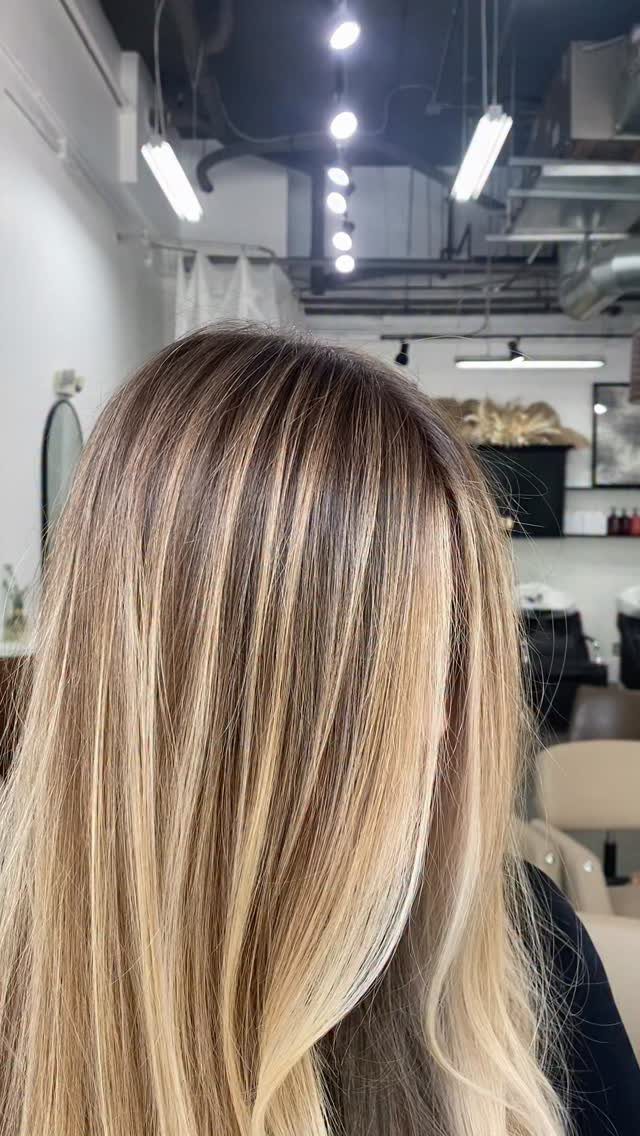
Fine highlights restore the lightness that natural blonde hair loses over time. Thin, closely woven pieces add brightness to the base without breaking its muted character.
If your hair is already blonde but has gone flat, this is the version I’d choose. Keep the strands fine so the effect stays dishwater instead of tipping into bright, high-contrast blonde.
6. Blonde Money Piece
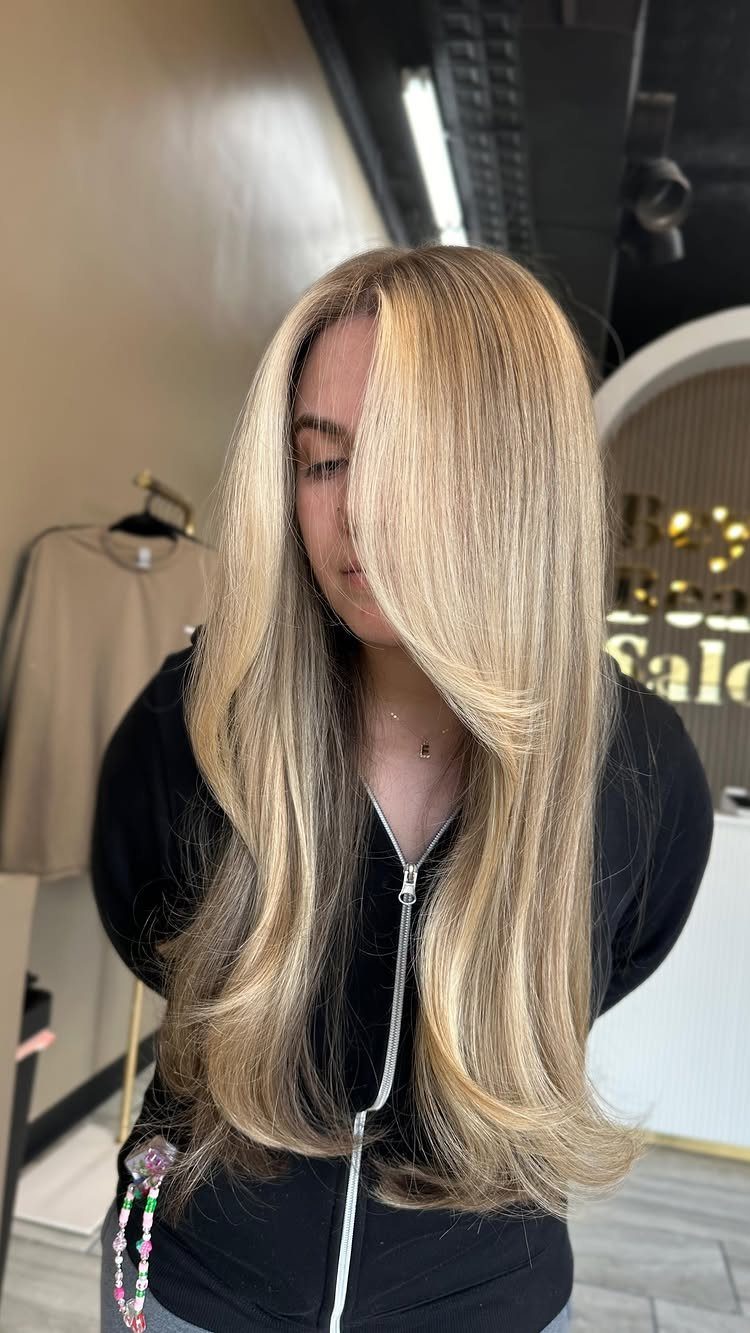
White-toned pieces at the front, set against muted blonde highlights through the rest, make the money piece a bolder cousin of dishwater blonde. The contrast is the point.
It pulls light right to the face, so it suits anyone who wants a noticeable change while the lengths stay darker and softer. Fair warning: the brighter the front, the further it drifts from a true dishwater tone.
7. Dishwater Blonde Bob
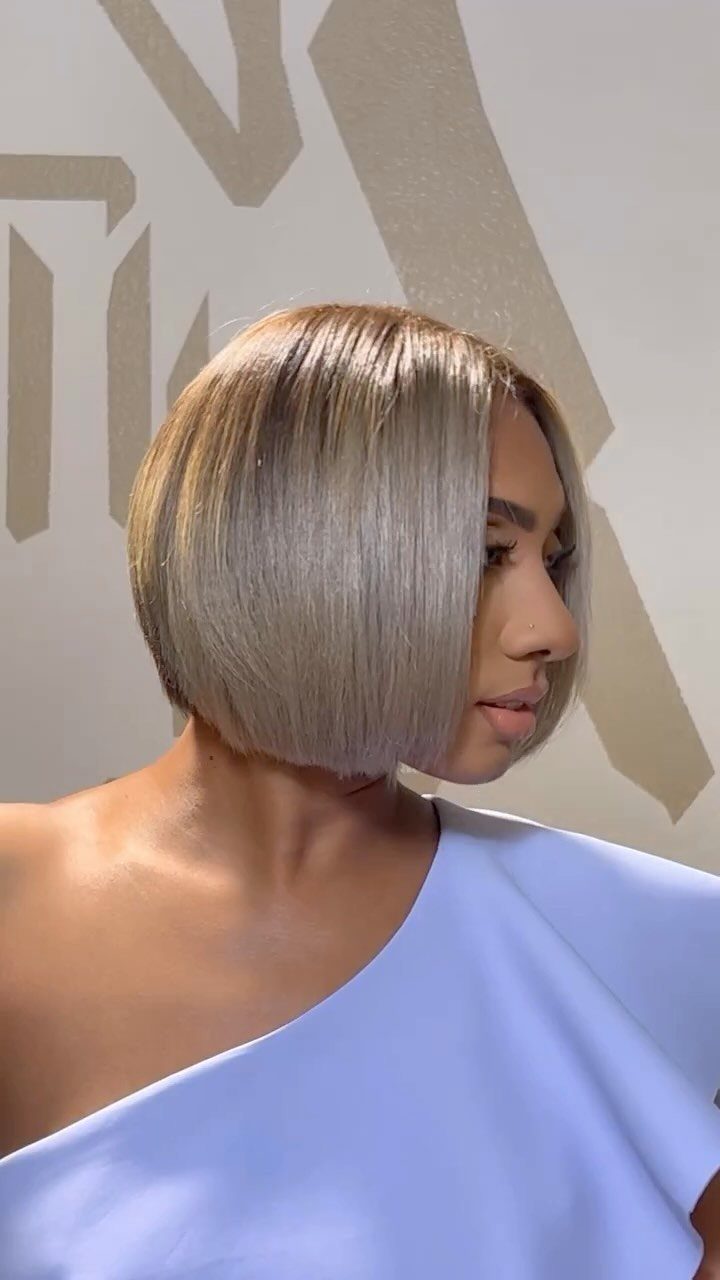
A chin-length cut gives champagne blonde a lot of surface to catch light, and over a light brown base the blend stays soft instead of stripy. The shine of a sleek bob does half the work here.
I’d choose this for anyone who wants brightness without a long grow-out story. Ask for beige tones in the highlights so the champagne leans cool.
8. Light Blonde Ombre
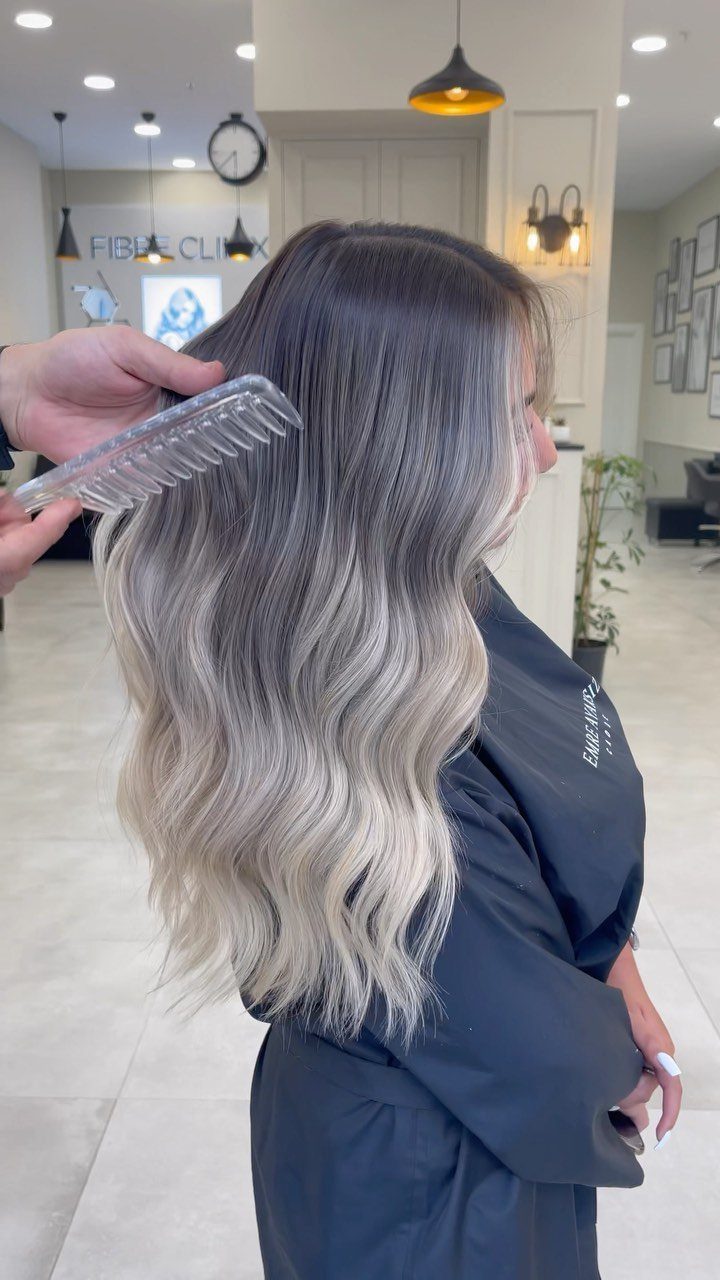
Dark at the roots and light at the ends, this beach-style ombre puts you in charge of how much hair gets lightened. A little at the tips is subtle; a longer fade reads as a full blonde finish.
On long, wavy hair I’d go for the fade to start well below the crown, since the waves scatter the blend and hide any transition. Tell your stylist the exact point where you want the light to begin.
9. Dark Blonde Pixie
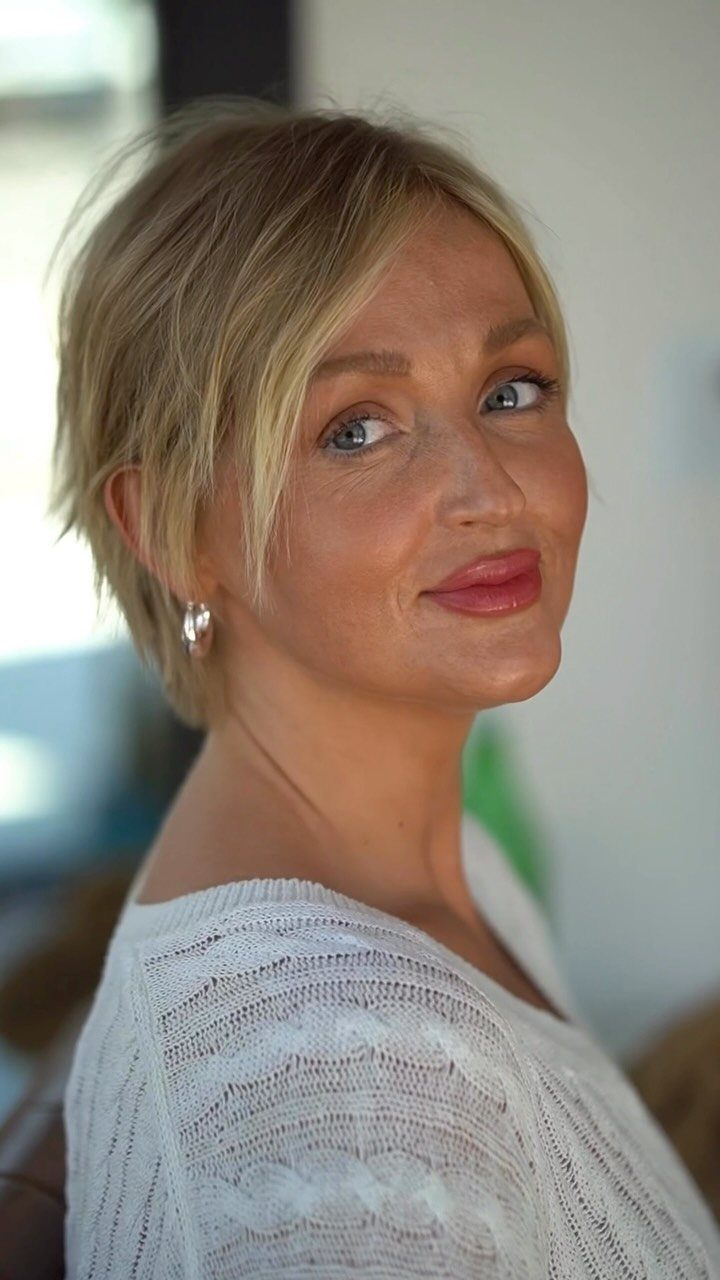
Side-swept bangs that run long do most of the styling in this pixie bob, and the messy dirty blonde color keeps it from looking polished. Texture is the point.
Because the cut is short, color has little room to grow out unevenly, which suits a dark blonde base. Bring a photo of the bangs and say how far past the cheekbone you want them to fall.
10. Platinum Color Melt
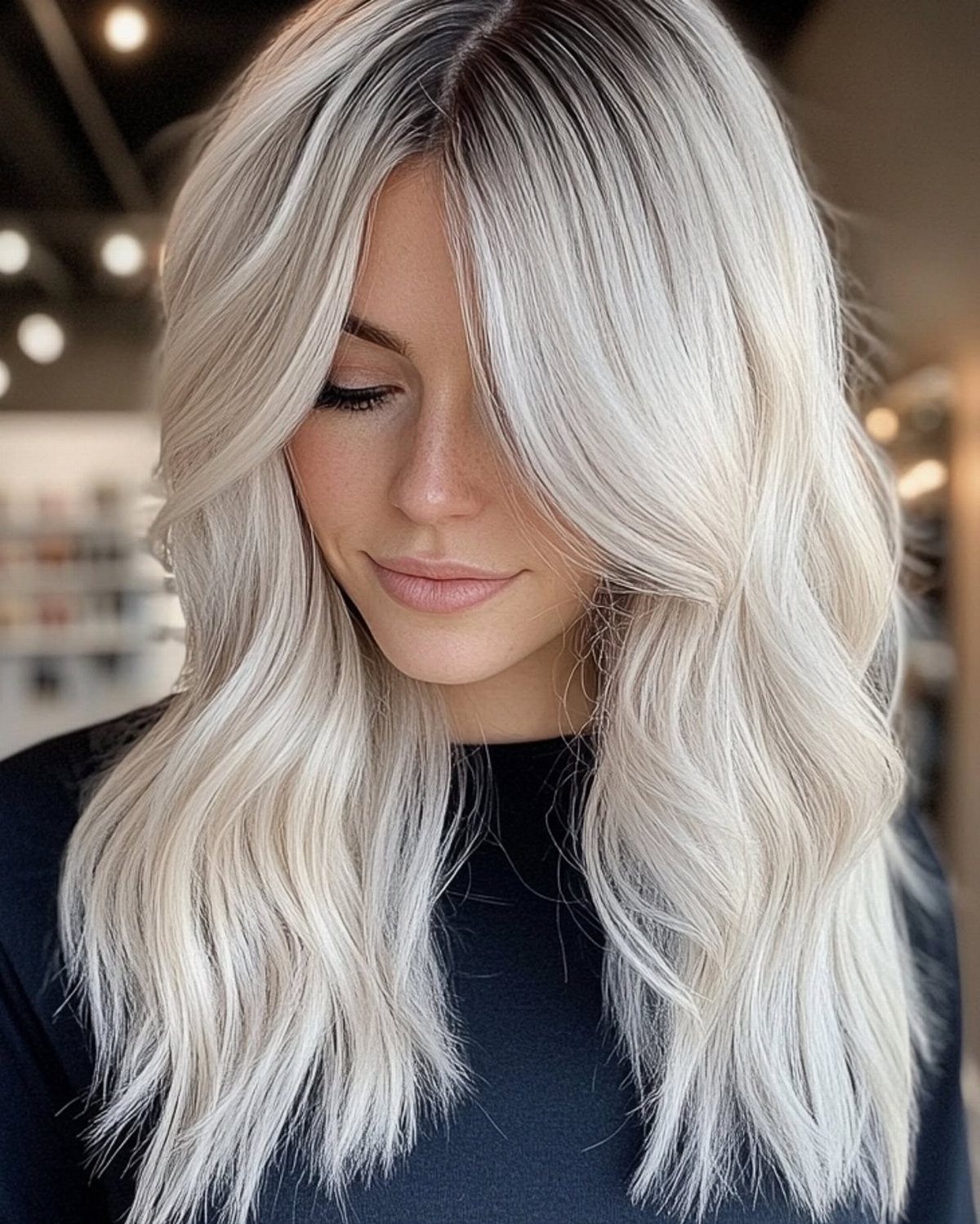
Brown at the root, platinum through the lengths: a root smudge is what keeps this melt from looking flat. The cool brown gives depth, and the lighter blonde highlights sit on top of it.
I like it for brunettes who want a big change without a stark line at the scalp.
Ask for the smudge in a cool brown, and expect the platinum to be the brightest part of your head by a wide margin.
11. Loose Waves with Highlights
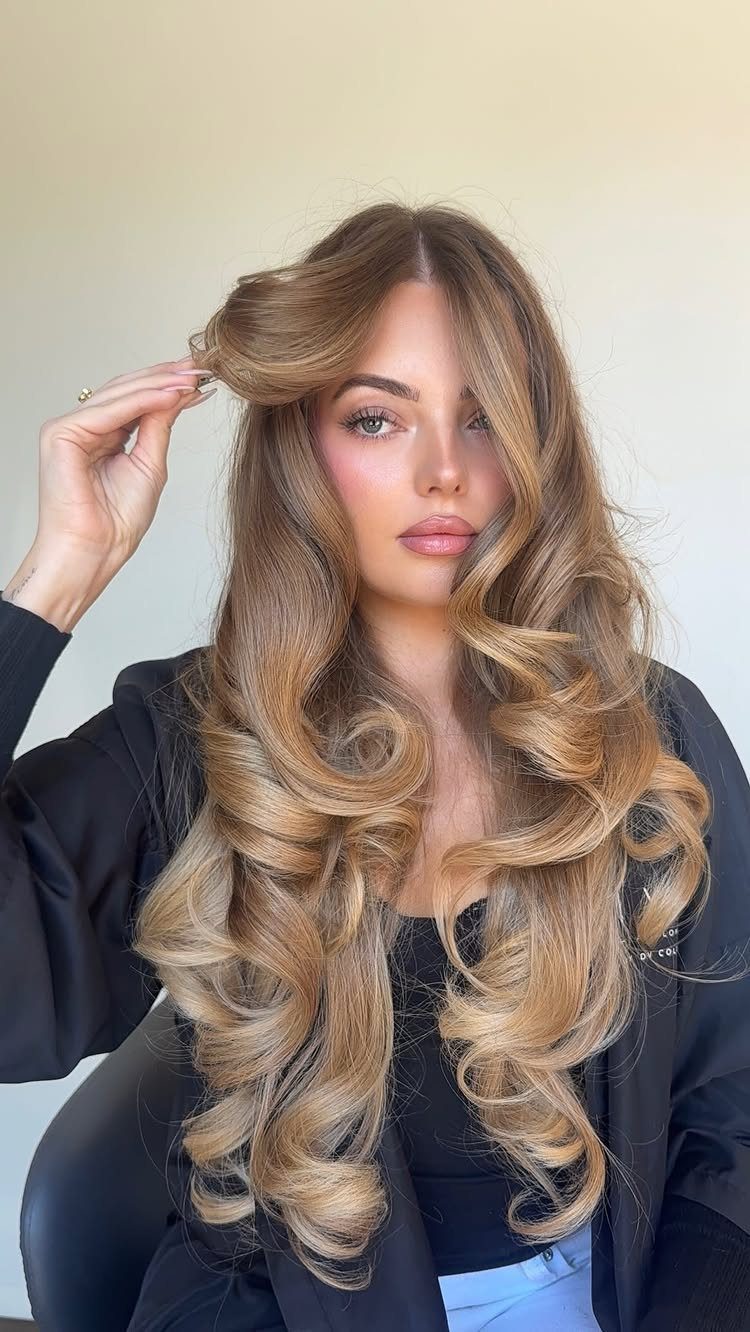
Dishwater highlights mixed with a few warmer blonde pieces give long loose waves a sun-kissed look, and the curl pattern spreads that mix around so no single strand stands out.
With darker roots, this is the version I’d pick for brunettes who find pure cool blonde a bit severe. Ask your stylist to place the warmer pieces sparingly so the muted tone still leads.
12. Subtle Blonde Highlights
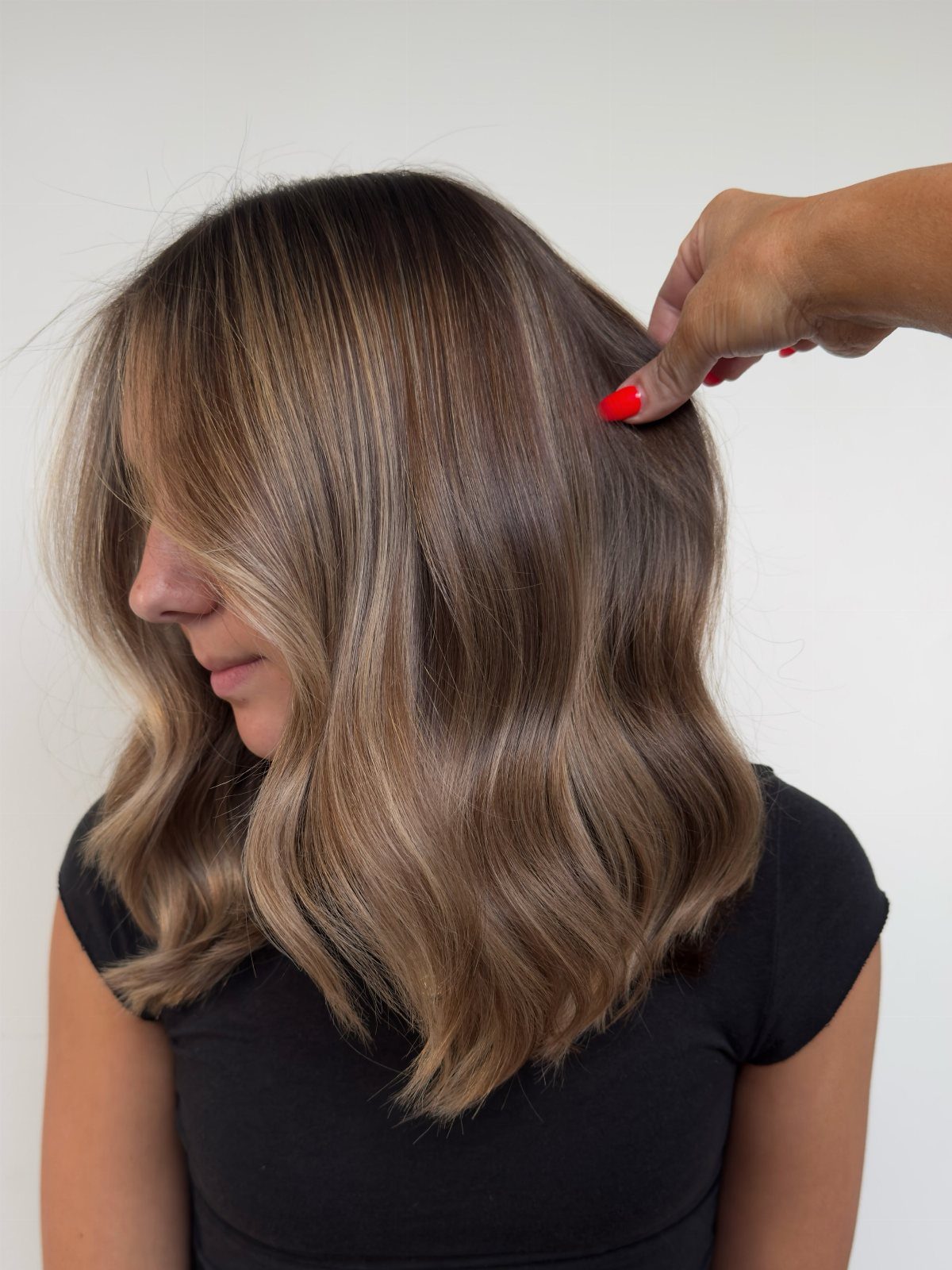
Fine blonde highlights around the face are the lightest touch you can add to dishwater blonde, and on shoulder-length wavy brown hair they read as a lift rather than a change.
The waves break up the lighter strands so they look natural.
This is where I’d start if you’re nervous about going blonde at all. Keep the pieces thin and ask for them only at the front.
13. Long Blonde Layers
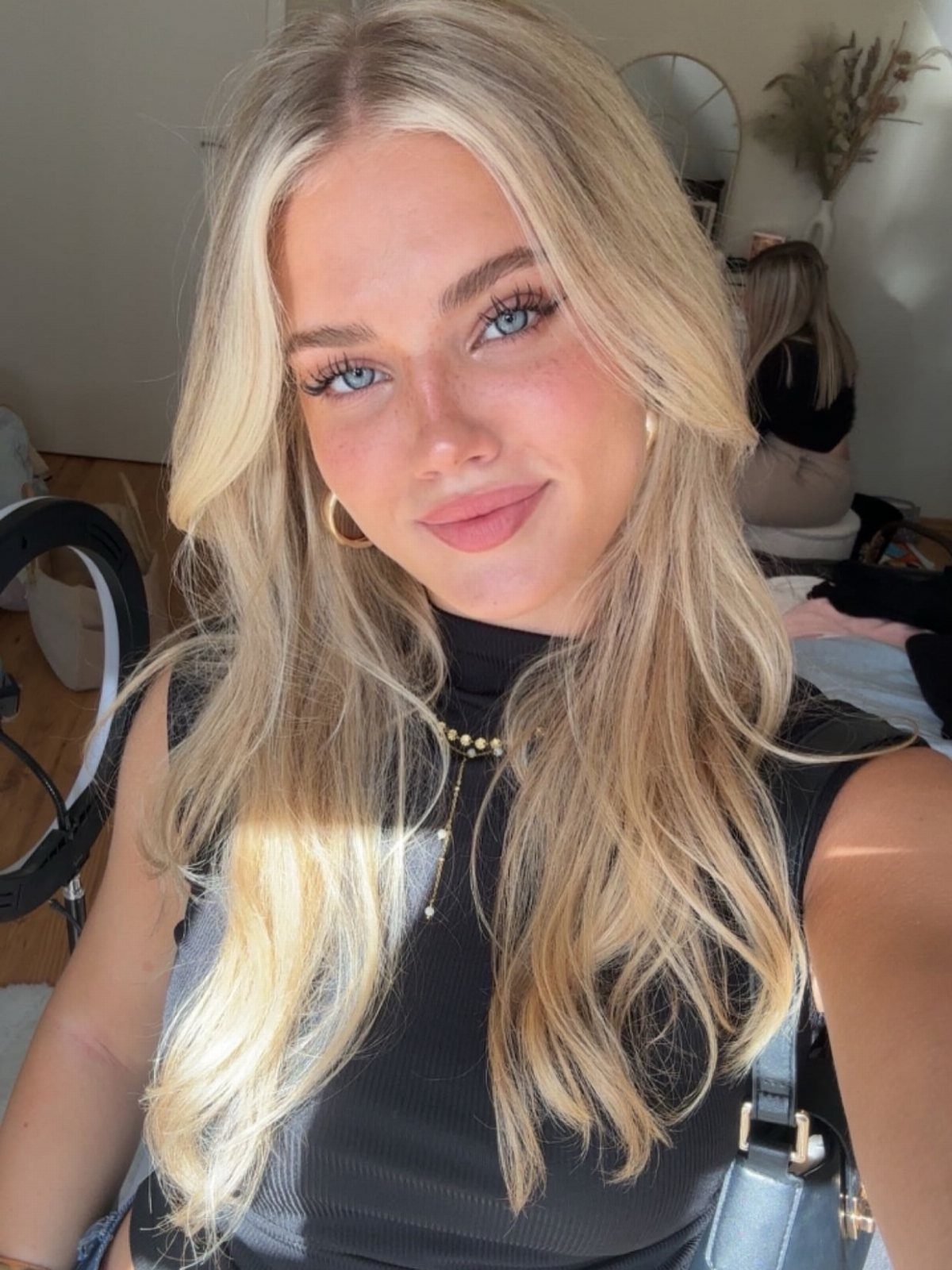
Curtain bangs and face-framing layers keep long blonde hair from hanging in one heavy sheet. The shorter pieces at the front fall around the cheekbones, and the layers give waves some movement through the lengths.
I’d choose this if you want to keep your length but need a shape that frames your face.
Name the spot where the shortest layer should fall, whether that’s the collarbone or just below the chin, and point to the exact place where the bangs begin to part.
14. Lived-in Blonde
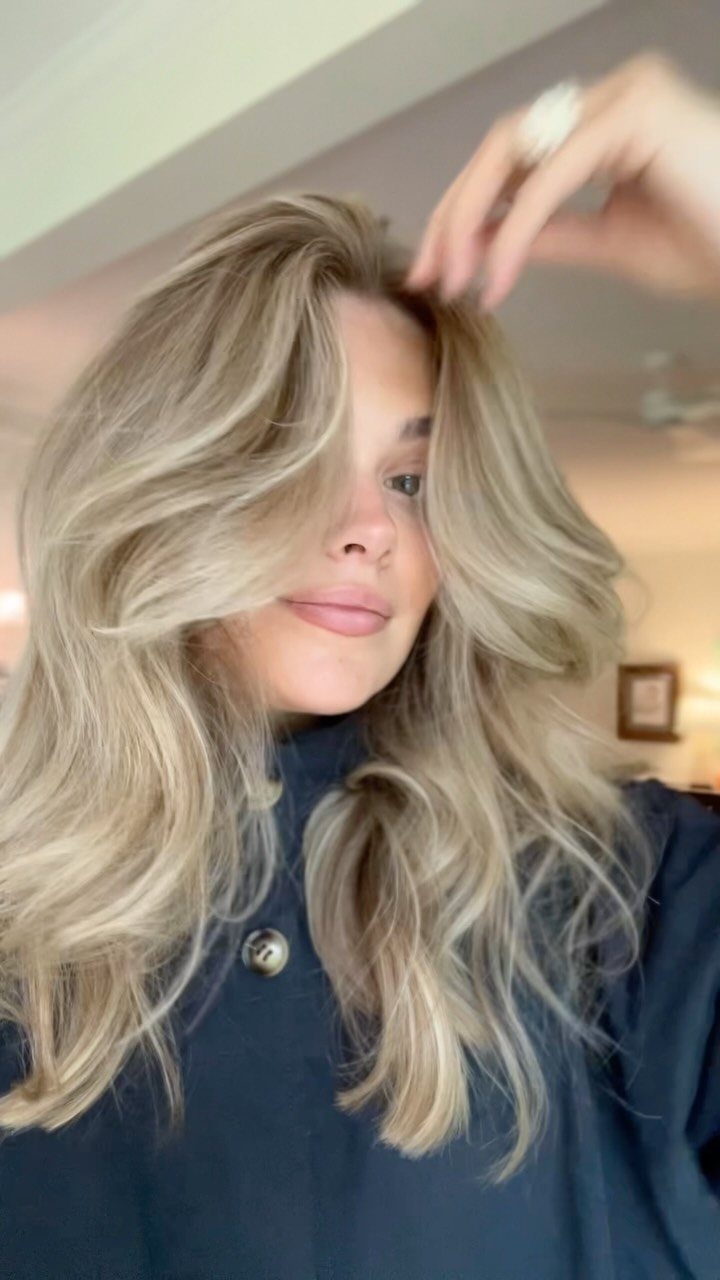
Leaving the natural roots alone is what makes lived-in blonde so easy to wear. The color is blended down from darker roots, so there is no line to touch up as your hair grows.
On long waves, I think this is the most forgiving way to go blonde. Ask for a soft, blurred transition rather than a sharp one, and expect fewer salon visits than with root-to-tip color.
15. Ashy Highlights
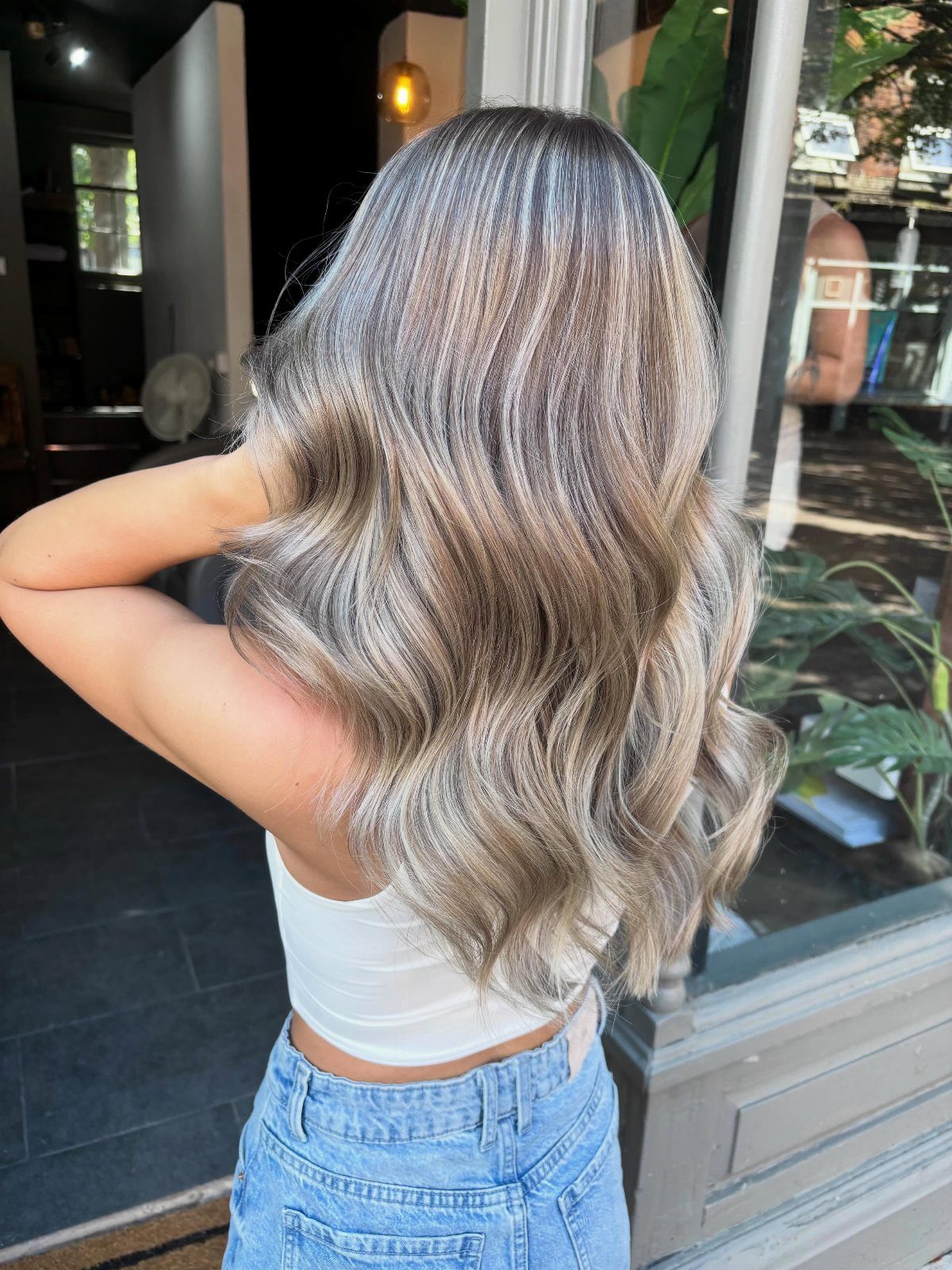
Cool, ash-gray highlights laid over dark blonde give the hair a glossy, slightly smoky finish. The base stays deep, so the ash reads as shine instead of brightness.
For anyone with long, wavy hair who wants a cool tone without going pale, this is my pick. Bring a photo and ask for ash rather than platinum, since the two get mixed up at the consultation.
16. Blonde and Ash Brown Balayage
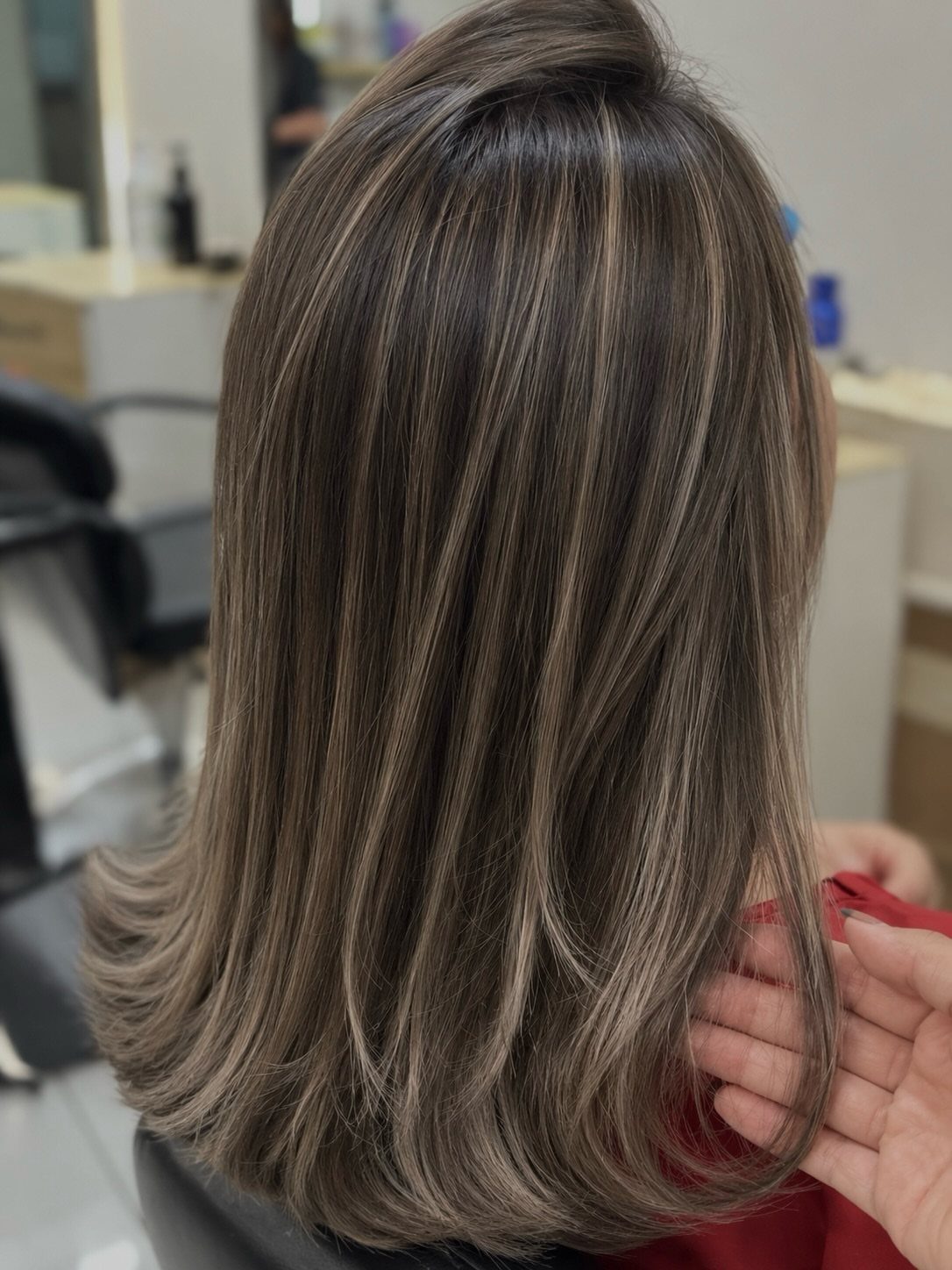
Blonde and ash brown woven together through long brown hair give balayage its dimension. The ash brown keeps the blonde from looking warm or yellow, and the hand-painted blend stays soft against a brown base.
I’d ask for this if you want to stay close to your natural color and still see the lightness. Say you want the ash brown tones kept in the mix, not lightened out.
17. White Blonde Ombre
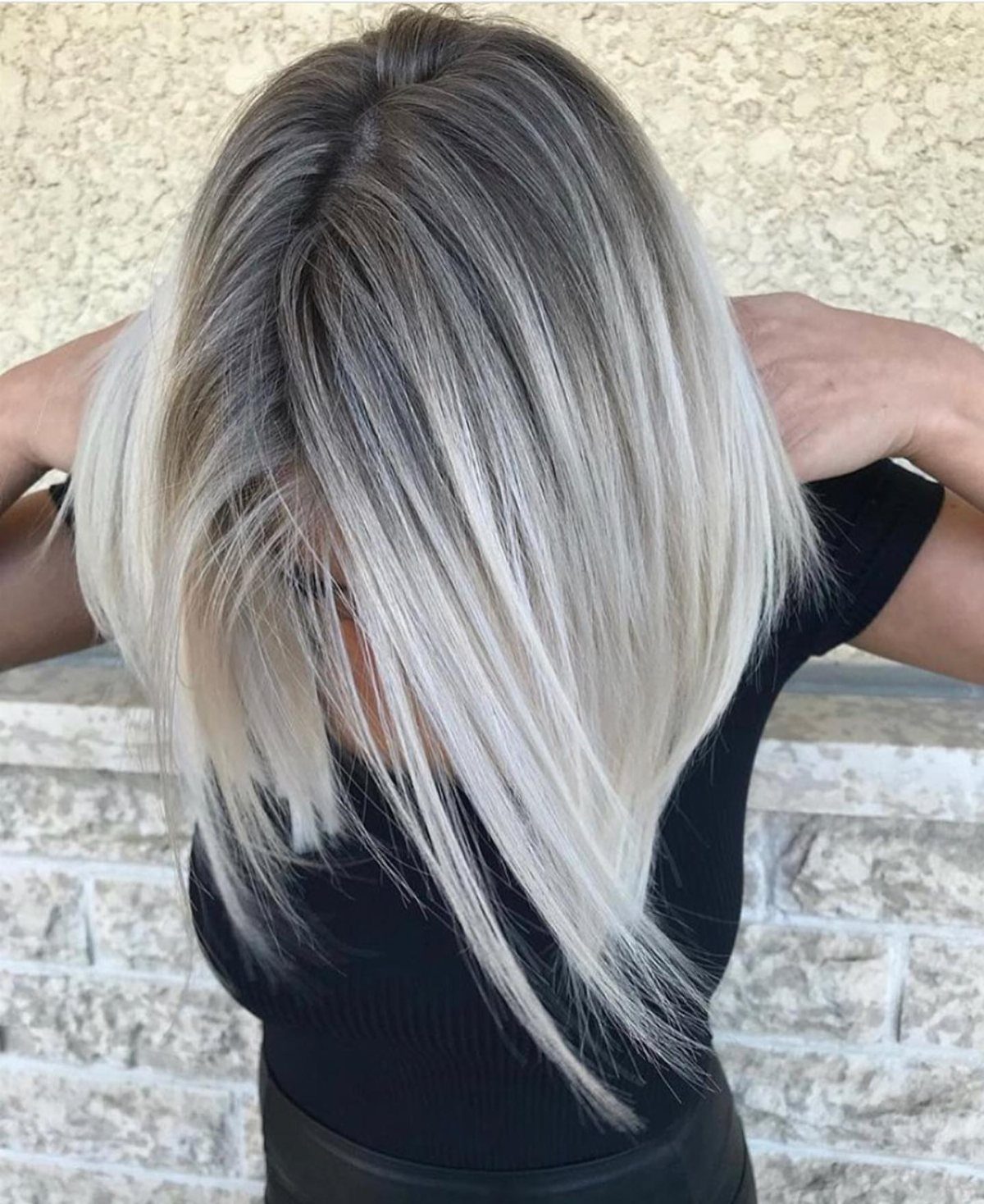
The brown base stays close to dishwater, while the ends are far brighter than anything that name covers.
I like it for long hair, where the fade has room to blend. Expect heavy lightening at the ends, so ask your stylist how much your hair can take before you book.
18. Ash Brown Curls
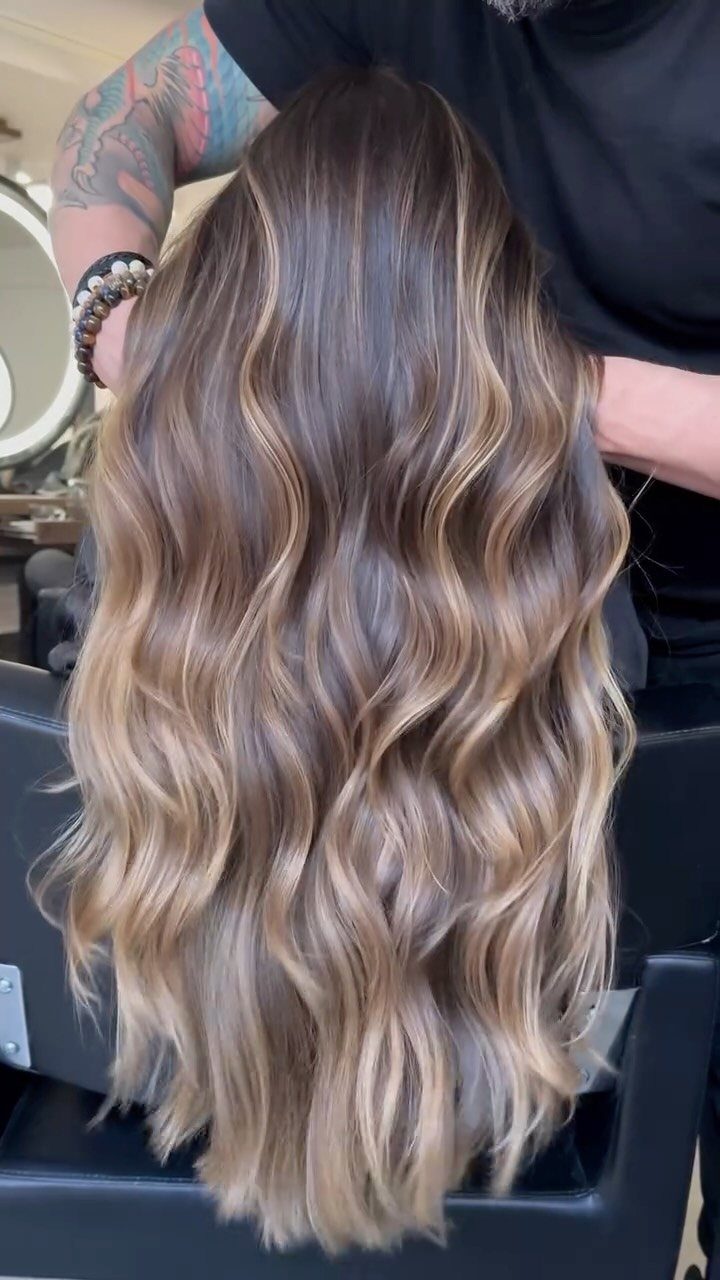
Ash brown mixed with blonde tones gives loose curls a layered, dimensional look. Waves and curls spread the colors around, so no single shade dominates.
This blend flatters fair or neutral skin tones best, and it’s where I’d steer anyone who wants cool brown with a touch of blonde. Ask for the ash brown to lead and the blonde to sit in between.
19. Blonde Ribbons
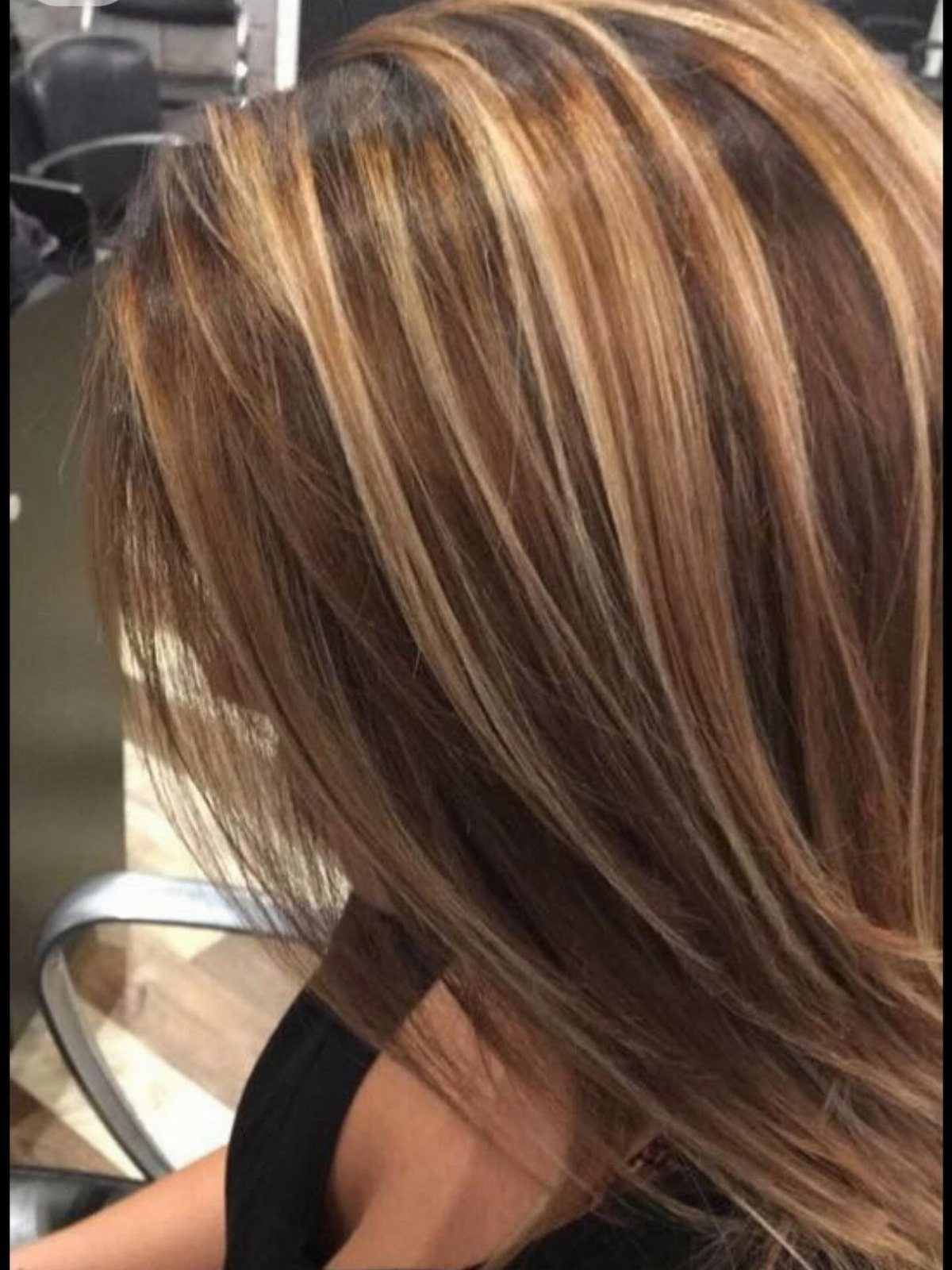
Thick, warm blonde ribbons running through dark brown hair put the brightness exactly where the face needs it. The chunky sections stay separate from the base, so the contrast is the look.
Brunettes who find ash tones too flat on them are who I’d point to this one. Ask for the ribbons to start at the front, and say plainly that you want them warm, not beige or silver.
20. Soft Color Melt
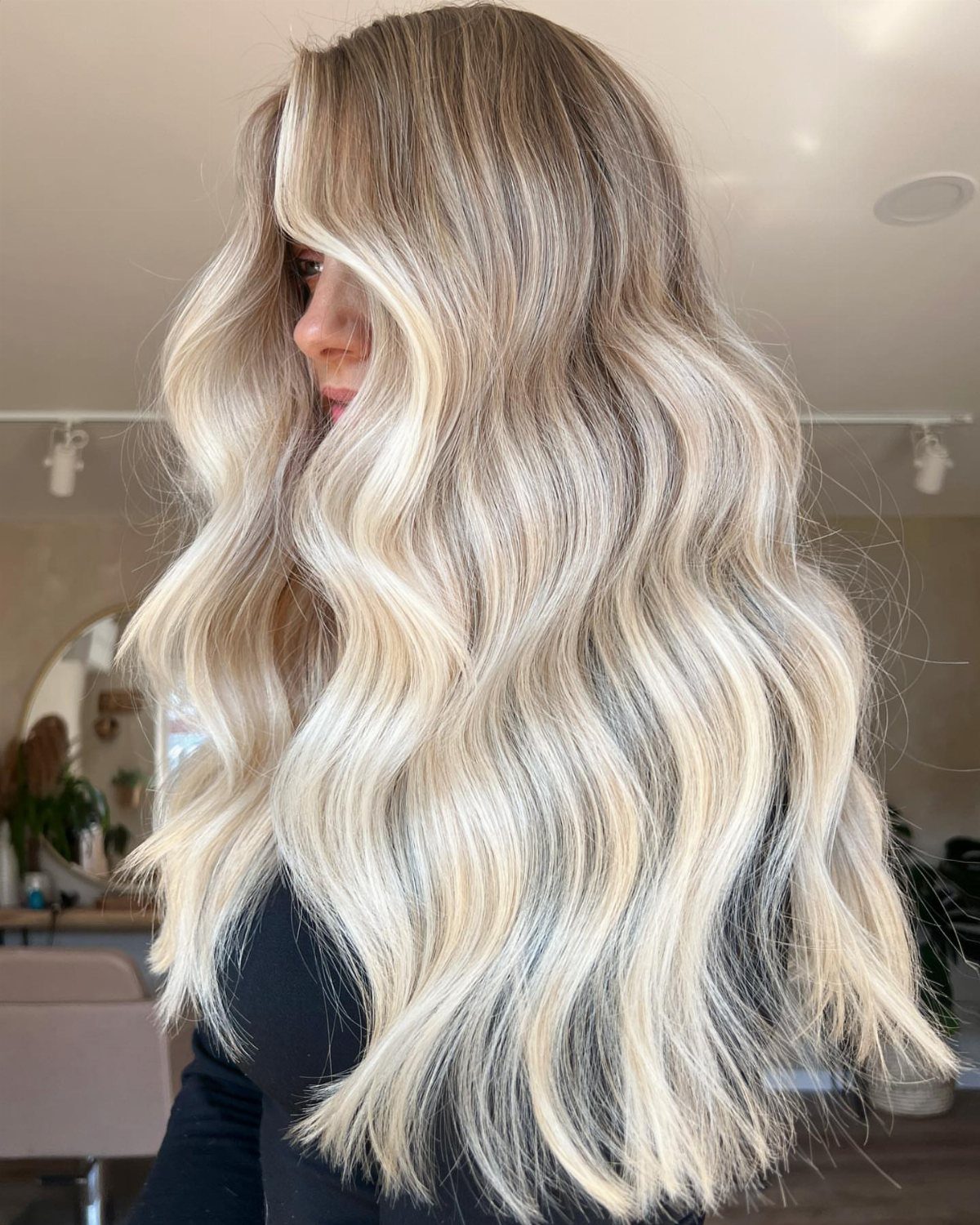
Long hair with darker roots gets its lift from a few brighter strands near the front, while the rest of the blend stays soft. Nothing in a soft color melt looks sharply placed, which is why it passes for natural.
For tired lengths, I’d pick this over a full re-color. Ask your stylist to keep the pale pieces blended into the base and to put the brightest ones at the face.
21. Shiny Blonde Balayage
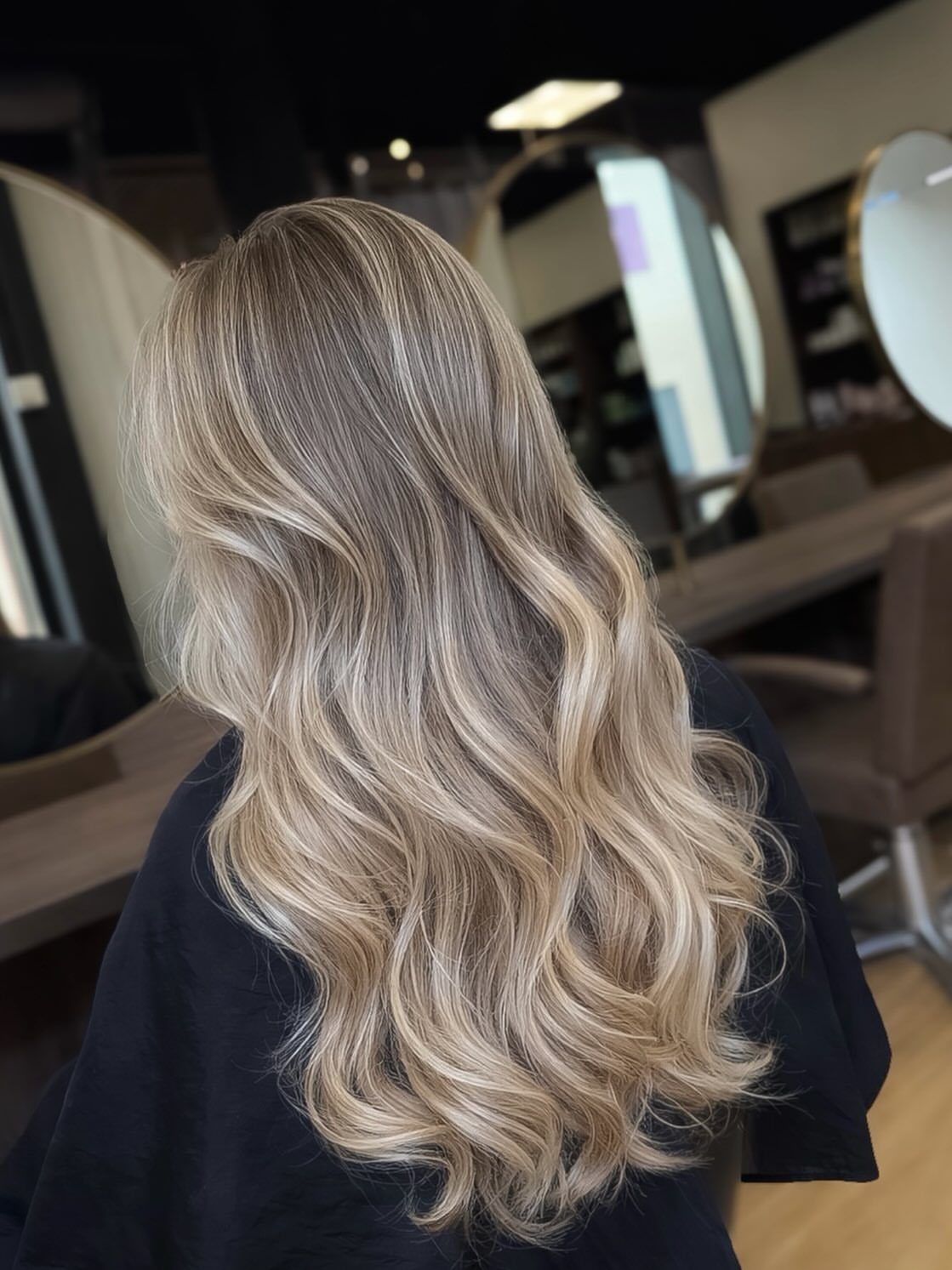
Fine hair can look flat in one solid shade, and balayage fixes that by layering lighter and deeper tones through loose, messy waves. The shine comes from the dimension, not from going lighter.
I’d choose this if your hair lacks body. Ask for the highlights to be hand-painted and varied in width, then wave the lengths loosely so the tones scatter instead of lining up.
22. Ombre Grow-out
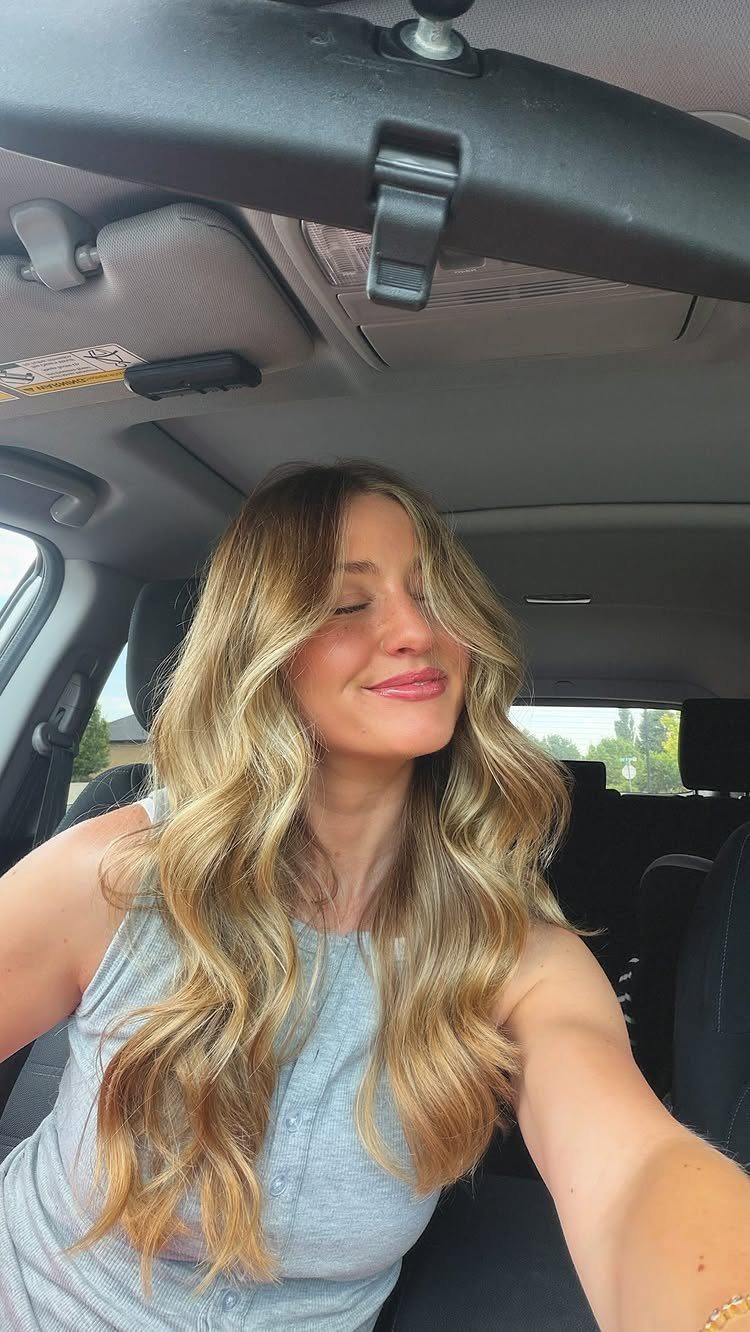
Darker roots are part of the plan here, which makes this ombre the easiest blonde to leave alone between appointments. A soft, updated blend means the grown-out hair reads as the style, not as a missed touch-up.
If you want blonde without a calendar of salon visits, this is my pick. Tell your stylist to blur the transition so no visible band shows where dark meets light, and the grow-out will look soft instead of striped.
23. Dishwater Blonde Waves
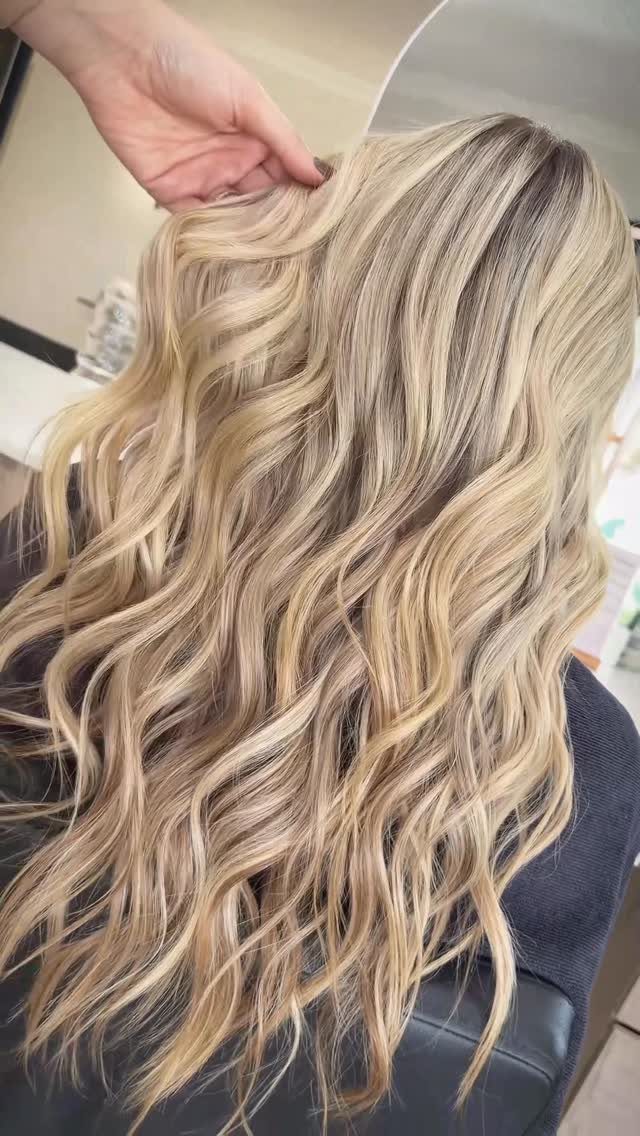
Waves are where dishwater blonde shows off its depth: each bend catches either the darker root tone or the beige and ash blend, so the color shifts as the hair moves. Straight hair flattens that effect.
I’d curl or wave the lengths loosely and leave the roots untouched. Ask your stylist to keep the beige and ash tones close together so the muted finish holds from the crown to the ends.
Coloring and Salon Consultation
Your starting level decides how much work this shade takes. Starting from blonde, or from dark blonde with highlights, a demi-permanent in a neutral or neutral-ash shade will pull the color toward dishwater without a big commitment.
Darker hair is a harder job. Permanent color over a dark base pulls warm and golden-brown because of the pigments underneath, so the only way past that is lifting to blonde with bleach and then glossing in the dishwater shade.
Expect more than one salon session, and expect the upkeep to be harder too.
At the consultation, say that you want every red tone eliminated. I’d also ask how many visits the colorist expects before you book anything.
On a dark base, I’d leave this to a professional rather than a box. A cool result is the difficult part, and a gloss that lands warm is a lot easier to prevent than to fix.
Color Care and Brassiness
Damage shows up sooner on cool blondes than on warm ones, since there’s no golden glow to soften a rough, dry surface.
Burnt ends turn yellow, and overheated ash goes muddy, so heat control protects the shade as much as the hair.
Apply a heat protectant before every hot tool, and cut down on passes with the iron. Lukewarm water is kinder to your color than hot, and color-safe formulas help the shade last longer between salon visits.
Once yellow starts creeping in, a purple shampoo cancels it out, and a cool-toned toner, done at home or by a stylist, does the same job more thoroughly.
Minerals from hard water can also turn blonde brassy, so I’d work a clarifying shampoo in every 1–2 weeks.
Deep condition once a week. Healthy strands reflect light in layers, and that dimension is what gives a muted blonde its pricey look; damaged hair just reads flat.
Plan on root touch-ups about every 8–10 weeks, though the exact timing depends on how much contrast your natural base has with the blonde.
Frequently Asked Questions
What is dishwater blonde?
Dishwater blonde is a muted, cool blonde that sits between blonde and light brown.
Beige and ash tones blend with darker ones, so light and dark never separate into stripes. Colorists often place it around a level 7 or 8, which is why it reads as natural hair.
How to maintain dishwater blonde hair?
Roots usually need attention every 8–10 weeks, though a natural base close to your blonde buys more time, and a root smudge or balayage stretches the gap even further.
To fight yellowing, use a purple shampoo or a cool-toned toner, and use a clarifying shampoo every 1–2 weeks to clear mineral buildup.
Deep condition weekly and use a heat protectant before hot tools, since damaged hair looks flat and cool blondes show it quickly.
What is the prettiest shade of blonde?
No single shade wins for everyone; it depends on your base color and how much upkeep you’ll accept.
For a blonde that looks like your own hair, I’d pick dishwater with balayage, since darker roots and blended highlights grow out softly. If you want something much brighter, platinum is the other direction, but it takes heavy lightening.