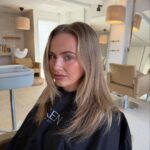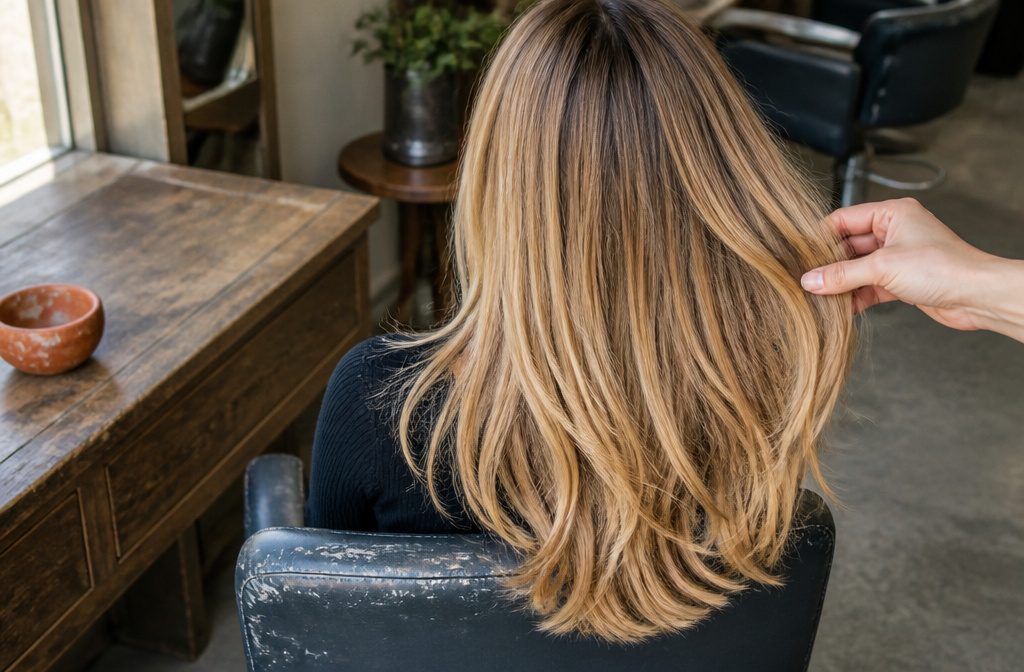
Honey blonde is the best place to start, if you ask for it dimensional and keep your darker roots intact: the change stays subtle and the upkeep low.
Cool undertones should pick sandy instead, and brunettes caramel. Skip icy blonde on dark hair, the most damaging route, and book a gloss every 6–8 weeks.
1. Platinum, Icy, White, and Creamy Blondes
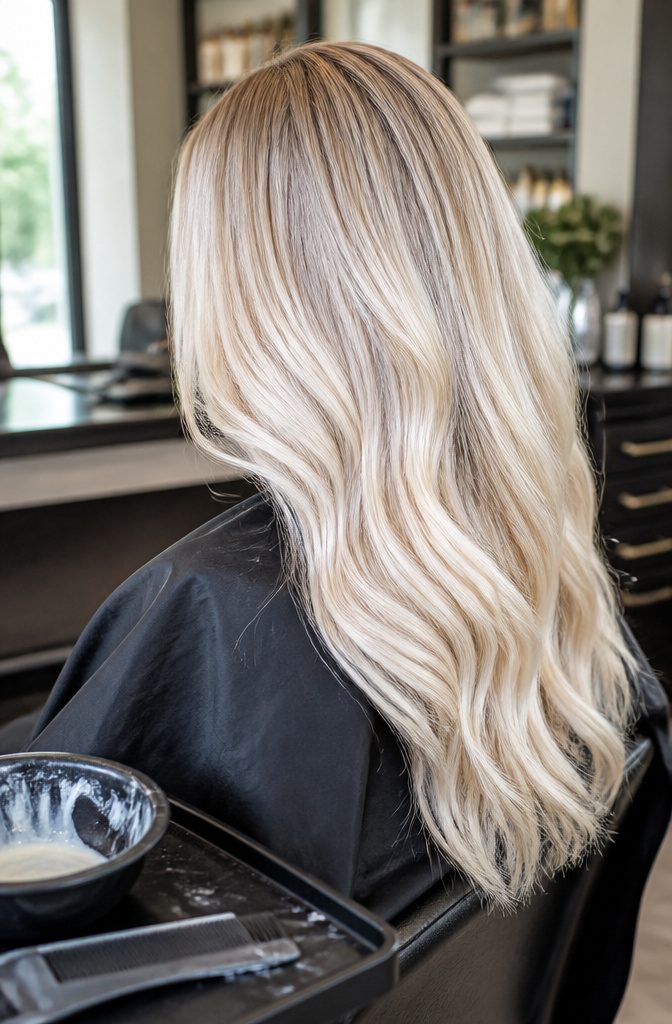
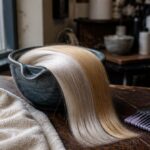
Platinum is the lightest blonde there is, and it takes two steps: bleach the hair to a nearly white level, then tone out the leftover warmth. It suits fair skin best, or medium skin with a yellowish tint.
Warm undertones look better in a golden platinum than a stark icy one, which can wash them out. Creamy platinum sits a half-step warmer than icy and is just as bold, but softer around the face.
I’d steer anyone with dark hair away from icy blonde, because dyeing dark hair icy blonde is about the most damaging thing you can do.
Cream and butter balayage over darker roots gets you a creamy blonde with far less punishment. Between salon visits, purple shampoo keeps the yellow in check.
2. Ash, Silver, Mushroom, and Cool Blondes
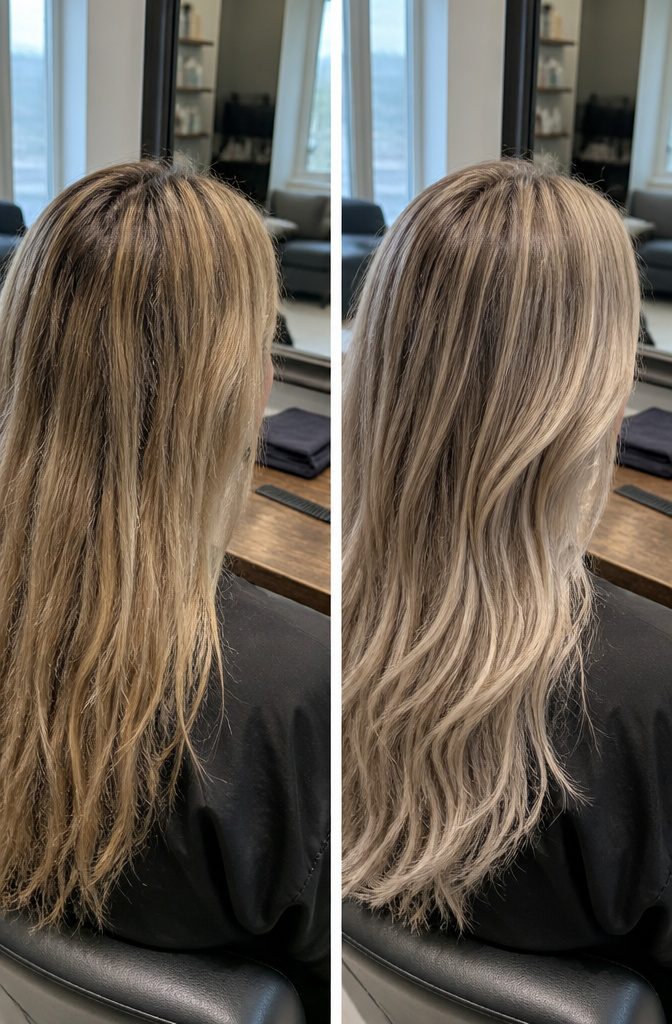
Mushroom blonde, also called teddy bear blonde, mixes sandy blonde with icy light brown, and it is my first pick for anyone easing into gray. The reason comes down to how it ages:
The shade creates a soft, natural mix of blonde and brunette tones that maintains a harmonious look as the hair grows out over time.
— Glamour
With no hard line at the root, gray reads as part of the color.
Silver and light ash blonde run colder and lighter, and they suit lighter complexions with light eyes.
On darker skin or eyes, add some warm honey tones so the color doesn’t look washed out. Platinum highlights over gray blend it in, and lowlights matched to your base stretch the time between touch-ups.
3. Golden, Butter, Honey, and Warm Blondes
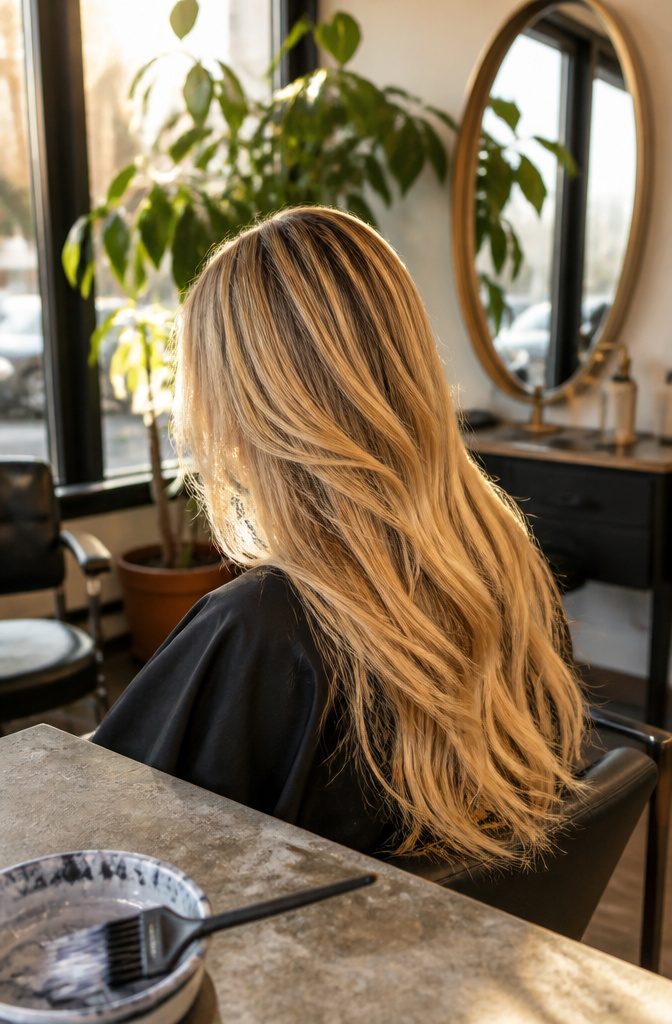
Golden blonde is a mix of butter, gold and honey, and it looks sun-kissed because the warmth lives in the color itself.
Honey blonde runs a bit deeper, with threads of wheat blonde, caramel and amber. Both are tied to warm undertones, though honey also suits neutral-leaning skin.
For a first blonde, I’d start with honey.
Ask for a dimensional honey and have your darker roots left intact, which keeps the change subtle and the upkeep low. It also works in both summer and fall, so you won’t feel you picked a one-season color.
Butter-leaning golden blonde is the brighter choice, and balayage is the way to get it. It looks best with fair complexions and light eyes, like pale blue or hazel.
4. Natural, Sandy, Beige, Soft, and Medium Blondes
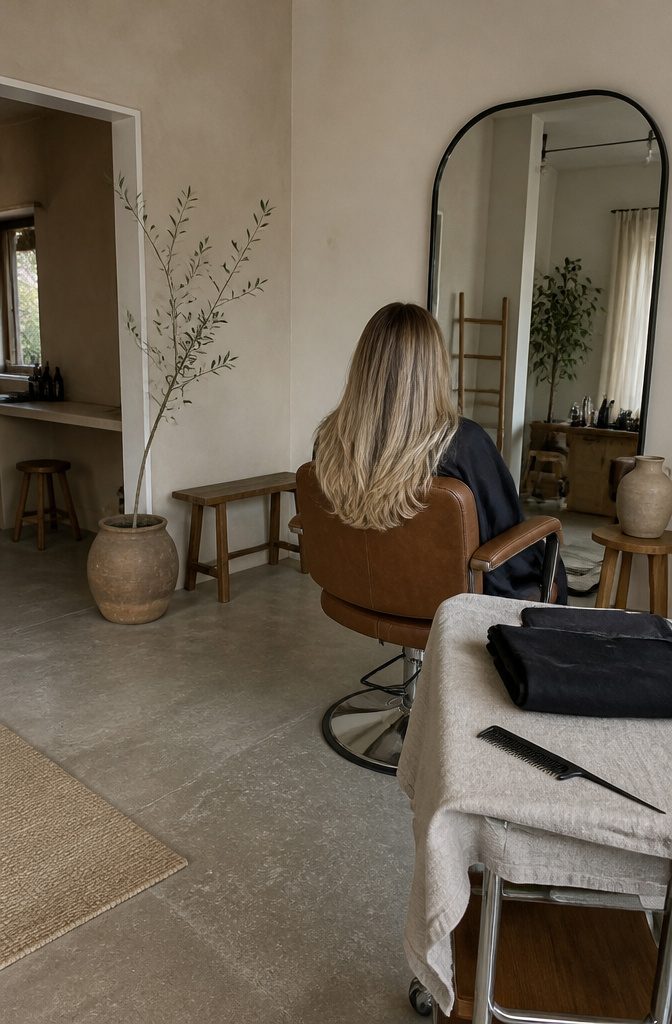
Soft blond whispers: gentle warm and cool tones blend into a sandy, beige or creamy result, usually over a light brown or gray-brown base with muted highlights.
Sandy is my pick for anyone new to blonde, since its ashy hue won’t clash with cool undertones. Ask for a dark blonde base with cool, beige-toned balayage on the mid-lengths and ends.
Beige blonde pairs a darker base with lighter, cooler highlights and suits medium skin, but keep some warmth in it, because ashy or orange-ish tones can wash you out.
Medium blonde, which sits between light blonde and light brown, flatters fair, medium and deep skin alike. The less contrast between base and highlights, the more natural the result, and the easier the upkeep.
5. Strawberry, Rose, Cherry, Copper, and Reddish Blondes
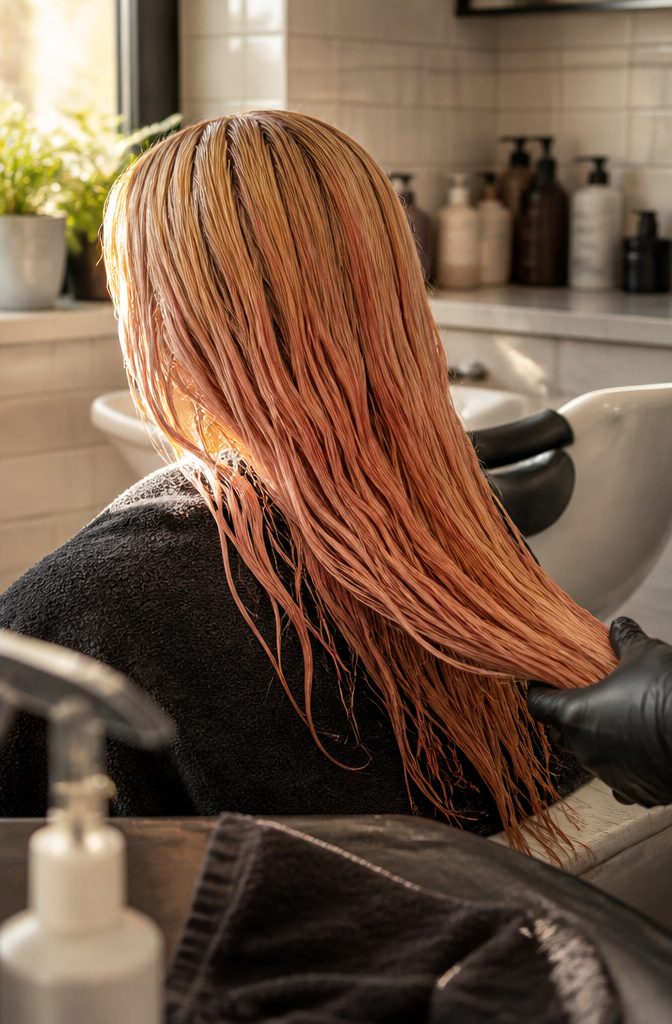
Cherry blonde means two different things depending on who is mixing it.
One is a soft red-copper with a warmer pink undertone, which suits fair, warm skin. The other is a fuchsia-toned berry laid over a darker base, better for deeper skin tones and dark eyes.
Strawberry blonde runs from light to medium and works like a swipe of peachy-apricot blush, so it can rescue a complexion that plain blond washes out.
Bring photos, because strawberry and rose gold slide easily into pink. Rose gold needs hair bleached to a light blonde first, then a pastel dye over it; a one-day spray lets you test the idea cheaply.
For darker natural hair, I’d pick copper blonde, a luminous golden with amber undertones that avoids brass.
6. Bronde, Caramel, Dark Blonde, and Brunette-Blonde Blends
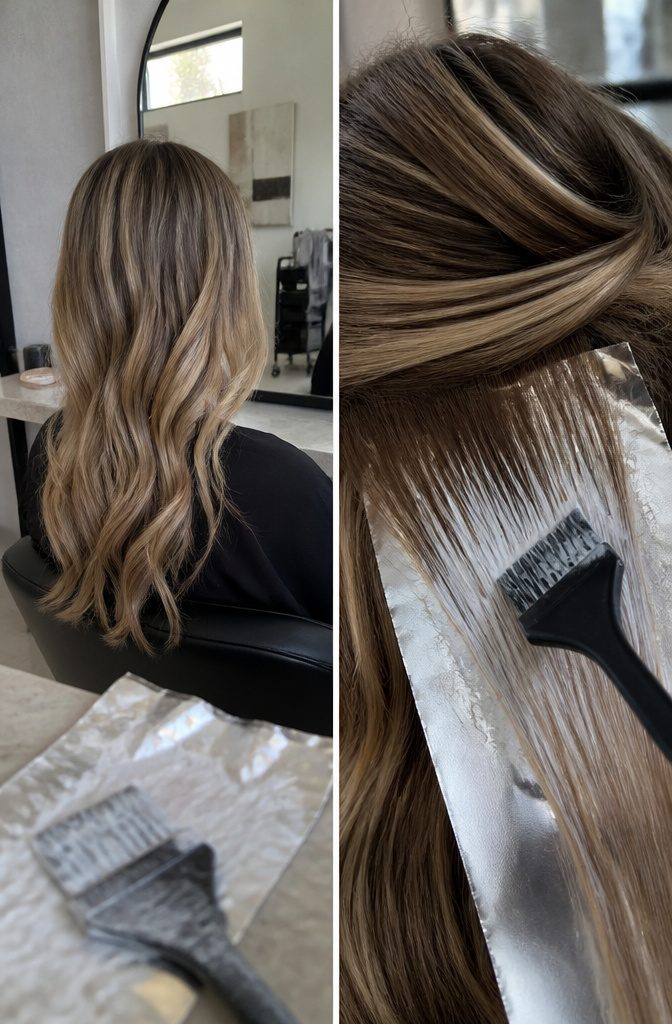
Bronde keeps your brown base and layers blonde through it, so there’s no hard line at the roots.
The less contrast between the two tones, the more natural it reads, and it’s an easy way to blend gray. A colorist can build it with foils, painted-on balayage, or a mix of base color, highlights and darker lowlights.
For a brunette going lighter for the first time, I’d pick caramel. Its deeper tint means less time lifting your hair.
Leave a visible brown root, because that is what keeps darker blonde looking natural, and ask for off-root highlights for the lowest upkeep. If it looks too quiet, brighter face-framing pieces add contrast without overpowering the rest.
7. Highlights, Balayage, Money Pieces, Lowlights, Ombré, and Color Melts
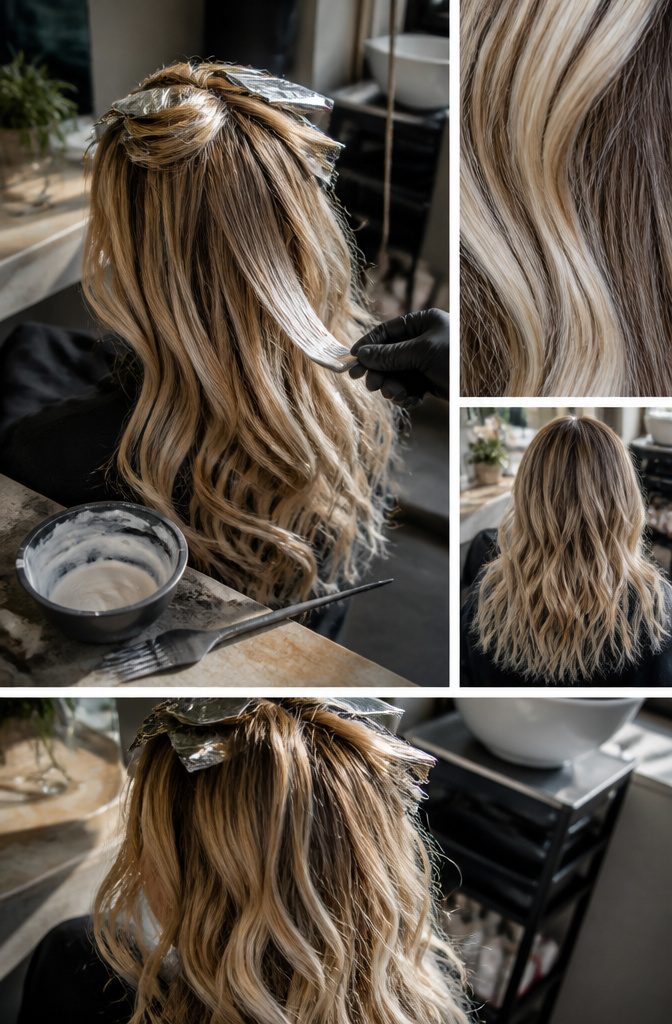
Lowlights are the opposite of highlights: sections one to two shades darker than your base, never more than three shades darker than the blonde itself, so they read as depth rather than stripes.
Balayage is hand-painted on the mid-lengths and ends, which is why it grows out so well.
Traditional foils give a crisper, brighter stripe. Foilayage combines foils with hand-painting, and on a darker base I’d pick it over either one: foil lift with softer edges.
Teasylights and ombré are the other two names worth asking about. A money piece brightens only the face-framing sections, in foils or balayage.
A Scandi hairline lifts the baby hairs for an airy, ultra-natural look. Color melting blends tones with no harsh lines and stretches the time between salon visits.
8. Choosing by Skin Tone, Undertone, Eye Color, and Natural Base
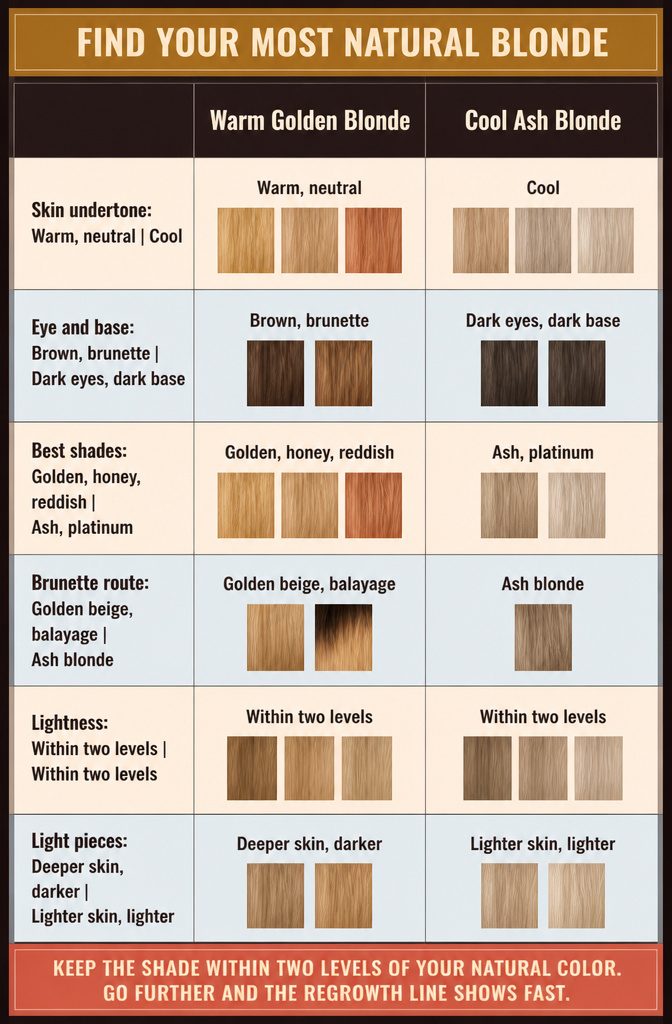
Match like with like: warm skin looks best in golden, honey or reddish blondes, while cool skin pairs with ash or platinum. Neutral undertones can wear nearly any of them, so the choice becomes about mood.
Whatever your undertone, keep the shade within two levels of your natural color. Go further and the regrowth line shows fast.
Eye color matters less than skin, but ash blonde flatters darker eyes, skin and natural hair best.
For brunettes, I’d pick a warm golden beige or sun-kissed balayage placed close to the base color. Lighter skin wants lighter blonde pieces, and deeper skin wants them darker so the result reads as natural.
9. Maintenance and Damage Control
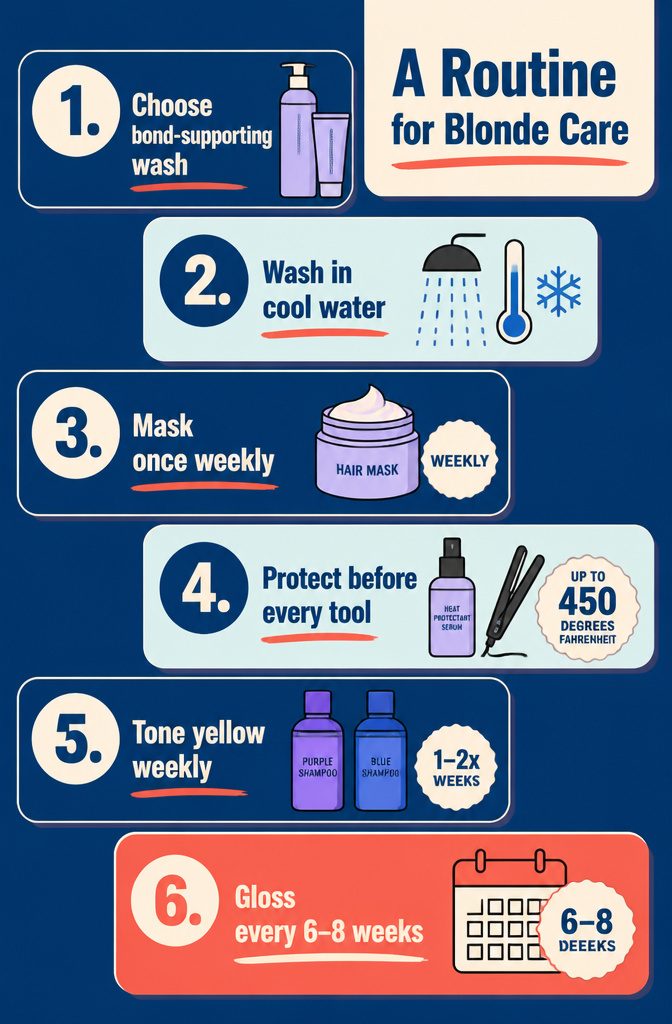
Light blonde holds its tone only with a routine, and these habits do the most:
- Book a gloss and touch-up every 6–8 weeks. Roots start showing around week 4–6.
- Use purple shampoo once or twice a week for yellow tones. For orange, blue-pigmented shampoo works better.
- Wash in cool water and use a hair mask weekly.
- Use heat protection before every hot tool. A bond-repairing serum can protect up to 450 degrees Fahrenheit.
- Choose gentle, bond-supporting shampoo and conditioner.
- Limit time in chlorine and salt water, which can discolor blonde.
- Statement blonde demands the most: mask time, extra conditioning and regular touch-ups. I’d skip it if you won’t keep up.
Dimension Rather Than Flat All-Over Color
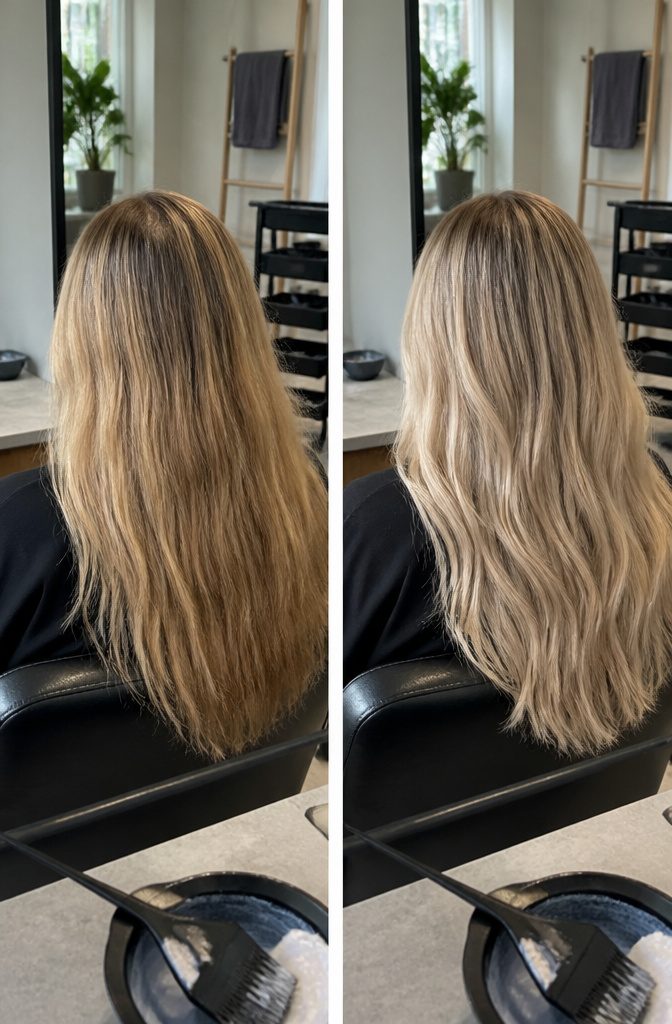
A single flat shade of light blonde hair can look one-dimensional, and lowlights are the usual fix. Woven back in as darker strands, they add depth and contrast, and they blur the line as roots grow in.
Color-melting is my pick over straight highlights or balayage: the colorist hand-paints tones together with no harsh lines, which adds brightness and depth and likely stretches the time between salon visits.
Ombré is the dramatic version, with dark roots fading to light mid-lengths and ends.
A softer take, light brown roots melting into blonde, can go 8 weeks or more without a refresh. The less contrast between shades, the more natural the blend looks.
Rooty, Lived-In, and Blended Looks for Easier Grow-Out
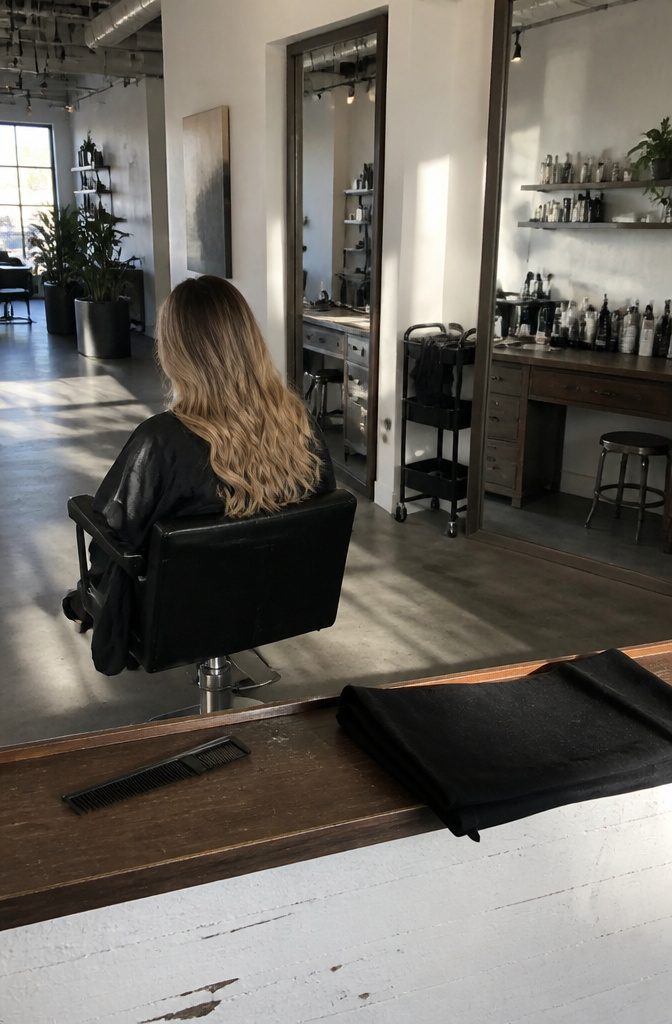
Uniform bright blonde shows its regrowth line fast, so the fix is to stop hiding the root.
Balayage, color melts, bronde and a root shadow all keep the lightest color off the scalp and blur the shift, so new growth reads as part of the design.
Ask for off-root placement with a blended transition and you can wait longer between appointments.
I lean toward the color melt for anyone who wants brightness without a stripe, since the hand-painted blend leaves no harsh lines.
Deeper amber, honey and caramel look most natural with a visible brown root. For face-framing brightness, add a bolder money piece and leave the rest soft.
Purple and Blue Shampoo for Brass Control
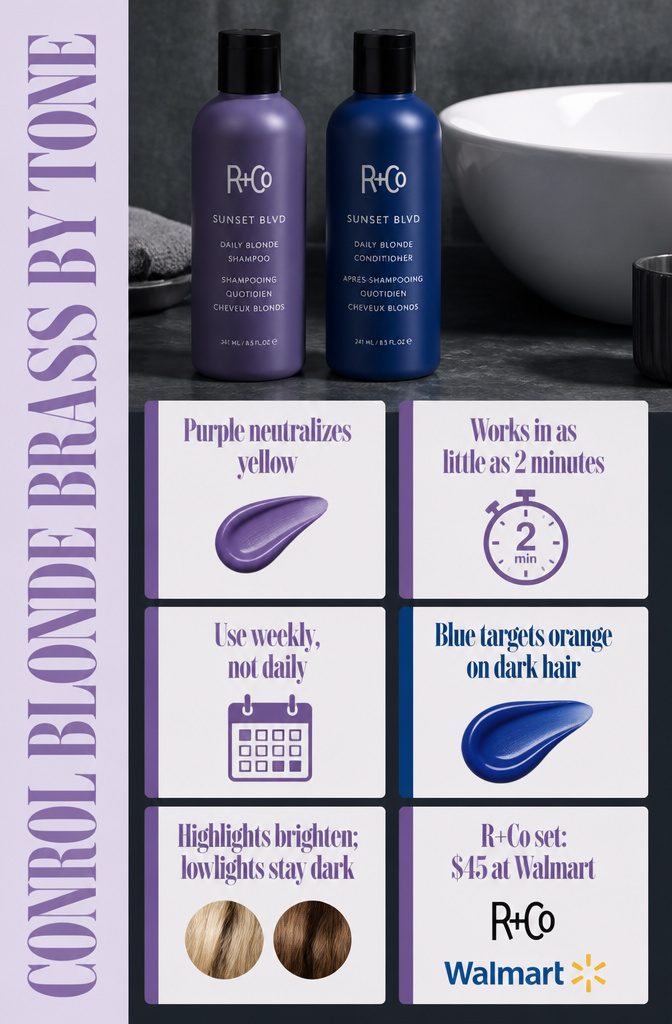
Purple shampoo neutralizes yellow and brassy tones, and it can start working in as little as two minutes. Weekly is the right rhythm for light blonde hair, so leave it on briefly and don’t make it a daily habit.
Lightened dark hair is a different case. The brassy tone there runs orange, and a blue-pigmented shampoo used between salon visits is the better tool.
Purple shampoo tones the lighter strands only. Lowlights won’t get lighter, so if your color has them, expect the brightening to show on the highlights alone.
For a product, I’d start with R+Co Sunset Blvd Daily Blonde Shampoo and Conditioner at $45 from Walmart, since it covers both steps in the shower.
Bumble and Bumble Bb. Illuminated Blonde Purple Leave In Spray, $49 at Sephora, suits anyone who wants to tone without a full wash.
Frequently Asked Questions
What is the lightest blonde hair color?
Platinum is the lightest blonde.
Getting there takes two steps: bleaching the hair to a nearly white level, then toning away the leftover warmth. It suits fair skin best, or medium skin with a yellowish tint.
Why does my hair never feel blonde enough?
The usual causes are leftover yellow or orange warmth and a visible root line. Use purple shampoo about once a week for yellow tones (blue-pigmented shampoo works better for orange), and book a gloss and touch-up every 6–8 weeks.
If the color still looks flat, a single all-over shade may be the issue, and lowlights add depth.
How do I find my skin undertone for choosing a blonde?
Have a professional analyze it, or try the lipstick test: a lipstick that clashes with your undertone looks off on you. Test bluish shades for cool undertones and yellowish shades for warm ones.
Warm skin tends to show yellow, peachy or golden tones and suits honey or golden blonde, while cool skin tends to show pink or blue and suits platinum or ash.
What are lowlights, and what do they look like in blonde hair?
Lowlights are darker sections, usually 1–2 shades deeper than your base color.
In blonde hair they show up as soft, darker strands that add depth instead of stripes. Keep them no more than 3 shades darker than the blonde itself so they stay subtle.
Can you put lowlights over bleached hair?
Yes.
Lowlights add natural-looking depth, dimension and contrast to full blonde hair. They also blur the line as your roots grow in.
Do lowlights damage hair?
They are gentler than highlights, because creating them does not require bleach. That also means they need less upkeep.
Can lowlights cover gray hair?
Yes.
Lowlights that match your natural base color blend and conceal gray hair. They can also stretch the time between touch-up appointments.
Will purple shampoo lighten my lowlights?
No.
Purple shampoo tones only the lighter strands, so lowlights will not get lighter. If your color includes them, the brightening shows on the highlights alone.